



Can you really cut tent sourcing costs without ending up with weak seams, leaky flysheets, and unhappy customers? That question sits at the center of every buyer conversation about China-made camping tents, and it is exactly where this guide begins.
For many outdoor brands, retailers, and private-label startups, price pressure is constant. Buyers need margin room, but they also need dependable quality that survives real use in wind, rain, and repeated setup cycles. The challenge is not simply finding the lowest quote. It is understanding how to compare offers, materials, factory capabilities, and quality controls so lower cost does not become higher risk.
This article is built for informational research, especially if you are exploring options such as camping tent wholesale, short-run product testing, or scaling into larger orders. You may be evaluating a new camping tent supplier, considering a custom camping tent program, or trying to identify top tent manufacturers that can meet both budget and durability expectations. In each case, the same core issue applies: total value matters more than unit price alone.
Instead of treating sourcing as a simple price negotiation, we will frame it as a decision system with trade-offs you can manage. Cost depends on fabric weight, pole material, waterproofing approach, construction complexity, packaging choices, order quantity, and inspection standards. Quality depends on whether those same factors are specified clearly, tested consistently, and verified before shipment. When these pieces align, savings are realistic. When they do not, cheap orders often become expensive after returns, delays, or brand damage.
To keep this practical, the upcoming sections will break down:
The real cost drivers behind tent production and why similar-looking products can have very different pricing.
How to screen factories beyond catalog photos, including production depth and process reliability.
Where custom features add value and where they inflate cost without improving user experience.
What pre-production samples, quality checkpoints, and acceptance criteria should include.
How to evaluate quotes side by side so you can make decisions with confidence, not guesswork.
By the end of this article, you should have a clearer framework for balancing savings and quality when sourcing tents from China. The goal is not to chase the cheapest number. The goal is to buy smarter, reduce avoidable risk, and build a product line that holds up in the field and in the market.
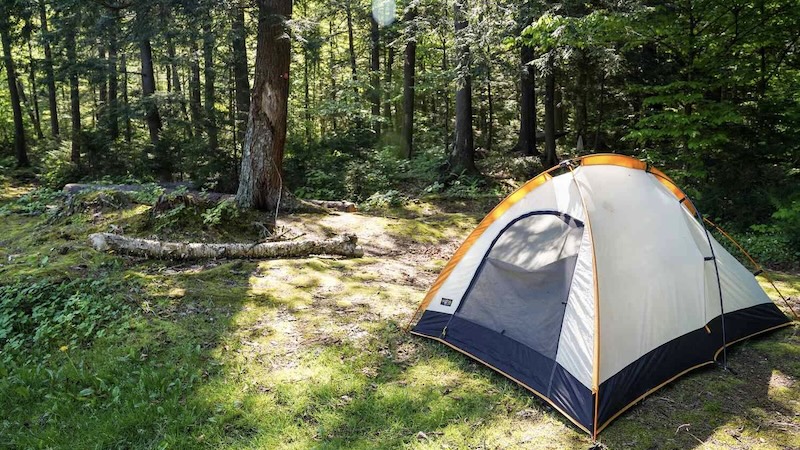
In the introduction, we framed the core goal clearly: save money on tents without accepting avoidable quality risk. This reality check sharpens that goal by showing why broad "market" talk can distract buyers from the decisions that actually protect margin and product performance.
For most buyers, "China camping tent market" sounds useful but is often too wide to guide procurement. It bundles factory capabilities, trading behavior, material volatility, lead-time pressure, and quality variation into one vague topic. That makes it a strategic misfit when your real question is practical: how do I source the right tent at the right cost, with predictable quality, from a dependable partner?
The better approach is to replace market-level curiosity with order-level control. Instead of chasing who claims to be among the top tent manufacturers, evaluate whether a specific production setup can repeatedly meet your use case. A factory that excels at lightweight backpacking tents may be a poor fit for family camping models with larger poles, heavier denier fabrics, and stricter waterproofing expectations.
To keep this section actionable, use this five-point filter before engaging any camping tent supplier or starting camping tent wholesale discussions:
Define performance before price. Set non-negotiables first: hydrostatic head target, seam sealing method, pole material, floor fabric weight, and wind-resistance expectations. If these are not documented, low quotes are meaningless.
Separate manufacturer from trader. Ask who controls production planning, in-line QC, and rework decisions. A trading layer can still be useful, but only if accountability is explicit.
Treat sampling as a process, not a photo check. Require a structured sample review for stitching density, zipper reliability, coating consistency, and setup time in realistic conditions.
Build quality gates into the PO. Include tolerances, defect definitions, packaging standards, and inspection checkpoints before final payment.
Plan independent verification. A China quality inspection agency can validate workmanship and spec adherence before shipment, reducing expensive surprises after arrival.
This is where many custom camping tent projects go wrong. Buyers spend weeks comparing catalogs, then rush through technical alignment and pre-shipment controls. The result is familiar: acceptable headline cost, but hidden losses from defect handling, returns, delayed launches, and brand damage. In other words, apparent savings in sourcing become real costs in operations.
A smarter lens is total landed value, not factory gate price. For example, paying a little more for stronger QC discipline can be cheaper than absorbing one failed batch. If your target customers expect weekend durability, fast setup, and dry interiors during steady rain, "close enough" quality is not close enough commercially.
Use the market reality check as a boundary tool: avoid turning this into a macro debate and keep attention on execution risk. Ask each potential partner to prove capability against your exact specifications, timeline, and quality thresholds. Whether you buy through camping tent wholesale channels or direct factory contracts, consistency beats headline discounts.
If you need extra confidence, add third-party quality inspection to your sourcing workflow early, not just at the end. That step aligns directly with the article's promise: save money without losing quality by preventing preventable failures before goods ship.
The earlier reality check makes one point clear: broad market talk does not help a buyer place a safer order. What helps is reading intent signals correctly, then using those signals to compare options in ways that protect quality while controlling landed cost.
For a camping tent wholesale buyer, commercial investigation starts when search behavior shifts from "ideas" to "proof." Instead of browsing styles, serious buyers ask for fabric denier, pole material, seam sealing method, waterproof rating, MOQ, lead time, defect handling, and packaging specs. They also request production photos, test reports, and sample policies before discussing volume commitments.
A practical screen is to evaluate suppliers on verification depth, not just unit price. Buyers typically compare a camping tent supplier across four checkpoints: manufacturing capability, process control, communication reliability, and pre-shipment risk controls. This is where a structured quality workflow matters. If a supplier cannot explain inspection checkpoints from incoming materials to final packing, low pricing often hides expensive rework later.
In business terms, this intent stage is where margin is either protected or leaked. Treat quality inspection as a procurement control, not an afterthought.
Decision-stage intent appears when buyers connect price to risk. Instead of asking for "best price," they ask what is included: fabric grade, frame durability, accessory set, carton standard, inspection scope, and Incoterms. This is where many sourcing mistakes happen, because two similar quotes may represent different quality baselines.
To avoid false savings, buyers can use a short cost-validation sequence:
Confirm spec lock before quote comparison, including materials, dimensions, and tolerance.
Break pricing into ex-factory cost, tooling, packaging, inspection, freight, and duty assumptions.
Require a pre-production sample and an in-line plus final quality inspection plan.
Define acceptance criteria in writing, including AQL level and corrective action timeline.
Use a third-party or China quality inspection service agency when internal QA coverage is limited.
This approach keeps sourcing grounded in total cost and shipment reliability. For teams that want to save money without quality erosion, pricing analysis and inspection planning should move together from the first serious quote.
Cost and sourcing queries usually appear when a buyer is close to shortlisting factories, not casually browsing. At this stage, better pricing decisions come from comparing like-for-like specifications so you can reduce spend without lowering product reliability.
A practical way to compare any camping tent wholesale quote is to separate price into four core drivers: materials, MOQ, certifications, and lead time. Many buyers think unit price is the main lever, but landed value depends on how these factors interact across production, inspection, and delivery risk.
1) Materials define baseline cost and long-term claim risk Fabric type, denier, coating, pole structure, zipper grade, seam construction, and accessories all shift pricing. A lower-cost polyester shell may reduce unit cost, but weak waterproof coating or inconsistent stitching can increase returns. In contrast, a better pole alloy or more stable seam taping often raises initial cost while improving durability in wind and rain.
For a custom camping tent, material choices should be evaluated as a package, not line by line. If one camping tent supplier proposes lighter fabric and another includes stronger poles, comparing only total price hides quality differences. Request a full bill of materials with tolerances, then confirm if substitutions are allowed before mass production.
2) MOQ changes both unit price and cash-flow pressure Minimum order quantity affects setup efficiency, fabric utilization, and production planning. Higher MOQ often lowers quoted unit cost, but it also increases inventory exposure and payment risk. For many importers, the smarter move is testing a moderate MOQ first, then renegotiating once sell-through is proven.
When reviewing top tent manufacturers, ask for tiered quotes at two or three MOQ levels and keep the exact same specification across all tiers. This shows where price decreases are real economies of scale versus hidden quality cuts. It also helps procurement teams compare suppliers on working-capital impact, not just per-unit numbers.
3) Certifications and compliance add cost but protect market access Certification-related costs may include material testing, flame-retardant treatments where required, lab fees, documentation management, and factory process controls. These items can raise upfront pricing, yet they often prevent blocked shipments, relabeling, or rework later.
Treat compliance costs as risk-control spending. If a quote appears unusually low, confirm which tests are included, which standards are claimed, and whether reports match the exact production version. This is where a China quality inspection service agency can be useful before shipment, especially for first orders or newly modified designs.
4) Lead time influences true cost through scheduling risk Shorter lead times may require overtime production, faster material procurement, or prioritized line allocation, all of which can increase price. Longer lead times can lower factory pressure but may create stockout risk during seasonal peaks. The right target is a realistic timeline with stable quality output.
For smarter supplier comparison, combine timeline and quality controls in one review. Ask each camping tent supplier to define sample time, production window, pre-shipment quality inspection timing, and rework protocol. A slightly higher quote can still be the better business decision if it delivers predictable lead times and consistent China quality.
To keep this section actionable, use one comparison sheet that locks specification, MOQ tiers, compliance scope, and delivery window before final negotiation. That approach supports the core goal of saving money without sacrificing quality, while keeping supplier selection disciplined and commercially practical.
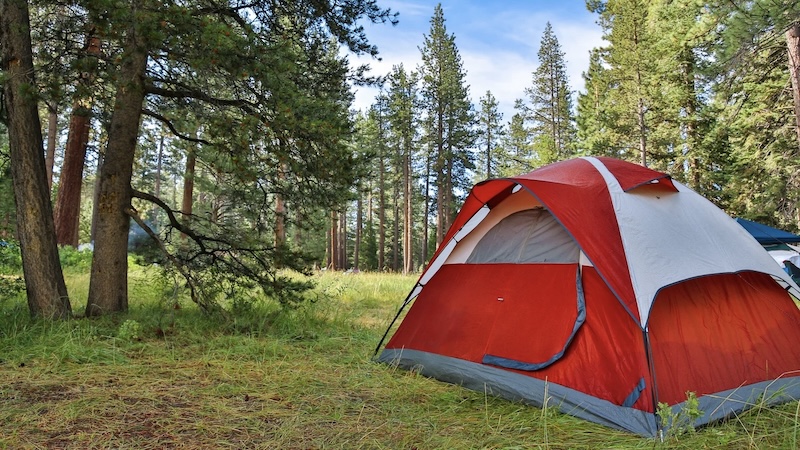
After mapping cost drivers like materials, MOQ, certifications, and lead time, the practical question is who can deliver those promises consistently. Strong sourcing decisions come from vetting process quality, not just accepting a low quote for camping tent wholesale orders.
Start with a structured shortlist so you compare suppliers on the same commercial and quality criteria. Focus on manufacturers with clear product scope, transparent communication, and documented production controls for tent fabrics, poles, seam sealing, and waterproof testing. A dependable camping tent supplier should explain how they control incoming materials, in-line checks, and final inspection before shipment.
Use a simple scoring matrix across capability, responsiveness, compliance readiness, and risk. Prioritize suppliers that can support your custom camping tent requirements with clear tech-pack handling, sample revision discipline, and realistic lead-time commitments. If two offers look similar, favor the partner that shares quality records and accepts third-party pre-shipment checks. That protects margin by reducing rework, returns, and delayed launches.
Before paying for samples, ask direct questions that test operational truth, not sales language. The goal is to confirm whether the company can execute your spec at scale, not just produce a good first piece.
Which tent categories do you produce in-house, and which steps are outsourced?
How do you verify fabric denier, coating performance, and seam tape durability?
What is your defect classification standard, and how are corrective actions tracked?
Can you align sample construction with mass-production methods and tooling?
Do you support independent inspection through a China quality inspection service agency before shipment?
These questions quickly separate serious China camping tent companies from intermediaries with limited factory control. For buyers comparing top tent manufacturers, the best responses are specific, process-based, and consistent across sales and technical contacts. Vague answers usually signal execution risk later.
Service claims can sound polished while hiding delivery and quality gaps. Watch for factory profiles that overstate capacity, avoid process details, or change key terms after quotation. In camping tent wholesale procurement, poor term clarity often leads to hidden costs that erase initial savings.
Key red flags include:
Frequent handoffs between sales contacts with no single accountable project owner.
Sample quality that cannot be tied to written tolerances, bill of materials, or approved construction notes.
Reluctance to accept staged inspections, including in-process checks and final quality inspection.
Payment terms that demand heavy upfront commitment without milestone protection.
Lead-time promises that ignore seasonality, material booking cycles, or production queue realities.
A disciplined review of service claims keeps sourcing aligned with "save money without losing quality." When needed, route high-risk orders through a quality inspection service agency to validate output before balance payment. That step supports better supplier accountability while keeping your sourcing model commercially practical.
After evaluating supplier credibility, service claims, and trading terms, the priority is to turn that research into a clear buying decision. These takeaways keep your China camping tent plan focused on lowering total cost while protecting product quality and delivery reliability.
Price only matters when tied to a full spec set. Compare offers using the same fabric weight, pole material, waterproof rating, seam treatment, accessory bundle, packaging method, MOQ, and lead time. This avoids false savings and keeps camping tent wholesale comparisons fair.
Total landed value beats unit price alone. A lower ex-factory quote can be offset by slower production, weaker QC, higher defect risk, or costly rework. For a practical decision, weigh durability, consistency, and after-sales accountability alongside quoted price before choosing a camping tent supplier.
Sample validation is a cost-control tool, not a formality. Approve pre-production samples only after checking setup ease, stitching quality, zipper performance, water resistance behavior, and packing accuracy against your purchase spec. This reduces avoidable losses before bulk production starts.
Customization should be selective and margin-aware. A custom camping tent can improve product fit and differentiation, but every added feature can affect material use, lead time, and defect exposure. Keep custom requests tied to clear user value and stable production outcomes.
Supplier selection should reward repeatable execution. Among top tent manufacturers, prioritize those that consistently meet agreed specs, timelines, and communication standards over those offering the lowest opening quote. Reliable execution is what protects savings across repeat orders, not just in a single purchase cycle.
Q1: How can I lower costs when buying China camping tents without sacrificing quality?
Start by comparing total value, not just unit price. Ask suppliers for full material specs (fabric denier, PU/silicone coating, pole grade, seam sealing method) and test reports. Request pre-production samples and inspect stitching, zippers, waterproofing, and setup stability. Use clear QC checkpoints: incoming materials, in-line checks, and final AQL inspection. You can also reduce cost through smart design choices, such as simplifying accessories, optimizing carton size, and consolidating SKUs. A reliable supplier with consistent quality often saves more long term than the cheapest quote.
Q2: What minimum order quantity (MOQ) should I expect for camping tent wholesale from China?
MOQ varies by tent type, customization depth, and factory scale. For standard models with minor branding, MOQs may be relatively low, while fully custom molds, fabrics, or structural changes usually require higher quantities. If you are testing a new market, negotiate with a stock-based or flexible supplier for a smaller pilot run, then scale after sales validation. Ask about mixed-size or mixed-color options within one order. Confirm whether lower MOQ changes pricing, lead time, packaging options, or quality process so you can compare offers accurately.
Q3: How do I verify a China camping tent supplier is reliable?
Check business licenses, export history, and third-party audit reports first. Then evaluate production capability: monthly output, core machinery, in-house vs outsourced processes, and experience with your target markets. Request recent quality records, defect rates, and compliance documents for fabric safety and chemical standards if needed. Conduct a video or on-site factory audit, and start with a trial order before committing to large volume. Reliable suppliers communicate clearly, provide consistent specs, and accept structured quality agreements, including inspection standards and corrective action procedures.
Q4: What quality tests are most important for China camping tents before shipment?
Prioritize waterproof performance, seam integrity, pole strength, and durability under repeated setup. Common checks include hydrostatic head testing for flysheet and floor, seam tape adhesion tests, pull tests on guy points, zipper cycle tests, and frame stability in wind simulation or practical load testing. Also verify dimensions, weight tolerance, color consistency, and packaging drop resistance. Use a pre-shipment inspection with an AQL standard and clear pass/fail criteria. Testing early at sample stage and again before shipment greatly reduces costly returns and customer complaints.
Practical signals to redirect include weak inquiry quality, repeated price-only conversations, and visitors who leave before reviewing inspection or specification content. In those cases, shift emphasis from generic discovery terms to pages framed around decision criteria: material standards, testing checkpoints, production consistency, and pre-shipment verification. This keeps the article theme intact by focusing on how buyers protect margin while controlling quality.
For business relevance, route users toward your quality-first commercial path, including a clear quality inspection service agency page that explains process scope, reporting depth, and escalation handling. This is where informational intent can convert into serious conversations. You are not abandoning demand; you are filtering it so buyers who need a camping tent wholesale program, a reliable camping tent supplier, or a custom camping tent project can self-qualify through concrete quality expectations before sales engagement.
 English