



What if the hardest part of building a great product is not design, pricing, or marketing, but simply knowing where to start your search for the right factory?
For many founders, sourcing managers, and growing brands, the moment you decide to find China factory options can feel both exciting and risky. The opportunity is clear: broad manufacturing capacity, flexible production capabilities, and access to specialized processes. The challenge is equally real: too many directories, too many middlemen, and too little clarity on who actually makes your product.
This article is built for readers in the research phase who are asking practical questions like how do I find a Chinese manufacturer without wasting months, or how to find factories in China that can meet quality, lead time, and communication expectations. Rather than pushing a single platform or shortcut, it will map a clear decision path you can apply to your product category and order size.
You will see how to evaluate search channels, compare direct factory outreach versus trading intermediaries, and identify early signals that separate reliable partners from high-risk listings. The goal is not to promise instant success, but to reduce avoidable errors before samples, negotiations, and contracts begin.
To keep that path useful, the article focuses on four outcomes:
Build a repeatable process to find and shortlist real factories.
Improve your first-contact strategy so replies are faster and more relevant.
Spot warning signs early, before money or timelines are committed.
Prepare for deeper due diligence with the right questions and documents.
By the end, you should have a practical framework for moving from broad online search to a focused, evidence-based shortlist. In the next sections, we will break down each stage so you can research with more confidence and less guesswork.
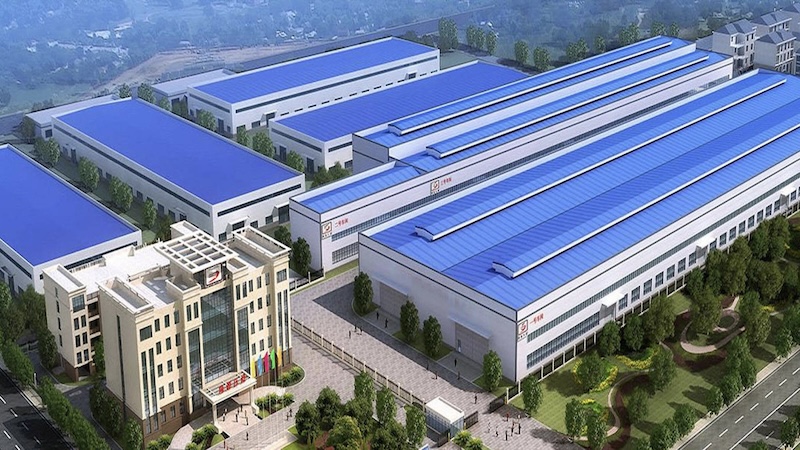
With the basics in place, it helps to frame what this search really involves. When people ask, "how do I find a Chinese manufacturer," they are usually trying to reduce risk, control costs, and protect delivery timelines at the same time.
A practical approach starts by defining your product requirements before outreach. If your spec is vague, every quote will look different, and comparison becomes misleading. Build a short sourcing brief that includes materials, dimensions, tolerances, packaging, target order quantity, and required certifications if your product category needs them.
To find factories in China efficiently, treat discovery as a funnel, not a single step. Your goal is not to collect hundreds of contacts. Your goal is to shortlist a small number of factories that can actually produce your exact item at consistent quality.
Set qualification criteria first: production capability, MOQ range, lead time, quality control process, export experience, and communication responsiveness.
Source candidates from multiple channels: trade platforms, trade shows, referrals, and direct outreach to factory websites.
Validate factory fit early: request business licenses, product-specific experience, process photos, and sample workflows.
Run a sample stage before commitment: evaluate workmanship, packaging quality, and consistency across revisions.
Compare total landed value, not unit price alone: include defect risk, rework time, shipping impact, and payment terms.
This is where many buyers make a costly mistake: they optimize for the lowest quote instead of the most reliable manufacturing match. If you are trying to find China factory partners for long-term growth, reliability and repeatability matter more than a small initial savings.
For teams with limited bandwidth, a product sourcing company can speed up verification and communication. This can be useful when technical specs are complex or when your internal team cannot manage factory screening daily. The right support model should still keep you close to decisions on quality standards, sample approval, and production checkpoints.
In business terms, strong China product sourcing improves margin predictability and reduces operational disruption. A disciplined shortlisting process also gives you leverage in negotiation because you are comparing qualified options, not random quotes. That context sets up the next sections, where execution details determine whether your sourcing plan is scalable.
Your quick market scan gives you options, but it does not give you direction. Before you find factories in China, define your product requirements in writing so every quote, sample, and negotiation is measured against the same baseline.
If your spec is vague, every factory interprets it differently, and you cannot compare bids fairly. Build a simple product specification sheet that includes dimensions, tolerances, materials, finish, color references, packaging details, labeling, and key performance expectations. Add photos, drawings, or a sample where possible.
Define your acceptance criteria before sampling. For example, list what is critical, major, and minor for defects, then note test methods for each checkpoint. This helps you ask better questions when you think, "how do I find a Chinese manufacturer" for this exact product, not a generic category. In practice, clearer specs reduce rework, speed up sample approval, and make your factory search more efficient.
Price discussions are more productive when you know your limits. Start with your target retail or wholesale price, then work backward to a maximum landed unit cost that still protects your margin after freight, duties, packaging, and platform fees.
Document three numbers before outreach: target unit cost, acceptable MOQ range, and minimum gross margin threshold. Then request quotes at multiple volume tiers so you can see where economies of scale begin. This structure keeps negotiations grounded and helps you avoid selecting a partner that only works at unrealistic order sizes. If you are evaluating a product sourcing company for China product sourcing, these numbers also let you judge whether their proposed factories fit your business model.
Compliance should be defined before supplier shortlisting, not after deposit payment. List the standards and documentation your product category may require, such as safety testing, material declarations, labeling language, warning marks, and packaging rules for your destination markets.
State your compliance expectations in RFQs and ask factories to confirm what they can support, including past experience and lead times for testing. When you find China factory candidates, this step quickly separates capable partners from those that cannot meet launch requirements. It also protects your timeline: compliance gaps discovered late often delay shipments, increase costs, and force last-minute product changes. Clear compliance planning keeps product sourcing aligned with quality, cost, and market-readiness goals.
With your specifications, target cost, and compliance checklist defined, your sourcing process now becomes a filtering exercise. The goal is not just to collect quotes, but to find China factory partners that can actually build your product at the quality level you planned.
To do this well, combine three channels instead of relying on one: B2B platforms for broad discovery, trade shows for direct validation, and sourcing agents for on-the-ground verification.
If you are asking, "how do I find a Chinese manufacturer" without wasting months, start by treating each channel as a different stage of due diligence.
B2B platforms are your top-of-funnel screening tool. Use them to find factories in China by product category, production capability, certifications, and export experience. Build a shortlist, then pressure-test each profile. Check whether the company name is consistent across its storefront, business license, and contact details. Ask for a factory video call, production line photos with timestamps, and recent sample reports. A real manufacturer usually answers technical questions clearly, while a trading company often replies in broad terms.
Trade shows are your reality check. At a show, you can compare suppliers side by side, inspect sample quality, and evaluate how deeply a team understands process control. Ask specific questions about tooling ownership, defect handling, and lead-time risk during peak seasons. If two companies offer similar pricing, the one that gives transparent production answers is usually the lower-risk partner. This step helps you move from online claims to in-person confidence.
Sourcing agents help you verify what you cannot see remotely. A qualified local partner can visit facilities, verify registration records, confirm whether production is in-house, and assess quality systems before you place a deposit. This is where a China factory audit agency becomes practical, especially for first orders or higher-value SKUs. A structured audit can reveal subcontracting risk, weak process controls, or compliance gaps early enough to switch suppliers.
Use these channels together as a sequence: discover, validate, verify. That sequence protects margin, reduces avoidable quality failures, and keeps your sourcing decisions tied to real factory capability rather than polished sales messaging.
After you find factories in China through platforms, trade events, or referrals, your real advantage comes from disciplined vetting. A structured shortlist helps you avoid costly delays and choose a partner that can actually deliver your product standards at scale.
Start with identity verification before discussing volume discounts. Ask for the company’s current business license, legal entity name, registered address, and scope of business, then match those details across invoices, contracts, and bank account names. Request recent export documentation to confirm the factory has shipped products similar to yours. If a sales contact cannot explain ownership structure, production site location, or export process clearly, treat that as a practical risk signal when you find China factory options.
Samples are your first quality audit, not a formality. Provide a written checklist based on your approved requirements: dimensions, materials, finish, tolerances, packaging, and labeling. Evaluate at least two sample rounds if your product has moving parts, custom branding, or safety-sensitive features. Keep photos, measurements, and pass/fail notes in one scorecard so you can compare factories consistently. This is often where teams asking how do I find a Chinese manufacturer separate polished sales presentations from real manufacturing capability.
A capable sample does not guarantee reliable production. Confirm monthly capacity for your SKU, peak-season constraints, and realistic lead times for pilot runs versus repeat orders. Ask for a simple process map covering incoming material checks, in-process inspections, and final pre-shipment checks. Clarify who signs off on defects and how rework is handled. When you find China factory candidates, this workflow view protects your margin by reducing late deliveries, inconsistent quality lots, and avoidable freight upgrades.
Price matters, but total execution risk matters more. Compare quotes line by line: tooling, unit cost tiers, packaging, testing, payment terms, and incoterm assumptions. Track response quality over several interactions by noting turnaround time, clarity, and willingness to confirm details in writing. Fast, precise communication usually predicts smoother production management. Shortlist the manufacturer that combines competitive economics with stable operations, transparent documentation, and low-friction communication, not simply the lowest initial quote.
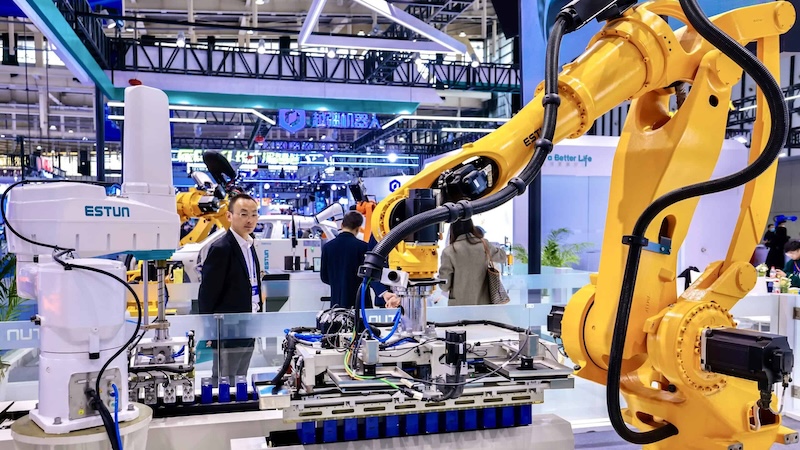
After you have checked licenses, samples, capacity, and communication quality, negotiation turns your shortlist into a workable deal. This is the point where buyers who can find China factory options effectively separate low headline pricing from true landed cost and controllable risk.
Treat pricing as a full package, not a single unit number. Ask for a clear quotation that breaks out unit price, tooling, packaging, testing, and shipping assumptions. When buyers ask, "how do I find a Chinese manufacturer" that can scale safely, this transparency is one of the best filters because serious factories explain cost drivers and revision conditions.
Keep negotiation practical with three levers:
1. Price structure: Request tiered pricing by MOQ and annual volume, plus a re-quote trigger for major raw-material shifts.
2. Payment terms: For a pilot, many buyers start with a deposit and balance after pre-shipment inspection. As performance stabilizes, negotiate improved terms tied to on-time quality.
3. Incoterms: Confirm who pays and controls each logistics stage. For early orders, many teams prefer terms that give them freight visibility and flexibility.
If your goal is to find factories in China for repeat orders, document every commercial term in one signed proforma version before payment. That single discipline prevents scope drift, surprise add-ons, and timeline disputes when you order products from China.
A pilot order is also your legal test run. Price matters, but IP protection determines whether your design stays yours when production grows. Use a manufacturing agreement plus an NNN agreement (non-disclosure, non-use, non-circumvention) written for cross-border enforcement, then align both with your purchase documents.
Focus your contract language on operational control:
- Define product specs, tolerances, defect thresholds, and corrective-action timelines.
- State that molds, dies, firmware, artwork, and custom packaging assets are your property after payment.
- Prohibit unauthorized subcontracting and require written approval for any sub-tier factory.
- Require destruction or return of confidential files at project end.
- Add dispute process, governing law, and practical evidence requirements.
Pair legal protection with execution visibility through order monitoring milestones: pre-production sample signoff, in-line checks, final inspection, and shipment release gates. This keeps your pilot aligned with what you negotiated and gives you a controlled path from "find China factory" research to reliable, repeatable purchasing.
After pricing, terms, and IP protections are on paper, the decision becomes operational: can your team run this relationship repeatedly without friction? This is where many buyers who can technically find China factory options still stall, because the cheapest quote does not always fit the way their business executes.
Use a practical pass-fail framework before you place a larger order. If two or more areas fail, pause and re-scope rather than forcing a weak fit.
Workflow compatibility Map your internal process from forecast to reorder. If your team needs fast design changes, weekly status updates, and strict carton labeling, confirm the factory can support that cadence. A factory that makes good samples but cannot match your operating rhythm will create hidden cost.
Total landed economics Evaluate full cost, not just unit price: tooling, packaging changes, inspection, freight variability, duties, and rework risk. When asking, "how do I find a Chinese manufacturer" that scales, compare scenarios at multiple volumes. The right partner is often the one with stable economics at your likely reorder size, not your trial quantity.
Execution risk tolerance Score each candidate on communication clarity, lead-time consistency, and corrective-action speed. If updates are vague during sampling, expect bigger gaps during peak production. For buyers building a long-term China product sourcing program, responsiveness is a control mechanism, not a soft preference.
Quality system fit Match your defect tolerance to the factory's real QC behavior, including incoming material checks, in-process controls, and final inspection records. If your brand cannot absorb returns, choose the factory with stronger process discipline even when its quote is higher.
Scale and continuity Validate whether capacity can grow with your sales plan and whether backup production paths exist for key components. When you find factories in China, shortlist those that can handle both steady-state orders and demand spikes without resetting quality.
A simple decision matrix keeps this objective:
| Criteria | Weight | Factory A | Factory B |
|---|---|---|---|
| Workflow compatibility | 25% | 8 | 6 |
| Landed economics | 25% | 7 | 8 |
| Execution risk | 20% | 8 | 5 |
| Quality system fit | 20% | 9 | 6 |
| Scale continuity | 10% | 7 | 7 |
Multiply score by weight, then review the non-negotiables separately. A higher total score should not override a critical fail such as weak IP discipline or unreliable communication.
If your team lacks bandwidth to run this process every cycle, a product sourcing company can help structure supplier management, inspections, and escalation workflows while you keep commercial control. The goal is not to outsource judgment; it is to make sure your China product decisions stay consistent as order volume grows.
In short, the right answer is not "China or not China." The right answer is whether this specific factory model supports your buyer workflow with repeatable quality, predictable delivery, and manageable risk.
Your final decision framework should now be practical, not theoretical: if China still fits your workflow after risk, cost, and speed checks, your process should stay disciplined from shortlist to scale. The core goal is consistent execution every time you find China factory options, not one-off wins.
Define fit before outreach: decide your acceptable cost range, quality threshold, lead-time tolerance, and communication cadence first. This keeps your search focused when you find factories in China and prevents low-fit quotes from consuming attention.
Validate capability in layers: use documents, sample quality, production clarity, and pilot performance together, rather than trusting a single signal. If you are asking, "how do I find a Chinese manufacturer" reliably, this layered validation is the method that reduces avoidable surprises.
Negotiate with structure, not pressure: align pricing, payment milestones, Incoterms, and tooling ownership in writing before production scale-up. Clear terms protect margins and timelines while lowering misunderstanding risk across both sides.
Treat protection clauses as operating requirements: contracts, NNN terms, and IP/tooling language are not optional add-ons. They are baseline controls that support repeatable sourcing outcomes when product designs, private labeling, or custom specs are involved.
Decide using workflow impact, not unit price alone: approve only the factory path that fits your team’s actual execution capacity across QA, communication, logistics, and reordering. The best outcome is a sourcing model you can run consistently, not just a factory you can sign quickly.
Taken together, these points keep your sourcing approach grounded: clear criteria, layered verification, disciplined negotiation, and a workflow-first decision standard.
A strong close to your sourcing work is simple: choose the partner that can deliver consistent quality, clear communication, and realistic lead times under written terms. Cost matters, but the best quote is rarely the lowest number. It is the offer that stays stable after sampling, survives production pressure, and matches your operating rhythm.
When people ask, "how do I find a Chinese manufacturer," they often expect a platform shortcut. In practice, reliable results come from comparing candidates through the same checklist, documenting every commitment, and removing ambiguity before money changes hands. That approach helps you find factories in China that are built for repeat orders, not one-off wins.
Use this final action plan to move from research to commitment:
Shortlist no more than three qualified factories and score them against the same criteria: product fit, QA process, communication speed, and production capacity.
Run a paid sample or pilot order with clear acceptance standards, including measurements, tolerances, packaging, and defect thresholds.
Confirm commercial terms in writing: unit price, tooling ownership, payment schedule, lead time, and remake or refund responsibilities.
Set an operating cadence for weekly updates, milestone photos, and pre-shipment checks so issues are surfaced early.
Place the first production order at controlled volume, then scale only after on-time delivery and quality consistency are proven.
This keeps your first order from becoming an expensive experiment. More importantly, it gives your team a repeatable model you can use every time you need to find China factory capacity for a new product line. Start with one SKU, execute the process cleanly, and let performance earn expansion.
 English