Consumer Electronics Sourcing from China: Our Strongest Category
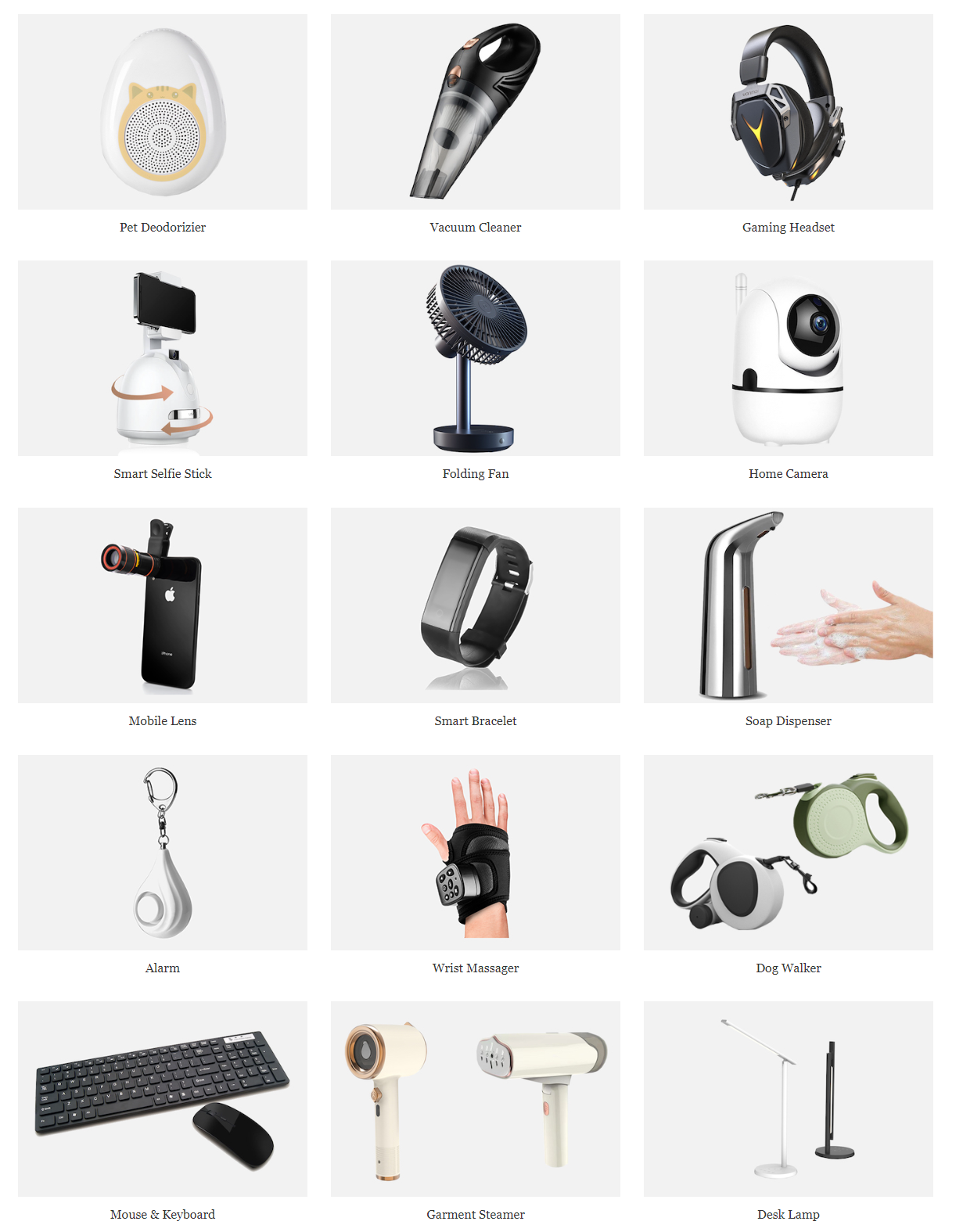
Consumer electronics is the category we know best. We have sourced and inspected personal electronics, audio, cameras, wearables, smart home devices, and phone accessories since 2012, working inside the world’s densest electronics supply chain. It is also the category that punishes casual sourcing hardest: two products can look identical on the outside and differ completely inside, in the battery cells, the chipset, and the firmware.
That gap between what a listing shows and what a factory actually builds is exactly where we work.
What We Source
| Product Type | Common Approvals to Review |
|---|---|
| Phone accessories | CE, RoHS |
| Audio and earbuds | CE, FCC, RoHS |
| Smart home devices | CE, FCC, UKCA |
| Wearables | CE, FCC, RoHS |
| Cameras | CE, FCC, RoHS |
| Battery-powered products | UN38.3 for shipping, plus market approvals |
Typical minimums run 100 to 500 units for standard products without custom packaging. Custom packaging usually moves the minimum to 1,000 units, because the packaging print run, not the product itself, sets the floor.
Why Electronics Buyers Work With Us
We sit inside the supply chain. Our team is based in Shenzhen, and the electronics manufacturing belt around it, Dongguan, Foshan, and Zhongshan, is within a morning’s drive. When your product needs a different battery supplier or a firmware fix, the answer is often down the road, not an email across time zones.
Our inspectors know electronics. The senior inspector checking your order has spent years testing exactly this kind of product: charging cycles, battery behavior, app pairing, waterproof sealing, and the failure patterns each product type is known for.
We know where quotes hide their differences. Electronics pricing is a game of component grades. Battery cells, chipsets, and connectors come in levels that look identical in photos and perform very differently in use. We compare quotes at the component level, not the headline price.
What We Check on Electronics Orders
Battery safety: cell quality, real capacity against the rated capacity, charging temperature behavior, and the shipping documentation lithium batteries require.
Charging and function: charge cycles, port durability, cable compatibility, and full function testing against your approved sample.
App and connection: pairing reliability, basic app function on both major phone systems, and firmware version consistency across the batch.
Waterproofing and build: seal integrity where a rating is claimed, casing fit, button feel, and the cosmetic standard your market expects.
Approvals and labeling: whether the certificates the factory shows actually cover your product model and your market, and whether the labels and packaging carry the required marks.
A Category Where Checking Pays for Itself
Electronics defects rarely show up in photos. A power bank with recycled cells looks exactly like one with new cells. Earbuds with a firmware bug pair fine at the factory and fail after the app updates. The cost of finding these problems after your customers do, in returns, reviews, and marketplace penalties, is many times the cost of checking before shipment.
That is why we recommend electronics orders combine manufacturing control during production with a pre-shipment inspection before the balance is paid.
Case Study: 20,000 Pedometers and a Walk Around the Block
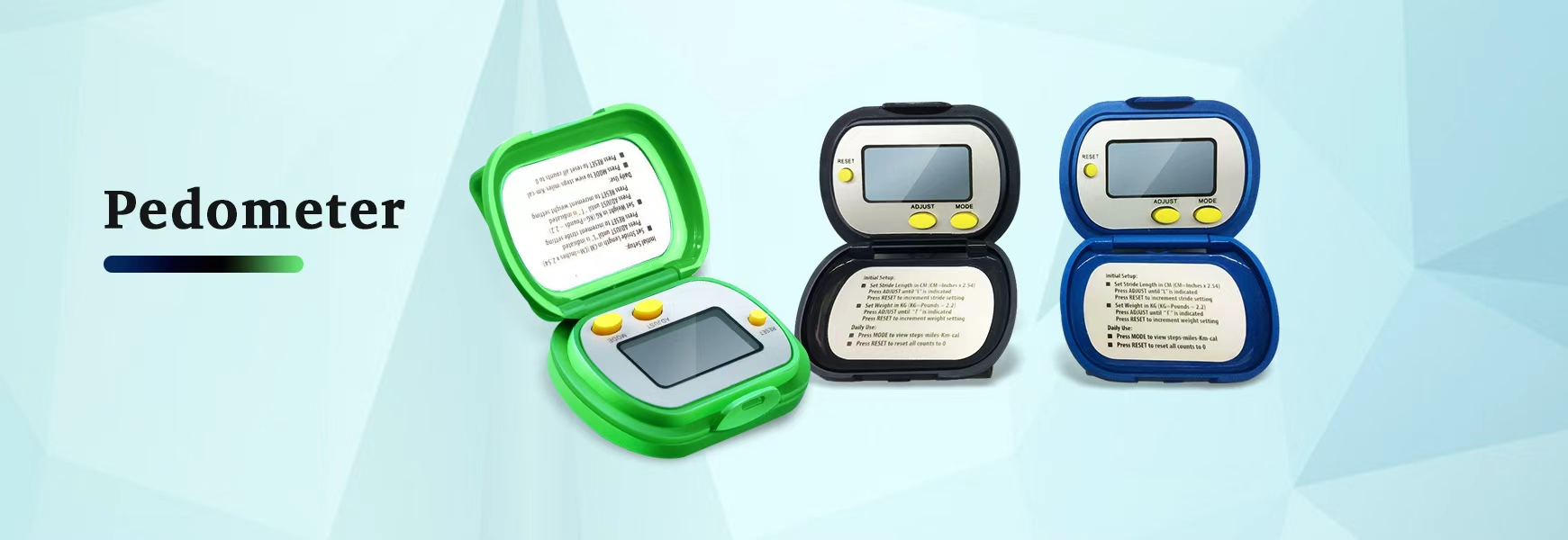
Bodytronics, a US brand, ordered 20,000 pedometers based on an existing factory model we recommended: same design, 3 colors, and no major customization. It looked like the easiest order of the year. It was not. When we studied the sample, we found the classic pedometer bug: oversensitivity. Walk with a bounce or a long stride, and one step can count as two.
The cause sat in the spring damping that sets the sensor’s sensitivity. The factory’s own swing-jig test could not catch it: fixed amplitude, uniform speed, nothing like a real walk. So we tested the way people actually walk. I clipped on 5 pedometers myself and logged 3 half-hour walks: a morning commute, a lunch walk around the office, and an evening walk in a park, counting real steps against the 5 displays.
That first-hand data let the factory’s engineers match damping values to counting error and lock the right setting for production. At the pre-shipment inspection of the 20,000 units, I walked the factory neighborhood for another half hour with production samples, the counts stayed within tolerance, and the batch shipped. Some problems need a lab. This one needed someone willing to walk.
FAQ
Q1. Can I put my own brand on an existing electronics product?
Yes, this is the most common path for new sellers. Factories offer existing models that accept your logo, colors, and packaging, which keeps minimums and tooling costs low while you test the market.
Q2. Can I add a custom feature to an existing electronics product?
Often yes, and it is a smart middle path between buying stock and building from scratch. The factory’s engineers may modify the existing model with a firmware tweak, an added sensor, or a different battery, while we manage the specification and sample rounds through product development.
Q3. Can I get a small trial order before committing to the full minimum?
Often yes. Many factories accept a paid pilot run below their standard minimum for a first cooperation, especially on existing models. It costs more per unit and is usually worth it.
Q4. What are the most common quality problems with electronics from China?
Overstated battery capacity, early charging-port failures, firmware bugs, and certificates that cover a different model. Old stock adds one more: lithium batteries drain close to zero after about 6 months in storage. All checkable before shipment.
Q5. Is there anything special about shipping battery products?
Yes. Lithium batteries are regulated cargo, and shipments need the right test documentation and packaging marks. Missing paperwork can strand goods at the port, so we confirm it before booking, not after.
Q6. What happens if my product depends on the factory’s app?
That dependence is a real risk worth pricing in. If the factory stops maintaining the app, your product loses value overnight. We flag app ownership and update responsibility during sourcing so you know what you are buying.
Q7. Who handles the certifications, me or the factory?
It depends on the approval and your market. Factories often hold some certificates for existing models; market-specific approvals may fall to you as the seller. We review what exists, what your market requires, and where the gap is before you order.
Q8. What about warranty and after-sales for electronics orders?
Cross-border repairs are rarely practical, so the working solution is prevention plus replacement. When you report real defect cases from your sales data, we provide free replacement units: you usually cover the courier cost, and on repeat orders the replacements simply ship with your next batch.
Ready to Source Electronics from China?
Tell us the product, your target quantity, and your destination market. We will tell you what it should cost, what approvals it needs, and where the quality risks sit, before you commit to a factory.