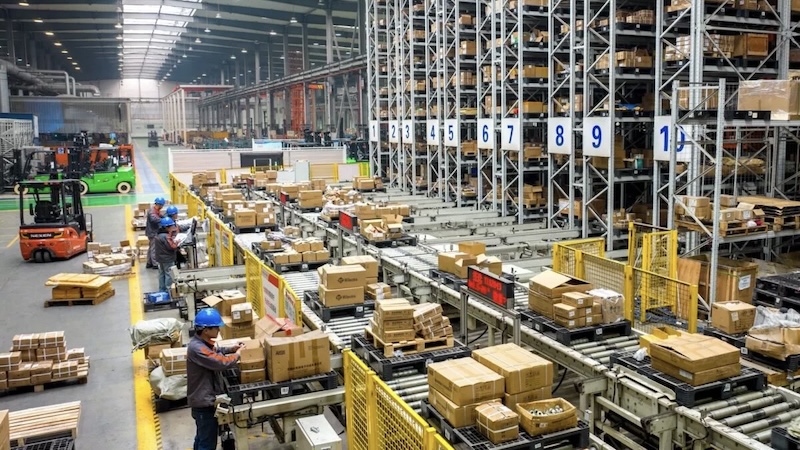
When entrepreneurs and established businesses across the United States search for hot selling products to expand their inventory, one country consistently dominates the conversation: China. The nation has cemented its position as the world's manufacturing powerhouse, accounting for nearly 30 percent of global manufacturing output and serving as the primary source for products import operations worldwide. This dominance extends far beyond simple cost advantages, encompassing sophisticated supply chains, technological infrastructure, and unmatched production versatility that make China the go-to destination for sourcing selling products across virtually every category imaginable.
The appeal of importing from China reaches beyond traditional retail categories into emerging markets that define modern consumer behavior. From electronics and smart home devices to sustainable lifestyle products and personalized accessories, Chinese manufacturers have demonstrated remarkable agility in identifying and producing hot selling products that resonate with American consumers. The country's manufacturing ecosystem supports both large-scale production runs for established brands and flexible minimum order quantities for small businesses testing new concepts, creating opportunities for importers at every level of operation.
For US-based businesses, understanding why China maintains this dominant position becomes essential when developing sourcing strategies. The infrastructure supporting products import from China has matured considerably over the past two decades, with streamlined logistics networks, quality control systems, and payment processing through familiar methods like Credit Cards, PayPal, and Apple Pay making international transactions increasingly accessible. Trade shows, online B2B platforms, and direct manufacturer relationships provide multiple pathways for American entrepreneurs to identify and source selling products import opportunities that align with their market positioning and profit targets.
The regulatory landscape also influences why China remains central to import strategies. While US businesses must navigate FDA regulations for health and wellness claims when importing certain product categories, Chinese manufacturers have increasingly adapted their quality standards and documentation practices to meet American compliance requirements. This evolution reflects the maturation of the China-US trade relationship and the sophistication of manufacturers who understand that meeting international standards opens doors to premium markets and long-term business partnerships.
Several factors converge to explain China's sustained leadership in the global import market:
Manufacturing Diversity and Specialization: Chinese industrial zones have developed deep expertise in specific product categories, creating clusters where entire supply chains exist within geographic proximity. Electronics manufacturing in Shenzhen, textile production in Guangzhou, and furniture craftsmanship in Foshan exemplify this specialization, enabling rapid prototyping and production scaling.
Cost Competitiveness Without Quality Compromise: While labor costs in China have risen, investments in automation and process efficiency have maintained competitive pricing structures. Manufacturers now offer tiered quality levels, allowing importers to select products that balance cost considerations with the quality expectations of US consumers.
Innovation and Product Development Speed: Chinese factories have transformed from mere production facilities into innovation partners capable of product customization, design iteration, and rapid market response. This agility proves invaluable when importing hot selling products in fast-moving categories like consumer electronics or fashion accessories.
Established Logistics Infrastructure: Mature shipping routes, experienced freight forwarders, and sophisticated warehousing networks connecting Chinese ports to US distribution centers reduce complexity and transit times. This infrastructure supports both container-load shipments and smaller air freight operations for testing new products.
E-commerce Integration: Chinese manufacturers increasingly understand online retail dynamics, offering product photography, packaging design, and even dropshipping capabilities that align with American e-commerce business models.
The types hot selling products available for import span an extraordinary range, from everyday consumer goods to specialized items targeting niche markets. Technology accessories, home organization solutions, fitness equipment, beauty tools, and pet products consistently appear among the most profitable categories for US importers. Seasonal opportunities emerge regularly, with manufacturers demonstrating impressive capability to produce trend-driven items that capitalize on social media virality or shifting consumer preferences.
Importing selling products from china requires strategic thinking beyond simply identifying low-cost items. Successful importers evaluate product categories based on market demand patterns in the United States, competitive landscape analysis, shipping logistics, regulatory compliance requirements, and profit margin potential after accounting for duties, taxes, and operational costs. The most profitable products import strategies often focus on items with favorable size-to-value ratios, consistent demand cycles, and differentiation opportunities through branding or bundling.
Payment security and transaction protection have evolved significantly, with escrow services and trade assurance programs providing safeguards for US businesses engaging with Chinese suppliers. These protections, combined with increasingly transparent communication channels, reduce the perceived risks that once deterred smaller businesses from exploring international sourcing opportunities. Modern importers can negotiate terms, request samples, and establish relationships with manufacturers using familiar digital payment methods, removing traditional barriers to entry.
The strategic importance of China in global supply chains means that businesses serious about competitive positioning must understand how to effectively source and import products from this manufacturing hub. Whether pursuing private label opportunities, reselling proven hot selling products, or developing custom items for specific market niches, China offers unparalleled resources for product sourcing. The following sections explore specific product categories, sourcing methodologies, quality assurance practices, and logistics strategies that enable US businesses to successfully navigate the China import landscape and build sustainable, profitable operations around selling products import from this dominant manufacturing economy.

Building on China's established position as the global manufacturing hub, the electronics sector continues to dominate profitable import opportunities for US businesses in 2026. The convergence of affordability, innovation, and rapid production cycles makes Chinese electronics among the most hot selling products import categories available today.
The smart home market in the United States has evolved from a luxury niche to a mainstream consumer expectation, creating substantial opportunities for importers who source IoT-enabled devices from China. Smart plugs equipped with energy monitoring capabilities typically retail between $12 and $25 in US markets, while wholesale import costs from Chinese manufacturers range from $3 to $7 per unit, offering profit margins that make these items consistently hot selling products for both online and brick-and-mortar retailers.
WiFi-enabled LED smart bulbs represent another cornerstone of profitable products import strategies. These bulbs now incorporate features like color-changing RGB technology, voice assistant compatibility with Alexa and Google Home, and scheduling functions that appeal to energy-conscious American consumers. Import costs average $2 to $5 per bulb, while retail prices command $15 to $30, depending on feature sets and brand positioning. The key to maximizing profitability lies in sourcing bulbs that comply with FCC electromagnetic interference standards and Energy Star certifications, which Chinese manufacturers increasingly understand and accommodate.
Security cameras with cloud storage integration have become essential selling products in the home automation space. Chinese suppliers offer competitive pricing on 1080p and 4K resolution cameras with night vision, two-way audio, and motion detection alerts. Import prices range from $15 to $35 per unit for quality devices, while US retail markets support pricing between $50 and $120. The types hot selling in this category include doorbell cameras, indoor pan-tilt models, and weatherproof outdoor units. Importers should verify that selected products support standard encryption protocols and comply with consumer privacy expectations increasingly scrutinized in US markets.
The practical advantage of importing these IoT devices lies in the established ecosystem Chinese manufacturers have built around smart home standards. Most suppliers now produce devices compatible with major platforms like Matter, the universal smart home standard gaining traction in 2026, ensuring broader market appeal and reduced technical support burdens for importers.
Smartphone accessories remain among the most reliable types hot selling products import from China, driven by consistent device upgrade cycles and consumer demand for personalization and protection. With over 300 million smartphone users in the United States, the accessory market offers continuous revenue opportunities regardless of broader economic fluctuations.
Protective cases represent the foundational category for selling products in this space. Chinese manufacturers produce everything from basic TPU cases at $0.50 to $1.50 import cost to premium leather and carbon fiber options at $3 to $8 per unit. US retail prices range from $10 to $40, creating attractive margins. The fastest-moving items import include clear cases that showcase device aesthetics, rugged military-grade protection cases, and wallet-style folios that combine functionality with protection. Successful importers typically source multiple style variations to capture different consumer preferences within a single product category.
Wireless charging accessories have transitioned from premium add-ons to expected functionality, making them hot selling products across demographics. Qi-compatible charging pads and stands import from China at $4 to $10, while commanding retail prices between $20 and $45. Three-in-one charging stations that simultaneously power smartphones, smartwatches, and wireless earbuds represent a particularly strong selling products subcategory, with import costs of $12 to $20 and retail pricing reaching $60 to $90.
Screen protectors, particularly tempered glass variants, continue delivering strong margins despite their commodity nature. Import costs of $0.30 to $1.00 per unit translate to retail prices of $8 to $25 when properly packaged and marketed. The key differentiation lies in sourcing protectors with anti-blue light coatings, privacy filters, or anti-bacterial treatments that justify premium positioning.
Cable and charging accessories round out essential items import for any smartphone accessory business. USB-C cables with fast charging capabilities, multi-device charging cables with interchangeable tips, and compact wall adapters with multiple ports all maintain consistent demand. Chinese suppliers offer these at remarkably low import costs, typically $1 to $4 per item, while US consumers readily pay $12 to $30 for quality products with proper certifications. Ensuring UL or ETL safety certifications becomes critical for these electrical products to meet retailer requirements and maintain consumer trust in the competitive US marketplace.
Building on the electronics and smartphone accessories boom, another category of hot selling products from China continues to capture American consumer attention: beauty, personal care, and fashion accessories. While tech gadgets dominate online marketplaces, the beauty and wellness sector has emerged as one of the fastest-growing segments for products import operations. The US beauty market's appetite for innovative yet affordable skincare tools and fashion accessories creates exceptional opportunities for importers who understand current trends and quality standards.
The wellness-beauty crossover has transformed traditional Chinese skincare tools into mainstream hot selling products across American retail channels. Jade rollers, gua sha stones, and facial massage devices represent a perfect intersection of ancient wellness practices and modern self-care routines. These items import particularly well because they carry minimal regulatory complexity compared to cosmetics while offering substantial profit margins that typically range from 200% to 400%.
Jade rollers currently retail between $8 and $45 in US markets, depending on stone quality and brand positioning. Import costs from Chinese manufacturers typically range from $1.50 to $8 per unit for MOQ orders of 500 pieces or more. The appeal extends beyond traditional beauty retailers; these tools now appear in boutique gift shops, wellness centers, yoga studios, and hotel spas. The dual-roller design remains the most popular configuration, with rose quartz emerging as a close competitor to traditional jade in consumer preference.
Gua sha tools represent another category of hot selling products import that experienced explosive growth following social media beauty tutorials. These flat, handheld stones designed for facial massage typically cost $2 to $6 per unit from Chinese suppliers and retail for $15 to $38 in US markets. The heart-shaped and wing-shaped designs prove most popular, particularly when packaged with instructional cards or QR codes linking to tutorial videos. Import considerations include verifying genuine stone composition, as synthetic alternatives can damage brand reputation despite lower costs.
Electric facial cleansing brushes constitute the tech-forward segment of beauty tools among selling products import from China. Silicone sonic cleansing devices with USB charging capabilities wholesale for $4 to $12 and command retail prices of $25 to $65. The waterproof IPX7-rated models perform best in US markets, where shower-friendly designs align with consumer preferences. FDA compliance becomes relevant here; these devices must meet electrical safety standards, and importers should request UL or ETL certification documentation to ensure smooth customs clearance.
LED light therapy masks and handheld devices represent premium-tier types hot selling in the beauty technology category. Import costs range from $15 to $45 per unit for FDA-compliant models, with retail prices spanning $80 to $250. The key differentiation factor involves wavelength accuracy and medical-grade LED specifications. Red light (630-700nm) and blue light (405-420nm) combinations prove most marketable, addressing both anti-aging and acne concerns. Importers must navigate FDA regulations carefully, positioning these as cosmetic devices rather than making therapeutic claims that would trigger medical device classification.
Derma rollers and microneedling tools occupy a sensitive regulatory space but remain profitable items import for educated sellers. These devices require careful marketing to avoid FDA scrutiny; positioning them as skincare enhancement tools rather than medical treatments keeps them in cosmetic territory. Needle lengths of 0.25mm to 0.5mm face fewer restrictions than longer medical-grade needles. Import costs run $1.50 to $5 per unit, with retail prices from $12 to $45, but success depends on including comprehensive safety instructions and proper sterilization protocols.
Hair removal devices including IPL (Intense Pulsed Light) systems represent high-ticket selling products that Chinese manufacturers now produce with impressive quality standards. Import costs range from $25 to $65 for consumer-grade IPL devices that retail between $150 and $350. The US market particularly favors models with skin tone sensors and multiple intensity settings. FDA registration becomes mandatory for these devices, and importers should verify that factories provide proper documentation including safety testing results and user manuals compliant with US labeling requirements.
Fashion accessories complement beauty tools as consistent hot selling products import categories. Silk sleep masks, scrunchies, and hair accessories wholesale for $0.50 to $3 per unit from Chinese suppliers and maintain healthy margins in boutique and online retail channels. The key to success involves curating cohesive collections rather than importing random assortments. Pastel color palettes and sustainable packaging claims resonate particularly well with US consumers aged 18-35, the demographic driving most beauty and wellness purchases.
Quality control deserves special attention across all types hot selling in this category. Request pre-production samples of jade rollers to verify stone authenticity through texture and temperature tests; genuine jade remains cool to touch and displays natural color variations. For electronic devices, insist on full functionality testing including battery performance and waterproof ratings. The FDA's cosmetic regulations may seem lenient compared to pharmaceutical standards, but consumer safety lawsuits create substantial business risk that proper vetting eliminates.
Packaging significantly impacts the perceived value of beauty products import operations. Chinese manufacturers now offer sophisticated packaging solutions including magnetic closure boxes, velvet pouches, and eco-friendly kraft boxes at remarkably low costs. Adding $0.30 to $1.50 per unit for premium packaging typically enables $5 to $10 retail price increases, delivering immediate ROI. US consumers increasingly expect sustainable packaging, making recycled cardboard and biodegradable materials strategic choices for long-term brand building in selling products markets.
While beauty and skincare tools continue capturing consumer attention, the fitness and wellness category represents an equally compelling opportunity for hot selling products import from China. The home fitness market has maintained steady growth across the United States, driven by consumers seeking convenient workout solutions and health monitoring capabilities. This stability makes fitness equipment and wellness devices particularly attractive for importers looking to build sustainable product portfolios with consistent demand cycles.
Resistance bands, yoga mats, and adjustable dumbbells remain among the most reliable types hot selling products in the fitness import category. These items offer exceptional profit margins, typically ranging from 40% to 65%, while their compact size significantly reduces shipping costs from Chinese manufacturers. Resistance band sets with varying tension levels retail between $15 and $35 in the US market, with wholesale costs often under $5 per set when ordering minimum quantities of 500 units.
Smart fitness equipment represents the premium segment of selling products import opportunities. Connected jump ropes that track calories and rotations, smart hula hoops with digital counters, and Bluetooth-enabled workout scales appeal to tech-savvy fitness enthusiasts willing to pay premium prices. These items typically wholesale for $8 to $25 and retail between $30 and $80, creating substantial profit potential. The key advantage is differentiation through technology integration, which helps justify higher price points compared to traditional fitness accessories.
Foam rollers and massage balls occupy the recovery equipment niche, with textured designs and dual-density construction commanding higher margins than basic models. Import costs range from $3 to $8 per unit, while retail prices span $18 to $45 depending on features like vibration motors or ergonomic contours. These products benefit from year-round demand as recovery tools complement any fitness routine regardless of season or trending workout styles.
Pulse oximeters and digital thermometers experienced unprecedented demand shifts, and while initial surges have normalized, these devices maintain consistent sales as household health essentials. When sourcing these products import items, compliance with FDA regulations becomes critical. Reputable Chinese manufacturers provide necessary certifications, but importers must verify that devices meet Class II medical device requirements if marketed for medical purposes. Non-medical wellness thermometers and monitors face fewer regulatory hurdles while still offering 50% to 70% profit margins.
Smart water bottles with hydration tracking and LED reminders exemplify innovative wellness products that bridge technology and health consciousness. These hot selling products typically cost $6 to $12 to import and retail between $25 and $45, appealing to consumers who appreciate gamified health habits. The rechargeable battery component requires awareness of shipping regulations for lithium batteries, but most suppliers handle documentation when shipping via established freight forwarders.
Posture correctors and ergonomic accessories address the work-from-home wellness segment. These lightweight items cost under $4 to import and sell for $15 to $30 retail, with minimal complexity in product specifications. The category demonstrates stable demand rather than viral spikes, making inventory planning more predictable for importers building long-term selling products strategies.
Verifying product certifications takes priority when sourcing fitness and wellness items for the US market. Request copies of test reports for materials safety, particularly for products with skin contact like yoga mats or resistance bands. California Proposition 65 compliance documentation should be standard for any fitness equipment containing vinyl, rubber, or foam materials. Responsible suppliers provide these certificates proactively, while hesitation often signals potential compliance issues.
Order samples of multiple color variations and resistance levels before committing to large production runs. Fitness products often succeed or fail based on tactile qualities that photographs cannot convey. Testing resistance band elasticity, yoga mat grip, or foam roller firmness helps identify quality issues before investing in inventory. Sample orders typically cost $50 to $200 including shipping but prevent costly mistakes on products import decisions.
Negotiate MOQ flexibility for initial orders while establishing relationships with manufacturers producing types hot selling fitness items. Many Chinese suppliers accept 300 to 500 unit minimums for first-time buyers, particularly when ordering established product designs rather than custom specifications. Building rapport through smaller initial orders creates leverage for better pricing and terms on subsequent purchases as sales data validates product performance in your market.

After identifying promising fitness equipment and wellness products import opportunities, the critical next step is validating whether these hot selling products will actually generate profit in your specific market. Many importers discover too late that attractive wholesale prices from Chinese suppliers don't translate to sustainable margins after accounting for shipping, customs duties, and operational costs. This section provides practical frameworks for calculating real profitability, validating market demand before committing capital, and navigating sourcing platforms to find trustworthy suppliers for your selling products import business.
Profitable importing requires understanding every cost component before placing your first order. Start by requesting detailed quotations from potential suppliers that include unit cost, minimum order quantities, and production timelines. For most hot selling products import from China, expect unit costs between 30-60% of your intended retail price to maintain healthy margins.
Your total landed cost calculation should include the product cost, international shipping (typically 10-25% of product value for ocean freight, 40-60% for air freight), customs duties (varies by product classification under HS codes, averaging 2-15% for consumer goods), payment processing fees (typically 3-5% when using credit cards or PayPal), and warehousing or fulfillment costs. For example, a resistance band set costing $3.50 per unit from your supplier might have $1.20 shipping, $0.35 in duties, and $0.40 in transaction and storage fees, bringing your landed cost to $5.45.
To remain competitive while covering advertising, returns, and overhead, aim for at least 3x markup on landed costs for established product categories and 4-5x for unique or trending items. Using the resistance band example, your retail price should be $16.35-$27.25 to sustain operations. Calculate break-even units by dividing fixed costs (initial inventory investment, photography, listing setup) by your per-unit profit margin. Most successful importers target 40-50% gross margins after all direct costs but before marketing expenses.
Validating demand before investing thousands in inventory separates successful importers from those stuck with unsold products. Begin with search volume analysis using free tools like Google Trends to identify whether interest in your target selling products is growing, stable, or declining. Look for consistent or upward-trending search patterns over 12-24 months rather than temporary spikes that indicate fads.
Amazon's Best Sellers Rank (BSR) provides direct evidence of sales velocity for types hot selling products. Products ranking below 15,000 in their primary category typically sell multiple units daily, while those above 100,000 may move only a few units weekly. Use browser extensions to track BSR history over time, ensuring consistent performance rather than promotional anomalies. Similarly, analyze review counts and dates, as products gaining 20-30 reviews monthly demonstrate strong, sustained demand.
Social media listening offers qualitative validation that complements quantitative data. Search platforms like Instagram, TikTok, and Pinterest for hashtags related to your products import category to gauge organic interest and identify emerging trends. Products with thousands of user-generated posts and active creator partnerships typically have established demand. Consider running small-scale test campaigns on Facebook or Google with $100-200 budgets to measure click-through rates and conversion potential before committing to large inventory purchases. Conversion rates above 2% generally indicate viable demand for e-commerce offerings.
Alibaba remains the dominant platform for connecting with Chinese manufacturers, particularly for bulk orders and custom manufacturing of hot selling products. Focus on suppliers with Gold Supplier status (indicating paid membership and verification), transaction histories showing at least 50 completed orders, and response rates above 90%. Request certifications relevant to your product category, including FDA registration for items import that contact skin or body, and always obtain samples before placing production orders.
AliExpress serves better for initial testing with smaller quantities and faster shipping, though per-unit costs run 30-50% higher than Alibaba bulk pricing. Use AliExpress to validate product quality and customer reception before scaling to larger Alibaba orders. Evaluate seller ratings carefully, prioritizing those with 95%+ positive feedback over at least 1,000 transactions and detailed photo reviews from US buyers confirming product accuracy.
Alternative platforms like Global Sources and Made-in-China offer additional supplier options with different specializations. Global Sources emphasizes verified manufacturers with trade show presence and tends toward higher-quality, slightly more expensive suppliers suitable for premium positioning. Direct communication matters significantly; suppliers responding within 12 hours with detailed, professional answers typically provide better service throughout the relationship. Request references from current US clients, verify business licenses through Chinese commercial registries, and consider third-party inspection services for orders exceeding $5,000 to ensure quality standards before shipment. Payment terms protecting both parties, such as 30% deposit with 70% upon inspection approval, balance supplier confidence with your financial security for selling products import ventures.
After identifying reliable suppliers and validating profitability for your hot selling products import strategy, the next critical step involves understanding the legal framework governing international trade. Navigating compliance requirements and tariff structures ensures your selling products import business operates smoothly while avoiding costly penalties or shipment delays.
Tariffs represent a significant cost factor when importing hot selling products from China to the United States. The Harmonized Tariff Schedule (HTS) classifies goods into specific categories, each carrying different duty rates that directly impact your profit margins. Electronics and smart home devices typically face tariffs ranging from 0% to 6.5%, though certain subcategories may encounter higher rates depending on trade agreements and current trade policies. Consumer electronics with integrated software often require additional scrutiny during customs clearance.
Textile and apparel items experience varied duty rates based on fiber content, construction method, and end use. Cotton-based products generally carry duties between 5% and 32%, while synthetic materials may face different rates. Proper classification proves essential because misclassification can result in retroactive duty assessments and penalties. Many importers working with types hot selling in fashion maintain detailed product specifications to ensure accurate HTS code assignment.
Fitness equipment and wellness devices present unique tariff considerations. Basic exercise equipment like resistance bands typically encounters lower duty rates around 4% to 6%, while sophisticated smart fitness devices with electronic components may face higher classifications. Health monitoring devices often require FDA registration beyond standard customs duties, adding complexity to the import process. Kitchen appliances and eco-friendly products each maintain distinct tariff structures, with rates influenced by materials, intended use, and country of origin markings.
Beyond standard tariffs, importers must account for additional fees including Merchandise Processing Fees (MPF) calculated as 0.3464% of shipment value with minimum and maximum thresholds, and Harbor Maintenance Fees (HMF) at 0.125% for ocean shipments. These seemingly small percentages accumulate quickly across multiple shipments, affecting overall profitability calculations for your selling products business model.
United States import regulations extend far beyond tariff payments, encompassing product safety standards, certification requirements, and agency-specific compliance protocols. The Consumer Product Safety Commission (CPSC) oversees most consumer goods entering the US market, requiring importers to certify that products meet applicable safety standards. Children's products face particularly stringent requirements, including third-party testing and certification through CPSC-accepted laboratories. Smart home devices and electronics containing batteries must comply with safety standards addressing fire hazards, electrical safety, and proper labeling.
The Federal Communications Commission (FCC) regulates any products import involving radio frequency emissions or wireless connectivity. Smart speakers, wireless earbuds, fitness trackers, and IoT devices require FCC certification before legal sale in the United States. Testing typically occurs at FCC-recognized laboratories, with certification processes taking several weeks to months depending on product complexity. Importers who skip this step risk shipment holds at customs, product seizures, and substantial financial penalties.
After exploring legal compliance, tariffs, and import restrictions, understanding the strategic elements that determine success in importing hot selling products from China becomes essential for United States entrepreneurs. This comprehensive guide has revealed the multifaceted considerations for identifying, sourcing, and profitably selling products import from Chinese manufacturers.
Strategic Product Selection and Market Analysis
Successful products import operations begin with thorough market research and validation. Hot selling products typically share common characteristics: solving specific customer problems, filling market gaps, and offering competitive advantages over domestic alternatives. The most profitable items import from China balance healthy profit margins with consistent demand, allowing businesses to scale sustainably. Understanding seasonal trends, consumer behavior patterns, and emerging market needs positions importers to capitalize on opportunities before markets become oversaturated. Utilizing data-driven tools for market validation reduces risk and increases the likelihood of selecting products that generate consistent revenue streams.
Financial Planning and Profitability Calculations
Profitable selling products import requires meticulous financial planning beyond simple product costs. Successful importers account for landed costs including product pricing, international shipping, customs duties, tariffs, warehousing, payment processing fees, marketing expenses, and return allowances. Hot selling products generally maintain profit margins between 30 and 50 percent after all expenses, providing adequate cushion for competitive pricing while sustaining business growth. Understanding break-even points, minimum order quantities, and cash flow requirements prevents capital constraints that derail promising ventures. Importers who calculate total cost of ownership accurately position themselves for sustainable profitability rather than discovering hidden expenses after initial investments.
Supplier Relationship Management
Building reliable partnerships with Chinese manufacturers directly impacts product quality, delivery timelines, and long-term business viability. Types hot selling products often require consistent quality standards that only established, verified suppliers can maintain. Successful importers invest time in supplier vetting, request samples, verify certifications, and establish clear communication protocols before committing to large orders. Developing relationships with multiple suppliers for key product categories provides backup options and negotiating leverage. Payment terms, production schedules, and quality control agreements should be documented clearly to prevent misunderstandings that compromise business operations.
Regulatory Compliance and Risk Management
Navigating United States import regulations, FDA requirements for applicable products, and product safety standards represents a critical success factor. Hot selling products import operations must prioritize compliance to avoid costly delays, seized shipments, or legal penalties. Different product categories face varying regulatory requirements, from safety certifications for electronics to FDA approval for health-related items. Maintaining detailed documentation, working with customs brokers when needed, and staying informed about changing trade policies protects businesses from unexpected complications. Proper classification of products under Harmonized Tariff Schedule codes ensures accurate duty calculations and smooth customs clearance.
Operational Excellence and Scalability
Efficient logistics, inventory management, and fulfillment processes separate successful importers from those who struggle with operational challenges. Hot selling products require reliable supply chains that maintain stock availability without excessive inventory carrying costs. Importers must balance minimum order quantities from suppliers with storage limitations and cash flow considerations. Establishing relationships with freight forwarders, understanding shipping methods, and planning for seasonal demand fluctuations ensures consistent product availability. Many successful importers leverage fulfillment services or third-party logistics providers to scale operations without proportionally increasing overhead costs.
Market Positioning and Competitive Differentiation
Standing out in competitive marketplaces requires more than simply offering types hot selling products at competitive prices. Successful selling products import businesses develop unique value propositions through superior customer service, enhanced product presentations, bundling strategies, or targeting underserved customer segments. Understanding customer pain points and positioning products as solutions rather than commodities commands premium pricing and builds customer loyalty. Investing in professional product photography, detailed descriptions, and transparent policies increases conversion rates and reduces return rates that erode profitability.
Continuous Adaptation and Market Monitoring
The landscape of hot selling products evolves continuously as consumer preferences shift, new trends emerge, and market saturation affects profitability. Successful importers maintain flexibility in their product portfolios, regularly assess performance metrics, and remain willing to pivot when products lose momentum. Monitoring competitor activities, customer feedback, and emerging market trends enables proactive adjustments rather than reactive scrambling. Diversifying product offerings across multiple categories reduces dependence on single products while spreading risk across different market segments. Building systems for ongoing market research and performance analysis creates sustainable competitive advantages in dynamic import markets.
Importing products from China presents significant opportunities for United States entrepreneurs who approach the business strategically and systematically. Success requires combining market intelligence, financial acumen, supplier management, regulatory compliance, operational efficiency, and marketing expertise. Those who master these interconnected elements position themselves to build profitable, scalable businesses that capitalize on the advantages of global sourcing while serving United States consumers effectively.
After exploring the most profitable hot selling products to import from China and understanding the practical steps to source them successfully, you stand at the threshold of a significant business opportunity. The landscape of products import continues to evolve rapidly, with consumer preferences shifting toward smart technology, sustainable solutions, and wellness-focused items that enhance daily life.
Selecting the right hot selling products for your import business requires balancing market demand with your operational capabilities and target audience preferences. Whether you focus on wireless earbuds that cater to the audio enthusiast market, portable power stations meeting the growing demand for off-grid solutions, or resistance bands serving the home fitness revolution, success hinges on thorough market research and supplier verification. The types hot selling products discussed throughout this guide represent proven categories with substantial profit margins and consistent consumer interest across the United States market.
The selling products import process demands attention to compliance requirements specific to the US market. FDA regulations govern health and wellness claims for fitness equipment and dietary supplements, while electronics must meet FCC standards and consumer safety certifications. Building relationships with verified suppliers who understand these requirements streamlines your import operations and reduces the risk of costly delays or rejected shipments. Taking time to audit potential partners, request product samples, and verify certifications protects your investment and builds a foundation for long-term success.
Your pricing strategy should account for all import costs including shipping, customs duties, warehousing, and marketplace fees while maintaining competitive positioning. Many successful importers achieve 40-60% profit margins on hot selling products by negotiating favorable terms with manufacturers and optimizing logistics. Consider starting with smaller test orders to validate product quality and market response before committing to larger inventory purchases. This approach minimizes financial risk while providing valuable insights into customer preferences and seasonal demand patterns.
The digital marketplace ecosystem offers unprecedented access to US consumers through platforms like Amazon, eBay, and specialized e-commerce channels. Optimizing your product listings with high-quality images, detailed descriptions, and competitive pricing positions your selling products for maximum visibility. However, success extends beyond listing optimization to encompass inventory management, customer service excellence, and adaptability to market trends. Monitor your product performance metrics regularly and remain prepared to pivot toward emerging hot selling products as consumer preferences evolve.
Payment processing through established channels like Credit Cards, PayPal, and Apple Pay builds consumer trust and facilitates smooth transactions. These familiar payment methods reduce cart abandonment rates and provide secure processing that protects both you and your customers. As your import business grows, consider diversifying your product portfolio across multiple types hot selling categories to stabilize revenue streams and reduce dependence on single product lines.
The items import business model offers scalability that traditional retail cannot match. Starting with a focused selection of three to five hot selling products allows you to master the import process, build supplier relationships, and establish operational systems before expanding. Many successful importers reinvest initial profits into inventory expansion and marketing initiatives that accelerate growth. Your competitive advantage comes from combining product selection expertise with efficient operations and customer-focused service.
Looking ahead, the demand for innovative products import from China shows no signs of slowing. Emerging categories like smart home devices, eco-friendly alternatives, and personalized wellness products present fresh opportunities for entrepreneurs willing to research market trends and act decisively. Stay informed about regulatory changes, tariff adjustments, and consumer behavior shifts that impact your target categories. Joining industry associations and networking with experienced importers provides valuable insights and support as you navigate challenges.
Your journey into selling products import begins with the first order, but sustainable success requires continuous learning and adaptation. The hot selling products that dominate today's market may evolve tomorrow, making agility and market awareness essential qualities for long-term profitability. By applying the strategies, verification methods, and compliance guidelines outlined in this comprehensive guide, you position yourself to capitalize on the vast opportunities within the China import market while building a resilient business that serves US consumers effectively. The path forward combines careful planning with bold action, transforming product sourcing knowledge into a thriving import enterprise that generates consistent revenue and growth.