In the competitive landscape of the American fast food industry, the packaging that cradles your burger, wraps your taco, or holds your fries is far more than a functional necessity. Custom fast food packaging has emerged as a powerful brand ambassador, transforming every customer interaction into a marketing opportunity that extends well beyond the dining experience. From the moment a customer receives their order, whether through a drive-through window or a delivery service, the packaging boxes they encounter form immediate impressions about quality, professionalism, and brand identity.
The shift toward custom packaging in the fast food sector reflects changing consumer expectations across the United States. Today's diners no longer view food packaging as mere containers; they see them as extensions of the dining experience itself. A thoughtfully designed custom printed box or wrapper communicates that a brand cares about details, values presentation, and invests in customer satisfaction. This psychological connection drives repeat business and word-of-mouth marketing in ways that generic packaging simply cannot achieve.
Consider the practical realities of the modern fast food landscape. With the explosive growth of food delivery services like DoorDash, Uber Eats, and Grubhub, packaging now travels farther and endures longer journeys than ever before. Custom fast food packaging must maintain food temperature, prevent spills, preserve freshness, and arrive looking pristine. When packaging fails these tests, the brand suffers regardless of food quality. Conversely, packaging that performs flawlessly while displaying eye-catching branding turns every delivery into a mobile advertisement traveling through neighborhoods and office buildings.
The FDA regulations governing food contact materials in the United States add another layer of importance to packaging decisions. Restaurant owners and food service operators must ensure their custom packaging boxes meet strict safety standards while still achieving their branding goals. Quality custom packaging suppliers understand these requirements and provide materials that comply with federal standards for direct food contact, grease resistance, and structural integrity.
Brand differentiation represents perhaps the most compelling reason why custom fast food packaging matters in today's saturated market. Walk into any food court or browse through delivery app options, and the sheer volume of choices becomes overwhelming. Custom printed packaging cuts through this noise by creating visual distinctiveness. A signature color scheme, memorable logo placement, or unique structural design helps customers instantly recognize your brand among dozens of competitors. This recognition builds familiarity, and familiarity breeds loyalty in the fast food business.
The unboxing experience, popularized by social media platforms like Instagram and TikTok, has elevated packaging from background element to content-worthy feature. Customers actively photograph and share visually appealing food packaging, generating organic marketing that reaches thousands of potential customers without additional advertising spend. Fast food brands that invest in photogenic custom packaging essentially deputize their customers as brand ambassadors, multiplying their marketing reach with every shared post.
Environmental considerations have also reshaped the custom packaging conversation across the United States. American consumers increasingly favor brands that demonstrate environmental responsibility through sustainable packaging choices. Custom fast food packaging made from recyclable materials, compostable substrates, or post-consumer recycled content appeals to environmentally conscious diners while meeting municipal waste reduction initiatives in cities from San Francisco to New York. This alignment between packaging choices and consumer values strengthens brand perception and customer loyalty.
Cost considerations often lead fast food operators to question whether custom packaging justifies the investment compared to generic alternatives. The answer lies in understanding packaging as a marketing expenditure rather than merely operational overhead. Every custom packaging box serves double duty: protecting food during transport while simultaneously advertising your brand. When evaluated against traditional advertising costs per impression, custom packaging frequently delivers superior return on investment, particularly for businesses relying heavily on takeout and delivery revenue.
The functional advantages of well-designed custom fast food packaging extend to operational efficiency as well. Packaging boxes engineered specifically for your menu items reduce assembly time, minimize errors during busy service periods, and ensure consistent presentation across all locations. Staff members work faster and more accurately when packaging solutions align perfectly with the food items they contain, directly impacting throughput during peak hours.
For emerging fast food concepts and established chains alike, custom packaging creates opportunities for seasonal promotions, limited-time offerings, and special event tie-ins. Switching to holiday-themed packaging boxes or creating special edition designs for new menu launches generates excitement and gives customers tangible reasons to choose your brand over competitors. This flexibility allows fast food businesses to maintain fresh, dynamic brand presence throughout the year.
Ultimately, custom fast food packaging matters because it transforms a transactional necessity into a strategic brand-building tool. In an industry where margins are tight and competition is fierce, every customer touchpoint counts. The packaging that delivers your food to customers represents a controllable, measurable opportunity to strengthen brand identity, enhance customer experience, and drive profitable growth. Understanding this potential marks the difference between viewing packaging as a commodity expense and leveraging it as a competitive advantage in the American fast food marketplace.
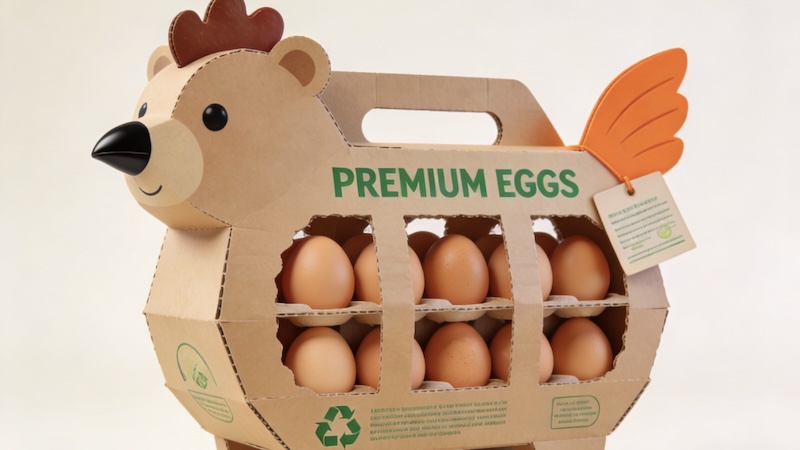
With the foundational understanding of why custom fast food packaging matters, the next step is recognizing how strategic packaging design directly strengthens your brand identity. In a market where consumers encounter dozens of food packaging options daily, custom packaging transforms every order into a branded touchpoint that reinforces who you are and what you stand for.
The moment a customer receives their order, your packaging boxes speak volumes before they taste a single bite. Visual branding on custom fast food packaging creates an immediate emotional connection that can influence customer perception and purchasing decisions. This first impression operates on multiple sensory levels, combining color psychology, typography choices, and graphic elements that collectively tell your brand story.
Color selection plays a fundamental role in brand recognition and emotional response. Fast food establishments that choose bold, warm colors like red and yellow often aim to stimulate appetite and convey energy, while brands positioning themselves as health-conscious alternatives frequently opt for greens and earth tones that suggest freshness and natural ingredients. Your custom packaging should maintain consistent color schemes across all food packaging boxes to build visual recognition that customers can identify from across a crowded delivery driver's vehicle or restaurant counter.
Typography choices communicate brand personality just as powerfully as color. A fast food brand targeting families might select friendly, rounded fonts that feel approachable and fun, while a premium quick-service concept could choose sleek, modern typography that conveys sophistication. These design decisions should extend consistently across your custom printed materials, from burger boxes to beverage cups, creating a cohesive visual language.
Graphic elements and patterns provide additional opportunities for differentiation. Consider incorporating custom illustrations, geometric patterns, or photographic elements that reflect your brand values. A farm-to-table fast casual restaurant might feature hand-drawn vegetable illustrations, while a tech-forward concept could use minimalist geometric designs. These visual touches transform standard packaging boxes into branded assets that customers remember and share on social media.
The unboxing experience has become increasingly important in the digital age. Custom fast food packaging that surprises and delights customers encourages social sharing, effectively turning each order into potential marketing material. Consider adding unexpected elements like inspirational quotes, playful messaging, or QR codes linking to exclusive content that enhances the customer experience beyond the meal itself.
Strategic logo placement on fast food packaging transforms functional containers into powerful branding tools that work continuously throughout the customer journey. The positioning, size, and frequency of your logo across different packaging elements require careful consideration to maximize visibility without overwhelming the design.
Primary logo placement should occupy the most visible surface of your custom fast food packaging. For traditional packaging boxes, this typically means the front panel that faces outward when stacked or displayed. The logo should be sized large enough to read from several feet away, ensuring visibility in crowded restaurant environments or on delivery driver shelves. However, balance remains essential as an oversized logo can appear aggressive or desperate for attention.
Repetition reinforces recognition, making multi-surface logo placement a valuable strategy for custom packaging. Consider placing your logo on multiple panels of your food packaging boxes, ensuring visibility regardless of how the container is oriented. Side panels, top surfaces, and even interior sections can feature your branding, creating repeated exposure that strengthens memory retention. This approach proves particularly effective for packaging that customers handle multiple times during their meal.
Secondary branding elements complement primary logo placement by extending your visual identity across the entire package. Custom printed patterns incorporating miniaturized logos, brand colors, or signature design elements create comprehensive coverage without appearing cluttered. These subtle touches maintain brand presence while allowing the primary logo to remain the focal point.
Functional integration represents an advanced logo placement strategy where branding becomes part of the packaging structure itself. Die-cut windows shaped like your logo, embossed brand marks, or closure mechanisms featuring your symbol elevate perceived quality while ensuring your identity remains central to the package design. These tactile elements engage customers beyond visual recognition, creating memorable physical interactions with your brand.
Consider the complete customer journey when planning logo placement across your fast food packaging suite. Beverage cups held at eye level require different positioning than sandwich boxes viewed from above. Bag exteriors need bold, instantly recognizable branding for delivery scenarios, while interior surfaces can feature more detailed brand messaging that customers discover during consumption. This comprehensive approach ensures your brand maintains visibility throughout every stage of the customer experience, from order pickup through meal enjoyment and disposal.
Building on strategic logo placement and visual branding that captures attention, the next critical step involves selecting the right packaging formats that align with your menu offerings and operational needs. A comprehensive custom fast food packaging strategy requires understanding which container types best serve your products while maintaining brand consistency across every customer touchpoint.
The foundation of effective food packaging begins with matching container functionality to your menu items. Each packaging type serves distinct purposes, and understanding these options helps fast food operators create cohesive custom packaging solutions that protect products while reinforcing brand identity throughout the customer experience.
Burger and Sandwich Containers
Custom fast food packaging boxes for burgers and sandwiches represent one of the most visible branding opportunities in quick service restaurants. These packaging boxes typically come in clamshell designs that maintain product temperature and structural integrity during transport. Standard sizes range from 4x4 inches for sliders to 6x6 inches for premium burgers, with custom printed surfaces available on all exterior panels. The inner surfaces often feature grease-resistant coatings that prevent oil penetration while keeping custom branding visible. Material options include corrugated cardboard for premium presentations, paperboard for standard service, and eco-friendly kraft paper that appeals to sustainability-conscious consumers. Your custom fast food packaging design should account for ventilation requirements that prevent condensation buildup while maintaining product freshness.
French Fry Boxes and Snack Containers
Fry packaging serves dual purposes: containing hot products while providing vertical branding space that remains visible during consumption. Traditional scoop-style containers offer maximum surface area for custom printed designs, with standard sizes ranging from small (3 ounces) to large (7 ounces). Modern food packaging boxes for fries incorporate angled designs that encourage portion visibility and easier access. Custom fast packaging solutions for snacks like chicken tenders, onion rings, or mozzarella sticks often utilize similar formats with adjusted dimensions. The key consideration involves selecting coatings that resist oil absorption without compromising the structural integrity of custom printed graphics. Many operators choose food-safe liners that separate greasy products from exterior branding surfaces, ensuring custom designs remain pristine throughout the dining experience.
Pizza Boxes and Flat Product Containers
Pizza packaging represents perhaps the largest canvas for custom fast food branding, with standard sizes ranging from 10-inch personal pizzas to 18-inch party sizes. These packaging boxes require corrugated construction that supports weight while providing insulation. The flat top surface offers premium real estate for elaborate custom printed designs, promotional messaging, and interactive elements like games or QR codes. Interior printing, though less common, can include assembly instructions for specialty pizzas or reheating guidelines that enhance customer experience. Fast food packaging for flatbreads, quesadillas, or similar items often adapts pizza box designs with modified dimensions. Custom solutions should incorporate corner reinforcements and proper ventilation holes that release steam without compromising structural stability during delivery.
Beverage Cups and Lids
Custom printed cups represent continuous brand exposure, as customers often carry beverages throughout their daily activities. Hot beverage cups typically range from 8 to 24 ounces, with double-wall construction or sleeve compatibility for heat protection. Cold beverage cups use single-wall designs with moisture-resistant coatings, accommodating sizes from 12 to 32 ounces for fountain drinks. Your food packaging strategy should include coordinated lid designs that feature branded elements visible from above. Many custom fast food operations now specify cup designs that photograph well for social media, recognizing that beverage containers appear frequently in user-generated content. Consider seasonal design rotations that keep packaging fresh while maintaining core brand elements. Material choices now extend beyond traditional paper to include compostable PLA options and recyclable alternatives that align with environmental commitments.
Specialty and Dessert Packaging
Dessert containers require specific design considerations that differ from main course packaging boxes. Ice cream cups need moisture barriers that prevent leaking while maintaining structural integrity as contents melt. Donut boxes typically use windowed designs that showcase products while protecting them during transport. Custom fast food packaging for pastries, cookies, or similar items often incorporates grease-resistant materials with elegant design elements that signal premium quality. Single-serve dessert containers should stack efficiently for storage while providing adequate protection against crushing. Multi-compartment designs work well for dessert samplers or combination items that require separation. The fast food packaging approach for these items often employs softer color palettes and refined typography that differentiates dessert offerings from savory menu categories while maintaining overall brand consistency.
While selecting the right packaging types establishes your operational foundation, today's fast food businesses face growing pressure to address environmental concerns alongside branding needs. Modern consumers increasingly evaluate restaurants based on their environmental commitments, making sustainable custom fast food packaging a strategic imperative rather than optional consideration. The transition to eco-friendly food packaging boxes represents both an environmental responsibility and a powerful brand differentiator in competitive markets.
Restaurant operators now balance multiple priorities when choosing custom packaging: maintaining food quality, reinforcing brand identity, and demonstrating environmental stewardship. This convergence has accelerated innovation in sustainable materials, creating viable alternatives that match traditional packaging performance while reducing environmental impact. Understanding these options empowers fast food businesses to make informed decisions that align with customer values without compromising operational efficiency.
The demand for environmentally responsible fast food packaging has transformed material science, producing alternatives that decompose naturally after use. Compostable materials break down into nutrient-rich soil under specific conditions, typically within 90 to 180 days in commercial composting facilities. These materials include plant-based fibers, molded pulp from recycled paper, and bioplastics derived from cornstarch or sugarcane. Biodegradable options decompose through natural biological processes, though timelines vary significantly based on environmental conditions and material composition.
Molded fiber packaging represents one of the most established sustainable solutions for custom fast food applications. Created from recycled paperboard and agricultural waste, molded fiber adapts to various shapes including burger boxes, sandwich containers, and takeout trays. The material provides adequate grease resistance for most applications while maintaining structural integrity during transport. Custom printed designs transfer effectively onto molded fiber surfaces, allowing restaurants to maintain brand consistency while meeting sustainability goals. The material performs well with hot foods, resisting moisture and heat without requiring plastic or wax coatings.
Bioplastic materials offer another compelling alternative for food packaging applications requiring transparency or moisture barriers. Polylactic acid (PLA), derived from fermented plant starches, creates clear containers and lids that visually resemble traditional plastics. PLA performs effectively for cold beverages, salads, and items requiring product visibility. However, operators should note that PLA requires commercial composting facilities to break down properly and may not decompose in standard landfill conditions. This limitation necessitates clear communication with customers about proper disposal methods to maximize environmental benefits.
Bagasse, a byproduct of sugarcane processing, has emerged as a versatile material for custom packaging boxes and containers. This fibrous residue creates sturdy, heat-resistant packaging suitable for hot and cold applications. Bagasse containers handle oils and liquids effectively while maintaining structural integrity, making them ideal for items like fried chicken, rice bowls, and sauce containers. The material accepts custom printing well, though color saturation may differ slightly from traditional paperboard. Bagasse fully composts in commercial facilities within 60 to 90 days, offering complete biodegradability without synthetic additives.
Palm leaf packaging provides a distinctive aesthetic while delivering sustainable performance. Harvested from naturally fallen palm leaves, this material requires minimal processing and no chemical treatments. The unique grain patterns create visual interest that differentiates brands seeking premium positioning. Palm leaf containers excel with hot foods, tolerating oven and microwave reheating without degrading. While customization options remain somewhat limited compared to printed paperboard, the natural appearance itself communicates environmental consciousness effectively.
Restaurant operators evaluating sustainable custom fast food packaging should consider several practical factors beyond material composition. Source reduction through right-sizing containers minimizes material usage while maintaining food protection. A burger box designed precisely for menu specifications uses less material than oversized alternatives, reducing both costs and environmental impact. Multi-compartment containers that eliminate secondary packaging further optimize resource efficiency. These design considerations complement material choices to maximize sustainability benefits.
Cost considerations for eco-friendly food packaging have evolved significantly as production volumes increase and manufacturing processes improve. While sustainable materials typically command premium pricing compared to conventional options, the gap continues narrowing. Many operators find that customer willingness to pay modest price increases for sustainable practices offsets material cost differences. Additionally, some municipalities offer waste reduction incentives or reduced disposal fees for businesses using compostable packaging, creating operational savings that offset upfront material costs.
Certification standards help restaurants verify environmental claims and communicate credibility to customers. The Biodegradable Products Institute (BPI) certifies compostable products meeting ASTM standards for commercial composting. Forest Stewardship Council (FSC) certification indicates responsible forestry practices for paper-based packaging. These third-party verifications strengthen marketing messages and protect businesses from greenwashing accusations. Including certification logos on custom printed packaging reinforces environmental commitments while providing transparency customers increasingly demand.
Supply chain reliability for sustainable packaging materials continues improving as mainstream adoption grows. Leading manufacturers now offer consistent availability and quality standards comparable to traditional materials. However, operators should establish relationships with suppliers experienced in sustainable food packaging boxes to ensure reliable delivery and technical support. Testing new materials with actual menu items before full-scale adoption prevents operational disruptions and confirms performance meets specific application requirements.
The transition to sustainable custom fast food packaging creates opportunities for authentic storytelling that resonates with environmentally conscious consumers. Packaging itself becomes a communication medium, with custom printed messages explaining material choices and disposal instructions. Brief statements like "compostable packaging made from plant fibers" educate customers while reinforcing brand values. This transparency builds trust and differentiates businesses committed to genuine environmental progress rather than superficial green marketing.
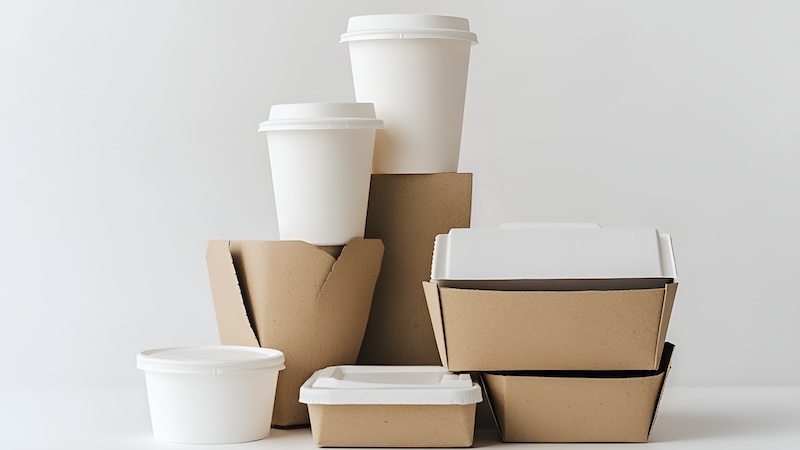
Once you have selected sustainable materials and identified the right food packaging formats for your fast food operation, the next critical phase involves transforming your branding vision into physical custom fast food packaging. Understanding the production workflow, from initial design concepts to final delivery, ensures your custom printed packaging meets both aesthetic expectations and operational deadlines while staying within budget constraints.
Minimum order quantities represent one of the most significant considerations when investing in custom fast food packaging boxes. Most manufacturers require initial orders ranging from 1,000 to 10,000 units per design, depending on the packaging type and printing method. Burger boxes and custom printed fry containers typically carry lower minimums around 1,000 to 2,500 units, while specialized packaging boxes like pizza boxes or multi-compartment containers often require 3,000 to 5,000 pieces minimum due to die-cutting setup costs.
Pricing structures for fast food packaging follow a tiered model where per-unit costs decrease substantially as order volumes increase. A restaurant ordering 2,500 custom burger boxes might pay between $0.45 and $0.75 per unit, while scaling to 10,000 units could reduce the price to $0.25 to $0.40 per box. Setup fees for new designs typically range from $150 to $500, covering plate creation for printing and die-cutting tools for custom shapes. These one-time costs get absorbed across larger production runs, making higher volumes more economical for established fast food concepts.
Printing methods directly impact both pricing and minimum quantities. Digital printing offers the most flexibility with lower minimums starting around 500 to 1,000 units and faster turnaround times of five to seven business days, making it ideal for testing new designs or seasonal promotions. However, per-unit costs remain higher, typically $0.60 to $1.20 for standard food packaging boxes. Offset printing delivers superior color accuracy and lower per-unit pricing for volumes exceeding 5,000 pieces, though setup costs and production timelines extend to two to three weeks.
Flexographic printing serves as the industry standard for high-volume fast food operations requiring 25,000 units or more. This method produces consistent results across massive production runs at the lowest per-unit cost, often $0.15 to $0.30 for custom packaging boxes. Understanding these thresholds helps restaurants align packaging investments with growth projections and cash flow realities.
Successful custom fast food packaging begins with properly prepared design files that translate your brand identity into print-ready artwork. Vector-based files created in Adobe Illustrator or similar professional software ensure crisp logos and text at any scale, while raster images should maintain minimum resolution of 300 DPI at actual print size to avoid pixelation on finished packaging boxes.
Color management represents a critical technical consideration for custom printed food packaging. Most manufacturers use the CMYK color model for printing, requiring designers to convert RGB files before submission to prevent unexpected color shifts. Pantone Matching System colors provide the most accurate brand color reproduction, though they may increase costs by $75 to $150 per additional spot color beyond standard CMYK printing. Including a bleed area of 0.125 inches beyond trim lines ensures designs extend to packaging edges without visible white borders.
Typography choices impact both brand perception and regulatory compliance for fast food packaging. Font sizes below eight points become difficult to read on curved surfaces like beverage cups or textured materials, while FDA-required nutritional information and ingredient lists must meet specific legibility standards. Sans-serif typefaces generally reproduce more clearly on food packaging boxes than decorative scripts, particularly when printing on corrugated materials or kraft paper surfaces.
Design templates provided by packaging manufacturers include dielines showing exact cut lines, fold marks, and glue panels specific to each custom fast food packaging format. Following these templates precisely prevents production delays and costly reprints. Most suppliers offer digital proofs or physical samples for approval before full production runs, allowing restaurants to verify colors, positioning, and overall appearance. Physical samples prove especially valuable when evaluating how designs interact with different substrate textures or metallic finishes on premium packaging boxes. Building revision rounds into your project timeline, typically allowing three to five business days per round, ensures final packaging boxes meet quality expectations before committing to full production quantities.
Once you have navigated the design and production timeline for your custom fast food packaging, the next critical step involves ensuring your packaging boxes meet stringent food safety requirements. Material quality and regulatory compliance form the foundation of any successful food packaging strategy, protecting both consumers and your brand reputation while preventing costly recalls or legal complications.
The food packaging industry in the United States operates under rigorous oversight, with multiple layers of regulations governing what materials can safely contact food products. Understanding these standards is not optional for fast food operators seeking custom printed solutions. Every packaging box that holds burgers, fries, pizza, or other menu items must comply with federal guidelines designed to prevent chemical migration, contamination, and public health risks. Restaurant owners who invest in custom fast food packaging without verifying material certifications expose themselves to significant liability and potential business disruption.
The Food and Drug Administration serves as the primary regulatory authority governing food packaging materials in the United States. Under the Federal Food, Drug, and Cosmetic Act, any substance that comes into contact with food must receive FDA approval or comply with existing food contact substance regulations. For custom fast food packaging boxes, this means manufacturers must use materials specifically approved for direct food contact, which includes paperboard, coatings, inks, adhesives, and barrier layers.
FDA regulations categorize food packaging materials based on their intended use conditions. Direct food contact materials undergo the most stringent testing requirements because they touch consumable products without any protective barrier. Paperboard packaging boxes for hamburgers, sandwich wraps, and french fry containers fall into this category. The FDA evaluates migration potential, which measures how much chemical substances from packaging materials could transfer into food under normal use conditions. Temperature, moisture content, fat levels, and contact duration all influence migration rates, making it essential to match packaging specifications with your specific menu items.
Food-grade certifications provide third-party verification that custom printed packaging meets these regulatory standards. When sourcing custom fast food packaging, restaurant operators should request documentation proving FDA compliance for all components. This includes the base paperboard material, any polyethylene or wax coatings used for moisture resistance, printing inks applied to the exterior surface, and adhesives bonding structural elements together. Reputable packaging suppliers maintain comprehensive testing records demonstrating their materials meet Title 21 of the Code of Federal Regulations, the section governing food contact substances.
Beyond basic FDA compliance, several additional certifications signal superior material quality standards. The Sustainable Forestry Initiative and Forest Stewardship Council certifications confirm that paperboard sources come from responsibly managed forests, addressing both environmental concerns and supply chain integrity. For packaging boxes intended to hold hot, greasy foods like fried chicken or pizza, the Grease Resistance Test results indicate how well materials withstand oil penetration without compromising structural integrity or allowing migration.
The distinction between food-grade and non-food-grade materials becomes particularly important when customizing packaging boxes with printed branding. Standard commercial printing inks often contain heavy metals, solvents, or other compounds unsuitable for food contact applications. Custom fast food packaging requires specialized food-safe inks formulated to prevent migration even when exposed to heat and moisture. Water-based and soy-based inks have gained popularity as safer alternatives to traditional petroleum-based formulations, though they still require proper testing and certification for food contact use.
Material certifications also address allergen concerns increasingly relevant to food packaging compliance. While packaging materials themselves rarely contain common food allergens, cross-contamination during manufacturing processes poses potential risks. Facilities producing custom printed packaging boxes should maintain allergen control programs preventing unintended exposure, particularly important for restaurants serving customers with severe sensitivities. Some certification programs now include allergen-free facility verification as part of their food safety protocols.
Temperature resistance represents another critical compliance factor for fast food packaging boxes. Materials approved for cold food contact may not perform safely when holding items fresh from fryers or ovens. The FDA requires packaging manufacturers to specify maximum temperature ratings and intended use conditions. Custom packaging for hot sandwiches, coffee cups, or heated entrees must demonstrate stability at elevated temperatures without releasing harmful compounds or losing structural integrity. This becomes especially important for packaging boxes featuring multiple material layers, where heat exposure could compromise adhesive bonds or barrier coatings.
Restaurant operators should also understand that FDA compliance extends beyond the packaging materials themselves to include manufacturing processes and quality control systems. Good Manufacturing Practices regulations require packaging producers to maintain sanitary facilities, implement contamination prevention protocols, and conduct regular testing to verify ongoing compliance. When evaluating suppliers for custom fast food packaging, requesting facility inspection reports and quality assurance documentation helps confirm adherence to these operational standards.
The complexity of food packaging regulations continues evolving as new materials and technologies enter the market. Recent FDA guidance on per- and polyfluoroalkyl substances has prompted many manufacturers to reformulate grease-resistant coatings, eliminating these persistent chemicals from food packaging boxes. Staying informed about regulatory updates ensures your custom printed packaging remains compliant even as standards change, protecting your investment in branded materials and maintaining uninterrupted operations.
With a clear understanding of food safety compliance and material quality standards established, restaurant owners and food service operators can now synthesize the essential elements of implementing effective custom fast food packaging strategies. The following key insights distill the critical considerations for successfully deploying custom packaging boxes that protect food quality while elevating brand presence.
Strategic Planning Foundations: Custom fast food packaging succeeds when businesses align packaging decisions with operational realities and brand objectives. Selecting appropriate materials based on menu items ensures food maintains optimal temperature and texture during transport. Grease-resistant coatings for fried items, moisture barriers for items with sauce, and ventilation features for hot foods prevent common packaging failures that compromise customer satisfaction. Understanding minimum order quantities typically ranging from 1,000 to 5,000 units helps restaurants plan inventory investments and negotiate favorable pricing structures. Budget allocation should account for design costs, tooling fees, and per-unit pricing that decreases significantly at higher volumes, often dropping 20-30% when doubling order quantities.
Compliance and Safety Priorities: FDA regulations governing food-grade materials establish non-negotiable standards for custom packaging boxes. All materials contacting food must meet Title 21 of the Code of Federal Regulations specifications, ensuring packaging contains no harmful substances that migrate into consumables. Food packaging manufacturers should provide certificates of compliance documenting that inks, adhesives, and substrates satisfy federal safety requirements. Compostable and biodegradable options must carry BPI certification or meet ASTM D6400 standards for genuine environmental claims. Restaurant operators bear legal responsibility for packaging safety, making vendor verification and documentation retention essential risk management practices that protect both customers and business liability exposure.
Design Excellence Execution: Effective custom fast food packaging balances visual impact with technical precision during file preparation. Print-ready artwork requires 300 DPI resolution with 0.125-inch bleed extensions beyond trim lines to prevent white edges after cutting. CMYK color mode ensures accurate reproduction, while Pantone spot colors maintain brand consistency when precise color matching proves critical. Die lines, safety zones, and fold indicators must appear on separate layers to guide manufacturing without appearing on final products. Typography choices should prioritize legibility with minimum 8-point font sizes for regulatory information and contrast ratios meeting accessibility standards. Testing physical prototypes before full production runs identifies structural weaknesses or visual inconsistencies that digital mockups cannot reveal.
Operational Integration Success: Implementing custom packaging boxes demands coordination across kitchen workflows, storage capacity, and delivery logistics. Packaging dimensions must align with warming equipment, delivery bag configurations, and vehicle storage constraints that field teams encounter daily. Training staff on proper assembly techniques prevents structural failures during high-volume service periods when speed and consistency matter most. Inventory management systems should track packaging stock levels alongside food ingredients, preventing shortages that force emergency orders at premium pricing. Establishing relationships with reliable suppliers who maintain consistent lead times of 3-4 weeks for reorders ensures operational continuity without excessive inventory carrying costs.
Cost-Benefit Optimization: While custom fast food packaging requires higher upfront investment than stock containers, the return manifests through enhanced brand recognition and customer loyalty. Custom printed packaging transforms every delivery into a mobile advertisement reaching household members and neighbors who view distinctive containers. Social media amplification occurs when visually appealing packaging boxes encourage customers to photograph and share their meals across digital platforms. Premium packaging signals quality commitment that justifies higher menu pricing, with research showing consumers associate custom packaging with superior food standards. Long-term cost efficiency emerges through bulk ordering strategies and supplier partnerships that reduce per-unit expenses while maintaining inventory flexibility through strategic reorder timing.
Successful custom fast food packaging implementation requires balancing aesthetic ambition with practical constraints, ensuring compliance while pursuing creative differentiation. Restaurant operators who methodically address material selection, safety compliance, design execution, operational integration, and financial planning position their brands for sustainable competitive advantage in crowded markets where packaging quality influences customer perception and repeat business frequency. The investment in thoughtful packaging strategy pays dividends through strengthened brand identity and enhanced customer experiences that extend far beyond the meal itself.
What is the typical minimum order quantity for custom fast food packaging?
Most manufacturers require 1,000 to 5,000 units for custom printed packaging. Digital printing options offer minimums of 250 to 500 units at higher per-unit costs. Minimum quantities depend on packaging complexity, colors, and customization level. Fast food chains typically order 10,000+ units for cost savings and consistent inventory.
How long does it take to produce custom fast food packaging boxes?
Production timelines range from two to six weeks after design approval. Simple designs require two to three weeks, while complex designs with special finishes need four to six weeks. Rush orders reduce production to seven to ten business days for additional fees. International shipping adds one to three weeks. Order at least eight weeks before needed.
What design file formats are required for custom food packaging printing?
Manufacturers require vector-based files in Adobe Illustrator or PDF format with 300 DPI minimum resolution. Include 0.125-inch bleed area and keep critical elements 0.25 inches from edges. Convert fonts to outlines and use CMYK color mode. Suppliers provide downloadable templates with proper dimensions and safe zones.
Can custom packaging boxes be made from sustainable materials?
Recycled paperboard with 80 to 100 percent post-consumer content is FDA-compliant and widely available. Biodegradable materials from bamboo, sugarcane bagasse, or plant-based plastics break down within 90 to 180 days in commercial composting facilities. Water-based and soy-based inks provide eco-friendly printing. Sustainable materials cost 15 to 30 percent more but enhance customer loyalty.
What customization options are available beyond printing logos?
Window cutouts with clear film allow content visibility. Embossing and debossing create tactile dimension. Spot UV coating highlights specific elements with glossy finish. Custom die-cut shapes create unique branded experiences. Interior printing adds promotional messages or instructions. Perforation lines enable easy opening. Each option affects production costs and minimum orders.
How do I ensure my custom packaging complies with FDA regulations?
Select food-grade materials certified for direct food contact meeting FDA Title 21 CFR standards. Request certification documentation from manufacturers. Avoid recycled materials for direct food contact unless specifically approved. Use FDA-compliant inks and coatings. Include proper labeling with business name, address, and allergen information. Many manufacturers offer compliance consultation services before production.
The strategic decisions you make about food packaging today will shape your fast food business for years to come. From selecting the right packaging boxes that protect your products during delivery to designing custom fast food containers that amplify your brand identity, every element contributes to customer satisfaction and operational efficiency.
Custom fast food packaging represents far more than a functional necessity in the competitive United States restaurant market. It serves as a silent ambassador for your brand, communicating your values, quality standards, and attention to detail with every order that leaves your establishment. When customers receive their meals in thoughtfully designed custom printed containers that maintain food temperature, prevent spills, and showcase your unique branding, they form positive associations that drive repeat business and word-of-mouth recommendations.
 English