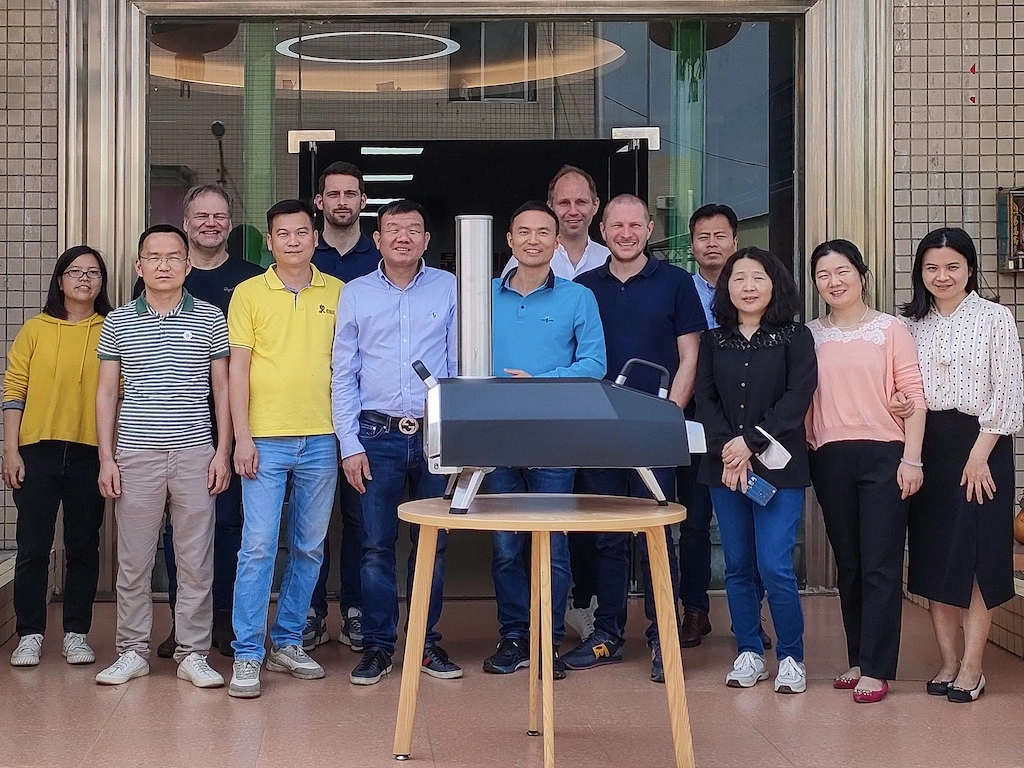
A Chinese manufacturing agent can improve product quality by acting as your on-the-ground quality owner, not just a middleman. For teams comparing a sourcing partner, a factory-side coordination, or a direct factory relationship, the practical decision should center on process control: how defects are prevented, detected, and corrected before shipment. The most useful criteria are factory vetting depth, inspection discipline, communication clarity, and accountability when quality issues appear. Start by defining your quality standards in writing, then evaluate Chinese manufacturing agents based on how they execute those standards across sampling, production, and final checks.
This topic matters most for buyers who cannot physically monitor production but still need consistent outcomes across materials, workmanship, packaging, and compliance documentation. A strong Chinese manufacturing service improves quality by translating specifications into factory-ready instructions, validating pre-production samples, enforcing checkpoints during manufacturing, and escalating corrective actions quickly when output drifts from target. By contrast, weak coordination often leads to unclear tolerances, missed defects, and expensive rework after goods arrive. In the sections ahead, the focus stays on how a reliable sourcing partner and trusted Chinese manufacturing agency structure quality systems in real procurement workflows, so you can judge which model best protects your product standards.

The introduction set the stakes around product quality and brand risk. Now the practical question is who manages quality in day-to-day production when your team is not on the factory floor.
A factory coordination partner acts as your local operating arm across sourcing, production follow-up, and quality checks. In practice, that means translating your product requirements into factory-ready instructions, confirming material and process expectations, and spotting problems before they become costly shipments. While a production quality support can build the product, the agent protects your interests across multiple suppliers and production stages.
A capable Chinese manufacturing agency usually covers five core functions:
Supplier qualification: Verifies if a factory can meet your quality level, not just your target price.
Specification control: Turns drawings, samples, and tolerances into clear production requirements.
In-process oversight: Checks output during production so defects are caught early, not after packing.
Pre-shipment quality control: Confirms finished goods match approved standards before release.
Corrective action follow-through: Pushes factories to fix root causes and document preventive steps.
Without this layer, quality often degrades for predictable reasons. Factories optimize for throughput and margin unless quality expectations are specific, monitored, and enforced. If no local representative verifies materials, dimensions, finish, labeling, or packaging against a controlled checklist, small deviations become accepted practice. Over time, those deviations show up as customer complaints, returns, and lost trust.
Another issue is communication drift. Product teams may share detailed requirements, but interpretations can change between sales staff, engineers, line supervisors, and subcontractors. A reliable Chinese manufacturing agent reduces that drift by keeping one version of the truth: approved sample, approved spec, approved inspection standard. This is where manufacturing and quality control connect directly to business outcomes, because consistency matters as much as unit cost.
A supplier coordination also helps when sourcing spans different product categories or factories. If one supplier is strong on machining and another on packaging, coordination gaps can create mismatch at final assembly or shipment. Experienced Chinese manufacturing agents align timelines, technical handoffs, and acceptance criteria so each stage supports final quality.
For buyers evaluating options, use a simple decision lens instead of relying on promises:
Ask how the agency runs incoming, in-process, and final quality control, and request sample report formats.
Confirm who performs inspections and how nonconforming goods are handled before shipment approval.
Check whether the team has category-specific experience for your product type, not just broad sourcing claims.
Review escalation rules: who contacts factory management, who signs off rework, and what evidence is required.
If you skip this structure, quality management becomes reactive. You only discover defects after goods land, when fixes are slower and more expensive. A trusted sourcing partner shifts quality from damage control to prevention, which is the real value for brands that need dependable repeat orders.
For most importers, the right approach is to treat the agent as a manufacturing sourcing company partner with explicit quality authority, clear reporting cadence, and written acceptance criteria. That governance model creates accountability across factory selection, production control, and shipment release, which is exactly how product quality improves over time.
Poor quality rarely comes from one dramatic mistake. It usually comes from small misses across sourcing, vetting, and production setup, which is exactly where factory coordination partner creates control. Instead of stepping in only when problems appear, a reliable manufacturing representative manages a structured workflow that prevents defects before they are built into the product.
The first quality decision happens before any quote is accepted. A strong manufacturing representative does not treat factories as interchangeable options with different prices. It maps your product requirements to actual manufacturing capability: relevant machinery, process maturity, material handling, and experience with similar product categories. For example, a factory that performs well on simple plastic parts may struggle with tight-tolerance assemblies or retail-ready packaging requirements.
This is why shortlisting should rank capability first and price second. In practical China product sourcing, experienced Chinese manufacturing agents often reduce risk by creating a focused shortlist of factories that can consistently meet your specifications, then comparing commercial terms only among qualified candidates. That protects your margin long term, because lower unit cost means little if defect rates, rework, or returns rise after launch.
After shortlisting, vetting confirms whether a supplier is both legitimate and operationally reliable. A trusted factory coordination partner typically verifies business licenses, legal registration details, and basic compliance documentation before purchase orders are discussed in depth. This filters out high-risk entities that look credible online but cannot support stable production.
Facility audits add a second layer of confidence. During an on-site review, a product sourcing agent/company can check how the factory controls incoming materials, in-process inspections, and final quality release. It also reveals practical warning signs that paperwork alone misses, such as inconsistent housekeeping, weak traceability, or unclear quality ownership between teams. Track record verification matters just as much: recent shipment history, responsiveness during issue resolution, and consistency across repeat orders often indicate whether quality will hold under real production pressure.
Even a capable supplier can produce the wrong result if requirements are vague. Before mass production, a verification checks or Chinese manufacturing service should lock down a clear pre-production package: approved samples, bill of materials expectations, cosmetic standards, critical dimensions, functional checks, and packaging details. This alignment step turns assumptions into documented acceptance criteria.
For buyers working with a factory-side coordination, three controls are especially valuable:
A written quality checklist tied to measurable pass/fail standards.
A tolerance agreement for critical dimensions and performance points.
A packaging specification that covers protection, labeling, and carton integrity for shipping.
When these standards are agreed early, inspections become objective, supplier communication becomes faster, and disputes become easier to resolve. In business terms, end-to-end control through Chinese manufacturing services supports better product consistency, fewer downstream surprises, and more dependable customer outcomes.
After capability-based factory shortlisting and pre-production alignment, the practical question is cost structure. A strong quality plan can still fail if your pricing agreement with quality-control partner rewards speed and low invoice totals over defect prevention.
Most Chinese manufacturing agents use one of three pricing models, and each creates different incentives around manufacturing and quality control. With a commission model, the agent earns a percentage of order value. This is simple to understand, but buyers should clarify whether the percentage applies only to ex-factory price or also to packaging, tooling, and logistics coordination. If scope is vague, your effective cost can expand while accountability shrinks.
A fixed-fee model is often better for predictable sourcing projects: clear deliverables, clear milestones, and a defined period for supplier follow-up. This can work well when you need deep quality control tasks, such as in-line checks and corrective action tracking, because the service is not tied directly to pushing higher order volume. The trade-off is that change requests can trigger extra fees unless they are written into the agreement.
Hybrid pricing combines a base fee with a smaller commission. For many importers, this balances incentive and transparency, especially when working with a manufacturing oversight across multiple SKUs. Ask for a line-item scope that separates sourcing, negotiation, inspections, and post-inspection rework follow-through. A reliable quality-control partner should also define what happens if a shipment fails quality gates.
MOQ pressure is where many buyers lose margin without noticing. A workflow steps may quote a better unit price at a higher quantity, but excess inventory, storage, and slower sell-through can erase the savings. Your agent should model total landed risk, not just per-unit cost.
Hidden costs usually appear in four places:
Specification drift: If tolerances, materials, or packaging details are not locked, production may proceed with substitutions that pass basic checks but fail customer expectations.
Rework and replacement cycles: Failed batches trigger sorting, repacking, and remake discussions that consume time and management bandwidth.
Inspection timing gaps: Skipping in-process checks can push defect discovery to pre-shipment, when fixes are slower and more expensive.
Communication lag: A weak Chinese manufacturing service may relay updates late, reducing your ability to correct issues before they scale.
ROI should be evaluated as defect prevention and decision speed, not just fee percentage. In practice, a trusted quality-control partner often pays for itself when it prevents one serious quality escape, reduces back-and-forth with factories, and keeps quality control tied to commercial goals. If you are comparing Chinese manufacturing companies or a manufacturing sourcing company, prioritize contracts that define measurable quality checkpoints, escalation paths, and ownership of corrective actions.
Cost structure tells you what you might pay, but partner quality determines what you actually get. If hidden costs and quality failures are the real risk, your search process for a reliable China-based production support becomes a quality-control decision, not just a vendor search.
The strongest approach is to compare three channels in parallel: local agents in China, overseas agencies, and 1688 support channels. Each can work, but each creates different visibility into factory capability, communication speed, and accountability.
A local China-based local production support usually gives the fastest factory access and on-site follow-up. Because they work close to production clusters, they can often shortlist Chinese manufacturing companies by process strength, not only by unit price. For example, if your product has strict cosmetic standards, a local team can physically review sample consistency and packaging execution before full production. That direct factory contact is often where quality outcomes improve.
Overseas agencies can be easier to manage for buyers who want native-language communication, familiar contracts, and business-hour overlap. A trusted China-based production support with an overseas account team and local field staff can combine both advantages: clear communication for your team and factory-level verification on the ground. When evaluating this model, ask who actually performs audits, sample checks, and pre-shipment inspections. If critical checks are outsourced without clear accountability, quality control may become fragmented.
1688 support channels can help when you need broad supplier discovery for China product sourcing, especially in categories with many small factories. But platform discovery alone is not supplier validation. Treat 1688 as a sourcing input, then layer a product sourcing agent/company workflow on top: business license checks, production capability confirmation, sample review, and inspection planning. This is where an order questions adds value, because it converts a large supplier list into a controlled short list tied to your specification risk.
Use practical screening criteria across all three channels:
Verification depth: Ask for the exact vetting steps used before supplier recommendation, including documentation review and on-site verification.
Category fit: Confirm recent experience with your China product category, materials, and defect patterns.
Quality process ownership: Identify who signs off on golden samples, in-process checks, and final inspection decisions.
Communication discipline: Test response clarity with a trial RFQ package that includes tolerances, labeling, and packaging requirements.
Escalation path: Clarify what happens when a supplier misses specs, including rework authority and replacement handling.
For business relevance, this search stage should connect directly to your product sourcing workflow, not run as a separate admin task. If your internal team lacks time for supplier screening, a structured product sourcing company process can reduce false starts and protect launch timelines. In practice, the best Chinese manufacturing agents are not the ones with the biggest factory list. They are the ones that can show a repeatable quality gate from supplier discovery through production follow-up.
When comparing options, avoid choosing only on fee model or geography. Choose the partner that can prove consistent execution of quality checkpoints in your category, with clear responsibility from first shortlist to final shipment.
After narrowing where to search, the real decision is operating model. The structure you choose affects quality control, communication speed, and how fast issues are fixed when production slips. In practice, a verification checks, a trading company can all place orders, but they do not create the same visibility into factory performance.
For quality-focused procurement, model fit matters more than labels. A reliable manufacturing agent usually works as your representative: screening factories, checking samples, and following production milestones. That tends to improve defect prevention because someone is accountable to your specs rather than only to shipment volume. A trading company can be convenient for low-complexity orders because it bundles supplier management, but factory transparency is often thinner, which can make root-cause analysis harder when quality problems appear. A sourcing firm may sit between both, offering broader China product sourcing support, sometimes with stronger process control than pure traders.
Amazon FBA sellers: Fast launch support and MOQ flexibility can be good with traders, but quality drift is a risk if factory identity stays opaque.
SME importers: A supplier checks can balance cost and control, especially when your team cannot audit factories directly.
Retail brands: If brand reputation is sensitive, deeper QA workflows from specialized product sourcing agent/company partners are usually worth the extra coordination.
Not every Chinese manufacturing service provider operates with the same rigor. Before signing, test whether the partner can prove process, not just promises. Ask who owns factory communication, who approves golden samples, and who signs off pre-shipment inspection findings. If answers are vague, quality disputes will likely become expensive later.
Use this practical screen:
Factory traceability: Can they disclose real factory details and production scope for your product category?
Quality workflow: Do they define checkpoints for incoming materials, in-line inspection, and final random checks?
Issue handling: Do they show clear non-conformance procedures, rework paths, and escalation contacts?
Fee transparency: Is the compensation model explicit, including commissions, service fees, and third-party inspection charges?
Pilot order discipline: Will they run a controlled trial order before scaling volume?
A trusted factory-side coordination should welcome these questions. Resistance, pressure to prepay without documentation, or reluctance to document specs are common scam signals.
Consider two buyers sourcing a private-label kitchen tool.
Buyer A uses a factory-side coordination through a trading layer with limited factory access. Samples look acceptable, but production changes are not documented. The first shipment arrives with inconsistent finish quality, and responsibility bounces between parties. Rework and replacement cycles delay inventory and strain cash flow.
Buyer B works with Chinese manufacturing agents who run a structured sample approval, factory capability check, and in-process quality follow-up. When a material inconsistency appears mid-production, the agent flags it early, aligns corrective action, and confirms revised samples before mass output continues. The shipment timeline is still pressured, but defects are contained before export.
The takeaway is practical: if product quality is central to your margin and reviews, choose the operating model that gives you measurable control points, not just a lower headline quote. For many growing importers, that means prioritizing a process-driven product sourcing company over the easiest first offer.
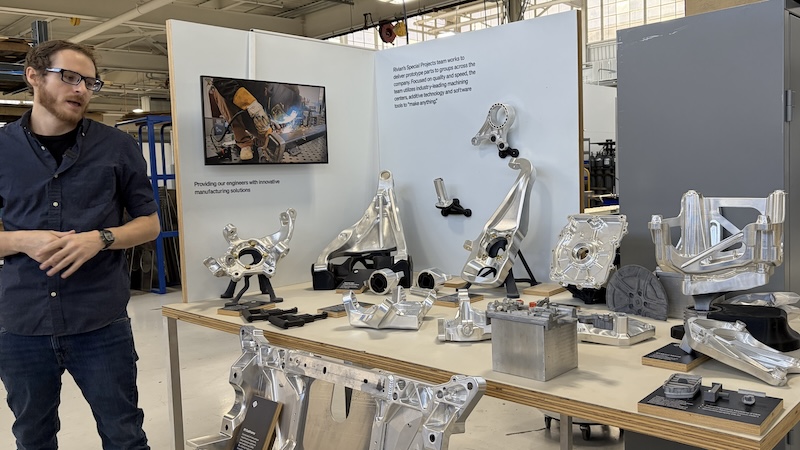
Q1: How does a Chinese manufacturing agent improve product quality?
A Chinese manufacturing agent improves quality by owning execution at the factory level: setting clear specs, validating samples, monitoring production, running inspections, and enforcing corrective actions before shipment. Instead of reacting to defects at the end, a strong agent prevents issues through process control and supplier discipline. They also verify packaging, labeling, and compliance documents so finished goods match your requirements. For overseas buyers who cannot be onsite, this on-the-ground oversight is often the biggest quality advantage.
Q2: What is the difference between a Chinese manufacturing agent and buying directly from a factory?
Buying direct can reduce layers, but quality depends heavily on your ability to manage the factory yourself. A Chinese manufacturing agent adds structured oversight: factory vetting, production checkpoints, inspection protocols, and escalation when problems arise. If your team lacks local presence, language capability, or quality systems, direct sourcing can lead to inconsistent outcomes. A capable Chinese manufacturing agent functions as your local quality owner and accountability partner, helping ensure standards are followed consistently across batches.
Q3: How do I evaluate a Chinese manufacturing agent’s quality control process?
Ask for their end-to-end QC workflow in writing: pre-production review, golden sample approval, in-line inspections, final random inspection, and corrective action tracking. A reliable Chinese manufacturing agent should provide clear defect criteria, measurable tolerances, and reporting templates with photos and pass/fail decisions. Also evaluate response speed, communication clarity, and how they handle recurring defects. The key is whether they can prevent issues early, not just detect them at final inspection.
Q4: How much do China sourcing or manufacturing agents charge?
Fees vary by product complexity, order volume, and service scope. A Chinese manufacturing agent may charge a percentage of order value, a flat project fee, or a hybrid model with separate QC charges. Lower fees are not always better if they reduce factory audits or inspection rigor. When comparing quotes, focus on what is included: supplier vetting depth, number of inspection points, compliance checks, and corrective-action follow-up. Transparent pricing tied to clear deliverables usually supports better quality outcomes.
Q5: Where can I find a reliable Chinese manufacturing agent?
You can find candidates through referrals, trade shows, industry networks, and B2B platforms, but selection should be evidence-based. Shortlist each Chinese manufacturing agent by reviewing case studies, inspection report samples, and quality escalation examples. Run a pilot order to test communication, defect handling, and reporting accuracy before scaling. The best partner will demonstrate process discipline and accountability, not just promise low cost or fast turnaround.
Q6: Can foreigners buy from 1688, and do they still need a Chinese manufacturing agent?
Yes, foreigners can source from 1688, but platform access does not replace quality management. Many listings are trading companies, specs may be unclear, and communication can be inconsistent. A Chinese manufacturing agent helps verify real factory capability, confirm materials, align technical requirements, and inspect production before shipment. If product quality and consistency matter, an agent often reduces risk by adding local control and objective verification beyond what an online listing shows.
Q7: What quality standards should I define before hiring a Chinese manufacturing agent?
Define standards in writing before production begins: material specs, dimensions and tolerances, workmanship criteria, color standards, functional tests, packaging requirements, labeling rules, and acceptable defect levels. Include approved samples and clear pass/fail thresholds. A Chinese manufacturing agent can then execute against objective criteria rather than subjective expectations. This clarity reduces disputes, speeds decisions, and improves consistency across runs.
Q8: When should inspections happen during production?
Use multiple control points, not only final inspection. A Chinese manufacturing agent should coordinate pre-production checks (materials and process readiness), in-line inspections (during manufacturing), and final random inspection (before shipment). For higher-risk products, add pre-shipment testing or 100% checks on critical features. Early-stage inspection catches root causes sooner, reducing rework and preventing large defective batches from reaching your warehouse.
Q9: How does a Chinese manufacturing agent handle defects and corrective actions?
A professional Chinese manufacturing agent documents defects with evidence, classifies severity, and traces root causes with the supplier. They then issue corrective and preventive actions (CAPA), set deadlines, and verify implementation through re-inspection. The goal is not just replacing bad units but preventing recurrence in future orders. Strong agents keep an issue log across suppliers and batches, creating a measurable quality improvement loop over time.
Q10: What are common red flags when choosing a Chinese manufacturing agent?
Watch for vague QC language, no written process, reluctance to share inspection samples, and poor transparency around supplier relationships or fees. A weak Chinese manufacturing agent may focus only on price negotiation while ignoring defect prevention and compliance checks. Other red flags include slow communication, no escalation protocol, and inability to define acceptance criteria. If accountability is unclear, quality risk is high. Choose agents who provide structured reporting, objective standards, and documented follow-through.
The FAQ clarified the practical concerns that usually stall decisions, from communication gaps to inspection timing. The closing step is to turn those answers into a partner choice that protects product quality over multiple production cycles, not just a single launch. A reliable production quality support should function as your on-the-ground quality extension, connecting factory capability checks, production monitoring, and shipment readiness into one consistent process.
In practice, choosing a trusted production quality support means prioritizing operating discipline over sales promises. Look for a team that can explain its factory vetting method, document quality checkpoints before and during production, and escalate defects with corrective actions that are visible to your team. This is where many buyers separate a true Chinese manufacturing service from a basic middleman model: the right partner helps you control manufacturing outcomes through repeatable standards, clearer communication, and faster issue resolution when conditions change. If your roadmap includes multiple SKUs, seasonal demand swings, or tighter compliance expectations, that consistency is what builds supply resilience and reduces costly surprises.
To move forward with confidence, use your shortlist to run a small pilot order with explicit quality criteria, reporting cadence, and decision owners on both sides. Treat that pilot as a real test of how a manufacturing oversight network behind the agency performs under normal pressure, not ideal conditions. If the partner demonstrates dependable manufacturing and quality control, transparent updates, and practical problem-solving, you have a strong foundation for a longer-term relationship with one of an order questions that can support sustainable growth. As a concrete next step, align your internal team around a documented manufacturing sourcing company workflow, then schedule a discovery call focused on quality control responsibilities and escalation paths before you sign a broader agreement.
 English