What costs more for a foreign importer: paying for a robust quality control service in China, or discovering defects after goods have landed and retail timelines are already fixed?
That question sits at the heart of modern sourcing risk. For many businesses, product quality is no longer only an operations issue. It affects customer trust, refunds, marketplace ratings, and how confidently a brand can scale. When quality checks are unclear or inconsistent, even well-priced products can become expensive once rework, returns, and delays are factored in.
This article focuses on quality control companies in China and explains how they fit into practical buying workflows for your team. Rather than treating quality control as a final inspection tick-box, we will look at quality control in production management as an ongoing discipline that starts before mass production and continues through shipment readiness. That includes the role of factory audits, in-line checks, pre-shipment inspections, and escalation routines when defects appear.
For readers researching quality control sourcing options, the key challenge is often not whether inspection is needed, but how to structure it. Different products, order values, and risk profiles require different levels of oversight. A low-complexity item might need a lean inspection plan, while a branded consumer product may require tighter sampling, packaging checks, and traceable reporting to support retail expectations.
You will also see why quality control in China is best assessed through process clarity, communication standards, and decision speed, not only by headline inspection fees. A cheaper service can still create costly uncertainty if reports are vague, photo evidence is weak, or corrective actions are not verified before goods are released.
To keep this practical for readers, we will frame examples around real commercial pressures: launch dates, warehouse planning, payment timing by bank transfer, and customer experience standards that influence repeat sales. We will also keep terminology straightforward so procurement, operations, and founder-led teams can use the same framework when comparing providers.
By the end of this guide, you will have a clear map of what quality control should cover, how quality control in production management differs from basic inspection, and what to ask when evaluating a China-based quality control partner for consistent, reliable outcomes.
Building on the introduction, this section turns intent into a practical evaluation framework. If your goal is reliable importing, understanding quality control in China means learning how service providers reduce risk before goods leave the factory, not just checking cartons at the end.
A strong quality control service in China usually combines three layers: supplier capability checks, in-line production oversight, and pre-shipment inspection. Together, these steps support quality control in production management by catching process issues early, when fixes are faster and less expensive than post-arrival claims in the destination.
For buyers, the most useful way to assess a china quality inspection service agency is to map each service to a business decision:
Factory audit and verification: Confirms whether a supplier can repeatedly meet your specification, lead time, and documentation needs.
During-production inspection: Verifies workmanship, dimensions, and packaging while output is still being made.
Pre-shipment inspection: Checks finished goods against agreed criteria before final payment by bank transfer.
Loading supervision: Confirms quantities, carton condition, and container handling at dispatch.
Reporting and escalation: Provides clear pass/fail logic, photo evidence, and corrective-action follow-up.
This approach keeps quality control sourcing tied to commercial outcomes: fewer disputes, fewer returns, and better cash-flow protection. It also helps your team decide when to release deposits, when to hold balances, and when to request rework. In practice, many importers schedule checkpoints around production milestones and shipping cut-offs, then align payment timing with inspection status.
When comparing providers, ask how they define acceptance criteria, who signs off non-conformities, and how quickly they issue actionable reports. Good partners explain sampling methods in plain language and adapt checklists to your product category, whether electronics, homeware, or apparel. They should also understand buyer expectations, including accurate labelling, safe packaging, and truthful product presentation under ASA advertising standards.
A useful shortlisting method is to score each provider against four questions:
Do they support both audit and inspection, or only final checks?
Can they customise control points for your product risk profile?
Is reporting clear enough for sourcing, operations, and finance teams to act quickly?
Do they integrate with your wider manufacturing and quality control workflow?
Ultimately, understanding quality control services in China is less about finding the cheapest inspection and more about building dependable control manufacturing processes across the order lifecycle. For readers evaluating options, a practical next move is to review a structured service page such as a China inspection agency overview and compare scope, reporting depth, and escalation standards against your own buying process.
Building on the core service models discussed earlier, it helps to separate providers by when they inspect your order, not just by what they offer. For importers, this timing is where quality control in China becomes commercially useful, because early checks reduce expensive rework, rejected shipments, and delayed launches.
Pre-production inspection services focus on readiness before mass manufacturing starts. A quality control service at this stage confirms approved samples, bill of materials, packaging specs, labelling, and critical tolerances are aligned with your purchase order. It also verifies whether the factory has the right machinery, calibrated tools, and trained operators for your product category.
For business buyers using quality control sourcing support, this step prevents misunderstandings that are difficult to fix later. If your team needs retail-ready goods with strict carton markings, this is the point to lock those details. In practice, pre-production checks strengthen manufacturing and quality control by stopping avoidable defects before they enter the line.
During production monitoring is the working phase of quality control in production management. Inspectors review in-line output while the order is still being made, usually after a defined percentage is complete. Rather than waiting for final inspection, this service identifies drift in workmanship, dimensions, finishing, or packing process while corrective action is still practical.
This model is especially useful for first orders, product changes, or factories handling multiple buyers at once. A China inspection service agency can escalate non-conformities quickly and request containment actions on the same production cycle. For importers operating to fixed delivery windows, in-process monitoring protects both shipment dates and gross margin by reducing end-stage surprises.
Pre-shipment inspection providers perform the last structured gate before dispatch. They check finished quantity, random sampling, visual quality, functional tests, packaging integrity, and shipping marks against your agreed criteria. This is often the final release decision for payment and logistics planning, so clarity in pass/fail rules matters.
From a control manufacturing perspective, this stage confirms whether the goods are commercially acceptable for your market and channel requirements. For example, if your customer expects specific barcode placement or multilingual care labels, pre-shipment inspection verifies consistency across cartons. Used alongside pre-production and in-process checks, it completes a practical quality control framework that supports reliable sourcing decisions.
Pre-production, in-line checks, and pre-shipment inspections only deliver value when the provider behind them is dependable. For importers, selecting the right partner for quality control in China is less about low fees and more about consistent process control, clear reporting, and commercial accountability.
When assessing a quality control service, start by confirming whether the company operates under recognised management systems, especially ISO 9001 for quality management. This does not guarantee perfect outcomes, but it does show documented procedures, corrective action workflows, and internal audit discipline. For quality control sourcing, that structure matters because your team needs repeatable decisions across multiple factories and product lines.
Also verify inspector competence controls, not just company-level badges. Ask how inspectors are trained, tested, and assigned by product category. A credible china quality inspection service agency should provide sample report formats, defect classification rules, and escalation paths when critical findings appear. You should also check contract terms covering re-inspection, response times, and report delivery windows in friendly working patterns.
For business protection, review how claims are phrased in sales materials. Any performance statements should be realistic and compliant in tone, which aligns with your expectations around clear, non-misleading communications. In practice, strong certification plus transparent operating standards gives better support for quality control in production management than headline promises.
Certifications set the baseline, but sector experience determines practical effectiveness. A team that understands your category can identify risk points earlier, from packaging compression issues in consumer goods to tolerance drift in machined components. This is where quality control companies in China differ most: generalists may follow checklists, while specialists challenge factory assumptions before defects scale.
Ask for relevant case examples by product type, production process, and region in China. You are looking for evidence that the provider can adapt inspection plans to your critical-to-quality features, not run a one-size-fits-all checklist. In manufacturing and quality control programmes, this specialisation improves decision speed during production and reduces costly disputes after goods reach the market.
A practical shortlist should include providers with clear category focus, stable local inspector coverage, and strong communication in written English. If your shipments support retail channels, confirm they can align reports to your acceptance criteria and timeline expectations, including same-day updates where needed. Choosing a partner with both accreditation discipline and proven category depth creates a stronger control manufacturing framework and a more resilient quality control in China strategy.
After validating credentials and sector fit, buyers usually ask a practical question: what will a quality control service in China actually cost? Pricing matters because it affects inspection frequency, supplier accountability, and total landed margin, not just a single line item.
For importers, most quality control in China is priced per inspector day, with travel and reporting scope layered on top. A common market range for standard product checks is about £140 to £320 per inspector day. Factory audits and technically demanding checks often sit higher, while repeat, high-volume programmes may negotiate lower day rates.
In practice, many teams compare quotes by asking what is included in one day: man-days, report depth, photo evidence, defect classification, and reinspection terms. This avoids headline-price confusion and supports cleaner quality control sourcing decisions across multiple factories.
Cost structures vary because inspection complexity varies. In manufacturing and quality control, the cheapest quote can become expensive if it misses critical defects or creates delays at shipment release.
Key cost drivers include:
Product risk and complexity: Electronics, regulated goods, and multi-component items need deeper checks than simple hardlines.
Inspection stage: Pre-production, in-line, and pre-shipment visits each require different sampling effort and technical focus.
Location and logistics: Remote factory locations increase travel time and expenses, especially for short-notice bookings.
Service scope: Labelling checks, packaging drop tests, AQL sampling depth, and corrective follow-up add work and value.
Provider model: A china quality inspection service agency with established local teams may price differently from ad-hoc freelancer networks.
For UK finance teams, payment terms also affect procurement workflow. Confirm whether fees are settled by bank transfer and whether invoices support standard reconciliation before release approvals.
Local China-based firms often offer lower operational pricing and faster regional dispatch, which helps when production timelines shift quickly. International providers may charge more, but some buyers value their global account structure, standardised templates, and multi-country programme management.
The right choice depends on your operating model. If your core need is factory-level execution in China, a specialised local partner can deliver strong control manufacturing support at efficient cost. If you run cross-border programmes with central governance, an international network may justify the premium.
A practical approach is to compare total value, not day rate alone: detection accuracy, report usability, escalation speed, and rework prevention. That is where quality control in production management protects margin and delivery reliability for brands sourcing from China.
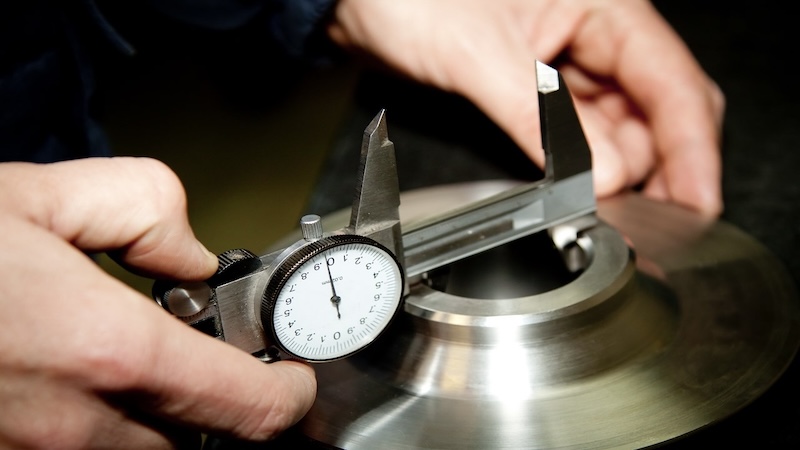
Inspection costs matter, but cost only creates value when it is tied to a repeatable operating model. In practice, stronger quality control in production management comes from placing checks at key supply chain points, not just buying a one-off visit before shipment.
When sourcing from China, integrate quality control from supplier selection through dispatch. This approach reduces rework, protects delivery dates, and gives your team clearer decisions on whether to release balance payments by Bank Transfer.
For UK importers, quality control sourcing should be planned as a workflow shared by procurement, engineering, and logistics. A reliable quality control service in China is most effective when its scope, timing, and acceptance criteria are written into purchase orders and production schedules before manufacturing starts.
A practical framework is to align each QC activity with a business decision:
Factory audit before first order: Confirm process capability, equipment condition, and document control so sourcing decisions are based on operational evidence, not only quotations.
Pre-production check: Verify approved materials, components, and packaging before line start, reducing avoidable defects that later inflate inspection and freight costs.
During-production inspection: Sample early output, check tolerances, and review corrective actions while there is still time to recover.
Pre-shipment inspection: Validate final quantity, workmanship, labelling, and carton integrity against agreed AQL and product specs before release.
Container loading supervision: Confirm packing method, counts, and seal records to protect product condition in transit to distribution points.
To make this system work, define who signs off at each gate and what happens on failure. For example, if a during-production check finds recurring defects, the manufacturing sourcing company and factory should issue a corrective action plan with deadlines, photo evidence, and a re-inspection trigger before production continues.
In quality control in China, communication discipline is as important as technical checks. Use one specification pack, one defect taxonomy, and one reporting format across suppliers. This avoids disputes, supports consistency between factories, and helps internal teams compare performance across SKUs.
From a business perspective, integrated manufacturing and quality control improves margin protection: fewer chargebacks, fewer emergency air shipments, and fewer customer complaints. It also supports compliant claims in marketing, which is important under advertising standards. If your team is scaling SKUs or rotating factories, partnering with a China quality inspection service agency can provide continuity without building a full local team.
As quality checks become embedded across procurement, production and shipment milestones, software now determines how consistently those checks are executed. For teams managing quality control in China, the right tech stack turns a one-off inspection into a repeatable control system that supports quality control in production management.
Digital inspection platforms replace paper checklists with standardised workflows, photo evidence, defect coding and pass/fail logic. For importers working with a manufacturing sourcing company, this matters because every factory and inspector follows the same criteria, reducing interpretation gaps across regions. A practical quality control service setup includes role-based access, version-controlled checklists and mobile offline mode for factory floors with weak connectivity. Look for tools that support batch-level traceability, multilingual fields and clear tracking. In China quality inspection operations, these capabilities improve consistency between pre-production, in-line and pre-shipment inspections while keeping records ready for buyer reviews and internal audits.
Real-time reporting tools shorten the time between defect discovery and corrective action. Instead of waiting for end-of-day summaries, buyers and sourcing teams can review issues as inspections happen, then decide whether to hold production, rework or proceed. In manufacturing and quality control programmes, this protects lead times and avoids costly late-stage surprises. The most useful dashboards show defect trends by SKU, factory line and inspection stage, with filters that support quick escalation. For teams paying suppliers, faster reporting also supports payment control because release decisions can be tied to verified quality status. Clear timestamps and user logs help maintain accountability and support professional communication.
AI-powered quality detection systems use computer vision to flag visual defects such as surface marks, colour variance and packaging errors. They are most effective when combined with human inspectors, not used as a full replacement. In quality control sourcing, AI can prioritise high-risk lots, while inspectors validate edge cases and root causes. For quality inspection teams in China, the business value is speed and repeatability across high-volume orders. Before adoption, confirm model training relevance to your product category and define false-positive handling rules. A balanced approach links AI alerts to your existing quality control workflow, so corrective actions, supplier feedback and shipment decisions stay aligned with your broader quality control objectives.
Digital inspection platforms, live reporting, and AI-led checks matter most when they are embedded in day-to-day decisions, not treated as separate tools. For buyers, this section distils the practical choices that keep quality control in production management focused, measurable, and aligned with commercial risk.
Keep one joined quality framework from sourcing to shipment. Define quality control standards at RFQ stage, confirm them during factory audits, and apply the same pass/fail rules at inline and pre-shipment checks. This avoids mismatched expectations between procurement, production, and inspection teams.
Choose a quality control service in China that can evidence process discipline, not only inspection volume. Prioritise clear defect grading, consistent reporting formats, and escalation rules that trigger action before dispatch. In practice, dependable communication cadence and traceable records often matter more than broad service menus.
Treat quality control sourcing as a governance task as well as an operational one. Align contracts, sampling plans, and acceptance criteria so commercial terms support technical quality decisions. This reduces disputes over rework, replacement, and payment release, especially where Bank Transfer milestones depend on inspection outcomes.
Use technology outputs to improve decisions, not to create more dashboards. Real-time alerts and automated detection should feed root-cause discussions with factories and internal teams. The objective is fewer recurring defects and faster containment, which strengthens quality control performance over successive orders.
Localise implementation for business reality. Ensure documentation is clear for internal approval and external claims, with language and evidence suitable for ASA advertising standards if product quality is marketed. Keep records audit-ready by date (DD/MM/YYYY), tie checks to shipment schedules, and retain a defensible trail from factory findings to final release.
Taken together, effective quality control in China depends on consistency: one standard, one reporting logic, and one escalation path across the full production cycle.
Q1: What do quality control companies in China actually do?
Quality control companies in China act as independent third-party inspectors who check your products at various stages of production. They verify that goods meet your specifications, identify defects before shipment, and provide detailed reports with photos and measurements. Services typically include pre-production inspections to check raw materials, during-production monitoring to catch issues early, and pre-shipment inspections before goods leave the factory. Many also offer factory audits, product testing, and container loading supervision. This gives importers visibility and control over manufacturing processes happening thousands of miles away, reducing the risk of receiving substandard goods.
Q2: How much does quality control inspection cost in China?
Quality control inspection costs in China typically range from £150 to £350 per man-day, depending on the service provider, location, and complexity of your product. A standard pre-shipment inspection for a single product line usually costs between £200-300 and takes one day. Factors affecting price include factory location (remote areas cost more), product complexity, sample size requirements, and whether specialized testing is needed. Some companies offer package deals for regular inspections or multiple checkpoints. While this represents an upfront cost, it's significantly cheaper than dealing with defective goods, customer returns, or damaged brand reputation after products reach the market.
Q3: When should I schedule quality inspections during production?
The most effective approach uses inspections at three critical stages. First, conduct a pre-production inspection when 10-20% of materials are ready, verifying raw materials match your specifications before mass production begins. Second, arrange a during-production inspection when 20-50% of goods are completed, allowing time to correct issues before the full batch is finished. Finally, book a pre-shipment inspection when 80-100% of your order is complete and packed, confirming everything meets requirements before goods leave China. This staged approach catches problems early when they're cheaper to fix, rather than discovering defects only after products arrive in the market.
Q4: How do I choose a reliable quality control company in China?
Look for companies with transparent processes, qualified inspectors, and experience in your product category. Check they provide detailed photographic reports, use international standards like AQL sampling methods, and have inspectors located near your factory to reduce travel costs. Ask for sample reports, client references, and proof of inspector training. Verify they're truly independent—not affiliated with factories or trading companies that could create conflicts of interest. Consider response times, English communication quality, and whether they offer follow-up support. Established providers often have certifications, memberships in quality associations, and clear pricing structures. Starting with a trial inspection helps assess their professionalism before committing to ongoing services.
If your goal is reliable outcomes, treat quality control in production management as an operating discipline, not a one-off inspection at dispatch.
For importers, that means selecting a quality control service with a clear scope, documented methods, and consistent communication across factory audits, inline checks, and pre-shipment inspection. In practice, strong quality control sourcing reduces avoidable delays, protects margins, and supports better buyer confidence when products reach your warehouse and customers.
When comparing quality control companies in China, make your final decision against a short, operational checklist:
Define acceptance standards in writing before production starts, including defect thresholds, test points, packaging rules, and carton labelling.
Confirm reporting format and turnaround time so inspection findings are usable for same-day factory decisions and shipment release.
Align payment and approval workflow with your sourcing process, whether you use Bank Transfer and staged supplier payments linked to pass/fail milestones.
Verify escalation and rework handling so failed batches trigger corrective action, re-inspection, and documented closure rather than informal promises.
Check compliance messaging discipline for customer claims, ensuring product and ad statements can be reviewed against standards.
A sensible next step is to run a paid pilot across one active SKU and one repeat order cycle, then review defect trends, rework speed, and communication quality before committing to a long-term arrangement. If you are prioritising quality control in China this quarter, a measured pilot gives you evidence-based confidence while keeping commercial risk controlled.
 English