Household Goods Sourcing from China: Kitchen to Backyard
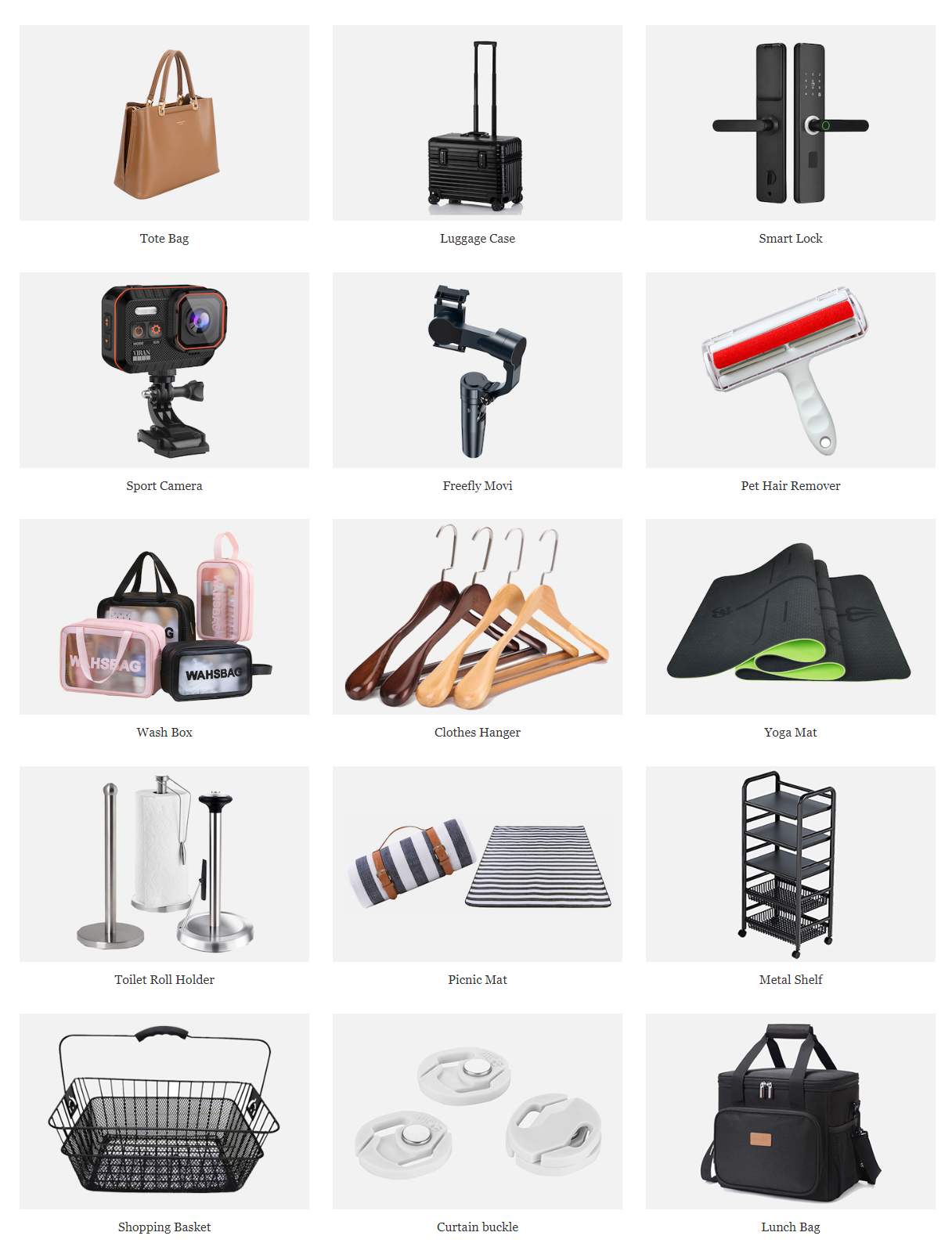
We have sourced and quality-checked this category since 2012, from kitchenware and drinkware to storage, cleaning tools, bathroom accessories, home improvement, and outdoor products.
This category rewards buyers who check materials and punishes buyers who order from photos. Two products can look identical in a listing and behave completely differently in a dishwasher, a humid bathroom, or a backyard summer.
What We Source
| Product Type | What Matters Most | Common Approvals to Review |
|---|---|---|
| Kitchenware | Food-safe surfaces | FDA, LFGB, EU 10/2011 |
| Drinkware | Safe materials | FDA, LFGB, Prop 65 |
| Storage | Durable, safe plastics | REACH, Prop 65 |
| Cleaning tools | Easy cleaning, sturdy build | REACH, Prop 65 |
| Bathroom accessories | Rust resistance | REACH, Prop 65 |
| Home improvement | Load strength, safe coatings | REACH, EN standards by product |
| Outdoor products | Heat and weather resistance | CE, UKCA, or product-specific standards |
Which approvals apply depends on your destination market and your exact product. We confirm the list for your case before you commit to a factory. On minimums: standard products often start at 100 to 500 units, and custom printed packaging moves that to around 1,000, because the print run sets the floor.
Why Household Goods Buyers Work With Us
We work inside China’s houseware cities. Household goods production concentrates in Guangdong cities close to our base: Zhongshan and Foshan for kitchen appliances, Yangjiang for knives and cutlery, Jiangmen for stainless steel kitchenware, and Dongguan for plastics, hardware, and daily-use goods. Being close means factory visits, not video calls.
Our inspectors know household goods. The inspector checking your order has tested this product type before and knows its failure patterns: kitchen appliance motors that fail early, coatings that peel off cookware, blades that arrive dull or spot with rust, and folding frames that loosen after 50 uses.
We compare quotes at the material level. Two identical-looking quotes can hide different products: 201 stainless steel priced as 304, recycled plastic where food-grade PP was specified, thin glaze, light-gauge steel. We break quotes down to material grade and wall thickness before you pick a supplier.
We arrange testing through SGS and Intertek. Long-term partnerships with both labs let us arrange the testing household goods may need, from food-contact and material tests to packaging transit tests, often at better rates than buyers get approaching the labs directly.
What We Check Before Shipment
Food-contact surfaces: coatings, glazes, and linings on anything that touches food or drink, checked for chips, peeling, and odor.
Material safety: the sampled units match the material grade in the contract, not just the paperwork.
Rust resistance: metal parts and fittings, especially bathroom and outdoor items that live with moisture.
Strength and durability: handles, hinges, lids, and load-bearing parts tested against real use, not showroom handling.
Easy cleaning: claims like dishwasher safe checked on sampled units before they appear on your packaging.
Packaging: carton strength and drop checks, so heavy and fragile goods arrive whole.
Case Study: Ooni and the 168-Hour UV Test
was a 2-person company when we began working with founder Kristian Tapaninaho in 2015; today it is a 275-person company and the world’s No. 1 pizza oven brand, with more than 3 million ovens sold. The defining test came in 2019 with the Karu Pro: a black powder-coated oven that had to sit outdoors for 2 years without fading, a standard most powder coatings cannot meet under UV.
Samples from 5 of China’s best-known powder suppliers all failed. Through an industry contact we reached a small Foshan factory, the hidden champion supplying core raw materials to those same brands, and its owner, also its chief engineer, developed a custom powder for us. An SGS engineer designed a 168-hour accelerated UV aging test to simulate 2 years outdoors; the first sample failed at 72 hours, and the reformulated one passed the full 168 hours.
The started in 2019 and became a bestseller, backed by the routine food-grade and transit testing any serious brand runs. The right factory is often 2 introductions deep, and the proof comes from a lab, not a promise.
Q1. Can you source household goods outside the categories listed here?
Often, yes. The list shows where our supplier network runs deepest, but the same cities produce far more than 7 categories. Send us the product and we will tell you honestly whether it sits inside our strength.
Q2. Do kitchen appliances belong here or under consumer electronics?
Kitchen appliances are one of our strongest lines, and they sit in this category. They add electrical approvals such as CE and EMC for Europe, and UL or ETL for the US, on top of the usual food-contact tests, and we manage both sides in one process.
Q3. How long does sampling take for household goods?
Standard products with your logo often sample within 1 to 2 weeks. Custom colors, new molds, or modified designs can take 3 to 6 weeks depending on tooling. We confirm the timeline per product before you pay for samples.
Q4. Can I change the material or finish on a standard product?
Frequently, yes. Swapping a plastic handle for bamboo, upgrading a coating, or moving to a heavier steel gauge are common requests that factories quote quickly. Changes that require new molds cost more and take longer.
Q5. Do I need lab testing on every order or only the first one?
Full lab testing usually happens on the first order or when a material changes. Repeat orders often rely on inspection plus targeted retests, since materials can drift batch to batch. We help you set a cadence that fits your product and market.
Q6. Do I need transit testing like ISTA if I do not sell on Amazon?
It is not mandatory, but heavy or fragile products benefit from it in any channel. A carton that passes ISTA-3A is better prepared for most courier networks, and one failed shipment usually costs more than the test.
Q7. Can I combine products from several factories into one shipment?
Yes. Household goods orders often pull from 2 or 3 factories, and consolidating them into one shipment saves freight and paperwork. We can arrange collection, checking, and shipping so your goods leave China together.
Q8. How do you keep quality consistent across repeat orders?
We keep an approved sealed sample on file, hold the factory to it, and inspect every batch against the same checklist. When a factory quietly changes a material or a sub-supplier, the sealed sample settles the argument.
Ready to Source Household Goods?
Tell us the product, target quantity, packaging plan, and destination market. We will tell you what it should cost, what approvals to review, and where the quality risks sit before you commit.