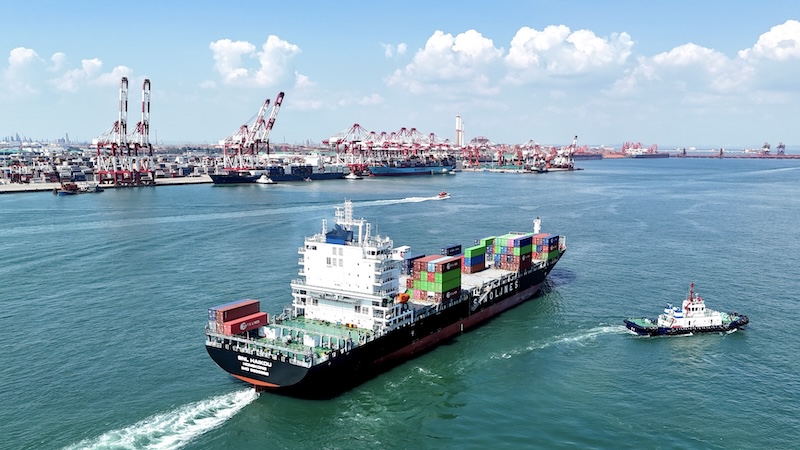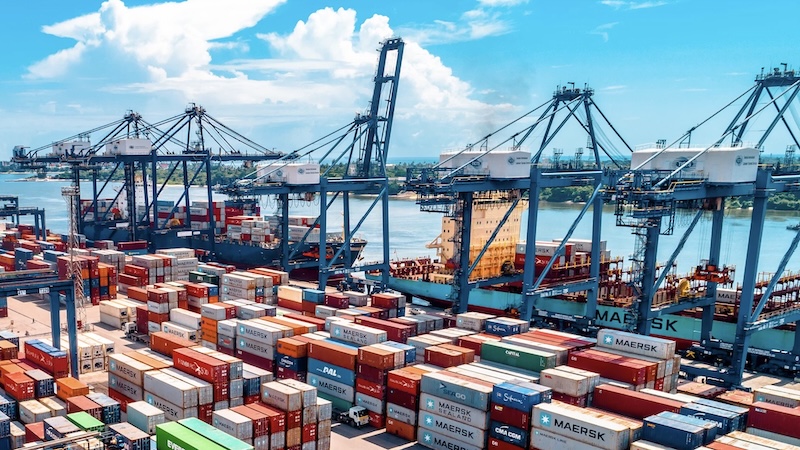
For most importers, building a clear shipment profile is the first step to streamline global logistics. Working with reliable partners for freight forwarding China lets you evaluate their communication skills, problem-solving capabilities, document processing, route planning, cross-border customs coordination and last-mile delivery. This approach delivers the greatest value for businesses that conduct regular procurement, ship mixed product lines, or launch new items on tight timelines. A trusted logistics partner mitigates unnecessary disruptions while setting realistic expectations for every shipment.
Before finalizing your logistics plan, define key details including cargo specifications, destination, service standards and handoff protocols. You should also verify if your provider offers
international freight forwarding services aligned with your procurement model. When budgeting for international trade, analyzing
shipping charges from China requires formalized guidelines, consistent sample standards and clear inspection rules to avoid unexpected expenses and quality issues.
The China-to-USA Shipping Corridor: What Businesses Need to Know
The trade lane connecting China and the United States ranks among the world’s busiest shipping routes globally. After comparing transportation modes, cargo consolidation options and customs support, importers will find that routing decisions, port conditions and evolving trade policies directly impact overall expenses, delivery timelines and inventory planning. Driven by booming cross-border e-commerce and industrial procurement, this corridor continues to evolve with smarter inland logistics and stricter compliance rules.
This corridor supports diverse business operations, ranging from e-commerce restocks and retail distribution to industrial component procurement and private-label product launches.
Amazon sellers, regional wholesalers and manufacturing companies all rely on this route, yet each group has unique risk thresholds, timeline requirements and customs compliance rules. To adapt to varying demands, most importers combine multiple shipping methods: they use express shipping from China for samples and time-sensitive orders,
air freight from China for launch inventory, LCL shipping from China for mid-volume cargo, and FCL shipping from China for large-scale recurring restocks. Many brands also adopt a blended logistics strategy, sending initial batches by air to meet launch deadlines while moving bulk goods via sea to cut per-unit costs.
Beyond primary port-to-port transit, inland logistics across the U.S. play a critical role in overall efficiency. Cargo arriving at major American ports still requires drayage, rail transport, deconsolidation, customs clearance and final delivery to warehouses, fulfillment centers or retail locations. Many importers only compare base freight quotes and overlook these downstream fees, leading to budget overruns. A partner familiar with the full China-to-USA logistics chain helps you optimize the entire workflow, rather than just a single segment of the journey.
Why the China-USA Route Dominates Global Freight
This trade corridor links the world’s top manufacturing hub with one of the largest consumer markets, covering low-cost household goods, premium consumer electronics and specialized industrial parts. For companies looking to import goods from China, high shipment volumes mean frequent ocean vessel sailings and comprehensive air cargo coverage across major Chinese export hubs. Compared to smaller trade lanes, this route offers far more routing flexibility, a key advantage amid modern supply chain fluctuations.
High traffic volume does not eliminate operational challenges. During peak retail seasons, shipping capacity tightens rapidly, and port congestion can create cascading delays for inland deliveries. Product-specific regulatory rules also vary across shipments, so partnering with an experienced logistics team is essential to balance transit time and total cost. If your
China product sourcing plan involves multiple factories across different provinces, a professional logistics provider can coordinate cross-location pickups, consolidate cargo appropriately and reduce redundant handoffs before export.
Mature infrastructure further strengthens this corridor. Major Chinese ports including Shanghai, Shenzhen, Ningbo, Qingdao and Xiamen maintain deep integration with global carriers and local manufacturing clusters. On the U.S. side, ports like Los Angeles, Long Beach, New York/New Jersey, Savannah and Houston connect incoming cargo to nationwide distribution networks. Scale brings more frequent services, healthy market competition and diverse routing choices, but it also amplifies disruptions. Short delays at origin can escalate after arrival if U.S. port and inland trucking capacity is already strained. For this reason, seasoned importers build buffer time into purchase orders and review both standard and variable transit windows with their logistics partners.
Compliance complexity is another defining feature of this route. Consumer goods, textiles, furniture, machinery parts and food-contact products all follow distinct labeling, testing, declaration and documentation rules. Even cargo on the same vessel may need customized pre-shipment preparation. Forward-thinking businesses integrate freight planning and compliance checks from the start to avoid holds at customs.
Current Geopolitical Factors Affecting Shipments
Geopolitical shifts can disrupt schedules even when cargo is fully prepared for transit. Tariff adjustments, updated trade policies, stricter customs screenings and export control regulations regularly alter total landed costs and documentation requirements. Modern importers cannot assume past shipping protocols will work for future orders, so ongoing policy monitoring is a necessary part of supply chain management.
Indirect operational risks also persist, including carrier network restructuring, port labor disruptions and enhanced compliance inspections. These changes often extend transit times and reduce schedule reliability. A local freight forwarding China expert with real-time lane insights can flag emerging risks early and recommend solutions, such as switching loading ports, splitting urgent and non-urgent cargo, or extending lead times for orders. If you work with a procurement partner, align sourcing and logistics strategies from the beginning, including pre-shipment document audits, realistic delivery estimates and backup routing plans for high-priority shipments.
Tariffs are the most visible trade barrier, but customs enforcement priorities also shift periodically, increasing the chance of targeted inspections or requests for additional documentation on product valuation, classification and country of origin. Businesses sourcing components from multiple regions must pay close attention to origin statements and supplier declarations, as these documents directly impact duty rates and compliance risks. Carriers also adjust routes and service frequency in response to fuel prices, global security concerns, weather events and shifting trade demand, making real-time logistics intelligence more valuable than ever in today’s market.
Successful businesses in today’s landscape follow three consistent practices: track policy updates systematically, maintain organized product and supplier records, and develop contingency plans. This may include identifying alternative ports, setting aside budget for emergency air freight, or adjusting reorder points to prevent operational downtime from delayed shipments. While no strategy can eliminate uncertainty, these steps build long-term supply chain resilience.
How to Choose a Reliable Freight Forwarder in China
Complex routing and evolving trade rules can derail well-planned shipments, making the selection of a qualified logistics partner just as important as choosing the right shipping mode. Evaluating providers for freight forwarding China requires a structured approach to mitigate risks before cargo departs. A top-tier forwarder delivers more than basic transportation services; they help you assess tradeoffs, prepare accurate documentation and respond quickly to unexpected issues. The gap between a smooth shipment and a problematic one often lies in coordination between factories, warehouses, carriers, customs brokers and consignees — a detail that low-cost quotes rarely reflect.
Vetting Credentials and Verifying Company Legitimacy
Start your evaluation with factual verification, rather than marketing claims. Reputable logistics companies can provide registered business names, operating licenses, physical addresses and clear service scopes. Cross-reference these details across official websites, shipping documents, email domains and invoices; inconsistencies are clear red flags.
Ask targeted questions about customs processing, carrier partnerships, cargo insurance and accountability for each handoff stage. If a provider relies on subcontractors, request full transparency about their network structure. For high-value or recurring orders, combine logistics partner reviews with
supplier verification in China to ensure your entire supply chain has no weak links.
Confirm the provider’s experience with your specific product category. A team skilled in furniture shipping may lack expertise with regulated electronics, temperature-sensitive goods or products with strict retail labeling rules. Relevant industry experience does not need to be identical, but the forwarder must understand the operational and documentation challenges for your goods. You can also judge service quality during the quoting phase. Reliable teams answer specific questions directly, identify missing information proactively and explain potential risks honestly. If a provider is unresponsive or vague before securing your business, miscommunication and delays will likely follow once your cargo is in transit.
Reading Reviews and Finding Trusted Recommendations
When reviewing client feedback, focus on recurring patterns instead of superficial star ratings. Look for consistent comments about response speed, transparent billing, document accuracy and how the team resolves delays or damaged goods. Trusted logistics providers earn positive feedback for problem-solving, not just low pricing.
Referrals from fellow importers with similar procurement needs are more valuable than generic online reviews. For businesses shipping furniture, electronic accessories or mixed cartons, ask industry peers about cargo consolidation, labeling accuracy and destination support. Treat overly polished or vague testimonials with caution. Trade associations, sourcing communities and professional networks are excellent sources of genuine referrals, as they reveal performance during high-pressure scenarios. When seeking recommendations, ask not only about overall satisfaction but also about past disruptions and how the provider resolved them. Nearly all international shipments encounter minor issues eventually, so a partner’s crisis management skills are critical.
You may also request client references that match your shipment type and destination. A company that regularly supports China-to-USA shipments for mid-sized importers will be a better fit than large logistics firms focused solely on multinational corporations. Service alignment matters as much as brand reputation.
Evaluating Service Capabilities and Geographic Coverage
A legally registered forwarder may still be unsuitable for your unique needs. Compare service capabilities against your regular shipping requirements, including full-container loads, small-package consolidation, emergency air freight and multi-location factory pickups across China. Strong local coordination includes flexible routing options, realistic transit estimates and agile exception handling. For comprehensive on-site assessment of production and logistics capabilities, leverage
factory audit services to align your logistics plan with actual factory output and scheduling.
Geographic coverage is another key factor. Confirm whether the provider operates direct services in your pickup regions or relies entirely on third-party agents. A single team managing factory pickup, export documentation and destination coordination reduces confusion and communication gaps. Before signing a contract, request a sample workflow to review their processes for booking, documentation, tracking and issue escalation.
Coverage becomes especially important if your suppliers are spread across inland and coastal Chinese provinces. Pickup in Shenzhen follows different protocols than shipments from inland manufacturing zones, where trucking schedules, warehouse cutoffs and port access are less flexible. A forwarder with robust local connections can consolidate cargo efficiently and prevent one supplier’s delays from impacting an entire order. Clarify protocols for handling exceptions in advance. Define clear points of contact, escalation steps and update frequency for issues like missed booking deadlines, adjusted carton counts or additional customs inquiries. Well-defined emergency processes separate standard logistics support from truly reliable supply chain management.
Cost Factors and Pricing Considerations
After verifying a forwarder’s credentials, network and service quality, pricing becomes the final practical check. A professional team’s true value lies in transparent cost breakdowns and pricing that aligns with your long-term shipping plan. Direct price comparisons only work when all quoted services are identical. Many importers face losses because one quote covers port-to-port transport, while another includes factory pickup, customs brokerage and final delivery to your facility. Low headline rates often exclude essential services you will need to source separately later. Always review pricing alongside service terms, timeline commitments and operational responsibilities.
Understanding Freight Forwarding Pricing Structures
Freight quotes almost always combine a base transportation fee with additional charges tied to shipping mode, weight, volume, routing and special handling. air freight from China is typically priced by chargeable weight, while ocean freight from China rates depend on container type or cubic volume. Trusted local partners break down all line items in plain language, instead of bundling all fees into a single vague total. Modern logistics providers also factor in dynamic costs like fuel surcharges and peak-season fees, which fluctuate with global market trends.
Packaging, carton dimensions and factory location directly impact final shipping costs long before goods leave the production floor. For ocean shipments, minor improvements to packaging efficiency let you fit more units per container and lower per-unit freight expenses over time. For air cargo, dimensional weight rules can make lightweight, bulky products far more costly than expected. For this reason, packaging and logistics planning should connect closely with your product development work. Our
product development team can help optimize packaging designs to cut down overall shipping cost from China while protecting product integrity.
Buyers should also understand that some charges are market-driven and change frequently. Fuel adjustments, peak season surcharges, security fees and terminal-related costs may move with conditions beyond the forwarder’s control. A trustworthy provider will explain which items are likely to fluctuate and which can be locked in for the quoted period. That context helps businesses plan better and avoid treating every price change as an arbitrary increase.
How to Request and Compare Quotes
A useful quote starts with complete shipment details. Send the same information to each logistics provider so you can compare like for like: product type, carton count, dimensions, gross weight, pickup city, destination, preferred mode, and target delivery window. If customs support, insurance, or warehousing may be needed, say so upfront.
When reviewing offers, compare more than the headline number. Check transit assumptions, included services, cutoff times, and any conditions that could trigger revised billing. A drastically low quote compared to market averages requires thorough follow-up to rule out hidden fees or compromised service quality. It helps to request quotes in a structured format, separating origin charges, main freight, destination charges, customs-related support and insurance. This makes comparison easier and exposes where price differences actually sit.
If you expect ongoing shipments, ask whether the rate applies to a single movement or recurring orders. Some providers offer more stable pricing for long-term partners with consistent shipping volumes. Even if rates still fluctuate, operational consistency improves when the forwarder has full visibility into your purchasing rhythm.
Hidden Costs to Watch For
Unexpected charges usually stem from unclear service scopes, rather than bad luck. Common extra fees include remote area pickup fees, storage charges from incomplete documentation, port handling fees, customs inspection costs and seasonal surcharges. To reduce surprises, ask each forwarder to list all included and excluded services, fixed and estimated fees, and common triggers for additional billing.
Upstream supply chain issues can also create downstream shipping costs. If suppliers pack goods inefficiently or miss shipment readiness dates, storage and rerouting fees will add up quickly. Quality issues are another hidden risk; partnering with professionals for
quality inspection before shipment reduces the chance of returns, replacements and costly emergency shipping.
Damage and claim handling also impact long-term expenses. For fragile or high-value goods, confirm packaging standards, handoff inspection rules and insurance coverage before booking. Cargo insurance is a small investment that prevents massive losses from transit damage or loss.
Tracking and Transparency in International Shipments
Clear pricing matters, but real-time visibility after dispatch is equally critical for modern supply chain management. Today’s top logistics providers use digital tracking systems and automated alerts to keep importers updated throughout every stage of transit. Mastering the full shipping procedure from China helps you stay in control of inventory, sales and customer commitments.
Shipment Monitoring Capabilities and Technology
A capable forwarder offers more than a basic booking confirmation and estimated arrival date. Comprehensive shipment monitoring tracks key milestones: cargo pickup, warehouse receipt, export clearance, port departure, transshipment, arrival, import clearance and final delivery. Digital tracking portals and automated email alerts have become industry standards now, replacing manual status updates for most regular shipments.
These updates support inventory planning, customer communication and cash flow decisions for businesses managing product sourcing and logistics together. A reliable partner will flag exceptions such as delayed sailings or document issues immediately, alongside clear guidance on next steps. Consistent tracking data also creates historical records to analyze transit patterns, identify recurring bottlenecks and refine future shipping plans.
What to Expect During Transit and Customs Processing
International shipping rarely follows a perfectly linear timeline, so importers should anticipate gaps between status updates, especially for ocean freight. Customs processing remains one of the most common points for delays, and requirements vary widely by product category and destination country. To streamline this process, learn practical shipping tips from China that focus on complete documentation, standardized labeling and pre-submission compliance checks.
Work with your logistics team to outline expected
customs clearance timelines based on your product type. Standard goods with full documentation clear customs quickly, while electronics, branded items or safety-regulated products face more rigorous reviews. When coordinating multiple suppliers for consolidated shipments, ensure every vendor follows the same documentation and labeling rules to avoid holding up the entire container.
FAQ
Q1: Is there any Chinese freight forwarder?
Yes, there are numerous freight forwarders operating in China, including local logistics firms and global providers with regional offices. When selecting a partner for freight forwarding China, prioritize communication quality, problem-solving ability and expertise in documents, routing and customs work, rather than choosing based solely on low prices. Different providers specialize in e-commerce parcels, full container freight or mixed cargo, so match their expertise to your regular shipment types.
Q2: What does this mean if you have a freight forwarder in China?
Having a freight forwarder in China means you have a local logistics partner to manage end-to-end shipping from Chinese suppliers to your destination. They handle documentation, customs clearance, carrier coordination and cross-border delivery, which streamlines operations for regular importers and reduces avoidable delays. A local team also offers faster on-site coordination with factories and warehouses at the origin.
Q3: How do I choose the right supplier coordination partner?
Start by defining your cargo details, destination and service requirements. Evaluate potential partners on response speed, past performance and service compatibility. Test their expertise with questions about shipment delays, document errors and split cargo arrangements to gauge practical experience.
Q4: What information do I need before contacting a freight forwarder in China?
Prepare full cargo specifications, destination address, delivery timeline, preferred shipping mode and additional service needs such as customs brokerage or warehousing. Disclose special cargo characteristics like batteries, liquids or custom labeling to ensure accurate quotes and compliant shipping arrangements.
Q5: What services should a logistics provider offer?
A full-service logistics team manages documentation, customs clearance, carrier booking, cargo tracking and cross-border delivery. Value-added services include cargo consolidation, insurance, pre-shipment inspection and tailored solutions for complex multi-supplier orders.
Q6: How does freight forwarding from China help with customs clearance?
Logistics specialists prepare export and import documentation, classify products correctly and calculate applicable duties. They work closely with customs brokers to resolve inquiries and fix document errors before they lead to shipment holds.
Q7: What is the difference between air and sea freight forwarding from China?
Air freight from China delivers cargo in 3 to 7 days for urgent orders and high-value goods, while ocean freight from China is cost-effective for large volumes with transit times of 2 to 6 weeks. Most importers combine both modes to balance cost and speed.
Q8: Can freight forwarders in China handle mixed product shipments?
Yes, experienced providers consolidate goods from multiple Chinese suppliers into a single shipment. This consolidation service cuts overall shipping cost from China and simplifies logistics, as long as all suppliers follow uniform packaging and documentation rules.
Q9: How can I reduce shipping delays when using freight forwarding from China?
Share complete and accurate shipment details and documents upfront, work with providers familiar with your destination’s customs rules, and build buffer time into all delivery schedules. Confirm cargo readiness and document accuracy before scheduled pickup to avoid origin-side delays.
Q10: What is cross border freight forwarding services in the China context?
Cross border freight forwarding services manage shipments that travel through multiple countries and customs zones. These services support complex distribution networks, with providers optimizing routes, standardizing documentation and ensuring full regulatory compliance across every border.
Conclusion
Successful shipping from China relies on verified processes, transparent partnerships and realistic expectations, rather than empty promises of ultra-low rates or guaranteed fast delivery. When evaluating logistics providers, focus on clear service scopes, dependable timelines and consistent communication. A qualified partner will explain responsibilities, required paperwork and potential challenges in plain language, aligning their services with your shipment size, cargo type and business goals.
Adopting proven shipping tips from China and maintaining rigorous pre-shipment preparation will help you avoid common disruptions across the supply chain. Document product specifications clearly, vet suppliers thoroughly, and ask targeted questions about logistics workflows. Small, consistent improvements to your planning and coordination create long-term stability, whether you ship goods quarterly or on a weekly basis.
Align your sourcing, documentation, transportation and customs work to build an efficient end-to-end supply chain. Strong logistics performance begins long before cargo leaves the factory. By partnering with transparent, experienced logistics and sourcing experts, you can import goods from China steadily, control total shipping cost from China effectively, and scale your business with fewer avoidable setbacks.