
Shipping from China: Methods, Timelines, and Decisions
Shipping from China is three decisions taken in order: how the goods travel, when they have to leave, and who is responsible for each stage. Almost everything that goes wrong later was settled, quietly, at one of those three points.
| Decision | Made When |
|---|---|
| Method | Before the order is placed |
| Timeline | Before production starts |
| Responsibilities | Before the booking |
Take them in that order and the rest of the process is administration; take them out of order and every fix costs money.
Choosing the Shipping Method
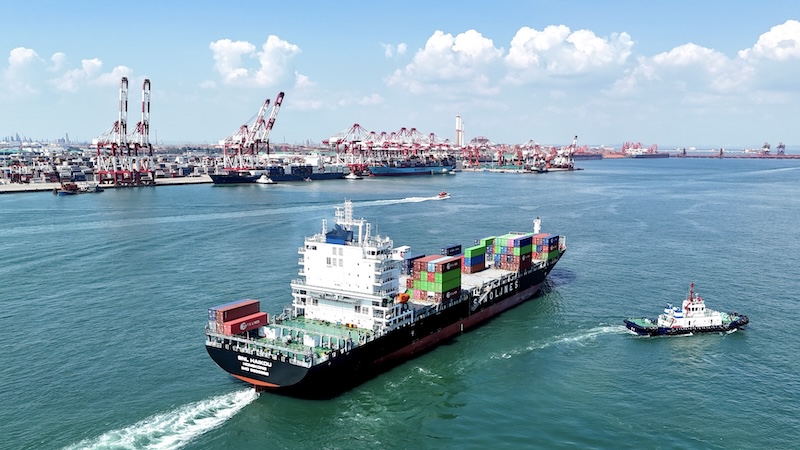
The method looks like a logistics choice and behaves like a commercial one, because it changes your packaging, your order size, and how long your cash sits in transit. Deciding it after production has finished means fitting the shipment to whatever is left.
| Method | Suits |
|---|---|
| Express courier | Samples, urgent top-ups |
| Air freight | Mid-size urgent cargo |
| Sea freight | Volume, planned restocking |
The method also sets your order size, not just your freight bill. Sea freight rewards buying enough to fill space, air rewards buying little and often, and a courier makes small repeat orders workable at a price.
Weigh the deadline, the value, and the density together, then rule out what does not fit. A fixed date can take sea off the table before density is even considered, while heavy low-value goods rarely pay for anything but sea, and the trade-off is worked through in sea and air freight.
If the answer is air, the bill runs on chargeable weight. Carriers bill whichever is greater, the actual weight or the space the cargo takes up, which is why packaging design and rate breaks matter more than negotiation, as air freight from China sets out.
Most of these decisions get cheaper the earlier they are made, which is why sourcing and quality control settles the method and the packing while the order is still being placed.
If the answer is sea, the next question is whether you fill a container. A full container moves with fewer hands on it, while a shared load is built at origin and pulled apart at destination, which makes full and shared containers a timeline decision as much as a price one.
Container choice then feeds back into the factory. How much fits and what it weighs depend on carton design, so container sizes belong in the conversation while packaging is still being planned rather than after it is printed.
Check Whether the Cargo Limits Your Options
Before comparing speed and price, confirm which methods and carriers will actually accept your goods, because some products decide this for you. A method that looks cheapest on paper is worth nothing if the carrier turns the cargo away at the terminal.
| Cargo Trait | What It Can Change |
|---|---|
| Batteries, liquids, powders | Some carriers and flights |
| Aerosols and magnets | Air options, extra testing |
| Overweight or oversized | Container type, final vehicle |
| Solid wood packaging | Treatment and marking rules |
| Branded or licensed goods | May need proof of authorization |
Declare what the goods actually are before anyone quotes. Real product description, materials, packing method, dimensions, weight, and anything unusual inside them all belong in the first message, not in the one you send after a booking is refused.
A supplier saying it can be shipped is not the same as a carrier accepting it. Factories ship what they always ship and rarely track which airline or line changed its rules this quarter, so the confirmation has to come from whoever is actually carrying the goods.
Settle acceptance first, then compare the options that remain. An early acceptance check is quick on ordinary goods and slower on batteries, magnets, or anything oversized, where the carrier may want data, test results, or its own approval.
Building a Timeline You Can Defend
Count backward from the date the goods have to be on sale, never forward from a lead time. The forward version produces a date nobody can hold you to, and it is how most missed seasons start.
| Stage | Plan Around |
|---|---|
| Production to cargo ready | Supplier reliability |
| Cargo ready to departure | Booking and cutoffs |
| Transit | Route and transfers |
| Arrival to your door | Clearance and delivery |
Each of those four blocks has its own range, and adding them separately beats one quoted figure. Realistic ranges for each method sit in shipping time from China, and the gap between transit time and delivery time is where most promises break.
Assign an owner to each block, not just a duration. Production belongs to the supplier, the wait for departure belongs to whoever books the freight, transit belongs to the carrier, and the final stage belongs to you and your broker. Delays gather at the joins between those four, because that is where each party assumes another one is watching.
Treat the factory date as the least reliable number in the plan. Suppliers tend to quote the best case, and a date given before the materials are bought is a guess rather than a promise. Ask what has already been purchased rather than when it will be finished, and rebook rather than hope when the answer is vague.
The calendar decides more than the method does. China closes on dates you can read a year ahead, and space tightens for months before Western holidays. Even a confirmed peak-week booking can still miss its vessel, which is why peak season shipping dates belong in the plan before production is booked.
On ocean shipments the deadlines multiply. Booking, gate cutoff, document cutoff, and weight filing all fall on different days, and missing the weekly sailing costs a week rather than a day, which is the sequence set out in sea freight from China.
A first order and a repeat order need different timelines. On a first order the unknowns sit at the factory end, since nobody has seen this supplier hit a date, so the spare time belongs before departure.
On a repeat order you have evidence, so place the spare time according to how that supplier has actually performed rather than assuming production is now safe.
Not every stage deserves the same protection. A week of buffer on a sea shipment is realistic and a week on a courier shipment is often unnecessary, so protect the stages that slip rather than adding the same amount of time everywhere.
Waiting for a shared container to fill, changing vessels at a hub port, and clearing customs are the three that slip most, and they sit at the start, the middle, and the end of the journey.
The Decisions That Follow
Once the method and the dates are set, the remaining choices are about who does what, and each one has a default that is rarely in your favor. Leaving them unmade is itself a decision.
Start with the trade term, because it sets the frame every later choice sits inside. The three letters on your purchase order divide the delivery duties, the costs, and the point where risk passes to you, and every decision after it has to work within that split. Agreeing a term because the supplier suggested it is how buyers end up paying for a journey they never priced.
Decide who arranges the freight. Your supplier will often offer, which is convenient until the goods are held and you discover the factory is not a logistics company, and the practical differences are laid out in choosing a freight forwarder.
Then decide what you are actually buying from them. A forwarder may act purely as your agent, or contract as a carrier in its own right, and it may arrange clearance through a licensed entity rather than doing it itself.
The responsibility depends on the role in the contract. Knowing where that scope stops is the difference between a problem you can chase and one nobody owns, which is the subject of what a freight forwarder does.
Choose the route, not just the port. A cheap rate into a quiet port can add rail, trucking, storage, and one more handover. Whether that is a saving depends on where the goods actually have to end up, which is the point of comparing port options.
Tell the factory what to print on the boxes. Marks that contradict the documents raise the same questions as documents that contradict the goods, and specifying carton shipping marks in writing before production ends costs nothing at that stage.
Decide what happens if the cargo is damaged. Carrier liability is capped at a figure that has nothing to do with what your goods are worth, and shipping insurance is what covers the gap between the two numbers. Price it before the first shipment rather than after the first loss, since the premium is small against goods you chose to ship for a reason.
Settle who clears the goods at the other end. Storage charges start early and the buyer is furthest from the problem, so appoint the broker before the cargo lands rather than after, which is where customs clearance from China does the detailed work.
Put the ones that change what the factory builds into the purchase order. Container size, packing method, and carton markings decide what the factory produces, while the trade term and the cargo-ready date fix who is responsible and when.
A decision that lives only in a chat thread is one the factory can quietly change. The rest belongs somewhere equally binding: the forwarder’s scope, the cover in the policy, and the cutoffs in the booking.
Finally, cost the whole thing rather than the freight line. Freight is one line in a bill that also holds origin charges, duty, tax, and final delivery, and only landed cost tells you whether the order still works at the price you agreed.
Two quotes are only comparable when they cover the same journey. Check where collection happens, which charges sit inside each figure, whether clearance is included, and how many free days you get before storage starts.
FAQ
Q1: When should I stop using couriers and start using freight?
When the courier bill stops looking like convenience and starts looking like a cost line, which is usually once shipments outgrow a few cartons. Ask for a door-to-door price from both and compare totals rather than rates.
Q2: Does the destination country change which method I should use?
It can change the methods available as well as the time and the cost, since landlocked destinations, thin schedules, and remote delivery areas all narrow the options. Long ocean routes also make air more attractive on urgent goods, and a route with few sailings each week can cost more days than a slower method would have.
Q3: Should cargo from several suppliers ship together?
When the production dates genuinely line up, yes, since one shipment costs less to move and to clear. When they do not, waiting for the slowest supplier usually costs more than shipping twice.
Q4: How many freight quotes should I get?
Two or three, from providers quoting the same scope and the same week. More than that wastes time, and quotes taken weeks apart are not comparable at all.
Q5: What should I ask a supplier before agreeing who books the freight?
Ask which port they normally use, who they book through, and whether they can show the charges as separate lines. Almost every supplier books through a forwarder, so the real test is whether they can quote transparently and hold the route you want.
Q6: Should I ship the first order the same way as later ones?
Not always. Many buyers move the first one faster than the cost alone would suggest, since earlier arrival means earlier feedback from real customers, though that shortens the wait rather than replacing the pre-shipment inspection that finds problems before the goods leave.
Q7: Can I change method after production has started?
Yes, though the cost depends on what has to change with it. Recheck carton sizes, chargeable weight, labeling, pallets, and any restricted contents before agreeing, and ask for a fresh full quote rather than assuming the old one adjusts.
Q8: How do I stop solving the same shipping problems every order?
Write down the dates, the scope, and the packing requirements that worked, then reuse them as the standard for the next order. Most importers relearn the same lesson because nothing was recorded the first time.
Conclusion
Every one of these choices has a default, and the default is always set by someone whose interests are not yours. The factory picks the packaging, the supplier picks the forwarder, the carrier picks the routing, and each of those is free to decide until you decide first.
Someone will decide the packaging, the forwarder, and the routing on your shipment, and the only question is whether that someone works for you. We take those decisions through sourcing and quality control, so the plan you agreed is the plan the cargo actually follows.