For store owners comparing growth options, hair accessories in China can be a practical path when you choose styles that match your customer profile, set clear quality standards, and plan inventory around steady reorders rather than one-off trend spikes. Your immediate next step is to define a focused starter assortment and evaluate it against durability, finish consistency, minimum order flexibility, and turnaround reliability before expanding.
This article is built for beauty retailers doing informational research before they commit budget, especially teams that want reliable China hair accessories to support repeat purchases and basket growth. Instead of chasing unsupported claims, it uses a conservative approach: prioritize versatile categories such as clips, headbands, scrunchies, and claw clips, test small batches in-store and online, and track what actually sells through by color, material feel, and price band. As you read, you will see how a trusted hair accessories in China strategy can strengthen assortment depth, support seasonal refreshes, and help your store grow through better everyday merchandising decisions rather than risky volume bets.
The introduction established that smart product choices drive repeat visits and stronger margins. Building on that idea, factory-side coordination matter because they give beauty stores a practical way to expand assortment quickly while keeping quality and positioning under control.
For most beauty retailers, growth comes from selling more than one routine item per visit. Hair clips, claw clips, satin scrunchies, headbands, barrettes, and styling tools are natural add-ons at checkout and easy bundle partners for beauty healthcare categories such as scalp care, hair masks, and treatment-focused products. When you treat China-based production support as a category strategy instead of a one-off buy, you can improve average order value without making your store harder to shop.
A useful approach is to evaluate hair accessories through three business lenses:
Range depth and trend speed A broad manufacturing base makes it easier to test seasonal colors, textures, and shapes in smaller trial runs, then reorder winners. This supports fast merchandising cycles and reduces the risk of overcommitting to one style.
Price architecture and margin planning Accessories can support tiered pricing, from everyday basics to giftable premium sets. This helps you create entry, mid, and premium options across a single display, which is often easier for shoppers to understand than scattered single-price SKUs.
Brand consistency at scale As stores grow, consistency becomes critical. Working with reliable manufacturing oversight partners helps maintain finish quality, color matching, and packaging standards across repeat orders, so returning customers get the experience they expect.
Customer behavior on major online marketplaces also shows that buyers compare style, function, and presentation, not only price. In practice, that means your store can win by curating coherent mini-collections, such as "daily essentials," "damage-reducing fabrics," or "occasion sets," instead of listing random items. This is especially useful if you also carry beauty & healthcare products from China, because accessories can be merchandised as part of complete hair wellness routines.
To keep decisions grounded, use a simple buying checklist:
Fit with your core shopper: Match accessory styles to your current customer profile before chasing every trend.
Material and finish review: Check comfort, durability, and visible craftsmanship during sampling.
Display logic: Plan how each item will be sold: impulse bin, curated set, or routine bundle.
Reorder reliability: Prioritize trusted factory-side coordination workflows that can reproduce winning SKUs consistently.
Compliance and labeling readiness: Confirm packaging and product information meet your retail channel requirements.
If you are evaluating a China hair accessories supplier or a broader China product sourcing partner, keep the discussion focused on assortment planning, repeatability, and category fit rather than just unit cost. A disciplined China hair accessories service can help connect accessory choices to your wider beauty healthcare strategy, so each new SKU supports measurable store growth instead of adding catalog noise.
In short, manufacturing oversight matter because they are not just low-ticket products. Used strategically, they are high-leverage merchandising tools that support conversion, basket size, and long-term customer loyalty.
After seeing why production quality support can drive store growth, the practical question is what to stock first. Traditional designs are often the bridge between trend-driven shopping and higher perceived value, especially when you present style, meaning, and use clearly in your product mix.
Shoppers looking for heritage-inspired hair accessories usually start with a few recognizable categories. Hanfu hairpins attract buyers who want period styling for events, photos, or everyday statement looks. Tassel pieces appeal to customers who want movement and color, while hair sticks are popular for minimalist updos and gifting. Vintage combs often convert well as bridal, formal, or collectible items.
For retail planning, group these by use case rather than only by material. A clean structure can include everyday styling, occasion wear, and gift-ready pieces. This helps your team create bundles, improve site filters, and support better merchandising decisions during product development and sourcing.
Traditional motifs can carry cultural meaning, so positioning matters as much as product selection. Avoid exaggerated historical claims when evidence is unclear, and describe symbols in careful, accessible language. For example, present floral or tassel motifs as commonly associated with elegance or celebration, rather than assigning fixed meanings to every pattern.
For gifting, spotlight presentation details such as protective packaging, pairing suggestions, and occasion notes. A respectful merchandising tone builds trust and supports repeat purchase behavior, which is key when expanding with reliable China hair accessories. If your team works with a product product development company, ask for naming consistency, style notes, and cultural context fields in your product briefs so new SKUs stay accurate as your assortment grows.
As your catalog matures, this combination of classic style coverage, clear naming, and respectful storytelling can turn trusted supplier coordination from one-off trend items into a stable, brand-building category.
After defining style names, symbolism, and gifting context, the practical question becomes sourcing. To turn cultural interest into repeat sales, you need reliable verification checks that match your quality promise, reorder speed, and margin targets.
A quality controls supplier (factory-direct) usually gives you tighter unit costs and more control over materials, plating color, logo application, and packaging details. This model often works best when you already know your hero SKUs, forecast stable reorder volume, and can manage longer development conversations. For stores building a signature line, direct factory collaboration can support stronger differentiation over time.
A trading company can be a better fit when your assortment is broad, seasonal, or still being tested. Instead of managing multiple factories yourself, you work through one partner who consolidates sourcing, sampling, and communication across categories. That can reduce internal workload and help you launch faster, even if per-unit cost is not always the absolute lowest.
Use a simple margin lens before choosing:
Order structure: If you buy deeper in fewer SKUs, direct supply is often easier to optimize.
Team capacity: If your team is lean, a trading partner may prevent costly coordination delays.
Quality risk tolerance: If defects or finish inconsistencies hurt your brand quickly, prioritize partners with clear inspection workflows.
Growth stage: Early-stage stores often value flexibility; mature stores often value control.
In practice, many beauty retailers run a hybrid model: direct for core bestselling hair accessories, and a trading partner for trend-driven capsules.
When comparing supplier checks, channel choice affects speed, visibility, and risk control as much as price.
Yiwu is useful for fast product discovery and low-to-mid MOQs across many small accessories categories. It suits buyers who want to test styles quickly and build broad entry-level assortments.
Guangzhou can be attractive for more design-forward selections and suppliers familiar with fashion-led refresh cycles. If your store focuses on curated looks and frequent drops, this ecosystem may align better.
B2B marketplaces help you shortlist vendors remotely and compare catalog depth before committing to samples. They are efficient for first-pass screening, but you still need disciplined verification, sample review, and consistency checks before scaling.
Direct factories are typically strongest when you want repeatability, private labeling, and long-term product roadmaps. They require more sourcing discipline upfront, but they can support stronger gross margin stability as volume grows.
To keep procurement aligned with beauty-store growth, evaluate each partner on three points: sample-to-bulk consistency, communication speed, and willingness to document material and finishing standards. That is how sourcing moves from one-off buying to a dependable workflow steps service model that supports your brand reputation and restock rhythm.
After deciding where and from whom to buy, your next margin lever is what you choose to stock. A strong product mix turns sourcing effort into repeat sales by matching hair accessories to real hair types, daily routines, and gifting moments.
Shoppers often discover products through modern terms, then buy based on style meaning. In practice, this means pairing current best-sellers with culturally rooted alternatives in one clear catalog path. For example, everyday claw clips and snap clips can sit beside minimalist hair sticks, while statement headbands can be cross-merchandised with crown-like bridal pieces and ornate combs.
This mapping helps your store serve both practical buyers and occasion-led buyers without splitting your brand voice. It also supports search behavior around order questions and workflow steps, where customers may start broad and refine by look, event, or cultural inspiration. Keep product descriptions functional first, then add concise style context.
A balanced mix usually performs better than a trend-only assortment. Everyday SKUs create consistent volume, occasion SKUs lift average order value, and trend SKUs bring discovery traffic. Organize by use case and hair compatibility so customers can filter fast.
Everyday core: claw clips, elastics, scrunchies, and simple barrettes in neutral colors, with options for thick, fine, curly, and straight hair.
Occasion edit: pearl pins, embellished combs, bridal sets, and gift-ready bundles for weddings, parties, and seasonal events.
Trend capsule: rotating items inspired by social styling waves, produced in smaller test quantities before deeper commitment.
Cultural-inspired line: refined pieces influenced by traditional silhouettes, presented respectfully and clearly labeled by style purpose.
For beauty retailers, this structure keeps cash flow steadier while still giving your storefront fresh launches that attract returning customers.
When comparing reliable shortlist tests options, treat cost planning as a tier system, not a single target price. Entry-tier items can support promotions and first-purchase conversion, mid-tier products often become your repeat-purchase backbone, and premium pieces strengthen gifting and event positioning.
Ask each China-based production support supplier to quote by material and finish level, then evaluate minimum order quantity against your sell-through confidence. If MOQ is high, start with fewer colors or narrower style depth instead of dropping quality. This protects brand perception and reduces dead stock risk.
If you use a product sourcing agent or a product sourcing company, give them a category brief by use case, hair type, and quality tier, not only a price ceiling. That approach improves sampling decisions and helps your hair accessories business scale with healthier margins over time.
Your product mix now gives you a clear buying plan across everyday, occasion, and trend SKUs. The next challenge is selecting partners who can deliver that plan consistently, so your margins and customer experience stay stable as you grow with manufacturing oversight.
Start with legal and operational basics. Ask each production quality support supplier for a current business license, plus clear information on whether they are a factory, trading company, or hybrid model. Then match their core strength to your catalog: for example, one order questions company may be strongest in metal claw clips, while another is better at fabric headbands or bridal pieces. This reduces quality drift and production delays.
Samples are your fastest quality filter. Order representative SKUs from each candidate and test hinge tension, clasp strength, glue points, plating consistency, edge smoothness, and colorfastness. Also review packaging condition after basic transit handling, since presentation affects returns and reviews. For reliable supplier coordination, written sample feedback should become your quality baseline before any bulk commitment.
Do not compare price alone. Build a simple sheet with unit cost, mold or setup fees, minimum order quantities, production lead time, and shipping terms such as EXW, FOB, or DDP. A slightly higher quote can still win if MOQ is lower or lead time is more predictable. This side-by-side view helps you choose trusted shortlist tests partners based on total business impact, not headline cost.
Good communication protects cash flow. During sampling and quoting, track response speed, clarity, and how well the team answers technical questions about materials and finishing. Ask how they handle defects, remake timelines, and partial shortages. If your contact cannot explain the process in clear English, daily execution may suffer. A dependable verification checks company should make issue handling transparent before you place production orders.
Public feedback and direct references can reveal consistency over time. Look for patterns in comments about product match, packaging reliability, and after-sales support rather than isolated praise or complaints. When possible, request references from buyers with repeat orders in similar categories. Stable reorders are a strong sign that a China-based production support service can maintain standards beyond one successful sample batch.
Before scale, confirm material declarations, testing documents where applicable, and labeling details you need for your sales channels. Requirements vary by product type and target market, so ask suppliers what documentation they can provide for metals, coatings, plastics, and textiles. If gaps appear, note them early and decide whether a product sourcing agent or product sourcing company should support compliance checks in your China product sourcing workflow.
A pilot order lets you validate real-world performance before full rollout. Keep the first run focused on selected SKUs, then measure defect rate, on-time delivery, carton accuracy, and customer feedback. If results meet your common comparisons, formalize reorder terms: approved sample standard, tolerance rules, lead-time window, and remedy steps for quality issues. This disciplined launch method turns sourcing factory-side coordination into a repeatable growth engine for your store.
After comparing licenses, samples, lead times, and communication standards, you now have enough evidence to move from shortlisting to a confident final choice. The goal is no longer finding the cheapest quote, but selecting trusted production quality support partners that can support stable quality, repeat launches, and healthier margins over time.
For beauty retailers, supplier checks become a growth engine when buying decisions are tied to customer retention, not just first-order cost. That means choosing factories and partners who can maintain finish consistency, protect packaging quality, and adapt your assortment as trends shift from daily basics to seasonal statement pieces.
A practical final framework is to score each option across four business outcomes:
Sell-through confidence: Prioritize SKUs that match your proven demand pattern, such as neutral claw clips for daily wear plus a smaller trend layer for social-led demand.
Brand reliability: Confirm repeatable quality across batches, including color consistency, spring tension, edge smoothness, and carding or box presentation.
Cash-flow safety: Choose MOQs and replenishment cycles your store can absorb without overstock pressure.
Operational ease: Favor a quality controls supplier with clear pre-production confirmation, issue handling, and predictable shipment coordination.
When two suppliers look similar, your tie-breaker should be post-order behavior. Reliable workflow steps programs are built on how partners respond when revisions are needed, not only how they perform during quoting. Ask for a written workflow covering sample approval checkpoints, defect handling, and remake or credit rules before you place larger orders.
To keep decisions commercially grounded, use a simple growth-fit check before final sign-off:
| Decision Area | What to Confirm | Why It Matters for Growth |
|---|---|---|
| Core catalog stability | Everyday best-sellers can be reordered with consistent materials and finish | Prevents customer disappointment and return risk |
| Trend responsiveness | New styles can be sampled quickly in small test runs | Lets you test demand without heavy inventory bets |
| Packaging execution | Retail-ready labels, inserts, and barcode placement are repeatable | Supports smoother fulfillment and stronger shelf appeal |
| Communication quality | English support and response speed remain steady after deposit | Reduces delays and protects launch calendars |
For many founders, this is also the point to decide whether direct factory management or a product sourcing company is the better operating model. If your team is lean, a trusted sourcing partner can coordinate supplier comparison, quality follow-up, and shipment alignment across multiple supplier coordination vendors, helping you scale without building a large in-house procurement function.
Finally, treat supplier selection as a 12-month partnership decision, not a one-time transaction. Start with a focused opening order, track defect rates and reorder speed, then expand only after consistent performance. This measured approach helps you build a dependable pipeline of order questions, improve customer experience, and support long-term brand growth with less operational risk.
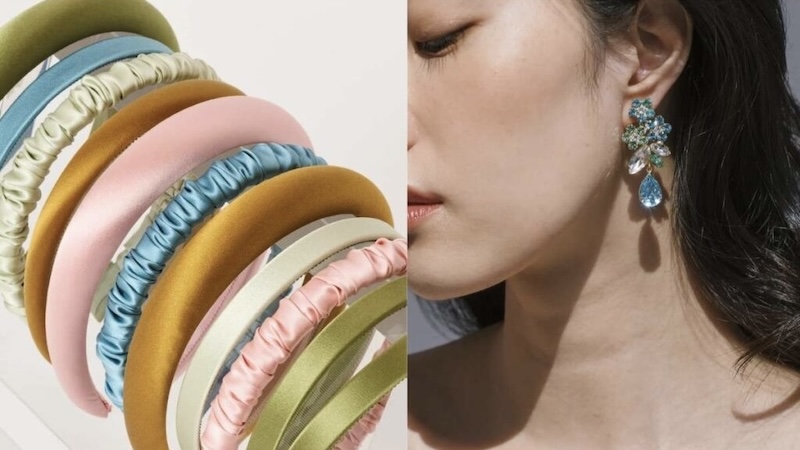
Start with a tight core range and expand only after real sales signals. A practical structure is:
2 to 3 evergreen categories (for example: claw clips, satin scrunchies, and basic headbands)
1 seasonal style drop each cycle
1 impulse add-on near checkout
This approach helps you test verification checks across price points while protecting cash flow and shelf space.
Shoppers usually notice finish consistency, comfort, and packaging before they ask where products were made. For reliable China-based production support, focus on:
Strong spring tension for clips that still open smoothly
Fabric and trims that feel clean and skin-friendly
Carding or pouches that match your brand tone
Colorways that coordinate across SKUs
When these details align, your hair accessories assortment looks intentional, which supports higher perceived value.
For most growing stores, a controlled launch outperforms a large catalog. A useful starting point is 12 to 24 SKUs split across everyday and trend-led options. That gives enough variety for bundles and upsells without creating slow movers too early. As sell-through patterns become clear, add depth to winners instead of adding random new styles.
Yes, especially if you standardize your visual and quality rules from the start. Ask every factory-side coordination company you evaluate to follow one brief that covers logo treatment, color tolerance, packaging format, and acceptable defect thresholds. Consistency across reorders matters more for brand memory than launching many different designs at once.
Use a small dashboard you can review weekly:
| Metric | Why it matters | Action trigger |
|---|---|---|
| Sell-through by SKU | Shows true demand | Reorder top performers, pause slow styles |
| Return reason notes | Reveals quality or fit issues | Update specs or remove weak SKUs |
| Bundle attachment rate | Measures cross-sell strength | Pair high-converting combinations |
| Gross margin by category | Protects profitability | Reprice, repackage, or renegotiate |
Keep the system simple and consistent. You do not need complex forecasting to make better buying calls.
Use both in phases. Ready-made items from a manufacturing oversight supplier can validate demand quickly. After you identify winners, invest in selective customization such as exclusive colors, branded cards, or set combinations. This staged model lowers risk and helps your store move from generic listings to signature offers.
Approve a pre-production sample, then confirm that mass production follows the same standard for materials, finish, and packing. Request clear photo checkpoints before shipment and keep a written quality checklist for each reorder. In practice, process discipline matters as much as product choice when scaling trusted quality controls.
Q1: What are Chinese hair accessories called?
Chinese hair accessories include both modern and traditional items. In retail terms, common categories are clips, claw clips, headbands, scrunchies, barrettes, and hairpins. Traditional Chinese hairpins are often called zanzi. For beauty stores sourcing China hair accessories, it is more useful to classify by function, material, and style family, then test which names your customers search and understand best online and in-store.
Q2: Is it okay to wear Chinese hairpins?
Yes, it is generally okay to wear Chinese hairpins, especially when done with respect for their cultural background. For retailers selling China hair accessories, provide simple product context, avoid misleading claims, and label traditional-inspired pieces clearly. Customers usually respond well when styling guidance is practical and culturally aware. Pair traditional hairpins with everyday options so shoppers can choose between heritage-inspired looks and modern utility styles.
Q3: What are the sticks Chinese people put in their hair?
They are commonly called hair sticks or traditional Chinese hairpins, often referred to as zan. In today’s market, these can range from decorative pieces to functional pins used to secure buns. If you stock these within a China hair accessories assortment, check tip smoothness, pin strength, and finish quality so they are comfortable and safe for repeated wear, not just visually appealing.
Q4: How do China hair accessories help grow a beauty store?
China hair accessories can support growth by offering broad style variety, accessible price tiers, and repeat-purchase potential. Categories like clips, headbands, scrunchies, and claw clips can increase basket size when merchandised as mix-and-match sets. Growth is strongest when you align styles with your customer profile, start with focused SKUs, and reorder based on sell-through data instead of short-lived trend spikes.
Q5: Which China hair accessories should a new beauty retailer start with?
Start with versatile, high-turn basics: claw clips, no-snag scrunchies, neutral headbands, and everyday snap clips. These China hair accessories serve multiple hair types and occasions, which improves sell-through. Keep the first assortment tight by balancing neutrals with a few seasonal colors. Then expand only after tracking size, color, and style performance across both store and online channels.
Q6: How can I evaluate quality when sourcing China hair accessories?
Use a simple quality checklist: durability under repeated opening/closing, smooth edges, secure springs, consistent plating or fabric finish, colorfastness, and packaging condition. For China hair accessories, request pre-shipment photos or samples from each SKU and compare against approved standards. Small-batch testing in real customer use helps confirm comfort and breakage rates before committing to larger purchase orders.
Q7: What minimum order strategy works best for China hair accessories?
A low-risk approach is to negotiate flexible minimums for a starter run, then reorder winners quickly. With China hair accessories, avoid overbuying trend-heavy designs in your first order. Instead, spread budget across core SKUs and small color variations. This lets you learn demand patterns while protecting cash flow and reducing markdown risk.
Q8: How do I reduce inventory risk with China hair accessories?
Plan inventory around steady replenishment, not one-time hype. For China hair accessories, set reorder points by weekly sell-through, keep safety stock on core items, and cap experimental styles. Bundle slower colors with bestsellers, rotate displays often, and review return reasons for quality or fit issues. This data-driven cycle helps you maintain freshness without carrying excess stock.
Q9: How should I price China hair accessories for healthy margins?
Build pricing from landed cost, then segment by perceived value: entry, core, and premium. China hair accessories often perform well with multi-buy offers, bundle pricing, and checkout add-ons. Protect margin by pricing durable, better-finish pieces above basic impulse items. Test price points in small intervals and monitor conversion, average order value, and repeat purchase rate before scaling.
Q10: What product descriptions improve online sales of China hair accessories?
Use clear, benefit-led copy: hold strength, hair-type suitability, comfort, size, material, and care instructions. For China hair accessories, include close-up images, scale references, and realistic color notes. Add simple styling ideas and occasion tags to improve discoverability. Accurate descriptions reduce returns and build trust, which is essential for repeat orders and long-term category growth.
In practice, workflow steps can support steady store growth when you treat sourcing as an ongoing retail strategy rather than a one-time deal. Focus on assortments your shoppers can understand quickly, keep quality standards consistent across reorders, and align packaging and presentation with your store identity. This is where reliable supplier coordination create real value: fewer avoidable surprises, more confident replenishment, and a stronger customer experience that supports repeat purchases.
Your concrete next step is to build a short trial assortment and run it through your normal sales cycle before wider expansion. Select a focused mix of core hair accessories, define acceptance criteria for quality and delivery in writing, and review sell-through and return feedback after the first cycle. That disciplined test gives you the evidence to expand trusted order questions with confidence and grow your beauty store on a more predictable foundation.
 English