What if your first production run looks perfect in photos, but fails the moment it reaches customers? That gap between factory output and market-ready quality is where many import projects lose margin, time, and trust. For buyers managing offshore production, quality risk is rarely dramatic at first. It usually starts as small inconsistencies that compound across packaging, labeling, materials, and performance.
This is why the conversation about China manufacturing should begin with prevention, not damage control. Without a structured quality process, you may discover defects only after goods are shipped, payments are settled, and launch dates are committed. At that point, rework, returns, and replacement logistics can erase expected savings. Even when defects seem minor, they can create contract disputes, customer complaints, and pressure on your operations team.
A practical way to reduce that exposure is to work with an inspection agent in China before production scales. A capable local partner helps verify whether products match your approved samples, specifications, and packaging standards at critical milestones, not just at the final checkpoint. In many sourcing workflows, this role is handled by an inspection agency in China or an inspection company in China that can execute pre-production, in-line, and pre-shipment checks.
The hidden risks are not only technical. They are also commercial:
Specification drift: Materials, dimensions, or finishes gradually differ from agreed standards when oversight is inconsistent.
Timeline compression risk: Delayed detection forces last-minute fixes, creating shipment delays and missed sales windows.
Cost leakage: Re-inspection, expedited freight, and returns increase total landed cost beyond initial unit pricing.
Brand damage: Customer-facing defects reduce repeat purchases and increase support burden.
Supplier misalignment: Different interpretations of "acceptable quality" create recurring friction during future orders.
For importers and procurement teams, the key mindset is to treat quality inspection as an operating control, not an optional add-on. A reliable inspection agent in China should be integrated into your sourcing timeline alongside production planning, payment milestones, and shipment booking. This alignment is especially important when coordinating broader services such as China product sourcing, purchasing/procurement support, and supplier management.
As this article develops, we will focus on how to select the right inspection service in China, what checkpoints matter most, and how inspection reporting supports better decisions before goods leave the factory. We will also clarify how a trusted inspection setup supports long-term supplier performance, not just one-time defect screening. If your goal is predictable quality, fewer surprises, and stronger delivery confidence, this introduction sets the foundation for why inspection is a business requirement, not a formality.
The introduction highlighted how quality failures can quietly erode margins, delay launches, and strain customer trust. An inspection agent in China is the practical control point that helps prevent those risks before goods leave the factory.
An inspection agent is an independent quality representative that checks whether your product matches approved specifications, packaging rules, and shipment requirements. In practice, a reliable inspection agent in China works as your eyes on the factory floor, especially when your team cannot be onsite.
A professional inspection agency in China typically verifies sample conformity, workmanship, labeling, carton condition, and quantity accuracy. Many teams also confirm basic functionality, dimensions, and visual defects against your checklist and acceptable quality limits. For buyers managing procurement timelines, this role is not just technical. It protects payment decisions, reduces avoidable rework, and gives clearer evidence when discussing corrective action with suppliers.
Most projects follow a structured workflow through an inspection service in China:
Booking and scope confirmation: You submit product specs, packing requirements, defect criteria, and inspection stage (pre-production, during production, or pre-shipment).
Onsite inspection execution: The inspector checks samples from the finished lot, reviews key quality points, and documents findings with photos and measurements.
Issue communication: Critical or major defects are flagged quickly so production teams can respond before shipment cutoff dates.
Final report delivery: You receive a clear pass/fail-style report with defect details, quantities, and recommendations to release, hold, or rework the order.
This process gives procurement and operations teams a decision-ready record instead of relying on verbal factory updates. It is especially useful when coordinating with a purchasing agent in China, because both quality status and buying milestones stay aligned.
These roles overlap in conversation, but they serve different business functions:
Inspection company in China: Focused on quality verification and objective reporting.
Trading company: Primarily buys and resells goods, often managing supplier communication and commercial terms.
Sourcing agent: Helps identify suppliers, negotiate pricing, and support order management across the procurement cycle.
For many importers, the strongest setup combines sourcing support with independent inspection checks. If one party handles only sourcing and another handles quality verification, decision-making is cleaner and conflicts are easier to resolve. That is why companies often pair a product sourcing partner with a separate China quality inspection service agency when consistency and accountability matter most.
If your current process relies only on supplier self-checks, adding an inspection agent in China service is a low-friction way to tighten control without building a local team from scratch.
After outlining how inspections move from booking to final report, the practical question is simple: why make this a standard part of your sourcing process? In China manufacturing, an inspection agent is not just a checker at the end of production. They help protect your cash flow, reduce costly misunderstandings, and keep your products aligned with buyer expectations before goods leave the factory.
Defects rarely create only one problem. A single quality miss can trigger rework fees, delayed launches, customer complaints, and refund pressure. A reliable inspection agent in China gives you an independent view of product quality before final payment and shipment, so you can catch issues while corrections are still possible.
A strong inspection service in China usually verifies workmanship, quantity, packaging, labeling, and functional performance against your approved specifications. This matters because suppliers may interpret quality standards differently, especially when tolerances are not documented clearly. By adding objective checkpoints, you reduce the risk of paying for goods that cannot be sold at full value.
For importers building a long-term China product sourcing strategy, inspections support margin protection. You are not only preventing bad cartons from shipping. You are preserving brand trust and reducing avoidable post-delivery costs.
Even when both sides act in good faith, technical details can be lost between product design, factory execution, and shipment deadlines. An inspection agency in China helps close that gap by translating quality expectations into clear, factory-level action points.
This is especially useful when your team and supplier use different business norms around acceptable defects, escalation timing, or production updates. A trusted inspection agency in China can document non-conformities with photos, measurements, and pass/fail criteria that both parties can review quickly. That creates faster decisions and fewer emotional disputes.
If you also work with a product sourcing agent/company, inspections become the operational bridge between sourcing and quality control. In practice, this alignment prevents the common scenario where a product is sourced successfully on price but fails on consistency once mass production begins.
Beyond visual quality, many buyers need products that meet market-specific safety, labeling, and performance requirements. An inspection company in China helps confirm whether production outputs match your pre-defined compliance checklist before shipment is released.
A practical approach is to align your purchase order, product specification sheet, and inspection criteria from day one. Then your inspection agent in China service can verify critical points during production and at pre-shipment stage, rather than relying on a last-minute surprise check. This workflow is more reliable for regulated or high-return categories where non-compliant goods can become a legal and financial liability.
If your procurement model includes product purchasing in China, coordinate them with your inspection agency in China service so quality, compliance, and delivery targets stay synchronized. That coordination turns inspections from a reactive expense into a risk-control system that supports predictable growth.
Protecting your margin and meeting buyer requirements depends on more than finding a capable factory. It also depends on using the right inspection checkpoints at the right time, so an inspection agent in China can prevent small errors from turning into expensive shipment problems.
A pre-production inspection confirms that the factory is ready before mass production starts. This is where a reliable inspection agent in China checks raw materials, key components, approved samples, packaging specs, labels, and critical measurements against your purchase order and quality checklist. If anything is unclear, the team flags it before machines run at full volume.
For importers, this stage is practical risk control. You can correct material substitutions, wrong color standards, or incomplete compliance markings early, when fixes are cheaper and faster. A trusted inspection agency in China also helps align technical language between your team and the supplier, reducing misunderstandings that commonly appear later. In business terms, pre-production checks protect schedules, avoid rework, and keep quality expectations consistent from day one.
During production inspection, often performed when a meaningful portion of goods is completed, focuses on process stability rather than only final output. An inspection company in China reviews in-line workmanship, dimensions, function, and packaging progress while production is still active. Inspectors also sample semi-finished or finished units and compare defect patterns to your acceptance criteria.
This checkpoint gives you decision power while there is still time to act. If recurring defects appear, your inspection agent in China service can issue corrective-action requests immediately, and the factory can adjust tooling, operator instructions, or handling methods before the full batch is affected. For buyers managing multiple SKUs, this stage improves predictability because you get real-time visibility instead of waiting for a final surprise. It is often the most useful control point for balancing speed, quality, and cost.
A pre-shipment inspection is typically conducted when production is complete and most goods are packed. Here, an inspection service in China verifies quantity, visual quality, workmanship, carton markings, assortment ratios, and packing integrity using agreed sampling methods. The goal is simple: confirm that what will be loaded matches what you approved.
This final gate supports release decisions such as payment, booking, and shipment approval. If major issues are found, you can hold shipment and require corrective action instead of absorbing claims, returns, or damaged retailer relationships later. For many importers, combining pre-production, during-production, and pre-shipment checks through one inspection agency in China company creates a clear quality trail from materials to outbound cartons. If you are evaluating providers, compare reporting clarity, defect classification, photo evidence quality, and response speed to choose a China quality inspection service agency that fits your risk level and product type.
Pre-production, in-process, and pre-shipment checks only deliver value when the team behind them is consistent and accountable. That is why choosing a reliable inspection agent in China is not just an operations task. It is a risk-control decision that directly affects product quality, shipment timing, and customer trust.
When comparing SGS, Intertek, TÜV, QIMA, V-Trust, and TESTCOO, focus on fit rather than brand size alone. Large global networks often appeal to importers that need broad compliance coordination across multiple countries and product categories. A China-specialized inspection agency in China may offer faster local scheduling, closer factory follow-up, and more practical communication with small and mid-sized suppliers.
In practice, the best choice depends on your sourcing model. If you run multi-region programs with strict corporate processes, a global provider can align well with internal governance. If your priority is agile execution at factory level, a specialized inspection company in China can be more responsive and cost-efficient. Many buyers start with one pilot order and compare report clarity, issue detection quality, and corrective-action support before scaling.
For day-to-day procurement, three criteria matter most:
Response time: Confirm how quickly the agency can assign an inspector after your request. Delays can force shipment holds or missed booking windows.
Report quality: Ask for sample reports. A strong inspection service in China should include clear defect photos, measurable criteria, pass/fail logic, and practical recommendations.
Geographic coverage: Verify city-level inspector availability in your supplier cluster. Coverage gaps can increase travel costs and reduce scheduling flexibility.
Escalation process: Check how disputes are handled when factory and buyer disagree on findings.
Communication rhythm: Ensure you get same-day updates for critical defects and a stable point of contact.
These checkpoints keep your inspection agent in China service tied to commercial outcomes: fewer rework cycles, better on-time delivery, and fewer post-arrival surprises.
Pricing varies by service scope, location, and turnaround speed. Most firms quote by man-day, with extra fees for remote travel, weekend work, or urgent bookings. Some agencies offer bundled packages combining pre-production, during-production, and pre-shipment visits, which can reduce total cost per order.
Do not choose only on the lowest quote. A cheaper inspection agency in China service can become expensive if reporting is weak or defect calls are inconsistent. Request a transparent quote that separates base inspection fees, travel charges, re-inspection rates, and optional lab testing. Then evaluate cost against risk exposure: order value, product complexity, and defect impact on returns or compliance.
For many importers, the most practical path is pairing quality checks with broader sourcing support. A China quality inspection service agency connected to your product sourcing or procurement workflow can shorten communication loops and speed corrective action. If that matches your operating model, keep this section in mind while reviewing quality inspection capabilities and related sourcing support of sourcing service providers.
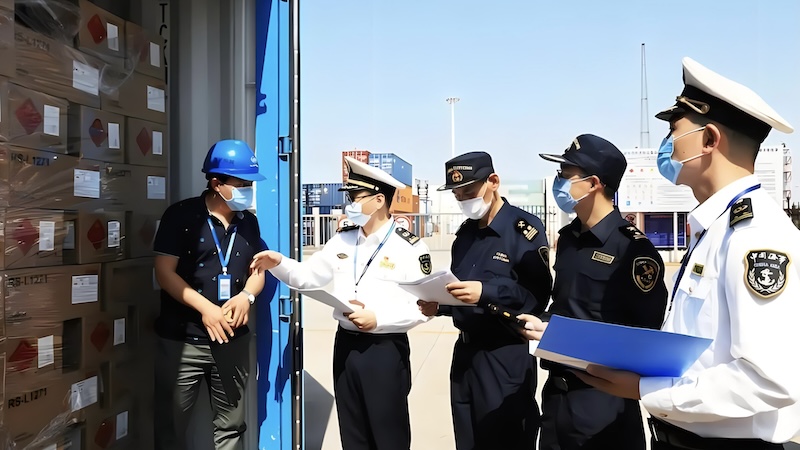
After comparing response times, report depth, and pricing models, the practical question is simple: what does that choice protect in real operations? These two field-style examples show why hiring an inspection agent in China is often less about paperwork and more about preventing expensive surprises.
A mid-sized electronics importer placed a seasonal order for consumer accessories and scheduled a final pre-shipment check through an inspection agency in China. The inspection team sampled finished cartons, verified labeling, tested a portion of units for charging and power consistency, and checked packaging drop resistance. Several lots failed the agreed acceptance criteria: inconsistent output on chargers, mixed carton labels, and weak inner trays that could crack in transit.
Instead of releasing goods, the buyer used the report to hold shipment, require rework, and re-inspect before balance payment. The importer estimated that returning or discounting defective stock would have cost about $50,000 once freight, warehouse handling, and customer returns were included. The key takeaway is not the exact amount. It is the sequence: clear checklist, independent verification, documented nonconformities, and payment control. A reliable inspection agent in China gives importers leverage at the only moment when corrections are still possible, before containers leave port.
A growing apparel brand approved one factory for a private-label run, then booked a during-production visit with an inspection company in China to confirm workmanship and schedule status. On-site inspectors found that part of the order had been moved to a different workshop that had not been approved. Stitch density, trimming quality, and shade consistency were outside the signed standard, and production records did not match the original factory profile.
Because this surfaced mid-run, the brand paused output, required production to return to the approved site, and tightened line checks for the remaining quantity. That decision protected brand consistency and prevented a split-quality shipment that could have damaged retailer relationships. For buyers managing outsourced manufacturing, this is a core lesson: a good inspection service in China is not only about counting defects at the end. It also verifies who is making your product, under what conditions, and whether process controls match what you purchased.
For teams building a sourcing system, these examples connect directly to a China quality inspection service agency workflow and broader China product sourcing controls. If your procurement model already uses a purchasing/procurement agent in China, align inspection checkpoints with payment milestones so quality, accountability, and delivery stay synchronized.
Those two cases make the core lesson clear: inspection is not a formality, it is a control point that protects quality, timelines, and margin before goods leave the factory. In practice, the value of an inspection agent in China comes from catching preventable problems early, when correction is still possible.
Use inspection to reduce preventable risk before shipment. A structured inspection service in China helps identify defects, specification mismatches, and packaging issues before inventory enters transit. This matters because corrections are usually faster and less costly at origin than after import, especially when replacement lead times affect launch windows.
Treat verification as ongoing, not one-time. A reliable inspection agent in China supports checks at different production stages, not only at the end. Early and in-process visibility gives buyers a practical way to confirm that manufacturing stays aligned with approved samples, quality standards, and purchase requirements.
Prioritize independence and reporting clarity. Whether you work with an inspection agency in China or an inspection company in China, the key operational benefit is objective reporting that supports clear decisions. Useful reports are specific, photo-based, and tied to acceptance criteria, so teams can approve, hold, or request corrective action without ambiguity.
Align inspection scope with product and risk profile. Different products require different depth of checks. Matching inspection depth to complexity, defect sensitivity, and order value helps buyers avoid both under-checking and over-spending. This is where the right inspection agency in China service creates practical balance between cost control and quality assurance.
Integrate inspection into sourcing governance. The strongest outcomes come when the inspection agent in China service is built into your procurement workflow, with predefined standards, escalation rules, and release conditions. That turns inspection from a reactive task into a repeatable operating discipline that supports consistent supplier performance over time.
Yes, in many cases. Internal QC teams report to the factory, while an inspection agent in China reports to you. That independence matters when shipment deadlines are tight or defects are borderline. A third-party review helps confirm whether quality standards, packaging, labeling, and quantity match your purchase requirements before goods leave the facility.
In practice, these terms often overlap. A solo inspection agent in China may handle specific checks personally, while an inspection agency in China or inspection company in China usually has broader coverage, more inspectors, and stronger backup capacity. The right choice depends on order volume, product complexity, and how many factories you need monitored at once.
No single stage fits every order. If budget is limited, prioritize the point with the highest risk:
During production inspection: useful when supplier consistency is uncertain.
Pre-shipment inspection: useful for final quality and packing checks.
Container loading supervision: useful when carton mix-ups or handling damage are concerns.
A reliable inspection agent in China can recommend the minimum viable plan based on your tolerance for defects and delivery risk.
Ask for a sample report first. A strong inspection service in China should provide clear defect photos, measurable findings, pass/fail criteria, and actionable conclusions. Also confirm response times, report turnaround, escalation process, and whether inspector assignments are rotated to reduce bias. If reporting language is vague, decision-making becomes harder for your team.
Usually, yes. A neutral report creates a shared factual record, which makes corrective actions more objective. Instead of arguing in general terms, both sides can review specific defects, quantities, and test outcomes. This is one reason many importers keep a trusted inspection agency in China involved across repeat orders, not only first-time runs.
No. Smaller brands often benefit the most because one bad shipment can disrupt cash flow, customer trust, and launch timelines. Even a basic inspection agency in China service can help protect limited inventory budgets. For larger firms, structured inspections add consistency across multiple SKUs and factory locations.
Provide more detail than you think you need. Share approved samples, tolerances, packaging standards, barcode placement, carton specs, and critical cosmetic limits. A good inspection agent in China service works best when expectations are specific and written before production starts.
Booking inspections too late: problems found after full production are harder to fix.
Using generic checklists: product-specific risks get missed.
Ignoring minor defects trends: repeated small issues can become large return problems.
Choosing only by lowest fee: poor reporting can cost more than the saved inspection spend.
Handled correctly, an inspection agency in China company or inspection agent in China company becomes a risk-control function, not just a final checkpoint.
Q1: What is an inspection agent in China and why do I need one?
An inspection agent in China is a professional quality control service provider that independently verifies your products during manufacturing. They physically inspect goods at the factory to identify defects, verify specifications, and ensure products meet your standards before shipment. Without an inspection agent, you may only discover quality issues after goods arrive, when payments are settled and launch dates are committed. This results in costly rework, returns, and damaged customer relationships. An inspection agent helps prevent these problems by catching inconsistencies in materials, packaging, labeling, and performance during production—not after it's too late to fix them cost-effectively.
Q2: How does quality control inspection work in China manufacturing?
Quality control inspection in China involves an independent inspector visiting your factory at critical production stages to examine products against your specifications. The inspection agent checks product quality, dimensions, functionality, packaging, and labeling. They document findings with photos and detailed reports, identifying defects and non-conformities before goods ship. This structured quality process allows you to make informed decisions—approving shipment, requesting corrections, or rejecting batches—while products are still at the factory. The goal is prevention rather than damage control, ensuring market-ready quality and protecting your margin, timeline, and brand reputation before customers receive the products.
Q3: What are the main types of product inspections in China?
There are four main types of inspections in China manufacturing: Pre-Production Inspection (PPI) verifies raw materials and components before manufacturing begins; During Production Inspection (DUPRO) monitors quality and progress while goods are being made; Pre-Shipment Inspection (PSI) examines finished products before they leave the factory, typically when 80-100% complete; and Container Loading Inspection (CLI) ensures correct products, quantities, and proper packing during container loading. Most importers prioritize pre-shipment inspection as the final quality checkpoint, but combining multiple inspection types provides comprehensive quality control throughout the production cycle with an inspection agent in China.
Q4: When should I schedule an inspection agent during China production?
Schedule your inspection agent in China at strategic production milestones rather than waiting until the end. Pre-shipment inspection is most common, conducted when 80-100% of your order is complete and products are still accessible at the factory. This timing allows you to identify and correct issues before shipment while maintaining your delivery schedule. For high-risk or first-time orders, consider during-production inspections to catch problems early when corrections are cheaper and faster. Avoid scheduling inspections after goods are packed or loaded, as making changes becomes difficult and expensive. The key is inspecting while you still have leverage to request corrections without delaying shipments or incurring major costs.
The FAQ section clarified common concerns, but the real value comes from turning those answers into a clear operating decision. If you are sourcing from manufacturers, working with an inspection agent in China is less about adding process and more about reducing avoidable risk before products reach your warehouse or customers.
An inspection agency in China gives you independent visibility at the moments that matter most: pre-production, in-line checks, and pre-shipment verification. That outside view helps confirm that quality standards, packaging, and labeling match your purchase requirements, rather than relying only on supplier self-reporting. In practical terms, an inspection company in China helps you catch issues when correction is still possible, not after inventory is paid, shipped, and delayed.
If you are comparing options, focus on fit instead of promises. A reliable inspection agent in China should be able to follow your specifications, report findings clearly, and support repeatable quality control across multiple orders. The goal is not a one-time pass or fail. The goal is a stable inspection service in China that supports consistent outcomes as your volume, SKUs, and supplier network grow.
Use this simple decision framework before placing your next order:
Define non-negotiable quality points in writing, including tolerances, packaging rules, and labeling requirements.
Choose inspection checkpoints tied to production risk, not just shipment dates.
Confirm reporting format, photo evidence standards, and turnaround time before booking.
Run a pilot order with one inspection scope, then refine the checklist based on findings.
Standardize the process across future POs so your team can scale without quality drift.
This is the practical reason buyers use a trusted inspection agency in China service model: it creates a repeatable control system, not a reactive fix. Whether you describe it as an inspection agent in China company partner or an inspection agency in China company relationship, the business outcome is the same: fewer surprises, clearer accountability, and better protection for margin and brand reputation.
Your concrete next step is to prepare a one-page inspection brief for your next purchase order and have it reviewed by your chosen inspection partner before production starts. That single action will align expectations early and make every later decision faster and more defensible.
 English