



What if your “perfect” supplier looked legitimate on paper, passed every video call, accepted your deposit, and then delivered unusable inventory or disappeared before shipment? For many U.S. importers, that scenario is not rare bad luck. It is the practical risk behind sourcing from factories in china without a structured verification process.
This guide starts from a hard truth: scams tied to factories in chinas are usually designed to look professional. Fraudulent operators can present polished websites, copied certificates, and convincing sales reps. Even genuine manufacturers can overstate capacity, subcontract quietly, or fail to maintain consistent quality control. For a U.S. business, the impact is immediate and expensive: delayed launches, chargebacks, missed seasonal windows, and cash flow pressure after paying deposits.
The goal is not to treat every china factory as suspicious. China remains one of the most capable manufacturing ecosystems in the world, and many reliable factories in China deliver excellent results for U.S. brands every day. The challenge is separating capable partners from risky ones before money and timeline commitments are locked in. That is why this article focuses on prevention methods, not damage control after a failed order.
A useful starting mindset is simple: trust signals are not proof. In practice, trusted factories in chinas are identified through layered validation, including business registration checks, direct factory verification, production capability review, and quality process inspection. This is where factory audits become commercially important, especially for buyers entering a new category, switching suppliers, or increasing order value.
To keep your sourcing decisions aligned with business outcomes, evaluate each potential manufacturer against the same core questions:
Is this a real operating manufacturer, or a trading intermediary presenting as a factory?
Can this team produce your exact specification at repeatable quality, not just a sample?
Do payment terms, order milestones, and documentation reduce exposure if something goes wrong?
Is there an independent audit or evaluation trail before you release larger deposits?
These questions matter because scam risk is not only about fake companies. It also includes misrepresented capabilities, hidden subcontracting, and weak manufacturing and quality control systems that create expensive surprises after production starts. For U.S. buyers, those surprises can also create downstream compliance risk, including FDA regulations for health and wellness products where documentation, traceability, and process discipline are critical.
In the sections that follow, we will break down how scams typically appear during supplier discovery, quotation, sampling, payment, and production. You will learn how to screen factories in chinas in china more effectively, what evidence actually indicates reliable performance, and where a factories in China service or independent audit process can reduce risk before your first full order. If you need a practical reference point while reading, prioritize a structured China factory audits and evaluation service framework, then map each sourcing decision to measurable quality and control checkpoints.
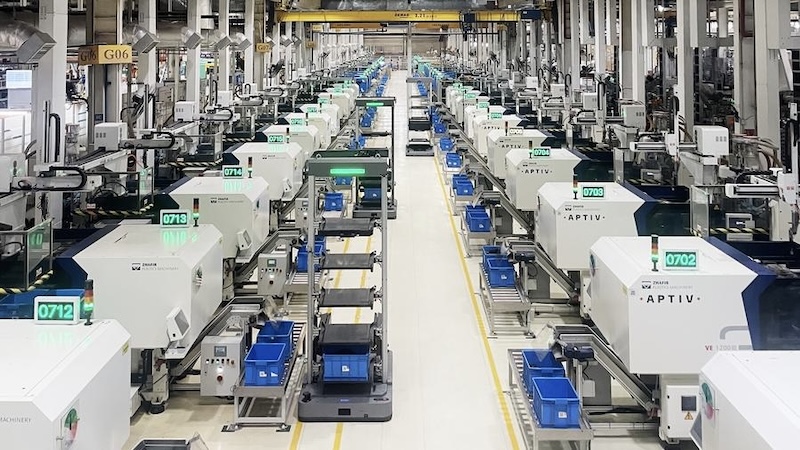
Factory scams become expensive when warning signs are treated as minor admin issues instead of core sourcing risks. Building on the reality outlined earlier, buyers should treat supplier verification, audit validation, and quality controls as business-critical safeguards when working with factories in china.
One of the most common traps is a middleman presenting itself as a direct factory. That is not always wrong for your business, but it becomes a problem when the role is hidden, margins are unclear, and production control is weak. In practice, a seller may show polished workshop photos, broad product catalogs, and fast quotes, yet avoid live production-floor calls or basic machinery details. For US importers, this can mean delayed shipments, inconsistent quality, and weaker leverage in disputes. Ask who owns the plant, who employs line workers, and where production happens. Reliable factories in China can answer clearly and provide records that match the legal entity receiving payment.
Another frequent scam involves edited certificates, expired compliance documents, or audit reports copied from unrelated facilities. This risk is higher when buyers rely only on PDFs sent by email. A certificate number may look valid at first glance, while key details such as company name, address, or scope do not match the actual china factory producing your order. For regulated categories in the US, gaps can create customs holds and legal exposure. Trusted factories in chinas should accept third-party factory audits and allow cross-checking against the issuing body. If documents are “confidential” but payment is requested upfront by Credit Cards, PayPal, or Apple Pay, treat that mismatch as a serious red flag.
Bait-and-switch quality tactics often start with excellent samples, then shift to lower-grade materials after deposit payment. Buyers may receive pre-production units that pass expectations, while bulk output quietly changes component specs, finish standards, or packaging strength. This is where manufacturing and quality control must be defined in writing, not left to verbal promises. Use clear tolerances, approved material lists, and inspection checkpoints before mass production, during production, and before shipment. A practical factories in China service should include control manufacturing workflows and escalation rules if defects exceed agreed limits. A manufacturing sourcing company with on-site oversight can reduce this risk by tying milestone payments to documented inspection outcomes.
Scam prevention is less about one-time checks and more about process discipline. Whether you work with factories in chinas in china directly or through support partners, consistent verification and factory audits protect margin, timelines, and brand trust.## Essential Due Diligence Steps Before Engaging a Chinese FactoryAfter spotting how easily bad actors can mimic manufacturers, forge paperwork, or switch quality standards, the practical question becomes execution. Buyers who work with factories in china need a repeatable verification process before any deposit, tooling payment, or production commitment. Strong due diligence reduces fraud risk and gives procurement teams a defensible basis for supplier approval decisions.
Start with corporate identity verification, then move to operational proof. Confirm the Chinese legal name, unified social credit code, registered address, and business scope. Next, verify whether that same entity appears on quotations, pro forma invoices, and bank account details. A frequent scam pattern is using one name for marketing and another for payment collection. Even when the supplier explains this as an “affiliate company,” do not proceed until ownership and authorization are documented.
Then validate production reality, not presentation quality. Request recent order references for similar SKUs, equipment lists, process flow descriptions, and capacity data tied to lead times. If the supplier claims to produce 300,000 units monthly but cannot explain line balancing, shift structure, or bottleneck steps, treat those claims cautiously. This matters because false capacity statements are a common root cause of late shipments and unapproved subcontracting during peak season.
A practical due diligence sequence for US importers includes:
Legal verification: registration records, litigation checks where available, and beneficiary consistency.
Compliance verification: product-relevant certificates, test reports, and validity dates with issuer cross-checks.
Factory verification: site existence, machinery match, labor organization, and process ownership.
Quality verification: incoming inspection routines, in-process controls, final QA standards, and corrective action logs.
Commercial verification: realistic MOQ, lead time assumptions, packaging specs, and Incoterms clarity.
Document this in a supplier qualification file so decisions are repeatable across teams. If one buyer leaves and another takes over, the process should still hold. That internal consistency is often the difference between scaling safely and repeating expensive onboarding mistakes.
Finally, test the relationship with a controlled pilot order before full production. Keep the first run intentionally small, set measurable acceptance criteria, and require documented rework or replacement terms. A factory that performs well on a pilot under clear controls is far more likely to remain reliable at scale. A factory that resists basic transparency during pilot stage is telling you exactly what later risk will look like.
After checking licenses, audits, and references, buyers still face one practical challenge: where to find new leads without opening the door to fraud again. This is where platform discipline matters, because many scam cases start when sourcing moves from verified records to unverified chats, cloned profiles, or rushed payment requests.
For US importers, verified marketplaces can help narrow options among thousands of factories in china, but only if you treat the platform as a screening tool, not a trust guarantee. A “verified” badge should start your review process, not end it. In practice, reliable factories in China usually show consistency across multiple signals: a complete company profile, stable product focus over time, responsive communication, and a willingness to discuss audit history and quality control in specific terms.
Use the platform’s built-in protections before moving to email or messaging apps. Keep communication and document exchange inside the platform until the supplier’s legal entity, production capability, and banking details are confirmed. If a contact asks to bypass the system immediately, that is a risk marker, even when the listing appears professional. Many trusted factories in chinas lose credibility at this stage because account names, invoice entities, and bank beneficiaries do not match.
A practical safety workflow for china product sourcing is to validate five points in order:
1. Confirm the legal company name matches the platform profile and registration records.
2. Compare product scope with factory equipment and process details, not just catalog photos.
3. Request recent quality documents and check whether dates, stamps, and scope are internally consistent.
4. Run a small paid sample or pilot order with clear acceptance criteria and rework terms.
5. Release larger payments only through traceable methods such as PayPal, or documented bank transfers tied to the same legal entity.
This approach reduces exposure to common platform scams, including account impersonation and bait-and-switch production. It also supports better commercial outcomes: fewer chargebacks, fewer delivery disputes, and more predictable landed cost planning in USD. If your team lacks on-the-ground verification capacity, a factories in China service or product sourcing agent/company can add structure by combining supplier identification with factory audits and quality checkpoints before scale-up. That support is especially useful when you are comparing similar factories in chinas in china across categories where small process differences create major quality variance.
For business buyers, the key principle is control at each handoff. Verified platforms are useful for discovery, but reliable execution comes from layered verification, contract clarity, and disciplined payment controls tied to real factory identity. This is how to identify dependable partners among china factories in chinas without repeating the same scam risks under a different profile.
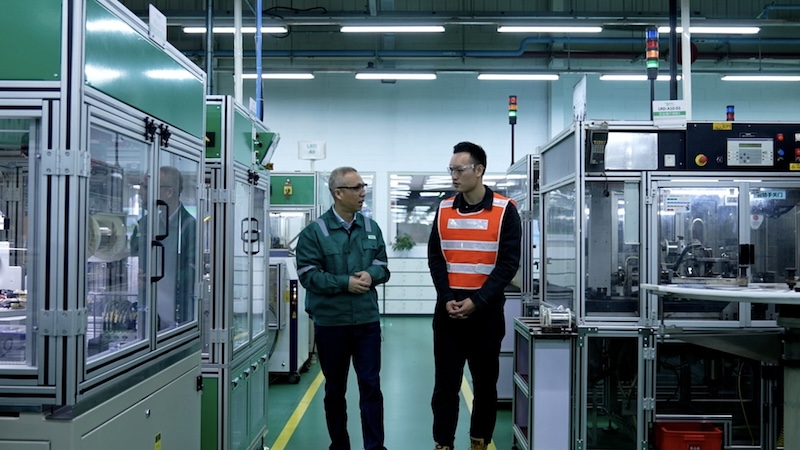
Verified sourcing platforms help you shortlist candidates, but real protection starts when money and obligations are written into enforceable terms. When working with factories in china, clear contracts and disciplined payment controls reduce scam risk by tying every dollar to documented progress, test results, and shipment conditions.
For US importers, milestone payments should match verifiable production events, not vague promises. A practical structure is a small initial deposit, a second payment after approved pre-production samples, another tranche after in-process inspection, and final payment only after passed pre-shipment checks and complete shipping documents. This approach keeps leverage at each stage and limits loss if a factories in China company misses quality or timing commitments. Define each milestone in plain language with acceptance criteria, required evidence, and correction windows. If a partner resists objective milestones, treat that as a warning sign. Many buyers use a manufacturing sourcing company to validate progress on-site before each release.
As a reference model, some importers use a 20/30/30/20 split for new suppliers: 20% at order confirmation, 30% after approved golden sample and material readiness proof, 30% after mid-production pass, and 20% after final inspection plus shipping document review. The exact percentages can vary, but the principle remains the same: payment follows evidence. This structure discourages the common scam tactic of collecting a large deposit and delaying corrective actions once leverage is gone.
Payment instruments should match order value, complexity, and risk tolerance. For larger orders, a letter of credit can reduce non-delivery risk because banks release funds only when contract-defined documents are presented. For smaller or mid-range orders, platform trade assurance programs can add a dispute framework if goods arrive late or below agreed standards. Regardless of tool, align document conditions with your purchase agreement so protections are real, not cosmetic. Keep a full record of pro forma invoices, revisions, inspection reports, and communication timestamps. If your business uses PayPal or samples or tooling, preserve statements and receipts to support claims and chargeback timelines when permitted.
Also pay attention to documentary quality. Fraud cases often exploit ambiguous paperwork: missing batch numbers, inconsistent product descriptions, or shipment records that do not match approved specifications. The cleaner your document controls, the easier it is to enforce remedies quickly when issues appear.
Strong contracts with reliable factories in China specify how quality is measured, not just that quality is expected. Include product specifications, tolerances, packaging standards, labeling rules, and defect thresholds tied to inspection outcomes. For US-bound goods in regulated categories, require compliance documents and testing responsibilities before shipment, including FDA-related obligations where applicable. Add remedies: rework at factory cost, replacement deadlines, partial refunds, or shipment holds until defects are corrected. Also define who pays for third-party inspections and what happens if results fail. These clauses connect legal terms to manufacturing and quality control practice, helping trusted factories in chinas prove performance while filtering out factories in chinas in china that avoid accountability.
Clear payment milestones and stronger contract clauses reduce risk, but they only work if someone verifies what is happening on the factory floor. That is where sourcing agents and independent inspectors become practical risk controls, not optional extras. For US importers comparing factories in china, the goal is to add trusted local oversight before money is released, shipments leave port, or a quality problem becomes your customer service crisis.
A China sourcing agent is most useful when your team cannot directly manage supplier screening, negotiation, and production follow-up across time zones. If you are evaluating multiple factories in chinas, launching a new SKU, or placing your first meaningful order, an agent can reduce scam exposure by validating business licenses, checking ownership consistency, and confirming whether a site is an actual manufacturer or just a trading middle layer.
Hire an agent early when communication gaps are already affecting lead times, samples, or specification accuracy. In practice, many US buyers bring in support after a costly delay, but earlier involvement is cheaper than rework, chargebacks, and rushed air freight. A capable factories in China service partner should document supplier comparisons, keep written records of change requests, and align production checkpoints with your payment terms. Ask how they handle conflict, what they do if a factory resists transparency, and whether they can support category-specific needs, including packaging and labeling controls relevant to US market requirements.
Use a simple rule: if your internal team cannot confidently verify reliable factories in China and monitor production weekly, engage a manufacturing sourcing company before placing larger deposits.
When selecting an agent, evaluate incentives as carefully as capability. Clarify whether they are paid only by you, only by the factory, or both. Dual-compensation structures can create hidden conflicts that reduce transparency on pricing and defect reporting. Ask for sample reporting formats, escalation timelines, and references from buyers in your product category. Strong agents provide evidence-based updates, not generic reassurance.
Third-party inspection services protect you from “paper compliance” by checking real goods at defined stages: pre-production, during production, and pre-shipment. This independent layer is critical when working with trusted factories in chinas because even legitimate suppliers can ship inconsistent batches under schedule pressure. Inspection reports should be tied to your approved specs, acceptable quality limits, packaging standards, and carton markings for US fulfillment.
To keep inspections anti-scam focused, require:
Identity-verified inspection firms with no financial ties to the factory.
- Photo and video evidence linked to date, lot, and production line.
- Defect grading that triggers hold, rework, or partial acceptance rules.
- Re-inspection after corrective action before final balance payment.
For many importers, this is the difference between managing risk and reacting to damage. A strong factories in chinas company process combines agent coordination with independent quality control so your payment release depends on verified output, not promises. If your order includes regulated health or wellness claims, add checks for label accuracy and documentation readiness to support FDA-facing compliance expectations in the US. This is how manufacturing and quality control become a practical fraud-prevention system rather than a checklist.
After deciding when to involve a sourcing agent and when to rely on independent inspections, the core anti-scam playbook is about control, documentation, and verification at every stage. These takeaways condense the most important decisions for U.S. buyers working with factories in China.
Verify identity before money moves: Confirm business registration, legal entity name, production capability, and bank account consistency before any deposit. For buyers comparing factories in chinas, mismatched company names, frequent account changes, or pressure to pay fast are practical warning signs that should stop the process.
Use contracts that enforce performance, not promises: Work only with written agreements that define specs, inspection criteria, defect thresholds, IP protections, and dispute terms. Clear milestone payments tied to evidence reduce exposure and help distinguish reliable factories in China from sellers that avoid accountability once funds are sent.
Tie payments to proof and traceability: Structure deposits, progress payments, and final balances against verifiable production and inspection checkpoints. If a factory refuses transparent terms or pushes off-platform transfers instead of standard options such as Credit Cards or PayPal when appropriate, treat that as elevated risk.
Inspect independently and consistently: Pre-production checks, in-process controls, and pre-shipment inspections are the practical defense against quality fraud and shipment surprises. Trusted factories in chinas usually accept independent oversight because it clarifies expectations, while resistance often signals process weakness or intent to hide nonconformance.
Standardize your sourcing workflow across partners: Whether using a factories in China company, a factories in chinas company, or direct outreach, keep one repeatable system for qualification, contracts, payment triggers, and order monitoring. A disciplined factories in China service approach limits emotional decisions, surfaces red flags earlier, and improves outcomes with factories in chinas in china over time.
For U.S. importers, scam prevention is less about finding perfect partners and more about running a consistent risk-control process from first contact to final shipment release.
1. Verify legal entity details and matching bank beneficiary data.
2. Run a small pilot order before scaling volume.
3. Lock specifications, tolerances, and packaging requirements in writing.
4. Require pre-shipment inspection with clear pass/fail criteria.
5. Release final payment only after inspection and document review are complete.
If the FAQ clarified the common warning signs, this final step is about turning that awareness into a concrete sourcing decision. Scam prevention works best when you follow a repeatable process, not when you rely on instinct after comparing a few factories in china.
For US buyers, the practical goal is not finding the cheapest quote but identifying reliable factories in China that can pass verification, communicate clearly, and execute consistently. In real purchasing cycles, scams usually happen when buyers skip validation under time pressure, send full payment too early, or accept vague documentation. A disciplined workflow helps you avoid those traps while still moving quickly.
Use this closing checklist before you place any order:
Verify legal identity and operating consistency. Match the factory name, business license, bank account details, and contact records. If payment instructions change suddenly, treat it as a red flag and pause.
Validate production capability, not just sales claims. Request recent quality records, production videos with date markers, and third-party inspection options tied to your exact product specifications.
Protect payment and contract terms. Avoid sending 100% upfront by wire. Use staged milestones and practical protections through Credit Cards, PayPal, or documented trade payment structures when available.
Define quality and compliance requirements in writing. For products entering the US, include explicit standards and any applicable FDA regulations for health and wellness claims before mass production starts.
Start with a controlled pilot order. A smaller first run confirms process reliability, packaging accuracy, and shipping performance before you scale to larger purchase orders.
This approach keeps you focused on evidence over promises, whether you are comparing factories in chinas directories, reviewing a factories in China service, or vetting a factories in chinas company through referrals. The same applies when evaluating a factories in China company that appears credible online: trust should follow documentation, inspection results, and repeatable execution.
If you are deciding between direct outreach and guided support, choose the path that gives you stronger control points at each stage, from supplier screening to order monitoring. That is where many buyers reduce risk the most, especially when managing timelines, custom requirements, and multi-step approvals for the US market.
Your concrete next step is simple: build a one-page sourcing checklist from the five points above and apply it to your top three candidate factories this week. That short exercise quickly reveals which options are truly trusted factories in chinas networks and which ones only look convincing on paper. A clear process today will save significant cost, delays, and preventable disputes later.
 English