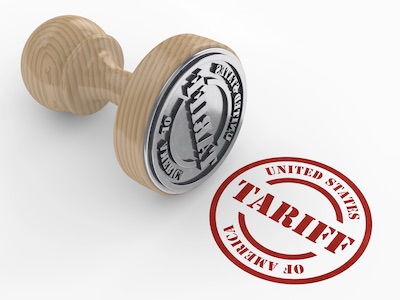
Global trade has grown exponentially over the past decades, paving the way for a complex network of regulations, procedures, and compliance requirements. For businesses operating in international markets, mastering the intricacies of customs procedures is essential for maintaining a competitive edge. In this article, we delve into the fundamentals of international logistics and trade – with a special focus on customs clearance, customs declaration, and the critical role played by customs brokers. Whether you are a seasoned importer/exporter or new to the international marketplace, understanding these key elements can help streamline your operations and avoid costly delays.
International trade involves not just shipping and selling goods but also complying with various legal, procedural, and regulatory requirements. Key processes ensure that the trade is conducted in a safe, secure, and regulated manner. Below, we outline some essential elements.
1.1 Overview of Global Trade Operations
Global commerce hinges on a series of coordinated steps:
- Documentation: Every cross-border shipment must be coupled with a robust documentation process that details the nature, value, and origin of goods.
- Regulatory Compliance: Governments impose rules regarding safety standards, economic protection, and even public health. This is where customs procedures become paramount.
- Logistics and Transportation: Coordinating the transportation of goods with efficiency involves multiple stakeholders, including freight forwarders, shipping lines, and logistics providers.
- Customs and Border Control: Perhaps the most critical component is the management of goods’ movement through international borders. This is where the concept of customs becomes central.
1.2 Customs as a Control Point
Customs authorities are tasked with monitoring and regulating the flow of goods into and out of a country. They are charged with:
- Collecting Duties and Taxes: Ensuring that importers and exporters pay appropriate tariffs.
- Enforcing Trade Regulations: Verifying that goods meet national and international standards.
- Ensuring National Security: Preventing the smuggling of prohibited or dangerous items.
Central to this control is the process of “customs clearance”. Every shipment must go through a clearance procedure before gaining permission to enter or exit a country.
Customs clearance is the formal process of passing goods through customs so that they can legally move across international borders. This process, while seemingly straightforward to the untrained eye, is highly detailed and involves extensive documentation and regulatory checks.
2.1 Definition and Scope
Customs clearance is the end-to-end process that ensures goods undergo a thorough examination, verification, and approval by the customs authorities of the destination country. It involves:
- Documentation Check: Verification of commercial invoices, packing lists, certificates of origin, and licenses.
- Payment of Duties and Taxes: Assessment and collection of tariffs, import duties, and taxes.
- Physical Inspection: In certain cases, shipments may be subject to a physical inspection to verify the accuracy of paperwork.
- Approval for Release: Once the documentation is verified and any fees are paid, the goods are cleared to continue their journey.
2.2 The Importance of Customs Clearance
Efficient customs clearance is a pivotal factor in ensuring the smooth flow of international trade. Its significance can be summarized as follows:
- Avoidance of Delays: Incomplete or inaccurate documentation can lead to significant delays, impacting supply chains and increasing costs.
- Risk Management: Proper clearance ensures that prohibited or substandard goods are halted, thereby mitigating risks related to security, health, and safety.
- Cost Efficiency: A streamlined clearance process minimizes storage and demurrage charges that accrue if shipments are detained.
- Reputation and Reliability: Businesses that consistently clear customs without issue build trust with their trading partners, ensuring repeat business and market credibility.
2.3 Challenges in Customs Clearance
Several challenges can complicate customs clearance:
- Documentation Errors: Minor errors in documentation can cause major issues and delays.
- Regulatory Variabilities: Export and import regulations differ from one country to another and are subject to change.
- Technological Gaps: Not all systems are fully automated, leading to a higher chance of human error.
- Security Concerns: Increasing global security threats require enhanced scrutiny, sometimes prolonging clearance processes.
Understanding these challenges and how to overcome them is central to developing an efficient customs strategy.
Whereas customs clearance is the process through which goods are allowed to move across borders, customs declaration is a critical step within that process. It is the act of submitting the required information to customs authorities.
3.1 What Is Customs Declaration?
A customs declaration is a detailed report provided by the importer or exporter that contains information regarding the shipment. The declaration typically includes:
- Identification of Goods: Detailed description listing, including product codes such as the Harmonized System (HS) codes.
- Value of Goods: Accurate reporting of invoiced values, which form the basis for duty and tax calculations.
- Country of Origin: Certification of where the goods were manufactured or produced.
- Transport Details: Information on the mode of transportation, routing, and freight details.
- Supporting Documentation: In many cases, additional documentation such as licenses, certificates, and permits are attached to the declaration.
3.2 The Role of Customs Declaration in International Trade
Customs declaration is not merely a formal requirement–it plays a crucial role in:
- Revenue Collection: Ensuring that governments collect the appropriate duties and taxes.
- Trade Facilitation: By systematically maintaining records, customs authorities can track goods more effectively, which aids in faster clearance over time.
- Statistical Analysis: Accurate declarations help compile trade statistics that inform government policies and economic planning.
- Legal Compliance: It provides a framework ensuring that all imports and exports comply with the legal requirements of both the exporting and importing countries.
3.3 Common Pitfalls in Customs Declaration
Many importers and exporters encounter issues during customs declaration. Some common pitfalls include:
- Under- or Over-valuing Goods: Incorrect valuation can lead to penalties or overpayment of duties.
- Classification Errors: Misclassifying goods under the wrong HS code can result in inaccurate duty assessments.
- Incomplete Documentation: Missing certificates or incomplete information can lead to delays or refusals in clearance.
- Late Submissions: Failure to submit the declaration within the stipulated time frame might cause shipments to be held.
Addressing these pitfalls requires rigorous internal checks and often benefits from the expertise of a dedicated professional—a customs broker.
A customs broker is a licensed agent who assists businesses with the preparation and submission of the required customs documentation. They act as intermediaries between the importer/exporter and customs authorities, expediting the clearance process.
4.1 Who Is a Customs Broker?
A customs broker is a professional with deep expertise in the regulations, paperwork, and procedures of international trade. Their responsibilities include:
- Document Preparation and Submission: Ensuring that all data, including customs declarations, is accurate and up to date.
- Liaison with Customs Authorities: Acting on behalf of the customer to resolve any issues or discrepancies.
- Advisory Services: Providing guidance on complex compliance matters, tariff classifications, and duty rates.
- Problem Resolution: Handling any disputes or delays that may occur during the clearance process.
4.2 Benefits of Employing a Customs Broker
The use of a customs broker can bring multiple benefits:
- Enhanced Efficiency: Brokers streamline the process, ensuring that documentation is complete, accurate, and submitted on time.
- Risk Mitigation: With their specialized knowledge, customs brokers help mitigate risks associated with documentation errors and regulatory non-compliance.
- Cost Savings: By avoiding costly delays and penalties, brokers often save businesses significant amounts of money.
- Access to Expertise: Customs brokers remain updated on evolving laws, tariff changes, and regulatory expectations, offering invaluable insights to businesses.
- Focus on Core Business: Outsourcing customs-related tasks allows companies to concentrate on their core operations without being distracted by bureaucratic challenges.
4.3 When Should an Importer/Exporter Hire a Customs Broker?
Given the complexities of international trade, many businesses find it beneficial to engage a customs broker right from the start of their global operations. Particularly in cases where:
- Volumes Are High: Large or frequent shipments require meticulous attention, making professional assistance indispensable.
- Complex Shipments: Items that require special permits, intricate classifications, or are subject to regulatory scrutiny.
- Regulatory Changes: In fast-changing regulatory environments, brokers keep companies abreast of necessary changes.
- First-Time Importers/Exporters: Companies new to international trade usually benefit enormously from the guidance provided by a seasoned customs broker.
With an understanding of the key components, let us now review the step-by-step process involved in customs operations. This section outlines typical procedures followed in many countries while highlighting best practices that facilitate smooth execution.
5.1 Pre-Arrival Preparations
Before goods even reach the border, several preparatory steps are required:
Collecting Necessary Documentation:
- Commercial invoice
- Packing list
- Bill of lading or airway bill
- Certificates of origin and any required permits.
Ensuring Accuracy:
- Validate HS codes
- Confirm product values and descriptions.
Engaging a Customs Broker:
For complex shipments, early consultation with a customs broker can help reduce complications.
These preparatory steps ensure that by the time the shipment arrives, all paperwork is in perfect order.
5.2 Arrival and Initial Inspection
Upon arrival at the destination port or border:
- Submission of Customs Declaration:
The importer (or their agent) formally submits the customs declaration to the relevant customs authority.
This declaration includes all pertinent details and supporting documentation about the shipment.
- Preliminary Document Verification:
Customs officers review the submitted documentation for inconsistencies and compliance issues.
In some cases, a preliminary physical inspection of the goods may be scheduled.
- Risk Assessment:
Modern customs systems utilize risk assessment algorithms to identify potentially high-risk shipments that may require further scrutiny.
5.3 Payment of Duties and Taxes
Once the documentation is verified:
- Assessment of Duties:
Based on the declared value and classification, the customs official calculates the applicable duties and taxes.
- Payment Process:
Importers are required to make payment settlements either prior to or immediately following the clearance process.
- Processing Fees:
Aside from duties, processing or administrative fees may also be invoiced.
Timely payment is critical to avoid additional delays or penalties.
5.4 Final Verification and Release
After payment and any required inspections:
- Final Review:
Customs officials conduct a final review to ensure that every detail is in compliance with regulatory requirements.
- Clearance Confirmation:
Once all conditions are met, customs clearance is formally granted.
- Release of Goods:
The shipment is then released for onward transportation to its final destination.
Each step in the customs process relies heavily on accurate information, robust documentation, and close adherence to regulatory guidelines.
A key dimension of customs operations is the regulatory framework governing international trade. Compliance isn’t just a bureaucratic exercise—it is essential for the smooth flow of goods and the protection of national interests.
6.1 International and National Regulations
Every country has its own set of customs regulations. However, many follow similar international standards such as those developed by the World Customs Organization (WCO):
- Harmonized System (HS) Codes:
A global nomenclature used to classify trade items.
Ensures that customs tariff rates are uniformly applied.
- International Trade Agreements:
Agreements like NAFTA, the European Union framework, and others impact customs processes and reduce barriers to trade.
- National Laws and Policies:
Countries implement additional requirements that address local economic, security, and public health concerns.
6.2 Compliance Best Practices
Ensuring compliance is central to avoiding penalties and ensuring a smooth customs clearance process. Key best practices include:
- Regular Training and Updates:
Importers and exporters should regularly train staff on current customs regulations.
- Using Trusted Advisors:
Employing a reputable customs broker offers real-time insights into changes in regulatory policies.
- Digital Documentation and Record-Keeping:
The adoption of digital tools for documentation and record-keeping helps reduce human errors and discrepancies.
- Audit and Review Processes:
Regularly reviewing processes and documentation can preempt potential compliance issues.
6.3 Technological Innovations and Their Impact on Compliance
The digital transformation in customs management has paved the way for new compliance mechanisms:
- Single Window Systems:
Many countries now provide “single window” platforms where all customs-related documentation can be submitted electronically.
- Blockchain and Data Integrity:
Blockchain technology is being piloted to provide immutable records, reducing the scope for fraud.
- Automated Risk Management Systems:
These systems analyze shipment data in real-time, flagging high-risk shipments and ensuring that compliance checks are prioritized.
Staying updated with such innovations is crucial for any business engaged in international trade.
While modern systems and technological advancements have streamlined customs clearance, inherent challenges and risks still persist. Understanding these is critical for businesses and policymakers alike.
7.1 Common Challenges in Customs Operations
A few persistent challenges include:
- Inaccurate or Incomplete Declarations:
Inconsistent or flawed customs declaration leads to delays and extra scrutiny.
- Changing Regulatory Landscapes:
The dynamic nature of international trade laws can create confusion and result in compliance issues.
- Technological Integration:
Integrating legacy systems with modern digital platforms may pose compatibility issues.
- Security Threats:
Global trade is always susceptible to threats, including drug trafficking, counterfeit products, and smuggling.
Each challenge calls for strategic solutions that balance efficiency with strict regulatory adherence.
7.2 Mitigation Strategies for Effective Customs Operations
To overcome the aforementioned challenges, businesses should adopt a multifaceted approach:
- Engage Experienced Professionals:
Utilize the services of a qualified customs broker who can navigate the shifting regulatory landscape and ensure accurate customs declaration.
- Invest in Technology:
Incorporate advanced software systems that automate the documentation and clearance process.
- Regular Training and Audits:
Conduct frequent training sessions and internal audits to keep processes up-to-date and mitigate procedural risks.
- Collaborate with Regulatory Authorities:
Regular communication with customs authorities can help anticipate regulatory changes and adapt efficiently.
- Implement a Robust Compliance Program:
Build and maintain a dedicated compliance team responsible for ensuring that every shipment adheres to current guidelines.
Demonstrating the principles articulated above requires examining real-world scenarios. Here, we present a few case studies that highlight successful customs clearance, accurate customs declaration, and the vital engagement of customs brokers.
Case Study 1: Importing Electronic Goods
A mid-sized electronics importer experienced consistent delays due to errors in documentation. Upon reviewing the customs declaration process, the company found several discrepancies:
- Misclassification of items under outdated HS codes.
- Incorrect valuation data leading to duty miscalculations.
By engaging a seasoned customs broker, the company:
- Streamlined its documentation.
- Updated HS code data in line with current regulations.
- Integrated an electronic filing system.
Result: Shipment clearance times improved by 40%, and the company avoided costly penalties related to documentation errors.
Case Study 2: Perishable Foods
An international food distributor faced challenges in clearing perishable items. The products required:
- Special certificates for quality and safety.
- Temperature-controlled logistics documentation.
- Swift customs clearance to prevent spoilage.
After partnering with a customs broker experienced in food imports, they were able to:
- Pre-submit detailed customs declarations with all necessary certificates.
- Secure expedited clearance through dedicated channels.
- Utilize technology to monitor shipment conditions in real-time.
Result: The improved process not only ensured timely delivery but also maintained product quality, thereby protecting the company’s reputation and reducing losses.
Case Study 3: Textile Trading Across Borders
A textile exporter encountered consistent challenges when shipping goods to multiple international markets. Key difficulties included varying tariff regulations, different valuation procedures, and fluctuating exchange rates. With the help of an experienced customs broker:
- The company was guided on correct classification and valuation.
- Efficiency was introduced through digital declaration tools integrated with the broker’s system.
- Dynamic risk assessment systems were used to predict and mitigate delays.
Result: The exporter reported a significant reduction in transit delays, improved compliance with international standards, and enhanced overall customer satisfaction.
Based on the detailed analysis provided, here are some actionable strategic recommendations:
9.1 Optimize Your Customs Documentation Process
- Use advanced document management systems to compile and verify all necessary paperwork.
- Ensure that every customs declaration is meticulously prepared to avoid discrepancies.
- Regularly update internal procedures and standard operating protocols in light of regulatory changes.
9.2 Engage with Experienced Customs Brokers
- Identify and partner with customs brokers who have a proven track record in your industry segment.
- Leverage their expertise to review your documentation, classify products correctly, and expedite clearance.
- Revisit broker agreements periodically to ensure they are aligned with your business’s evolving needs.
9.3 Adopt Robust IT Solutions
- Implement electronic filing systems that integrate with customs authority platforms.
- Utilize data analytics to monitor shipment trends, anticipate bottlenecks, and manage risk proactively.
- Consider digital transformation initiatives that connect your supply chain, from ordering to final delivery.
9.4 Maintain Proactive Communication Lines
- Foster transparent relationships with logistics partners, regulatory agencies, and service providers.
- Then quickly address discrepancies or delays by utilizing the dedicated contacts provided by your customs broker.
- Develop a comprehensive crisis management plan to handle unexpected disruptions in the customs clearance process.
Understanding the basic knowledges about customs clearance is indispensable for any business engaged in international trade. From the intricacies of customs declaration to the indispensable role of the customs broker, every step of the process speaks to the need for accuracy, regulatory compliance, and efficiency.
Whether you are managing a large volume of shipments or handling specialized, complex cargo, the fundamentals outlined in this article serve as a solid foundation for developing a world-class customs management strategy. With precision in documentation, strategic use of professional expertise, and the integration of advanced IT solutions, your business is better positioned to thrive in the competitive arena of global commerce.
Mastering the complexities of customs clearance, customs declaration, and the utilization of a customs broker is not just a regulatory requirement—it is a strategic imperative for any business that aims to succeed in global trade. Continual assessment, adoption of modern technologies, and a commitment to best practices will drive your growth in a rapidly changing international landscape.
Topics You May Be Interested In:
Supplier Consolidation Strategy
 English