Maple Sourcing Ltd.
Maple Sourcing Ltd.
We Make Your Sourcing Easy!
Need help? sales@maplesourcing.com
English
Maple Sourcing Ltd.
Maple Sourcing Ltd.

Canton Fair - The Largest Import and Export Fair in China

2025-06-05
4125 Views
Table of Content [Hide]

    The Canton Fair, officially known as the China Import and Export Fair, stands as a monumental testament to China’s pivotal role in global trade. Held biannually in Guangzhou, this sprawling event is not merely a trade fair; it is an institution, a vibrant marketplace that has, for over six decades, connected Chinese manufacturers and suppliers with international buyers from every corner of the globe. For businesses and entrepreneurs, particularly those looking to import goods from China to markets like Europe, understanding and effectively navigating the Canton Fair can be a game-changing experience. It offers unparalleled opportunities to discover new products, meet potential suppliers face-to-face, gauge industry trends, and forge valuable business relationships.


    This comprehensive guide aims to demystify the China Import and Export Fair, providing insights into its structure, the benefits it offers, how to prepare for a visit, strategies for effective sourcing, and the role that import and export agents, including specialized China agents for import export, can play in maximizing your success. While the fair is immense and can initially seem overwhelming, with proper planning, it can be an incredibly efficient way to kickstart or expand your import business. The opportunities presented by the Canton Fair are vast, and understanding how to harness them is key.


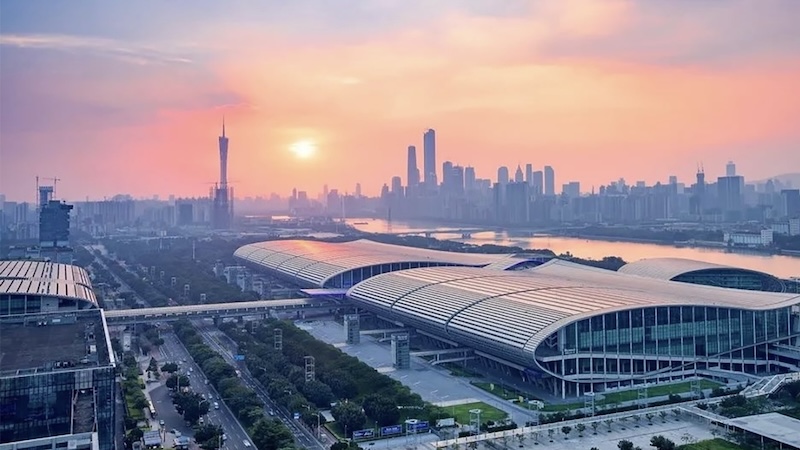
    4-8.jpg


    The Significance and Legacy of the Canton Fair


    Established in the spring of 1957, the Canton Fair is co-hosted by the Ministry of Commerce of PRC and the People’s Government of Guangdong Province and organized by the China Foreign Trade Centre. Its longevity and scale are remarkable:

    - Unmatched Scale and Scope: It is the largest trade fair in China in terms of exhibition space, the number of exhibitors, the variety of products displayed, and the volume of business transacted. It attracts hundreds of thousands of buyers from over 200 countries and regions.


    - Comprehensive Product Range: The fair covers an astonishing array of industries, showcasing millions of products across dozens of categories. From electronics and home appliances to textiles, building materials, and gifts, virtually every conceivable consumer and industrial product made in China is represented.


    - Gateway to Chinese Manufacturing: For international buyers, the China Import and Export Fair serves as a primary gateway to China’s vast manufacturing capabilities. It provides a concentrated platform to meet a diverse range of suppliers, from large established corporations to smaller, innovative enterprises.


    - Indicator of Trade Trends: The products showcased and the business sentiment at the Canton Fair are often seen as barometers of China’s export economy and global trade trends.


    - A Platform for Networking: Beyond transactions, it’s a significant event for networking with industry peers, China import export agents, logistics providers, and other service providers essential for international trade.


    The fair is typically held in three phases, each focusing on different product categories, allowing buyers to target their visits more effectively. The sheer size of the Pazhou Complex, where the fair is held, is a testament to its importance.


    Why Attend the Canton Fair? Benefits for International Importers


    For businesses looking to import from China, particularly to demanding markets like Europe and America, attending the Canton Fair offers numerous advantages:

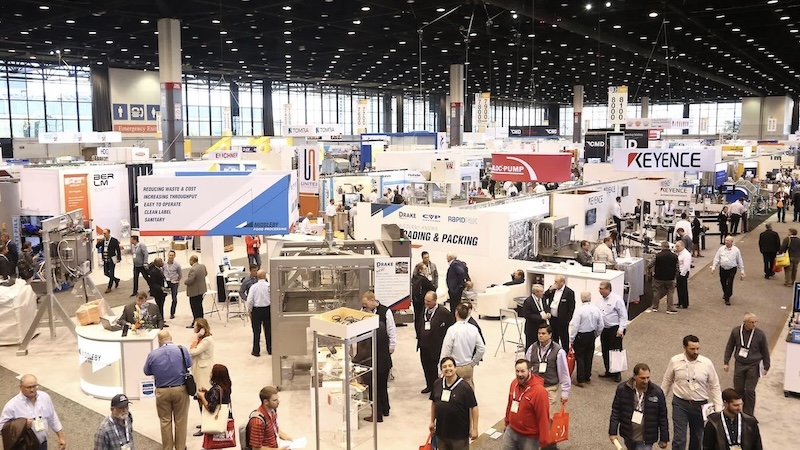
    - Direct Access to a Vast Number of Suppliers: This is the primary draw. You can meet thousands of potential suppliers under one roof, compare their offerings, and discuss your specific needs directly. This face-to-face interaction is invaluable for building trust and understanding capabilities, often more so than relying solely on online platforms.


    - Product Discovery and Innovation: The China Import and Export Fair is an excellent place to discover new products, innovative designs, and emerging trends across various industries. Many suppliers use the fair to launch their latest offerings.


    - Quality Assessment Firsthand: You can physically examine product samples, assess their quality, materials, and workmanship, which is crucial for making informed sourcing decisions.


     This direct tactile experience is something online sourcing cannot replicate.


    - Negotiation Opportunities: While prices at the fair are often indicative, there is usually room for negotiation, especially if you are discussing bulk orders or long-term partnerships. Direct interaction allows for more nuanced negotiation.

    - Understanding Supplier Capabilities: Beyond just the products, you can gauge a supplier’s professionalism, their understanding of international markets (including European standards), their R&D capabilities, and their willingness to accommodate customization (OEM/ODM).


    - Efficiency in Sourcing: Instead of traveling to multiple factories across different regions of China, the Canton Fair consolidates a massive number of suppliers in one location, saving significant time and travel expenses.


    - Market Intelligence: Attending the fair provides insights into competitive pricing, new manufacturing techniques, and the overall direction of specific industries in China.


    - Networking with Import and Export Agents: The fair is also a hub for service providers, including numerous China agents for import export who can offer assistance with sourcing, quality control, logistics, and navigating the complexities of trading with China.


    These benefits make the Canton Fair a highly strategic event for serious importers.


    Structure of the Canton Fair: Understanding the Phases


    The China Import and Export Fair is typically divided into three phases, each lasting about 4-5 days, with a short break in between. Each phase focuses on different product categories. Knowing this structure is essential for planning your visit. While the exact product distribution can vary slightly from session to session, the general breakdown is as follows:

    Phase 1: Typically focuses on:

    - Electronics & Household Electrical Appliances.
    - Lighting Equipment.
    - Vehicles & Spare Parts.
    - Machinery (Large & Small).
    - Hardware & Tools.
    - Building Materials & Sanitary Equipment.
    - Chemical Products.
    - Energy Resources.


    Phase 2: Typically focuses on:

    - Consumer Goods (Kitchenware & Tableware, General Ceramics, Household Items, Personal Care Products).
    - Gifts & Premiums.
    - Home Decorations (Art Ceramics, Glass Artware, Weaving, Rattancraft & Iron Arts, Home Decorations, Gardening Products, Stone/Iron Decoration & Outdoor Spa Equipment).

    Phase 3: Typically focuses on:
    - Textiles & Garments (Men’s and Women’s Clothing, Kids’ Wear, Underwear, Sports and Casual Wear, Furs, Leather, Downs & Related Products, Fashion Accessories & Fittings, Home Textiles, Textile Raw Materials & Fabrics).
    - Shoes.
    - Office Supplies, Cases & Bags, and Recreation Products (Office Supplies, Cases and Bags, Sports, Travel and Recreation Products).
    - Medicines, Medical Devices, and Health Products.
    - Food.


    It is crucial to check the official Canton Fair website for the precise dates and product category distribution for the specific session you plan to attend, as this information is updated regularly. Targeting the correct phase(s) relevant to your business will make your visit much more productive.


    Planning Your Visit to the Canton Fair: A Step-by-Step Guide


    A successful trip to the China Import and Export Fair hinges on meticulous preparation. Given its scale, arriving unprepared can lead to wasted time and missed opportunities.

    Pre-Fair Preparations:

    1. Define Your Sourcing Objectives:

    What specific products are you looking to source?

    What are your quality standards, target price points, and required quantities?

    Are you looking for OEM/ODM capabilities or off-the-shelf products?

    For European markets, what specific compliance requirements (e.g., CE, RoHS, REACH) must products meet?


    2. Register for an Invitation and Buyer Badge:

    International buyers typically need to pre-register online through the official Canton Fair website to receive an invitation letter (often required for your Chinese visa application) and to get your buyer badge (entry pass). Pre-registration can save you time and fees on-site.


    3. Apply for a Chinese Visa:

    Most international visitors, including those from European countries, will need a Chinese business visa (M visa). Apply well in advance, providing your Canton Fair invitation letter and other required documents to the Chinese embassy or consulate in your country.


    4. Book Flights and Accommodation:

    Guangzhou Baiyun International Airport is a major international hub. Book flights early, especially if traveling during peak fair season.

    Book your hotel well in advance. Guangzhou has a wide range of hotels, but those near the Pazhou Complex or with easy metro access get booked up quickly. Many hotels offer shuttle services to the fair.


    5. Research Potential Exhibitors (If Possible):


    The official Canton Fair website usually provides an online exhibitor directory closer to the event dates. If available, browse this to identify potential suppliers in your product categories and note their booth numbers. This can help you create a preliminary visit plan.


    6. Prepare Your Business Essentials:

    - Business Cards: Bring a large supply (hundreds). It’s advisable to have them printed in English on one side and simplified Chinese on the other.


    - Company Profile/Introduction: A brief, one-page introduction to your company and your sourcing needs can be helpful to give to potential suppliers.


    - Product Specification Sheets: If you have specific product requirements or are looking for OEM/ODM, prepare clear specification sheets or tech packs.


    7. Consider Your Attire:

    Business casual is appropriate. Comfortable shoes are an absolute must, as you will be doing an immense amount of walking.


    8. Plan Your Daily Schedule:

    The fair complex is enormous. Don’t try to cover everything. Prioritize halls and exhibitors based on your sourcing objectives. Download a map of the complex beforehand.


    4-9.jpg


    During the Fair: Strategies for Effective Sourcing


    1. Arrive Early: Beat the crowds and make the most of your day.


    2. Navigate Systematically: Use the official fair guide and hall maps. Focus on the halls relevant to your product categories. Many halls are dedicated to specific industries.


    3. Engage with Exhibitors:

    - Be Clear and Concise: Introduce yourself and your company, and clearly state what you are looking for.


    - Ask Specific Questions: Inquire about their manufacturing capabilities, main export markets (experience with Europe is a plus), quality control processes, certifications (CE, ISO, etc.), MOQs, lead times, and pricing.


    - Assess Professionalism: Gauge their responsiveness, knowledge of their products, and English proficiency.


    - Collect Business Cards and Catalogs: Staple business cards to your notes for each supplier. Take photos of interesting products alongside their booth number and business card for easy reference later.


    4. Evaluate Product Quality:

    Carefully examine samples on display. Check materials, workmanship, finish, and functionality. Don’t hesitate to ask detailed questions about components and production processes.


    5. Discuss MOQs and Pricing:

    MOQs at the Canton Fair can vary widely. Some suppliers are geared for large orders, while others might be more flexible.

    Prices quoted are often FOB (Free On Board) from a Chinese port and are usually negotiable, especially for larger quantities or if you demonstrate serious buyer intent.


    6. Inquire About OEM/ODM:

    If you need customization, discuss your requirements in detail. Ask about their R&D capabilities, experience with similar projects, and tooling/mold costs.


    7. Identify Potential Import and Export Agents:

    Many China agents for import export also attend or exhibit at the fair. If you feel you need assistance with sourcing, QC, or logistics, the fair can be a good place to meet them. Look for those with experience in your product category and target market.


    8. Take Breaks and Stay Hydrated: The fair can be physically demanding. Pace yourself.


    Post-Fair Follow-Up:


    1. Organize Your Notes and Contacts: As soon as possible after your visit (or even each evening), organize the business cards, catalogs, and notes you’ve collected.


    2. Prioritize Suppliers: Shortlist the most promising suppliers based on your interactions and their offerings.


    3. Send Follow-Up Emails: Contact the shortlisted suppliers promptly. Remind them of your meeting, reiterate your interest, and request any further information needed (e.g., detailed quotations, sample arrangements, compliance documents).


    4. Request Samples: For serious contenders, request samples to be sent to your office for thorough evaluation.


    5. Begin Deeper Vetting: For suppliers you are seriously considering for bulk orders, begin a more in-depth due diligence process (verifying certifications, potentially arranging factory audits if warranted).


    The Role of Import and Export Agents at the Canton Fair and Beyond


    While many businesses aim to deal directly with manufacturers found at the Canton Fair, import and export agents or sourcing companies can play a crucial role, especially for:

    - New or Inexperienced Importers: Navigating the fair, vetting suppliers, negotiating, and managing logistics can be daunting for newcomers.


    - Businesses with Limited Resources: If you don’t have the time or personnel to manage all aspects of sourcing from China.


    - Complex Sourcing Needs: If you require highly customized products, need to consolidate orders from multiple suppliers, or have stringent quality control requirements.


    - Language Barriers: If you are not comfortable communicating in English or Mandarin.


    How China Agents for Import Export Can Assist:


    - Pre-Fair Assistance: Some agents can help you identify relevant exhibitors beforehand or even pre-schedule meetings.


    - Accompaniment and Translation at the Fair: They can guide you through the China Import and Export Fair, provide on-the-spot translation, and assist in initial discussions with suppliers.


    - Supplier Vetting and Factory Audits: After the fair, they can conduct more thorough background checks and factory audits on shortlisted suppliers.


    - Negotiation: Their local knowledge and experience can be valuable in negotiating better terms and prices.


    - Order Follow-Up and Production Monitoring: They can act as your local representative to monitor production progress and ensure timelines are met.


    - Quality Control Inspections: Crucially, they can arrange and conduct pre-shipment inspections (PSI) to ensure the quality of goods before they leave China.


    - Consolidation and Logistics: They can consolidate goods from multiple suppliers and manage all aspects of international shipping, customs clearance, and documentation.


    - Problem Solving: If issues arise with suppliers or shipments, a good agent can help resolve them.


    Finding Reliable China Import Export Agents:


    - Referrals: Ask for recommendations from other businesses that import from China.


    - Online Search: Look for agents specializing in your product category or with experience in your target market (e.g., Europe).


    - At the Canton Fair Itself: Many agents have booths or attend the fair looking for clients. Vet them carefully.


    - Key Vetting Criteria: Check their experience, client testimonials, range of services, fee structure (ensure transparency), and understanding of European compliance requirements.


    A good import and export agent can be a strategic partner, not just a service provider, significantly enhancing your experience with the Canton Fair and the overall process of how to import from China.


    Challenges and Considerations When Sourcing at the Canton Fair


    While the Canton Fair offers immense opportunities, be aware of potential challenges:

    - Information Overload: The sheer volume of exhibitors and products can be overwhelming. Focused planning is key.


    - Distinguishing Manufacturers from Trading Companies: Many booths are operated by trading companies, not direct factories. While trading companies can be useful, it’s important to know who you are dealing with if you require direct factory engagement for OEM/ODM. Ask direct questions.


    - Quality Consistency: What you see at the fair (the “show sample”) might be of higher quality than what is delivered in bulk. This underscores the need for clear specifications, approved pre-production samples, and independent QC.


    - MOQ Rigidity: Some larger manufacturers at the fair may have high MOQs that are not suitable for smaller businesses.


    - Follow-Up Effectiveness: Not all suppliers are equally diligent with post-fair follow-up. Be persistent with your own communications.


    - IP Protection: If you are discussing unique designs or proprietary technology, be cautious about sharing too much sensitive information without an NDA, though enforcing NDAs with numerous fair contacts can be impractical. Focus on building relationships with a few trusted suppliers for such projects.


    Specific Product Categories and Sourcing Nuances at the Canton Fair


    The experience of sourcing at the China Import and Export Fair can vary depending on the product category:

    1. Electronics and Home Appliances (Phase 1):

    Key Focus: Look for suppliers with CE, RoHS, GS, and other relevant European certifications. Inquire about their R&D capabilities and experience with OEM for European brands.

    Challenge: High competition; many large, established players. Differentiating true innovation from imitation requires careful scrutiny.


    2. Machinery and Hardware (Phase 1):

    Key Focus: Technical specifications, material strength, durability, after-sales service, and availability of spare parts. Safety certifications (e.g., CE for machinery) are paramount.

    Challenge: Requires a good technical understanding to assess quality and suitability. Shipping heavy machinery involves specific logistical considerations.


    3. Home Decorations and Gifts (Phase 2):

    Key Focus: Look for unique designs, material quality, and craftsmanship. Consider packaging suitability for retail and export.

    Challenge: Many small, artistic workshops alongside larger producers. MOQs can vary significantly.


    4. Textiles and Garments (Phase 3):

    Key Focus: Assess fabric quality, stitching, finishing, and sizing (ensure it aligns with European standards). Discuss dyeing processes, colorfastness, and any eco-textile certifications (e.g., OEKO-TEX).

    Challenge: Fast fashion cycles mean trends change rapidly. Ensure suppliers can meet your timelines and quality expectations for repeat orders.


    Regardless of the product category, asking about a supplier’s experience exporting to Europe and their familiarity with relevant EU standards is always crucial.


    Beyond the Fair: Leveraging Your Canton Fair Contacts


    The value of attending the Canton Fair extends beyond the event itself. The contacts and information gathered can form the basis of your long-term sourcing strategy.


    - Building Supplier Relationships: Aim to develop strong, lasting relationships with a few key suppliers found at the fair. This can lead to better pricing, preferential treatment, and collaborative product development.


    - Factory Visits: For promising suppliers, consider arranging factory visits after the fair or on a subsequent trip to China. This provides deeper insights into their operations.

    - Continuous Communication: Maintain regular communication with your key suppliers to stay updated on new products, production schedules, and market changes.


    The Online Canton Fair: A Complementary Tool


    In recent years, especially following global disruptions, the Canton Fair has also developed a significant online presence. The “Online Canton Fair” aims to provide a digital platform for buyers and sellers to connect remotely.


    Features: Online showrooms, live streaming product introductions, instant messaging, online negotiation tools.


    Benefits: Allows participation for those unable to travel, extends the reach of the fair, and provides a way to pre-research or follow up with exhibitors.


    Limitations: Cannot fully replicate the benefits of face-to-face interaction, physical product inspection, or the serendipitous discoveries of navigating the physical fair.


    The online fair is best viewed as a complementary tool to the physical event, rather than a complete replacement for it, especially for establishing new, high-trust supplier relationships for significant import volumes.

    Conclusion


    The Canton Fair remains an unparalleled institution in the world of international trade. For businesses aiming to import from China to Europe or other global markets, it offers a concentrated and dynamic platform to discover products, connect with a vast array of suppliers, and gain valuable market insights. While its sheer scale can be intimidating, a well-planned and strategically executed visit to the China Import and Export Fair can yield significant returns, potentially transforming your sourcing capabilities.


    Success at the fair involves meticulous preparation, targeted navigation, diligent information gathering, and proactive follow-up. Understanding the role of import and export agents and how China agents for import export can support your efforts – from initial supplier contact through to quality control and logistics – is also crucial for many importers. By approaching the Canton Fair with clear objectives and a professional mindset, businesses can unlock a wealth of opportunities, build robust supply chains, and ultimately, achieve greater success in their international trade endeavors. It remains a vital experience for anyone serious about sourcing from China.

    Aaron Li
    Hey, this is Aaron Li, an expert in quality sourcing. Since 2012, I have helped 300+ startups to source from China and manage the quality. I'd like to share my experience and knowledge for frequently asked questions related to product sourcing and quality control.
    All Articles
    Buy Electronics in China: Expert Tips & Best Practices
    Best China Laundry Bags for Hotels & Commercial Use
    How to Order Wholesale Shaker Bottles for Your Brand
    China Hardware Sourcing: Avoid These Mistakes
    Purchasing from China Made Easy: Importer's Handbook
    Amazon FBA China Sourcing: Avoid Costly Mistakes
    Custom Products China: Quality Sourcing Made Simple
    How to Choose the Right Molding Process for Your Product
    Getting Prototypes Made in China: What You Need to Know
    Behind the Scenes: What Goes On Inside China Factories
    Need a China Outsourcing Agent? Start With These Tips
    Leading China Quality Inspection Services Reviewed
    Verify China Suppliers: Step-by-Step Due Diligence
    Where to Buy Sunglasses in China and Save Money
    Is Direct Sourcing China Worth It for Small Businesses
    China Direct Procurement - Cut Middlemen, Boost Profit
    How China Hair Accessories Help Grow Your Beauty Store
    Yiwu Trade City - Your Shortcut to Profitable Sourcing
    How to Choose Steel Kitchen Accessories for Daily Use
    How to Choose Stainless Steel Utensils That Last Longer
    How to Spot Quality in a China Ceramic Vase Before Buying
    Ceramic Manufacturers in China - How to Cut Sourcing Risk
    How to Choose a China Pencil Box for Daily School Use
    How to Assure Quality in Production Process - Practical Steps
    Global Sourcing Supply Chain - Boost Efficiency Worldwide
    How to Buy Gadgets in China Without Getting Scammed
    How Top China Sourcing Companies Reduce Supplier Risk
    How to Import Consumer Products from China Profitably
    How to Identify Potential Suppliers in Global Markets
    Need a Reliable Sourcing Agent in China? Start Here
    How to Source Ecommerce Products in China Like a Pro
    Bulk Order from China: How to Avoid Supplier Scams
    How a Chinese Manufacturing Agent Improves Product Quality
    Buying Agents in China - Simplify Sourcing and Shipping
    How to Use Global Sourcing Standards for Better Quality
    Profitable Items to Import from China - Boost Margins
    Global Suppliers Management - Improve Risk Control
    How to Build a Global Procurement Sourcing Strategy
    7 Ways Third-Party Inspection in China Reduces Risk
    How to Choose a China Sourcing Agent You Can Trust
    Track Shipment from China to USA - Avoid Delivery Delays
    How to Spot Innovative Made-in-China Products Early
    How to Manage Supply Chain Operations for Better Margins
    How to Import Electronics Made in China Step by Step
    Alibaba Sourcing Agents - Cut Costs and Avoid Scams
    Sourcing Quality Control: How to Cut Defects Before Ship
    How to Source Products in China Without Costly Mistakes
    How to Buy Kitchen Products in China and Save More
    How to Buy China Products Direct for Your Online Store
    How to Negotiate with Chinese Suppliers Like a Pro
    How to Verify a Factory in China Before You Place Orders
    How to Find a Manufacturer in China for Your Product
    China Camping Tent - Save Money Without Losing Quality
    How to Compare Stationery Suppliers in China and Save More
    How to Find Trusted Kitchen Utensils Suppliers in China
    How to Buy China Wholesale Electronics at Better Prices
    Types of Sourcing Strategies - Improve Supply Performance
    How to Track a Shipment from China in Real Time Easily
    How Can I Find a Manufacturer for My Product Today
    Wholesale Sneakers from China - Cut Costs, Boost Sales
    How to Choose Cool Things to Buy in China for Gifts
    How Much Is Customs Duty from China to UK? Full Guide
    How to Order Custom-Made Products from Chinese Factories
    How to Choose the Right Sourcing Agent in Guangzhou
    How to Perform a Security Audit That Finds Threats
    What Does a Sourcing Company Do? Benefits & Services
    How to Set Up R&D Operations in China Successfully
    How to Conduct Global Sourcing in China Effectively
    How to Work with a Purchasing Agent in China Effectively
    How to Source Products from Shenzhen Wholesale Markets
    How to Choose the Right Regulatory Compliance Products
    Plastic Mold Making in China: What You Need to Know First
    Connect with China Suppliers: Step-by-Step Process
    Complete Guide to Starting Production in China Easily
    What Makes Chinese Products So Innovative? Expert Analysis
    How to Import from China to USA Without Costly Mistakes
    Why You Need a Local Agent in Shenzhen for Your Business
    How to Navigate Global Sourcing in China Successfully
    How to Get Your Products Tested and Certified in China
    Consumer Electronics in China: Trends, Brands & Opportunities
    How to Conduct Pre-Shipment Inspections in China Effectively
    China Inspection Company: Your Quality Control Partner
    How to Evaluate Supplier Quality for Better Results
    1688.com: Complete Guide to China's Wholesale Marketplace
    Famous Chinese Products You Use Every Day Without Knowing
    Rapid Prototyping Services: Transform Ideas Into Reality
    How to Verify Product Quality When Sourcing from China
    How to Manage Quality with Chinese Suppliers Effectively
    How Procurement Outsourcing Reduces Operating Costs
    Best Global Sourcing Company: 7 Must-Have Features
    How to Implement Factory Quality Control Systems Effectively
    What Happens During a China Compliance Audit? Full Breakdown
    Global Sourcing Advantages: Cut Costs & Boost Efficiency
    Order from China Direct: Save 40-70% on Your Purchases
    How to Build Relationships with Reliable China Suppliers
    How to Manage Orders in China: Best Practices & Tips
    How to Source Quality Electronics from China in 2026
    QC Inspection China: Avoid Costly Manufacturing Defects
    Product Development in China: How to Avoid Costly Mistakes
    Sourcing from China: 7 Steps to Reduce Costs & Risks
    Read More
    References
    Our Features
    Custom Products
    Turn concept to reality
    Quick Response
    Within 24 hours
    Detail Oriented
    Strive for perfection
    Assured Quality
    100% Guarantee