



What if the biggest risk in your product launch is not demand, pricing, or shipping, but a defect you do not discover until your goods are already in customers’ hands? That question sits at the center of modern sourcing, especially when production is distributed across multiple factories, timelines are tight, and quality expectations are high.
For importers and brand teams, a failed batch is rarely a small problem. It can trigger returns, strained retailer relationships, rework costs, and long delays that affect future sales windows. In many cases, the damage begins before products leave the factory floor, which is why QC inspection is not a formality. It is a practical control point that helps teams spot issues early, verify requirements, and make shipping decisions with better confidence.
This article focuses on how to use inspection as a risk-management tool, not as a last-minute checklist. We will look at where defects typically appear in the production cycle, how quality control services support decision-making at each stage, and what buyers should prepare before an inspection starts. We will also clarify how China inspection services are commonly structured, including the difference between checking workmanship, testing function, and confirming packaging or labeling details.
Because many teams compare providers by price alone, we will also address the tradeoff between low-cost checks and meaningful coverage. In practice, inspection value comes from clear criteria, sample strategy, and actionable reporting. Without those elements, even frequent visits can miss recurring problems. With them, Chinese quality control processes become much more consistent, measurable, and easier to improve over time.
By the end of this guide, you will have a clear framework for evaluating inspection scope, timing, and follow-up actions so quality decisions are based on evidence rather than assumptions. The goal is simple: reduce avoidable manufacturing defects before they become expensive business problems.
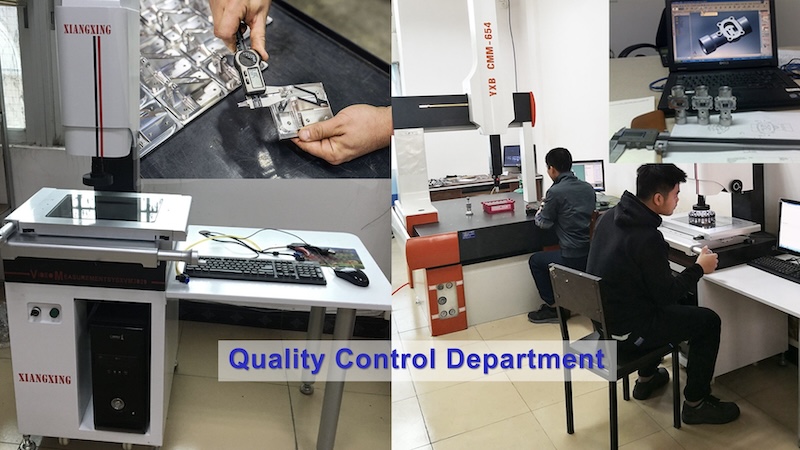
In the introduction, we established that defect prevention matters more than last-minute fixes. Building on that point, QC inspection in China protects your business before problems spread through shipping, inventory, and customer delivery.
When production runs at scale, small quality misses become expensive quickly. A wrong material grade, weak stitching, uneven coating, or mislabeled carton can turn into returns, rework, delayed launches, and damaged trust. For importers and brand owners, this is not just a factory issue. It is a cash-flow, timeline, and reputation issue.
A practical approach is to treat quality inspection as a risk-control system, not a one-time checkpoint. Chinese quality control works best when you define standards early, inspect during production, and verify final output before payment and shipment. This sequence helps you catch defects while they are still fixable at the source.
Here is why that approach is business-critical:
It reduces avoidable landed-cost losses. Defects discovered after arrival usually cost more because you pay freight, storage, and handling before finding the issue.
It protects launch timelines. Mid-production checks can uncover process drift early, giving suppliers time to correct it without missing delivery windows.
It keeps customer experience consistent. Reliable quality control services help ensure product performance matches what buyers expect from your brand.
It strengthens supplier accountability. Clear inspection criteria and documented results create a shared quality baseline instead of opinion-based disputes.
It supports smarter scaling. As order volume grows, repeatable China inspection services help maintain consistency across batches and factories.
For most buyers, the key decision is not whether to inspect, but how to structure inspection points. A common framework is pre-production verification, inline inspection, and pre-shipment inspection, each tied to pass/fail criteria. If a nonconformity appears, corrective action happens before goods move downstream.
Working with a China quality inspection service agency can also improve execution when your team is remote or managing multiple SKUs. The value is operational visibility: objective reports, defect classification, and faster escalation when specifications are missed. This supports better purchase decisions and reduces the chance of paying for noncompliant goods.
In short, QC inspection is critical because it turns uncertainty into control. When you apply Chinese quality control with defined standards and timely checkpoints, you lower defect risk, protect margins, and keep your commitments to customers without relying on luck.
Because defects become expensive when discovered late, inspection should be staged across production, not treated as a single final checkpoint. This is where practical QC inspection planning matters: each inspection type catches different risks at the moment they are easiest to correct, helping buyers protect timelines, margins, and brand standards.
Pre-Production Inspection verifies readiness before mass manufacturing starts. In practice, a PPI checks raw materials, component quality, approved samples, production files, and critical specs such as dimensions, labeling, and packaging requirements. For importers using China inspection services, this step reduces the risk of building thousands of units on the wrong baseline.
PPI is especially valuable when launching a new SKU, changing suppliers, or using custom materials. A good inspector flags mismatches between purchase order requirements and factory setup early, while corrections are still low-cost. For businesses focused on Chinese quality control, PPI is the first major control gate that prevents repeat defects later in the line.
During Production Inspection takes place when a meaningful portion of goods is completed, often around 20% to 50% of output. At this stage, inspectors can evaluate whether process controls are stable, workmanship remains consistent, and defect trends are emerging. Unlike final-only checks, DPI gives teams time to fix root causes before the full batch is finished.
For buyer-side quality control services, DPI often covers visual defects, functional checks, in-line measurements, and packing consistency. If a pattern appears, such as recurring stitching errors or tolerance drift, the factory can adjust machines, retrain operators, or separate affected lots immediately. This makes DPI one of the most practical tools for reducing rework, shipment delays, and last-minute disputes.
Pre-Shipment Inspection is the final quality gate before goods leave the factory. It is usually conducted when production is complete and most units are packed. PSI confirms whether the shipment matches agreed quality criteria, quantity, assortment, carton marking, and packaging integrity. It also verifies that random samples pass required visual and functional standards.
Within China quality inspection service agency workflows, PSI supports release decisions: ship, hold, or rework. While PSI cannot replace earlier checks, it protects against avoidable surprises at destination by catching final-stage errors such as mixed models, labeling mistakes, or transit-risk packaging issues. Used together, PPI, DPI, and PSI form a layered system of quality control services that helps businesses avoid costly manufacturing defects.
After you define where inspections happen in your process, the real risk shifts to who performs them. Even a solid PPI, DPI, and PSI plan can fail if your inspection partner lacks technical depth or applies inconsistent standards.
Start by checking whether inspectors are trained for your product category, not just general QC inspection tasks. A team that inspects textiles every week may miss key failure points in electronics, hardware, or packaging compliance. Ask for recent sample reports, defect photos, and pass/fail logic so you can see how findings are documented and escalated.
When screening a China quality inspection service agency, verify three practical areas:
Technical fit: Category-specific know-how, familiarity with your AQL level, and ability to inspect against your specifications and approved golden samples.
Process discipline: Clear checklists, calibrated tools, timestamped photo evidence, and report delivery timelines that support purchasing decisions.
Communication quality: Fluent, concise reporting in English, fast clarification cycles, and a defined path for urgent defect escalation.
Factory-side experience: Inspectors who understand manufacturing flow can identify root causes, not just symptoms, which improves corrective action quality.
Reliable quality control services should also maintain consistency across inspectors and regions. Ask how they train auditors, review reports, and handle dispute cases. This matters because Chinese quality control is most effective when your standards are interpreted the same way every time, across every batch.
Price shopping alone often creates hidden cost. In China inspection services, lower day rates can mean rushed inspections, junior inspectors, or reduced report depth. Instead of asking only, "What is your rate?" ask, "What is included, and what business risk does this cover? Common pricing structures include per man-day fees, per shipment fees, and blended monthly retainers. A per day model works well when order volume fluctuates. Per shipment can be efficient for stable, repeat orders with standard checklists. Retainers may suit brands that need frequent quality control services across multiple suppliers.
Before signing, clarify scope line by line: inspection duration, travel policy, re-inspection fees, weekend surcharges, report turnaround time, and photo/video evidence level. For many importers, paying slightly more for stronger QC inspection execution reduces total landed cost by preventing chargebacks, rework, and delayed launches. In practical terms, the best-value partner is the one that catches costly defects early and supports faster factory correction, not the one with the lowest quote.
Strong inspector credentials and transparent pricing matter because they shape one outcome: finding defects before they become expensive returns, rework, or chargebacks. In practice, effective QC inspection focuses on recurring failure points that affect product performance, compliance, and customer trust.
Material and component defects are often the earliest warning signs of unstable production. Common issues include wrong material grade, substandard plastics, thin metal gauge, color mismatch, off-spec electronic parts, and damaged incoming components. During inspections, teams verify bills of materials, compare samples against approved references, and run basic field tests such as measurements, weight checks, fit checks, and visual surface review.
For buyers using China inspection services, this step protects both function and brand consistency across batches. If the base material is wrong, even perfect assembly will fail later. Good Chinese quality control processes also separate critical defects from cosmetic ones, so corrective actions target the highest business risk first.
Workmanship defects usually appear when line speed, training, or process discipline slips. Typical findings include loose screws, poor solder joints, weak seams, misaligned parts, adhesive overflow, sharp edges, and inconsistent torque. In apparel and soft goods, this may show up as skipped stitches, puckering, or uneven finishing. In hard goods, it can mean poor fit, rattling components, or unstable moving parts.
This is where quality control services create measurable value: they check real units against workmanship standards before goods leave the factory. Clear defect classification and photo-based reporting help engineering and sourcing teams decide whether to rework, sort, or hold shipment. That reduces downstream warranty claims and protects launch timelines.
Packaging and labeling mistakes can block customs clearance, trigger retailer penalties, or confuse end users even when the product itself is fine. Frequent issues include incorrect carton marks, missing barcodes, wrong instruction inserts, language errors, inaccurate origin labels, and weak packaging that fails drop handling. QC teams verify packaging specs, inner and master carton counts, pallet condition, and scan readability.
For importers, this is a direct cost-control checkpoint in manufacturing and quality control. Correct packaging protects product integrity in transit, while accurate labeling supports smooth receiving and shelf readiness. If you work with a manufacturing sourcing company, align packaging checklists early so final QC inspection criteria match your market and channel requirements.
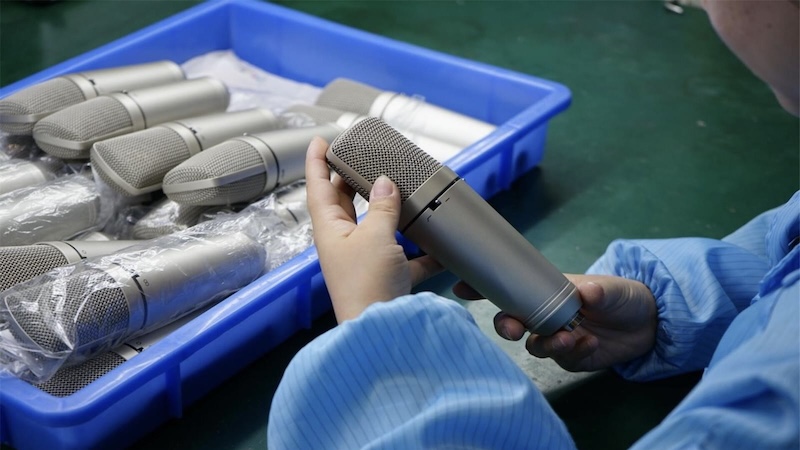
Defect categories are useful only when teams can act quickly on findings. After identifying material, assembly, and labeling issues, the practical advantage comes from using software that turns each QC inspection result into clear decisions for production, rework, and shipment release.
Digital reporting platforms replace slow, email-based inspection files with structured records that buyers, factories, and quality teams can review in one place. For QC inspection programs, this means each checkpoint includes photos, defect tags, pass-fail criteria, and corrective action notes tied to purchase orders. Good systems also keep version history, so teams can see whether a recurring issue is improving or being repeated across lots. In practice, this supports stronger quality control services because acceptance criteria stay consistent between inspectors. When evaluating China inspection services, ask whether reports are searchable, exportable, and easy to audit internally. That operational clarity reduces costly misunderstandings before goods move to final packing.
Real-time tracking helps teams respond while production is still in progress, not days after finished goods are boxed. Instead of waiting for end-of-line summaries, managers can monitor inspection status by line, order, and defect severity as updates arrive. For Chinese quality control workflows, this visibility is especially valuable when multiple factories or SKUs are running at once. Fast alerts allow quick decisions: pause a line, increase sampling, or authorize immediate rework. This shortens feedback loops and limits defect propagation into later stages where fixes cost more. The business value is straightforward: fewer surprise failures at pre-shipment inspection, tighter shipment timing, and better protection of margin when launch dates are fixed.
Inspection data is most useful when it connects to sourcing and procurement systems rather than sitting in separate dashboards. Integration links QC inspection outcomes to supplier scorecards, order milestones, and shipment approvals, creating one decision trail from order placement to dispatch. For teams using a China quality inspection service agency, this connection improves handoffs between sourcing, quality, and logistics. It also supports repeatable escalation rules, such as blocking shipment release until critical defects are closed and verified. Over time, integrated data helps prioritize factory development, not just one-off fixes. If your goal is to avoid costly manufacturing defects, software-enabled quality inspection should function as part of core sourcing operations, not as an isolated reporting task.
Digital reporting, live status updates, and connected sourcing workflows only create value when teams agree on what "good" actually means. To improve return on every QC inspection, buyers and factories need shared, testable quality standards before production starts.
Clear standards turn quality control services from reactive defect sorting into a predictable cost-control system. Without them, inspectors and manufacturers may both act in good faith but still pass different versions of acceptable output. That mismatch drives rework, delays, chargebacks, and preventable disputes.
For practical ROI, define quality in measurable terms and tie it to decision rules. A strong quality brief should specify product specs, appearance limits, function tests, packaging requirements, and pass/fail thresholds for each inspection stage. This is where many teams underinvest, then overpay later.
Use this structure to align expectations and strengthen Chinese quality control:
Create a master specification file Include materials, dimensions with tolerances, color references, logo placement, labeling text, barcode format, and carton standards. Attach approved photos or golden samples so both factory teams and inspectors work from the same baseline.
Define defect categories and acceptance criteria Classify critical, major, and minor defects with clear examples. Pair that with an agreed sampling plan and AQL levels. In a QC inspection, this removes ambiguity when a lot sits near the acceptance threshold.
Map standards to each production milestone Apply the right checks at pre-production, during production, and pre-shipment, rather than relying on a final gate only. Early control catches process drift before defects multiply across thousands of units.
Align commercial terms with quality outcomes State what happens if lots fail: rework timelines, re-inspection responsibility, and shipment hold rules. Clear terms protect margin and reduce negotiation friction when issues appear.
Run calibration reviews with your inspection partner If you use China inspection services or a China quality inspection service agency, schedule periodic review calls to confirm interpretation of standards, recurring defects, and corrective actions. Consistency across inspectors is essential for trend accuracy.
When standards are explicit, every quality inspection produces cleaner data and faster decisions. You spend less on emergency fixes, reduce defect leakage into destination markets, and build a repeatable operating model for scale. In short, better definitions up front are one of the highest-leverage moves for maximizing ROI in QC inspection programs.
Clear standards with manufacturers only create value when every inspection decision follows those standards consistently. This section distills the core choices that make QC inspection practical, measurable, and cost-focused across production.
Define quality requirements in operational terms before production begins, then use them as the fixed reference for every QC inspection checkpoint, defect decision, and acceptance outcome.
Use layered quality control services across pre-production, in-process, and pre-shipment stages so issues are identified earlier, when correction is faster and less expensive.
Standardize reporting formats, defect categories, and pass/fail thresholds to improve communication across teams and reduce interpretation gaps in Chinese quality control workflows.
Prioritize speed of visibility by combining on-site checks with digital tracking, so nonconformities can be addressed while production is still active instead of after goods are dispatched.
Evaluate China inspection services by process discipline and consistency, not by lowest fee alone, since reliable execution is what protects timelines, landed cost, and final product quality.
Together, these decisions keep quality control services aligned with business outcomes: fewer preventable defects, clearer accountability, and more predictable delivery performance without adding unnecessary complexity.
Q1: What is the difference between QC inspection and factory audit in China?
A QC inspection focuses on evaluating the quality of finished or in-production goods against your specifications, checking for defects, functionality, and compliance with agreed standards. It's product-focused and happens during or after manufacturing. A factory audit, on the other hand, assesses the supplier's overall capabilities, management systems, production capacity, and working conditions. It's facility-focused and typically conducted before placing orders. While audits help you choose reliable suppliers, inspections ensure each shipment meets your quality requirements. Most importers use audits for supplier selection and inspections for batch-level quality control throughout the production cycle.
Q2: When is the best time to conduct a QC inspection during production?
The optimal timing depends on your risk tolerance and product complexity. Pre-production inspections verify raw materials and components before manufacturing begins, preventing defects at the source. During Production Inspections (DUPRO) occur when 20-50% of the order is complete, allowing you to catch systematic issues early enough to make corrections. Final Random Inspections (FRI) happen when 80-100% of goods are finished and packed, which is the most common checkpoint before shipment. High-risk orders or new suppliers often benefit from multiple inspection stages, while established relationships with proven quality may only require final inspections. The key is catching problems before they multiply or before goods ship.
Q3: How much does a QC inspection in China typically cost?
Professional QC inspection costs in China generally range from $200 to $350 per man-day, depending on the inspection company, location, product complexity, and service level required. A standard final random inspection for consumer goods typically takes one day and costs around $250-$300. More complex products requiring technical testing, longer inspection times, or remote factory locations may cost more. Container loading supervision usually costs $150-$250 for a few hours. While this might seem like an added expense, it's minimal compared to the potential cost of defective shipments, which can include rework, returns, lost sales, and damaged reputation. Most importers view inspection fees as essential insurance rather than optional costs.
Q4: Can I trust my Chinese supplier to conduct their own quality inspections?
While many Chinese suppliers do perform internal quality checks, relying solely on their inspections creates a conflict of interest. Suppliers are motivated to ship goods and receive payment, which can unconsciously bias their quality assessments. Independent third-party inspections provide objective verification using your specifications as the standard, not the factory's interpretation. Third-party inspectors have no financial incentive to pass defective goods and report directly to you with photographic evidence and detailed findings. This doesn't mean your supplier is dishonest, but independent verification protects both parties by establishing clear, documented quality standards and creates accountability. For significant orders or new supplier relationships, third-party inspection is a fundamental risk management practice.
A strong QC inspection plan is not about adding complexity. It is about placing clear checkpoints at the moments where defects become expensive.
If your goal is to avoid costly manufacturing defects, treat inspection as a risk-control system rather than a one-time event. Define what must pass, when it must be checked, and what happens if results fail. That structure makes quality control services more effective because every party works from the same standard, not assumptions.
A decision-oriented closeout can be simple:
Prioritize defect risks by impact. List the top failure modes that would cause returns, safety concerns, or reputational damage.
Set measurable acceptance criteria. Use specific tolerances, dimensions, labeling rules, and packaging requirements so QC inspection outcomes are objective.
Place checkpoints across production. Combine pre-production alignment, in-process checks, and pre-shipment verification instead of relying on final checks alone.
Define escalation rules in advance. State who approves rework, when shipments pause, and what corrective actions are required.
Review and tighten after each cycle. Use inspection findings to improve specs and prevent repeat defects in future orders.
For teams sourcing from overseas factories, this process is where China inspection services and broader Chinese quality control programs create real value. The benefit is not just defect detection. It is earlier visibility, clearer accountability, and faster correction while goods are still in production.
Your concrete next step is to draft a one-page inspection brief before the next purchase order is released. Include product-critical points, defect classifications, sampling expectations, and pass/fail actions. Share it with internal stakeholders and inspection partners, then confirm sign-off before production starts. That single operational move turns quality from a reactive cost into a planned control.
 English