



What if the biggest risk in overseas manufacturing is not cost, but starting with the wrong assumptions? For many brands, China production is still the fastest path to scale, yet early decisions often determine whether growth feels controlled or chaotic. This guide is designed to make that start easier, especially for teams moving from idea stage to repeatable output.
A practical introduction to production in China should begin with scope, not factories. Before discussing lead times, tooling, or shipment schedules, define what success looks like for your business: target quality level, acceptable defect rate, order cadence, and margin goals. That framing keeps your sourcing conversations focused on outcomes instead of vague promises.
China remains central to global manufacturing because it combines deep industrial clusters, mature export workflows, and broad category coverage. In plain terms, you can move from prototype to China mass production with fewer handoffs than in many alternative regions. But speed without structure can create expensive rework. The core mindset is simple: treat manufacturing as a system you build, monitor, and improve.
To approach massive production in China effectively, focus on four foundations early:
Product definition clarity
Use a complete specification pack: materials, dimensions, tolerances, packaging, labeling, and test requirements. Better inputs reduce misunderstandings and keep quotations comparable.
Factory-fit validation
Confirm whether a manufacturer is truly aligned with your category, order size, and quality bar. A strong fit matters more than a low first quote.
Production quality management setup
Build checkpoints before mass output, including sample approval, in-process inspections, and pre-shipment checks. Quality should be designed into the workflow, not inspected only at the end.
Communication and ownership model
Define who owns timelines, revisions, and escalation paths. If your team lacks local bandwidth, a product sourcing agent or a product sourcing company can help coordinate execution and reduce avoidable delays.
This article will walk through the full path in order, from early China product sourcing decisions to launch-ready operations. You will see how to evaluate options, control risk, and keep cost, quality, and speed in balance as volumes increase. The goal is not just to start China production, but to start it in a way that supports stable growth.
If you are researching where to begin, keep your first objective narrow: build a sourcing and production process you can repeat. From there, scaling becomes an operational decision rather than a gamble.
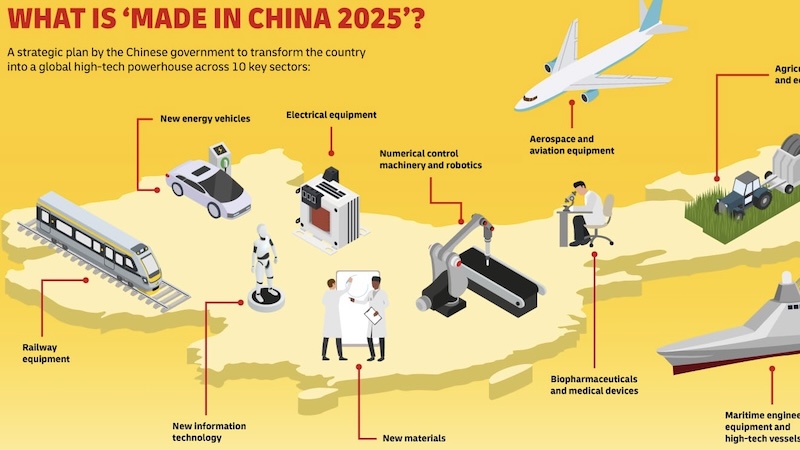
After getting a basic picture of China production, the practical question is why so many companies still choose it for scale. The short answer is that China combines pricing, speed, and execution depth in ways that are hard to match when you need reliable output from pilot runs to full-volume orders.
Cost is not only about the unit price on a quote sheet. In China mass production, savings often come from the full production system: dense supplier clusters, easier access to components, and shorter lead times between process steps. When molds, parts, finishing, and packaging are handled within the same region, transit and coordination costs can drop, which improves total landed cost.
Competitive pricing also supports better risk control. Buyers can allocate budget to pre-production samples, inspection checkpoints, and clearer documentation without losing margin. That matters because strong production quality management is usually cheaper than fixing defects after shipment. For many brands, massive production in China becomes viable when cost planning includes both manufacturing and quality assurance from day one.
A key reason China production remains attractive is industrial infrastructure built for speed and scale. Many factories operate with specialized equipment for machining, molding, electronics assembly, textiles, and packaging under one coordinated ecosystem. This allows faster movement from prototype adjustments to repeatable production.
Infrastructure also includes logistics readiness. Export-focused regions are set up to move goods quickly through ports and air freight channels, which helps brands manage launch windows and replenishment cycles. For teams working on product development and sourcing, this environment reduces friction between design changes and factory execution. In practice, that means fewer delays when updating specifications, materials, or packaging right before scaling.
Another advantage is access to experienced engineering and production teams that have built similar products across many categories. Skilled technicians, line managers, and process engineers can often spot design-for-manufacturing issues early, before they become expensive at volume. This hands-on expertise is especially useful when tolerances, finish quality, or assembly consistency are critical.
For companies starting with limited in-house manufacturing knowledge, partnering with a product development company can strengthen communication between design intent and factory output. Clear technical files, sample reviews, and staged approvals improve production quality management while keeping timelines realistic. Used well, this talent depth is what turns China mass production from a low-cost option into a structured growth strategy for consistent, scalable delivery.
China’s strong factory base and experienced labor can create real pricing advantages, but those benefits only hold if you map costs in detail before placing orders. For teams planning China mass production, clear cost visibility is what turns a promising quote into a workable margin.
For China production, a unit price is only the surface number. A practical breakdown helps you compare suppliers fairly and spot where negotiation will matter most.
Key cost components usually include:
Materials and components: Raw material grade, component brand, and tolerance requirements directly change price. In product development and sourcing, locking your bill of materials early prevents late-stage substitutions that affect both cost and production quality management.
Tooling and setup: Molds, fixtures, and calibration are often one-time costs, but they should be amortized across expected volume. Low initial volume can make tooling-heavy products look expensive unless you model costs by production phase.
Labor and process time: Manual assembly steps, inspection points, and rework risk all affect labor cost. A cheaper quote can hide thin process controls that later increase defect handling costs.
Quality control and testing: Incoming material checks, in-line inspections, and final testing add cost but reduce downstream failures. For massive production in China, this line item is not optional if brand consistency matters.
Packaging and logistics prep: Export cartons, labeling, palletization, and compliance markings can materially affect landed cost, especially for fragile or regulated products.
When reviewing quotes, ask for line-item structure rather than only all-in pricing. This approach makes design-to-cost decisions easier and supports stronger collaboration with a product development company when refining specifications.
Even when factory pricing looks competitive, hidden costs can erode margin if they are not planned up front. These costs are common in China mass production projects and should be included in your first financial model.
Watch for these areas:
Engineering change costs: Revisions after sampling can trigger mold edits, scrap, or delayed launch windows.
Minimum order quantity pressure: Buying above true demand increases carrying cost and inventory risk.
Freight volatility and surcharges: Rates, fuel adjustments, and peak-season constraints can shift quickly.
Payment and financing friction: Deposit structures, transfer fees, and currency movement affect final spend.
Communication and coordination overhead: Extra rounds of clarification, time-zone delays, and document rework consume internal team time.
To keep pricing realistic, build a total-cost view that includes pre-production, production, and post-production support. This is where disciplined production quality management and structured product development reduce expensive surprises. If your team is new to sourcing product at scale, partnering with a product development company can help align design, manufacturability, and commercial targets before full launch.
A clear cost model is useful, but your results now depend on who executes it. In China production, the right manufacturing partner protects timelines, margins, and brand reputation, while the wrong one turns hidden risks into expensive delays.
Start with a focused supplier profile, not a broad factory search. Define your product category, target quality level, expected monthly volume, and compliance needs before outreach. This helps you filter for factories that are built for China mass production rather than small-batch trading activity.
For early screening, combine referrals, vetted sourcing networks, and structured marketplace research. Ask each candidate for recent project examples in similar materials and complexity. Then run a basic trust check: business license details, export history, communication consistency, and willingness to support audits. A reliable partner answers clearly, shares process documentation, and discusses defect handling without hesitation.
Selection should be capability-led, not quote-led. A lower unit price can fail if tooling, process control, or capacity planning is weak. Review the supplier across four areas: engineering support, production stability, quality systems, and fulfillment readiness.
Request a sample workflow from development to mass output, including tooling lead time, pilot runs, in-line checks, and final inspection standards. This is where production quality management becomes practical: you want evidence of measurable checkpoints, escalation paths, and corrective action routines. For massive production in China, confirm peak-season capacity and backup plans for materials, labor, and critical machines. A supplier that plans for variance is usually safer than one promising perfect speed.
Software can shorten discovery and improve comparison discipline. Use supplier databases, RFQ platforms, and quality tracking tools to standardize how you collect and score information. Instead of relying on memory, create a simple scorecard for capability fit, responsiveness, risk signals, and total landed cost assumptions.
Digital tools also support stronger product development and sourcing alignment. You can manage versioned specifications, sample feedback, and change approvals in one place, reducing misunderstandings before production ramps. If your team lacks in-house bandwidth, working with a product development company can help structure supplier discovery, technical validation, and onboarding. That keeps sourcing product decisions tied to long-term production goals, not short-term price pressure.
In short, reliable partner selection is a core execution step in any complete guide to starting production in China easily. Done well, it turns planning into repeatable delivery.
After identifying capable manufacturing partners, your results now depend on how clearly you control quality expectations. In China mass production, production quality management turns a promising factory relationship into consistent, sale-ready output that protects margins and customer trust.
Start with a written quality package before purchase orders are finalized. Define critical product specs with measurable tolerances, approved materials, labeling requirements, packaging standards, and visual acceptance criteria. For China production, this document should also include a defect classification system (critical, major, minor), sample photos, and pass/fail examples so factory teams and inspectors interpret standards the same way.
Keep standards practical for line use. If requirements are unclear, the factory will optimize for speed, not consistency. Align the spec sheet with your operations management process so design, procurement, and quality teams review one shared version. This total quality mindset reduces rework, helps avoid disputes, and creates a stable baseline as order volume scales.
Strong specifications need equally clear verification points. Build an inspection plan across three stages: pre-production checks, in-process inspections, and pre-shipment final inspections. Each stage should state sample size, inspection method, acceptable quality levels, and escalation rules when defects exceed limits.
Third-party audits add independent visibility, especially when you are managing massive production in China remotely. Use them to verify factory systems, process discipline, and corrective-action follow-through, not only finished goods appearance. Ask for structured reports with defect images, root-cause notes, and corrective deadlines. This approach supports operations management with total quality management by converting inspections from one-time gatekeeping into repeatable process improvement.
Production quality management is most effective when it runs continuously, not only at shipment. Assign ownership for each quality checkpoint, set response times for nonconformance, and require documented corrective and preventive actions. Weekly quality reviews with the factory can track defect trends, recurring causes, and line-level adjustments before they become expensive failures.
To keep control during growth, combine factory self-checks, your own quality dashboard, and periodic independent verification. Focus on a short set of operational metrics such as first-pass yield, defect recurrence, and closure speed for corrective actions. In China mass production, this system helps you maintain consistency across batches, launch faster with fewer surprises, and protect long-term brand performance without slowing output.
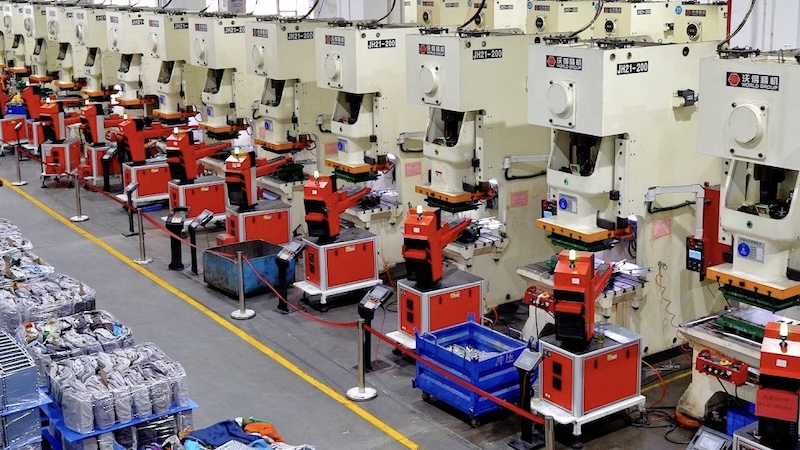
Strong specifications and inspection routines protect output quality, but execution starts earlier. To make China production predictable and scalable, you need a practical launch process that aligns product requirements, partner selection, and contract terms before purchase orders begin.
For China mass production, planning should translate your product vision into factory-ready instructions, not just a concept deck. Start with a technical package that includes materials, dimensions, tolerances, finish standards, packaging rules, and labeling requirements. Add target costs, acceptable defect thresholds, and testing methods so production quality management is built in from day one.
Clarify commercial inputs at the same time: order volumes, reorder cadence, lead-time expectations, and launch deadlines. This helps suppliers quote accurately and helps you compare offers on equal terms. If your team is new to China product sourcing, document must-have versus nice-to-have features early, since late specification changes are a common cause of delays, tooling rework, and unexpected cost increases.
In massive production in China, the right partner is the one that can repeat your standards at scale, not only provide the lowest unit price. Shortlist manufacturers based on relevant product experience, process capability, communication quality, and operational stability. Request sample work, production references, and a clear map of whether key steps are done in-house or subcontracted.
A structured vetting flow keeps decisions objective:
Confirm business legitimacy and factory profile.
Match equipment and process capability to your product specs.
Run sample and pilot orders to validate consistency.
Audit quality systems, corrective-action handling, and traceability.
Score total risk across cost, quality, lead time, and communication.
If internal bandwidth is limited, a product sourcing agent/company can help with factory screening, sample coordination, and on-site validation. For many buyers, working with a Product Sourcing Company reduces onboarding risk while speeding up supplier comparison.
A good quotation is not enough for stable China production. Your agreement should lock in product specifications, quality criteria, inspection checkpoints, packaging details, intellectual property protections, delivery schedules, and remedies for non-conformance. Define how defects are handled, who pays for rework or replacement, and what happens if shipments miss critical deadlines.
Payment terms should protect cash flow while aligning incentives. A common structure is a deposit before production and a balance after pre-shipment inspection approval, with milestones tied to measurable deliverables. Keep all commercial terms in writing, including tooling ownership, minimum order quantities, and rules for material substitutions.
Before scaling, run a controlled first order and review outcomes across quality, timing, communication, and landed cost. That final validation closes the loop between planning, vetting, and negotiation, giving you a repeatable operating model for long-term growth.
With product requirements defined, partners vetted, and contract terms negotiated, the focus shifts from setup decisions to disciplined execution. These takeaways condense the core choices that keep China production predictable, scalable, and aligned with your business goals.
Translate strategy into measurable standards. In China mass production, quality targets must be written as clear specifications, tolerances, packaging rules, and acceptance criteria. This removes ambiguity between teams and factories and gives everyone one definition of "acceptable" output.
Build production quality management into every phase, not only final checks. Pre-production alignment, in-line inspections, and final verification should work as one system. Strong production quality management reduces rework, protects timelines, and prevents avoidable disputes at shipment.
Treat supplier vetting and contracts as operational control tools. Factory capability checks and contract clarity are not separate from quality outcomes. In China production, aligned technical requirements, defect handling rules, and payment milestones create accountability before problems become expensive.
Balance speed, cost, and consistency with explicit trade-offs. Massive production in China can deliver scale quickly, but volume only creates value when process stability keeps defect rates manageable. Prioritize repeatability over short-term acceleration when decisions conflict.
Use a closed-loop management rhythm. Track issues, identify root causes, update specs, and confirm corrective actions in the next run. This feedback loop turns individual fixes into long-term process improvements and strengthens results across future China mass production cycles.
Taken together, these points reinforce a simple principle: successful scale comes from clear standards, verified execution, and continuous control across the full production lifecycle.
- Unclear specifications that trigger rework after production begins.
- Slow sample approval cycles due to missing decision owners.
- Material substitutions that are not communicated early.
- Packaging changes introduced too late in the process.
- Holiday congestion and booking delays near peak shipping periods.
Starting production in China is easier when you treat it as a staged system: validate product requirements, confirm process controls, and then scale. This approach protects timelines, budget, and brand reputation while still giving you access to China mass production when demand is proven. In practice, strong production quality management is what separates a smooth ramp-up from expensive rework.
A decision-oriented close is simple: commit to one product, one specification set, and one measurable pilot run before expanding to massive production in China. That first run should test manufacturing consistency, packaging readiness, and shipment performance under normal business conditions. If those signals are stable, you can scale with confidence rather than hope.
Use this final checklist to move forward:
Lock your production brief with non-negotiable specs, tolerances, materials, labeling, and packaging standards.
Define quality gates at pre-production, in-line checks, and pre-shipment inspection so production quality management is built in, not added later.
Run a pilot order with a clear pass/fail scorecard covering defects, lead time, and communication reliability.
Plan scale triggers in advance, including reorder thresholds, backup capacity, and logistics timing for peak periods.
Schedule a 30-day review to decide whether to hold, optimize, or expand into full China mass production.
If you take one concrete next step today, make it this: create your pilot run scorecard and approve it internally before placing your next order. That single document turns research into execution and gives you a practical, low-risk path from initial China production to sustainable growth.
 English