Maple Sourcing Ltd.
Maple Sourcing Ltd.
We Make Your Sourcing Easy!
Need help? sales@maplesourcing.com
English
Maple Sourcing Ltd.
Maple Sourcing Ltd.

How to Monitor Product Development Quality?

Published:
Updated:
4050 Views
Table of Content [Hide]

    388.jpg

    In today's highly competitive business environment, ensuring product development quality and product development function is essential for the success and sustainability of any organization. Effective monitoring of these aspects not only enhances customer satisfaction and brand reputation but also drives innovation and operational efficiency. This comprehensive guide explores the strategies, tools, and best practices for monitoring product development quality and function, highlighting the role of the product development factory and the significance of FBA product development services in the product development lifecycle.

    Understanding Product Development Quality and Function

    Product development quality refers to the degree to which a product meets or exceeds customer expectations and adheres to industry standards and specifications. It encompasses various dimensions, including functionality, reliability, usability, and performance. High-quality product development is crucial as it directly impacts customer satisfaction, loyalty, and the overall success of a product in the market.

    Product development function, on the other hand, pertains to the processes and activities involved in designing, creating, and bringing a new product to market. This function is integral to a company's growth and innovation strategy, driving the creation of products that meet market demands and technological advancements. Effective monitoring of the product development function ensures that the development processes are efficient, timely, and aligned with the organization's strategic objectives.

    Key Dimensions of Product Development Quality

    - Functionality: Ensures that the product performs its intended tasks effectively and efficiently.

    - Reliability: Guarantees that the product consistently performs as expected over time without failures.

    - Usability: Focuses on the ease of use and user experience, ensuring that the product is intuitive and user-friendly.

    - Performance: Measures how well the product performs under various conditions, including speed, responsiveness, and scalability.

    - Compliance: Adheres to industry standards, regulatory requirements, and safety guidelines.

    Setting Quality Standards in Product Development

    Setting clear and measurable quality benchmarks is the foundation of effective product development. These benchmarks should align with industry standards, regulatory requirements, and customer expectations. Establishing measurable and achievable quality standards ensures that all stakeholders have a common understanding of what constitutes a high- quality product.

    Steps to Establish Quality Benchmarks:

    - Identify Customer Requirements: Understand what customers expect from the product in terms of functionality, durability, and performance.

    - Research Industry Standards: Benchmark against industry standards to ensure compliance and competitiveness.

    - Define Quality Metrics: Develop specific metrics such as defect rates, performance scores, and usability ratings to measure quality.

    - Set Achievable Targets: Establish realistic targets based on available resources, technology, and expertise.

    - Communicate Standards Clearly: Ensure that all team members understand the quality benchmarks and their role in achieving them.

    Aligning Quality with Functionality

    Quality and functionality are intrinsically linked in product development. A product that fails to perform its intended functions cannot be considered high-quality, regardless of its aesthetic appeal or durability. Therefore, ensuring that product development quality aligns with functionality is essential for creating successful products.

    Strategies to Align Quality with Functionality:

    - Integrated Design Approach: Collaborate across design, engineering, and quality assurance teams to ensure that functionality meets quality standards.

    - Functional Testing: Conduct rigorous testing to verify that the product performs all its intended functions under various conditions.

    - User-Centric Design: Incorporate user feedback into the design process to ensure that the product meets real- world functional needs.

    - Continuous Improvement: Use feedback loops and iterative development to refine and improve the product continuously.

    Monitoring Product Development Quality

    Monitoring product development quality is essential to ensure that the final product meets the desired standards and performs its intended functions effectively. Quality monitoring helps in identifying and addressing issues early in the development process, reducing costs, and preventing delays in product launch.

    Strategies for Quality Monitoring

    - Implementing Quality Assurance Processes: Integrate quality assurance (QA) processes throughout the product development lifecycle, from initial design to final testing. This ensures that quality checks are consistent and comprehensive.

    - Regular Inspections and Audits: Conduct routine inspections and audits to assess compliance with quality standards and identify any deviations.

    - Use of Quality Management Systems (QMS): Deploy QMS software to track quality metrics, manage documentation, and facilitate continuous improvement.

    - Establishing Clear Quality Metrics: Define specific, measurable quality metrics that align with product goals and track progress against these metrics.

    - Engaging in Continuous Feedback Loops: Collect feedback from stakeholders, including customers, team members, and suppliers, to identify areas for improvement and implement necessary changes.

    Tools and Techniques for Quality Monitoring

    - Statistical Process Control (SPC): Utilizes statistical methods to monitor and control production processes, ensuring consistency and quality.

    - Failure Modes and Effects Analysis (FMEA): Identifies potential failure modes in the product design and assesses their impact on product performance.

    - Six Sigma: A data-driven methodology aimed at reducing defects and improving process quality through rigorous analysis and process improvement techniques.

    - Automated Testing Tools: Implement automated tools for testing product functionality, performance, and reliability, ensuring comprehensive coverage and efficiency.

    - Real-Time Monitoring Systems: Use real-time monitoring systems to track key quality indicators and detect issues as they occur, enabling immediate corrective actions.

    Monitoring Product Development Function

    Monitoring the product development function ensures that the development processes are efficient, effective, and aligned with the organization's strategic objectives. It helps in identifying bottlenecks, optimizing workflows, and ensuring timely delivery of products.

    Strategies for Function Monitoring

    - Defining Key Performance Indicators (KPIs): Establish KPIs that measure the efficiency and effectiveness of the product development process, such as time-to-market, development costs, and defect rates.

    - Implementing Project Management Tools: Utilize project management software to track progress, allocate resources, and manage timelines.

    - Conducting Performance Reviews: Regularly review the performance of product development teams and processes to identify areas for improvement.

    - Encouraging Cross-Functional Collaboration: Promote collaboration among different teams to enhance communication and streamline workflows.

    - Adopting Agile Methodologies: Implement agile practices to increase flexibility, improve responsiveness to changes, and enhance overall productivity.

    Tools and Techniques for Function Monitoring

    - Project Management Software: Facilitate task tracking, project planning, and team collaboration.

    - Resource Management Tools: Optimize resource allocation and ensure that teams have the necessary tools and support to perform their tasks effectively.

    - Dashboards and Reporting Tools: Provide real-time insights into project status, performance metrics, and KPIs through customizable dashboards and automated reports.

    - Collaboration Platforms: Enhance communication and collaboration among team members, ensuring that everyone is aligned and informed.

    - Workflow Automation Tools: Streamline repetitive tasks and processes, reducing manual effort and increasing efficiency.

    The Role of Product Development Factory

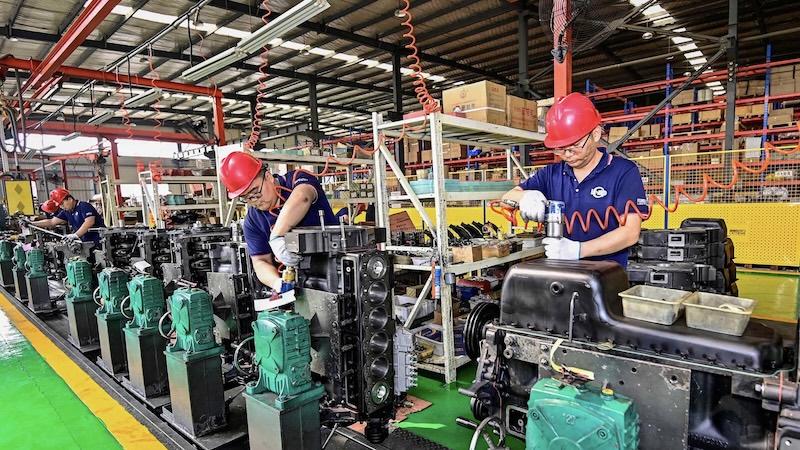
    A product development factory refers to a collaborative environment where product development activities are centralized, often involving cross-functional teams that work together to design, develop, and manufacture products.

    These factories leverage specialized expertise, advanced technologies, and streamlined processes to enhance the efficiency and quality of product development.

    Benefits of Product Development Factory

    - Enhanced Collaboration: Facilitates better communication and collaboration among different departments, leading to more innovative and cohesive product designs.

    - Streamlined Processes: Standardizes development processes, reducing redundancies and improving efficiency.

    - Access to Expertise: Provides access to specialized knowledge and skills, ensuring that products are developed using the latest technologies and best practices.

    - Scalability: Enables companies to scale their product development efforts quickly in response to market demands.

    - Innovation Incubation: Serves as a hub for innovation, where new ideas are continuously generated, tested, and refined.

    Implementing a Product Development Factory

    Implementing a product development factory involves setting up a dedicated space with the necessary resources, fostering a collaborative culture, and integrating advanced technologies. Key steps include:

    - Establishing Cross-Functional Teams: Form teams that include members from different departments such as engineering, design, marketing, and quality assurance.

    - Investing in Technology: Utilize advanced tools and software for design, simulation, and project management to enhance productivity and accuracy.

    - Standardizing Processes: Develop standardized procedures and workflows to ensure consistency and quality across all product development activities.

    - Continuous Training: Provide ongoing training and development opportunities for team members to stay updated with the latest industry trends and technologies.

    FBA Product Development Services

    FBA product development services from China refer to services provided for products intended to be sold through Amazon's Fulfilled by Amazon (FBA) program. These services encompass product design, prototyping, manufacturing, quality assurance, and logistics management, all tailored to meet the specific requirements of the FBA program. FBA product development services ensure that products are not only high in quality and functionality but also compliant with Amazon's standards and optimized for efficient fulfillment.

    How FBA Services Enhance Quality and Function Monitoring

    - Compliance with Amazon Standards: FBA product development services ensure that products comply with Amazon’s strict quality and safety standards. This includes adherence to packaging requirements, labeling standards, and product specifications, which are crucial for maintaining high product quality and functionality.

    - Comprehensive Quality Assurance: These services often include rigorous quality assurance processes, such as in-line inspections and final product testing, to ensure that every product meets the defined quality benchmarks before it is shipped to Amazon’s fulfillment centers.

    - Efficient Logistics Management: FBA services streamline the logistics process, ensuring that products are delivered to Amazon efficiently and in perfect condition. This minimizes the risk of damage during transit, thereby maintaining product quality and reducing returns or negative customer feedback.

    - Inventory Management and Forecasting: Advanced inventory management systems help predict demand accurately, ensuring that the right amount of stock is produced and maintained. This prevents overproduction or stockouts, both of which can negatively impact product quality and customer satisfaction.

    - Data-Driven Insights: FBA product development services leverage data analytics to monitor product performance and identify areas for improvement. This data-driven approach allows for continuous enhancement of product quality and functionality based on real-time feedback and sales performance metrics.

    - Scalability and Flexibility: These services provide scalability, allowing businesses to adjust their production volumes based on real-time market demands. This flexibility ensures that products maintain their quality and functionality even as production scales up or down.

    Key Components of FBA Product Development Services

    - Product Design and Prototyping: Designing products that meet Amazon’s requirements and consumer expectations, followed by creating prototypes for testing and refinement.

    - Manufacturing and Production: Partnering with reliable manufacturers to produce high-quality products that adhere to defined specifications and standards.

    - Quality Assurance and Testing: Implementing comprehensive QA processes to ensure that products are free from defects and perform as intended.

    - Packaging and Labeling: Ensuring that products are packaged securely and labeled accurately according to Amazon’s guidelines, preventing damage and facilitating efficient fulfillment.

    - Logistics and Fulfillment: Managing the transportation of products to Amazon’s fulfillment centers, ensuring timely delivery and optimal inventory levels.

    - Performance Monitoring: Continuously monitoring product performance metrics such as sales, customer reviews, and return rates to identify and address any quality or functionality issues.

    Best Practices for Monitoring Product Development Quality and Function

    Establishing a Quality-Centric Culture

    Creating a culture that prioritizes quality is fundamental to successful product development. This involves:

    - Leadership Commitment: Leaders must demonstrate a commitment to quality through their actions and decisions, setting the tone for the entire organization.

    - Employee Training: Provide ongoing training and education to employees about quality standards and best practices, ensuring that everyone understands their role in maintaining product quality.

    - Recognition and Rewards: Acknowledge and reward teams and individuals who contribute to high-quality product development, fostering a sense of ownership and accountability.

    Integrating Monitoring into Development Processes

    To maximize the effectiveness of monitoring, integrate quality and function monitoring seamlessly into every stage of the product development process. This ensures that quality and functionality are not afterthoughts but are embedded into the core of product development activities.

    Key Integration Strategies:

    - Centralized Quality and Function Teams: Establish dedicated teams responsible for monitoring quality and function across all projects.

    - Standard Operating Procedures (SOPs): Develop SOPs that incorporate quality and function monitoring checkpoints at critical stages of development.

    - Cross-Functional Training: Train all team members on the importance of quality and function monitoring and equip them with the necessary tools and knowledge.

    - Integrated Software Systems: Utilize integrated software systems that allow for real-time monitoring and reporting of quality and function metrics.

    - Continuous Improvement Programs: Implement programs that encourage continuous improvement based on monitoring data and feedback.

    Leveraging Data and Analytics

    Utilize data and analytics to gain insights into product development quality and function. Data-driven decision-making enhances the ability to identify trends, predict potential issues, and implement proactive measures to maintain high standards.

    - Performance Tracking: Use data analytics to track performance metrics, identifying trends and patterns that indicate the health of the product development process.

    - Predictive Analytics: Employ predictive analytics to forecast potential quality issues and take proactive actions to mitigate risks.

    - Root Cause Analysis: Analyze data to identify the root causes of defects or functionality issues, enabling targeted improvements.

    - Optimization: Use data insights to optimize development processes, enhancing efficiency and reducing costs without compromising quality.

    - Benchmarking and Continuous Improvement: Compare performance data against benchmarks to assess progress and identify opportunities for continuous improvement.

    Implementing Robust Documentation Practices

    Comprehensive documentation is vital for effective monitoring, ensuring that all aspects of quality and function are recorded and accessible for analysis and review.

    - Design Documentation: Maintain detailed records of design specifications, changes, and approvals to ensure clarity and traceability throughout the development process.

    - Test Plans and Results: Document all test plans, procedures, and results to systematically track quality and functionality outcomes.

    - Process Documentation: Keep records of development processes, workflows, and quality assurance activities to ensure consistency and facilitate audits.

    - Change Management Records: Track changes in design, materials, and processes, documenting their impact on product quality and functionality.

    - Compliance Documentation: Ensure that all regulatory and industry compliance documents are up-to-date and accessible for inspections and audits.

    Fostering Supplier Collaboration

    Collaborating closely with suppliers is essential for maintaining high standards of quality and functionality. Strong supplier partnerships ensure that suppliers understand and adhere to your quality requirements, contributing to the overall success of the product development process.

    - Supplier Audits and Assessments: Conduct regular audits to evaluate suppliers’ compliance with quality standards and identify areas for improvement.

    - Joint Development Programs: Engage in joint development initiatives with suppliers to foster innovation and enhance product quality.

    - Performance Metrics and Feedback: Establish clear performance metrics for suppliers and provide regular feedback to ensure continuous improvement.

    - Training and Support: Offer training and support to suppliers to enhance their capabilities and ensure alignment with your quality standards.

    - Long-Term Partnerships: Develop long-term relationships with key suppliers, promoting mutual growth and sustained quality standards.

    The Future of Monitoring Product Development Quality and Function

    Embracing Continuous Improvement

    The landscape of product development is continually evolving, driven by technological advancements and changing market dynamics. Embracing a culture of continuous improvement ensures that monitoring practices adapt to these changes, maintaining their effectiveness and relevance.

    - Iterative Process Enhancements: Regularly review and refine monitoring processes to incorporate new insights and technologies.

    - Employee Engagement: Encourage employees to contribute ideas for improving monitoring practices and product quality.

    - Benchmarking Against Best Practices: Continuously compare your monitoring processes against industry best practices to identify opportunities for enhancement.

    - Adoption of Emerging Technologies: Stay abreast of emerging technologies and integrate them into your monitoring systems to maintain a competitive edge.

    Scaling Monitoring Practices

    As organizations grow and product portfolios expand, scaling monitoring practices becomes crucial to maintaining quality and functionality across all products.

    - Standardization: Develop standardized monitoring procedures that can be easily scaled across different product lines and departments.

    - Modular Monitoring Systems: Implement modular monitoring systems that can be customized and expanded based on the specific needs of different products or teams.

    - Training and Development: Invest in training programs to equip employees with the skills needed to manage scaled monitoring practices effectively.

    - Leveraging Cloud-Based Solutions: Utilize cloud-based monitoring solutions to facilitate scalability, flexibility, and real-time data access across different locations.

    Enhancing Collaboration Through Technology

    Advanced collaboration tools facilitate better communication and coordination among team members, suppliers, and other stakeholders, enhancing the effectiveness of quality and function monitoring.

    Key Collaboration Technologies:

    - Cloud-Based Project Management Tools: Tools like Asana, Monday.com, and Basecamp enable teams to collaborate seamlessly, share updates, and manage tasks efficiently.

    - Communication Platforms: Platforms such as Slack, Microsoft Teams, and Zoom facilitate real-time communication, virtual meetings, and information sharing.

    - Integrated Development Environments (IDEs): IDEs like GitHub and GitLab support collaborative development, version control, and continuous integration, ensuring that all team members are aligned and informed.

    - Collaborative Design Tools: Tools like Figma, Sketch, and Adobe XD enable teams to collaborate on design projects in real-time, ensuring consistency and alignment with quality standards.

    Conclusion

    Monitoring product development quality and product development function is essential for ensuring that products meet the highest standards of excellence and perform their intended roles effectively. By establishing a quality-centric culture, integrating monitoring processes into every stage of development, leveraging data and analytics, and fostering strong supplier collaboration, businesses can achieve superior product outcomes. The product development factory plays a pivotal role in this ecosystem by providing a collaborative environment, standardized processes, and access to specialized expertise and advanced technologies. Additionally, FBA product development services offer tailored solutions that enhance quality and functionality monitoring, ensuring that products are optimized for efficient fulfillment and compliance with Amazon's stringent standards.

    Adopting best practices such as thorough testing and reviews, continuous improvement programs, and comprehensive documentation further strengthens the ability to monitor and maintain high-quality and functional products. As technology continues to advance, tools like Quality Management Systems (QMS), project management software, automated testing tools, real-time monitoring systems, and data analytics platforms become indispensable in the quest for excellence.

    Ultimately, the commitment to monitoring product development quality and function not only leads to successful product launches but also fosters long-term customer satisfaction, brand loyalty, and sustained business growth. By prioritizing quality and functionality at every step of the product development journey, organizations can navigate the complexities of the modern marketplace and achieve a competitive advantage that drives success in an ever-evolving business environment.

    Need support with your China imports?
    We offer full service from new product development to shipment: sourcing, supplier vetting, order monitoring and quality inspections. Submit your inquiry today.
    Aaron Li
    Hey, this is Aaron Li, an expert in quality sourcing. Since 2012, I have helped 300+ startups to source from China and manage the quality. I'd like to share my experience and knowledge for frequently asked questions related to product sourcing and quality control.
    All Articles
    Shipping Mark on Carton: Complete Guide for Importers
    Retail Arbitrage: Where to Source and How to Earn Profit
    Top 5 Chinese Wholesale Online Platforms (2026)
    Best China Products for Senior Care Retail Stores
    How to Source Wholesale Home Decor for Retail Businesses
    Top 10 Chinese Solar Panel Manufacturers (2026)
    How to Get Free Samples from China Factories
    African Importers: Best Dollar Store Products from China
    Pros and Cons of Cross-Border Private Label Sourcing
    Alibaba Wholesale Purchasing: 5 Hidden Risks to Prevent
    How to Source Low-MOQ Products for Online Resellers
    Ocean Freight CBM Calculation: One Easy Formula
    Ecommerce Brands: Top 5 High-Margin Product Niches
    Proforma Invoice vs Commercial Invoice: Key Differences
    Ocean & Air Freight: Gross vs Net Weight Rules
    Startups: Direct vs Indirect China Sourcing
    RFQ: Real Examples & Industry Best Practices
    How to Find the Best Freight Options for Importers
    Startup Budget for a China Import-Export Business
    Top 8 Largest China-Based Logistics Providers (2026)
    Small-Batch Startups: Tips to Cut Factory Costs
    Hidden Expenses Every China Importer Should Expect
    Amazon Resellers: Best Ways to Import from China (2026)
    MOQ of Custom Packaging for Small Business
    Quality Audit Checklist for Chinese Factories
    Key Manufacturing Industrial Hubs Across China
    Made in PRC: Meaning of This Product Label
    FCL vs LCL: 2026 Shipping Comparison Guide
    Sea vs Air Freight: Core Reasons Behind Their Price Gap
    2026 Hottest Toy Lines Imported from China
    China to Canada: Lowest-Cost Shipping Options (2026)
    Alibaba vs AliExpress: Key Differences for Importers
    US-China Tariffs 2026: Importer Compliance Handbook
    Custom Sourcing: OEM and ODM Main Differences
    5 Phases to Protect Product IP when Outsourcing in China
    FOB vs. EXW: Which Is Better for China Importers?
    1688 Sourcing Agents: Benefits for Retail Resellers
    Yiwu Wholesale Market: Top 10 Products to Import
    4PX Shipping: Full Lead Time Breakdown (2026)
    DHL Shipment On Hold? 3 Steps to Fix It (2026)
    Why You Need Taobao Agents for Kitchenware Sourcing
    Alibaba Verified Suppliers: Can You Trust Them? (2026)
    Foshan Furniture Market: Actions to Assure Quality
    Guangzhou Fabric Market: Tour Guide & Sourcing Tips
    2026 Complete Sourcing Guide for the Canton Fair
    Is Huaqiangbei Still Ideal for Importers? 2026
    High-End Electric Toothbrush Manufacturers in China
    Private Label Bags from Chinese Manufacturers
    Manage Sample Orders: Key Tips for China Importers
    Top 5 Shipping Documents Required for Imports
    Cost-Saving Tips for Logistics Management Workflow
    Top Beauty and Healthcare Items on Amazon (2026)
    3 Ways to Evaluate Production Capacity of China Factories
    Top 10 Largest Chinese Wholesale Markets (2026)
    Why China Dominates Global Toothbrush Manufacturing
    Top 10 Iconic Products Made in Shenzhen (2026)
    Custom Design Orders: Tactics for MOQ Negotiation
    How OEM Manufacturing Adds Value to Consumer Brands
    Cargo Consolidation: Cut Shipping Costs for Importers
    China to Europe: Top 10 High-Profit Import Goods (2026)
    Key Shipping Ports in China and North America
    Major Apple Manufacturers in China: 2026 Update
    Electronic Component Imports: IQC Inspection Checks
    Sourcing Agent Fees for Small-Batch China Importers
    Best China Products to Resell Across Global Markets
    Why Are Most Goods Made in China? 2026 Update
    Top 10 Third-party QC Agencies in China (2026)
    Reduce Expenses by Manufacturing Your Goods in China
    2026 Trends for Customized Products from China
    Standard Process for Pre-Shipment Inspection in China
    Cross-Border Sourcing: Pain Points and Solutions
    Shenzhen Wholesale Markets: Ideal for Electronics Sourcing
    Verify Chinese Company Without Visiting China
    Retail Resellers: 5-Step China Bulk Sourcing Guide
    5-Step Alibaba Order Process for Small Retailers
    What Makes Chinese Supply Chains Highly Efficient
    Make Rapid Prototypes in China Manufacturers
    China Sourcing Basics for Amazon FBA Sellers
    Bulk Imports from China: Key Advantages
    LED Product Importers: Key China Sourcing Guide
    How China Sourcing Services Save You Time and Costs
    5 Effective Ways to Contact Chinese Factories
    Manage Chinese Factories to Ensure On-Time Deliveries
    Where to Source High-Quality Kitchen Utensils in China
    Top 10 Wholesale Items Imported from China (2026)
    Top 10 Trendy Consumer Electronics Made in China
    Comprehensive Guide to Find Chinese Suppliers Online
    Electronics Resellers: Why You Need Shenzhen Agents
    Handbook for Sourcing Chinese Hardware Products
    Transform Supply Chains via Direct China Sourcing
    How to Build Stable Partnerships with China Suppliers
    TikTok Sellers: Easy Steps for Direct Sourcing in China
    How to Source High-Quality Outdoor Goods from China
    Why FBA Private Label Sellers Need China Agents
    5 Top Challenges when Manufacturing Goods in China
    Boost Retail Profits with Outsourced China Procurement
    Sourcing Chinese Metal Products: Critical Details
    Calculate US Import Duties for Chinese Goods (2026)
    How In-Process QC Works in Chinese Factories
    Retailers: Guide for China Manufacturing Outsourcing
    Read More
    References