Maple Sourcing Ltd.
Maple Sourcing Ltd.
We Make Your Sourcing Easy!
Need help? sales@maplesourcing.com
English
Maple Sourcing Ltd.
Maple Sourcing Ltd.

Hot Selling Consumer Goods Made in China

2025-02-18
5002 Views
Table of Content [Hide]

    408.jpg

    China has firmly established itself as the global hub for manufacturing, particularly in the realm of consumer goods. The extensive range of consumer goods made in China spans various industries, from electronics and apparel to home appliances and personal care products. Understanding the dynamics of consumer goods in China and the intricacies of consumer goods procurement is essential for businesses aiming to leverage China's manufacturing prowess to meet global demand. This guide explores the hottest selling consumer goods made in China, the factors driving their popularity, the procurement process, and future trends shaping the industry.

    Types of Hot Selling Consumer Goods Made in China

    China's manufacturing capabilities cover a broad spectrum of consumer goods, each with its unique market dynamics and consumer appeal. Below are some of the most popular categories:

    1. Electronics

    China is home to some of the world's largest smartphone manufacturers, including brands like Huawei, Xiaomi, and Oppo. These companies offer a range of smartphones that combine quality, innovation, and affordability. Additionally, consumer goods made in China include a plethora of smartphone accessories such as chargers, cases, and screen protectors, which are indispensable in the modern digital age. Smart home devices like smart speakers, vacuum cleaners, and security cameras are increasingly popular. Brands like DJI and Xiaomi lead in providing innovative and reliable electronics that enhance the convenience and functionality of modern households.

    2. Mobile Accessories

    Devices like wireless chargers, power banks, and multi-port chargers are indispensable in the digital age. Chinese manufacturers excel in producing reliable and efficient charging solutions that meet consumer needs. From screen protectors to durable phone cases, mobile accessories ensure the longevity and safety of smartphones, making them a staple in the consumer goods market.

    3. Home Appliances

    Products like blenders, microwaves, air fryers, and coffee makers are among the consumer goods made in China that enjoy widespread popularity. These appliances enhance daily living by providing convenience and efficiency in the kitchen. Vacuums, steam mops, and other cleaning gadgets are essential for maintaining household cleanliness. Chinese manufacturers offer a range of durable and efficient cleaning appliances that meet the needs of modern consumers.

    4. Toys and Games

    China produces a vast array of educational toys that stimulate learning and development in children. These include building blocks, science kits, and interactive toys that promote cognitive and motor skills. From remote-controlled cars to robotic kits, electronic toys are a staple in the consumer goods in China market. These toys combine entertainment with technology, appealing to both children and adults alike.

    5. Beauty and Personal Care Products

    Chinese manufacturers produce high-quality skincare products, including creams, serums, and makeup items. Brands like Perfect Diary have gained international recognition for their innovative and affordable beauty products. Devices such as electric toothbrushes, hair dryers, and shavers are essential daily consumer goods made in China. These appliances focus on enhancing personal hygiene and grooming routines.

    6. Health and Wellness Products

    With the growing emphasis on health and fitness, products like yoga mats, dumbbells, and home gym systems are in high demand. Chinese manufacturers offer a range of quality fitness equipment that supports various workout routines. Wearable devices like fitness trackers and smartwatches are increasingly popular. These gadgets help consumers monitor their health metrics, including heart rate, sleep patterns, and physical activity.

    7. Sports and Outdoor Equipment

    Products like bicycles, camping gear, and sports apparel are extensively manufactured in China. These consumer goods in China cater to sports enthusiasts and outdoor adventurers seeking quality and durability. Items such as tents, portable grills, and hiking gear enable consumers to enjoy outdoor activities comfortably and safely, adding value to their recreational experiences.

    8. Kitchenware and Household Items

    Chinese manufacturers produce a wide range of cookware, including pots, pans, and kitchen utensils. These items are essential for everyday cooking and are available in various materials and designs. Decorative items such as vases, wall art, and lighting fixtures add aesthetic value to homes. These consumer goods are designed to enhance the beauty and functionality of living spaces.

    Factors Driving the Popularity of Consumer Goods Made in China

    Several factors contribute to the widespread popularity of consumer goods made in China:

    1. Cost-Effectiveness

    China's ability to produce goods at lower costs compared to other manufacturing hubs is a significant advantage. This cost-effectiveness allows businesses to offer competitive pricing, making products more accessible to a broader consumer base.

    2. Quality Improvements

    Over the years, the quality of consumer goods in China has improved markedly. Manufacturers have adopted stringent quality control measures, advanced production technologies, and continuous training programs to enhance product standards.

    3. Innovation and Technology

    China invests heavily in research and development, leading to the creation of innovative products that meet evolving consumer demands. From smart home devices to cutting-edge cosmetics, innovation is a key driver of consumer preference.

    4. Supply Chain Efficiency

    China's well-established supply chain infrastructure facilitates efficient production and distribution. The presence of numerous suppliers, distributors, and logistics companies ensures that products are manufactured and delivered promptly.

    5. Branding and Marketing

    Chinese manufacturers and brands have become more adept at branding and marketing, creating strong brand identities that resonate with consumers. Effective marketing strategies help in building trust and loyalty among customers.

    Future Trends in Consumer Goods Made in China

    The consumer goods market is continually evolving, influenced by technological advancements, changing consumer preferences, and global economic dynamics. Here are some key trends shaping the future:

    1. Smart and Connected Products

    The integration of Internet of Things (IoT) technology is leading to the development of smart consumer goods that offer enhanced functionality and connectivity. Products such as smart home devices, wearable technology, and intelligent appliances are becoming increasingly popular, driven by consumer demand for convenience and efficiency.

    2. Sustainable and Eco-Friendly Products

    Environmental sustainability is gaining prominence, with consumers seeking eco-friendly products made using sustainable practices. Chinese manufacturers are responding by incorporating green materials, reducing waste, and adopting energy-efficient production methods, aligning with global sustainability goals.

    3. Customization and Personalization

    Consumers are increasingly demanding personalized products that cater to their individual preferences and needs. Consumer goods procurement strategies are shifting towards offering customizable options, allowing businesses to differentiate their products in a competitive market.

    4. Advanced Manufacturing Technologies

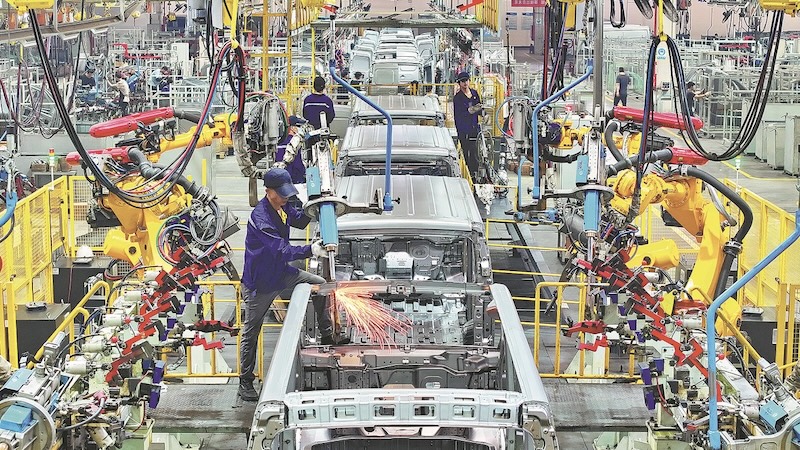
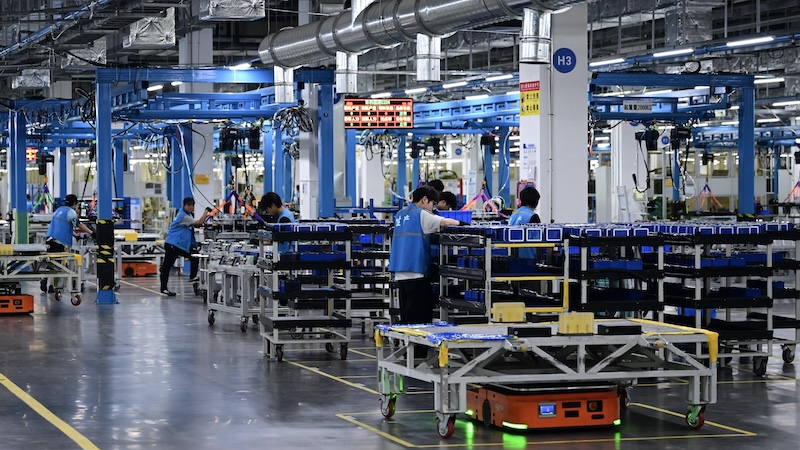
    The adoption of advanced manufacturing technologies such as automation, robotics, and additive manufacturing (3D printing) is enhancing production efficiency and product quality. These technologies enable manufacturers to produce complex and high-precision consumer goods with greater consistency and speed.

    5. Enhanced Quality Standards

    As competition intensifies, Chinese manufacturers are elevating their quality standards to meet global expectations. Investments in quality management systems, certifications, and continuous improvement initiatives are ensuring that Chinese consumer goods are reliable and meet stringent quality criteria.

    6. Omnichannel Supply Chains

    The integration of digital technologies into supply chain management is creating more flexible and responsive supply chains. Consumer goods procurement processes are becoming more streamlined through the use of advanced software solutions, real-time tracking, and data analytics, enabling businesses to respond swiftly to market changes.

    7. E-Commerce Integration

    With the rise of e-commerce, Chinese manufacturers are increasingly integrating online platforms into their business models. This integration facilitates direct-to-consumer sales, enabling businesses to reach a wider audience and provide faster delivery times.

    8. Health and Wellness Products

    The global emphasis on health and wellness is driving demand for consumer goods that promote a healthy lifestyle. Products such as fitness equipment, health monitoring devices, and organic personal care items are experiencing significant growth in the market of consumer goods made in China.

    9. Minimalist and Functional Design

    Consumers are favoring products with minimalist and functional designs that offer both aesthetic appeal and practical utility. Chinese manufacturers are adapting by focusing on design innovation, creating products that are both stylish and highly functional.

    10. Smart Packaging Solutions

    Packaging is becoming increasingly important, not just for protection but also for marketing and user experience. Smart packaging solutions, such as QR codes, augmented reality features, and eco-friendly materials, are enhancing the product experience and providing additional value to consumers.

    Cost Management for consumer goods made in China

    Effective procurement for consumer goods from China involves meticulous cost management to ensure profitability and competitiveness. Here are strategies to manage costs effectively:

    1. Understanding Cost Structures

    To manage costs effectively, it's essential to understand the various components that contribute to the overall cost of manufacturing.

    - Product Cost: The base cost of producing each unit, including materials, labor, and overhead.

    - Tooling and Setup Costs: Expenses related to creating molds, dies, or setting up production lines for your specific product.

    - Quality Control Costs: Costs associated with inspections, testing, and quality assurance measures.

    - Shipping and Logistics: Expenses related to transportation, customs duties, and handling charges.

    - Contingency Funds: Allocating funds for unexpected expenses or issues that may arise during production.

    By comprehensively understanding these cost components, businesses can budget effectively and make informed financial decisions.

    2. Negotiating Costs

    Effective negotiation can lead to significant cost savings without compromising on quality or reliability.

    - Bulk Discounts: Negotiate discounts for larger order quantities, leveraging economies of scale to reduce per-unit costs.

    - Flexible Payment Terms: Discuss payment terms that offer financial flexibility, such as extended payment deadlines or milestone-based payments.

    - Cost Transparency: Ensure that all costs are transparent and itemized in the quotes provided by manufacturers to avoid hidden charges.

    - Value-Added Services: Explore opportunities for manufacturers to offer value-added services, such as packaging or customization, at negotiated rates.

    Successful cost negotiation requires clear communication, thorough market research, and a strategic approach to pricing and value.

    3. Hidden Costs to Be Aware of

    When manufacturing in China, several hidden costs can impact your budget if not properly managed.

    - Quality Control Expenses: Costs related to third-party inspections, audits, or corrective actions for non-conforming products.

    - Tooling Maintenance: Ongoing maintenance and replacement costs for tools and equipment used in production.

    - Communication and Translation Services: Expenses related to translation services or hiring bilingual staff to facilitate effective communication with manufacturers.

    - Freight and Shipping Fees: Additional costs associated with shipping methods, including air or sea freight, can significantly affect overall expenses.

    - Customs Duties and Taxes: Import duties, taxes, and tariffs imposed by your country can add to the cost of goods.

    Being vigilant about these hidden costs and incorporating them into your budgeting process ensures that there are no surprises and that your financial planning remains accurate.

    Logistics and Shipping for Consumer Goods Made in China

    Efficient logistics and shipping management are essential for ensuring timely and cost-effective delivery of consumer goods made in China. Here are key considerations:

    1. Choosing Shipping Methods

    Selecting the appropriate shipping method depends on factors such as cost, speed, volume, and the nature of the products.

    - Sea Freight: Ideal for large, bulky shipments due to its cost-effectiveness, though it has longer transit times compared to other methods.

    - Air Freight: Suitable for smaller, high-value, or time-sensitive shipments, offering faster delivery but at a higher cost.

    - Express Shipping: Services like DHL, FedEx, or UPS are ideal for very small parcels and urgent deliveries, albeit at premium prices.

    - Rail Freight: An emerging option that offers a middle ground between sea and air freight in terms of cost and speed, particularly for shipments between China and Europe.

    Choosing the right shipping method involves balancing cost considerations with delivery timelines and product requirements.

    2. Working with Freight Forwarders

    Freight forwarders act as intermediaries, managing the logistics of transporting goods from China to your destination.

    - Customs Clearance: Freight forwarders handle the complexities of customs documentation, duties, and taxes, ensuring compliance with import regulations.

    - Consolidation Services: They can consolidate multiple shipments into a single container, reducing shipping costs for smaller orders.

    - Tracking and Monitoring: Freight forwarders provide tracking services, allowing you to monitor the status and location of your shipments in real-time.

    - Insurance Services: They offer insurance options to protect your goods against loss, damage, or theft during transit.

    Partnering with a reliable freight forwarder streamlines the shipping process, mitigates risks, and ensures timely delivery of your products.

    3. Managing Lead Times

    Understanding and managing lead times is crucial for maintaining a smooth supply chain and meeting market demand.

    - Production Lead Time: The duration required to manufacture your products, from order placement to completion.

    - Shipping Lead Time: The time taken to transport your goods from China to your destination, varying based on the shipping method chosen.

    - Customs Processing Time: The time required for customs clearance, which can be influenced by documentation accuracy and regulatory compliance.

    - Buffer Time: Incorporate buffer periods to account for potential delays, ensuring that your inventory levels remain sufficient to meet customer demand.

    Effective lead time management reduces the risk of stockouts, delays in fulfilling orders, and disruptions in your supply chain.

    4. Inventory Management

    Implementing effective inventory management practices ensures that you maintain optimal stock levels and avoid overstocking or stockouts.

    - Demand Forecasting: Using historical data and market insights to accurately predict future demand and inform inventory decisions.

    - Just-In-Time (JIT) Inventory: Aligning inventory orders with production schedules to minimize holding costs and reduce waste.

    - Safety Stock: Maintaining a buffer inventory to absorb fluctuations in demand and supply chain disruptions.

    - Inventory Tracking Systems: Implementing inventory management software to track stock levels, automate reorder processes, and provide real-time visibility into inventory status.

    Robust inventory management supports efficient supply chain operations, ensuring that your business can respond swiftly to market changes and customer needs.

    Case Studies

    Case Study 1: Electronics Startup Launching a Smart Device

    Background: A tech startup in Europe aimed to launch a new smart home device but lacked manufacturing expertise in China.

    Challenge: The startup needed to find a manufacturer that could handle the complexity of the device, ensure high-quality production, and support intellectual property protection.

    Solution:

    - Consultant Assistance: The startup hired a Chinese purchasing agent with experience in electronics to navigate the procurement process.

    - Manufacturer Selection: The consultant identified a manufacturer with a strong track record in smart devices and conducted due diligence to verify their capabilities.

    - IP Protection Measures: Contracts included stringent IP protection clauses, and the startup registered its patents in China.

    - Prototyping and Testing: The manufacturer produced prototypes, which were tested extensively to ensure functionality and reliability.

    - Mass Production: After successful testing, the manufacturer scaled up to mass production, with continuous quality monitoring in place.

    Outcome: The startup successfully launched its smart home device on schedule, with high product quality and consumer satisfaction. The strong partnership with the manufacturer facilitated future product expansions and innovations.

    Case Study 2: Home Appliances Company Expanding Product Line

    Background: A well-established home appliances company in Australia wanted to expand its product line by introducing new kitchen gadgets.

    Challenge: The company needed a manufacturer in China that could produce a variety of kitchen gadgets with consistent quality and innovative features.

    Solution:

    - Market Research: The company conducted market research to identify trends and consumer preferences in kitchen appliances.

    - Manufacturer Identification: Using online directories and recommendations, the company shortlisted several manufacturers specializing in kitchen gadgets.

    - Factory Visits: Representatives visited the shortlisted manufacturers in China to assess their facilities, production capabilities, and quality control measures.

    - Quality Assurance: The company implemented a comprehensive quality assurance plan, including regular inspections and third-party audits.

    - Logistics Coordination: Partnering with reliable freight forwarders ensured efficient shipping and timely delivery of products.

    Outcome: The company successfully launched its new product line, achieving high sales volumes and positive consumer feedback. The collaboration with a reliable manufacturer ensured product quality and facilitated smooth expansion.

    Case Study 3: Electronics Startup Launching a Smart Gadget

    Background: A tech startup in Europe aimed to launch a new smart gadget targeting health-conscious consumers. The startup required high-quality electronics with innovative features.

    Challenge: The startup needed to find a reliable manufacturer in China capable of producing sophisticated electronics with precise specifications and stringent quality standards.

    Solution:

    - Engaged China Manufacturing Consultant: The company hired a China sourcing agent to navigate the procurement process and identify suitable manufacturers.

    - Manufacturer Shortlisting and Vetting: The consultant provided a shortlist of manufacturers with expertise in smart electronics, conduct due diligence, and verify certifications.

    - Sample Testing and Prototyping: Samples were produced and tested extensively to ensure they met the startup’s quality and functionality requirements.

    - Contract Negotiation: Negotiated favorable pricing, production timelines, and IP protection clauses in the contracts.

    - Ongoing Quality Control: Implemented regular quality inspections and maintained continuous communication to address any issues promptly.

    Outcome: The startup successfully launched its smart gadget on schedule, achieving high product quality and market acceptance. The reliable partnership with the manufacturer facilitated smooth production and scalability for future product iterations.

    Case Study 4: Home Appliances Company Introducing Eco-Friendly Products

    Background: An established home appliances company in Australia aimed to introduce a line of eco-friendly kitchen gadgets to capitalize on the growing consumer demand for sustainable products.

    Challenge: The company required a manufacturer in China that could produce eco-friendly appliances using sustainable materials and environmentally responsible practices.

    Solution:

    - Sourcing Specialists: Engaged a China sourcing company with expertise in eco-friendly manufacturing to identify suitable manufacturers.

    - Supplier Evaluation: Assessed potential manufacturers based on their commitment to sustainability, use of eco-friendly materials, and adherence to environmental standards.

    - Product Development Collaboration: Collaborated with the manufacturer to develop prototypes using sustainable materials and innovative design features.

    - Quality Assurance and Testing: Implemented rigorous quality control measures to ensure that the products met both quality and sustainability standards.

    - Sustainable Logistics: Coordinated with eco-friendly logistics providers to minimize the environmental impact of shipping and distribution.

    Outcome: The home appliances company successfully launched its eco-friendly product line, receiving positive feedback from environmentally conscious consumers. The commitment to sustainability strengthened the brand’s reputation and opened new market opportunities.

    Conclusion

    Understanding how to get hot selling consumer goods manufactured in China opens up a world of opportunities for businesses seeking to leverage China's manufacturing strengths. From cost savings and quality improvements to extensive supplier networks and advanced technological capabilities, the advantages are substantial. However, successful consumer goods procurement requires a strategic approach, including thorough market research, careful manufacturer evaluation, effective communication, and robust quality control measures.

    As the global market continues to evolve, staying informed about emerging trends of hot selling goods, embracing technological advancements, and fostering strong relationships with manufacturers will be crucial for maintaining a competitive edge. By prioritizing quality, innovation, and ethical practices, businesses can maximize the benefits of manufacturing in China, delivering exceptional consumer goods made in China that meet the highest standards of quality and consumer satisfaction.

    Aaron Li
    Hey, this is Aaron Li, an expert in quality sourcing. Since 2012, I have helped 300+ startups to source from China and manage the quality. I'd like to share my experience and knowledge for frequently asked questions related to product sourcing and quality control.
    All Articles
    How to Choose the Right Molding Process for Your Product
    Getting Prototypes Made in China: What You Need to Know
    Behind the Scenes: What Goes On Inside China Factories
    Need a China Outsourcing Agent? Start With These Tips
    Leading China Quality Inspection Services Reviewed
    Verify China Suppliers: Step-by-Step Due Diligence
    Where to Buy Sunglasses in China and Save Money
    Is Direct Sourcing China Worth It for Small Businesses
    China Direct Procurement - Cut Middlemen, Boost Profit
    How China Hair Accessories Help Grow Your Beauty Store
    Yiwu Trade City - Your Shortcut to Profitable Sourcing
    How to Choose Steel Kitchen Accessories for Daily Use
    How to Choose Stainless Steel Utensils That Last Longer
    How to Spot Quality in a China Ceramic Vase Before Buying
    Ceramic Manufacturers in China - How to Cut Sourcing Risk
    How to Choose a China Pencil Box for Daily School Use
    How to Assure Quality in Production Process - Practical Steps
    Global Sourcing Supply Chain - Boost Efficiency Worldwide
    How to Buy Gadgets in China Without Getting Scammed
    How Top China Sourcing Companies Reduce Supplier Risk
    How to Import Consumer Products from China Profitably
    How to Identify Potential Suppliers in Global Markets
    Need a Reliable Sourcing Agent in China? Start Here
    How to Source Ecommerce Products in China Like a Pro
    Bulk Order from China: How to Avoid Supplier Scams
    How a Chinese Manufacturing Agent Improves Product Quality
    Buying Agents in China - Simplify Sourcing and Shipping
    How to Use Global Sourcing Standards for Better Quality
    Profitable Items to Import from China - Boost Margins
    Global Suppliers Management - Improve Risk Control
    How to Build a Global Procurement Sourcing Strategy
    7 Ways Third-Party Inspection in China Reduces Risk
    How to Choose a China Sourcing Agent You Can Trust
    Track Shipment from China to USA - Avoid Delivery Delays
    How to Spot Innovative Made-in-China Products Early
    How to Manage Supply Chain Operations for Better Margins
    How to Import Electronics Made in China Step by Step
    Alibaba Sourcing Agents - Cut Costs and Avoid Scams
    Sourcing Quality Control: How to Cut Defects Before Ship
    How to Source Products in China Without Costly Mistakes
    How to Buy Kitchen Products in China and Save More
    How to Buy China Products Direct for Your Online Store
    How to Negotiate with Chinese Suppliers Like a Pro
    How to Verify a Factory in China Before You Place Orders
    How to Find a Manufacturer in China for Your Product
    China Camping Tent - Save Money Without Losing Quality
    How to Compare Stationery Suppliers in China and Save More
    How to Find Trusted Kitchen Utensils Suppliers in China
    How to Buy China Wholesale Electronics at Better Prices
    Types of Sourcing Strategies - Improve Supply Performance
    How to Track a Shipment from China in Real Time Easily
    How Can I Find a Manufacturer for My Product Today
    Wholesale Sneakers from China - Cut Costs, Boost Sales
    How to Choose Cool Things to Buy in China for Gifts
    How Much Is Customs Duty from China to UK? Full Guide
    How to Order Custom-Made Products from Chinese Factories
    How to Choose the Right Sourcing Agent in Guangzhou
    How to Perform a Security Audit That Finds Threats
    What Does a Sourcing Company Do? Benefits & Services
    How to Set Up R&D Operations in China Successfully
    How to Conduct Global Sourcing in China Effectively
    How to Work with a Purchasing Agent in China Effectively
    How to Source Products from Shenzhen Wholesale Markets
    How to Choose the Right Regulatory Compliance Products
    Plastic Mold Making in China: What You Need to Know First
    Connect with China Suppliers: Step-by-Step Process
    Complete Guide to Starting Production in China Easily
    What Makes Chinese Products So Innovative? Expert Analysis
    How to Import from China to USA Without Costly Mistakes
    Why You Need a Local Agent in Shenzhen for Your Business
    How to Navigate Global Sourcing in China Successfully
    How to Get Your Products Tested and Certified in China
    Consumer Electronics in China: Trends, Brands & Opportunities
    How to Conduct Pre-Shipment Inspections in China Effectively
    China Inspection Company: Your Quality Control Partner
    How to Evaluate Supplier Quality for Better Results
    1688.com: Complete Guide to China's Wholesale Marketplace
    Famous Chinese Products You Use Every Day Without Knowing
    Rapid Prototyping Services: Transform Ideas Into Reality
    How to Verify Product Quality When Sourcing from China
    How to Manage Quality with Chinese Suppliers Effectively
    How Procurement Outsourcing Reduces Operating Costs
    Best Global Sourcing Company: 7 Must-Have Features
    How to Implement Factory Quality Control Systems Effectively
    What Happens During a China Compliance Audit? Full Breakdown
    Global Sourcing Advantages: Cut Costs & Boost Efficiency
    Order from China Direct: Save 40-70% on Your Purchases
    How to Build Relationships with Reliable China Suppliers
    How to Manage Orders in China: Best Practices & Tips
    How to Source Quality Electronics from China in 2026
    QC Inspection China: Avoid Costly Manufacturing Defects
    Product Development in China: How to Avoid Costly Mistakes
    Sourcing from China: 7 Steps to Reduce Costs & Risks
    How to Vet and Choose Verified Suppliers That Deliver
    How to Source Wholesale Products from China Successfully
    Consumer Products in China: Manufacturing & Import Guide
    How to Master Product Development from Idea to Launch
    Mastering Product Purchasing in China: A How-To Guide
    Quality Control 101: How to Prevent Costly Mistakes
    How to Find Quality Products Made in China: Ultimate Guide
    Read More
    References
    Our Features
    Custom Products
    Turn concept to reality
    Quick Response
    Within 24 hours
    Detail Oriented
    Strive for perfection
    Assured Quality
    100% Guarantee