How confident are you in a manufacturing supplier before your first purchase order is placed? That question sits at the center of smart sourcing decisions, because most costly problems start before production begins. A factory audit helps you verify whether a supplier can consistently meet your standards for quality, capacity, compliance, and communication.
This article focuses on how to audit manufacturing suppliers before ordering, and this opening section sets the foundation: choosing the right audit partner is not a side task, it is part of risk control. Whether you are building a new supplier base or validating an existing one, the right approach to factory audit suppliers can protect timelines, margins, and brand reputation.
A practical starting point is to treat a factory audit as a decision tool, not a checkbox. You are not only asking, "Is this factory real?" You are also asking deeper operational questions:
Can this supplier produce at the required volume without cutting corners?
Are management systems strong enough to prevent recurring defects?
Do process controls match your product risk level?
Can this team respond clearly when issues appear?
These questions are where a qualified factory audit company creates value. Strong providers do more than fill out templates. They translate on-site findings into procurement decisions you can act on, such as whether to proceed, proceed with conditions, or pause and re-source.
When comparing options, many buyers look for factory audit experts with direct manufacturing experience, local execution capability, and clear reporting standards. If your supply base includes a China factory, this becomes especially important because distance, language, and time-zone gaps can hide operational weaknesses until late in the buying cycle. A capable China factory audits service provider can close that visibility gap early.
To keep your selection process disciplined, use a brief factory audit comparison framework:
Scope fit: Does the provider audit the exact risks tied to your product category?
Auditor quality: Are auditors trained, sector-aware, and consistent in scoring?
Reporting clarity: Will findings map directly to sourcing decisions and corrective actions?
Speed and coverage: Can audits be scheduled where and when your buying calendar demands?
Commercial transparency: Are deliverables, limits, and follow-up support clearly defined?
As the article progresses, you will see how to define audit scope, evaluate supplier evidence, interpret red flags, and decide what to do before committing an order. You will also learn how to align audit outcomes with your procurement workflow so factory audits support faster, safer supplier approvals instead of slowing the business down.
After identifying what factory audit suppliers do, the practical question is why this step matters before you place any order. In procurement terms, a pre-order audit protects margin, timelines, and brand reputation by replacing assumptions with verified operating facts.
A supplier may provide strong samples but still struggle to maintain stable output at production scale. A factory audit helps you verify whether process controls, operator training, equipment maintenance, and in-line inspection routines are strong enough to deliver consistent units batch after batch. This is where many buying teams see the difference between an acceptable first shipment and a reliable long-term supply relationship.
For buyers comparing options, a structured factory audit comparison can reveal practical gaps that quotations do not show, such as weak corrective-action workflows or poor traceability records. Working with factory audit experts also helps you interpret findings in commercial terms, including likely defect exposure, rework risk, and delivery instability. The result is a clearer decision on whether to approve, conditionally approve, or reject a supplier before money is committed.
Compliance is not only a legal topic; it is an operational readiness signal. Before ordering, an audit can confirm whether the factory’s documentation, material controls, labeling practices, and testing routines match your product and destination-market requirements. This is especially important when your goods must meet safety, environmental, or import standards that can trigger holds, returns, or disposal if mismanaged.
A qualified factory audit company can map audit checkpoints to your product category so your team is not reviewing generic paperwork that misses critical obligations. Instead of assuming a supplier is compliant because it passed a past customer review, you establish evidence tied to your current order scope. That approach reduces late-stage surprises and supports smoother customs clearance and customer acceptance once shipments arrive.
Pre-order auditing is also a risk screen for continuity and resilience. It helps you assess whether a supplier can absorb disruptions, maintain material flow, and protect production quality under pressure. During a factory audit, procurement teams typically review capacity planning, subcontracting controls, incoming material verification, and escalation procedures for nonconforming output.
From a business perspective, this reduces exposure to expensive outcomes: missed launch windows, emergency air freight, high return rates, and account-level customer friction. It also strengthens negotiation leverage because you can tie payment terms, quality gates, and production milestones to validated capabilities rather than sales promises. In short, auditing before ordering turns supplier selection into a controlled decision process, which is exactly what an effective supplier audit strategy is designed to achieve.
Strong quality controls and compliance checks are essential, but they only become reliable when you choose the right audit type for each supplier risk. In practical terms, a good factory audit plan combines social, system, and technical reviews so you can verify how a factory actually operates before you place orders.
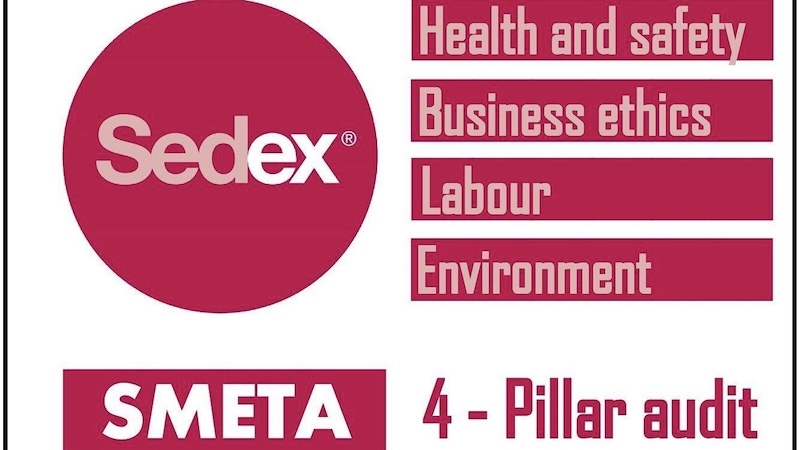
A social compliance audit checks whether a factory’s labor practices and workplace conditions match your standards and legal expectations. For buyers, this is not only an ethics issue. It affects delivery reliability, reputational exposure, and long-term supplier stability. When worker management is weak, operational disruptions are more likely.
During supplier verification, focus on evidence, not declarations. Review payroll and attendance records, hiring practices, working hours controls, health and safety routines, and grievance channels. Interview workers privately where possible to validate what documents suggest. If findings are mixed, request a corrective action plan with owners, deadlines, and proof requirements before moving forward.
If you are comparing providers, ask whether the factory audit company uses standardized checklists, local-language auditors, and clear severity grading. That makes a factory audit comparison more meaningful and reduces subjective scoring.
A quality management system audit evaluates whether the factory can produce consistent output over time, not just pass a one-time inspection. This audit maps how quality is built into processes: incoming material controls, in-process checks, final inspection rules, nonconformance handling, and document control.
For pre-order decisions, pay close attention to process discipline. A factory may show acceptable samples while still lacking robust change control, root-cause analysis, or traceability. Those gaps often lead to repeat defects during scaled production. Ask for recent corrective action records and confirm that actions are closed with objective evidence.
Many factory audit experts also test practical execution by walking the line and checking whether operators follow written procedures. That step reveals whether the quality system is truly operational or only documented for audits.
Technical and capability assessments verify whether a supplier can meet your exact product, volume, and timeline requirements. This includes machinery suitability, tooling condition, process capability, engineering support, maintenance routines, and production planning maturity.
For buyer-side risk control, match capability checks to your product’s critical characteristics. If tolerances are tight, confirm measurement systems and calibration controls. If output demand is high, validate real capacity with shift structure, bottleneck analysis, and contingency plans. A capable factory should show how it handles peak loads without sacrificing quality.
When working with a China factory audits & evaluation service provider, request a scope that links technical findings to commercial impact, such as likely delay points, rework risk, and onboarding effort. A concise report from a qualified factory audit company helps you decide whether to approve, conditionally approve, or reject a supplier before contracts are finalized.
After identifying the right audit type, execution quality determines whether your findings are actionable before you place an order. A comprehensive factory audit turns social, quality, and technical checkpoints into a decision framework you can use to approve, delay, or reject a supplier with confidence.
Strong preparation prevents rushed judgments on audit day. Start by defining scope: product families, production lines, quality risk level, and shipment timeline. Then request documents in advance, including business licenses, process flow charts, quality manuals, incoming material controls, calibration logs, and recent corrective action records.
Review these files for consistency before travel. If procedures look polished but records are incomplete, flag that gap for on-site validation. Build a checklist tied to your purchase requirements, not a generic template. If you are comparing options in a factory audit comparison, evaluate how each factory audit company structures pre-audit review and escalates red flags before the visit.
On-site work should verify whether daily operations match documented systems. Begin with an opening meeting to confirm scope, access, and key contacts. Then inspect critical areas: raw material receiving, in-process controls, final inspection, equipment maintenance, worker training records, and traceability from batch to shipment.
Use sampling across shifts and lines, not just one demonstration area. Interview supervisors and operators separately to confirm process understanding. Observe housekeeping, line discipline, rework handling, and nonconforming product segregation, since these often reveal real control maturity. Experienced factory audit experts also check capacity realism by comparing machine count, takt rhythm, and production planning against promised lead times. Capture clear evidence through notes, photos where permitted, and objective observations tied to your checklist.
A useful report should drive procurement decisions, not sit in a folder. Structure findings by severity: critical, major, and minor nonconformities, plus improvement opportunities. For each issue, document evidence, business impact, and the required corrective action with owner and due date.
Request a corrective action plan that includes root-cause analysis, containment, permanent fix, and verification method. Set re-audit or desktop follow-up milestones before issuing large purchase orders. If you work with a China factory audits & evaluation service provider, confirm how they score closure quality and when they recommend conditional approval. This disciplined closeout process makes your factory audit a practical risk-control tool for sourcing decisions.
After you complete document review, on-site checks, and corrective action tracking, one practical decision remains: who should run your ongoing factory audit work. The right model affects audit quality, supplier accountability, and how quickly you can approve or reject a factory before placing purchase orders.
An internal team gives you direct control, but a qualified factory audit company can add speed and objectivity when your sourcing footprint expands. Professional factory audit experts usually bring standardized checklists, trained local inspectors, and clearer risk grading across multiple suppliers. That consistency makes supplier decisions easier, especially when your buyers compare factories in different regions or product categories.
Third-party auditors also reduce internal bottlenecks. Instead of waiting for limited staff travel windows, you can schedule visits faster and verify claims before production starts. For importers managing a China factory pipeline, using a China factory audits & evaluation service provider can help confirm legal registration, production capability, and quality system maturity with less internal coordination. The strongest partners deliver practical findings, not just pass or fail labels.
Cost should be evaluated against risk exposure, not only day rates. In-house audits often look cheaper on paper, but total cost includes staff time, training, travel, reporting systems, and re-audit follow-up. External services typically use one of three pricing approaches:
Per-audit fixed fee: Simple for occasional checks and straightforward budget planning.
Day-rate pricing: Useful when scope varies by product complexity or factory size.
Retainer or volume package: Better for ongoing sourcing programs with frequent factory audits.
For a practical factory audit comparison, ask for a like-for-like scope before comparing quotes. Confirm what is included: pre-audit document review, on-site inspection hours, report turnaround, corrective action verification, and translator support if needed. The lowest quote can become expensive if key risk checks are excluded and issues appear after orders are placed.
Whether you audit in-house or outsource, software can tighten control and improve decision speed. The best tools centralize audit templates, supplier records, findings, photos, and corrective action deadlines in one workflow. This makes it easier for procurement, quality, and compliance teams to review the same evidence before approving a new supplier.
When evaluating platforms, focus on operational fit:
Customizable checklists by product and risk level.
Mobile data capture for on-site inspectors.
Corrective action tracking with clear owner and due date fields.
Dashboard views for multi-supplier factory audit comparison.
Exportable reports for internal approvals and supplier discussions.
A practical approach is hybrid: keep strategy and final approval in-house, then use trusted external auditors plus software for execution visibility. That model supports faster supplier qualification while keeping business control where it matters most: order decisions.

After comparing in-house and third-party options, pricing models, and software workflows, the practical question becomes how to source audit support that improves supplier performance over time. In pre-order due diligence, the strongest results come from treating each factory audit as part of an ongoing supplier management system, not a one-time gate.
For buyers auditing manufacturing suppliers before placing orders, relationship quality is a risk-control tool. A regular audit cadence helps both sides reduce surprises in quality, capacity, and compliance. It also gives your team a clearer basis for sourcing decisions than ad hoc checks done only when a problem appears.
A useful starting point is to segment suppliers by business impact and risk, then match audit frequency to that profile. High-volume or technically complex suppliers may need more frequent on-site reviews, while low-risk suppliers can follow a lighter schedule with targeted follow-ups. This creates a repeatable process for factory audit supplier sourcing and avoids over-auditing low-priority partners.
To keep audits relationship-focused rather than punitive, align expectations early. Share the audit scope, scoring logic, and corrective-action timeline before each visit. When suppliers understand how results connect to future orders, they are more likely to cooperate and invest in improvements. This is where experienced factory audit experts add value: they translate your quality and operational priorities into clear, consistent criteria that suppliers can act on.
Use these practices to make regular audits productive:
Set a multi-cycle audit plan. Define quarterly, semiannual, or annual checkpoints by supplier tier so audits track trends, not isolated snapshots.
Track corrective actions to closure. Assign owners, due dates, and verification methods for each finding, then confirm implementation during follow-up audits.
Combine scorecards with dialogue. Keep objective scoring, but include review meetings to discuss root causes, lead-time pressure, and capability upgrades.
Run a structured factory audit comparison. Compare audit results across suppliers using the same framework to support sourcing allocation and contingency planning.
Escalate with transparency. If performance stalls, document escalation steps, commercial impact, and recovery requirements before reducing order share.
For teams working with a China factory or similar offshore setup, consistency matters even more because distance can hide early warning signals. A reliable China factory audits and evaluation service provider can standardize audit execution across locations and help maintain continuity when your internal team cannot be on-site frequently. The key is to keep ownership internal: external auditors gather evidence, but your sourcing and quality teams decide risk tolerance and order strategy.
In business terms, long-term audit relationships protect margin and delivery reliability. They help you place first orders with stronger confidence, then scale with suppliers that prove they can improve under a disciplined review cycle. A capable factory audit company should therefore be selected not only for inspection skill, but for its ability to support a consistent, long-horizon supplier development model.
Regular audits help preserve supplier trust over time, but the practical value comes from making consistent decisions before each order. These takeaways condense the core choices in a factory audit process so you can evaluate risk clearly and act with confidence.
Define your audit scope before outreach. Clarify product requirements, critical quality checkpoints, process controls, documentation standards, and corrective-action expectations. A clear scope keeps your factory audit focused on decision-relevant evidence instead of broad, low-value observations.
Use a structured factory audit comparison. Compare candidate suppliers against the same checklist, scoring logic, and pass/fail thresholds. Consistency across sites reduces bias, makes internal reviews faster, and helps procurement, quality, and operations align on the same approval criteria.
Choose the right execution model for your team. Decide whether internal staff, a factory audit company, or a hybrid approach best fits your capacity and technical depth. The right model is the one that preserves audit quality, turnaround speed, and accountability for follow-up actions.
Validate findings with evidence, not summaries. Base decisions on observable process controls, records, and corrective-action closure, rather than sales claims or polished reports. This keeps supplier approval tied to operational reality and limits avoidable surprises after production starts.
Prioritize follow-through and re-audit discipline. Treat findings as inputs to a living supplier-risk profile, not a one-time gate. Factory audit experts are most effective when their observations trigger clear ownership, deadlines, and rechecks that confirm sustained performance.
Taken together, these points keep your pre-order audit workflow practical: define scope, compare consistently, execute with the right resources, verify evidence, and enforce closure.
Q1: What is a factory audit supplier and why do I need one?
A factory audit supplier refers to a manufacturing partner that has undergone a comprehensive evaluation of their facilities, processes, quality systems, and compliance standards before you place orders. You need this because it reduces supply chain risks by verifying the supplier's actual production capabilities, quality control measures, and ethical practices. Without an audit, you risk delays, quality failures, non-compliance issues, and damage to your brand reputation. A thorough factory audit helps you make informed sourcing decisions based on verified data rather than marketing claims or assumptions.
Q2: When should I conduct a factory audit on a potential supplier?
You should conduct a factory audit before placing your first significant purchase order, ideally after initial communication but before finalizing contracts or making financial commitments. This timing allows you to validate supplier claims while you still have negotiating leverage. For existing suppliers, conduct audits annually or when introducing new product lines, expanding production volumes, or when quality issues arise. If you're switching from one supplier to another, always audit the new facility before transitioning production to avoid costly surprises.
Q3: What are the main types of factory audits for suppliers?
The main types include quality audits (assessing quality management systems and production processes), compliance audits (verifying adherence to legal, safety, and ethical standards like labor practices), capacity audits (evaluating production capability and scalability), and pre-shipment inspections (checking finished goods before delivery). Many businesses start with a comprehensive initial audit covering quality, compliance, and capacity, then follow up with specific audits based on their priorities. Social compliance audits are particularly important if you're concerned about labor conditions, environmental impact, or meeting corporate responsibility requirements.
Q4: How much does a factory audit cost and how long does it take?
Factory audit costs typically range from $300 to $1,500 per day depending on the audit scope, location, and whether you hire third-party auditors or conduct it internally. A basic audit usually takes 1-2 days on-site, while comprehensive audits covering quality, compliance, and capacity may require 3-5 days. Travel expenses, translator fees, and detailed reporting add to the total cost. While this may seem expensive upfront, it's a small investment compared to the potential losses from defective products, production delays, or compliance violations that could cost thousands or even millions in recalls and reputation damage.
A strong supplier audit process is less about checking boxes and more about reducing avoidable risk before money, timelines, and reputation are on the line.
If you are evaluating suppliers before ordering, treat your factory audit as a practical gate, not a formality. Define what must be true for you to proceed, what issues are acceptable with a corrective action plan, and what findings are deal-breakers. This keeps decisions consistent across suppliers and prevents last-minute judgment calls under deadline pressure.
To make your final choice clearer, compare options side by side using the same criteria. A simple factory audit comparison should include production capability, quality controls, documentation discipline, management responsiveness, and corrective action speed. When those factors are reviewed in one structure, it becomes easier to separate a polished sales presentation from a genuinely reliable operation.
Use this short action checklist before you place any order:
Finalize your pass, conditional pass, and fail criteria in writing before the audit begins.
Confirm scope, product specs, sampling approach, and reporting format with your auditor.
Review findings with your internal team and map each gap to business impact.
Require corrective actions with owners and due dates for any non-critical issues.
Approve production only after critical findings are resolved and verified.
If internal bandwidth is limited, working with a qualified factory audit company can improve consistency and speed, especially when supplier locations vary. The value is highest when factory audit experts follow your standards, document evidence clearly, and provide findings you can act on immediately.
In the end, the goal is straightforward: choose suppliers that can repeatedly meet your requirements, not just pass one visit. Take your current shortlist, schedule the audit workflow now, and set a firm decision date tied to verified results. That single discipline will improve supplier selection quality and reduce costly surprises after ordering.
 English