



What separates a profitable electronics order from an expensive mistake in 2026: price, speed, or the quality controls behind the quote? For most buyers, the real answer is process. China remains the center of global electronics manufacturing, but sourcing success now depends less on finding any factory and more on building a repeatable system for selecting, testing, and scaling the right production partner.
This matters because the market is broader and more specialized than many first-time importers expect. A single product category can involve design houses, component traders, assembly plants, and packaging vendors across different cities and tiers. In practice, many teams start with electronics in Shenzhen because the ecosystem is dense, fast-moving, and connected to nearby manufacturing clusters. That density creates opportunity, but it also increases noise: thousands of options, uneven quality standards, and major differences in communication quality and lead-time reliability.
For buyers evaluating Shenzhen electronics markets and other regional hubs, the core challenge is not just identifying suppliers. It is qualifying capabilities against your exact requirements for electronic products, including:
Target specifications and acceptable tolerances
Component authenticity and substitution rules
Pilot run quality thresholds before mass production
Packaging, labeling, and compliance readiness for your destination market
Ongoing production monitoring and corrective-action speed
Seen through a business lens, this article focuses on risk-adjusted sourcing rather than lowest-unit pricing. A cheaper quote on electronic items can quickly lose value if defect rates rise, replacements stall cash flow, or communication delays push back launch timelines. By contrast, a disciplined sourcing workflow protects margin, brand reputation, and inventory planning.
That is why the 2026 sourcing conversation should start with structure. Whether you manage procurement in-house or work with a product sourcing company, the same fundamentals apply: clear technical documentation, factory verification, sample validation, process audits, and defined quality checkpoints before final payment. If you use support for China product sourcing, the goal should be transparency and accountability, not handing off decisions blindly.
In the sections that follow, we will break down how to source quality electronics from China step by step: how to shortlist factories, evaluate samples, control production quality, and reduce avoidable risk while maintaining commercial flexibility. The objective is practical: help you make better sourcing decisions for China product programs in 2026, especially when speed and quality must be balanced at the same time.
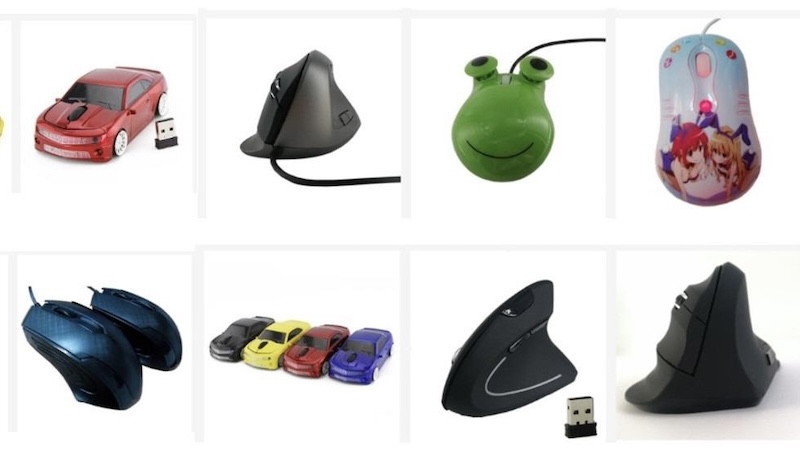
As the 2026 sourcing landscape becomes more competitive, buyers need more than a product list and a low quote. Understanding how China’s electronics ecosystem is organized helps you choose better factories, reduce rework, and protect delivery timelines.
Shenzhen remains the fastest place to turn an idea into a finished device because design, components, tooling, and assembly are concentrated in one metro area. For buyers sourcing electronics in Shenzhen, this density shortens communication loops and speeds sample revisions. It also makes side-by-side factory comparison practical during one trip.
In business terms, Shenzhen electronics is valuable when speed and iteration matter, such as wearables, smart home accessories, chargers, audio gear, and other high-turnover electronic items. You can often move from prototype to pilot production with fewer handoffs than in fragmented supply chains. The key is to map capabilities early: who handles PCB assembly, who performs final testing, and who owns packaging execution.
Shenzhen is central, but strong sourcing decisions usually involve multiple regions. Different manufacturing clusters have built expertise in specific categories, process depth, and cost structures. Knowing where each region is strongest helps buyers align product complexity with the right production base.
Pearl River Delta (including Shenzhen and Dongguan): consumer electronics, PCBA, accessories, fast prototyping, and integrated assembly.
Yangtze River Delta (including Suzhou and Ningbo): precision components, industrial electronics, and mature export operations.
Fujian and nearby coastal zones: certain power products, small appliances, and value-focused assembly lines.
Inland hubs (selected cities): labor-intensive sub-assembly and cost-sensitive production support for larger orders.
For procurement teams, this regional view reduces mismatch risk. Instead of requesting identical quotes everywhere, you can target factories by specialization, then compare lead time, quality systems, and engineering responsiveness on equal terms.
China offers a broad range of electronic products, from simple accessories to feature-rich connected devices. Typical categories include charging solutions, audio devices, mobile peripherals, smart home modules, personal care electronics, and selected commercial gadgets. Many buyers also bundle related China consumer products in one shipment to improve logistics efficiency.
When evaluating electronic products from China, segment them by technical risk:
Low complexity: cables, adapters, basic accessories.
Medium complexity: Bluetooth audio, power banks, small smart devices.
High complexity: IoT systems, multi-board products, tightly regulated categories.
This framework keeps sourcing focused on quality outcomes. It also supports cleaner factory shortlists for consumer-focused lines, such as those commonly grouped under consumer electronics programs, where consistent QC and repeatability matter more than one-time unit cost savings.
After mapping where different capabilities cluster, the practical challenge is choosing partners you can trust to deliver consistent quality. For buyers sourcing electronic products in 2026, reliability comes from disciplined vetting rather than attractive catalogs, especially in fast-moving segments like electronics in Shenzhen.
A factory audit is your reality check between sales claims and production truth. When you review potential suppliers for Shenzhen electronics or other manufacturing regions, focus on whether they can repeatedly build your electronic items to specification, not just produce a perfect pilot sample.
Prioritize these audit checkpoints:
Business legitimacy and scope: Verify the legal entity, operating address, export history, and whether the company is a true manufacturer or a trading intermediary. This affects control, lead time, and accountability.
Quality management discipline: Review incoming inspection, in-process controls, final testing, and defect handling. Ask how nonconforming units are isolated and corrected before shipment.
Production capability match: Confirm line equipment, engineering support, tooling ownership terms, and realistic monthly capacity for your SKU mix.
Supply chain resilience: Check how key components are sourced, dual-sourcing readiness, and inventory practices for high-risk parts.
Compliance and documentation readiness: Ensure they can support test reports, labeling, packaging specs, and traceability records required by your target market.
Use a standardized audit scorecard and set minimum pass criteria before RFQ awards. For business buyers managing China consumer products and consumer electronics portfolios, this reduces expensive surprises such as late design changes, unstable yields, and rework-heavy shipments.
B2B platforms and trade shows are strongest when treated as lead-generation channels, not decision engines. They help you build a long list quickly, compare similar electronic products from China, and identify which factories deserve deeper due diligence.
On B2B platforms, shortlist suppliers using structured filters: product specialization, years in operation, response quality, and evidence of custom manufacturing experience. Then pressure-test credibility through technical Q&A, sample evaluation, and document consistency across listings, quotations, and quality files.
Trade shows add context you cannot get from a profile page. Face-to-face meetings reveal how clearly teams discuss tolerances, materials, firmware updates, and post-shipment support. You can also compare multiple factories offering similar electronic products within one day, which sharpens cost and capability benchmarking without relying on unsupported promises.
A practical workflow is simple: discover on platforms, validate at shows, then confirm through on-site audits and pilot orders. That sequence keeps sourcing decisions grounded in execution quality, which is the core requirement for scaling dependable consumer products in 2026.
Factory audits and trade show conversations help you shortlist capable partners, but they do not guarantee consistent output on your actual order. To source dependable electronic products in 2026, you need a verification system that starts before mass production and continues through shipment.
Pre-production sampling is your first real quality gate because it converts promises into measurable standards. Ask for a golden sample, a packaging sample, and a final approved specification sheet covering materials, component brands, firmware version, labeling, and carton requirements. For electronics in Shenzhen, this step is especially important because fast iteration can introduce silent component substitutions if documentation is vague. Keep approvals in writing, with photos, tolerances, and pass/fail criteria. If you are sourcing electronic items with custom features, align sample validation with your product development and sourcing timeline so engineering, procurement, and compliance checks happen before tooling locks in.
Independent inspections reduce blind spots when you cannot be on-site every day. Use pre-production inspections to confirm incoming materials, during-production checks to catch assembly drift, and pre-shipment inspections to validate finished goods against your approved sample and AQL plan. For Shenzhen electronics projects with tight launch windows, a mid-production inspection often prevents expensive rework by identifying issues early, such as soldering defects, cosmetic inconsistencies, or accessory count errors. Share a clear checklist with the inspection firm, including critical defects that trigger hold or rework. This gives your team objective decision points instead of relying on informal factory updates.
Verification is incomplete if compliance is treated as a final paperwork task. Define required certifications at the RFQ stage, then confirm test scope before production starts, especially for power, battery, wireless, or charging-related electronic products. Match lab testing to the destination market requirements and keep technical files organized: test reports, BOM declarations, user manuals, labels, and traceability records. If your design is still evolving, coordinate with a product development company to avoid late-stage failures caused by enclosure changes, adapter swaps, or firmware updates. In practical terms, compliant Shenzhen electronics with complete documentation clear customs faster, reduce return risk, and protect your brand after launch.
A strong QC framework combines approved samples, independent inspections, and planned compliance testing into one operating rhythm. That discipline turns sourcing product decisions into repeatable results, not one-off wins.
After you lock in sample approval, inspections, and compliance, the commercial side becomes the deciding factor in whether a sourcing plan is truly sustainable. Strong quality systems protect your product, but pricing and payment structure protect your margin, cash flow, and launch timeline.
When buying electronic products from China, treat price as a layered structure rather than a single quote. A low unit price can hide expensive trade-offs in tooling, component grades, packaging, yield loss, or after-sales support. This is especially relevant when comparing factories making electronics in Shenzhen versus inland production hubs, where labor, lead time, and engineering support profiles can differ.
For Shenzhen electronics sourcing in 2026, most quotes can be broken into five practical cost blocks:
Core manufacturing cost This includes components, PCB assembly, labor, testing, and standard packaging. Ask whether the bill of materials is based on named components or "equivalent" substitutes. If alternates are allowed without approval, your quote risk rises.
Non-recurring engineering and tooling Mold fees, test fixtures, firmware adaptation, and certification support are often separated from unit price. Clarify ownership of tooling, maintenance responsibility, and what happens if you move production later.
Order-volume pricing tiers Many factories quote at MOQ, 5,000 units, and 10,000 units. Verify whether the lower tier assumes stable forecasts or annual purchase commitments. A tiered quote is only useful if your demand plan can realistically hit the breakpoints.
Commercial terms and risk premium Payment terms change pricing. A supplier may offer a lower unit cost for larger deposits or faster payment. Compare total landed economics, not just factory price.
Logistics and landed cost variables Incoterms, carton design, battery handling, and destination requirements influence final cost materially. For electronic items with batteries, freight classification can alter both transit options and budget.
To optimize cost without weakening quality, negotiate around structure, not only headline price. You can request value engineering options, staged packaging upgrades, or dual-component paths that preserve performance while reducing volatility. For many brands, this is where product development and sourcing work together: design decisions made early often reduce procurement risk later.
Payment terms should support both trust and control. A common framework is deposit plus balance before shipment, but you can improve risk balance with milestones tied to clear deliverables, such as pilot pass, inspection release, and shipping documents. Keep terms simple, enforceable, and linked to measurable outputs.
If your internal team is lean, partnering with a product development company can help you model should-cost ranges, challenge weak assumptions in supplier quotes, and align engineering changes with sourcing economics. That integrated approach keeps the program focused on reliable quality and predictable margin instead of short-term price wins that create long-term cost surprises.
Strong pricing only creates value when your goods arrive on time, pass customs cleanly, and reach customers in sellable condition. For buyers sourcing electronic products from China in 2026, logistics planning should be treated as part of quality control, not just a post-purchase task.
When buying electronics in Shenzhen, match shipping mode to product lifecycle, margin, and risk tolerance. Air freight is faster and helps protect launch dates for high-value or time-sensitive Shenzhen electronics, but costs more per kilogram. Ocean freight lowers unit shipping cost for larger volumes of electronic items, though lead times are longer and more exposed to port congestion and schedule changes. Express courier works well for samples, pilot runs, and urgent replenishment.
Build a realistic lead-time model that includes production completion, export handling, transit, destination unloading, and final-mile delivery. During product development and sourcing, request carton dimensions, battery declarations, and packing specs early, because these details directly affect carrier options and routing.
Customs mistakes can erase savings from good factory pricing. Start by confirming correct HS classification, declared value approach, and product documentation before cargo departs. For many electronic products, this includes commercial invoice accuracy, packing list consistency, and supporting compliance files relevant to your target market. If your shipment includes batteries, wireless modules, or adapters, verify that labeling and paperwork align across supplier, freight forwarder, and broker.
Plan landed cost, not only ex-factory cost. Your true cost per unit combines freight, insurance, duties, brokerage fees, inspections, and possible storage or exam charges. A disciplined import checklist is especially useful when scaling Shenzhen electronics programs across multiple SKUs, because one documentation error can delay an entire consolidated shipment.
Inventory strategy should balance availability with cash flow pressure. For fast-moving electronic items, keep safety stock based on supplier lead-time variability and sales volatility, not a fixed guess. For slower SKUs, smaller and more frequent replenishment may reduce holding risk, especially when specs change quickly.
Use a simple operating rhythm:
Segment SKUs by demand stability and margin.
Set reorder points using confirmed transit and customs buffers.
Align packaging, labeling, and carton configuration with your fulfillment channel.
Track inbound milestones weekly and flag exceptions early.
If your roadmap includes new product development, coordinate logistics requirements with your product development company from the design phase. Early decisions on materials, battery type, and packaging can prevent expensive freight rework later, while supporting reliable delivery performance as order volume grows.
With shipping methods selected, customs planning in place, and inventory workflows defined, the final step is to keep decisions connected. The strongest sourcing outcomes for electronic products come from treating cost, quality, compliance, and fulfillment as one operating system rather than separate tasks.
Define quality before price negotiation. For electronics in Shenzhen, lock product specs, test criteria, and acceptable defect thresholds first. Pricing discussions are only useful after technical and quality expectations are explicit, because unclear requirements often create hidden cost through rework, returns, or delayed launches.
Compare total landed cost, not unit price alone. For electronic items, evaluate tooling, packaging, testing, shipping mode, duties, and inventory carrying impact together. A lower ex-factory quote can become a higher total cost if lead time risk or post-arrival handling creates operational friction.
Build supplier communication into repeatable checkpoints. Across Shenzhen electronics sourcing, use structured milestones for sample approval, pre-production confirmation, in-process checks, and pre-shipment validation. Consistent documentation reduces ambiguity and protects timelines when teams, factories, or priorities change.
Align payment terms with risk stages. Tie deposits, progress payments, and final settlement to verified production and inspection events. This approach keeps incentives balanced, improves execution discipline, and helps protect working capital while maintaining practical momentum with qualified manufacturing partners.
Match fulfillment strategy to demand reality. Select shipping cadence and inventory buffers based on sales volatility, replenishment speed, and service-level goals. Reliable delivery performance comes from synchronization between factory output, transit planning, and downstream stock management rather than from any single logistics decision.
Taken together, these points provide a practical framework for sourcing quality electronics from China in 2026 with fewer surprises and stronger control over margin, timelines, and customer experience.
Q1: What are the main advantages of sourcing electronics from China in 2026?
China offers several key advantages for electronics sourcing: access to the world's most comprehensive supply chain ecosystem, competitive pricing due to economies of scale, and rapid prototyping capabilities especially in manufacturing hubs like Shenzhen. The infrastructure supports everything from component sourcing to final assembly under one roof. Additionally, Chinese manufacturers have evolved to offer flexible MOQs (minimum order quantities), advanced quality control systems, and expertise across various electronics categories. The concentration of specialized factories means you can find suppliers for nearly any electronic product specification, with shorter lead times compared to other regions.
Q2: How can I verify the quality of electronics manufacturers in China?
Quality verification requires a multi-step approach. Start by requesting certifications like ISO 9001, RoHS, CE, or FCC depending on your target market. Conduct factory audits either in-person or through third-party inspection services to assess production capabilities and quality control processes. Request samples before placing bulk orders and test them thoroughly. Check supplier credentials on platforms like Alibaba, including transaction history and verified reviews. Implement pre-shipment inspections through independent quality control firms. Additionally, start with smaller pilot orders to evaluate consistency before scaling up production volumes.
Q3: What is the typical lead time for electronics orders from China?
Lead times vary significantly based on product complexity and order volume. For existing products, sample orders typically take 7-14 days, while bulk production ranges from 15-45 days after sample approval. Custom electronics with new tooling or molds may require 45-90 days for initial production. Component availability greatly impacts timelines—standard parts ship faster than specialized components. Shipping adds another 3-7 days for air freight or 25-35 days for sea freight. To ensure realistic timelines, discuss production schedules upfront, account for Chinese holidays (especially Chinese New Year), and build buffer time for quality inspections and potential revisions.
Q4: What are the common payment terms when sourcing electronics from China?
Standard payment terms typically involve a 30% deposit upfront with the remaining 70% due before shipment, though this varies by supplier relationship and order size. New suppliers often require higher deposits (30-50%), while established partnerships may offer NET 30 or NET 60 terms. Payment methods include wire transfer (T/T), which is most common, letters of credit (L/C) for larger orders, and platform-protected payments through Alibaba Trade Assurance or similar services. For new supplier relationships, consider using escrow services or payment platforms that offer buyer protection. Always clarify payment terms, currency, and any associated fees before finalizing agreements.
With those details in place, the decision now comes down to execution: turning research into a structured sourcing plan that reduces risk and improves product quality.
If your goal is to source reliable electronic products in 2026, treat electronics in Shenzhen as a high-opportunity market that still requires discipline. Shenzhen electronics can offer speed, variety, and competitive pricing, but outcomes depend on how well you define product requirements, verify quality standards, and set clear communication rules before production starts.
Use this final checklist to move forward with confidence:
Lock your product brief before outreach. Define required functions, materials, tolerances, packaging, and compliance needs for each SKU. Clear specs reduce misunderstandings and help you compare quotes for electronic items on equal terms.
Run a staged validation process. Start with shortlists, then request samples, then test performance and consistency under real use conditions. A structured sample review is often the fastest way to separate strong factories from risky options.
Confirm quality control at every milestone. Align on incoming materials checks, in-process inspections, and final pre-shipment checks. Written acceptance criteria protect both sides and make rework decisions more objective.
Build commercial clarity into the deal. Agree on lead times, payment terms, defect handling, and packaging expectations before placing volume orders. Precise terms reduce delays and costly disputes later.
Start small, then scale intentionally. Place a controlled first order, review defect rates and communication quality, and only then expand order volume. This approach keeps learning costs manageable while building a stronger long-term supply base.
In short, sourcing electronic items successfully is less about finding the cheapest listing and more about creating a repeatable process. When you combine strong product definitions with disciplined validation and quality control, electronics in Shenzhen can become a reliable channel for growth rather than a recurring operational risk.
Your concrete next step: draft a one-page sourcing brief today for your top priority product and use it as the baseline for all supplier conversations this week.
 English