Maple Sourcing Ltd.
Maple Sourcing Ltd.
We Make Your Sourcing Easy!
Need help? sales@maplesourcing.com
English
Maple Sourcing Ltd.
Maple Sourcing Ltd.

Process Guide of Pre-Shipment Inspection in China

2024-10-08
6346 Views
Table of Content [Hide]

    311.jpg

    China has become one of the major sourcing countries to import all kinds of products at economical cost. As a result, companies from all over the world have started importing from this country.

    Nonetheless, a lot of countries have tight laws and specifications that apply to any goods that enter their borders. The nature of the imported items determines this. Therefore, it has become very important for the importers to conduct Pre-shipment inspections to manage this complex supply chain.

    In this type of inspection, before shipping the products the quality parameters of the products are reinspected to ensure that they meet all the requirements that were agreed between the buyers and suppliers.

    Also, in any kind of international businesses, pre-shipment inspections have become mandatory, and particularly pre-shipment inspection in China is more important because China has a past history of supplying poor quality products.

    Understanding pre-shipment inspection

    Pre-shipment inspection in China is usually held when the product manufacturing has been done, and they are just ready for shipment. The basic purpose of conducting this inspection is to ensure that the buyers are getting exactly what they ordered for.

    Besides that, it also checks whether all the norms and regulations are properly followed as required in international trade and business. Typically, customs of every country have certain special requirements that must be adhered to so that they should not unnecessarily be held up at the customs clearance stage.

    During this inspection, the QC inspector will choose a certain sample size based on the international statistical sampling procedure based on:

    - MIL-STD-105E

    - ISO2859-1.

    After completing this inspection, a certificate will be issued by the QC inspector that will certify that all the international rules and regulations are followed and can be exported without any hassles.

    This procedure attempts to guarantee that goods fulfill predetermined specifications and benchmarks for quality, such as:

    - Quality assurance: Verify that goods meet quality standards and are free from flaws.

    - Quantity verification: Making sure that the order quantity corresponds to the quantity placed.

    - Standards compliance: Verifying that goods meet all relevant safety requirements, particularly those pertaining to global markets.

    The pre-shipment inspection usually happens one to two weeks prior to the shipping date, usually when the goods are packaged and prepared for shipment.

    Importance of pre-shipment inspection

    Pre-shipment inspections are very advantageous to manufacturers and consumers alike. It is frequently necessary for products to pass through customs in order to enter. Nonetheless, it can be challenging to stay current on the most recent laws pertaining to the shipment of goods because they vary from country to country.

    Since third-party organizations are closely monitoring any changes inside regulatory bodies, a pre-production inspection can help with this. Also, in case any of the item fails to comply with the required standard then it is held back, and in some cases, penalties are also imposed. This can unnecessarily create a delay in the supply chain.

    When collaborating with producers to guarantee that the goods are of high quality and meet established expectations, pre-production inspections are also crucial for providing purchasers with security.

    When products reach consumers, this can safeguard a buyer's brand. The company's reputation could suffer if the products are defective and have not been inspected.

    The principal justifications for pre-production inspection are as follows:

    - Quality control: Assists importers in maintaining quality by identifying defects before shipment.

    - Cost savings: Helps avoid costly returns and rework due to substandard products.

    - Compliance: Makes certain that the products meet the legal requirements of the country of destination.

    - Supply chain integrity: Guarantees to customers that the goods they get meet the requirements stated in their contracts.

    Steps in the pre-shipment inspection process

    In order to guarantee the proper conduct of pre-shipment inspections in China, a number of measures need to be taken prior to their completion. These actions include:

    a. Supplier visit

    An inspector armed with the necessary tools to test the goods and survey the manufacturing floor to make sure all safety and health protocols are followed is the first stage in a pre-production inspection.

    b. Signing of compliance documents

    Both parties will sign the pertinent pre-production inspection compliance document following the supplier visit. This is done to make sure that the consumer is satisfied and that a specific standard of acceptable quality is expected that complies not only with regulatory authorities but also with the buyers.

    The pre-production inspection process begins with a thorough review of documentation. This step involves:

    - Purchase orders: Verifying the details of the purchase orders against the production specifications.

    - Specifications and standards: Ensuring the quality standards and specifications provided are clear and precise.

    - Certifications: Checking for relevant certifications, such as safety standards, quality management systems (ISO), and any specific requirements related to the product.

    c. Notification to the supplier

    The next step is for the buyer to typically notify the supplier about the need for a pre-shipment inspection. This notification should include:

    - Inspection schedule: Proposed dates for the inspection.

    - Specific inspection criteria: Clearly defined criteria such as quality standards, quantity checks, packaging requirements, etc.

    Selecting an inspection agency

    Importers usually rely on third-party inspection agencies to conduct the pre-production inspection, especially when they are unable to inspect personally due to distance or other factors. While choosing an agency for inspection, consider the following:

    - Experience and reputation: Look for agencies with a proven track record and a good reputation in pre-production inspection.

    - Industry knowledge: Choose inspectors who understand the specific product type and industry.

    - Location: Agencies based in or near the manufacturing location are usually more efficient.

    Once the inspection agency is selected, they will conduct a final random inspection of a randomly selected sample of goods.

    - Sampling plan: Inspectors typically use statistical sampling methods to assess product quality. The most common methods include:

    - Acceptable Quality Level: Determine acceptable defect rates based on industry standards.

    - Random sampling: Select a random sample representative of the entire batch.

    Inspection

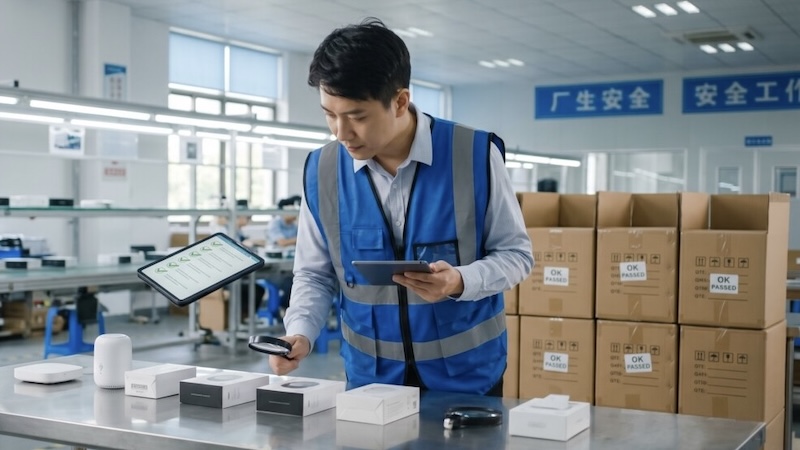
    The products are now finished and prepared for shipping. At this point, the inspection can start. A number of components were inspected to guarantee quality standards, including: 

    - Physical inspection: Inspectors visit the supplier’s facility to carry out on-site checks. This may cover components used in production, final products, and raw materials.

    - Visual inspection: Verify compliance with specifications and look for flaws or inconsistencies. This includes examining label accuracy, logo placement, and packaging condition.

    - Functional testing: For applicable products, functionality is tested to ensure products operate as intended.

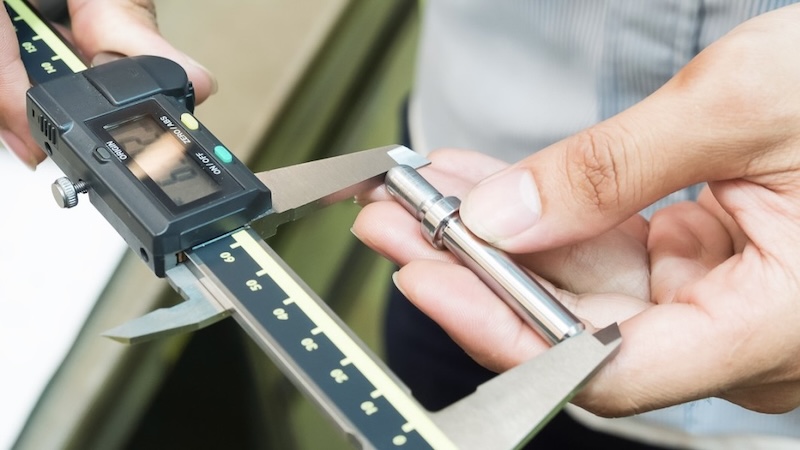
    - Dimensional checks: Measuring products to ensure they meet specified dimensions.

    - Packaging inspection: Checking packaging quality to ensure products are protected and labeled correctly for transportation.

    Reporting

    After the inspection is over, an inspector will write a thorough inspection report that covers everything from the incident's specifics to the laws of the nation the items will be delivered to.

    A formal certificate of approval can subsequently be issued by the inspection company. Following the inspection, the results are combined into an inspection report that usually includes the following:

    - Introduction: Details about the supplier, products, and inspection scope.

    - Findings: Detailed results of the inspection, including pass/fail results and categorization of defects observed.

    - Recommendations: Suggestions for remediation if issues are found, including possible rework or rejection of goods.

    The report is critical for importers to make informed decisions about shipment approval.

    Approval/rejection decision

    Based on the inspection report, the importer must make a decision regarding the shipment:

    - Approval: If the goods meet quality standards, they may be approved for shipment.

    - Rejection: If significant defects or non-compliance issues are identified, the shipment may be rejected, and the importer should negotiate corrective actions with the supplier.

    Delivery of certificate

    The package will obtain a legal certificate after the quality check is finished and approved. After the items are transported to the necessary nation, customs will inspect them and, if accepted, send them to the customer.

    The pre-production inspection report

    An organization will receive a detailed report based on the inspection, along with a certificate approving the shipment. This document offers brief details about the shipping, which includes the following:

    - Detailed images of the items to check for defects or problems

    - Assessment of quantity and craftsmanship.

    - Specifications of the items, such as measurement’s, composition, and mass.

    The buyer now has a clear understanding of the kind of items that have been produced and whether or not they are up to par thanks to all of this information.

    Follow-up actions

    Should issues arise:

    - Corrective actions: A few issues, like defective product reworking or supplying replacement products, must be addressed by the supplier.

    - Re-inspection: In certain cases, there may be a need for re-inspection to ensure that necessary corrections have been made.

    Common challenges in pre-shipment inspections

    Let us discuss a few challenges that an importer may often face with pre-shipment inspections:

    - Language barriers: Most foreign buyers face language issues while dealing with Chinese suppliers, as very few of them can understand or speak English. Inaccurate specifications brought about by miscommunications may give rise to disparities in the final product.

    - Cultural differences: Expectations and negotiations may be impacted by unique business practices and cultural quirks. Inadequate comprehension of these distinctions could result in mistrust or confrontations during the inspection procedure.

    - Quality control variations: Not all suppliers implement strong quality control practices. Some may not adhere to international standards, resulting in inconsistent product quality. This variability complicates the assessment during inspections.

    - Time constraints: Tight shipping schedules can pressure both suppliers and inspectors, leading to rushed inspections. This urgency might cause critical issues to go unnoticed, ultimately compromising product quality.

    - Documentation issues: Erroneous or inadequate documentation may impede the inspection procedure. Approval may be delayed, and non-compliance may result from disorganized technical specifications and missing compliance certificates.

    - Geographical and logistical constraints: China's enormous terrain might make it difficult for inspectors to make travel plans, particularly in rural regions. Remote travel can incur additional expenses and time.

    However, importers must be aware of these issues and take suitable measures to conduct the pre-shipment inspections by addressing them properly.

    Best practices for successful pre-shipment inspections

    Of course, pre-shipment inspection in China is extremely important when importing from a country like China, as it helps a business to breathe easily. To improve this process further, consider the following best practices:

    - Define clear specifications: Provide comprehensive and unambiguous information about the design, material, dimensions, and compliance requirements of the product. This minimizes misunderstandings and sets clear expectations for suppliers.

    - Engage experienced inspection agencies: Choose reputable and experienced third-party inspection agencies familiar with the specific product category. Their expertise can help ensure thorough inspections and more accurate assessments.

    - Early involvement: Involve the inspection agency early in the sourcing process to clarify requirements and prepare for effective inspections.

    - Build supplier relationships: Foster strong relationships with suppliers to facilitate open communication. Building trust can facilitate improved collaboration and openness, which facilitates problem-solving.

    - Conduct regular audits: Plan on doing routine inspections of the supplier's facilities and operations to make sure that their quality control procedures are accurate and up to par. This proactive approach can identify potential issues before the pre-production inspection.

    - Thoroughly review inspection reports: Examine inspection reports carefully and investigate any issues that are found. Exercising due diligence ensures that corrective action is taken when necessary.

    All these steps are very important to ensure product quality, and any business company planning to import from China must include this in their system.

    Conclusion

    While global sourcing from China, an importer must ensure that pre-shipment inspection in China is surely done either by his representative or a third-party inspection company in China. This inspection will remove any worries about chances of getting poor quality of products from China by any chance. 

    By doing thorough pre-shipment inspections in China, companies may better maintain more dependable supply chains, lower losses, and increase customer satisfaction. Maintaining product quality in international markets and sourcing from China will be much more successful if the inspection procedure is continuously improved.

    Aaron Li
    Hey, this is Aaron Li, an expert in quality sourcing. Since 2012, I have helped 300+ startups to source from China and manage the quality. I'd like to share my experience and knowledge for frequently asked questions related to product sourcing and quality control.
    All Articles
    Best China Laundry Bags for Hotels & Commercial Use
    How to Order Wholesale Shaker Bottles for Your Brand
    China Hardware Sourcing: Avoid These Mistakes
    Purchasing from China Made Easy: Importer's Handbook
    Amazon FBA China Sourcing: Avoid Costly Mistakes
    Custom Products China: Quality Sourcing Made Simple
    How to Choose the Right Molding Process for Your Product
    Getting Prototypes Made in China: What You Need to Know
    Behind the Scenes: What Goes On Inside China Factories
    Need a China Outsourcing Agent? Start With These Tips
    Leading China Quality Inspection Services Reviewed
    Verify China Suppliers: Step-by-Step Due Diligence
    Where to Buy Sunglasses in China and Save Money
    Is Direct Sourcing China Worth It for Small Businesses
    China Direct Procurement - Cut Middlemen, Boost Profit
    How China Hair Accessories Help Grow Your Beauty Store
    Yiwu Trade City - Your Shortcut to Profitable Sourcing
    How to Choose Steel Kitchen Accessories for Daily Use
    How to Choose Stainless Steel Utensils That Last Longer
    How to Spot Quality in a China Ceramic Vase Before Buying
    Ceramic Manufacturers in China - How to Cut Sourcing Risk
    How to Choose a China Pencil Box for Daily School Use
    How to Assure Quality in Production Process - Practical Steps
    Global Sourcing Supply Chain - Boost Efficiency Worldwide
    How to Buy Gadgets in China Without Getting Scammed
    How Top China Sourcing Companies Reduce Supplier Risk
    How to Import Consumer Products from China Profitably
    How to Identify Potential Suppliers in Global Markets
    Need a Reliable Sourcing Agent in China? Start Here
    How to Source Ecommerce Products in China Like a Pro
    Bulk Order from China: How to Avoid Supplier Scams
    How a Chinese Manufacturing Agent Improves Product Quality
    Buying Agents in China - Simplify Sourcing and Shipping
    How to Use Global Sourcing Standards for Better Quality
    Profitable Items to Import from China - Boost Margins
    Global Suppliers Management - Improve Risk Control
    How to Build a Global Procurement Sourcing Strategy
    7 Ways Third-Party Inspection in China Reduces Risk
    How to Choose a China Sourcing Agent You Can Trust
    Track Shipment from China to USA - Avoid Delivery Delays
    How to Spot Innovative Made-in-China Products Early
    How to Manage Supply Chain Operations for Better Margins
    How to Import Electronics Made in China Step by Step
    Alibaba Sourcing Agents - Cut Costs and Avoid Scams
    Sourcing Quality Control: How to Cut Defects Before Ship
    How to Source Products in China Without Costly Mistakes
    How to Buy Kitchen Products in China and Save More
    How to Buy China Products Direct for Your Online Store
    How to Negotiate with Chinese Suppliers Like a Pro
    How to Verify a Factory in China Before You Place Orders
    How to Find a Manufacturer in China for Your Product
    China Camping Tent - Save Money Without Losing Quality
    How to Compare Stationery Suppliers in China and Save More
    How to Find Trusted Kitchen Utensils Suppliers in China
    How to Buy China Wholesale Electronics at Better Prices
    Types of Sourcing Strategies - Improve Supply Performance
    How to Track a Shipment from China in Real Time Easily
    How Can I Find a Manufacturer for My Product Today
    Wholesale Sneakers from China - Cut Costs, Boost Sales
    How to Choose Cool Things to Buy in China for Gifts
    How Much Is Customs Duty from China to UK? Full Guide
    How to Order Custom-Made Products from Chinese Factories
    How to Choose the Right Sourcing Agent in Guangzhou
    How to Perform a Security Audit That Finds Threats
    What Does a Sourcing Company Do? Benefits & Services
    How to Set Up R&D Operations in China Successfully
    How to Conduct Global Sourcing in China Effectively
    How to Work with a Purchasing Agent in China Effectively
    How to Source Products from Shenzhen Wholesale Markets
    How to Choose the Right Regulatory Compliance Products
    Plastic Mold Making in China: What You Need to Know First
    Connect with China Suppliers: Step-by-Step Process
    Complete Guide to Starting Production in China Easily
    What Makes Chinese Products So Innovative? Expert Analysis
    How to Import from China to USA Without Costly Mistakes
    Why You Need a Local Agent in Shenzhen for Your Business
    How to Navigate Global Sourcing in China Successfully
    How to Get Your Products Tested and Certified in China
    Consumer Electronics in China: Trends, Brands & Opportunities
    How to Conduct Pre-Shipment Inspections in China Effectively
    China Inspection Company: Your Quality Control Partner
    How to Evaluate Supplier Quality for Better Results
    1688.com: Complete Guide to China's Wholesale Marketplace
    Famous Chinese Products You Use Every Day Without Knowing
    Rapid Prototyping Services: Transform Ideas Into Reality
    How to Verify Product Quality When Sourcing from China
    How to Manage Quality with Chinese Suppliers Effectively
    How Procurement Outsourcing Reduces Operating Costs
    Best Global Sourcing Company: 7 Must-Have Features
    How to Implement Factory Quality Control Systems Effectively
    What Happens During a China Compliance Audit? Full Breakdown
    Global Sourcing Advantages: Cut Costs & Boost Efficiency
    Order from China Direct: Save 40-70% on Your Purchases
    How to Build Relationships with Reliable China Suppliers
    How to Manage Orders in China: Best Practices & Tips
    How to Source Quality Electronics from China in 2026
    QC Inspection China: Avoid Costly Manufacturing Defects
    Product Development in China: How to Avoid Costly Mistakes
    Sourcing from China: 7 Steps to Reduce Costs & Risks
    How to Vet and Choose Verified Suppliers That Deliver
    Read More
    References
    Our Features
    Custom Products
    Turn concept to reality
    Quick Response
    Within 24 hours
    Detail Oriented
    Strive for perfection
    Assured Quality
    100% Guarantee