



Do you really need a buying agent to import from China, or is that just an extra layer between you and a factory? For many U.S. importers, that question appears early, especially when comparing direct sourcing against outside help on pricing, quality control, communication, and shipping coordination.
The answer is not as simple as yes or no. Whether a middleman makes sense depends on what you are buying, how much experience your team has, and how much risk you can manage internally. If you are researching whether is a buying agent necessary, is a buying agency necessary, is a buying company necessary, or is a buying service necessary, you are really asking a broader business question: when does outside support reduce friction, and when does it only add cost?
Importing from China can look straightforward from a laptop in the United States. A supplier sends photos, offers a unit price in USD, and promises production on schedule. In practice, buyers often face issues that are harder to spot early, including unclear product specifications, inconsistent samples, production delays, packaging mistakes, and misunderstandings around inspections or payment terms. Even practical details such as coordinating Credit Cards, PayPal, or wire payments can become part of a larger risk-management decision.
That is why this topic matters for both new and experienced importers. A small e-commerce brand placing its first order has very different needs from an established U.S. company sourcing custom products at scale. In some cases, a buying agent helps bridge language, time zone, and process gaps. In others, a direct relationship with the manufacturer may be more efficient.
This article focuses on one core issue: Is a Buying Agent Necessary for Importing from China. To frame that discussion clearly, it will examine:
what buying agents and buying companies typically do during sourcing and purchasing
when using one may save time, reduce mistakes, or improve supplier coordination
when handling sourcing directly may be practical for a U.S. buyer
what cost, control, and communication tradeoffs deserve attention before deciding
Along the way, the goal is to separate genuine operational value from assumptions. Some buyers search awkward phrases such as is a buying agent necessaries when they are trying to solve a real problem: how to import with fewer surprises. The sections that follow will unpack that decision so you can judge the role of a buying service based on fit, not hype.
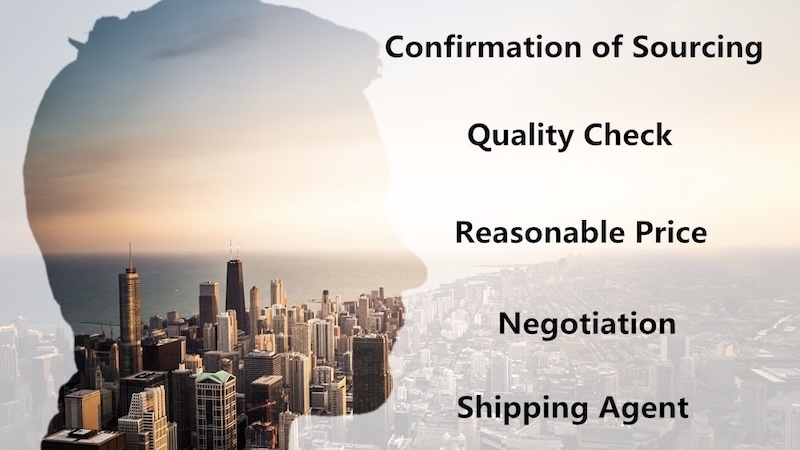
With the basics established, the practical question becomes what a buying agent actually does in day-to-day importing. For a U.S. buyer trying to buy products from China, understanding that role is what helps answer whether a middle layer is useful or unnecessary.
A china buying agent is typically a local representative or sourcing firm that helps connect overseas buyers with manufacturers, verify supplier details, compare quotations, follow up on samples, coordinate production, and check shipment readiness. In business terms, they are not the factory itself. They sit between your company and the supplier to reduce communication gaps, speed up sourcing work, and flag issues before money or inventory is at risk.
That distinction matters because many importers start with the wrong question. Instead of asking only, "is a buying agent necessary," a better question is: what internal capabilities does my business already have, and what gaps would an agent fill? If you have experienced sourcing staff, established factory relationships, and a process for quality control, a buying service may be optional. If you are new to importing, buying smaller volumes, or trying to evaluate unfamiliar suppliers, a buying agency can be far more practical.
Here is a simple way to frame it:
A buying agent can help when language, time zone, and factory follow-up slow your team down.
A buying company can add value when you need supplier screening, sample coordination, or production monitoring.
A buying service may be less necessary if you already have trusted factories and clear product specifications.
A buying agency is often most useful when mistakes would be expensive, such as custom packaging, compliance-sensitive products, or tight delivery windows.
For many U.S. small and mid-sized importers, the real issue is not "is a buying agency necessary" in every case. It is whether the cost of handling sourcing alone is higher than the cost of professional support. Delays, unclear specifications, inconsistent samples, and missed defects can easily outweigh a service fee, especially on a first order.
At the same time, using an agent is not a substitute for due diligence. You still need written product requirements, target pricing in USD, sample approval standards, and payment controls that fit your risk tolerance, whether you use wire transfers, PayPal for samples, or business credit cards where accepted. If your product falls into regulated categories in the U.S., such as some health or wellness items, compliance responsibilities also stay with the importer.
So, is a buying company necessary, or is a buying service necessary? Not always. But understanding the scope of a china buying agent helps you decide based on operational need, not guesswork. For readers researching how to source and buy products from China more efficiently, that is the right starting point before comparing service models or supplier options.
Understanding what a China buying agent does is helpful, but the real decision is practical. For many U.S. importers, the question is not simply is a buying agent necessary, but when outside support prevents expensive mistakes and keeps sourcing aligned with business goals.
If you are new to sourcing and trying to buy products from China, complexity appears fast. Factory verification, sample reviews, MOQ discussions, packaging details, shipping terms, and payment risk can all pile up before your first purchase order is ready. In that situation, is a buying agency necessary or is a buying company necessary becomes a risk-management question rather than a theoretical one.
A capable agent can narrow supplier options, clarify requirements, and flag problems early. This is especially useful when you do not yet have a repeatable sourcing process or staff with China procurement experience.
A buying agent becomes far more important when the product is expensive, customized, or technically demanding. Electronics, machinery parts, products with tight tolerances, or items that may trigger U.S. compliance review need more than a simple price comparison. If one defect batch could cost thousands of USD in returns, delays, or lost sales, is a buying service necessary is easier to answer.
In these cases, an agent can help confirm specifications, compare factory capabilities, coordinate pre-production samples, and check quality before goods ship. That extra layer matters when your margin depends on consistency, not just low unit cost.
Even when suppliers speak English, misunderstandings still happen in negotiations. Small wording differences around materials, testing standards, lead times, molds, or replacement terms can change the outcome of a deal. For U.S. buyers, that makes communication quality a business issue, not just a convenience issue.
Here, a trusted China buying agent can help translate intent as well as language. They often understand how to push for clarity without damaging the relationship, how to confirm what the factory actually agreed to, and when a polite yes does not mean full alignment. If you are asking reliable is a buying agent necessary, this is one of the clearest yes scenarios.
While a buying agent can reduce risk in complex situations, not every importer needs that layer of support. If your main challenges are no longer supplier discovery, negotiation, or product clarification, the answer to "is a buying agent necessary" may be no for specific orders.
Importers who have already built dependable supplier relationships in China often have more flexibility to buy products from China without a china buying agent. In practice, this usually means you know who the factory is, how it communicates, what quality level it can deliver, and how problems are usually resolved. When those basics are stable, paying a third party for every repeat order may add cost without adding much control.
That does not mean oversight disappears. Experienced teams still manage purchase orders, sample approvals, production timing, and payment terms carefully. They may also have internal staff who can review specifications, compare pro forma invoices, and coordinate inspections directly. In that case, questions like "is a buying agency necessary" or "is a buying company necessary" become situational rather than automatic.
This approach makes the most sense for repeat purchases, long-term factory partnerships, and importers with documented processes. If your business already has supplier scorecards, clear quality standards, and a reliable communication rhythm, importing directly can be efficient and commercially sensible.
A buying service is often less critical when the product itself is straightforward and the order carries limited downside. For example, if you are sourcing simple, standardized items with clear specifications, few regulatory concerns, and a modest order value, "is a buying service necessary" may be easier to answer with a qualified no.
Common low-risk situations include:
Repeat orders for unchanged products with approved samples and stable packaging requirements.
Commodity-style items where dimensions, materials, and labeling are easy to verify.
Small test orders where the financial exposure is manageable if adjustments are needed later.
Even here, direct importing works best when you keep controls in place. Confirm product specs in writing, match invoices to purchase orders, and use inspection or sample checks when the order justifies it. For US importers, simple products can still create issues if labeling, safety, or customs documentation is incomplete.
So, is a buying agent necessary for every shipment from China? Not always. If you have trusted suppliers, proven internal processes, and low-complexity orders, importing without an agent can be a practical choice. The key is not skipping support blindly, but knowing when your own systems already cover the job.
Even if you can handle a straightforward order yourself, cost is usually the point where the decision becomes real. For many U.S. importers asking, "is a buying agent necessary," the better question is whether the agent's fee is lower than the mistakes, delays, and internal time that DIY importing can create.
A china buying agent usually charges in one of three ways: a percentage of the order value, a flat project fee, or a bundled service fee that covers sourcing, negotiation, inspection coordination, and shipment follow-up. Percentage-based pricing is common because it scales with the order, but importers should confirm what is included before comparing quotes. A low commission can exclude factory audits, sample review, or quality checks.
When evaluating whether is a buying agency necessary or is a buying company necessary, ask for a written scope covering supplier screening, price negotiation, production monitoring, and issue handling. That clarity matters more than the headline fee because it shows what work you would otherwise need to do internally.
DIY importing can look cheaper on paper, especially for buyers trying to buy products from China with a tight budget. However, the visible supplier price is not the full landed business cost. Without professional support, importers often absorb extra hours spent vetting factories, comparing samples, clarifying specifications, resolving packaging errors, and chasing production updates across time zones.
There is also the cost of preventable mistakes. A misread quotation, unclear material requirement, or missed pre-shipment inspection can lead to rework, returns, chargebacks, or delayed inventory for a U.S. sales cycle. In that context, asking "is a buying service necessary" is really asking whether your team can manage sourcing risk consistently without slowing growth.
The break-even point depends less on a fixed order value and more on product risk, team experience, and the cost of an error. On a small, simple reorder, DIY importing may still win because the process is already known and the downside is limited. On a new product launch, customized order, or first factory relationship, a buying agent's fee can be justified if it prevents one meaningful quality, compliance, or delivery problem.
A practical way to decide is to compare three numbers: agent fee, internal labor cost, and probable error cost. If the fee is lower than the value of staff time plus likely sourcing mistakes, then a trusted china buying agent is often the more economical choice. That is usually the clearest answer to "is a buying agent necessary" for growing import businesses.
Agent fees make more sense when you can see the work behind them. For many U.S. importers, the real question is not only "is a buying agent necessary" but which services actually reduce risk when you buy products from China.
Supplier verification goes beyond checking whether a seller replies quickly on Alibaba or sends polished photos. A china buying agent can confirm business registration, basic export capability, production scope, and whether the factory matches the product category you want. Factory audits add another layer by reviewing equipment, staffing, process control, and general operating conditions.
This matters because an importer may otherwise rely on incomplete paperwork or sales promises. If you are asking "is a buying agency necessary" for a new supplier, this is often the strongest case for using one. Verification helps screen out traders posing as factories and reduces the chance of wiring a deposit to the wrong business.
Price negotiation is only one part of the job. A capable buying service also helps define specifications, packaging, lead times, payment milestones, defect standards, and remedies if goods arrive off-spec. That structure is especially useful for U.S. buyers who need clearer written terms before sending deposits by bank transfer, PayPal, or credit card.
This is where "is a buying company necessary" becomes a practical decision rather than a theoretical one. If your order has custom labeling, compliance-sensitive materials, or tight delivery windows, weak terms can become expensive later. A china buying agent can also help bridge language and business practice gaps so agreements are clearer and easier to enforce in day-to-day production.
Inspection is one of the most valuable services because problems are cheaper to fix before goods leave China. Buying agents commonly arrange pre-production checks, in-line inspections, and final random inspections against approved samples and purchase requirements. Shipment coordination may include carton marking review, document checks, booking support, and communication with the supplier and forwarder.
For many importers, this is the clearest answer to "is a buying service necessary." If a shipment reaches a U.S. warehouse with avoidable defects, missing labels, or packing issues, savings from DIY sourcing can disappear quickly. When your order value, customization level, or supplier uncertainty is rising, these services often determine whether importing stays manageable or turns into a costly distraction.

If supplier checks, negotiation support, and shipment coordination feel useful but more service than you need, there are narrower options. For many U.S. importers, the real question is not only is a buying agent necessary, but which parts of the process truly require outside help.
Platforms such as Alibaba, Global Sources, and Made-in-China can help you identify factories and compare quotes when you want to buy products from China without hiring a full-service china buying agent. They work best for standard products, clear specifications, and buyers who can manage outreach, sample review, and follow-up on their own. Marketplace filters, trade assurance tools, and supplier profiles can reduce some risk, but they do not replace independent verification. If you are asking is a buying agency necessary, the answer may be no for simple, low-risk orders, but more often yes when product complexity, customization, or compliance requirements increase.
Another alternative is to build your own support stack. You can hire a third-party inspection company for pre-production, in-line, or pre-shipment checks, then use a freight forwarder for booking, customs paperwork, and delivery planning into the U.S. This approach can cost less than full-service support while still covering major operational risks. It is useful when you already found a supplier but want control points before goods leave China. Still, if problems arise over specs, packaging, or timelines, these providers usually will not negotiate with the factory the way a buying service would.
A hybrid model often gives small and midsize importers the best balance of cost and protection. For example, you might source suppliers through a marketplace, pay a specialist only for factory verification and sample evaluation, then rely on inspection and freight partners for execution. This setup is often the most practical answer to is a buying company necessary, because it turns the question into a task-by-task decision.
Use a hybrid approach when:
You have prior importing experience and can manage vendor communication.
Your product is straightforward and does not require heavy development.
You want to control spend while adding checks at the highest-risk points.
You need flexibility before committing to a long-term sourcing partner.
So, is a buying service necessary? Not always. But if your order value is meaningful, your product has compliance exposure, or your team lacks sourcing experience, selective support can still protect margins and reduce avoidable mistakes.
Platforms, inspections, and hybrid models can lower costs, but they do not remove the core decision. For a U.S. importer, the real question is not simply "is a buying agent necessary" but whether your order needs hands-on control over supplier verification, factory audits, negotiation, and contract follow-through.
A practical way to judge necessity is to match the service to the risk of the purchase. If you already know the supplier well, have clear specifications, and can manage quality checks and shipping partners yourself, a full-service agent may be optional. If you are trying to buy products from China from a new supplier, with custom production, tight timelines, or meaningful compliance exposure, a china buying agent can be more of a risk-control function than a convenience.
What matters most about supplier verification and factory audits is that they help confirm whether the company you are dealing with is a real, capable manufacturer or only a trading intermediary with limited production control. For U.S. buyers, that distinction affects lead times, communication, accountability, and the likelihood that product requirements are met consistently. Verification and audit work also gives context before money is committed, rather than after a shipment problem appears.
Keep these points in mind:
Supplier verification answers basic trust questions. It helps confirm business identity, operating status, and whether the supplier appears equipped to produce the item you plan to source.
Factory audits add operational visibility. They are useful when you need confidence that production processes, equipment, and management systems match the order requirements.
Negotiation is only one piece of the job. Price discussions matter, but contract terms, specifications, payment milestones, and remedies for defects often have a bigger impact on the final result.
Necessity depends on internal capability. If your team can vet factories, manage documentation, and coordinate inspections, then "is a buying agency necessary" may be answered with "not always." If not, outside support can close important gaps.
Use the simplest model that still protects the order. "Is a buying company necessary" or "is a buying service necessary" should be judged by transaction complexity, not by habit.
In short, buying-agent services are most valuable when they reduce uncertainty before production and create accountability during production. That is why, for many U.S. importers, the better question is not whether every order needs an agent, but which orders are risky enough that professional verification, audit support, and contract management justify the cost.
When you need help comparing multiple factories for the same product. - When language, time zone, or slow communication is delaying decisions. - When product specs are detailed and mistakes would be expensive. - When you want inspections arranged before the balance payment is sent. - When you are consolidating goods from several suppliers into one shipment.
The FAQ likely clarified the practical concerns, but the decision still comes down to risk, time, and control. For most U.S. importers, the real question is not simply "is a buying agent necessary" but whether outside support meaningfully improves the purchase.
A buying agent is usually most useful when you are sourcing from China for the first time, ordering custom products, managing several suppliers, or trying to reduce communication and quality issues before goods ship. In those cases, asking "is a buying agency necessary" or "is a buying service necessary" is really a way of weighing the cost of help against the cost of mistakes, delays, and preventable rework.
On the other hand, a buying agent may not be necessary if you already have a reliable supplier, clear product specifications, strong quality-control processes, and enough internal capacity to handle sampling, negotiation, production follow-up, and shipping coordination. That is also the practical answer behind questions like "is a buying company necessary": sometimes yes, but only when it solves a defined operational gap.
Use this simple decision check before you move forward:
Hire help if you lack supplier vetting, product sourcing, or factory communication experience in China.
Consider going direct if your order is simple, repeatable, and backed by proven supplier performance.
Add support if product quality, labeling, or compliance details could create expensive problems in the U.S. market.
Skip extra layers if your team can manage samples, inspections, payment terms, and timelines confidently.
For U.S. buyers, this choice should also reflect the downstream impact of a bad order. If product claims touch regulated categories, including health and wellness items, compliance matters as much as price, and FDA-related issues can make early oversight more valuable. Even payment preferences such as Credit Cards, PayPal, or Apple Pay do not replace proper sourcing controls.
So, is a buying agent necessary, is a buying agency necessary, is a buying company necessary, or is a buying service necessary? Not in every case. But when your purchase involves uncertainty, customization, or limited internal bandwidth, the right sourcing support can be a practical safeguard rather than an extra expense.
Your next step is simple: map your upcoming order against supplier trust, product complexity, compliance exposure, and team capacity. If you find two or more weak spots, a buying agent is worth serious consideration before you commit funds.
 English