Maple Sourcing Ltd.
Maple Sourcing Ltd.
We Make Your Sourcing Easy!
Need help? sales@maplesourcing.com
English
Maple Sourcing Ltd.
Maple Sourcing Ltd.

How to Select a Cargo Freight Forwarder

2025-12-18
46 Views
Table of Content [Hide]

    In the high-stakes game of international trade, the movement of goods is the lifeblood of your business. Whether you are shipping electronics from Shenzhen to Seattle or textiles from Shanghai to Southampton, the journey involves a complex web of logistics, regulations, and potential pitfalls. Navigating this web requires a skilled partner: a cargo freight forwarder.

    Selecting the right forwarder is one of the most critical decisions a business can make. A good forwarder is an invisible engine of growth, ensuring your products arrive on time and under budget. A bad one is a constant source of stress, hidden costs, and lost sales. This comprehensive guide will walk you through the nuances of selecting a partner for international air freight, air cargo services, and broader logistics needs, with a special focus on the unique challenges of sourcing from China.

    1_2.jpg

    Part 1: Understanding the Role of a Freight Forwarder

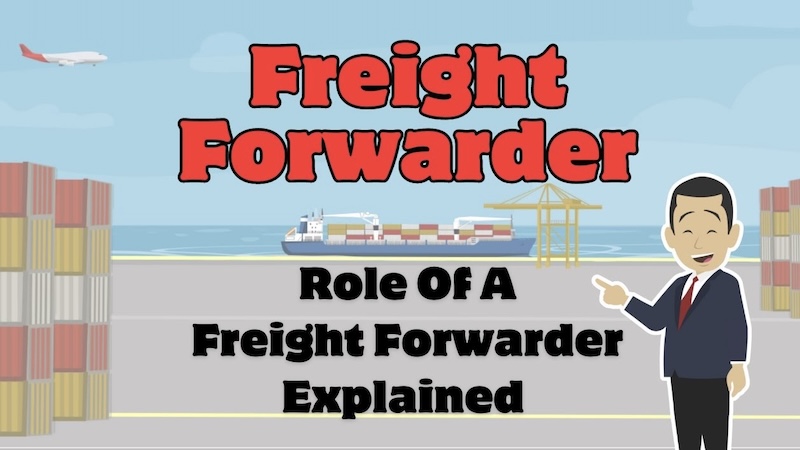
    Before you can select one, you must understand what they do. A freight forwarder is not a carrier; they typically do not own the planes or ships (though some large ones do). Instead, they are the travel agents for cargo. They leverage their buying power to negotiate space with carriers (airlines, shipping lines) and then sell that space to you.

    But their role goes far beyond booking a ticket. They are the architects of your air freight logistics. Their responsibilities include: 

    * Documentation: Handling Bills of Lading, Commercial Invoices, and Certificates of Origin. One wrong digit on a tariff code can delay a shipment for weeks. 

    * Customs Clearance: Navigating the regulatory maze to get your goods into the destination country. This includes handling bonds and duty payments. 

    * Consolidation: Combining small shipments from multiple suppliers into one larger shipment to save money. This is the “secret sauce” for many SMEs. 

    * Insurance: Arranging cargo insurance to protect your investment. 

    * Last-Mile Delivery: Getting the goods from the airport or port to your warehouse door.

    Part 2: Assessing Your Needs: Air vs. Ocean

    The first step in selection is defining your own requirements. Do you need speed or savings?

    International Air Freight

    Air freight shipping is the premium option. It is fast (3-7 days from China to the US/EU) and reliable. 

    * Best for: High-value electronics, fashion items, samples, and emergency restocks. 

    * Cost Structure: Charged by chargeable weight (actual weight or volumetric weight, whichever is higher). 

    * Key Forwarder Skill: Speed and access to flight capacity during peak seasons. A good air freight forwarder has “blocked space agreements” with airlines, guaranteeing room for your cargo even in Q4.

    Ocean Freight

    The backbone of global trade. It is slow (30-45 days) but economical. 

    * Best for: Bulk goods, furniture, heavy machinery, and planned inventory. 

    * Cost Structure: Charged by container (FCL) or cubic meter (LCL). 

    * Key Forwarder Skill: Managing port congestion and drayage (trucking from port).

    Understanding the trade-offs is vital. For a deep dive into the economics, read why sea freight is cheaper than air freight.

    Part 3: Key Criteria for Selection

    When evaluating potential partners for air cargo services, look beyond the price per kilogram. Consider the “Total Value Proposition.”

    1. Network and Reach

    Does the forwarder have offices in both the origin (e.g., Shanghai, Guangzhou) and the destination? A forwarder with a strong presence in China can handle local trucking, export customs, and supplier communication much better than a forwarder sitting solely in New York. 

    * Why it matters: If your goods get stuck in Chinese customs, you need someone on the ground in that time zone to fix it. A US-based forwarder will be asleep while your cargo sits on the tarmac.

    2. Industry Specialization

    Not all cargo is created equal. Shipping lithium batteries (dangerous goods) requires different certifications than shipping t-shirts. Shipping perishables requires cold-chain expertise. 

    * Ask: “Do you have experience with my specific product category?” * Verification: Ask for case studies or references.

    3. Technology and Visibility

    In 2025, you should not be chasing updates via email. You need a digital dashboard. 

    * Requirement: Real-time tracking of air freight shipping. You should know if your cargo is in the air, at the transit hub, or in customs. 

    * Integration: Can their system talk to your ERP? Can you upload documents directly to their portal?

    4. Financial Stability

    Freight forwarding is a cash-flow-intensive business. Forwarders pay carriers upfront. If a forwarder goes bankrupt while your goods are in transit (which happened with Hanjin Shipping), your cargo can be held hostage by the carrier. 

    * Check: Credit ratings and years in business.

    Part 4: The Vetting Process: Questions to Ask

    Don’t just take their marketing brochure at face value. Interview them.

    1. “Are you a member of WCA or FIATA?” Membership in these global alliances indicates a level of professional vetting and financial security.

    2. “What is your volume on the China-US lane?” Volume equals buying power. A forwarder who ships 100 tons a month gets better rates than one who ships 1 ton.

    3. “Do you offer consolidation services?” For buyers sourcing from multiple factories, consolidation is a massive money saver. Read about important steps involved in global sourcing from China to see where consolidation fits in.

    4. “How do you handle peak season surcharges?” Transparency is key. You don’t want surprise fees in Q4.

    5. “What is your escalation matrix?” Who do you call when things go wrong at 3 AM?

    Part 5: Understanding Quotes: The Hidden Costs

    A freight quote is often a minefield of acronyms and hidden fees. When comparing quotes for international air freight, ensure you are comparing apples to apples.

    The “All-In” Rate vs. The “Base” Rate

    Some forwarders quote a low base rate per kg but add: 

    * Fuel Surcharge (FSC): Can be 20-30% of the base rate. 

    * Security Surcharge (SSC): Mandatory airport screening fee. 

    * Handling Fee: Administrative cost. 

    * Pickup Fee: Trucking from the factory. 

    * Documentation Fee: Charging for the Air Waybill (AWB).

    Always ask for a “Door-to-Door” all-in quote to see the true cost.

    Incoterms Matter

    Your quote depends entirely on your Incoterms (International Commercial Terms). 

    * EXW (Ex Works): You pay for everything from the factory door. 

    * FOB (Free on Board): The supplier pays to get goods to the port/airport; you pay from there. This is often the standard for importers. 

    * DDP (Delivered Duty Paid): The forwarder handles everything, including taxes.

    Choosing the right Incoterm is a strategic decision. To understand the impact on your costs, review FOB vs. EXW: which is better for importers.

    Part 6: The “China Specialist” Advantage

    Sourcing from China presents unique challenges—language barriers, export licenses, and distinct business cultures. A forwarder who specializes in the China market is invaluable.

    Local Knowledge

    They know which ports are congested. They know that during Chinese New Year, trucking capacity drops to zero. They can advise you to ship out of Ningbo instead of Shanghai to save 3 days.

    Supplier Coordination

    A good China-focused forwarder will call your factory to confirm the cargo ready date. They act as a second layer of project management. They verify the weight and dimensions before the cargo leaves the factory, preventing billing disputes later.

    Specialized Routes

    For e-commerce sellers, specialized shipping lines like “Matson Fast Boat” or dedicated air charters offer a middle ground between standard ocean and standard air. Learn about niche options like what is 4PX shipping.

    Part 7: Managing Risk: Insurance and Compliance

    Your forwarder is your first line of defense against disaster.

    Cargo Insurance

    Carriers have limited liability (often just $20 per kg for air freight). If your plane crashes or the ship sinks, that won’t cover your loss. A forwarder can issue “All-Risk” insurance. 

    * Tip: Never ship without insurance. The cost is negligible compared to the risk. Read more on risk management in sourcing.

    Customs Compliance

    Incorrect HS Codes (Harmonized System codes) can lead to fines or seizure. A knowledgeable forwarder (or their customs broker partner) will classify your goods correctly. This is crucial for navigating tariffs. See how to import goods from China to USA under new tarriff policy.

    Part 8: The Digital Forwarder vs. The Traditional Forwarder

    The industry is splitting. 

    * Traditional Forwarders: Rely on relationships and phone calls. Great for complex, non-standard project cargo. 

    * Digital Forwarders (Flexport, Freightos): Offer instant online quotes and slick apps. Great for standard boxes and speed.

    Which is better? It depends. If you value data visibility, go digital. If you need someone to pull strings to get space on a fully booked flight, the traditional relationship forwarder often wins.

    Part 9: Building a Partnership

    Once you select a forwarder, treat them as a partner, not a vendor. 

    * Forecast: Tell them your shipping plans for the next quarter. This helps them secure space. 

    * Communication: Set clear SOPs (Standard Operating Procedures). Who gets emailed when a delay happens? 

    * Review: Hold quarterly reviews to look at transit times and costs.

    Part 10: Special Considerations for E-commerce (FBA)

    Shipping to Amazon FBA adds another layer of complexity. Amazon has strict requirements for labeling, palletizing, and delivery appointments. 

    * FBA Expertise: Does the forwarder know how to use the CARP system to book appointments? 

    * DDP Services: Amazon will not pay duties. You need a forwarder who can handle DDP shipments seamlessly. 

    * Prep Services: Can the forwarder re-label boxes if the factory messed up?

    Part 11: The Environmental Factor

    Sustainability is becoming a key selection criterion. 

    * Carbon Offsetting: Does the forwarder offer carbon-neutral shipping options? 

    * Efficiency: Do they optimize routes to reduce emissions? This aligns with the trend towards unwavering rise of sustainable sourcing in supply chain management.

    Part 12: Warning Signs to Watch For

    When vetting, watch out for these red flags: 

    * Rates too good to be true: They usually are. They might be “bait and switch” tactics. 

    * Slow response time: If they are slow to quote, they will be slow to fix problems. 

    * Vague answers: If they can’t explain a charge, don’t pay it.

    Part 13: Case Study: Electronic Components

    Let’s say you are sourcing microchips. They are small, high-value, and time-sensitive. 

    * Selection: You need an air cargo services specialist. 

    * Security: You need a forwarder with TAPA (Transported Asset Protection Association) certification to prevent theft. 

    * Temperature: If the chips are sensitive, you need temperature-controlled shipping.

    Part 14: Case Study: Furniture

    You are shipping sofas. They are bulky and low value per cubic meter. 

    * Selection: You need an ocean specialist. 

    * Container Optimization: You need a forwarder who can advise on how to pack the container to maximize space. 

    * Drayage: You need a forwarder with good trucking connections to handle the “last mile” delivery of a 40ft container to your warehouse.

    Part 15: Negotiation Strategies

    You can negotiate with forwarders. 

    * Volume Commitments: Commit to shipping 10 containers a year in exchange for a lower rate. 

    * Spot vs. Contract Rates: Understand the market. In a volatile market, spot rates might be better. In a tight market, a contract guarantees space. 

    * Payment Terms: Negotiate for Net 30 payment terms instead of paying upfront.

    To sharpen your negotiation skills, read how to negotiate with suppliers for better price and terms (the principles apply to forwarders too).

    2.jpeg

    Part 16: Multimodal Solutions: The Middle Ground

    Sometimes air is too expensive, but ocean is too slow. 

    * Sea-Air: Shipping by sea to a hub (like Dubai or Los Angeles) and then by air to the destination. It cuts transit time in half compared to sea, at half the cost of air. 

    * Rail: The “Iron Silk Road” connects China to Europe by train. It is a viable alternative to air freight for EU importers.

    Part 17: Dangerous Goods (DG) Handling

    Shipping batteries, chemicals, or magnetic materials requires special expertise. 

    * MSDS: You must provide a Material Safety Data Sheet. 

    * Certification: The forwarder must be DG certified. 

    * Packaging: DG requires specific UN-approved packaging.

    Part 18: Customs Brokerage: The Other Half

    A freight forwarder moves the goods; a customs broker clears them. 

    * In-house vs. Outsourced: Does the forwarder have their own brokerage license? Using one company for both ensures smoother communication. 

    * Power of Attorney: You will need to sign a POA to allow them to clear goods on your behalf.

    Part 19: The Impact of Geopolitics

    Trade wars and sanctions affect logistics. 

    * Section 301 Tariffs: A good forwarder helps you understand if your product is hit by extra tariffs. 

    * Route Diversion: Avoiding conflict zones (e.g., Red Sea shipping attacks) requires agile forwarders who can re-route quickly.

    Part 20: Post-Shipment Audits

    The job isn’t done when the goods arrive. 

    * Bill Auditing: Check every invoice against the quote. Mistakes happen. 

    * Performance Review: Did the shipment arrive on the promised date? 

    * Damage Claims: If goods are damaged, file the insurance claim immediately.

    Part 21: Understanding Air Waybills (Master vs. House)

    In the world of international air freight, the document of title is the Air Waybill (AWB). However, there are two types, and understanding the difference is crucial for control and tracking.

    · Master Air Waybill (MAWB): This is the contract between the freight forwarder and the airline. It lists the forwarder as the shipper and the destination agent as the consignee.

    · House Air Waybill (HAWB): This is the contract between you (the actual shipper/importer) and the freight forwarder. It lists your supplier as the shipper and you as the consignee.

    Why it matters: 

    * Tracking: You track your shipment using the HAWB number on the forwarder’s website, but the forwarder tracks the airline using the MAWB. 

    * Consolidation: A single MAWB can cover a consolidated shipment containing ten different HAWBs for ten different customers. This is how forwarders get bulk rates. Knowing this structure helps you understand why your “direct flight” might be delayed—the forwarder is waiting to fill the consolidation.

    Part 22: Incoterms 2020: Updates for Air Freight

    The International Chamber of Commerce updates Incoterms every decade. The 2020 update brought clarifications relevant to air cargo.

    · FCA (Free Carrier) vs. FOB (Free on Board): While FOB is traditionally used for sea freight, many importers wrongly use it for air. For air freight, you should use FCA.

    The Difference: Under FOB, risk transfers when goods are “on board” the vessel. In air freight, goods are handed to the carrier at a terminal, not “on board” the plane immediately. FCA correctly transfers risk when the goods are handed over to the carrier at the airport terminal.

    · Insurance in CIP: For CIP (Carriage and Insurance Paid To), Incoterms 2020 now requires a higher level of insurance coverage (Clause A - All Risks) compared to the previous requirement.

    Using the correct Incoterm prevents disputes about who pays for terminal handling charges at the airport.

    Part 23: Handling Claims and Disputes

    Despite best efforts, cargo gets damaged or lost. How your forwarder handles this defines their value.

    · The “Notice of Claim” Period: In air freight, you typically have 14 days to file a claim for damage and 21 days for delay. A good forwarder will remind you of these deadlines.

    · The Evidence Package: You need photos of the damage, the original invoice, the packing list, and the AWB. Your forwarder should help you compile this.

    · Subrogation: If you have insurance, the insurer pays you and then pursues the carrier. Your forwarder facilitates this process.

    Red Flag: If a forwarder says “It’s the airline’s fault, call them,” find a new forwarder. They should be your advocate.

    Part 24: The Future of Air Freight

    The industry is evolving. A forward-thinking partner keeps you ahead of the curve.

    · Sustainable Aviation Fuel (SAF): Major airlines are experimenting with SAF to reduce carbon footprints. Forwarders can now offer “green lanes” where you pay a premium to support SAF, helping your ESG goals.

    · Drone Delivery: For last-mile delivery of light, high-value air cargo (like pharmaceuticals), drones are moving from concept to reality.

    · Paperless Trade: The move to e-AWB (electronic Air Waybill) removes paper from the process, speeding up customs clearance and reducing errors.

    Part 25: Local Chinese Forwarder vs. Global Forwarder

    Should you hire a giant multinational (like DHL/Kuehne+Nagel) or a specialized local Chinese forwarder?

    Global Forwarder

    · Pros: Standardized processes, global compliance teams, integrated IT systems worldwide.

    · Cons: Higher costs, less flexibility, you are a “small fish” if you aren’t a Fortune 500 company.

    Local Chinese Forwarder

    · Pros: Lower rates (lower overhead), aggressive negotiation with local carriers, personalized service, flexibility with documentation (sometimes too flexible).

    · Cons: Variable service quality in the destination country (they rely on partners), potential language barriers.

    The Hybrid Strategy: Many savvy importers use a local Chinese forwarder for the “main leg” (getting it to the destination port) and a local broker in their home country for clearance. This often yields the best balance of cost and control.

    Part 26: Cold Chain Logistics: A Deep Dive

    For importers of food, pharmaceuticals, or certain chemicals, air cargo services must include temperature control.

    · Active vs. Passive Cooling:

    o Passive: Using dry ice or gel packs in Styrofoam boxes. Good for short flights.

    o Active: Using battery-powered “Envirotainers” (flying refrigerators). Essential for high-value pharma.

    · Data Loggers: You must place USB data loggers in the shipment. These record the temperature every 10 minutes. If the temperature spikes on the tarmac in Dubai, you have proof.

    · Airport Facilities: Not all airports have cold storage. Your forwarder must route your cargo through hubs that do (e.g., Coolport in Singapore).

    Part 27: E-commerce: Small Parcel vs. Bulk Freight

    E-commerce sellers face a dilemma: ship individual orders to customers (dropshipping) or bulk stock to a warehouse?

    · Small Parcel (Express): Couriers like DHL/FedEx. Fast, tracks to the door, customs is simplified (Section 321 in the US allows duty-free entry under $800).

    o Role of Forwarder: They act as a consolidator, gathering 1,000 small parcels, flying them as one cargo shipment, and injecting them into the local postal system (USPS/Royal Mail). This is cheaper than direct FedEx.

    · Bulk Freight: Traditional air/ocean cargo.

    o Role of Forwarder: Standard palletized shipping.

    Understanding this split helps you optimize margins. High-margin items might justify Express; low-margin must go bulk.

    Part 28: How to Switch Forwarders Smoothly

    Breaking up is hard to do. Switching forwarders can disrupt your supply chain if not managed well.

    1. The Overlap Period: Don’t switch 100% of your volume on day one. Run a pilot shipment with the new forwarder while keeping the old one active.

    2. SOP Transfer: Document your Standard Operating Procedures (SOPs). “Notify Warehouse Manager Bob 24 hours before delivery.” Pass this manual to the new forwarder.

    3. The “Break Clean” Date: Pick a specific date or PO number after which all orders go to the new forwarder. Communicate this clearly to your suppliers.

    4. Customs Power of Attorney: Don’t forget to sign a new POA for the new forwarder so they can clear your goods.

    Part 29: KPI Dashboard for Logistics Managers

    How do you measure if your forwarder is doing a good job? Set Key Performance Indicators (KPIs).

    · On-Time Performance: Percentage of shipments arriving on the commit date.

    · Billing Accuracy: How often is the final invoice different from the quote?

    · Response Time: Average time to reply to an email inquiry.

    · Damage Rate: Percentage of shipments with reported damage.

    Review these monthly. If the metrics slip, use the data to demand improvement.

    Part 30: The Ultimate Vetting Checklist

    Use this checklist when interviewing a potential partner:

    1. Offices: Do they have their own office in my main sourcing city (e.g., Shanghai)?

    2. References: Have they provided 3 references from companies similar to mine?

    3. License: Is their NVOCC (Non-Vessel Operating Common Carrier) license valid?

    4. Quote: Is the quote detailed, breaking down all surcharges?

    5. IT Demo: Have I seen a demo of their tracking portal?

    6. Key Contact: Do I have the cell phone number of a dedicated account manager?

    7. Insurance: Have they explained their cargo insurance policy limits?

    8. SOP: Are they willing to sign a Service Level Agreement (SLA)?

    Part 31: Digital Integration and APIs

    In the modern supply chain, data must flow as freely as the cargo. Your forwarder’s ability to integrate digitally is a key selection criterion.

    · API Connectivity: Can your forwarder’s system plug directly into your Shopify, Magento, or Amazon Seller Central account? This allows for automated order pushing—when you get an order, the forwarder gets a shipping request instantly.

    · Automated Status Updates: Instead of logging into a portal, webhooks can push tracking updates directly to your ERP or customer service dashboard.

    · Data Analytics: Advanced forwarders provide analytics on your shipping spend per SKU, allowing you to identify which products are eating your margins in freight costs.

    Part 32: Project Cargo: Moving the Immovable

    Sometimes you need to move something that doesn’t fit in a box. This is “Project Cargo.” 

    * Heavy Lift: Moving factory machinery, wind turbine blades, or entire production lines. 

    * The Skillset: This requires engineering surveys of the route (can the truck fit under that bridge?), chartering specialized aircraft (like the Antonov An-124), and coordinating cranes at both ends. 

    * Selection: Only choose a forwarder with a dedicated “Project Cargo” division. Generalists will fail here.

    Part 33: Navigating Peak Season

    Peak Season (typically August to December) is when capacity is tight and prices skyrocket. 

    * Golden Week: The Chinese National Holiday in early October shuts down production. Forwarders must rush goods out before this. 

    * The “Block Space” Strategy: A good forwarder secures space with airlines months in advance. Ask potential partners, “What is your BSA (Blocked Space Agreement) allocation for Q4?” 

    * Alternative Routings: During peak, direct flights are full. Creative forwarders route via Korea or Taiwan to find capacity.

    Part 34: The Role of Bonded Warehouses

    A bonded warehouse is a secured area where goods may be stored, manipulated, or undergo manufacturing operations without payment of duty. 

    * Cash Flow Benefit: You can import goods into a US bonded warehouse and only pay the import duties when you actually remove the goods to sell them. If you re-export them (e.g., to Canada), you pay no US duty. 

    * Selection: Ask if your forwarder owns or operates bonded facilities. This is a powerful tool for deferring taxes.

    Part 35: Crisis Management: When Disaster Strikes

    The Ever Given blocked the Suez Canal. COVID-19 shut down ports. Volcanoes ground planes. A forwarder’s true worth is proven in a crisis. 

    * The “War Room”: Does the forwarder have a 24/7 crisis team? 

    * Multimodal Switching: Can they instantly switch your shipment from ocean to “Sea-Air” or rail if the port is blocked? 

    * Communication: During a crisis, silence is deadly. You need proactive updates, even if the news is bad.

    Conclusion

    Selecting a cargo freight forwarder is not just about finding the lowest price for air cargo services. It is about building a supply chain that is resilient, transparent, and capable of scaling with your business.

    In the fast-moving world of international air freight, delays cost more than just money; they cost reputation. By choosing a partner who understands your industry, has deep roots in your sourcing region, and leverages technology to provide visibility, you turn logistics from a cost center into a competitive advantage.

    At Maple Sourcing, we understand that sourcing the product is only half the battle. Getting it to your door is the other half. While we are sourcing experts, we work closely with top-tier logistics partners to ensure a seamless flow of goods. We invite you to explore our sourcing services to see how we can integrate sourcing and logistics for your success.

    Aaron Li
    Hey, this is Aaron Li, an expert in quality sourcing. Since 2012, I have helped 300+ startups to source from China and manage the quality. I'd like to share my experience and knowledge for frequently asked questions related to product sourcing and quality control.
    NEXT: No information
    All Articles
    How to Select a Cargo Freight Forwarder
    Tips to Purchase Outdoor Christmas Lights from China
    Introduction to Automated Quality Control Inspection
    Business Process Outsourcing Services
    Best Places to Source for Retail Arbitrage
    Best Practices of Shipping to Amazon FBA
    Global Supply Chain Management Services
    Integrated Supply Chain Management System
    Artificial Intelligence in Supply Chain Management
    Cost vs. Value of Custom Packaging Boxes
    PCB Prototype and Custom PCB Boards
    Bottlenecks in Common PCB Fabrication
    Difference between 3PL and 4PL Logistics
    Digital Transformation for Supply Chain
    Third Party Logistics Provider for Trade
    Cost-Effective Custom Packaging Solutions
    China Custom Plastic Injection Molding
    Custom Product Manufacturing in China
    Key of International Sourcing Strategies
    Do I Need Private Label Packaging Companies?
    Private Label Manufacturing Services in China
    Personalized Ornaments and Unique Christmas Gifts
    Sourcing Strategy for Buying Directly from China
    Shipping from China to Amazon FBA by Ocean: A Complete Guide
    Ways to Manage Wholesale Suppliers for Resellers
    Global Logistics Management for Bulk Buying
    How to Keep a Transparent Supply Chain in China
    Asian Procurement and Supply Chain Management
    Supply Chain Audit and Verification Services in China
    Where to Find Cross Border Logistics Services
    Global Procurement and Supply Chain Optimization
    Strategic Sourcing and Supply Chain Procurement
    Cheap Way to Buy Outdoor Christmas Decorations
    Inventory Management System for Warehouse in USA
    Supply Chain Management and Logistics
    Common Traps of Sourcing Goods from China
    How to Find Product Design and Development Services
    Risk Management in Logistics and Supply Chain
    China Product Sourcing Agent for China Import
    Contract Negotiation in Procurement Process
    Where to Find Import and Export Restrictions
    How to Buy Custom Bulk Christmas Ornaments
    Market Research for Startups: Real Case Studies
    How to Start a Business for Wholesale Beauty Supply
    Supply Chain Inventory Management for SME
    Knowhow in Logistics and Supply Chain Management
    Key Points on Typical Quality Inspection Reports
    Reminders for Product Packing Design for Manufacturing
    How Can a Dropshipping Agent Help Online Retailers
    Supplier Relationship Management Process Control
    Wholesale Christmas Decorations and Ornaments
    Tips for Private Label Selling on Amazon
    Ways to Reach Industrial Design Firms for Prototype
    Key Functions of Prep Center for Amazon FBA
    Where to Find International Freight Forwarding Services
    How to Do Production Quality Control Remotely
    How to Get Through Purchase Order Procedure
    Global Sourcing Management Strategy and Practice
    Best Practices for Industrial Component Procurement
    Where to Find the Best Coffee Machine Manufacturers
    How to Get Ethically Sourced Coffee Beans
    How to Do Market Research for New Business
    How to Use AliExpress with Shopify
    How Can I Find Best China Wholesale Suppliers
    Is Global Sourcing Hong Kong Still Important
    Foshan Sourcing Agent vs. Yiwu Buying Agent
    Do I Need a China Procurement Agent for USA?
    Tools for Amazon Wholesale Product Sourcing
    Recommendation of Best Chinese Wholesale Websites
    How to Source Cheap Products from China
    7 Step Strategic Sourcing Process You Should Know
    What Is a Sourcing Agent and Why Is It Important?
    Contract Manufacturing in International Business
    Amazon Import from China vs. Alibaba Import from China
    Examples of Quality Assurance in Business
    Essential Characters of a China Sourcing Specialist
    How to Check if a Company Is Legit
    Product Lifecycle in Production Management
    What is Global Sourcing and Explain Its Benefits
    Best Tracking Video Camera for Sports
    How to Choose Security Cameras for Wholesale
    How to Choose a Cordless Vacuum Cleaner
    How to Choose Kitchen Appliances for Resell
    How to Buy China Blood Pressure Monitor Wholesale
    Dropshipping Sourcing Agent for Online Business
    Hot Selling Products for Senior Living at Home
    How to Import Nursing Home Products to America
    Is Home Health Care Products Wholesale a Good Business?
    Do I Need a Product Design Consultant for New Ideas
    Sourcing Agent Agreement Samples and Reminders
    How to Create a Business Model for a Startup
    How to Improve Quality Control in Production
    Brief to Asian Sourcing and Development Agencies
    How Can I Wholesale Home Decor for Retailers
    Top 10 Solar Panel Manufacturers in China
    Product Quality Control Testing: In House or In Lab
    How to Get Free Samples of Products from China
    Ways to Achieve Procurement Cost Optimization
    Explanation of New Product Development Process
    Best Selling Dollar Store Items in Africa
    Read More
    References
    Our Features
    Custom Products
    Turn concept to reality
    Quick Response
    Within 24 hours
    Detail Oriented
    Strive for perfection
    Assured Quality
    100% Guarantee