We are all aware that China has a huge capacity for manufacturing all kinds of consumable and industrial products. Also, China has developed an excellent infrastructure, so transportation within the country can be quite smooth.
Also, China has a very high population of well-trained and educated manpower resources that only a few countries in the world can match. That is why all the manufacturers across the world are interested in exploiting the cheap manpower resources available in this country.
A strong manufacturing strategy is essential for a business moving from product development to production. Therefore, if you are planning to set up your production facilities in collaboration with any Chinese company, then you must develop a proper strategy to create a success story.
Some quality management challenges can often pose significant obstacles for buyers. Therefore, in this article we will try to discuss what approach you must adopt for your production and quality management when you are collaborating with any Chinese company and also what pitfalls you must avoid to navigate your journey.
First and foremost, it is crucial that your plan is supported by thorough market research in China, including an understanding of local laws, industry trends, and production facilities in the country.
This can help you find possible suppliers, assess their qualification, and decide if they can fulfil your budget and quality criteria. Selecting the appropriate manufacturing partner is crucial.
Instead of focusing solely on price, assess potential partners based on their proven track record, production capacity, quality control practices, and communication skills. If feasible, visit their facilities or arrange for third-party audits to verify their credibility and reliability.
Chinese business culture differs significantly from Western practices and those in other parts of the world. What may seem like an obvious issue to a buyer from, say, the United States, might not even be noticed by their Chinese supplier's team.
Consequently, managing quality often requires buyers to take responsibility for themselves, rather than relying solely on the supplier. Two competing cultural perspectives contribute to the challenge of poor communication between buyers and suppliers:
a. Most first-time businesses frequently fail to express their wants to suppliers in a clear and concise manner and hide product details out of fear of copying.
b. Suppliers also don’t bother to ask for more details from the buyer, so in most cases, they may not even have the expertise needed for a successful outcome.
Chinese suppliers typically start by producing a sample of the product. If the buyer approves the sample, the supplier will then attempt to replicate it as accurately as possible during mass production.
However, the buyer might expect adherence to specific market regulations, strict consistency between the sample and final products, high quality, and flawless functionality in every item off the production line.
If these expectations have not been communicated clearly to the supplier, the resulting products might meet only the basic visual criteria but fall short of the buyer's actual requirements. In such cases, determining where the fault lies can be challenging. The Western concept of simply notifying does not exist in China.
Suppose a Chinese supplier recognizes that something won't work. In that case, they might choose to proceed with production and accept your payment rather than notifying you of the potential issue, as this approach may align with their business culture.
Conversely, if buyers withhold critical information, such as clear details about their expectations, they fail to fulfil their responsibility to inform the supplier about their production needs. Both parties must communicate effectively to ensure that the final product meets the desired standards and requirements.
As discussed above, in any kind of business deal with a foreign manufacturer, effective communication is very important. China is located in the far eastern part of the globe, where misunderstandings are bound to happen, which may create several issues.
a. Utilize project management tools - Leverage technology to bridge the communication gap. Utilizing project management tools and messaging apps, like WeChat, is an effective way to provide updates and address questions in real time. This approach ensures continuous and clear communication between you and your supplier.
b. Clearly articulate your specifications, expectations, and timelines - Clarity is essential when communicating requirements to manufacturing partners in China. Clearly articulate your product specifications, quality standards, and any specific expectations you have. Define production milestones and delivery timelines explicitly to eliminate any ambiguity and ensure that both parties are on the same page.
c. Consider language and cultural considerations - Recognize and address language and cultural differences early in the communication process. Misunderstandings can occur and affect communication effectiveness. To facilitate smooth interactions, consider employing bilingual project managers or interpreters.
Maintaining quality in a production environment is very important, and there cannot be any compromise in this aspect. If you are dealing with any Chinese manufacturer for the first time, make sure that your product meets the quality that can maintain your reputation among your customers.
a. Set your quality standards and specifications - Start by establishing clear and comprehensive quality standards and specifications for your products. The comprehensive records will function as a valuable resource for your group and your Chinese manufacturing associates. Specify materials, dimensions, tolerances, and any other critical parameters that define the quality of your final product.
b. Implement a robust process for quality control - Remember, quality should not be a single event but must be a regular process that should continue during the manufacturing process. Therefore, it is essential that you have a checklist so that you can identify the quality issue right from the time raw materials are used, during the assembly process, and after the product has been manufactured. Once the defect is identified at any stage, the corrective action that is needed must be clear and communicated to your Chinese manufacturing partner.
c. Conduct regular inspections and quality audits - In addition to regular inspection during production, it is also important to check the quality of your product on a random basis. This can be carried out by taking any sample of the products at different stages and inspecting their quality parameters. This will offer more confidence about the product quality.
d. Third-party inspection services - It will be much more cost-effective for you to hire a third-party quality inspection service available in China instead of sending your own team to China. There are several third-party inspection service providers available in China with whom you can tie up and explain your needs. These agencies are well qualified and experienced in quality inspection and can check the quality of your products when they are in the manufacturing process as per your guidelines. They can send you a detailed quality report.
e. Leveraging technology for quality assurance - Nowadays, digital technology has advanced, and you can also use digital tools to track your quality inspection on a real-time basis. This AI-driven technology can help you to ensure how that quality assurance is being followed during production.
The evolution of quality control in China is marked by the integration of technological innovations and a growing focus on automated and digitalized manufacturing processes. These advancements promise to enhance quality control precision, offering solutions like IoT for real-time monitoring and blockchain for enhanced traceability.
Besides all these, you must be aware that if you want to enter into an international market, then you must know the importance of sustainability and ethical production. Chinese companies are quite aware of that as their products are present in the global market.
It is essential that you adopt a different approach to production and quality management while you are conducting your business in this country.
While dealing with Chinese suppliers, it is very important to develop a personal relationship with the higher management of the company. This will help you to build trust and will be beneficial to you in the long run. The following are a few things that you can do to build a relationship.
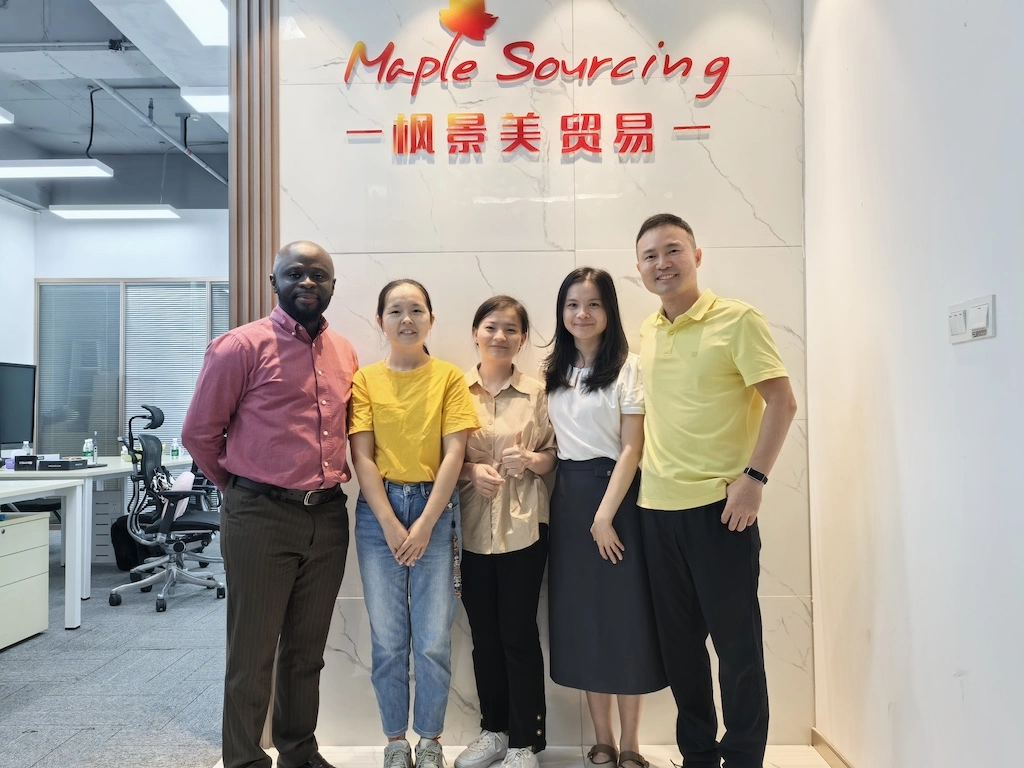
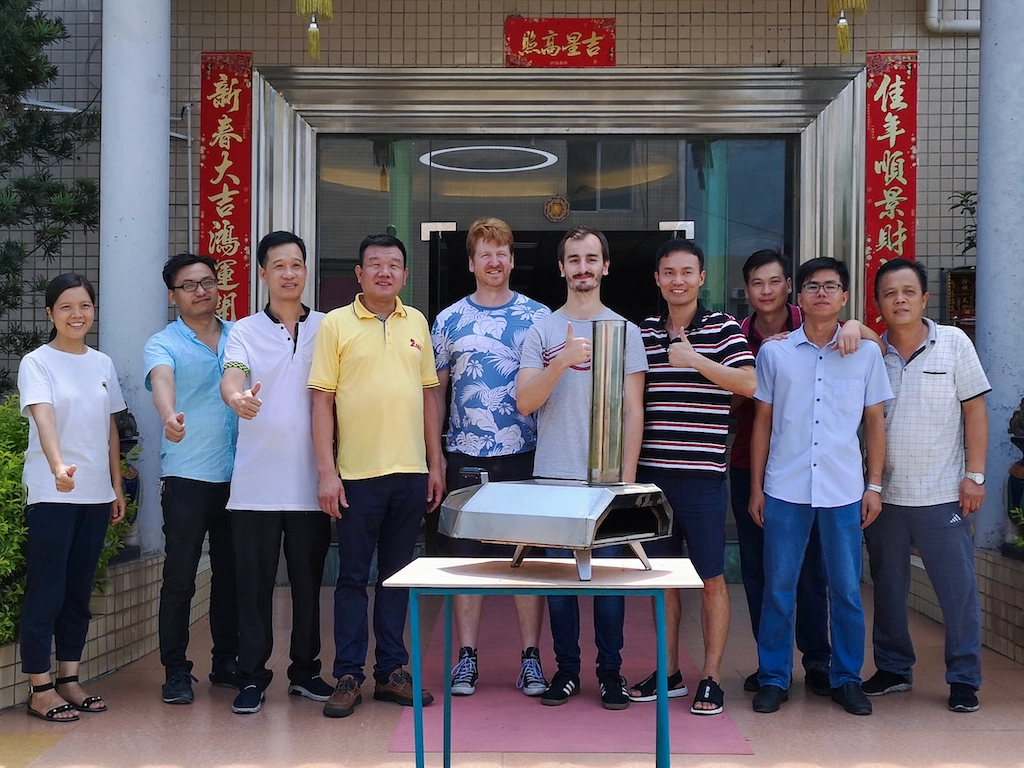
a. Visit personally to manufacturing facilities - Of course, you must communicate with your suppliers through the technologies available these days, but for a long-term business relationship, that may not be enough. You may schedule your visit to China and see the manufacturing operation personally.
By doing this, not only will you get to know exactly the state of affairs, but you will also create a personal bond with the people working for you.
b. Create a transparent communication channel - Create a forum so that it is possible to freely discuss various opportunities, challenges, and expectations among both suppliers and buyers. Try to solve any problem jointly so that a collaborative approach is developed. Discuss also their cultures and share yours so that a bond can be created.
You need to evaluate how your production and quality management will be affected due to various complex regulatory compliances and how you can address any issue if it ever comes. The regulatory compliance of every country may be unique, and that may differ from your own country’s regulations. Therefore, you need to update yourself on all the rules and regulations that you need to follow while doing business in China.
a. Research and understand the regulations of China - You can start by researching the different rules and regulations that are in force in China. Be aware of their safety and environmental regulations and how they are going to affect your products. You may also need a Chinese expert who can guide you through all the intricacies.
b. Ensure product compliance with international standards - If your products are supplied in the international market, then it is important that you fully know the various international standards that you need to follow. You need to create specifications that are robust enough to stand in the international market.
At the same time, you need to ensure that your Chinese manufacturer also follows international norms in their production and quality management. You can check whether your manufacturer is certified by ISO 9001, CE, or any other standards that are followed in industries all over the world. To sell your products in the international market, you must be ready with all these.
Incorporating technology into manufacturing boosts efficiency and innovation. Utilize advanced machinery and automated quality control systems to enhance productivity and cut costs. Stay informed about technological advancements that will benefit your production processes.
Intellectual property was one of the biggest concerns who manufacturing your products in China, however, the good news is that these days, China is quite vigilant about it. Make sure that you have done the following:
- Registered your trademark.
- Created your patent in China.
- Closely monitoring for any infringements.
When you have made an entry into the Chinese market, you must be aware of a few risks that are beyond your control. Some of them are:
- Geo-political tension.
- Supply chain disruptions beyond your control.
There must be a few contingency strategies in place to address such situations, such as insurance coverage, etc. With your thoughtful and proactive approach, you can surely overcome such contingencies.
A flexible supply chain adapts to market changes and disruptions. Enhance agility by using lean inventory management, leveraging technologies for visibility, and maintaining open communication with suppliers to better manage demand and supply fluctuations.
China has evolved as one of the best destinations where businesses worldwide prefer to produce their products. In China's evolving production and quality management landscape, transitioning from product development to production requires strategic planning. Clear communication, stringent quality control, strong supplier relationships, regulatory compliance, and robust supply chain are essential for success.
Embrace digital transformation with centralized data management to streamline processes, enhance collaboration, and ensure accuracy. Navigate challenges as opportunities for innovation and success through resilience and partnerships. By following all these, a business can surely create a success story by collaborating with a Chinese manufacturer.
 English