Maple Sourcing Ltd.
Maple Sourcing Ltd.
We Make Your Sourcing Easy!
Need help? sales@maplesourcing.com
English
Maple Sourcing Ltd.
Maple Sourcing Ltd.

The Crucial Role of a Reliable Inspection Agency in China

2024-04-04
4492 Views
Table of Content [Hide]

    250_quality_control.jpeg

    China's emergence as a global manufacturing powerhouse has led to an increased focus on quality control and product safety. As businesses worldwide rely on Chinese manufacturers for a diverse range of products, ensuring compliance with quality standards and regulations has become paramount. In this comprehensive exploration, we delve into the crucial role played by China inspection agencies in maintaining product integrity, safeguarding consumer safety, and facilitating smooth international trade.

    Understanding Inspection agency in China

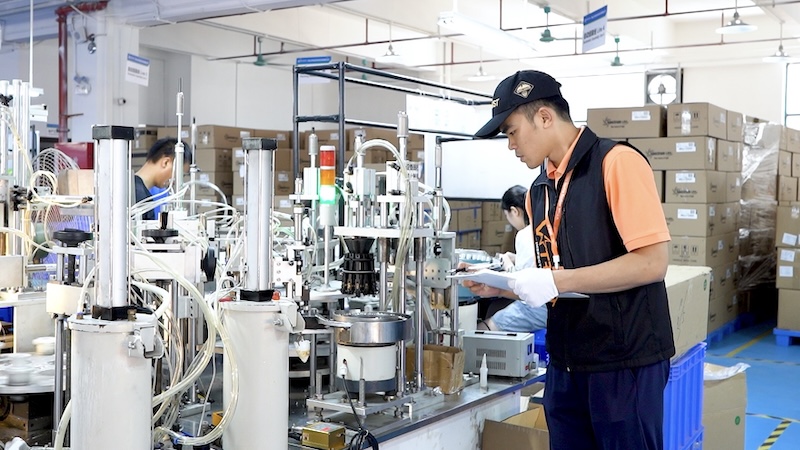
    China inspection agencies, also known as inspection and testing organizations, are tasked with evaluating the quality, safety, and compliance of products manufactured in China. These agencies employ a range of inspection techniques, including visual inspections, laboratory testing, and factory audits, to assess product quality and ensure adherence to regulatory standards. With their expertise and extensive networks, Inspection agency in China plays a vital role in verifying product quality, identifying defects, and mitigating risks throughout the manufacturing process.

    Quality assurance and compliance

    One of the primary functions of the China inspection agency is to uphold quality assurance and compliance standards. They work closely with manufacturers to establish quality control protocols, conduct inspections at various stages of production, and verify that products meet regulatory requirements. By meticulously examining product specifications, materials, and manufacturing processes, these agencies help prevent defects, non-compliance issues, and safety hazards, thereby enhancing product quality and reliability.

    1. Upholding quality standards

    China inspection agencies are tasked with upholding stringent quality standards throughout the manufacturing process. From the sourcing of raw materials to the final production stages, these agencies conduct thorough inspections to ensure that products meet predetermined specifications and quality benchmarks. By meticulously assessing factors such as material composition, manufacturing processes, and product performance, they help safeguard against defects, deviations, and substandard quality.

    2. Compliance with regulatory requirements

    In addition to quality standards, Inspection agency in China also plays a pivotal role in ensuring compliance with regulatory requirements. This includes adhering to national regulations, industry standards, and international directives governing product safety, environmental protection, and labeling. Through comprehensive testing, documentation reviews, and audits, these agencies verify that products meet the necessary legal and regulatory obligations, thereby mitigating the risk of non-compliance issues and regulatory penalties.

    Product testing and certification

    China inspection agencies conduct rigorous product testing and certification to validate compliance with national and international standards. From electrical appliances and consumer goods to automotive parts and industrial equipment, these agencies assess product performance, safety, and durability through comprehensive testing procedures. By obtaining certifications such as CCC (China Compulsory Certification) and CE, manufacturers demonstrate their commitment to quality and gain access to domestic and international markets.

    1. Specialized testing services

    China inspection agencies offer specialized testing services tailored to the unique requirements of specific industries and product categories. Whether it involves electronic devices, textiles, toys, or automotive components, these agencies possess the expertise, equipment, and facilities to conduct specialized tests to evaluate product performance and safety attributes. Through customized testing programs, they address industry-specific challenges and ensure that products meet the highest standards of quality and safety.

    2. Accelerating Time-to-Market

    Efficient product testing and certification processes conducted by Inspection agency in China contribute to accelerated time-to-market for manufacturers. By streamlining testing procedures, optimizing workflows, and leveraging advanced testing methodologies, these agencies help expedite the product development cycle and shorten lead times. This enables manufacturers to swiftly bring their products to market, seize market opportunities, and gain a competitive edge in dynamic business environments.

    Factory audits and supplier evaluation

    In addition to product inspections, China inspection agencies perform factory audits and supplier evaluations to assess manufacturing facilities' capabilities and compliance with ethical and environmental standards. Through on-site visits and comprehensive assessments, these agencies evaluate factors such as production processes, workplace conditions, environmental impact, and supply chain transparency. By identifying areas for improvement and ensuring adherence to best practices, they help enhance operational efficiency, sustainability, and social responsibility within manufacturing facilities.

    1. Comprehensive evaluation framework

    Inspection agency in China employs a comprehensive evaluation framework to assess the capabilities, practices, and compliance of manufacturing facilities. Through meticulous onsite inspections, they scrutinize various aspects of factory operations, including production processes, quality management systems, workplace conditions, environmental practices, and adherence to labor standards. By evaluating these factors against industry best practices and regulatory requirements, these agencies provide valuable insights into the overall performance and reliability of suppliers.

    2. Compliance assessment

    One of the primary objectives of factory audits conducted by China inspection agencies is to assess compliance with applicable laws, regulations, and industry standards. During audits, inspectors review documentation, procedures, and practices to ensure alignment with regulatory mandates governing product safety, environmental protection, labor rights, and ethical business conduct. By identifying areas of non-compliance and recommending corrective actions, these audits help mitigate legal risks, safeguard brand reputation, and promote ethical sourcing practices.

    Risk management and mitigation

    Risk management and mitigation are essential aspects of supply chain management, particularly in the context of sourcing products from China. Inspection agency in China plays a crucial role in identifying, assessing, and addressing risks associated with manufacturing processes and supplier practices. Through comprehensive inspections and audits, these agencies help businesses mitigate risks and safeguard their interests.

    1. Identifying potential risks

    One of the primary functions of China inspection agencies is to identify potential risks within the supply chain. These risks can range from quality control issues and product defects to ethical lapses and regulatory non-compliance. By conducting thorough assessments of manufacturing facilities and supplier practices, these agencies pinpoint vulnerabilities and areas of concern that could compromise product quality, safety, and integrity.

    2. Assessing compliance and regulatory risks

    Compliance with local regulations and international standards is critical for businesses sourcing products from China. China inspection agencies conduct audits to assess compliance with applicable laws, regulations, and industry standards. This includes evaluating factors such as product safety, environmental regulations, labor practices, and ethical business conduct. By identifying instances of non-compliance, these agencies help businesses mitigate regulatory risks and avoid legal consequences.

    3. Evaluating supply chain risks

    Supply chain risks can arise from various sources, including supplier reliability, geopolitical factors, natural disasters, and economic fluctuations. China inspection agencies evaluate supply chain risks by assessing the capabilities, performance, and resilience of suppliers. This involves scrutinizing factors such as production capacity, financial stability, geographical location, and contingency plans. By identifying potential weaknesses in the supply chain, these agencies enable businesses to implement proactive measures to mitigate risks and ensure continuity of operations.

    4. Implementing corrective actions

    Upon identifying risks, Inspection agency in China works with businesses to implement corrective actions and remediation measures. This may involve providing recommendations for process improvements, quality control enhancements, or supplier diversification strategies. By collaborating with businesses and suppliers to address underlying issues, these agencies help mitigate risks and improve overall supply chain resilience.

    5. Enhancing due diligence processes

    Effective due diligence is essential for mitigating risks and ensuring the integrity of the supply chain. China inspection agencies support businesses in enhancing their due diligence processes by providing comprehensive assessments of suppliers and manufacturing facilities. This includes verifying credentials, conducting background checks, and validating compliance with regulatory requirements. By strengthening due diligence practices, businesses can minimize the risk of working with unreliable suppliers and mitigate potential financial and reputational risks.

    Risk management and mitigation are integral components of supply chain management, particularly when sourcing products from China. Inspection agency in China plays a vital role in identifying, assessing, and addressing risks associated with manufacturing processes and supplier practices. By conducting comprehensive inspections, assessing compliance, evaluating supply chain risks, implementing corrective actions, and enhancing due diligence processes, these agencies help businesses mitigate risks and safeguard their interests in the competitive global marketplace.

    International trade facilitation

    International trade facilitation is a key aspect of global commerce, and China inspection agencies play a crucial role in ensuring the smooth flow of goods across borders. These agencies serve as intermediaries between exporters in China and importers worldwide, facilitating trade by verifying product quality, compliance with regulations, and adherence to international standards.

    1. Ensuring compliance with import regulations

    One of the primary functions of a reliable Inspection agency in China is to ensure that exported goods comply with the import regulations of destination countries. This involves conducting thorough inspections and assessments to verify that products meet the required standards and specifications. By ensuring compliance with import regulations, these agencies help prevent delays and disruptions in the customs clearance process, facilitating smoother trade transactions.

    2. Facilitating cross-border transactions

    China inspection agencies act as facilitators for cross-border transactions by providing services such as pre-shipment inspection, product testing, and certification. These services help streamline the export process by verifying product quality and compliance before goods are shipped to their destination. By facilitating smooth and efficient cross-border transactions, these agencies contribute to the growth of international trade and economic development.

    3. Resolving trade disputes

    In cases of trade disputes or discrepancies, Inspection agency in China plays a crucial role in resolving conflicts between exporters and importers. These agencies conduct impartial investigations, review documentation, and provide expert opinions to help parties reach mutually acceptable resolutions. By serving as neutral arbiters, these agencies contribute to the maintenance of trust and confidence in international trade relationships.

    4. Enhancing supply chain transparency

    China inspection agencies contribute to supply chain transparency by providing visibility into the production processes and practices of Chinese suppliers. Through factory audits, social compliance assessments, and supply chain inspections, these agencies help identify potential risks and vulnerabilities in the supply chain. By promoting transparency and accountability, they enable importers to make informed decisions and mitigate risks associated with sourcing products from China.

    China inspection agencies play a pivotal role in facilitating international trade by ensuring product quality, safety, and compliance with import regulations. Through their various services, these agencies help streamline cross-border transactions, resolve trade disputes, and enhance supply chain transparency. By promoting confidence and trust in the integrity of Chinese exports, they contribute to the growth and prosperity of global trade.

    Continuous improvement and innovation

    Continuous improvement and innovation are essential components of the crucial role played by the Inspection agency in China in facilitating international trade. These agencies are constantly evolving to meet the changing needs and challenges of global commerce, employing innovative approaches and technologies to enhance their services and ensure the quality and safety of exported goods.

    1. Adopting advanced inspection technologies

    To keep pace with the demands of modern trade, China inspection agencies are embracing advanced inspection technologies and methodologies. These include the use of automated inspection systems, artificial intelligence, and machine learning algorithms to streamline the inspection process and improve accuracy. By leveraging these technologies, these agencies can conduct inspections more efficiently and effectively, ensuring that products meet the required standards and specifications.

    2. Investing in training and development

    Another key aspect of continuous improvement for China inspection agencies is investing in the training and development of their personnel. These agencies provide ongoing training programs to their inspectors and staff, ensuring that they remain up to date with the latest industry trends, regulations, and best practices. By investing in the professional development of their workforce, these agencies enhance their expertise and capabilities, enabling them to deliver high-quality inspection services to their clients.

    3. Embracing innovation in inspection methods

    Innovation is at the forefront of the efforts of China inspection agencies to improve their inspection methods and techniques. These agencies are exploring new approaches to inspection, such as remote inspection technologies, drones, and smart sensors, to enhance the efficiency and accuracy of their inspections. By embracing innovation in inspection methods, they can overcome logistical challenges, reduce inspection times, and improve the overall quality of their services.

    Continuous improvement and innovation are central to the crucial role played by the Inspection agency in China in facilitating international trade. By adopting advanced inspection technologies, implementing robust quality management systems, investing in training and development, and embracing innovation in inspection methods, these agencies ensure that they remain at the forefront of the industry. Through their commitment to excellence and innovation, they contribute to the safety, quality, and integrity of global trade, fostering trust and confidence among exporters and importers worldwide.

    Conclusion

    China inspection agencies play a vital role in ensuring product integrity, safeguarding consumer safety, and facilitating international trade. Through their expertise in quality assurance, product testing, factory audits, and risk management, these agencies help manufacturers meet regulatory requirements, mitigate risks, and maintain high standards of quality. As global supply chains become increasingly complex and interconnected, the role of China inspection agencies in upholding quality standards and promoting consumer trust remains indispensable in today's competitive marketplace.

    Aaron Li
    Hey, this is Aaron Li, an expert in quality sourcing. Since 2012, I have helped 300+ startups to source from China and manage the quality. I'd like to share my experience and knowledge for frequently asked questions related to product sourcing and quality control.
    All Articles
    How to Start a Cat Products Wholesale Business Today
    FedEx Global Shipping: Fast International Delivery Guide
    Master eBay Global Delivery: Tips for Cross-Border Buying
    How to Find Reliable Global Shipping at Best Prices
    Trusted Dropshipping Suppliers for Your Shopify Store
    Best Automation Tools for Shopify Dropshipping Businesses
    How to Find Profitable Alibaba Items for Amazon FBA
    China's Trade Policies: What Global Businesses Must Know
    Custom Fast Food Packaging: Boost Your Brand Identity
    How to Win Government Contracts Through Procurement Agencies
    Import from China to USA: Step-by-Step for Beginners
    Import from China: Calculate All Fees Before You Ship
    Find Quality Suppliers: Proven Methods for Product Sourcing
    How to Start EU-China Import Export Business Today
    Hot Products to Import from China: Ultimate 2026 Guide
    What Does the USA Buy from China? Top 10 Imports List
    What Is Automatic Visual Inspection? Expert Overview
    How to Audit Suppliers and Reduce Supply Chain Risk
    Custom Soap Packaging: Elevate Your Brand Identity
    Why Custom Coffee Bags Matter for Your Coffee Business
    Understanding Quality Assurance: The Ultimate Overview
    What Is AQL? Acceptance Quality Limits Explained Simply
    Customs Broker Explained: Why Your Business Needs One
    Customs Clearance Times: What to Expect & How to Speed Up
    How to Calculate Landed Cost: Step-by-Step Guide
    What Is a Proforma Invoice? Everything You Need to Know
    How to Find Profitable Niche Products for Your Online Store
    What Is DHgate? Understanding China's Wholesale Platform
    Average Tare Weight: 40ft Container Specifications
    Import Tax from China to US: 2026 Update
    How to Import Handbags from China at Wholesale Prices
    Shantou Toy Wholesale Market: Complete Buyer's Guide
    Custom Shoe Manufacturers China: 2026 Guide
    Wholesale Crystals & Stones: Buy in Bulk & Save Big
    How to Import Toys from China Wholesale: Step Guide
    China Hardware Wholesale Market: Insider Buying Tips
    Jingdezhen Porcelain Guide: Quality, Marks & Prices
    How to Source Quality Furniture from Lecong Market
    Huaqiangbei Electronics Market: Best Deals & Hidden Gems
    Top 50 Wholesale Ladies Gifts for Retailers & Resellers
    Door to Door Freight Forwarding Practice
    Custom Logo Tablecloths: Professional Branding Guide
    How to Print Your Logo on Products
    Startup Procurement: Cut Costs & Scale Smart
    Government Procurement Guide: Streamline Your Process
    How to Start a Global Dropshipping Business
    Hospitality Sourcing: Save Costs & Boost Quality
    China to USA Product Sourcing Guide
    Buy Direct from Furniture Factories
    What's Reversed Sourcing on Amazon
    Expert Guide to Finding Top China Freight Forwarders
    Shopify Dropshipping Suppliers - Avoid These Common Mistakes
    Design a Packaging Box That Boosts Brand Recognition
    China's Top Freight Forwarders: Compare Services & Rates
    How to Supervise Container Loading for Secure Shipments
    How to Choose the Best Ecommerce Fulfillment Service
    China to USA Shipping: Finding the Right Forwarder
    China Pre-Shipment Inspection: Top 5 Service Providers
    5 Key Duties of an International Procurement Agent
    Best Practices for Effective Supplier Risk Management
    How to Handle Cross Border Logistics
    Is Custom Product Development Too Difficult
    Critical Points on Product Inspection Checklist
    Tips of Building Relationship with Suppliers
    How to Qualify Furniture Sourcing Agent in China
    How Can I Avoid Supplier Financial Risk
    Operations Management with Total Quality Management
    How to Start Sourcing Products to Sell Online
    Procurement Performance Metrics for Suppliers
    Cost Reduction Strategies in Procurement
    How to Use Digital Prototyping for Your Invention
    Christmas Candles and Table Decorations
    Best Practice for China Components Sourcing
    Sourcing Products for Ecommerce Knowhow
    Cross Border Freight Forwarding Services
    Engineering Quality Inspection Services
    Supplier Evaluation and Selection Process
    Methods of Supplier Performance Evaluation
    Procurement Strategy Development Process
    Tips for Shipping to Amazon FBA Warehouse
    Electronics Wholesale Distributors in China
    How to Select a Cargo Freight Forwarder
    Tips to Purchase Outdoor Christmas Lights from China
    Introduction to Automated Quality Control Inspection
    Business Process Outsourcing Services
    Best Places to Source for Retail Arbitrage
    Best Practices of Shipping to Amazon FBA
    Global Supply Chain Management Services
    Integrated Supply Chain Management System
    Artificial Intelligence in Supply Chain Management
    Cost vs. Value of Custom Packaging Boxes
    PCB Prototype and Custom PCB Boards
    Bottlenecks in Common PCB Fabrication
    Difference between 3PL and 4PL Logistics
    Digital Transformation for Supply Chain
    Third Party Logistics Provider for Trade
    Cost-Effective Custom Packaging Solutions
    China Custom Plastic Injection Molding
    Custom Product Manufacturing in China
    Key of International Sourcing Strategies
    Read More
    References
    Our Features
    Custom Products
    Turn concept to reality
    Quick Response
    Within 24 hours
    Detail Oriented
    Strive for perfection
    Assured Quality
    100% Guarantee