Maple Sourcing Ltd.
Maple Sourcing Ltd.
We Make Your Sourcing Easy!
Need help? sales@maplesourcing.com
English
Maple Sourcing Ltd.
Maple Sourcing Ltd.

Why Are Pre-Shipment Inspections Important in China Sourcing?

2024-04-24
4409 Views
Table of Content [Hide]

    148_quality_control.jpeg

    If you are new to procuring goods from China, then it is essential to learn the complexities of overseas manufacturing. Quality and compliance with specifications are the major concerns. Pre-shipment inspection is a final examination of finished products before they leave the factory for shipment. 

    What is a pre-shipment inspection?

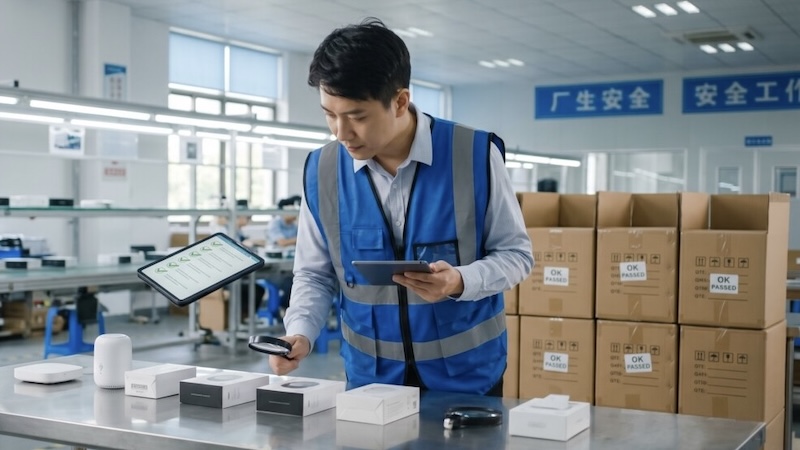
    A pre-shipment inspection is a systematic examination of a randomly chosen sample from your order. It is conducted when the production is 80~100% completed. You can hire a specialized and qualified QC inspector to visit the manufacturer’s facility, and verify various aspects like quantity, quality, and compliance of your order against the agreed-upon product specifications in the contract. 

    Pre-shipment inspection checklist

    A pre-shipment inspection checklist is a guideline for QC inspectors to ensure the finished goods meet necessary product specifications and quality standards. The checklist differs based on the product type and industry. Several common elements that are covered in a typical quality checklist are given below.

    Random sampling - In most cases, the inspector chooses product samples randomly rather than every single unit. Reasonable and descriptive guidelines for the random sampling process must be included in the checklist.

    Product specification - A detailed product description will include the dimensions, weight, material, colour, and any other relevant specifications. It ensures that the inspected product matches your requirements.

    Quantity verification - The inspector verifies the product quantity against your purchase order. It ensures that the number of products being shipped is correct.

    Packaging & labelling - The inspector checks for proper labelling, barcodes, packaging materials, and specific requirements for shipping and handling, if any. 

    Visual inspection - It is conducted to check for visible damages or defects. Visual inspection includes checking for dents, scratches, discolouration or any other physical abnormalities that can impact your product quality.

    Functionality & performance - Tests are conducted to ensure that your products function properly and meet the required performance standards. It can involve testing the product components, running the product or conducting function tests.

    Safety & compliance - The inspector checks for any potential hazards like loose parts or sharp edges and ensures the product fulfils every necessary safety standard. 

    Workmanship & finishing - It is an overall check of the product, including uneven seams, loose threads, manufacturing defects or any other flaws that can impact the appearance and durability of the product. 

    Documentation & paperwork - The inspector reviews all relevant documentation and paperwork, like product certificates, test reports, and quality control records. It ensures that the necessary documentation is in order and product meets the required standards. 

    Report of findings - It includes the recording of any defects identified during the inspection, with pictures and dimensions if applicable.

    A well-designed inspection checklist is a tool that ensures that you will receive quality products from your Chinese supplier as expected. QC inspectors receive guidelines and can systematically evaluate products based on your requirements, compliance and quality standards.

    Benefits and drawback of pre-shipment inspection process

    Pre-shipment inspection is a crucial step for every importer because of several reasons.

    Reduced risk of defects: Early detection of quality issues allows for corrective actions before shipment. It saves you from receiving unusable products and the hassle of returns or rework.

    Financial protection: Identifying issues before the final payment avoids a situation where you pay for subpar goods. Pre-shipment inspection ensures you only pay for what you receive.

    Improved quality control: The knowledge of the inspection process keeps suppliers alert to maintain high production standards as they know their work will be scrutinized. It fosters a long-term commitment to quality.

    Brand reputation: Receiving defect-free, high-quality products means your brand is true to its promises to consumers. Pre-shipment inspection process protects your brand image and customer loyalty.

    Supply chain efficiency: Detecting flaws in the product early reduces delays and disruptions later in the supply chain. You plan to receive the orders and distribute your products as smoothly as feasible. 

    Streamlined logistics: Proper packaging and labelling are verified during the pre-shipment inspection. It leads to smoother customs clearance and few delays at the port of entry.

    The benefits of pre-shipment inspection are many but it is also essential to know its potential drawbacks.

    Cost: Pre-shipment inspection can add to the overall cost of goods procuring from China. You must allocate a budget for inspection fees, travel expenses for the inspectors and associated costs for repairing or reworking defective products. Nevertheless, weigh these costs against potential losses that can occur from receiving substandard products.

    Time: Inspections take time to schedule and conduct, which can delay goods shipment. You need to factor in the time needed for inspections while planning their supply chain timelines. You can resolve this drawback through effective communication and collaboration with the suppliers and inspection agencies. 

    Logistics: When you are dealing with multiple suppliers or complex supply chain, it is a challenge to coordinate with suppliers to ensure that products are available for review or not. You will need to communicate and collaborate efficiently to ensure inspections are completed at the right time and place.

    Limited scope: Pre-shipment inspection concentrates on visual product inspection and may not detect issues that are not immediately visible. You will need to consider extra testing for products under specific categories to ensure comprehensive quality control.

    Language & cultural barrier: Effective communication between the suppliers and inspectors is crucial to ensure that the review process is carried out accurately and every requirement is understood. For this, you can look for a local China purchasing agent with multi-lingual professionals.

    Reliance on inspection agency: To ensure pre-shipment inspection process effectiveness, choose a reputable inspection agency. If you are lucky in hiring a trustworthy and experienced inspection agency, don’t solely rely on them. It is crucial to maintain an active role in the pre-shipment inspection process, provide clear instructions and conduct regular audits of the performance of the inspection agency. 

    Despite the drawbacks, the benefits of pre-shipment inspection outweigh the challenges. You can address the drawbacks with effective planning, communication, and collaboration. It ensures the quality and compliance of receiving high quality goods from Chinese factories.

    How does the pre-shipment inspection process work?

    There are seven critical steps involved in a robust pre-shipment inspection process.

    1) Initial visit to set the stage

    The inspector you engaged meets with the supplier's team to establish a clear understanding of the inspection details. Key documents like the purchase orders and compliance certificates are reviewed, and the inspection timeline is established. The initial meeting sets the tone for a collaborative process, ensuring everyone involved is on the same page. 

    2) Counting or quantity verification

    Accuracy is a top priority in business transactions. The inspector meticulously counts the finished goods against your purchase order. The number of shipping cartons is verified and checked for damages. Besides, the storage environment is assessed to confirm proper maintenance of goods before shipment. 

    3) Random selection

    Inspection of every product in a large order is an intimidating and ultimately unnecessary task. Statistical sampling is a great alternative. Pre-determined sampling plans based on internationally recognized standards are employed. A representative from the mass order is chosen for closer inspection. This method allows for efficiency and thoroughness, providing inspection of overall quality.

    4) Visual & finishing checks

    First impressions are crucial, and the visual appeal of the product is the first thing your customer will experience. The inspection team carefully examines the products for cosmetic flaws. Dents, scratches, discolouration, and uneven finishes are documented. 

    In terms of artistry, the inspector checks if the part is securely assembled or if there are any misalignments or signs of improper finishing. This keen eye for detail ensures the final product displays both beauty and quality. 

    5) Standard verification

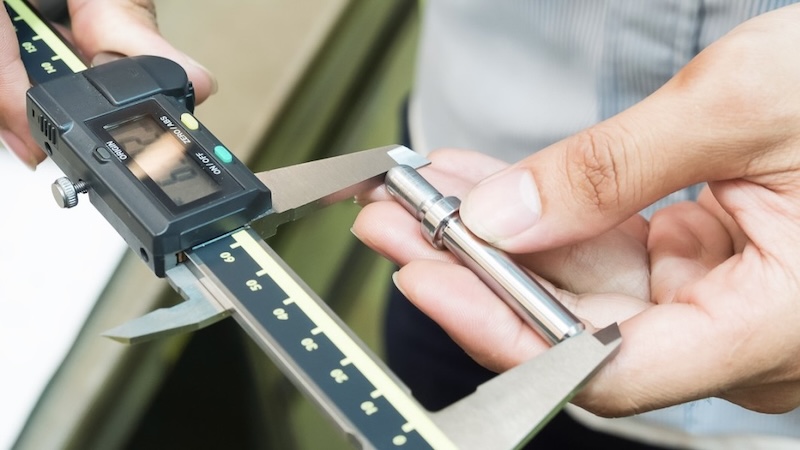
    Products must not just be visually appealing but function flawlessly and adhere to relevant regulations. The product's dimensions, weight, and material are carefully scrutinized. Besides, the compliance with safety standards for the target market is verified.

    6) Function & safety testing

    The genuine worth of any product lies in its functionality. The function and safety testing differs based on the product and specified regulations.

    For garments, footwear, and apparel: Products are put through zipper pull tests for assessing stress and endurance. Buttons are checked for security. Footwear undergoes slip-resistance testing to minimize fall risks. Garment seams are reviewed for proper stitching and strength. In children’s clothing, the inspectors verify if the material is in compliance with regulations and not exposed to harmful chemicals. Flammability testing helps to ensure that the garment meets safety standards. Such rigorous tests offer peace of mind that the products are functional and safe. 

    For mechanical safety: Mechanisms like latches and hinges are rigorously tested for strength and functionality to prevent accidental opening or breakage. Products with moving parts undergo stress tests to ensure that they withstand the intended use without failure. It may involve applying specific weight loads. Toys are subjected to pull and torque tests to ensure small parts don't detach and pose a choking risk. Targeted checks make sure the products fulfil international safety standards. 

    For electrical safety testing: Electrical appliances and products undergo leakage current tests to ensure the product doesn't exceed safe limits, reducing electrical shock risks. Insulation integrity is assessed to verify proper protection against exposed wire. Products may even undergo tests to simulate potential overloads or short circuits, ensuring they can handle such situations without failure. 

    Compliance with country-safety standards is critical. The inspectors verify the presence of required certification markings on the product. For example, a product destined for the US will need the UL mark, while a European market will require the CE mark.

    Testing for safety and compliance ensures that the products you procure from China not only function properly but conform to international safety standards. You can confidently protect your customers, which fosters trust and brand reputation in your target market. 

    7) The Final Act - Reporting the findings

    The finale of the pre-shipment inspection process is creating a comprehensive inspection report. The inspector will document the details of the findings of every stage including the number of products reviewed, any discrepancies found, and recommendations for corrective actions. Photos are often included to support their findings. It will allow you to make an informed decision about accepting shipment or requesting corrective measures. 

    How to determine shipping acceptance after receiving a pre-shipment inspection report?

    After you receive a pre-shipment inspection report, carefully analyse it and understand your priorities clearly. Here is a breakdown of the key steps.

    1) Review the pre-shipment inspection report

    - Examine the findings of every inspection stage, focusing on discrepancies identified in function, aesthetics, safety, and compliance.

    - Assess the severity of identified issues – are there minor cosmetic flaws or potential safety hazards?

    - Consider the quantity percentage affected by the issue – is it a small isolated issue, or does it impact a significant order portion?

    2) Compare findings to acceptance criteria

    - Refer to the agreed-upon specifications in the purchase order to see if the issues identified deviate from the approved product specifications.

    - Determine your tolerance levels for cosmetic defects – minor imperfections can be acceptable, but significant imperfections can be the reason for rejection.

    - Ensure that the identified issues don't violate any safety regulations for the target market.

    3) Communication & negotiation

    - Discuss the findings from the pre-shipment inspection report with your supplier. Negotiate corrective actions based on the issue's nature and severity. 

    - Explore options like replacements, repairs or discounts based on cost-effectiveness and feasibility.

    - If corrective actions are agreed, establish clear deadlines for completion and re-inspection.

    4) Other considerations

    - Weigh the cost of repairs, replacements, or delays against the potential cost of sales with minor defects.

    - Consider how the identified issue will impact customer satisfaction and brand reputation.

    - Consider long-term repercussions for your relationship with the supplier while making a decision. 

    5) Make a decision

    - Accept shipment if issues are minor, within your tolerance level and don't pose safety concerns.

    - Reject shipment if issues are major, violate safety regulations, or the supplier is unable to make it correct within your timeframe. 

    - You can opt for conditional acceptance of shipment withholding on to payment until the supplier resolves the issue.

    Conclusion

    The pre-shipment inspection process is a proactive measure that contributes to a successful and smooth import experience from China. It is very important in China sourcing.

    Aaron Li
    Hey, this is Aaron Li, an expert in quality sourcing. Since 2012, I have helped 300+ startups to source from China and manage the quality. I'd like to share my experience and knowledge for frequently asked questions related to product sourcing and quality control.
    All Articles
    Buy Electronics in China: Expert Tips & Best Practices
    Best China Laundry Bags for Hotels & Commercial Use
    How to Order Wholesale Shaker Bottles for Your Brand
    China Hardware Sourcing: Avoid These Mistakes
    Purchasing from China Made Easy: Importer's Handbook
    Amazon FBA China Sourcing: Avoid Costly Mistakes
    Custom Products China: Quality Sourcing Made Simple
    How to Choose the Right Molding Process for Your Product
    Getting Prototypes Made in China: What You Need to Know
    Behind the Scenes: What Goes On Inside China Factories
    Need a China Outsourcing Agent? Start With These Tips
    Leading China Quality Inspection Services Reviewed
    Verify China Suppliers: Step-by-Step Due Diligence
    Where to Buy Sunglasses in China and Save Money
    Is Direct Sourcing China Worth It for Small Businesses
    China Direct Procurement - Cut Middlemen, Boost Profit
    How China Hair Accessories Help Grow Your Beauty Store
    Yiwu Trade City - Your Shortcut to Profitable Sourcing
    How to Choose Steel Kitchen Accessories for Daily Use
    How to Choose Stainless Steel Utensils That Last Longer
    How to Spot Quality in a China Ceramic Vase Before Buying
    Ceramic Manufacturers in China - How to Cut Sourcing Risk
    How to Choose a China Pencil Box for Daily School Use
    How to Assure Quality in Production Process - Practical Steps
    Global Sourcing Supply Chain - Boost Efficiency Worldwide
    How to Buy Gadgets in China Without Getting Scammed
    How Top China Sourcing Companies Reduce Supplier Risk
    How to Import Consumer Products from China Profitably
    How to Identify Potential Suppliers in Global Markets
    Need a Reliable Sourcing Agent in China? Start Here
    How to Source Ecommerce Products in China Like a Pro
    Bulk Order from China: How to Avoid Supplier Scams
    How a Chinese Manufacturing Agent Improves Product Quality
    Buying Agents in China - Simplify Sourcing and Shipping
    How to Use Global Sourcing Standards for Better Quality
    Profitable Items to Import from China - Boost Margins
    Global Suppliers Management - Improve Risk Control
    How to Build a Global Procurement Sourcing Strategy
    7 Ways Third-Party Inspection in China Reduces Risk
    How to Choose a China Sourcing Agent You Can Trust
    Track Shipment from China to USA - Avoid Delivery Delays
    How to Spot Innovative Made-in-China Products Early
    How to Manage Supply Chain Operations for Better Margins
    How to Import Electronics Made in China Step by Step
    Alibaba Sourcing Agents - Cut Costs and Avoid Scams
    Sourcing Quality Control: How to Cut Defects Before Ship
    How to Source Products in China Without Costly Mistakes
    How to Buy Kitchen Products in China and Save More
    How to Buy China Products Direct for Your Online Store
    How to Negotiate with Chinese Suppliers Like a Pro
    How to Verify a Factory in China Before You Place Orders
    How to Find a Manufacturer in China for Your Product
    China Camping Tent - Save Money Without Losing Quality
    How to Compare Stationery Suppliers in China and Save More
    How to Find Trusted Kitchen Utensils Suppliers in China
    How to Buy China Wholesale Electronics at Better Prices
    Types of Sourcing Strategies - Improve Supply Performance
    How to Track a Shipment from China in Real Time Easily
    How Can I Find a Manufacturer for My Product Today
    Wholesale Sneakers from China - Cut Costs, Boost Sales
    How to Choose Cool Things to Buy in China for Gifts
    How Much Is Customs Duty from China to UK? Full Guide
    How to Order Custom-Made Products from Chinese Factories
    How to Choose the Right Sourcing Agent in Guangzhou
    How to Perform a Security Audit That Finds Threats
    What Does a Sourcing Company Do? Benefits & Services
    How to Set Up R&D Operations in China Successfully
    How to Conduct Global Sourcing in China Effectively
    How to Work with a Purchasing Agent in China Effectively
    How to Source Products from Shenzhen Wholesale Markets
    How to Choose the Right Regulatory Compliance Products
    Plastic Mold Making in China: What You Need to Know First
    Connect with China Suppliers: Step-by-Step Process
    Complete Guide to Starting Production in China Easily
    What Makes Chinese Products So Innovative? Expert Analysis
    How to Import from China to USA Without Costly Mistakes
    Why You Need a Local Agent in Shenzhen for Your Business
    How to Navigate Global Sourcing in China Successfully
    How to Get Your Products Tested and Certified in China
    Consumer Electronics in China: Trends, Brands & Opportunities
    How to Conduct Pre-Shipment Inspections in China Effectively
    China Inspection Company: Your Quality Control Partner
    How to Evaluate Supplier Quality for Better Results
    1688.com: Complete Guide to China's Wholesale Marketplace
    Famous Chinese Products You Use Every Day Without Knowing
    Rapid Prototyping Services: Transform Ideas Into Reality
    How to Verify Product Quality When Sourcing from China
    How to Manage Quality with Chinese Suppliers Effectively
    How Procurement Outsourcing Reduces Operating Costs
    Best Global Sourcing Company: 7 Must-Have Features
    How to Implement Factory Quality Control Systems Effectively
    What Happens During a China Compliance Audit? Full Breakdown
    Global Sourcing Advantages: Cut Costs & Boost Efficiency
    Order from China Direct: Save 40-70% on Your Purchases
    How to Build Relationships with Reliable China Suppliers
    How to Manage Orders in China: Best Practices & Tips
    How to Source Quality Electronics from China in 2026
    QC Inspection China: Avoid Costly Manufacturing Defects
    Product Development in China: How to Avoid Costly Mistakes
    Sourcing from China: 7 Steps to Reduce Costs & Risks
    Read More
    References
    Our Features
    Custom Products
    Turn concept to reality
    Quick Response
    Within 24 hours
    Detail Oriented
    Strive for perfection
    Assured Quality
    100% Guarantee