Quality becomes one of the most crucial business criteria when you are manufacturing any kind of product. This pertains to outsourcing from all over the world, not only from countries like China. As far as quality control in any production process is concerned, inspections are mainly focused on at every stage of the production process. The basic purpose of conducting a quality inspection is to eliminate products you do not want to sell to your customers.
Therefore, it is essential that you have a very effective plan so that you can catch defective products at various stages of your manufacturing process so that they never reach your final customers. In this article, we will discuss various steps you must consider to successfully manufacture products in China.
China is one of the biggest countries in Asia, and it has a huge population. During the end of the last millennium, China developed large manufacturing facilities and created an excellent infrastructure in their country.
China is also known for its huge population, which has been usefully utilised by the Chinese government by providing them with the necessary training and skills. As a result, China has a huge qualified manpower that can produce any product at a very low cost.
However, quality has been one of the main issues in Chinese products, and therefore, any company that wants to manufacture products in China has to be highly pro-active so that quality of their product is maintained as per their requirements.
Partnering with a manufacturing facility in China significantly reduces production costs without compromising output volume, which is why many US companies and entrepreneurs choose to manufacture overseas despite the challenges.
- High output in less time: Chinese factories often have greater capacity and faster production times than domestic US facilities, thanks partly to lower labour costs. While there are ethical concerns about labour practices, many Chinese manufacturers operate fairly. It is essential to conduct thorough due diligence.
- Easy market expansion: Manufacturing in China allows for seamless local market entry. Since China has a huge production capacity and abundant manpower resources, it is very easy to scale up production in this country.
Working with a Chinese manufacturing facility can lower production costs without compromising output volume, a key reason many US companies opt for overseas manufacturing despite its challenges.
- Finding a factory: Identifying a reliable factory requires effort and due diligence, including factory visits. You might face delays if a factory prioritizes large orders over smaller ones.
- Language barriers: Language differences can complicate communication. Hiring a translator helps, though it adds cost.
- Shipping issues: Long lead times and high shipping costs are common. Therefore, it is important to be proactive in inventory management.
- Poor perceptions: Chinese-made products have been notoriously famous for poor and substandard products as compared to US standards.
- Quality of work: Quality varies and simple products fare better. Regular checks and using local inspections can mitigate risks.
- High MOQ: Chinese factories often require large minimum orders, which may not suit small-batch needs.
- Intellectual property risks: Protect your IP by registering patents and trademarks, compartmentalizing development, or establishing R&D departments in China. Building strong relationships with manufacturing partners also helps protect your IP.
While entering the Chinese market to locate a suitable supplier to partner with, it is necessary to perform some due diligence. Ensure that the supplier is a licensed company, a manufacturer, and not a trader.
It is important to know whether the company has any quality management system or not. Check whether they have any ISO 9001 certifications. This will demonstrate whether the supplier you are tying up is a genuine manufacturer and can supply you with a quality product.
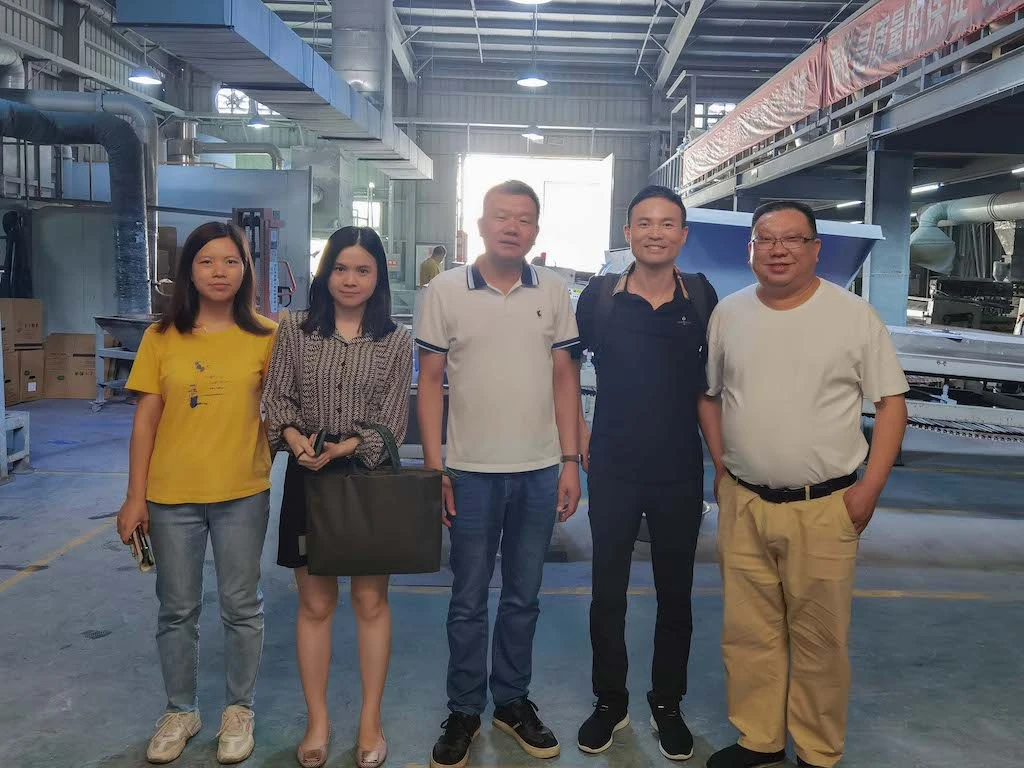
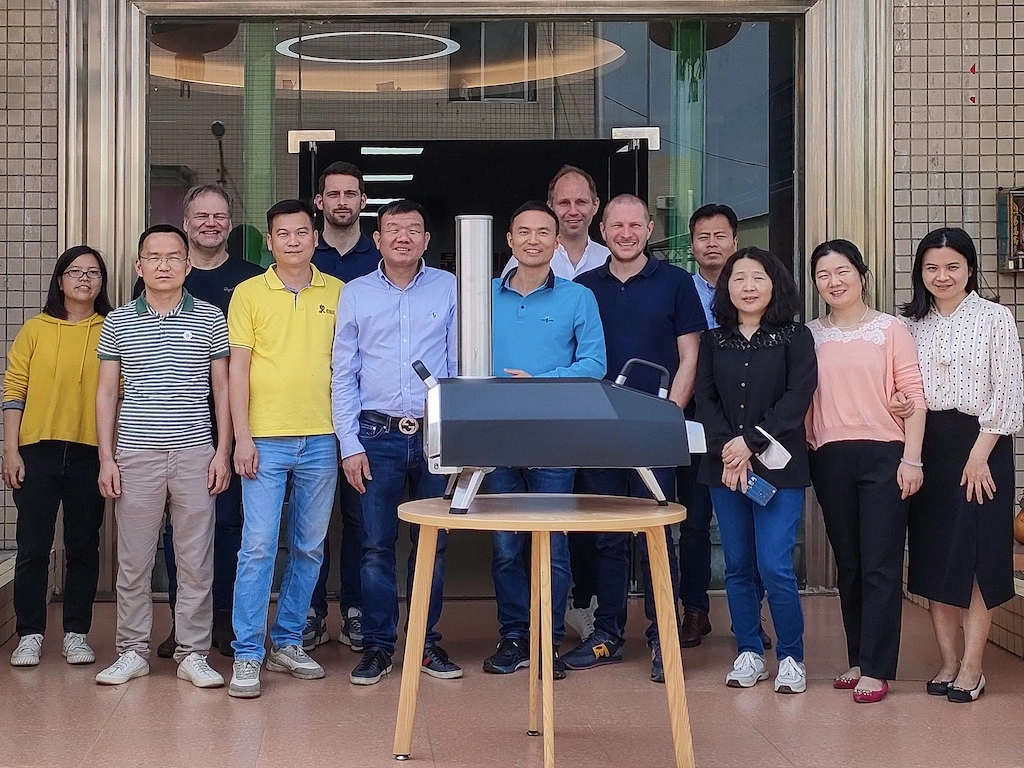
Moreover, visiting the supplier's facilities in person allows you to observe their operations directly. This firsthand experience is invaluable for assessing their capabilities and quality control practices.
Conducting thorough due diligence through such visits helps ensure that you make well-informed decisions when finalizing agreements before you decide to manufacture products in China.
Establishing reliable communication channels with your Chinese manufacturer is crucial. Clearly conveying your product specifications, quality standards, and performance expectations is essential before production begins. By ensuring that your requirements are understood and fulfilled, effective communication lowers the possibility of misunderstandings and poor quality.
1. Detailed product specifications
When you initiate any discussion with any prospective Chinese manufacturer, you must supply your detailed specifications with drawings and product samples so that there is no chance of any ambiguity. To develop a proper professional relationship, you must regularly communicate with your Chinese suppliers. You must promptly reply if they ever have any queries regarding your product.
2. Quality standards and compliance
Quality standards often vary from one country to another. Therefore, you must appreciate that unless you discuss with your supplier what your quality standard is, perhaps your supplier will assume that their standard is good enough.
Therefore, you must try to understand more about Chinese quality standards and then let them know where there is a difference and what they should take care of to meet your expectations.
There can always be a few understandings. However, with mutual discussion and respecting each other’s concerns, it is possible to collaborate with your Chinese supplier to get the product quality that you are looking for.
After you have gone through the above steps, you can find a few Chinese manufacturers that meet your requirements. To further confirm that you are really dealing with the right supplier to manufacture products in China, you can follow these steps.
1. Research and vetting - You need to probe further into your selected Chinese suppliers to learn more about their manufacturing process, how they do inspections, and what quality system they follow during their manufacturing process.
2. Factory audits and visits - Additionally, a physical visit to the supplier's facilities allows for firsthand observation of their operations. This on-site inspection is critical for assessing their production capabilities and quality control processes. Conducting comprehensive due diligence through such visits enables you to make well-informed decisions when finalizing agreements.
3. Assessing communication and responsiveness - It is also important to see how your prospective supplier communicates. Whether they promptly react to your questions and have proper clarity in their communication.
If you want to ensure the proper quality of your products, then QC inspection in China at the following stages will be necessary.
1. Pre-production quality checks
It is important to keep in mind that the materials used in your product determine its quality, even in the excitement of its launch. The longevity and general quality of the product are directly impacted by the selection of materials.
Thus, before your manufacturer starts manufacturing, it is crucial to carefully check the quality of the raw materials and any accessories. Double-checking these elements ensures that the final product meets your quality standards and performs as expected.
2. In-process quality control
During the manufacturing of your first product, active oversight is crucial, as this is a critical phase for ensuring your vision is realized. Your full attention and diligent follow-up will be essential not only for maintaining product quality but also for adhering to delivery schedules. A well-managed production process will lead to the successful launch of your product.
To assist you in overseeing this process effectively, we have compiled several guidelines and pointers to help you manage the creation of your new product line efficiently.
a. Frequently check in with your manufacturer
Regularly checking in at the factory helps you detect and address any issues during the production process. Use email and phone calls to stay in touch, but ensure all correspondence is documented in writing.
Clearly reiterate your requirements in written form to avoid misunderstandings and to keep a reliable record of your communications. This approach ensures that all parties remain aligned and helps mitigate potential problems.
b. Always check and verify your materials
This step is crucial: ensure that you verify the materials used in production before the end of the production line. It is essential to confirm that the correct materials were used and that there were no substitutions without your knowledge.
Implementing strict oversight throughout the production process will help prevent any unexpected changes or issues with the materials, safeguarding the quality and consistency of your final product.
c. Be clear on your schedule times
As your product moves closer to production and shipment, understanding a few key details is crucial. First, determine the lead times for your order to ensure it arrives on schedule. Understanding your production schedule well is essential to spotting and resolving any potential problems.
Throughout the production process, proactive follow-up keeps you aware of possible issues and makes prompt remedies possible. Ensuring everything is on track before the production process concludes will help maintain smooth operations and meet your delivery deadlines.
3. Pre-shipment inspection
After all your hard work and diligent follow-up, one final step remains to ensure peace of mind: the final inspection. Engage a compliance-certified agent in China to conduct this crucial final check.
Assess the quality of your products and perform the necessary compliance checks before shipment. By having this thorough final review, you can confirm that your product line meets your expectations and is free from quality issues.
This step provides assurance that your efforts have paid off and minimizes the risk of potential quality problems.
1. Establishing clear agreements
Draft detailed contracts that outline quality expectations, responsibilities, and procedures for handling defects or non-compliance. Key elements of the contract should include:
- Quality standards: Make sure that all your quality requirements are mentioned in very simple language.
- Inspection procedures: You must explain how the inspections will be conducted.
- Dispute resolution: Explain clearly how any mismatch or defects will be handled amicably.
If your contract agreements are written clearly then there will never be any confusion in both parties regarding quality.
2. Regular communication and feedback
You must agree with your supplier on how he will accept your feedback if any quality issues are discovered. Also, how the supplier will implement the corrective actions.
3. Monitoring and continuous improvement
Regularly monitor the manufacturer’s performance and quality metrics. Engage in continuous improvement efforts by:
- Reviewing quality data: It is very important to see the trends of quality after properly analysing it.
- Implementing improvements: You must chalk out a plan with your supplier on how he is going to implement various corrections in his production line to improve quality.
- Conducting reviews: There must be a joint review of the current situation from time to time.
Problems can still occur in spite of strict quality control measures. Pre-emptive preparations for potential disruptions in the supply chain or product problems are essential to successfully manufacture products in China. Maintain backup suppliers and establish clear protocols to quickly address problems. Having alternative options ready minimizes the impact of unforeseen issues and ensures a consistent supply of your products.
Stay informed about evolving industry standards and regulations that impact your products. China often updates manufacturing, environmental, and compliance requirements. Proactively monitor these changes and ensure your suppliers adhere to current regulations. This approach helps maintain product quality and avoids potential legal or regulatory issues when you manufacture products in China.
Involve trusted third-party inspection agencies for thorough China supplier evaluation at each stage of manufacturing. These agencies provide unbiased assessments of product quality and manufacturing procedures. Their inspectors will verify specifications, conduct tests, and review quality management systems, helping you monitor progress and address non-compliance issues promptly with detailed inspection reports.
There are many companies available to manufacture products in China however, it is crucial for your business to ensure that you get quality products. This is only possible through mutual communication between you and your suppliers.
It is also important to carefully choose your supplier after understanding their quality management system. Several companies in Western countries have created many success stories by collaborating with Chinese suppliers.
 English