



How much customs duty do you actually pay when importing from China to the UK, and why does one shipment clear smoothly while another costs far more than expected? That question sits at the center of almost every first-time import decision, and it matters just as much for experienced buyers managing tighter margins.
Customs duty is not a flat fee. It is usually shaped by product classification, declared value, shipping terms, and whether extra charges such as import VAT or handling fees apply at the border. Because these parts interact, many importers underestimate their true landed cost, then discover the gap only after goods are already in transit.
This guide is designed for informational research, whether you are sourcing small trial orders or regular commercial shipments. Rather than jumping straight to conclusions, the article will break down the duty process step by step so you can understand what drives cost, where delays happen, and how to prepare documents that reduce avoidable issues.
To make the topic practical, we will focus on the questions buyers ask most often before placing an order:
What customs duty is and how it differs from import VAT and courier clearance charges.
How tariff codes and product type influence the amount payable.
Which costs are included in customs value when duty is calculated.
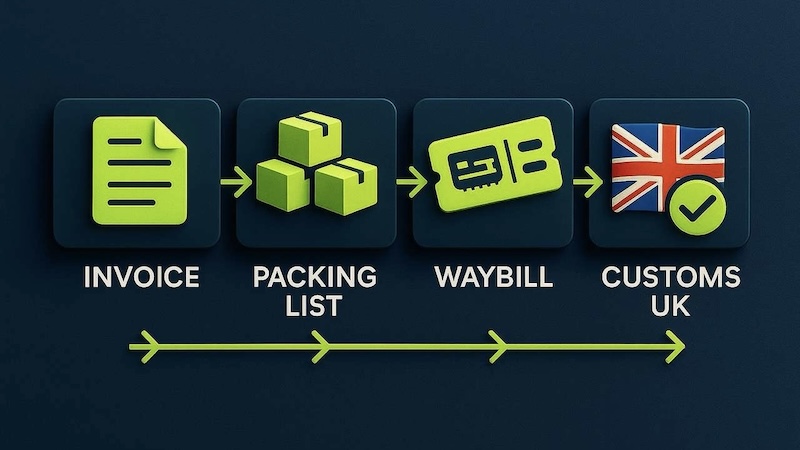
What paperwork is usually checked at import and why errors create extra expense.
How to estimate total landed cost before shipping, not after arrival.
Throughout the article, the goal is clarity over jargon. You will see the core rules in plain language, plus realistic scenarios to help you compare options before you commit budget. By the end, you should be better equipped to ask the right questions, set accurate pricing, and avoid common surprises when importing goods from China to the UK.
After the introduction, the practical question is cost control. For commercial buyers, customs duty is not a single flat fee. It is a calculation based on product classification, shipment value, shipping terms, and related import charges.
For a hardware import from China, start with a landed-cost mindset, not a duty-only mindset. Duty is only one part of the total import cost, alongside freight, insurance, import VAT, customs clearance fees, and possible handling charges from the carrier or broker.
A reliable approach is to break the process into four checks:
Classify the product correctly Identify the correct commodity code for each item. Different hardware products can have different rates even within the same shipment. Misclassification can lead to underpayment, delays, or reassessment.
Confirm the customs value Duty is usually calculated from the customs value, commonly tied to the transaction value plus specific additions when required. Keep commercial invoices, packing lists, and freight documents aligned so declared values are consistent.
Apply the duty rate and taxes Once code and value are set, apply the applicable duty rate. Then calculate import VAT on the taxable base used at entry. In practice, buyers should model duty and VAT together because both affect cash flow.
Add border and post-entry costs Brokerage, port handling, storage risk, and document correction fees can materially change your final per-unit cost. These are often small individually but meaningful at scale.
For planning purposes, many procurement teams use a simple pre-shipment estimate table:
| Cost component | What to verify before shipment |
|---|---|
| Product duty | Commodity code and current rate for each SKU |
| Import VAT | Taxable base and VAT treatment at entry |
| Freight and insurance | Incoterm used and who pays each leg |
| Clearance and handling | Broker fee structure and port/terminal extras |
| Contingency | Buffer for inspection, delay, or reclassification |
When you import tools and hardware, treat SKU-level accuracy as a profit lever. A small code or valuation error across repeated orders can distort margins over an entire quarter. This is why commercial buyers usually create an internal import checklist and validate calculations before purchase order approval.
To keep estimates decision-ready, align sourcing and finance on one shared template. At minimum, include product code, invoice value, freight allocation method, expected duty, expected VAT, and total landed cost per unit. This makes supplier comparisons more realistic and reduces surprises at customs release.
If your catalog includes mixed hardware lines, review duty exposure by category before scaling volume. A structured Hardware Import From China workflow helps you prioritize SKUs with stable compliance treatment and predictable landed cost. For product-specific planning, it is also useful to map likely duty impact early while reviewing sourcing options, such as tools and hardware categories, so purchasing decisions reflect true import cost rather than ex-factory price alone.
In short, the right approach is methodical: classify accurately, value consistently, calculate completely, and validate costs before dispatch. That discipline turns customs duty from an uncertainty into a manageable part of commercial buying.
If the previous section helped you estimate duty ranges, this section explains why two similar shipments can be charged very different amounts. For commercial buyers, duty is not just a fixed percentage. It depends on classification, valuation, and origin treatment applied at customs entry.
The HS code is the starting point for duty calculation. It defines the product category, links to the applicable tariff line, and may trigger extra requirements such as product standards or additional declarations. A small classification error can move goods into a higher duty band, create clearance delays, or lead to post-entry corrections.
For hardware import from China, this matters because many items look similar but classify differently based on technical function, materials, or how complete the product is at import. For example, a finished hand tool, a powered tool accessory, and a replacement part can carry different tariff treatment. Commercial teams should align purchasing specs, product descriptions, and customs paperwork before shipment so declared codes match what is physically imported.
Import duty is usually calculated on customs value, so value construction directly affects landed cost. In practice, customs value often includes the product price plus transport and insurance elements up to the relevant valuation point. If commercial invoices, freight documents, and insurance records are inconsistent, customs may challenge the declared value and adjust the assessment.
To reduce disputes, keep your valuation file clean and audit-ready:
Ensure invoice descriptions match packing lists and declared HS codes.
Separate goods value, freight, and insurance clearly in commercial documents.
Keep payment evidence consistent with invoice totals and terms.
Use stable Incoterms practices across orders to avoid value confusion.
This discipline is especially useful in recurring hardware import programs where small per-shipment errors compound across volume.
Duty is also influenced by origin rules and any preferential treatment available under current trade arrangements. The key point is that shipping from a country does not automatically prove origin. Customs typically looks at where the product is considered to originate under the applicable rule set, which may depend on manufacturing steps, tariff shifts, or value-added thresholds.
For buyers importing tools and hardware, this means origin documentation should be prepared early, not after goods are in transit. If preferential rates are claimed without proper support, clearance may slow and duty may be reassessed at the standard rate. A practical approach is to verify origin eligibility at SKU level before purchase orders are finalized, then carry that logic through supplier declarations and entry filings. This keeps duty planning realistic and protects margin forecasts.
The earlier factors are what shape the final bill at the border. This part turns those variables into a repeatable calculation method so commercial buyers can estimate landed cost before placing orders and avoid margin surprises.
Your duty rate starts with the commodity code. If the code is wrong, every downstream number can be wrong, including duty, VAT, and any extra charges tied to product type. For importers buying from China into the UK, this is one of the highest-impact checks in the entire customs workflow.
Use this practical sequence:
Define the product in technical terms Write a clear internal description before searching the tariff. Include material, function, form, and how it is sold. For example, "men’s woven cotton shirts" is stronger than "apparel." A precise description reduces misclassification risk when multiple headings look similar.
Match the item to the most specific commodity code available Product category alone is not enough. Small differences in composition, intended use, or finish can move goods into a different code with a different duty rate. If your shipment has mixed items, classify each line item rather than applying one code to the whole order.
Confirm the applicable duty treatment for origin and trade status After finding the code, check the duty line that applies to your import conditions. Some goods carry standard rates, while others may qualify for a reduced or zero rate if origin rules are met and documented correctly. Treat this as a documentary requirement, not an assumption.
Calculate customs duty from customs value Apply the tariff percentage to the customs value used for import valuation. In simplified form: Customs Duty = Customs Value x Duty Rate If a product is subject to a non-ad valorem duty structure, use the method tied to that tariff line instead of a percentage shortcut.
Calculate import VAT on the correct base VAT is typically charged on a broader base than duty. In practice, import VAT is calculated on the customs value plus customs duty and other eligible border-related costs under the declared terms. A common working formula is: Import VAT = (Customs Value + Customs Duty + Eligible Additions) x VAT Rate
For budgeting, run this method at quotation stage and again before shipment. That double-check catches changes in product specification, Incoterms cost allocation, or classification decisions that can alter total landed cost. For commercial buyers managing multiple SKUs, a simple internal tariff sheet with commodity code, duty rate, VAT treatment, and evidence notes can prevent repeated errors and speed customs clearance decisions.
After identifying the correct commodity code and tariff rate, you can build a realistic landed-cost model. This is where many importers protect margin, because duty is only one part of the total spend on a shipment.
Import duty is the first core cost to budget, based on product classification and customs value. For hardware import from China, even small classification differences can change the payable amount and your final unit economics. Treat duty as a pricing input, not a year-end surprise. Build a simple sheet that applies the duty rate per SKU so quotes stay commercially workable.
Import VAT is charged at entry and usually applies to the customs value plus duty and certain transport-related charges. Even when VAT is recoverable for registered businesses, cash flow timing still matters. Plan for when payment is due, not only the net tax position later. For growing import operations, this prevents stock delays caused by avoidable funding gaps.
Clearance and broker charges cover declaration handling, entry submission, and document checks. Fees vary by broker model, shipment type, and complexity of goods. For repeat hardware import programs, ask for a transparent schedule: per-entry fees, amendment fees, and out-of-hours surcharges. Clear visibility here reduces invoice disputes and helps procurement teams compare total cost, not just factory price.
Freight mode can change landed cost more than many first-time importers expect. Air and courier are faster but usually higher per kilogram, while sea is often cheaper for larger volumes with longer transit windows. Rail can sit between speed and cost depending on route and service availability. Match mode to reorder cycle, margin, and stock risk rather than choosing only by headline freight rate.
Cargo insurance is a modest cost compared with the downside of damage, loss, or general average events in transit. Beyond base insurance, watch for risk surcharges tied to fuel volatility, security conditions, or peak-season disruptions. Budget these as variable lines, especially for long-lead shipments. A practical rule is to cost for normal conditions and keep a contingency buffer for exceptional periods.
Port and terminal charges can include unloading, handling, documentation, and temporary storage. Costs rise quickly when customs checks or paperwork issues delay release. Demurrage and detention are especially painful because they compound by day. To control this category, align shipping documents early, confirm arrival notices are monitored, and set internal ownership for release timelines.
Compliance costs are often underestimated in import from China projects, especially in tools and hardware categories. Depending on product type, you may need safety testing, labeling checks, technical files, or conformity documentation before market entry. These are not optional admin tasks; they protect sell-through and reduce enforcement risk. Budget upfront for pre-shipment verification and document control so customs and downstream sales move without interruption.
After mapping import duty, import VAT, customs clearance fees, and freight options, one pattern becomes clear: a duty question rarely stands alone in real purchasing work. For most buyers, customs duty is one line item inside a wider landed cost model, so treating it as the primary decision driver creates blind spots.
A duty-only query sounds practical, but it often appears too early in the workflow to guide a sound decision. Buyers usually need to compare product specifications, minimum order quantities, payment terms, lead times, packaging, defect risk, and shipping mode before a duty estimate becomes decision-grade. If any of those variables shift, the final customs duty amount and total landed cost can shift with them.
This mismatch matters because procurement decisions are made at the order level, not at the tax-line level. A lower duty rate on one commodity code does not automatically produce a better commercial outcome if unit cost is higher, quality risk is worse, or transit reliability is weaker. In practice, the useful question is not only "How much is customs duty?" but "How does customs duty change the total cost and risk of this sourcing option versus alternatives? For readers using this guide, the key takeaway is operational: keep duty calculation in the workflow, but do not let it replace end-to-end supplier and shipment planning.
From a commercial investigation perspective, duty-only interest has low action intent. People searching only for duty figures are often in early research mode, validating assumptions rather than preparing to place an order. That makes this topic a weak fit for buyer workflow milestones tied to real commitment, such as supplier shortlist decisions, sample approval, production booking, and shipment planning.
Higher-intent behavior usually appears when buyers build a landed cost sheet and compare complete scenarios. That process combines unit price, tooling or setup costs, freight mode, insurance, customs charges, local delivery, and contingency for delays or rework. At that point, customs duty becomes highly relevant, but as part of a full commercial case.
So the verdict is straightforward: duty guidance is valuable educational content, yet weak as a standalone decision trigger. It supports the broader objective of cost clarity, but conversion-quality decisions happen later, when buyers evaluate suppliers and plan landed cost with realistic operational assumptions.
Because duty-only questions rarely drive strong buying decisions by themselves, the practical focus is on using duty estimates as one input in full landed-cost planning. In other words, customs duty matters most when it is evaluated alongside VAT, freight, and clearance costs rather than in isolation.
Treat customs duty as part of total landed cost, not a standalone number. A duty rate can look manageable on paper but still produce an unworkable total once import VAT, shipping mode, and customs handling fees are included.
Classify products correctly before estimating costs. The right commodity code is the basis for duty calculation, and misclassification can distort quotes, cash-flow planning, and margin assumptions.
Build budget scenarios, not a single estimate. Create a best-case, expected, and buffer case so rate changes, valuation adjustments, or logistics shifts do not derail your import plan.
Plan for tax timing as well as total tax amount. Even when costs are recoverable later, duty and VAT payment timing can affect short-term working capital and purchasing decisions.
Use duty analysis to support go or no-go decisions, not to finalize them alone. The most reliable choices come from comparing complete landed cost, risk tolerance, and operational constraints in one view.
Taken together, these points keep customs duty in its proper role: essential for budgeting accuracy, but only decisive when combined with the rest of the import cost structure.
Q1: How much customs duty do I pay when importing from China to the UK?
There is no single flat rate. UK customs duty depends mainly on your product’s commodity (HS) code, the customs value of the goods, and shipment details. Many products can range from 0% to around 12% duty, while some categories are higher or lower. You also usually pay import VAT (typically 20%) on top of the customs value plus duty and some freight-related costs. To estimate accurately, identify the correct HS code first, then apply the UK Global Tariff rate and calculate VAT separately.
Q2: What costs are included when UK customs calculates duty on goods from China?
Duty is generally calculated using the customs value, often based on the transaction value of the goods plus certain transport and insurance costs to the UK border (depending on Incoterms and declaration method). After duty is added, import VAT is usually charged on a broader amount that can include goods value, freight, duty, and other import-related charges. You may also face courier or freight forwarder clearance/handling fees. This is why the final amount due is often higher than just the supplier invoice value.
Q3: Can I avoid or reduce customs duty when importing from China to the UK?
You should not try to avoid duty unlawfully, but you can reduce overpayment by staying compliant and planning correctly. Use the correct commodity code, ensure accurate product descriptions, and declare a true transaction value. Check whether your goods qualify for a lower tariff rate under current UK rules, and confirm if any relief schemes apply (such as temporary admission or inward processing for eligible businesses). Also compare Incoterms carefully, since they affect who pays which import costs and when.
Q4: Why did I pay more than expected in UK import charges from China?
Unexpected costs usually come from one of five issues: incorrect HS code, undervalued or adjusted customs value, VAT calculated on a larger taxable base than expected, added broker/courier clearance fees, or misunderstanding Incoterms (for example, FOB vs DDP). Border checks can also trigger storage or inspection costs if documents are incomplete. To avoid surprises, ask for a pre-shipment landed-cost estimate showing duty, VAT, freight, and handling line by line, and verify all declaration data before dispatch.
A reliable import decision starts with a realistic landed-cost model. Include product cost, freight, insurance, customs duty, VAT, clearance fees, and inland delivery in one view. Then test at least two shipment sizes and two freight options so you can see how total unit cost changes under different conditions. This keeps your pricing strategy stable and reduces the risk of unexpected costs eating your margin.
To make this operational, use a short decision checklist before placing each order:
Confirm product classification and duty assumptions early, then document them for repeat orders.
Build a landed-cost sheet that shows best-case, expected, and buffer scenarios.
Stress-test your cash flow by mapping payment timing for goods, freight, duty, and VAT.
Compare shipment structures, including split shipments or different Incoterms, only if they improve total economics.
Set a clear go or no-go threshold based on target gross margin and acceptable risk.
This approach keeps duty in the right place: important, but connected to the full commercial picture. It is especially useful in hardware import, where product mix, packaging, and freight mode can shift total cost more than expected. A disciplined model also makes future orders faster, because each new quote plugs into a framework you already trust.
If you are moving from research to action, your concrete next step is simple: build one decision sheet for your next SKU and run it through the checklist before booking production. If you need category-specific sourcing context, review practical guidance on Hardware Import From China to align product selection, costing assumptions, and order structure with a profitable import plan.
 English