What if the most important decision in your consumer electronics strategy is not which product to buy, but how you read the market behind it? That question matters because China’s electronics ecosystem is not a single trend. It is a fast-moving network of brands, factories, platforms, component specialists, and design teams that shape what appears on shelves worldwide.
For readers researching consumer electronics in China, this introduction sets the lens: treat the market as a system, not a catalog. You are not only evaluating devices. You are evaluating product cycles, brand positioning, quality tiers, and commercialization speed. In practical terms, that approach helps you separate durable opportunities from short-term hype.
China remains central to global electronics because it combines scale with iteration speed. New device categories, refreshed models, and accessory ecosystems can move from concept to retail quickly. That speed is one reason many buyers and product teams explore electronic products from China when planning assortments, private-label lines, or expansion into adjacent categories.
At the same time, smart decision-making requires nuance. A consumer products manufacturer focused on low-cost accessories may operate very differently from one building premium smart devices. Product quality, compliance readiness, after-sales support, and firmware update discipline can vary by brand and category. As a result, the right market entry question is not “Is China good for electronics?” but “Which segment, quality band, and brand strategy fit our business model?”
To ground your research, start with four filters:
Category maturity: Is the segment established (for example, headphones or power banks) or still early-stage (such as emerging smart-home niches)?
Brand architecture: Are you comparing major branded players, OEM/ODM pathways, or hybrid models with co-branding potential?
Lifecycle pace: How quickly do features, chipsets, and design language change in this category?
Commercial fit: Can margin, support expectations, and return risk align with your channel strategy?
Using these filters keeps discussions about Chinese consumer goods and consumer items made in China practical and business-relevant. Instead of chasing broad claims, you can evaluate specific opportunities: which products are stable enough for long-term planning, which are trend-sensitive, and which require tighter quality governance.
This article will build from that foundation. It will unpack market trends, explain how leading and rising brands position themselves, and highlight where opportunities exist for importers, retailers, and product teams. It will also connect research to execution, including how to navigate the broader landscape of China consumer products and related sourcing paths. The goal is straightforward: help you approach electronic products with clearer criteria, better timing, and stronger commercial judgment.
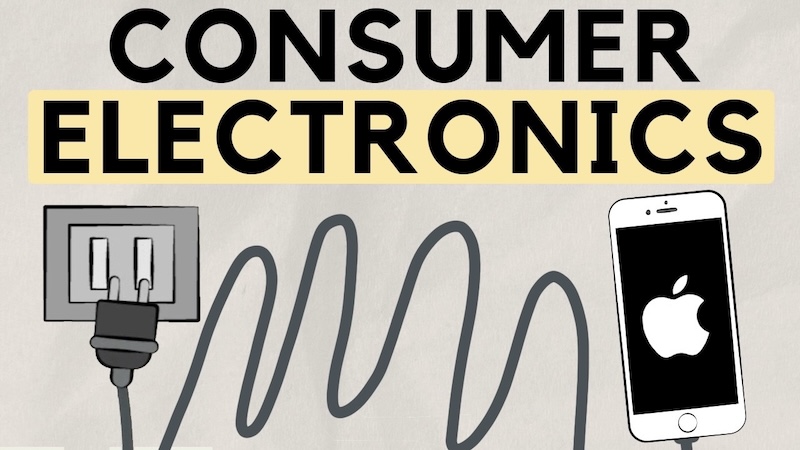
After mapping the scale and speed of this market, the practical question is what demand is now centered on. Three trends are shaping product decisions, sourcing strategy, and go-to-market plans: smarter home ecosystems, wider 5G use cases, and stronger sustainability expectations.
Smart home demand has moved beyond single devices into connected experiences. Buyers increasingly compare how well smart lights, cameras, speakers, appliances, and sensors work together through one app or voice assistant. For importers and retailers evaluating electronic products from China, interoperability, setup simplicity, and reliable firmware updates matter as much as hardware specs. A product that pairs fast and stays stable usually outperforms a feature-heavy device with weak software support.
For a consumer products manufacturer or brand partner, this changes product planning. Instead of launching isolated SKUs, successful lines are built as families: entry-level devices, mid-tier upgrades, and compatible add-ons that increase repeat purchases. In this environment, consumer items made in China compete on ecosystem quality, not only price. When reviewing Chinese consumer goods in this category, prioritize protocol compatibility, app localization readiness, and long-term device management.
5G has shifted from headline technology to an enabler of better everyday performance. In consumer electronics, its real value appears in lower latency, smoother streaming, faster syncing, and more responsive connected devices. That affects smartphones, wearables, portable hotspots, AR accessories, and cloud-linked home security. For companies selecting electronic products from China, the key is matching 5G capabilities to real user scenarios rather than treating 5G as a checkbox feature.
Business relevance is clear in product positioning. Devices that combine strong battery efficiency, thermal control, and dependable network switching tend to create better user retention than products that only advertise peak speed. As portfolios expand, teams should separate premium 5G experiences from value-focused models to protect margins across segments. Within Chinese consumer goods, this trend opens opportunities for differentiated bundles, such as connected home kits or mobile productivity setups tied to faster networks.
Sustainability has become a purchase factor in mainstream electronics, especially for buyers who compare lifecycle value, not just upfront cost. Practical signals include recyclable packaging, repair-friendly design, durable materials, and lower standby energy use. For teams sourcing consumer items made in China, eco-friendly positioning works best when it is specific and verifiable in product documentation, warranty policy, and after-sales support.
This trend also has operational impact. A consumer products manufacturer that can reduce packaging volume, improve component traceability, and offer parts replacement programs often gains an advantage with distributors and retailers. In competitive categories of Chinese consumer goods, sustainability now supports brand trust and repeat business, not just compliance discussions. Combined with smart integration and 5G performance, it helps define which electronic products from China are most likely to win in the next buying cycle.
As smart ecosystems, faster connectivity, and greener design become baseline expectations, brand execution now matters as much as technology direction. In this context, leading names help explain why electronic products from China continue to shape global purchasing decisions across price tiers and use cases.
Xiaomi, Huawei, and Oppo represent three distinct playbooks that matter for buyers, importers, and product planners evaluating Chinese consumer goods.
Xiaomi is often associated with value-driven innovation. Its strength is not only competitive pricing but also broad portfolio coordination, where phones, wearables, TVs, and smart home devices work within one app-centered experience. For teams sourcing consumer items made in China, Xiaomi shows how tightly integrated ecosystems can increase customer retention and repeat purchases.
Huawei emphasizes deep engineering capability, especially in network-heavy and performance-focused categories. Even when facing international market constraints, the brand demonstrates how in-house R&D and hardware-software optimization can sustain product differentiation. For business readers, Huawei is a reminder that a consumer products manufacturer with strong technical control can adapt faster when market conditions change.
Oppo has built momentum through design-forward devices, imaging features, and rapid product iteration. Its strategy highlights how consumer perception is influenced by style, camera performance, and retail presentation, not just specifications. In practical terms, Oppo illustrates the importance of balancing feature innovation with accessible user experience when evaluating electronic products from China for different market segments.
Together, these domestic giants show that scale alone is not the full story. Their real advantage comes from ecosystem thinking, speed of product refresh, and targeted brand positioning.
Beyond the largest players, a newer wave of companies is expanding the range of China consumer products, particularly in niche electronics and smart lifestyle categories. These firms are often more specialized and move quickly in response to user feedback.
Several patterns make these innovators relevant:
Category focus: Many start with one problem, such as portable power, smart cleaning, gaming accessories, or health wearables, then expand after proving demand.
Design-to-value balance: They prioritize practical upgrades users notice immediately, including battery life, usability, and compact form factors.
Digital-first brand building: Community engagement, creator-led demos, and frequent firmware updates help smaller brands build trust quickly.
Flexible manufacturing partnerships: Instead of owning every stage, they coordinate with experienced production networks to accelerate launches.
For readers assessing opportunities, these emerging brands are useful because they reveal where demand is moving before trends become mainstream. They also widen options for businesses that need differentiated assortments rather than only flagship devices from the biggest names. In short, the broader innovation layer around established leaders strengthens the global relevance of consumer products from China and creates more strategic choices in product selection.
The rise of major brands and newer innovators has expanded buyer confidence, but brand visibility does not remove sourcing risk. For companies evaluating electronic products from China, strong results come from disciplined supplier screening, clear cost modeling, and consistent quality controls that match your go-to-market goals.
A reliable consumer products manufacturer should be evaluated beyond catalog depth or fast replies. Start by confirming core capabilities: product specialization, production capacity, quality process maturity, and export experience in your category. Ask for recent production examples that match your technical requirements, including materials, firmware support, packaging standards, and labeling needs.
For consumer items made in China, operational transparency matters as much as price. Review communication speed, revision handling, and willingness to document specifications before sampling. During vetting, compare multiple factories and trading partners, then score each on consistency, not only on promises. If possible, use a structured sourcing workflow for Chinese consumer goods through a trusted procurement partner or dedicated supplier validation process.
Quoted unit price is only one part of landed cost. When sourcing electronic products from China, buyers should map cost drivers early: tooling, component grade, MOQ tiers, test requirements, packaging complexity, freight mode, insurance, duties, and after-sales support exposure. A lower quote can become expensive if failure rates, shipping delays, or rework are ignored.
Use an apples-to-apples comparison sheet across shortlisted suppliers. Keep technical specs fixed so differences in pricing reflect real efficiency rather than hidden quality cuts. For planning across major Western markets, estimate total cost in local currency and include a contingency buffer for component volatility. This approach keeps sourcing decisions tied to margin targets instead of short-term quote advantages.
Quality assurance should be built into sourcing from the first RFQ, not added after payment. Define acceptance criteria in writing, including cosmetic standards, functional tests, safety checks, and packaging drop performance. For electronics, request pilot samples and pre-shipment inspection checkpoints to reduce surprises at receiving.
Product reviews and buyer feedback are useful signals, but they work best when combined with your own test protocol. Look for recurring patterns: battery consistency, connectivity reliability, accessory fit, and return reasons. If your business sells private-label devices, align supplier QA reports with your customer support data to spot early defects. In practice, the most scalable China consumer products programs balance speed with repeatable quality controls that protect brand trust and reorder confidence.
After supplier vetting, cost planning, and quality controls are in place, the conversation shifts from risk reduction to growth strategy. This is where China’s electronics ecosystem can create durable advantages for importers, brands, and distributors that want more than one-off purchases.
For many buyers, the strongest opportunity starts with structured B2B sourcing of electronic products from China, then expands into private label programs. Instead of buying only finished SKUs, teams can work with a consumer products manufacturer to adjust features, packaging, and compliance documentation for their target retail channels. This approach helps differentiate offerings while keeping launch timelines practical.
A useful operating model is to begin with proven base products, then customize in phases: branding and inserts first, functional tweaks later. That reduces tooling risk and preserves cash flow. It also creates a cleaner path from test orders to repeat runs. When executed well, private label turns consumer items made in China from interchangeable inventory into category-specific brand assets.
Distribution strategy shapes profitability as much as unit cost. Businesses sourcing Chinese consumer goods typically choose among direct import, exclusive regional distribution, or hybrid partnerships with local fulfillment and after-sales support. Each model trades control for speed and operational simplicity.
Direct import model: Higher margin potential and tighter control over pricing, channel policy, and product roadmap. Best for teams with stronger procurement and logistics capabilities.
Exclusive distribution agreement: Faster market penetration and built-in local relationships, but less flexibility on account expansion and brand positioning.
Hybrid partnership structure: Shared responsibilities across sourcing, warehousing, and service. Useful for scaling across multiple markets without building every function internally.
In practice, many firms start with hybrid arrangements, then internalize selected functions as sales stabilize.
Hardware-only competition can compress margins, so integration services are becoming a key opportunity. Buyers of electronic products from China increasingly pair devices with companion apps, firmware updates, and platform integrations that improve user experience and reduce returns. Even simple integrations, such as onboarding flows or remote diagnostics, can increase product stickiness.
From a business perspective, this creates recurring value beyond initial shipment revenue. Integration support can be packaged as setup services for channel partners, lifecycle updates for enterprise buyers, or bundled onboarding for retailers with private label lines. For companies focused on China consumer products, the most resilient plays combine reliable hardware sourcing with light but purposeful software layers that improve retention and support long-term account growth.
Overall, the opportunity is not only to source faster, but to build a repeatable commercial model around quality hardware, smart partnerships, and service-led differentiation.
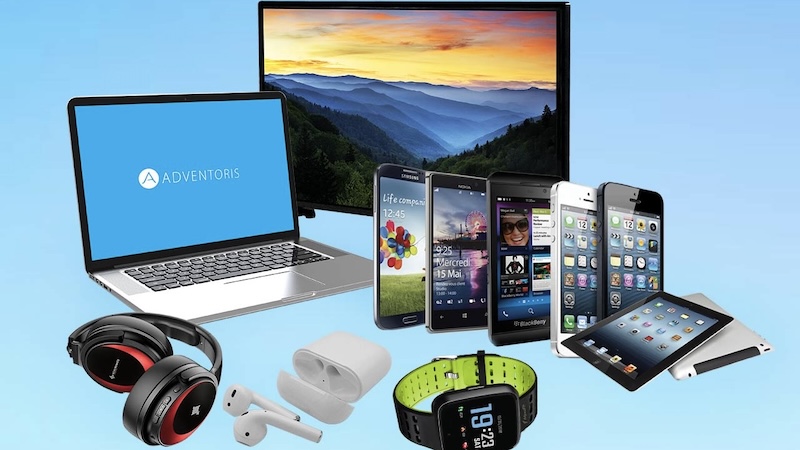
As sourcing moves from partner models and smart-device collaboration into execution, company evaluation becomes the control point for risk, margin, and brand reputation. For buyers of electronic products from China, strong due diligence helps separate scalable partners from short-term factories that may struggle with compliance, consistency, or post-sale support.
Certification is not just a paperwork exercise. It determines whether products can legally enter your target market, clear customs smoothly, and perform safely in real-world use. When reviewing a consumer products manufacturer, start by matching product category to required standards, then verify that test reports and certificates are current, product-specific, and issued by recognized labs.
For consumer items made in China, common mistakes include relying on old certificates, accepting reports for a similar model, or overlooking battery and power-adapter rules. A practical review should cover labeling, electrical safety, electromagnetic compatibility, restricted substances, and wireless requirements where applicable. If a supplier offers fast customizations for private label orders, confirm whether any design change triggers re-testing.
To keep this business-focused, evaluate total compliance readiness, not only unit price. A low quote can become expensive if goods are delayed, relabeled, or retested after shipment. In procurement terms, compliant Chinese consumer goods reduce avoidable costs, protect marketplace listings, and support repeat orders with fewer disruptions.
Compliance documents matter, but they should be one part of a broader verification process. The goal is to confirm that the company behind the document can consistently deliver quality, volume, and communication standards over time. This is especially important when sourcing electronic products from China for long-term distribution or brand development.
Use a structured verification checklist:
Identity and registration check: Confirm legal entity details, business scope, and operating status match the company issuing quotes and contracts.
Factory capability review: Validate production lines, key equipment, quality controls, and capacity against your forecasted order volume.
Sample and pilot order validation: Test functional performance, packaging accuracy, and defect rates before scaling.
Process transparency: Require clear documentation for incoming inspection, in-process QC, final inspection, and corrective actions.
Commercial reliability: Assess response speed, revision handling, warranty terms, and dispute resolution behavior during negotiation.
When possible, combine document review with remote or on-site audits and a small first order. That phased approach gives buyers evidence, not assumptions. It also aligns sourcing decisions with the broader Consumer Products strategy: build a dependable pipeline, reduce operational surprises, and choose partners that can support both current demand and future product expansion.
After tightening certification and supplier verification practices, the practical focus shifts to how products perform in connected ecosystems. For teams evaluating growth in Consumer Electronics in China: Trends, Brands & Opportunities, smart home interoperability and IoT readiness are now core selection criteria, not optional extras.
Treat ecosystem compatibility as a first-pass filter. When assessing electronic products from China, prioritize devices that integrate cleanly with mainstream smart home platforms, support stable app control, and maintain predictable firmware behavior. This reduces post-launch support friction and improves long-term customer retention.
Evaluate IoT value through use-case clarity, not feature volume. Buyers respond better to consumer items made in China that solve daily tasks with reliable automation, straightforward setup, and clear privacy controls. In business terms, this helps avoid overbuilt product lines and improves positioning for margin and repeat purchase.
Align 5G relevance with product category and customer context. Not every device benefits equally from 5G-enabled functionality, so decisions should focus on latency-sensitive or always-connected applications where performance differences are meaningful. This keeps portfolio planning disciplined across Chinese consumer goods and avoids paying for capability that does not translate into user value.
Connect hardware choices to service-layer opportunity. A capable consumer products manufacturer increasingly competes through companion apps, lifecycle updates, and device management experiences. For importers, distributors, and brand operators, this means product strategy should consider both unit economics and recurring digital engagement potential.
Keep trend decisions tied to commercial outcomes. Smart home integration, IoT adoption, and connectivity upgrades should be judged by return-impacting criteria: lower support burden, clearer differentiation, broader channel fit, and stronger retention. This is the key lens for turning China consumer products sourcing activity into durable business performance rather than short-term catalog expansion.
Q1: What are the leading Chinese consumer electronics brands?
China's top consumer electronics brands include Xiaomi, Huawei, Oppo, Vivo, and Lenovo in smartphones and computing; TCL and Hisense in televisions; DJI in drones; and Anker in charging accessories. These brands compete globally with established names while offering competitive pricing and rapid innovation cycles. Many have evolved from manufacturing partners to design-driven companies with strong R&D capabilities. Brands like Xiaomi have built extensive ecosystems connecting smartphones, wearables, smart home devices, and IoT products. Understanding each brand's positioning—whether premium, mid-range, or value-focused—is essential for buyers and business partners evaluating quality tiers and market opportunities.
Q2: Why is China dominant in consumer electronics manufacturing?
China's dominance stems from its comprehensive supply chain infrastructure, concentrating component suppliers, assembly facilities, and logistics networks in proximity. This ecosystem enables rapid prototyping, flexible production scaling, and cost efficiency unmatched elsewhere. Shenzhen alone hosts thousands of electronics manufacturers and parts suppliers within hours of each other. Additionally, China has invested heavily in automation, skilled labor, and manufacturing technology. The combination of scale, speed, and iterative capacity allows brands to move from concept to market faster than competitors. For businesses, this means shorter development cycles and the ability to test multiple product variants quickly, though it also requires careful quality control and intellectual property management.
Q3: How do I ensure quality when sourcing electronics from China?
Quality assurance requires multiple verification layers: conduct factory audits to assess manufacturing standards and certifications like ISO 9001, verify product compliance with target market regulations (CE, FCC, RoHS), request pre-production samples for testing, and implement third-party inspection services during production runs. Work with established trading partners or use platforms with buyer protection. Check references from previous clients and start with smaller orders to evaluate quality consistency. Clearly specify technical requirements, testing protocols, and acceptance criteria in contracts. Many successful buyers maintain ongoing relationships with suppliers, enabling better communication and quality improvements over time. Understanding the difference between original manufacturers, authorized distributors, and gray market sellers is also critical.
Q4: What are the emerging trends in China's consumer electronics market?
Key trends include the rapid expansion of smart home ecosystems with interconnected devices, advancement in AI-powered features across product categories, and growing emphasis on premium segments as domestic purchasing power increases. Foldable and flexible display technology is accelerating, particularly in smartphones. Sustainability and energy efficiency are becoming important differentiators as environmental awareness grows. The integration of 5G connectivity is driving new product categories and enhanced functionality. Additionally, China's domestic market increasingly values brand identity and design innovation over pure price competition. For businesses, these trends signal opportunities in ecosystem integration, localized AI applications, and products that balance technological sophistication with user experience, rather than competing solely on specifications or cost.
For anyone evaluating electronic products from China, the strongest outcomes usually come from a focused shortlist rather than broad comparison shopping.
China remains a core engine for fast-moving hardware categories because design cycles are short, feature updates are frequent, and pricing bands are wide enough to serve value, mid-tier, and premium buyers. That does not mean every launch is a good bet. The real opportunity is in identifying where Chinese consumer goods align with your audience priorities, such as battery life, compatibility, build quality, after-sales support, and long-term software updates.
As you compare brands and categories, keep your review criteria decision-oriented:
Category momentum: Prioritize segments with visible innovation and repeat demand, not one-off novelty items.
Brand maturity: Assess whether the company operates like a dependable consumer products manufacturer, with consistent quality control, documentation, and support channels.
Product readiness: Confirm certifications, localization, accessories, and user onboarding before committing to volume.
Channel fit: Choose products that match your sales environment, expected return rates, and customer service capacity.
Lifecycle planning: Build around products that can sustain updates, replacement parts, and accessory ecosystems.
This approach helps you separate hype from durable potential across consumer items made in China. It also reduces avoidable risk by turning trend awareness into a repeatable decision framework.
To move forward, pick one target category and run a 30-day validation plan: shortlist three products, score them against your criteria, test real user feedback, and decide whether to scale, revise, or drop the category. A clear plan is more valuable than a larger product list, and it is the most practical way to convert market insight into confident action.
 English