What if the biggest cost and timeline risks in your product launch are locked into decisions made before the first mold steel is even cut? For many teams, plastic mold making in China is not only a manufacturing step. It is a strategic decision that shapes unit economics, quality consistency, and speed to market.
This guide starts from a practical premise: success in mold development comes from treating design, sourcing, and production as one connected system. A buyer who approaches the process as "just get a mold built" often faces rework, missed tolerances, and communication gaps. By contrast, a structured approach helps you align technical requirements with commercial goals from day one.
For readers evaluating a China mold manufacturer, the first priority is clarity. You need a clear product definition, expected annual volume, target resin, cosmetic standards, and critical dimensions. Those inputs determine mold class, cavity count, gate strategy, cooling layout, and maintenance expectations. Without them, quotes can look competitive but hide costly assumptions.
A useful way to frame the early stage is to separate three linked decisions:
Prototype intent: Confirm whether you need visual models, functional test parts, or pre-production samples. A rapid prototype manufacturer may be ideal for early validation, but prototype methods do not always predict mass-production behavior.
Tooling strategy: Decide whether this is a bridge tool, pilot tool, or full production mold. The right choice depends on forecast confidence and launch urgency.
Supply-chain integration: Plan how tooling decisions fit broader China product sourcing, including material procurement, secondary operations, and final assembly.
This is where cutting mold in China should be viewed as a milestone, not the starting line. Before steel cutting, teams should complete DFM review, tolerance negotiation, and sample acceptance criteria. These steps reduce change orders and make trial results easier to evaluate objectively.
Business relevance matters here. If your company depends on predictable landed cost and repeatable quality, mold decisions cannot sit in isolation from product sourcing. Many buyers work with a product sourcing company to coordinate factory communication, timeline control, and risk checks across tooling and production. The goal is not extra process for its own sake. The goal is fewer surprises between first sample and scaled output.
In the sections that follow, you will see what to prepare before requesting quotes, how to compare manufacturers beyond price, and which technical checkpoints protect both schedule and margin. Starting with the right introduction gives you a stronger position in every later decision, from mold design approval to mass production readiness.
After a basic introduction to plastic mold making in China, the practical question is why buyers keep returning to this market for new projects. The answer is not one single factor. It is the combination of cost control, production depth, engineering capability, and experienced teams that support faster, lower-risk mold development.
China’s pricing edge comes from ecosystem efficiency more than from simple low labor cost. In major manufacturing clusters, a China mold manufacturer can source steel, standard components, machining, heat treatment, and finishing within a short radius, which cuts lead time and transport overhead. For buyers, that usually means more predictable quotes and fewer hidden handoffs.
Scale also matters in day-to-day execution. Shops handling many programs at once often run dedicated teams for design review, toolpath programming, and quality checks, so projects move in parallel instead of waiting in a single queue. That structure supports both pilot runs and volume orders. If you are managing China product sourcing, this concentration can reduce coordination effort compared with splitting work across multiple countries.
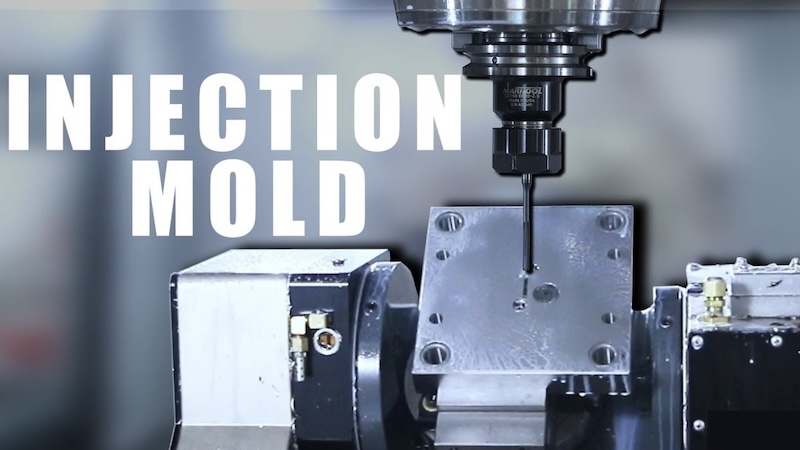
Modern mold shops in China increasingly invest in high-speed CNC, EDM, wire cutting, CMM inspection, and simulation software. In practice, this helps reduce rework during mold development because teams can validate geometry, cooling paths, and parting strategies earlier. For complex parts, tighter process control improves repeatability from first sampling to mass production.
This also connects directly to timeline pressure. A qualified rapid prototype manufacturer can produce trial parts quickly, then hand off design feedback into production tooling without a long communication gap. During cutting mold in China, digital file compatibility and in-house testing make design changes easier to implement before expensive delays appear on the production line.
Equipment alone does not make a reliable tool. Experienced mold engineers, toolmakers, and project managers are the reason many Chinese shops deliver consistent outcomes across automotive, consumer goods, electronics, and industrial products. Their value shows up in practical decisions such as gate location, venting strategy, ejection layout, and mold maintenance planning.
For first-time buyers, this expertise lowers avoidable risk. Teams that have built similar tools can flag manufacturability issues before steel is cut and propose alternatives that preserve part function while improving cycle time. When working with a product sourcing agent/company or a Product Sourcing Company, you can use that partner to pre-screen technical depth, communication habits, and process discipline, then match your project to the right factory profile instead of choosing only on price.
The scale, equipment, and technical depth discussed earlier translate into a wide service mix, not just lower pricing. For buyers evaluating plastic mold making in China, the key is matching service type to product stage, tolerance needs, and launch timeline.
Injection mold manufacturing is the core service most teams use for volume production. A qualified China mold manufacturer typically supports DFM review, tooling design, steel selection, sampling, and corrective tuning before mass output. For first-time buyers, the most important checkpoint is alignment on part function and quality targets before cutting steel, because late geometry changes can increase both time and cost.
In practical terms, ask for clarity on cavity count, expected mold life, gate strategy, and critical tolerances. These factors affect per-unit pricing, consistency, and maintenance planning. If you are managing procurement across multiple SKUs, integrating this phase with a structured China product sourcing process helps keep tooling decisions tied to packaging, assembly, and shipping realities.
Rapid prototype mold development supports early validation when teams need molded parts quickly without committing to full production tooling. This can include soft tooling or simplified mold structures that reduce lead time for fit checks, user testing, and early pilot runs. Working with a rapid prototype manufacturer is useful when CAD looks stable but market feedback is still evolving.
The business value is risk control. You can test material behavior, wall thickness, snap features, and cosmetic expectations before investing in hardened tools. For product teams working through a product sourcing agent/company, prototype mold development also improves communication across design, sourcing, and manufacturing by replacing assumptions with physical samples. That often shortens the path from concept approval to production-ready mold development.
Not every project is a traditional injection-only job. Cutting mold in China services, including die cutting solutions, are often used for packaging inserts, adhesive-backed components, films, foam layers, and protective parts that accompany molded products. These processes are especially relevant when your final product requires precise non-rigid components in addition to plastic housings.
From a planning perspective, combine cutting mold requirements with main tooling timelines early. Tolerance stack-up, material thickness, and adhesive behavior can affect final assembly quality just as much as the injection-molded parts themselves. When coordinated through one sourcing workflow, cutting and molding decisions are easier to validate together, reducing rework before launch and supporting smoother handoff to production.
After reviewing injection tooling, prototype paths, and die-cut solutions, the practical question becomes cost. Pricing clarity is what turns technical options into a workable sourcing decision, especially when you are comparing timelines, quality risk, and total landed cost for plastic mold programs.
For first-time buyers, mold quotes can look inconsistent because each factory prices a different combination of engineering effort, tooling complexity, and production risk. A reliable China mold manufacturer usually breaks pricing into design, machining, sampling, and change-control stages, which helps you see where costs are fixed and where they can move.
Key cost drivers include:
Part geometry and mold complexity: Deep ribs, thin walls, undercuts, slides, and multi-cavity layouts increase CNC time, EDM work, and fitting labor.
Mold steel and expected life: Higher-grade steel costs more upfront but supports longer runs and tighter tolerance stability.
Surface finish and tolerance requirements: Cosmetic surfaces, texture matching, and precision dimensions add polishing, inspection, and rework buffers.
Engineering change frequency during mold development: Late design updates often create the biggest budget drift because inserts, electrodes, and trial shots must be repeated.
Lead time pressure: Expedited schedules can require overtime, priority machine allocation, and parallel workstreams, all of which raise price.
If you are working with a rapid prototype manufacturer, remember prototype tooling is often cheaper initially but may not reflect full production durability or unit economics. For cutting mold in China projects, material hardness, blade life, and registration accuracy can also shift costs meaningfully. In business terms, the best quote is not the lowest number, but the one with clear assumptions you can manage through product development and sourcing.
A useful comparison is not "tool price only" but total project value across tooling, revisions, production readiness, and communication speed. Many teams find that mold pricing in China remains competitive because of dense supply chains, experienced toolmakers, and faster access to machining and component support in the same ecosystem.
That said, lower headline pricing does not automatically mean lower total cost. You should compare four items side by side: tooling quote scope, sampling and validation cycles, logistics and duty impact, and post-launch engineering support. This is where a structured product development workflow, or support from a product development company, can prevent hidden spend caused by unclear specifications or repeated design loops.
Compared with other hubs, China often offers stronger flexibility for mixed programs, such as moving from pilot tools to hardened production molds without changing partners. For buyers handling sourcing product decisions across markets, that continuity can reduce schedule risk and simplify accountability. The practical takeaway is to evaluate mold cost as a managed system, not a single invoice line.
Cost insight is only useful when paired with supplier quality. After comparing price structures across regions, your next decision is who can deliver consistent mold development without quality drift, timeline surprises, or hidden revision costs.
Start with evidence of process discipline, not just polished sales pages. A dependable China mold manufacturer should provide current quality documentation, clear tooling workflows, and traceable project history for parts similar to yours. Look for consistency across independent reviews, case examples, and direct client references rather than isolated praise.
For practical screening, focus on:
Certification relevance: Confirm certifications align with your product category and production process, not only general factory claims.
Project fit: Ask for examples of comparable mold complexity, tolerances, and material requirements.
Quality controls: Verify incoming material checks, in-process inspection points, and final dimensional validation.
Change handling: Review how engineering changes are documented, priced, and approved.
Communication reliability: Test response quality, technical clarity, and speed during early discussions.
This vetting stage protects your budget by reducing costly redesign loops and production interruptions later.
A structured question set quickly separates capable partners from quoting vendors. Ask how they manage DFM feedback before steel cutting, expected lead times for tooling milestones, and who owns mold files and maintenance records after handoff. If your program includes rapid iterations, confirm whether they can support a rapid prototype manufacturer workflow before full production release.
Also clarify how they handle trial shots, defect analysis, and correction cycles. For projects requiring cutting mold in China at speed, ask what design freeze criteria they require and how they control rework risk. Finally, confirm payment terms, warranty scope, and escalation contacts so commercial terms match technical expectations.
Sourcing platforms are useful for building an initial longlist, while trade shows are better for validating technical depth face to face. Use platforms to compare response quality, documentation readiness, and specialization areas. Then narrow candidates and schedule focused meetings where you review sample parts, tooling photos, and standard operating practices.
At events, assess how clearly teams explain mold development decisions, tolerances, and timeline trade-offs. Strong suppliers speak in specifics, ask engineering questions, and flag risks early instead of overpromising. If internal bandwidth is limited, working with a product development company can streamline supplier screening and align product development and sourcing decisions under one execution plan. This keeps sourcing product efforts tied to launch readiness, not just initial quotes.
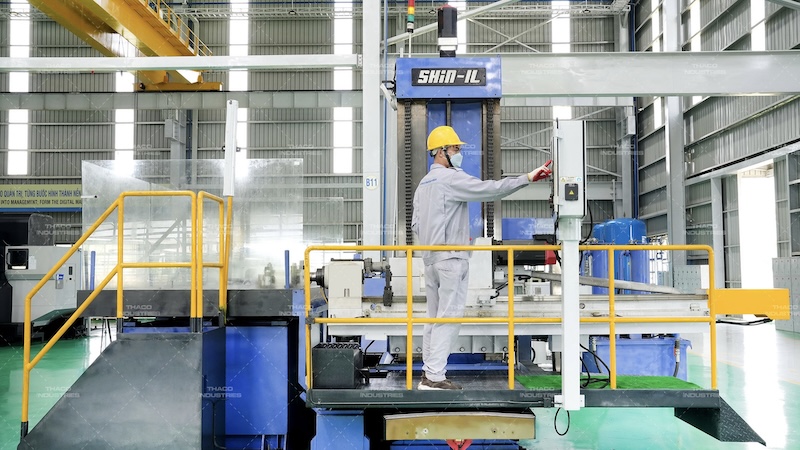
After shortlisting partners through certifications, trade shows, and supplier interviews, execution becomes the real test. In plastic mold making, strong quality control systems and clear operating rules protect your budget, timeline, and launch quality, especially when a project includes rapid iterations, tooling changes, and handoffs across teams.
Set standards before steel is cut, not after parts fail. For any cutting mold in China project, define measurable acceptance criteria in writing: resin grade, critical dimensions and tolerances, surface finish class, gate location limits, expected cycle behavior, and cosmetic defect thresholds. Pair that with a staged inspection plan tied to mold development milestones.
A practical protocol usually includes:
1. Design review checkpoints for DFM, shrink assumptions, and draft angles.
2. Tooling progress checks with photo/video evidence before major machining steps.
3. T1/T2 sample validation using approved test methods and pass/fail criteria.
4. Pre-shipment inspection against your final control plan and packaging specs.
If you are working with a China mold manufacturer and a rapid prototype manufacturer in parallel, keep one master specification so prototype learnings flow directly into production tooling decisions.
Most project delays come from interpretation gaps, not bad intent. Reduce friction by replacing vague language with controlled documentation: annotated drawings, revision logs, bilingual key terms, and a single source of truth for engineering changes. Keep emails short, confirm decisions in bullet points, and assign one owner per open issue.
Weekly technical calls help, but written follow-ups matter more than meeting volume. Ask the factory to restate requirements in its own words before each critical phase, including electrode strategy, parting-line treatment, and trial-shot objectives. That simple loop often catches misunderstandings early.
For teams handling product development and sourcing together, align commercial and engineering communication. When cost, lead time, and quality tradeoffs are discussed in one forum, decisions stay consistent and fewer surprises appear at trial stage.
IP risk should be managed as a process, not a single contract clause. Use layered controls: ownership terms for molds and CAD files, restricted file access, controlled subcontracting, and clear rules for part overrun and data retention. Confirm where tooling will be stored, who can run it, and what approval is required before any transfer.
During mold development, share only what each party needs at each phase. For example, release sensitive geometry in controlled steps, watermark technical packages, and track every revision handoff. Commercial protections work better when paired with operational discipline.
If your internal team is small, a product development company can act as technical steward across design, tool build, and trial validation while keeping records audit-ready. This is especially useful when sourcing product programs with multiple molds, since consistency in documentation is often the best defense against rework, leakage, and ownership disputes.
Strong quality control plans, clear communication routines, and practical IP safeguards are what keep projects stable during execution. Building on those fundamentals, these takeaways summarize the core decisions that matter most in plastic mold making projects.
Start with process fit, not price headlines. Select a China mold manufacturer based on technical match, tooling capability, and production readiness before comparing quotes. Cost only makes sense after confirming the partner can support your part geometry.
Q1: How long does it typically take to manufacture a plastic mold in China?
Mold manufacturing timelines in China typically range from 4 to 12 weeks, depending on complexity. Simple single-cavity molds may be completed in 4-6 weeks, while complex multi-cavity molds with intricate features can take 10-12 weeks or longer. Key factors affecting timeline include part geometry, number of cavities, required tolerances, surface finish specifications, and the manufacturer's current workload. Rush services are available but often come with premium pricing. To ensure realistic schedules, communicate your launch deadlines upfront and build in buffer time for sampling, testing, and potential modifications before final approval.
Q2: What are the typical cost ranges for plastic molds manufactured in China?
Plastic mold costs in China vary widely based on complexity, size, and specifications. Simple prototype molds start around $1,000-$3,000, while production-grade single-cavity molds typically range from $3,000-$15,000. Multi-cavity molds for high-volume production can cost $15,000-$100,000 or more. Factors influencing price include steel grade, number of cavities, part size and complexity, tolerance requirements, surface finish standards, and expected production volume. Chinese mold prices are generally 30-50% lower than Western manufacturers, but quality varies significantly between suppliers. Always request detailed quotations that specify steel type, number of cavities, expected tool life, and what modifications are included.
Q3: How do I ensure quality when working with a Chinese mold manufacturer?
Quality assurance requires proactive measures throughout the process. Start by thoroughly vetting suppliers through factory audits, references, and sample reviews. Establish clear specifications including material grades, tolerances, surface finishes, and acceptance criteria in writing. Request a detailed project plan with milestone inspections and approval gates. Insist on First Article Inspection (FAI) reports and dimensional verification using CMM or similar measurement tools. Consider hiring third-party inspection services for critical projects. Maintain regular communication through video calls and progress photos. Request mold trial samples made with production-intent resin before final payment. A reputable manufacturer will welcome scrutiny and provide transparent documentation at each stage.
Q4: What information do I need to provide to get an accurate mold quote from China?
To receive an accurate quote, provide comprehensive technical documentation. Essential items include: 3D CAD files (STEP or IGES format preferred), 2D engineering drawings with tolerances and surface finish specifications, expected annual production volume, target production resin and any additives, cosmetic and appearance requirements, critical dimensions and functional features, preferred number of cavities, and any specific steel grade or mold base requirements. Also clarify whether you need hot runner systems, expected mold lifespan (total shots), and your timeline. The more detailed your requirements, the more accurate the quote and fewer surprises during production. Incomplete specifications often lead to misunderstandings and costly revisions later.
If you are comparing options for a China mold manufacturer, focus on whether they can show how they manage risk across the full path from concept to production. A capable partner should explain design-for-manufacturing feedback, tolerance strategy, material behavior, sampling milestones, and revision control in plain language. This matters just as much as quoted price because hidden rework often appears later in mold development, not at the initial quotation stage.
For teams evaluating speed, a rapid prototype manufacturer can help validate geometry and assembly intent before committing to hardened tooling. Prototype learning should feed directly into tooling decisions, including gate location, draft angles, ejection approach, and expected surface finish. That loop reduces avoidable changes during cutting mold in China and improves schedule confidence.
Use this final checklist to move from research to action:
Lock your technical brief: 3D files, 2D tolerances, resin grade, finish expectations, and annual volume range.
Ask for a stage plan: prototype, tooling design review, steel cut, T1 sampling, correction cycles, and production release criteria.
Confirm quality controls: incoming material checks, in-process inspection points, dimensional reporting format, and sample approval method.
Define commercial terms early: payment schedule, ownership of mold and design files, change-order rules, and lead-time assumptions.
Run a small pilot order before scale: verify communication quality, part consistency, packaging, and shipment readiness.
In short, treat supplier selection as an engineering decision, not a sourcing shortcut. Your concrete next step is to prepare a one-page RFQ package today and request a written process map from two or three qualified candidates. The partner that responds with technical clarity, transparent milestones, and realistic trade-offs is usually the safer choice for long-term mold performance.
 English