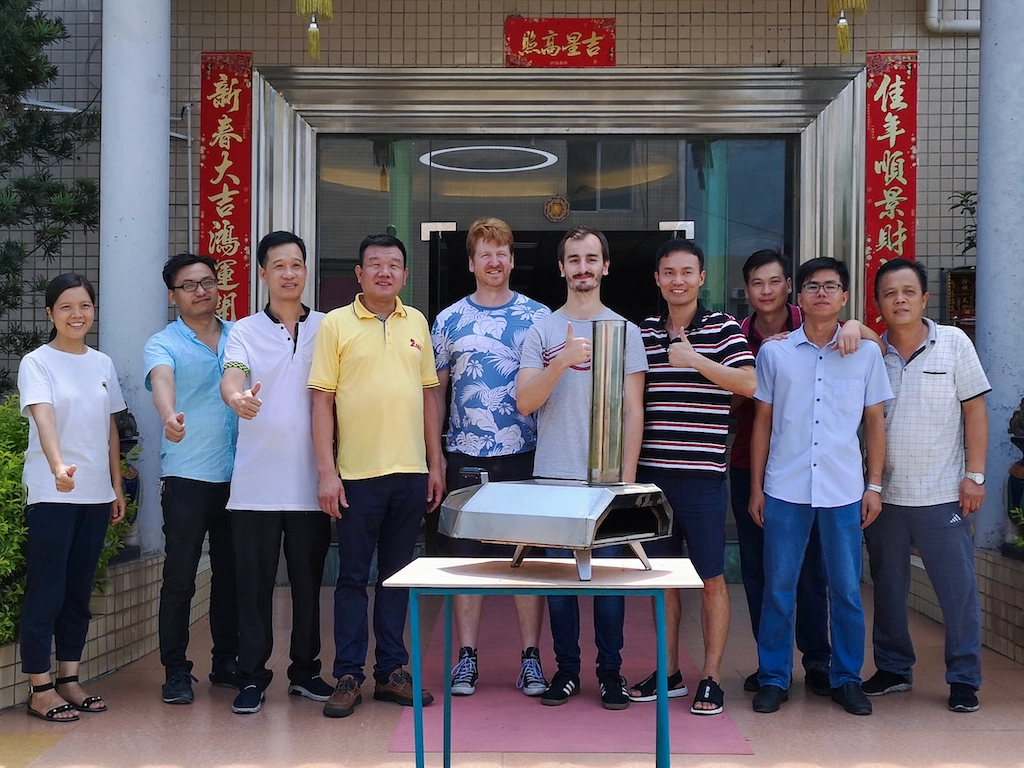
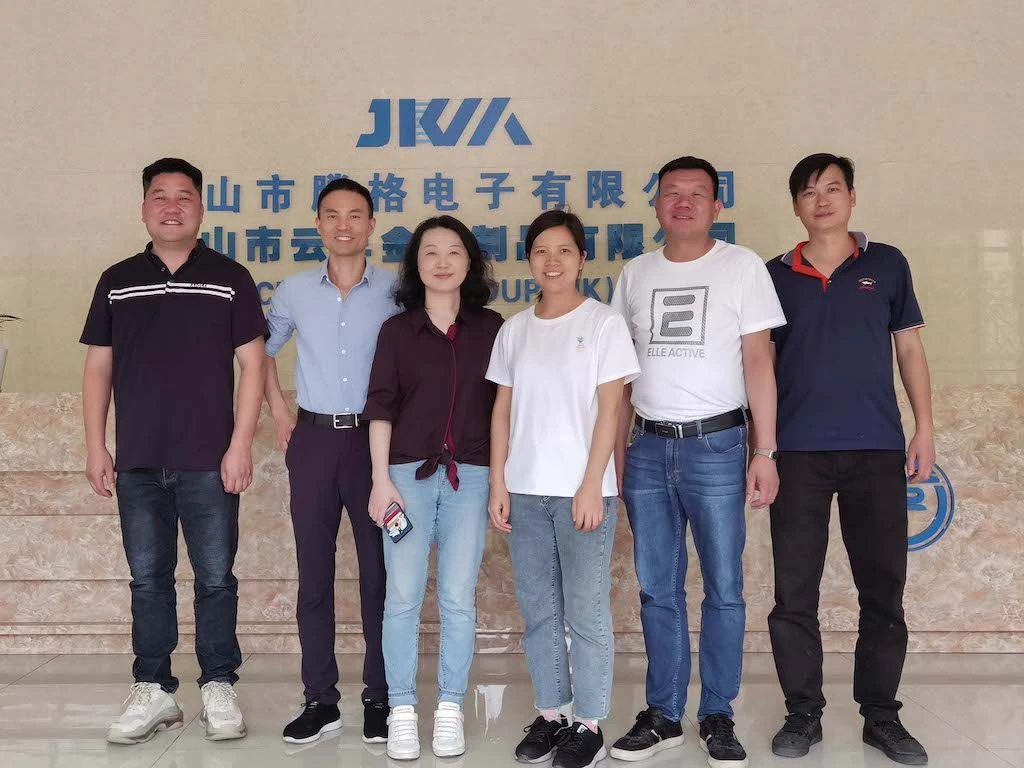
How do you separate a genuinely reliable factory from a polished catalog when you are sourcing kitchen utensils at scale? That question sits at the center of every smart buying decision, especially when you are comparing dozens of options and trying to protect product quality, delivery timelines, and long-term margins.
Many buyers begin with broad searches for cookware manufacturers in China or kitchenware manufacturers in China, then quickly discover a crowded marketplace with very different capabilities hidden behind similar product photos. Some suppliers are true manufacturers with in-house engineering and quality control. Others are trading companies that can still be useful, but may offer less visibility into production consistency. If your goal is dependable supply, knowing that difference early can save months of costly back-and-forth.
This guide is built for informational research, not sales hype. It will walk you through a practical framework for identifying trusted China kitchenware suppliers, validating claims, and reducing risk before you place large purchase orders. Instead of relying on vague promises, you will learn how to evaluate a supplier through evidence: communication quality, sample performance, production transparency, compliance readiness, and post-order support.
To make that process easier, the article will focus on the core decisions buyers face when exploring wholesale kitchenware China options:
How to define your sourcing criteria before outreach so you can compare suppliers fairly and avoid inconsistent quotes.
How to verify whether a company is a factory, a trading partner, or a hybrid model, and why that distinction matters for quality control.
How to assess product fit through samples, specifications, and packaging details before committing to volume.
How to reduce operational risk with clear quality standards, production checkpoints, and realistic lead-time planning.
How to build a supplier shortlist that supports repeat orders, product line expansion, and fewer surprises over time.
By the end of this article, you should have a clear path for researching suppliers with confidence, asking better questions, and making sourcing decisions based on verifiable signals rather than guesswork. The sections that follow will break each stage into concrete actions you can apply immediately.
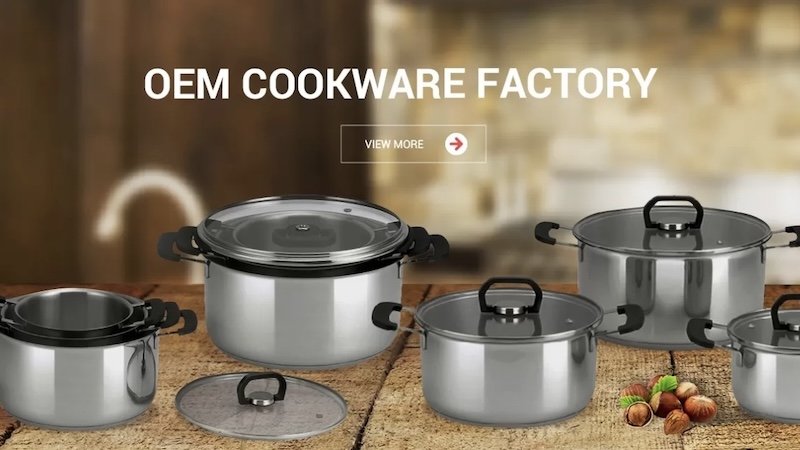
The introduction established the goal clearly: find trusted kitchen utensils suppliers in China with a process that supports long-term buying decisions. From that starting point, it is just as important to identify what not to prioritize, because misaligned research topics can quietly derail supplier selection.
A common mistake is spending too much time on broad manufacturing content that does not match your actual offer, margin model, or sales cycle. For example, searching deeply into cookware manufacturers in China may sound relevant, but it is a poor fit if your core business sells lightweight utensils, accessory sets, or private-label kitchen tools with fast SKU turnover. You end up evaluating factories built for different production lines, tooling needs, and minimum order structures.
The same issue appears with keyword-level intent. Terms like kitchenware manufacturers in China and China kitchenware suppliers can attract very broad supplier pools, including vendors optimized for categories you do not carry. If your buyer journey depends on rapid sampling, low defect risk, and repeatable reorder speed, broad category discovery can create noise instead of progress.
To keep this section practical, use this quick fit test before investing time in any sourcing topic:
Offer alignment: Does this topic map to your core product type, target price band, and packaging format?
Buyer-stage alignment: Does it help your current stage, such as shortlisting, sampling, negotiation, or reorder planning?
Operational alignment: Will it improve supplier management decisions, not just add market trivia?
Decision alignment: Can the insight change who you contact, how you evaluate, or what you negotiate?
If the answer is mostly no, treat that topic as low priority and return to criteria that directly support trusted supplier selection.
Another poor fit is treating wholesale kitchenware China research as a shortcut when your business requires customized products or quality-controlled private labeling. Wholesale marketplaces can help with price checks and product ideas, but they may not reflect supplier maturity in compliance documentation, process control, or long-term communication standards. For trust-building, those factors matter more than a headline unit cost.
In business terms, a poor-fit topic increases cycle time and weakens sourcing discipline. You review more vendors, compare mismatched quotes, and delay decisions without improving confidence. A better approach is to streamline sourcing with a tighter scope: define your must-have technical specs, expected lead-time window, acceptable quality thresholds, and communication requirements first, then evaluate suppliers against that framework.
This is where supplier management thinking should enter early, not after onboarding. The right research topic helps you build a shortlist that can be managed consistently through sampling, pilot orders, and repeat production. The wrong topic creates a fragmented list that looks active but does not support reliable execution.
So, when judging whether this topic belongs in your process, ask one core question: does it help you find a trustworthy kitchen utensils partner that fits your real buyer journey from first inquiry to repeat purchase? If it does not, park it and focus on sourcing and supplier management methods that move procurement decisions forward.
The earlier section showed why this keyword can pull in traffic that does not match your ideal buyer journey. That gap becomes clearer when you unpack intent: people searching "kitchen utensils manufacturers in China" are usually not ready to buy immediately. They are trying to reduce uncertainty before they shortlist any partner.
Most searchers are in investigation mode, not transaction mode. They compare cookware manufacturers in China and kitchenware manufacturers in China across three practical dimensions: capability, total landed cost, and downside risk. Capability includes product range, materials, MOQs, customization options, and production consistency. Cost goes beyond unit price and includes tooling, packaging, freight assumptions, defects, and rework exposure. Risk includes unclear ownership, weak quality systems, and communication delays that can derail launches.
For this reason, pages that only list China kitchenware suppliers are rarely enough. Buyers want a clear evaluation path: what to verify first, which documents to request, and how to validate claims before placing paid samples or pilot orders. Supplier evaluation and verification in China is the core need hidden behind this query.
In the B2B funnel, this query typically sits between early problem framing and supplier shortlisting. The buyer already knows they may source via wholesale kitchenware China channels, but has not yet trusted a specific factory. They are assembling a longlist, filtering by fit, and creating an internal case for procurement, operations, and finance stakeholders.
That matters for content strategy. If your page jumps straight to "contact us for a quote," you miss the user’s current stage. A better fit is decision-support content that helps readers narrow options with criteria they can defend internally. This section should therefore orient readers toward structured screening rather than direct conversion, while keeping the article focused on finding trusted kitchen utensil suppliers.
Before first outreach, decision-makers expect enough clarity to avoid wasting cycles on mismatched factories. In practice, they look for:
A screening framework with pass-fail criteria for product fit, MOQ, lead times, and compliance readiness.
A risk checklist covering business legitimacy, quality controls, and subcontracting transparency.
A cost comparison model that separates quoted unit price from likely hidden costs.
A verification workflow for samples, factory background checks, and pre-order validation.
This is where a resource on Supplier verification in China is naturally relevant. It matches commercial investigation intent and moves the reader from broad search to actionable due diligence without forcing a premature sales conversation.
Because buyers at this stage are comparing risk, cost, and execution, your supplier search should start with a tighter brief, not a longer vendor list. Clear requirements let you screen faster, ask better questions, and avoid wasting time with factories that cannot meet your commercial or compliance needs.
Start by documenting exactly what you need to buy: product category, materials, dimensions, finish, packaging, and expected order volume. For kitchen tools, small spec gaps can create quality disputes later, so include acceptable tolerances and any must-have test requirements. This gives cookware manufacturers in China and kitchenware manufacturers in China a concrete basis for quotation instead of broad estimates.
Then set commercial boundaries before outreach. Define your target landed cost range, not only ex-factory price, and include tooling, packaging upgrades, sampling, and inspection costs. If you are sourcing for retail channels, map required labeling and food-contact safety expectations up front. A practical RFQ package improves quote quality and makes apples-to-apples supplier evaluation possible.
A strong longlist is built from relevance first, then capacity. Prioritize factories that already produce similar SKUs at your quality tier, not just those with large catalogs. In practice, this means filtering China kitchenware suppliers by product specialization, export experience, MOQ fit, and communication reliability during early contact.
Keep your first pass structured and short so comparisons stay clean:
Identify 15 to 25 potential suppliers in your exact product segment.
Remove traders if your strategy requires direct factory control.
Compare MOQ, lead time windows, and customization capability.
Request recent production examples close to your specification.
Score responsiveness, quote clarity, and willingness to follow your RFQ format.
This process helps narrow to a workable shortlist for wholesale kitchenware China programs without drifting into generic directory browsing.
Before samples or negotiations go too far, validate the supplier identity and operating reality. Ask for business registration details, relevant product or system certifications, and recent third-party audit reports. Cross-check that documents, factory name, and bank account entity match. Mismatches are not always fraud, but they are a signal to pause and investigate.
Trade history also matters. Review shipment consistency, key export markets, and whether the supplier has stable repeat business in comparable categories. During supplier evaluation and verification in China, look for process discipline: corrective-action records, inspection routines, and traceability practices. A supplier that is transparent under verification pressure is usually safer to scale with than one that only competes on unit price.
Together, scope clarity, structured shortlisting, and verification create a practical decision path that supports confident sourcing rather than trial-and-error buying.
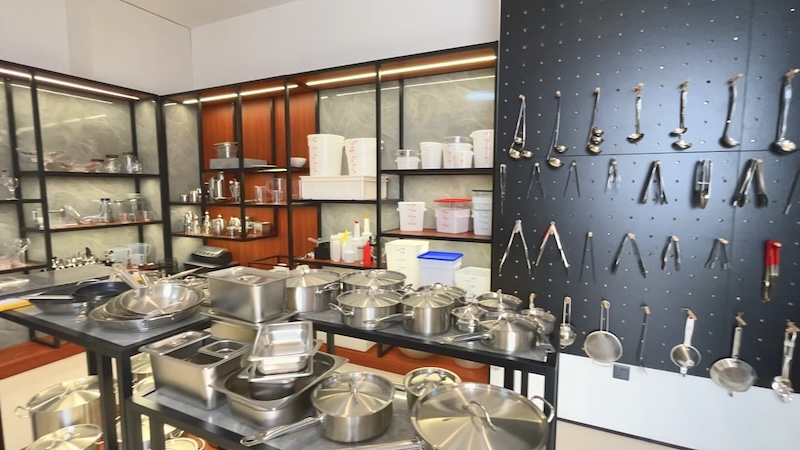
After you have a qualified shortlist, the real work is ranking suppliers on commercial fit and execution reliability. This is where many buyers lose margin or create delays: they compare only unit price, not the full delivery and support package needed to streamline sourcing and supplier management.
When assessing cookware manufacturers in China and kitchenware manufacturers in China, treat every quote as a model, not a number. Two suppliers can offer the same spatula or pan at different prices for valid reasons, such as steel grade, wall thickness, packaging quality, labor setup, or production line efficiency. Your goal is to normalize bids so you can compare true landed value.
Use a structured quote sheet with matching assumptions:
Product baseline: same materials, dimensions, finish, logo method, and packaging spec.
Commercial terms: MOQ, tooling fees, sample policy, payment schedule, and lead time.
Price architecture: EXW vs FOB, carton quantities, and any tier pricing by volume.
Quality cost impact: rework policy, defect thresholds, and replacement handling.
Service layer: response speed, engineering support, and change-order flexibility.
For many buyers working with China kitchenware suppliers, the best partner is not always the lowest quote in wholesale kitchenware China sourcing. A slightly higher unit price can be commercially better if the supplier provides stable lead times, clean documentation, and fewer quality disputes. Over a full purchasing cycle, that often means less internal firefighting and smoother replenishment.
Reviews and platform profiles are useful signals, but they are not proof by themselves. A reliable validation process checks whether public claims match verifiable business behavior. This helps you avoid polished profiles that hide inconsistent delivery or weak post-order support.
Focus on evidence quality rather than star ratings alone:
Review consistency: look for patterns across time, product categories, and buyer type, not isolated praise.
Operational detail: prioritize feedback mentioning packaging accuracy, lead-time discipline, and issue resolution.
Identity match: confirm the legal entity, factory name, and export records align across documents and listings.
Live verification: test communication with a technical RFQ and note response clarity, revision handling, and accountability.
Small trial order: validate production reality before scaling annual volume.
This approach keeps supplier evaluation grounded in procurement outcomes, not marketing polish. In practice, combining cost-model comparison with review validation gives you a stronger basis for supplier selection, better risk control, and a cleaner path to streamlined sourcing and long-term supplier management.
You have already aligned your topic to buyer intent, which filters out traffic that does not convert into meaningful supplier conversations. From that point, the strongest decisions come from consistent evaluation criteria, not isolated claims on listing pages.
Prioritize supplier trust signals over low headline pricing. When reviewing cookware manufacturers in China or kitchenware manufacturers in China, compare quote structure, product consistency, communication clarity, and documented production capabilities as one package, not separate checkboxes.
Validate profiles through process evidence, not review volume alone. Reliable China kitchenware suppliers should show clear factory details, stable product focus, and responsive pre-sales communication that matches their public positioning.
Match sourcing model to your business stage. For wholesale kitchenware China purchases, confirm minimum order quantities, lead times, and packaging flexibility early so shortlisted suppliers fit your margin and replenishment cycle.
Use a weighted comparison sheet before final selection. Keeping cost, quality controls, service reliability, and sourcing support in one scoring framework reduces bias and helps you defend the final supplier choice internally.
Treat consistency across interactions as the final filter. Trusted partners are usually the ones whose pricing logic, quality commitments, and communication behavior remain aligned from first inquiry through sample and negotiation stages.
Together, these points keep supplier research practical and decision-ready, helping you identify trustworthy kitchen utensils suppliers without drifting into vanity metrics or mismatched sourcing options.
Product claims that cannot be backed by test reports or clear specs - Frequent changes to quoted lead times without production explanation - Refusal to share basic compliance documents before deposit - Pressure to pay quickly while key terms remain undefined - Inconsistent answers from different team members
When sourcing from cookware manufacturers in China or kitchenware manufacturers in China, avoid treating all capable factories as equally suitable. A supplier that performs well for promotional gift orders may underperform on premium retail lines, and a factory optimized for high-volume standardized SKUs may not fit low-volume custom launches. Intent qualification means defining your business model first, then filtering suppliers by fit with that model.
Use this decision framework to close your search with confidence:
Clarify commercial intent before outreach. Define your target margin, acceptable landed cost range, quality tier, packaging expectations, replenishment cadence, and growth plan for the next 12 months. This becomes your supplier scorecard.
Segment supplier candidates by capability, not claims. Separate factories, trading companies, and hybrid suppliers. For China kitchenware suppliers, verify who controls production, who manages subcontracting, and who owns quality accountability.
Run structured supplier evaluation and verification. Validate business licenses, production scope, quality systems, sample consistency, and communication reliability. Supplier evaluation & verification in China should be treated as risk control, not paperwork.
Pilot with a controlled trial order. Start with a manageable SKU set and clear acceptance criteria for defects, packaging, labeling, and timeline performance. Measure execution, not promises.
Award business in phases. Move from pilot to larger orders only after performance is repeatable across at least two production cycles.
This approach strengthens outcomes across cost, quality, and continuity. It helps buyers avoid expensive rework, missed launch windows, and margin erosion caused by hidden process gaps. It also improves negotiation quality because discussions are anchored in measurable requirements, not broad requests for the lowest quote.
For teams building a pipeline in wholesale kitchenware China, the practical advantage is speed with control: you shorten the shortlist faster while reducing supplier risk. If you need a final operational checkpoint, align your process to a formal supplier evaluation and verification workflow before contract commitment.
Close this project with one concrete action: choose your top three candidates, apply one unified evaluation scorecard this week, and advance only the suppliers that meet your commercial intent and verification standards. That decision discipline is what turns supplier research into better commercial outcomes.
 English