



A single microscopic defect in a semiconductor wafer can cascade into millions of dollars in product recalls, yet human inspectors examining thousands of components daily cannot maintain the vigilance required to catch every flaw. This reality has driven manufacturing facilities across the United States to embrace automated visual inspection, a technology that combines high-resolution imaging with intelligent analysis to detect defects at speeds and accuracy levels far beyond human capability.
Automated visual inspection represents a fundamental shift in quality control methodology. Traditional visual inspection relied on trained personnel using magnification tools and comparison charts to identify surface imperfections, dimensional errors, and assembly mistakes. While effective for small-scale operations, this approach introduces inherent limitations: inspector fatigue reduces accuracy after extended shifts, subjective judgment creates inconsistency between different operators, and the sheer time required for thorough examination creates production bottlenecks. Modern inspection systems eliminate these variables by deploying machine vision cameras, specialized lighting arrays, and processing algorithms that evaluate every product against precise digital specifications.
The architecture of vision inspection technology integrates multiple components working in concert. Industrial cameras capture high-resolution images under controlled lighting conditions designed to emphasize specific features or defects. Image processing software then analyzes these captures using techniques ranging from simple pattern matching to sophisticated deep learning models trained on thousands of defect examples. When the system identifies a deviation from acceptable parameters, it triggers immediate responses such as part rejection, production line alerts, or automated sorting into quality tiers. This closed-loop feedback happens in milliseconds, enabling real-time quality assurance without sacrificing production speed.
Manufacturing sectors implementing automated visual inspection span the entire industrial landscape. Electronics manufacturers use these systems to verify solder joint quality on circuit boards, detect component placement errors, and identify microscopic cracks in semiconductor packages. Pharmaceutical companies deploy vision inspection to ensure pill counts, verify label placement, and detect contamination in sterile packaging. Automotive suppliers examine precision-machined components for surface finish defects, dimensional accuracy, and proper assembly sequence. Food and beverage producers monitor fill levels, check seal integrity, and identify foreign material contamination before products reach distribution channels.
The business case for transitioning to automated systems extends beyond defect detection accuracy. Consider a mid-sized electronics manufacturer producing 50,000 units daily with a manual inspection process catching 95% of defects. The remaining 5% that escape detection represent 2,500 potentially defective units entering the market each day, creating warranty exposure and reputation risk. An automated visual inspection system achieving 99.5% detection reduces that escape rate to just 250 units while simultaneously increasing throughput by eliminating inspection bottlenecks. The return on investment calculation becomes compelling when factoring in reduced labor costs, decreased warranty claims, and the ability to document quality compliance for regulatory requirements.
Implementing inspection systems requires careful consideration of specific application requirements. Different defect types demand different imaging approaches: surface scratches require low-angle lighting to create shadows that emphasize texture variations, while dimensional measurements need precise telecentric lenses that eliminate perspective distortion. Processing speed must match production line velocity, with systems analyzing images and making accept or reject decisions within the cycle time between parts. Integration with existing manufacturing execution systems enables quality data to flow seamlessly into broader analytics platforms, transforming inspection results into actionable insights about process trends and improvement opportunities.
The evolution of automated visual inspection continues to accelerate as artificial intelligence capabilities mature. Early systems relied on rule-based algorithms requiring engineers to explicitly program every defect scenario. Contemporary deep learning approaches instead learn to recognize normal versus defective conditions from training datasets, adapting to subtle variations that would require hundreds of traditional rules. This flexibility proves especially valuable for complex inspection tasks such as evaluating aesthetic quality, detecting anomalies in natural products with inherent variability, or identifying defects that human inspectors recognize intuitively but struggle to articulate as measurable criteria.
Understanding the practical implementation and optimization of visual inspection systems empowers manufacturers to make informed technology decisions aligned with their specific quality objectives. The following sections examine the technical foundations, application strategies, and performance optimization techniques that determine whether an automated inspection deployment delivers its promised value or becomes an expensive underperforming installation.
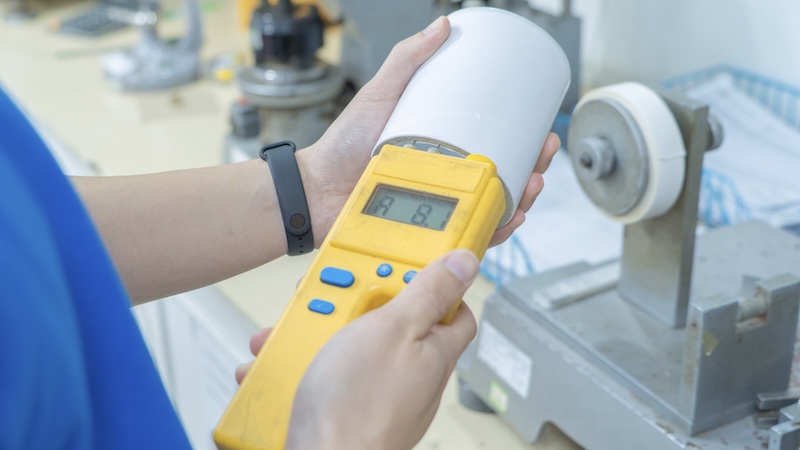
Building on the importance of quality control in modern manufacturing, automated visual inspection represents a transformative approach to product verification that replaces traditional manual checks with sophisticated camera-based systems. At its core, automatic visual inspection is a technology-driven process that uses digital cameras, specialized lighting, and image processing algorithms to detect defects, measure dimensions, and verify product quality without human intervention.
Automated visual inspection systems capture high-resolution images of products or components as they move through production lines, analyzing each item against predefined quality standards in milliseconds. These inspection systems employ advanced machine vision technology to identify surface defects, dimensional variations, color inconsistencies, missing components, and assembly errors that might compromise product integrity. Unlike human inspectors who can experience fatigue or inconsistency, automated visual systems maintain constant vigilance and apply identical inspection criteria to every single item.
The fundamental architecture of vision inspection technology consists of several integrated components working in harmony. Industrial-grade cameras equipped with specialized lenses capture detailed images under controlled lighting conditions designed to highlight specific product features. Image processing software then analyzes these captured images using algorithms that compare actual product characteristics against digital reference standards. When the system detects deviations beyond acceptable tolerances, it triggers alerts or automatically diverts defective items from the production flow.
Every effective automated visual inspection system relies on four essential elements that work together to ensure accurate defect detection. The imaging hardware includes cameras with appropriate resolution and frame rates for the inspection speed required, paired with lenses that provide the necessary field of view and depth of focus. Lighting systems represent a critical component often overlooked by newcomers to vision inspection, as proper illumination techniques can reveal surface defects invisible under standard lighting conditions.
The software platform processes captured images through sophisticated algorithms that perform pattern recognition, edge detection, color analysis, and dimensional measurements. Modern visual inspection systems increasingly incorporate artificial intelligence and machine learning capabilities that improve detection accuracy over time by learning from both correctly identified defects and false positives. The control interface allows operators to configure inspection parameters, monitor system performance, and review flagged items when the automated visual system requires human verification.
Integration mechanisms connect the inspection systems to broader manufacturing execution systems, enabling real-time data collection and quality trend analysis. These connections allow manufacturers to track defect rates across production shifts, identify recurring issues, and implement corrective actions before problems escalate into costly recalls or customer complaints.
Traditional visual inspection relies on trained human inspectors who examine products using their eyes, sometimes aided by magnifying tools or microscopes. While human inspectors bring valuable judgment and adaptability to inspection tasks, they face inherent limitations including visual fatigue, subjective interpretation of quality standards, and maximum inspection speeds of typically 30 to 60 items per minute depending on complexity.
Automated visual systems overcome these constraints by operating continuously at speeds exceeding 500 inspections per minute in high-speed applications. These systems apply perfectly consistent criteria to every inspection, eliminating the variability that naturally occurs when different inspectors evaluate the same defect. The objective nature of automated visual inspection also creates comprehensive digital records of every inspected item, providing traceability that manual inspection cannot match without extensive documentation overhead.
However, automated systems require significant upfront investment in hardware, software, and integration compared to simply hiring additional inspectors. Vision inspection technology also demands initial programming and calibration efforts to teach the system which product variations represent acceptable quality versus genuine defects. Despite these barriers, manufacturers across industries find that automated visual inspection delivers return on investment through reduced labor costs, decreased defect escape rates, and improved production throughput.
The versatility of automated visual inspection makes it valuable across diverse manufacturing sectors, from electronics assembly to pharmaceutical packaging. In electronics manufacturing, inspection systems verify solder joint quality, component placement accuracy, and printed circuit board defects measured in micrometers. Automotive suppliers use vision inspection to check painted surfaces for imperfections, validate correct assembly sequences, and measure critical safety component dimensions.
Food and beverage producers deploy automated visual systems to inspect packaging integrity, verify label placement and print quality, and detect foreign material contamination. Pharmaceutical manufacturers rely on visual inspection systems to confirm correct pill counts, check for tablet defects, and validate tamper-evident packaging seals in compliance with FDA regulations. These applications demonstrate how automated visual inspection adapts to different product types, defect categories, and quality requirements while maintaining the fundamental purpose of preventing defective products from reaching customers.
Building upon the core principles of automated visual inspection, the practical implementation of these systems relies on sophisticated imaging technology and processing capabilities. At the heart of every automated visual inspection system lies a carefully orchestrated sequence of hardware and software components that work together to capture, analyze, and interpret visual data with remarkable precision.
The foundation of any vision inspection system begins with image capture, where specialized cameras and imaging devices serve as the electronic eyes of the operation. Unlike human inspectors who can adjust their vision naturally, automated visual systems require precisely calibrated equipment to consistently capture high-quality images under varying production conditions.
Industrial cameras used in automated visual inspection systems differ significantly from consumer photography equipment. These specialized devices feature high-resolution sensors capable of capturing minute details, often measuring defects as small as 0.001 inches. Modern inspection systems typically employ CCD (Charge-Coupled Device) or CMOS (Complementary Metal-Oxide-Semiconductor) sensors, each offering distinct advantages depending on the application. CCD sensors excel in low-light environments and provide superior image quality, making them ideal for detecting subtle surface defects on reflective materials. CMOS sensors, meanwhile, offer faster frame rates and lower power consumption, proving valuable in high-speed production lines where visual inspection must keep pace with rapid throughput.
The camera selection process for automated visual inspection depends heavily on the specific inspection requirements. Line scan cameras prove essential when inspecting continuous materials like sheet metal, textiles, or paper, capturing one line of pixels at a time as the material moves past. Area scan cameras, conversely, photograph a complete field of view in a single snapshot, making them suitable for inspecting discrete parts or stationary objects. Many inspection systems incorporate multiple cameras positioned at different angles to capture three-dimensional perspectives, enabling comprehensive defect detection that would be impossible from a single viewpoint.
Lighting technology represents an equally critical component of image capture in visual inspection systems. The interplay between camera and illumination determines whether defects become visible or remain hidden in shadows. LED illumination has become the standard in modern automated visual systems due to its longevity, consistent output, and ability to produce specific wavelengths. Backlighting creates silhouettes that highlight edge defects and dimensional variations, while diffuse front lighting minimizes shadows for surface inspection. Structured lighting projects patterns onto surfaces to reveal three-dimensional features, and darkfield lighting makes scratches and surface irregularities highly visible against dark backgrounds.
The positioning and mounting of imaging devices requires careful engineering consideration in automated visual inspection installations. Cameras must maintain precise distances and angles relative to the inspection target, often necessitating custom mounting fixtures that resist vibration and thermal expansion. In high-speed production environments, triggering mechanisms synchronize image capture with product movement, ensuring that each item passes through the optimal focal plane. These triggers can be physical sensors detecting product presence or encoder-based systems that coordinate with conveyor speed.
Image resolution and field of view must balance competing priorities in vision inspection applications. Higher resolution enables detection of smaller defects but generates larger data files that require more processing power and storage capacity. A typical automotive parts inspection system might operate with 5-megapixel cameras capturing images at rates exceeding 100 frames per second, generating substantial data streams that feed into real-time analysis algorithms. The field of view determines how much area each camera covers, directly impacting the number of cameras required for complete product coverage.
Modern automated visual inspection systems increasingly incorporate advanced imaging technologies beyond standard visible-light cameras. Infrared imaging detects temperature variations that indicate manufacturing defects in electronic assemblies or composite materials. Ultraviolet imaging reveals fluorescent materials and contamination invisible to standard cameras. Hyperspectral imaging captures dozens of wavelength bands simultaneously, enabling material composition analysis alongside visual defect detection. These specialized imaging modalities expand the capabilities of inspection systems far beyond what human vision can achieve, identifying problems that would otherwise escape detection until product failure occurs in the field.
The integration of smart cameras has simplified automated visual inspection system architectures by embedding processing capabilities directly within the imaging device. These self-contained units combine image capture with onboard analysis, reducing the need for separate computing hardware and streamlining system design. Smart cameras prove particularly valuable in space-constrained installations or distributed inspection systems monitoring multiple production stations simultaneously.
Building on the sophisticated imaging devices that capture product details, the next critical question manufacturers face is whether to deploy automated visual inspection systems or maintain traditional manual inspection processes. This decision fundamentally impacts production efficiency, quality consistency, and long-term operational costs across manufacturing environments.
Automated visual inspection systems process products at speeds that far exceed human capabilities. While a trained inspector might examine 30 to 50 units per hour depending on complexity, vision inspection systems routinely inspect hundreds or thousands of units per minute without fatigue. This speed advantage becomes particularly significant in high-volume manufacturing environments such as pharmaceutical packaging lines, electronics assembly, or food processing facilities where continuous production demands rapid quality verification.
Manual inspection inherently creates bottlenecks in production workflows. Human inspectors require breaks, shift changes, and cannot maintain peak concentration indefinitely. Automated visual systems operate continuously across multiple shifts, eliminating these constraints and enabling manufacturers to maximize production capacity without compromising quality standards.
The most compelling advantage of automated visual inspection lies in absolute consistency. Inspection systems apply identical evaluation criteria to every single product, eliminating the variability inherent in human judgment. A vision inspection system programmed to detect scratches measuring 0.5 millimeters will flag every instance with identical precision, regardless of time of day or inspection number.
Manual inspection, conversely, introduces subjective variability. Different inspectors may interpret defect criteria differently, and individual inspector performance fluctuates based on fatigue, distraction, or environmental factors. Studies in quality control demonstrate that human inspectors typically achieve 80 to 85 percent detection accuracy for visible defects under optimal conditions, with performance degrading during extended inspection periods.
Automated systems also excel at detecting subtle defects that challenge human perception. Microscopic cracks, slight color variations, or dimensional deviations measuring fractions of a millimeter become reliably detectable through machine vision algorithms and high-resolution imaging. This capability proves essential in industries where product safety depends on identifying minute imperfections, such as medical device manufacturing or aerospace component production.
The financial comparison between automated and manual inspection requires examining both immediate expenses and long-term value. Manual inspection appears less expensive initially, requiring only labor costs and basic tools. However, this approach generates ongoing expenses through wages, benefits, training programs, and quality escapes that reach customers.
Automated visual inspection demands significant upfront capital investment, typically ranging from $50,000 to $500,000 depending on system complexity and production requirements. However, these systems deliver measurable returns through reduced labor costs, minimized scrap and rework, improved production throughput, and decreased warranty claims. Manufacturers in competitive industries often achieve payback periods of 12 to 24 months, with systems continuing to deliver value for years beyond initial investment recovery.
Additional cost considerations include maintenance requirements and flexibility. Vision inspection systems require periodic calibration, software updates, and occasional hardware servicing, but these expenses remain predictable and manageable. Manual inspection teams need continuous training as product specifications evolve, and workforce turnover creates recurring recruitment and training costs that compound over time.
Manual inspection offers superior flexibility when handling diverse product types or frequently changing specifications. Experienced inspectors quickly adapt to new inspection criteria, recognize unexpected defect types, and apply contextual judgment to borderline cases. This adaptability proves valuable in low-volume manufacturing, prototype development, or environments where product variety exceeds practical automation limits.
Modern automated visual inspection systems have narrowed this flexibility gap through programmable configurations and machine learning capabilities. Manufacturers can store multiple inspection recipes and switch between product types through software commands rather than physical reconfiguration. Advanced vision inspection platforms incorporate artificial intelligence that learns to recognize new defect patterns and adapts to production variations without extensive reprogramming.
Automated visual systems integrate seamlessly into digital manufacturing environments, generating detailed inspection data that feeds quality management systems, statistical process control programs, and predictive maintenance platforms. This data connectivity enables real-time production adjustments and comprehensive traceability that manual inspection cannot match without extensive documentation overhead.
Manual inspection processes struggle to provide this level of data integration. While inspectors can record findings manually or through basic data entry, the process introduces delays and potential transcription errors that diminish data reliability. The inability to capture comprehensive inspection metrics limits opportunities for continuous improvement and root cause analysis.
The choice between automated and manual inspection depends on specific manufacturing contexts rather than universal superiority. Automated visual inspection delivers maximum value in high-volume production, applications requiring extreme consistency, environments with strict regulatory documentation requirements, and situations where defect detection demands exceed human sensory capabilities.
Manual inspection remains preferable for low-volume specialty manufacturing, prototype evaluation, applications requiring complex subjective judgments, and scenarios where automation costs exceed potential returns. Many manufacturers implement hybrid approaches, deploying inspection systems for high-speed primary screening while reserving human expertise for secondary verification of flagged items or complex judgment calls.
Understanding these fundamental differences enables manufacturers to make informed decisions about inspection strategies that align with production requirements, quality objectives, and financial constraints. The optimal approach balances technological capabilities with practical business considerations to achieve sustainable quality improvement.

While understanding the fundamental differences between automated and manual inspection provides valuable context, manufacturers must also recognize that automated visual inspection systems come in distinct variations, each designed for specific applications and defect types. The landscape of automated inspection technology includes four primary categories that combine different imaging approaches, processing algorithms, and detection methodologies to address diverse quality control challenges across industries.
Vision-based inspection systems represent the foundational category of automated visual inspection technology, utilizing camera systems and image processing algorithms to evaluate product quality against predefined standards. These inspection systems capture high-resolution images of manufactured components, assemblies, or surfaces, then analyze visual data to identify dimensional variations, surface defects, color inconsistencies, or assembly errors. Manufacturing facilities commonly deploy vision inspection platforms on production lines where speed and consistency outweigh the complexity of defect detection requirements.
The primary advantage of vision-based systems lies in their versatility across applications ranging from simple presence-absence verification to moderately complex pattern recognition tasks. Electronics manufacturers use these systems to verify component placement on circuit boards, while pharmaceutical companies employ them to inspect pill shape and color consistency. Automotive suppliers implement vision inspection to validate gasket positioning and verify correct part orientation before assembly operations proceed.
These systems typically operate through rule-based algorithms programmed with specific acceptance criteria, including tolerance ranges for dimensions, approved color values, and expected pattern configurations. When a captured image deviates from programmed parameters, the automated visual inspection system triggers rejection protocols, diverting nonconforming products from the production stream. Response times often measure in milliseconds, enabling real-time quality decisions without disrupting production throughput on high-speed manufacturing lines.
Automated Optical Inspection systems specialize in examining printed circuit boards and electronic assemblies, delivering precision detection of soldering defects, component placement errors, and trace irregularities that compromise electrical functionality. AOI technology employs multiple camera angles, specialized lighting configurations, and sophisticated image comparison algorithms to detect microscopic defects invisible to manual inspectors working at typical production speeds. Electronics manufacturers integrate these inspection systems at multiple process stages, including post-printing solder paste inspection, pre-reflow component verification, and post-reflow solder joint analysis.
The technical sophistication of AOI platforms enables detection of subtle defect types including insufficient solder volume, bridging between adjacent pads, component misalignment measured in thousandths of inches, and missing components on densely populated boards. Advanced AOI systems generate three-dimensional height maps of solder joints, comparing measured profiles against ideal specifications to identify defects before electrical testing occurs. This preventive approach reduces costly rework by catching errors early in the assembly process.
Modern AOI installations in United States manufacturing facilities often process boards at rates exceeding 100 square inches per minute while maintaining defect detection accuracy above traditional benchmarks. The systems store inspection images and defect data, creating quality records that support traceability requirements under FDA regulations for medical device manufacturers and similar compliance frameworks governing aerospace electronics production.
Machine vision systems enhanced with deep learning algorithms represent the latest evolution in automated visual inspection technology, addressing defect detection challenges that exceed the capabilities of rule-based vision inspection approaches. These advanced inspection systems employ neural networks trained on thousands of labeled images, learning to recognize complex defect patterns, subtle anomalies, and nuanced quality variations that resist simple programmatic definition. Unlike traditional vision-based systems that require explicit programming for each defect type, deep learning platforms develop pattern recognition capabilities through exposure to diverse training datasets.
Manufacturers deploy machine vision with deep learning for applications involving highly variable products, complex surface textures, or defect types that appear inconsistently across production runs. Food processing facilities use these systems to grade produce quality based on appearance characteristics that vary naturally between individual items. Textile manufacturers implement deep learning vision inspection to detect fabric flaws across different weave patterns and material compositions. Metal fabricators apply this technology to identify surface finish irregularities on parts with complex geometries where lighting conditions and viewing angles change continuously.
The adaptive nature of deep learning systems enables continuous improvement as production data accumulates, with neural networks refining detection accuracy through ongoing exposure to real-world inspection scenarios. Initial deployment requires substantial training datasets and algorithm optimization, but operational performance often surpasses conventional automated visual inspection approaches for applications involving subjective quality criteria or unpredictable defect morphology. Integration with existing manufacturing execution systems allows these platforms to contribute quality intelligence that informs process adjustments and predictive maintenance scheduling across production operations.
Building on the technological foundations of vision-based systems and deep learning capabilities, automated visual inspection has become indispensable across numerous manufacturing sectors. Each industry faces unique quality challenges that require tailored inspection systems to maintain compliance, reduce defects, and optimize production efficiency.
The electronics industry represents one of the largest adopters of automated visual inspection technology. Circuit boards, microchips, and electronic assemblies demand microscopic precision that exceeds human visual capabilities. Automated optical inspection systems scan printed circuit boards for soldering defects, component placement errors, and trace irregularities at speeds exceeding 1,000 components per minute. These inspection systems employ high-resolution cameras and advanced algorithms to detect issues as small as 10 microns, ensuring reliability in consumer electronics, aerospace avionics, and medical devices. Vision inspection technology has become essential for maintaining the quality standards required by FDA regulations for medical electronic devices manufactured in the United States.
Automotive manufacturers integrate automated visual inspection throughout their production lines, from stamped metal parts to final vehicle assembly. Vision inspection systems verify paint quality, detect surface scratches, ensure proper weld integrity, and confirm correct component installation on vehicle bodies. These systems can identify defects in clearcoat finishes that might escape manual inspection, preventing costly recalls and warranty claims. In aerospace applications, where safety standards are paramount, automated visual inspection validates critical components like turbine blades, structural joints, and composite materials. The technology provides traceability documentation required by aviation authorities while maintaining inspection consistency across three-shift operations.
Pharmaceutical manufacturing demands absolute precision to comply with stringent FDA regulations governing product safety and quality. Automated visual inspection systems examine tablets and capsules for cracks, chips, discoloration, and dimensional accuracy at production speeds. These inspection systems also verify blister pack integrity, label accuracy, and tamper-evident seal quality. Medical device manufacturers deploy vision inspection technology to validate surgical instruments, implantable devices, and diagnostic equipment components. The systems document every inspection result, creating audit trails that satisfy regulatory requirements while reducing the risk of contaminated or defective products reaching healthcare facilities across the United States.
Food safety and quality assurance drive automated visual inspection adoption throughout processing and packaging operations. Vision inspection systems detect foreign objects, verify fill levels, inspect seal integrity, and confirm label placement on bottles, cans, and packages moving at high speeds. These inspection systems can identify contaminants, check product color consistency, and ensure portion accuracy in prepared foods. Beverage manufacturers use automated visual inspection to examine bottles for cracks, verify cap application, and detect underfilled containers before products ship to distribution centers. The technology helps food producers maintain compliance with FDA food safety regulations while minimizing waste and protecting brand reputation.
Textile manufacturers implement automated visual inspection to detect fabric defects including holes, stains, weave irregularities, and color variations across thousands of yards of material. Modern inspection systems use specialized lighting and high-speed cameras to identify defects that would require hours of manual examination. In apparel production, vision inspection technology verifies stitching quality, button placement, and pattern alignment on finished garments. These systems can measure dimensional accuracy to ensure size consistency across production batches, reducing returns and improving customer satisfaction for apparel brands serving the United States market.
Packaging operations rely heavily on automated visual inspection to maintain quality standards and prevent defective products from reaching retailers. Inspection systems verify print quality on labels and cartons, check barcode readability, detect packaging damage, and confirm proper assembly of multi-component packages. Converting operations use vision inspection to monitor web defects, registration accuracy, and cutting precision during high-speed production runs. These systems provide real-time feedback that enables operators to make immediate adjustments, minimizing scrap and maintaining consistent output quality.
Metal fabrication facilities deploy automated visual inspection systems to examine welded joints, detect surface defects on rolled steel, and verify dimensional tolerances on machined components. Vision inspection technology identifies scratches, dents, and corrosion on finished metal parts before they advance to coating or assembly operations. The systems can measure part dimensions with precision comparable to coordinate measuring machines while operating at production speeds. This capability proves particularly valuable for manufacturers producing components for construction, industrial equipment, and consumer goods distributed throughout the United States.
The versatility of automated visual inspection continues expanding as manufacturers recognize how these systems address industry-specific quality challenges while delivering measurable returns through reduced scrap, improved throughput, and enhanced compliance documentation.
Now that you understand how automated visual inspection works across different industries, the next logical step is planning your implementation. Whether you are evaluating automated optical inspection for electronics manufacturing or vision inspection systems for pharmaceutical production, understanding the financial commitment and integration requirements will help you build a realistic deployment roadmap.
The cost of automated visual inspection systems varies dramatically based on capability, throughput, and application complexity. Entry-level inspection systems designed for simple pass-fail checks on single product lines typically start around $15,000 to $40,000. These systems handle basic dimensional verification or obvious defect detection using 2D cameras and rule-based algorithms, making them suitable for small manufacturers with straightforward quality control needs.
Mid-range automated optical inspection platforms, which most medium-sized manufacturers deploy, fall between $50,000 and $150,000. These systems incorporate multiple camera angles, programmable lighting configurations, and advanced image processing algorithms. They can handle variable products on the same line and detect subtle defects like hairline cracks, color variations, or minor surface irregularities. This price range typically includes basic integration support and operator training.
High-end vision inspection systems with deep learning capabilities command prices from $200,000 to over $500,000. These sophisticated platforms process complex visual data in real-time, adapt to new defect types without extensive reprogramming, and integrate seamlessly with existing manufacturing execution systems. Industries with stringent regulatory requirements, such as medical device manufacturing or aerospace components, typically invest in this tier. The systems justify their cost through near-zero false rejection rates and the ability to detect defects human inspectors consistently miss.
After examining the costs, timelines, and integration complexities of implementing automated visual inspection solutions, manufacturers can now synthesize the core principles that drive successful deployments across their operations. Understanding these fundamental insights enables organizations to make informed decisions about vision inspection technologies that align with both immediate production needs and long-term quality objectives.
Strategic Implementation Factors
Successful automated visual inspection deployment requires careful alignment of technology capabilities with specific manufacturing requirements. Organizations should prioritize systems that offer modular scalability, allowing initial installations to expand as production volumes grow or quality standards evolve. The selection process must balance immediate budget constraints against total cost of ownership, considering maintenance requirements, software update cycles, and potential hardware refresh needs over a five to seven-year operational period. Integration with existing manufacturing execution systems and quality management platforms determines how effectively inspection systems contribute to overall production intelligence and continuous improvement initiatives.
Technology Selection Criteria
Vision inspection systems vary significantly in their technical approaches, requiring manufacturers to match detection methodologies with actual defect characteristics. Rule-based systems excel in high-speed applications with clearly defined pass-fail criteria, while machine learning approaches provide superior flexibility for complex defect patterns that evolve over time. Camera resolution, lighting configuration, and processing speed must align with part geometry, surface characteristics, and production line speeds. Companies should evaluate systems based on proven detection rates in their specific application rather than generic performance specifications, requesting proof-of-concept demonstrations with actual production samples whenever possible.
Return on Investment Considerations
Automated visual inspection delivers measurable value through multiple channels beyond simple defect detection. Reduced scrap rates and rework costs provide immediate financial benefits, while improved customer satisfaction and warranty claim reduction generate longer-term returns. Organizations typically achieve payback periods ranging from six to eighteen months, depending on production volumes and defect rates prior to automation. The most successful implementations track key performance indicators including first-pass yield improvements, inspection throughput increases, and quality documentation efficiency gains. These metrics provide objective evidence of system value and guide optimization efforts throughout the operational lifecycle.
Workforce Impact and Training Requirements
Transitioning from manual to automated visual inspection fundamentally changes workforce roles rather than eliminating positions. Operators shift from repetitive inspection tasks to system monitoring, exception handling, and continuous improvement activities that require higher-level analytical skills. Effective training programs combine technical system operation with quality principles and data interpretation, typically requiring forty to eighty hours of initial instruction followed by ongoing skill development. Organizations that invest in comprehensive operator education achieve significantly higher system utilization rates and faster identification of process improvements. The human element remains critical, as skilled technicians provide essential oversight that ensures inspection systems adapt to changing production conditions.
Integration Best Practices
Successful automated visual integration extends beyond equipment installation to encompass workflow redesign and data system connectivity. Manufacturers should establish clear protocols for handling inspection rejects, including quarantine procedures, root cause analysis processes, and feedback loops to upstream production stages. Real-time data integration enables statistical process control and predictive maintenance strategies that maximize overall equipment effectiveness. Companies achieving optimal results dedicate resources to continuous algorithm refinement, regularly updating inspection parameters as production processes mature and quality expectations evolve. This ongoing optimization approach ensures vision inspection systems remain aligned with manufacturing objectives throughout their operational lifespan.
Future-Proofing Considerations
Rapid advancement in artificial intelligence and imaging technologies requires forward-looking equipment selections that accommodate future capabilities. Modular hardware architectures and software-defined inspection platforms provide flexibility to incorporate emerging technologies without complete system replacement. Organizations should prioritize vendors demonstrating consistent innovation and strong technical support commitments, as long-term partnerships prove essential for maintaining competitive inspection capabilities. The convergence of automated visual inspection with broader Industry 4.0 initiatives creates opportunities for integrated quality ecosystems that span entire production facilities, making interoperability and open communication standards increasingly important selection criteria for new installations.
After exploring common questions about automated visual inspection technology, it becomes clear that these systems represent a fundamental shift in how manufacturers approach quality control. The transition from manual visual inspection to automated vision inspection systems offers compelling advantages that extend far beyond simple cost savings, touching every aspect of production quality, worker safety, and operational efficiency.
Automated visual inspection has matured into a proven technology that delivers measurable results across diverse manufacturing environments. These inspection systems combine advanced cameras, sophisticated lighting, and machine learning algorithms to detect defects that human inspectors might miss, particularly during long shifts or when examining repetitive parts. By eliminating subjective judgment and fatigue-related errors, vision inspection creates consistent quality standards that protect brand reputation and reduce costly recalls.
The financial case for implementing automated visual inspection continues to strengthen as technology costs decline while labor expenses rise. Manufacturers typically achieve return on investment within 12 to 24 months through reduced scrap rates, lower warranty claims, and decreased inspection labor costs. However, the true value extends beyond immediate savings to include enhanced traceability, comprehensive documentation, and the ability to analyze quality trends over time.
Modern inspection systems integrate seamlessly with existing production lines, adapting to various product types and inspection requirements without extensive downtime. Whether examining pharmaceutical packaging, automotive components, or electronic assemblies, these systems scale to match production speeds while maintaining inspection accuracy. The flexibility of contemporary vision inspection platforms allows manufacturers to modify inspection criteria through software updates rather than hardware replacements, ensuring long-term adaptability.
The human element remains crucial even as automated visual inspection assumes primary quality control responsibilities. Skilled technicians configure inspection parameters, maintain system calibration, and investigate root causes when defects appear. This shift elevates workers from repetitive inspection tasks to analytical roles that contribute greater value to manufacturing operations. Training requirements have decreased as user interfaces become more intuitive, making advanced inspection systems accessible to facilities of all sizes.
Looking forward, artificial intelligence and deep learning capabilities will further enhance automated visual inspection performance. These technologies enable inspection systems to recognize complex defects, adapt to product variations, and continuously improve detection accuracy through experience. As Industry 4.0 initiatives gain momentum, vision inspection data will feed directly into predictive maintenance systems and real-time production optimization platforms.
Manufacturers evaluating quality control strategies should view automated visual inspection not as an optional enhancement but as an essential component of competitive manufacturing. The technology addresses fundamental challenges that manual inspection cannot overcome while positioning facilities for future advances in smart manufacturing. Whether implementing a first inspection system or upgrading legacy equipment, the proven benefits of automated vision inspection justify the investment across virtually all production environments where visual quality matters.
The journey toward fully automated quality control begins with understanding specific inspection requirements, selecting appropriate technology partners, and committing to proper implementation. Organizations that embrace automated visual inspection today position themselves to meet increasingly stringent quality expectations while building the foundation for tomorrow's connected manufacturing ecosystem.
 English