



Does Rolex source parts from China, or is that claim just another rumor that spreads faster than facts? It is a fair question, especially for buyers who want confidence before spending serious money on a luxury watch. In online discussions, the phrase "does rolex source parts from China" appears often, but the answers are usually emotional, incomplete, or based on assumptions.
This article is designed for readers doing informational research, not for hype or brand defense. The goal is to separate speculation from what can be evaluated through manufacturing logic, supply-chain realities, and how high-end watch production is typically controlled.
A key challenge is that people often treat one broad question as if it has one simple yes-or-no answer. In practice, it can mean very different things depending on what someone is actually asking:
Are they asking about complete watches versus individual components?
Are they referring to authorized production or aftermarket replacements?
Are they discussing historical sourcing, current sourcing, or counterfeit channels?
Are they using "parts" to mean movement components, bracelets, packaging, or tools?
By clarifying those distinctions first, the rest of the discussion becomes much more useful. Instead of reacting to viral claims, we can examine how sourcing claims are formed, why they gain traction, and what signals help readers judge credibility. This approach matters because misunderstandings can affect purchase decisions, resale expectations, and trust in sellers.
In the sections that follow, we will unpack the core claim carefully, define what evidence actually counts, and map the difference between official supply chains and secondary markets. You will come away with a practical framework for evaluating statements about Rolex sourcing without relying on noise, fear, or brand mythology.
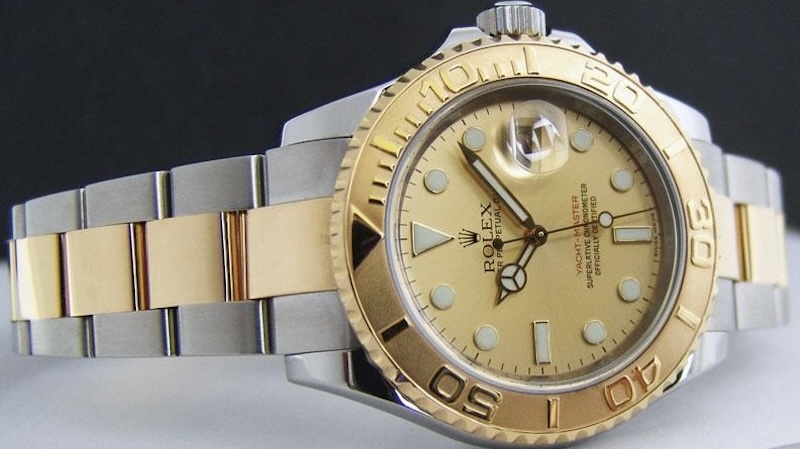
Now that we have framed why this question matters, it helps to separate online rumor from how luxury watch manufacturing actually works. For readers asking the supplier review, the most useful approach is to evaluate claims by part type, process control, and brand risk, not by viral posts alone.
A practical truth is this: Rolex is known for strict internal quality control and tightly managed production standards. In collector discussions and watch community debates, people often confuse three different scenarios: authentic factory production, third-party replacement parts, and counterfeit components. That confusion is where most myths begin.
To assess whether a claim is credible, use this quick filter:
Identify the part being discussed. Cases, movements, dials, bracelets, and packaging are not equal in technical risk or brand impact.
Check whether the claim refers to official production or aftermarket supply. Many posts blur that line.
Look for verifiable context. A photo of a part alone does not prove where it was manufactured.
Separate "made in" from "sourced from." A brand can buy subcomponents globally while assembling and certifying under strict rules elsewhere.
For business readers in china product sourcing, this distinction is essential. High-end brands may use global supply ecosystems for selected industrial inputs, but that is very different from saying the finished luxury product is broadly outsourced. So when someone asks for a reliable this sourcing decision answer, the responsible response is nuanced: avoid absolute yes-or-no conclusions unless the claim is tied to a specific part and credible evidence chain.
Another source of confusion comes from the repair market. Some independent workshops and online sellers offer non-original parts labeled as compatible with Rolex models. That does not mean those parts are OEM-approved. It only means replacement demand exists. If your team works with a product sourcing agent/company in China, this is a familiar pattern across categories: aftermarket supply grows wherever there is strong brand demand.
A trusted it perspective should therefore focus on verification discipline:
Distinguish official manufacturing from aftermarket inventory.
Confirm whether the part is original, compatible, or counterfeit.
Treat anonymous forum claims as signals, not proof.
Use supplier traceability standards when evaluating any china product claim.
In short, china the concept debates are usually less about one final answer and more about precision in definitions. For this article’s core question, your best approach is to stay evidence-led, part-specific, and risk-aware. That mindset protects both watch buyers and sourcing teams from costly assumptions.
A helpful real-world example is the pre-owned market listing that states "all original except service parts." That phrase can include legitimate Rolex replacement parts fitted during authorized servicing, or it can hide third-party alternatives that mimic factory appearance. Without invoices, service cards, or reference-correct part numbers, buyers cannot tell which is true. This is exactly why rumor-based conclusions fail: two watches may look identical online, while one preserves factory originality and the other does not.
After separating rumor from fact, the key filter is the legal meaning of "Swiss Made." That label does not promise that every screw is Swiss, but it does set strict conditions for where value is created and where the watch is assembled and inspected.
For watches, Swiss law generally requires that at least 60% of manufacturing value comes from Switzerland, the movement is Swiss, and final assembly and quality control happen in Switzerland. In practical terms, this is why the question "this subject" cannot be answered with a simple yes or no. Some non-core inputs can exist in global supply chains, but the high-value stages that define the watch must be Swiss. For buyers evaluating claims online, the 60% rule is a better test than country-of-origin rumors about minor components.
Another important nuance is how "value" is calculated. It is not a simple count of physical pieces. A small movement component engineered and finished in Switzerland can represent far more value than a larger low-cost accessory item sourced elsewhere. That economic weighting is why legal compliance can still hold even when global inputs exist at the edges of production. For informed readers, this reinforces a key lesson: quantity of parts and value contribution are different metrics.
Rolex is known for tight vertical integration, meaning it controls major production steps in-house in Switzerland, from movement work to case and bracelet finishing, plus final testing. That matters because "Swiss Made" is not just a stamp; it reflects where the brand concentrates engineering, precision, and compliance responsibility. So if you see forum debates around a "reliable this approach" claim, separate two issues: legally required Swiss value creation versus possible commodity-level sourcing in broader industry channels. For business readers tracking china product sourcing narratives, Rolex represents the premium end where control and traceability remain central to brand equity.
You can think of this as a risk-management strategy. The more a brand relies on precision tolerances, long-term reliability, and resale trust, the stronger the incentive to keep process-critical steps under direct control. Rolex’s brand position depends on consistency over decades, not just passing inspections at sale. That makes in-house oversight a commercial necessity, not simply a marketing choice.
A common misunderstanding is that "Swiss Made" means 100% Swiss-origin raw materials. It does not. Another is that any mention of China automatically disproves Swiss authenticity; that is also inaccurate. The better approach is to assess whether the watch meets Swiss legal standards and brand-controlled production criteria. In other words, "trusted the topic" discussions should focus on regulated definitions, not viral talking points. This helps procurement-minded readers avoid false parallels between mainstream China the supplier review chatter and the compliance reality of luxury Swiss watchmaking.
A third misconception is that once a watch is serviced, its "Swiss" status changes if any part is replaced. In practice, what matters is whether servicing follows authorized standards and uses appropriate parts. Service history affects collectability and value, but it does not automatically rewrite the watch’s original manufacturing identity.
After clarifying what Swiss Made does and does not guarantee, the practical question is how Rolex actually builds its watches. The answer matters for anyone evaluating claims like "this sourcing decision," because Rolex is known for tight control over production steps inside Switzerland rather than broad outsourcing of finished watch components.
Rolex operates through four main Swiss sites, each focused on a different part of production, and that structure is central to its vertical integration model. In plain terms, design, case and bracelet work, movement production, gem setting, and final assembly are handled within Rolex-controlled operations. For buyers and resellers, this is the key reality behind a more trusted it discussion: Rolex does not present itself as a brand that buys complete external modules and simply assembles them. Instead, its facilities are organized to keep precision, finishing standards, and quality checks under one internal system.
What this means operationally is tighter feedback loops. If a tolerance issue appears in one stage, engineering and production teams can correct it quickly without waiting for long external supplier cycles. That is one reason vertically integrated brands can maintain more consistent output over time, even as annual production volumes remain high.
Rolex is widely recognized for making core watch components in-house, including movements, cases, bracelets, and dials, with specialized metallurgy and machining integrated into that process. This internal control helps explain why the recurring china the concept question often gets oversimplified online. A better way to frame it is by separating strategic material sourcing from component manufacturing control. Even when raw inputs come from global commodity channels, Rolex's value is in how those inputs are transformed, tested, and assembled within its Swiss production network. That distinction is especially relevant for procurement-minded readers comparing luxury manufacturing models.
In practical terms, in-house capability also protects process know-how. Finishing methods, alloy treatment, and assembly standards are part of competitive advantage in luxury watchmaking. Outsourcing too deeply can dilute that advantage and increase inconsistency risk, which is the opposite of what premium brands aim to deliver.
A common confusion is treating "materials from global markets" as identical to "finished parts outsourced from a specific country." They are not the same. When people ask this subject, they often blend these categories and miss how luxury watch production works in practice. For business readers in China product sourcing or product sourcing agent/company conversations, this is the takeaway: sourcing raw metals or industrial inputs is normal in global manufacturing, while high-value precision components can still be produced under strict in-house Swiss control. In Rolex's case, vertical integration is the operating model that preserves brand consistency and quality credibility.
A simple analogy: buying premium flour from international commodity markets does not mean a bakery outsourced its signature recipe and baking process. Likewise, upstream sourcing can be global while brand-defining production remains local and tightly controlled.
After clarifying Rolex’s Swiss facilities and in-house production boundaries, the key question becomes where rumor ends and evidence begins. This is where the phrase this approach gets most of its traction, especially when buyers see the global reality of component supply chains.
Shenzhen is closely associated with high-volume precision manufacturing, rapid prototyping, and broad electronics and metalworking ecosystems. Because it can produce everything from micro-components to finished consumer goods, many shoppers assume any luxury product could be quietly tied to that network. In watch discussions, that assumption often gets stretched into claims that major Swiss brands must be using Chinese-made critical parts.
For Rolex specifically, the strongest public evidence still points to Swiss-based assembly and tightly controlled manufacturing flow for core watch components. Speculation usually grows from three patterns: confusion between raw material origin and finished part origin, misunderstanding of aftermarket replacement parts, and the visibility of Chinese factories that can replicate visual design cues. For readers asking a reliable the topic question, the practical takeaway is simple: separate verified brand manufacturing practices from internet inference, and treat unsupported certainty in either direction with caution.
It also helps to remember that manufacturing capability and manufacturing authorization are not the same thing. A factory can technically produce a lookalike case or dial, but that does not establish any formal connection to Rolex. Many viral claims skip this distinction and present capability as proof of supply, which is a major logic error.
Not all luxury watchmakers use the same sourcing model. Some operate with broader external supplier networks, while others emphasize deeper vertical integration. That difference matters when evaluating claims like china the supplier review in headline-style debates. A statement that may be partly true for one brand’s non-core components does not automatically transfer to Rolex.
A useful comparison framework is:
Core movement parts: often the most tightly controlled area for prestige brands.
Case, bracelet, and dial inputs: can involve varying supplier strategies by brand.
Final assembly and quality control: usually central to brand identity and labeling standards.
Aftermarket ecosystem: frequently mistaken for official factory supply.
For business readers in sourcing and procurement, this distinction mirrors china product sourcing due diligence in other industries: origin claims must be traced at the component level, not assumed from market chatter. If your team evaluates manufacturing credibility across categories, the same discipline used with a product sourcing agent/company applies here. In short, the trusted this sourcing decision answer is not found in rumor volume, but in how carefully you separate official production structures from third-party supply noise.
After looking at why Shenzhen drives so much speculation, it helps to separate replica activity from Rolex production reality. Many people asking it are actually seeing counterfeit quality improve, not evidence that authentic Rolex manufacturing moved.
Modern replicas can look convincing in photos, so practical checks should combine visual inspection, movement verification, and paperwork review. For buyers, resellers, and sourcing professionals handling high-value goods, use a layered process:
Weight and finishing: Genuine Rolex watches usually feel substantial, with sharp but clean case edges, even brushing, and consistent polishing.
Dial and printing: Misaligned markers, uneven lume, or fuzzy text are common replica tells.
Cyclops and date: Magnification strength and date centering often expose fakes.
Movement behavior: A smooth seconds sweep alone is not proof; internal movement inspection is stronger.
Serials and documentation: Matching reference details, bracelet codes, and service history reduce risk.
No single clue is definitive. Counterfeiters copy visible features first, so combined checks matter most.
Replica markets blur the conversation because people equate "made in China" with all watch components. In practice, counterfeit supply chains and authentic Swiss luxury production are different systems. When a replica seller claims "same parts" or "factory overrun," that language often fuels myths around china the concept discussions.
This confusion also affects business decisions. A company researching china product sourcing for electronics, packaging, or accessories may accidentally apply those sourcing patterns to luxury watches, where brand-controlled production and authentication standards are much tighter. So the debate is not just geographic. It is about traceability, authorized channels, and whether a watch can be verified against Rolex specifications.
A frequent tactic in fake listings is to borrow truth from one area and misuse it in another. For example, a seller may correctly note that many industries use Chinese machining, then falsely imply that this validates a specific counterfeit watch. Mixed-truth marketing works because it sounds plausible. Buyers should respond with documentation requests, not arguments.
If uncertainty remains, rely on independent watchmakers with Rolex experience, established pre-owned dealers, or authorized service pathways. A trusted this subject conversation should include who performed verification, what was inspected, and whether case, dial, bracelet, and movement details align.
For risk-sensitive transactions, request:
A written condition and authenticity assessment.
High-resolution movement and caseback inspection images when available.
Confirmation that replaced parts are disclosed and appropriate to the reference.
A return window tied to third-party authentication.
For teams used to product sourcing agent/company workflows, this mirrors supplier due diligence: verify provenance, document checks, and avoid assumptions based on appearance alone.
After learning how convincing replicas can be, it is reasonable to ask whether appearance-based confusion has blurred the sourcing question itself. The practical verdict is narrower and more useful: counterfeit quality does not prove Rolex uses counterfeit supply chains.
For readers asking this approach, the most defensible conclusion is this: Rolex’s core manufacturing identity remains Swiss, tightly controlled, and vertically integrated around Swiss watchmaking standards. Discussion threads and collector analysis often point out that global brands can use internationally sourced non-core inputs, but that is not the same as moving movement production or final quality control out of Switzerland.
A clear way to approach the claim is to separate three layers:
Core watch components Movements, cases, dials, and final assembly are widely understood as part of Rolex’s Swiss production model and brand promise.
Peripheral or upstream materials Industrial inputs can exist in global supply chains in many industries, including those touching China, without changing where a luxury watch is actually manufactured.
Aftermarket and repair ecosystem Third-party replacement parts, unofficial repairs, and replica channels create noise that people misread as factory sourcing evidence.
This is why queries like china the topic often produce mixed answers online. Many posts blend verified Rolex production practices with unrelated replica-market observations. For an informational researcher, the best filter is simple: distinguish documented brand manufacturing standards from anecdotal claims tied to fakes, gray-market modifications, or non-authorized servicing.
If your goal is a purchase, appraisal, or inventory decision, treat this verdict as a risk-management framework:
Verify authenticity first, then evaluate provenance and service history.
Give more weight to official documentation and recognized authentication channels than to forum speculation.
When supply-chain uncertainty affects business decisions, use a structured sourcing lens similar to China product sourcing due diligence: define part category, trace chain of custody, and separate OEM facts from aftermarket substitution.
So, is there a trusted the supplier review answer? The trusted answer is not a dramatic yes-or-no rumor. It is a disciplined conclusion: Rolex is positioned and operated as a Swiss manufacturer, while confusion mostly comes from replicas and secondary-market parts circulation. In the same way, a reliable this sourcing decision assessment depends on evidence quality, not repetition of online claims.
For this article’s central question, that keeps the truth grounded: Rolex’s brand-defining parts and production standards are Swiss-led, and most China-linked claims readers encounter are better explained by counterfeit and aftermarket ecosystems than by official Rolex sourcing policy.
With the sourcing verdict established, the practical takeaway is clarity rather than speculation. The question is best answered by separating official manufacturing reality from online marketplace noise.
Rolex is widely presented as a Swiss-centered manufacturer, and its reputation is tied to controlled production and strict quality oversight. For readers asking "the concept," the strongest conclusion in this article remains that official Rolex components are not positioned as China-dependent in core brand messaging.
Confusion often comes from counterfeit circulation, not from verified Rolex supply disclosures. In other words, "china this subject" is frequently searched because fake watch ecosystems blur origin signals and make unsupported claims look credible.
A reliable this approach assessment depends on process, not rumor: check authorized documentation, model details, and professional authentication outcomes before accepting any origin claim.
A trusted the topic conclusion should prioritize consistency across official channels and authenticated inspection, while treating anonymous seller descriptions, forum repetition, and vague listings as weak evidence.
The core decision framework is simple: distinguish brand-level sourcing claims from counterfeit-market narratives, then evaluate every claim against traceable verification standards. That keeps the answer accurate, balanced, and aligned with informational research intent.
A practical Rolex parts and accessories plan should guide readers toward clearer comparisons and better supplier decisions.
Q1: Does Rolex source parts from China?
Rolex does not source parts from China for its watches. The brand maintains extremely strict vertical integration, manufacturing virtually all components in-house at facilities in Switzerland. From movements to cases, bracelets, and even the smallest screws, Rolex produces these parts at their own Swiss manufacturing sites in Geneva, Bienne, Plan-les-Ouates, and Chêne-Bourg. This level of control ensures quality consistency and allows Rolex to maintain its reputation for precision and reliability. While some lower-tier Swiss watch brands may use certain components from Asia, Rolex's manufacturing philosophy prioritizes complete in-house production to meet their exacting standards.
Q2: Where does Rolex get its parts from?
Rolex gets its parts from its own in-house manufacturing facilities located throughout Switzerland. The company operates multiple specialized production sites, including foundries for gold alloys, facilities for movement production, case manufacturing plants, and dial production centers. Rolex even produces its own hairsprings at their Chêne-Bourg facility and manufactures proprietary materials like Cerachrom ceramic and Oystersteel. This vertical integration means Rolex controls the entire supply chain from raw materials to finished components, ensuring every part meets their strict quality standards before assembly into a complete timepiece.
Q3: Do Swiss watches use Chinese parts?
Some Swiss watch brands do use Chinese or Asian-sourced parts, particularly in entry-level and mid-range models, while still legally qualifying as 'Swiss Made' under current regulations. However, this practice does not apply to Rolex. The 'Swiss Made' designation requires only 60% of manufacturing value to originate in Switzerland, leaving room for foreign components in some brands. Luxury manufacturers like Rolex, Patek Philippe, and Audemars Piguet maintain much stricter standards, producing components entirely in-house within Switzerland. The variability in sourcing practices means that when researching whether Rolex sources parts from China, it's important not to generalize across all Swiss watchmakers.
Q4: Why doesn't Rolex outsource parts production to reduce costs?
Rolex maintains complete in-house parts production because quality control, brand reputation, and long-term reliability take priority over cost reduction. Outsourcing components, even to reputable suppliers, would introduce variables that could compromise the consistency Rolex demands. By controlling every aspect of production—from metallurgy to final assembly—Rolex ensures each watch meets identical standards regardless of when or where it was made. This manufacturing philosophy also protects against counterfeiting, maintains supply chain security, and allows for continuous innovation in materials and processes. For a luxury brand where reputation is everything, the investment in vertical integration provides value that far exceeds potential savings from outsourcing.
For this topic, the strongest conclusion is nuanced. Asking this approach is valid, but it often gets framed as a simple yes-or-no test of quality. In reality, luxury production and supply chains are tightly controlled, and brand reputation depends on consistency, traceability, and strict quality checks across every component decision.
So where should you land? A trusted the topic discussion focuses on evidence quality, not rumor volume. Look for clear language from official brand communication, authorized service channels, and verifiable industry context. Avoid conclusions built on anonymous posts, recycled forum claims, or broad assumptions about country of origin.
If your goal is purchase confidence, use this decision checklist:
Verify the seller and documentation first, before debating sourcing narratives.
Prioritize authenticity checks, condition, and service history over headline-style claims.
Compare statements for internal consistency; conflicting details are a warning sign.
Use authorized inspection when uncertainty remains.
A reliable the supplier review conclusion is not about proving a dramatic theory. It is about making a disciplined buyer decision with the best available information. Keep the question in context: sourcing claims matter, but only as one part of a larger authenticity and quality review.
 English