Maple Sourcing Ltd.
Maple Sourcing Ltd.
We Make Your Sourcing Easy!
Need help? sales@maplesourcing.com
English
Maple Sourcing Ltd.
Maple Sourcing Ltd.

Why China Dominates Global Toothbrush Manufacturing

Published:
Updated:
5387 Views
Table of Content [Hide]
    488.jpg The global toothbrush market is a vibrant, competitive landscape where billions of toothbrushes reach consumers around the world every year. Yet, if you look closely at the origins of these everyday products, one fact remains prominent: a significant majority of toothbrushes are made in China. In this comprehensive exploration, we delve into the many reasons behind this phenomenon, examining the history, manufacturing prowess, cost advantages, and global sourcing strategies that have led to the dominance of toothbrushes made in China. We also discuss the role of Chinese toothbrush factories and explain why more and more international buyers choose to buy toothbrushes from China.

    Why Are Most of Toothbrushes Made in China?

    Perhaps the most persuasive reason for the predominance of toothbrushes made in China is the significant cost advantage that Chinese manufacturers have been able to establish over the years. When examining the pricing of consumer goods, including personal care products like toothbrushes, cost efficiency is a key determinant. Chinese manufacturers have harnessed several strategies that contribute to lower production costs, which in turn benefit global buyers.

    1. Low Labor Costs Coupled with Skilled Workforces

    One of the primary factors contributing to cost advantage is China’s access to a vast pool of relatively low-cost labor. The labor-intensive aspects of toothbrush production—such as injection molding of plastic, assembly, and packaging—are performed with efficiency by workers who have attained high levels of proficiency through years of hands-on experience. Moreover, Chinese manufacturers invest in regular training programs and vocational education to further elevate the skills of their workforce. Consequently, these well-trained employees operating in high-efficiency production facilities contribute to significantly lower unit costs compared to manufacturers in many other parts of the world.

    2. Economies of Scale

    The sheer scale of production in Chinese toothbrush factories is unparalleled. With the ability to produce millions of units in a single production run, Chinese manufacturers benefit from economies of scale that lower fixed costs per unit. The massive volume of production not only drives down unit costs due to bulk purchasing of raw materials but also ensures that capital investments in machinery and technology are spread across high output levels. This scaling effect consistently makes it more economical to produce toothbrushes in China, making global sourcing from China an attractive proposition for companies seeking competitive pricing without compromising on quality.

    3. Technological Advancements and Automation

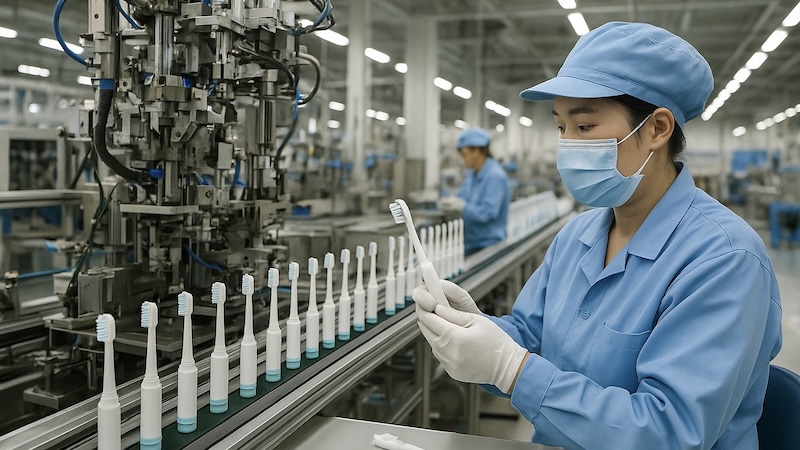
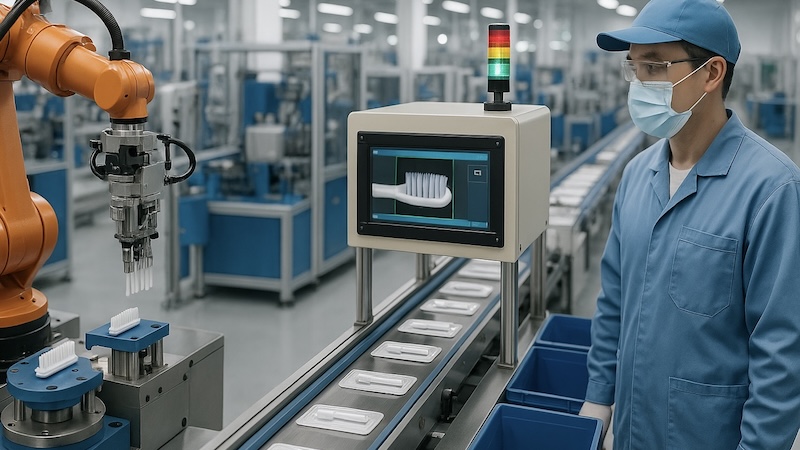
    Technological innovation plays a crucial role in enhancing production efficiency and reducing operating costs. Over the years, Chinese toothbrush factories have invested heavily in advanced manufacturing technologies including automated assembly lines, robotic arms, and computerized quality control systems. Automation minimizes human error, accelerates production cycles, and helps maintain consistent quality output. Furthermore, by embracing the latest innovations in materials science, Chinese manufacturers are able to optimize the production process, reduce wastage, and lower overall production costs. This modernized industrial landscape enables buyers to buy toothbrushes from China at competitive prices that are rarely matched by producers in other countries.

    4. Government Support and Economic Policies

    The Chinese government has long recognized the strategic importance of manufacturing industries and has rolled out various policies to support and boost exports. Incentives such as tax breaks, subsidies, and preferential access to export financing have created an enabling environment for manufacturers. Such supportive policies, combined with investments in infrastructure like modern ports and freight handling facilities, have reduced logistics and administrative costs involved in international shipping. As a result, even when accounting for shipping costs, the overall cost for a buyer remains significantly lower when sourcing products manufactured in China.

    5. Quality and Product Innovation

    There is a common misconception that lower costs necessarily imply lower quality. However, the case of toothbrushes made in China illustrates the opposite: despite the competitive cost advantage, Chinese manufacturers maintain a high standard of quality and are continuously innovating to meet the evolving needs and preferences of consumers globally.

    6. Stringent Quality Control Measures

    Chinese toothbrush factories have robust quality control systems in place that conform to international standards such as ISO certifications. Every stage of the production process—from design and raw material selection to manufacturing, assembly, and packaging—is carefully monitored by quality assurance teams. Regular audits and inspections, both internal and by third-party agencies, ensure that any defects are promptly identified and rectified. This level of precision in quality control not only assures buyers that they are purchasing top-quality products but also reinforces consumer confidence in products made in China.

    7. Research and Development Capabilities

    Innovation is at the heart of the Chinese manufacturing advantage. Over the past few decades, enormous investments have been made in research and development within Chinese toothbrush factories. Innovations include the introduction of antimicrobial bristles, ergonomic designs that enhance user comfort, and eco-friendly materials that reduce environmental impact. Many Chinese toothbrush manufacturers now operate their own R&D centers, collaborating with universities, design institutes, and international partners to develop cutting-edge products that cater to diverse market segments. This continuous focus on innovation ensures that companies worldwide can buy toothbrushes from China with confidence, knowing that these products are not only cost-effective but also reflect the latest technological advancements and trends.

    8. Customization and Product Diversity

    Today’s consumers demand personalization and a wide range of choices. Recognizing this trend, Chinese manufacturers have expanded their product lines to offer varied designs, colors, and functionalities. The ability to customize products to meet specific market demands or branding requirements is one of the greatest advantages of sourcing toothbrushes from China. Through flexible manufacturing processes and responsive production planning, suppliers can adapt quickly to new trends and provide bespoke solutions. This nimbleness has made Chinese toothbrush factories a preferred source for many global brands looking to differentiate themselves in competitive markets.

    The Role of Chinese Toothbrush Factories in Global Supply Chain

    Chinese toothbrush factories are integral components of the global supply chain. Their operational efficiencies, logistical capabilities, and interconnected supply networks facilitate the seamless delivery of products worldwide.

    1. Superior Supply Chain Management

    Chinese factories benefit from a well-integrated supply chain that includes reliable procurement of raw materials, modern production facilities, and efficient logistics systems. Proximity to key suppliers of plastics, synthetic fibers, and other essential raw materials enables manufacturers to maintain consistent quality and stable pricing. Additionally, transportation hubs, such as major seaports and airports, support the rapid distribution of finished goods to international markets. This integration ensures that when you buy toothbrushes from China, they arrive in a timely and cost-effective manner.

    2. Strategic Location and Infrastructure

    China’s geographical location and continuous investment in infrastructure have allowed it to become a global logistics hub. Major cities and industrial regions are serviced by state-of-the-art highways, rail networks, and ports, streamlining the distribution process and reducing transit times. This infrastructure excellence translates into lower shipping costs and enhanced reliability, making it easier for international buyers to import products manufactured in China. The logistical advantages further reinforce why so many companies choose to source their products from the vast network of Chinese toothbrush factories.

    3. Environmental and Regulatory Compliance

    As consumer awareness about sustainability grows, manufacturers are increasingly adopting environmentally friendly practices. Many Chinese toothbrush factories have committed to reducing waste, recycling plastics, and managing emissions in an effort to comply with international environmental standards. In parallel, these factories undergo rigorous inspections by local and international regulatory bodies to ensure adherence to quality and safety norms. This commitment not only boosts their global reputation but also makes it more attractive for international buyers to buy toothbrushes from China, knowing that the products meet stringent environmental and safety standards.

    The Impact of Globalization on Toothbrush Production

    Globalization has significantly reshaped the landscape of manufacturing and trade. The rise of China as a global leader in toothbrush production can be directly linked to the far-reaching impacts of globalization.

    1. Market Expansion and Demand

    As global trade barriers have decreased over the past few decades, international demand for consumer goods, including personal care products like toothbrushes, has grown exponentially. The increasing middle class in emerging markets, paralleled by heightened consumer awareness in developed regions, has driven demand for affordable yet high-quality toothbrushes. Chinese manufacturers have been quick to capitalize on these trends by scaling production and expanding their product ranges to cater to diverse international markets.

    2. Foreign Investment and Joint Ventures

    Foreign direct investment (FDI) has played a key role in advancing the technological and managerial capabilities of Chinese toothbrush factories. Joint ventures and collaborations with multinational companies have introduced advanced manufacturing practices, improved quality control measures, and facilitated technology transfers that have transformed production processes. In turn, these investments have allowed Chinese toothbrush factories to achieve greater efficiency, adopt innovative designs, and maintain cost competitiveness without sacrificing quality.

    3. Sourcing Strategies for Global Buyers

    For many international companies looking to reduce manufacturing costs while sustaining quality, the answer has often been to buy toothbrushes from China. Global sourcing strategies have evolved to incorporate deeper partnerships with Chinese suppliers, enabling companies to leverage local expertise and economies of scale. By integrating Chinese toothbrush factories into their global supply chains, buyers benefit from streamlined production, responsive customization, and reliable logistics. Over time, relationships built on mutual trust have paved the way for long-term collaborations, ensuring that international brands can consistently offer high-quality products at competitive prices.  

    Success Stories

    Numerous global brands have successfully integrated Chinese manufacturing into their supply chain. For instance, several well-known oral hygiene brands have established long-term partnerships with Chinese toothbrush factories, resulting in consistently high-quality products that are accessible to consumers worldwide at a competitive price point. These success stories demonstrate how effective collaboration with reliable partners in China can yield substantial benefits in terms of cost, quality, production flexibility, and innovation. One notable example involves a multinational consumer goods company that expanded its global market share by transitioning a significant portion of its toothbrush production to China. By investing in supplier verification, quality control audits, and collaborative R&D, the company not only reduced production costs but also enhanced its product portfolio with innovative designs tailored to different regions. This strategic shift underscores why many international buyers choose to buy toothbrushes from China—leveraging the advanced production capabilities and competitive advantages inherent in the Chinese manufacturing sector.

    Conclusion

    The reasons behind why most toothbrushes are made in China are deeply rooted in historical evolution, cost efficiency, technological advancements, and robust supply chain management. Chinese toothbrush factories have transformed from low-cost production centers into state-of-the-art, high-volume manufacturing hubs, leveraging economies of scale, advanced automation, and continuous innovation. For international buyers seeking to enter a competitive market or simply aiming to streamline operations, the option to buy toothbrushes from China remains one of the most attractive due to the combination of cost, quality, and reliability. From favorable economic policies and supportive governmental initiatives to detailed quality control and customized production processes, every aspect of the Chinese manufacturing ecosystem plays a part in the success of toothbrushes made in China. Global brands have long recognized these advantages, increasingly turning to Chinese manufacturers to enhance their overall competitiveness and meet diverse consumer demands across various markets.
    Need support with your China imports?
    We offer full service from new product development to shipment: sourcing, supplier vetting, order monitoring and quality inspections. Submit your inquiry today.
    Aaron Li
    Hey, this is Aaron Li, an expert in quality sourcing. Since 2012, I have helped 300+ startups to source from China and manage the quality. I'd like to share my experience and knowledge for frequently asked questions related to product sourcing and quality control.
    All Articles
    Shipping Mark on Carton: Complete Guide for Importers
    Retail Arbitrage: Where to Source and How to Earn Profit
    Top 5 Chinese Wholesale Online Platforms (2026)
    Best China Products for Senior Care Retail Stores
    How to Source Wholesale Home Decor for Retail Businesses
    Top 10 Chinese Solar Panel OEM Factories (2026)
    How to Get Free Samples from China Factories
    African Importers: Best Dollar Store Products from China
    Pros and Cons of Cross-Border Private Label Sourcing
    Alibaba Wholesale Purchasing: 5 Hidden Risks to Prevent
    How to Source Low-MOQ Products for Online Resellers
    Ocean Freight CBM Calculation: One Easy Formula
    Ecommerce Brands: Top 5 High-Margin Product Niches
    Proforma Invoice vs Commercial Invoice: Key Differences
    Ocean & Air Freight: Gross vs Net Weight Rules
    Startups: Direct vs Indirect China Sourcing
    RFQ: Real Examples & Industry Best Practices
    How to Find the Best Freight Options for Importers
    Startup Budget for a China Import-Export Business
    Top 8 Largest China-Based Logistics Providers (2026)
    Small-Batch Startups: Tips to Cut Factory Costs
    Hidden Expenses Every China Importer Should Expect
    Amazon Resellers: Best Ways to Import from China (2026)
    MOQ of Custom Packaging for Small Business
    Quality Audit Checklist for Chinese Factories
    Key Manufacturing Industrial Hubs Across China
    Made in PRC: Meaning of This Product Label
    FCL vs LCL: 2026 Shipping Comparison Guide
    Sea vs Air Freight: Core Reasons Behind Their Price Gap
    2026 Hottest Toy Lines Imported from China
    China to Canada: Lowest-Cost Shipping Options (2026)
    Alibaba vs AliExpress: Key Differences for Importers
    US-China Tariffs 2026: Importer Compliance Handbook
    Custom Sourcing: OEM and ODM Main Differences
    5 Phases to Protect Product IP when Outsourcing in China
    FOB vs. EXW: Which Is Better for China Importers?
    1688 Sourcing Agents: Benefits for Retail Resellers
    Yiwu Wholesale Market: Top 10 Products to Import
    4PX Shipping: Full Lead Time Breakdown (2026)
    DHL Shipment On Hold? 3 Steps to Fix It (2026)
    Why You Need Taobao Agents for Kitchenware Sourcing
    Alibaba Verified Suppliers: Can You Trust Them? (2026)
    Foshan Furniture Market: Actions to Assure Quality
    Guangzhou Fabric Market: Tour Guide & Sourcing Tips
    2026 Complete Sourcing Guide for the Canton Fair
    Is Huaqiangbei Still Ideal for Importers? 2026
    High-End Electric Toothbrush Manufacturers in China
    Private Label Bags from Chinese Manufacturers
    Manage Sample Orders: Key Tips for China Importers
    Top 5 Shipping Documents Required for Imports
    Cost-Saving Tips for Logistics Management Workflow
    Top Beauty and Healthcare Items on Amazon (2026)
    3 Ways to Evaluate Production Capacity of China Factories
    Top 10 Largest Chinese Wholesale Markets (2026)
    Why China Dominates Global Toothbrush Manufacturing
    Top 10 Iconic Products Made in Shenzhen (2026)
    Custom Design Orders: Tactics for MOQ Negotiation
    How OEM Manufacturing Adds Value to Consumer Brands
    Cargo Consolidation: Cut Shipping Costs for Importers
    China to Europe: Top 10 High-Profit Import Goods (2026)
    Key Shipping Ports in China and North America
    Major Apple Manufacturers in China: 2026 Update
    Electronic Component Imports: IQC Inspection Checks
    Sourcing Agent Fees for Small-Batch China Importers
    Best China Products to Resell Across Global Markets
    Why Are Most Goods Made in China? 2026 Update
    Top 10 Inspection Companies in China (2026)
    Reduce Expenses by Manufacturing Your Goods in China
    2026 Trends for Customized Products from China
    Standard Process for Pre-Shipment Inspection in China
    Cross-Border Sourcing: Pain Points and Solutions
    Shenzhen Wholesale Markets: Ideal for Electronics Sourcing
    Verify Chinese Company Without Visiting China
    Retail Resellers: 5-Step China Bulk Sourcing Guide
    5-Step Alibaba Order Process for Small Retailers
    What Makes Chinese Supply Chains Highly Efficient
    Make Rapid Prototypes in China Manufacturers
    China Sourcing Basics for Amazon FBA Sellers
    Bulk Imports from China: Key Advantages
    LED Product Importers: Key China Sourcing Guide
    How China Sourcing Services Save You Time and Costs
    5 Effective Ways to Contact Chinese Factories
    Manage Chinese Factories to Ensure On-Time Deliveries
    Where to Source High-Quality Kitchen Utensils in China
    Top 10 Wholesale Items Imported from China (2026)
    Top 10 Trendy Consumer Electronics Made in China
    Comprehensive Guide to Find Chinese Suppliers Online
    Electronics Resellers: Why You Need Shenzhen Agents
    Handbook for Sourcing Chinese Hardware Products
    Transform Supply Chains via Direct China Sourcing
    How to Build Stable Partnerships with China Suppliers
    TikTok Sellers: Easy Steps for Direct Sourcing in China
    How to Source High-Quality Outdoor Goods from China
    Why FBA Private Label Sellers Need China Agents
    5 Top Challenges when Manufacturing Goods in China
    Boost Retail Profits with Outsourced China Procurement
    Sourcing Chinese Metal Products: Critical Details
    Calculate US Import Duties for Chinese Goods (2026)
    How In-Process QC Works in Chinese Factories
    Retailers: Guide for China Manufacturing Outsourcing
    Read More
    References