Maple Sourcing Ltd.
Maple Sourcing Ltd.
We Make Your Sourcing Easy!
Need help? sales@maplesourcing.com
English
Maple Sourcing Ltd.
Maple Sourcing Ltd.

How to Order from Alibaba in Right Way?

2025-04-08
5108 Views
Table of Content [Hide]

    474.jpg

    In today’s globalized marketplace, sourcing products from overseas suppliers has become a common strategy for small businesses and large enterprises alike. Among the many online platforms available, Alibaba has established itself as a premier marketplace for connecting buyers with suppliers from around the world. However, while Alibaba offers tremendous opportunities, success relies on knowing exactly how to navigate the platform and implement best practices.

    The Alibaba Ecosystem: An Overview

    1. History and Evolution of Alibaba

    Founded in 1999 in Hangzhou, China, Alibaba has grown from a modest B2B website into a global e-commerce platform, serving millions of buyers and sellers across various industries. Today, it is known not only for connecting buyers with manufacturers but also for its vast array of tools designed to facilitate international trade. Alibaba’s robust database of suppliers, detailed company profiles, and comprehensive transaction histories make it one of the most trusted platforms for sourcing products from overseas.

    2. How Alibaba Works?

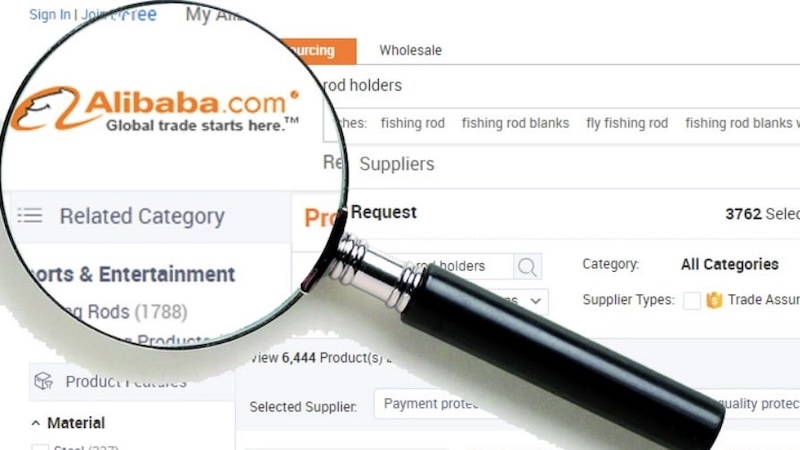
    At its core, Alibaba functions as a marketplace where buyers can search for products, compare prices, and engage with suppliers. The platform supports a range of industries, from consumer electronics and apparel to machinery and raw materials. Buyers can post inquiries, request quotes, negotiate directly with suppliers, and ultimately place bulk orders. The process is streamlined by tools that verify supplier credentials, display buyer reviews, and even show past transaction histories — all of which contribute to a transparent sourcing process.

    3. The Benefits and Challenges

    While Alibaba offers many benefits such as competitive pricing, a vast selection of suppliers, and powerful search tools, there are also inherent challenges. The platform is highly competitive, and not all suppliers uphold the same standards of quality or reliability. It is essential to conduct thorough due diligence and implement best practices to minimize risks such as quality inconsistencies, delayed shipments, or miscommunication.

    Preparing to Order: Setting Clear Objectives and Criteria

    Before diving into the Alibaba marketplace, it is imperative to set clear objectives. Ask yourself: What products or components do I need? How many units am I planning to order? What are my quality requirements and budget constraints? Clear objectives help narrow your search and provide criteria against which to evaluate potential suppliers.

    1. Defining Your Requirements

    - Product Specifications: Outline detailed specifications including materials, dimensions, tolerances, and any custom requirements. Clear product specs are key to receiving accurate quotations.

    - Quantity and Scale: Determine your initial order volume and estimate future scaling needs. Larger orders often qualify for better pricing.

    - Budget and Cost Considerations: Establish a budget and consider additional costs such as shipping, customs duties, and potential quality testing.

    - Timeline and Delivery Expectations: Identify your required lead times and delivery schedules. This is crucial for planning your inventory management.

    - Quality Standards and Certifications: If applicable, list any necessary quality certifications (e.g., ISO, CE) or compliance standards required for your industry.

    2. Creating a Supplier Profile Checklist

    Developing a supplier profile checklist will help organize your research. A thorough checklist may include:

    - Company background and history.

    - Years in business and reputation in the market.

    - Product quality and consistency records.

    - Certifications and compliance with international standards.

    - Customer reviews and ratings on Alibaba.

    - Response time and effectiveness of customer service.

    - Payment terms and pricing structure.

    This preparation makes the subsequent stages of ordering from Alibaba smoother, as you have clear benchmarks to evaluate potential partners.

    Research Phase: Identifying and Evaluating Suppliers

    One of the most critical steps in mastering how to order from Alibaba is selecting the right supplier. Given that Alibaba hosts millions of suppliers, rigorous research is essential.

    1. Utilizing Alibaba’s Search and Filter Tools

    Alibaba’s search interface allows you to filter suppliers based on various criteria:

    - Supplier Type: Determine whether you need a manufacturer or a trading company. Manufacturers typically offer lower prices but may require larger order quantities.

    - Gold Supplier Status: Look for suppliers with the “Gold Supplier” badge, indicating that they have undergone a level of verification and are more likely to be reliable.

    - Transaction History: Suppliers with a high number of completed transactions and positive reviews can be indicative of strong reliability.

    - Response Rate and Communication: Suppliers who respond quickly and communicate clearly can often indicate better operational efficiency.

    2. Conducting Due Diligence

    Due diligence is non-negotiable when sourcing products internationally. Consider the following steps:

    - Request for Business Licenses and Certifications: Ask for copies of the supplier’s business license as well as any industry-specific certifications. Verify these documents independently when possible.

    - Examine Product Samples: To truly assess product quality, order samples. This step is crucial in understanding how the product will meet your expectations.

    - Visit Supplier Profiles and Reviews: Examine reviews and ratings from previous buyers. Look for patterns in feedback regarding product quality, delivery times, and after-sales support.

    - Communication Tests: Initiate communication with multiple suppliers. Take note of how detailed and prompt their responses are to your inquiries. Effective communication is the first step toward building trust.

    3. Tools and Resources for Verification

    - Third-Party Audits: In some cases, consider hiring third-party inspection services to audit suppliers on your behalf.

    - Trade Assurance Programs: Utilize Alibaba’s Trade Assurance program, which protects buyers by offering a refund if the supplier defaults on order terms.

    - Online Research: Supplement your investigations by reading industry reports or online forums where other buyers discuss their experiences.

    How to Order from Alibaba: Step-by-Step Process

    After narrowing down your potential suppliers through thorough research, it’s time to initiate the ordering process. This detailed section provides a step-by-step guide on how to order from Alibaba in the right way.

    Step 1: Initial Contact and Inquiry

    The first point of contact sets the stage for all further interactions.

    - Crafting Your Inquiry: Write a clear, concise, and professional inquiry that includes your product specifications, order quantity, potential for future orders, and any customization requirements.

    - Use of Templates: Prepare email templates to standardize inquiries while allowing room for customization based on different supplier profiles.

    - Language Considerations: While many suppliers are proficient in English, using simple and correct language minimizes the risk of miscommunication. Avoid idioms and colloquialisms that could be misinterpreted.

    - Record Keeping: Maintain records of all communication threads for future reference. Not only does this facilitate accountability, but it also creates a knowledge base for evaluating different suppliers.

    Step 2: Requesting and Evaluating Quotations

    After the initial round of contact, request detailed quotations from the suppliers who have responded.

    - Quotation Details: Ensure that the quotations include clear details on pricing, minimum order quantities (MOQ), production lead times, payment terms, and shipping costs.

    - Comparative Analysis: Compare the responses from different suppliers. Pay attention not just to pricing but also to terms and conditions, quality assurances, and the supplier’s willingness to negotiate.

    - Clarification and Follow-Up: Don’t hesitate to request clarifications. Clear up any ambiguities regarding product specifications or delivery timelines.

    Step 3: Ordering Samples

    Before committing to a large order, sample orders are critical.

    - Setting Expectations: Clearly communicate which aspects of the product you want to evaluate (e.g., material quality, workmanship, accuracy of specifications).

    - Cost of Samples: Determine whether the sample cost is offset by the order commitment. Sometimes, suppliers may offer discounted samples for serious inquiries.

    - Evaluation Criteria: Develop a standardized evaluation form to compare samples from different suppliers. Consider factors such as quality, consistency, packaging, and any deviation from specifications.

    Step 4: Negotiation of Terms and Pricing

    One of the most challenging and critical aspects is negotiation. This section explains exactly how to negotiate with Alibaba suppliers and secure the best deal.

    - Understanding Cultural Nuances: Recognize that negotiation styles may vary across cultures. Chinese suppliers may use a more indirect communication style, so reading between the lines becomes important.

    - Negotiation Points: Focus on aspects like price, MOQ, shipping terms, and payment conditions. Be firm yet flexible – a successful negotiation is one where both parties feel they have achieved a satisfactory outcome.

    - Leverage for Negotiations: Use your research, sample evaluations, and any offers from competing suppliers as leverage. Ensure that the keywords “how to negotiate with Alibaba suppliers” are applied in your communication to emphasize your negotiation strategy.

    - Documenting Agreements: Once negotiations are completed, document all agreements in writing. This may include signing a preliminary contract.

    Step 5: Finalizing the Order

    After negotiations, finalize the order by confirming all details.

    - Reconfirm Specifications: Detail all product specifications, packaging details, shipping arrangements, and quality control measures in the final order document.

    - Payment Method Selection: Choose a payment method that offers security and benefits both parties, such as escrow services or Alibaba’s Trade Assurance.

    - Production Timeline: Agree on a production timeline and milestone dates if applicable. Maintain open channels of communication throughout production.

    - Logistics Coordination: Coordinate with your own logistics partners and the supplier. Discuss shipping methods (air, sea, express) based on cost, urgency, and reliability.

    Step 6: Quality Control and Inspection

    Quality control should not end once the order has been placed. Integrated quality control measures are essential.

    - In-Process Inspection: Arrange for in-process quality inspections during production to catch any issues early.

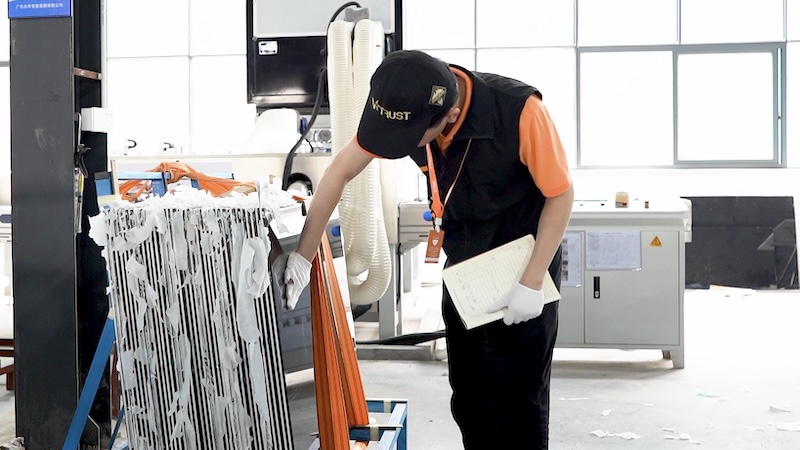
    - Final Inspection: Conduct a final inspection before shipment. Consider hiring third-party quality inspection agencies to validate that the order meets your standards.

    - Documentation: Ensure that all quality inspections and reports are documented. This documentation becomes critical in any future negotiations or if disputes arise.

    Step 7: Shipping, Customs, and Delivery

    Managing logistics effectively is the final step in ordering from Alibaba.

    - Shipping Arrangements: Decide if the supplier will handle shipping or if you will use your freight forwarder. Track shipment progress diligently.

    - Customs Clearance: Familiarize yourself with the customs regulations in your country. This may include obtaining necessary import licenses and ensuring that the products meet regulatory standards.

    - Insurance and Risk Management: Consider insuring your shipment against potential damage or loss during transit.

    - Final Delivery and Receipt: Once the products arrive, inspect the goods immediately and compare them against the ordered specifications. Address any quality issues promptly.

    Ordering from Alibaba: Key Considerations During the Process

    The process of ordering from Alibaba is multifaceted, and each step requires attention to detail. Here are a few additional considerations to ensure a smooth process:

    1. Communication Is Essential

    Successful international transactions hinge on clear, frequent, and documented communication. Always use reliable communication channels (email, Alibaba messaging system, or dedicated trade apps). Keep records of every step, and if language barriers become an issue, consider hiring bilingual intermediaries.

    2. Legal Considerations

    International contracts should be detailed and legally binding. Ensure that your contract covers all relevant aspects such as delivery timelines, quality standards, payment terms, and dispute resolution mechanisms. Consult legal experts who specialize in international trade to review documents and safeguard your interests.

    3. Building Long-Term Relationships

    While one-off orders may sometimes be sufficient, building long-term relationships with reliable suppliers results in greater negotiation leverage, improved product quality, and enhanced trust. Once you have established a successful transaction, continue to nurture the relationship with periodic reviews, feedback sessions, and consistent orders.

    How to Negotiate with Alibaba Suppliers: Strategies for Success

    Negotiation is both an art and a science. Knowing exactly how to negotiate with Alibaba suppliers can mean the difference between a profitable transaction and a problematic one.

    1. Understanding the Supplier Perspective

    Before initiating negotiation, try to understand the supplier’s perspective. Suppliers in Alibaba’s ecosystem are aware of the competitive nature of the platform and expect buyers to negotiate. Recognize that the negotiation process is designed for mutual benefit. Approach discussions with a mindset geared toward creating a win-win situation.

    2. Core Areas for Negotiation

    Focus on key areas where you can create value:

    - Pricing Structure: Use your market research and competitive offers to negotiate better pricing. Discuss discounts on bulk orders and explore flexible payment terms.

    - Minimum Order Quantity (MOQ): If the MOQ is higher than what you need, negotiate for a lower MOQ or for the possibility of a trial order.

    - Quality Standards and Packaging: Specify and request improvements in packaging, labeling, and quality control processes. High-quality packaging reduces damage risk during shipping and can enhance your brand image.

    - Shipping and Logistics: Negotiate shipping terms that guarantee faster delivery and lower costs. Include clear responsibilities in case of delays or damage.

    - After-Sales Support: Ensure that any issues post-shipment, such as defective products or late deliveries, are addressed under clearly defined terms.

    3. Tactics for Effective Negotiation

    - Preparation and Research: Know your numbers. Prepare detailed data on pricing, order quantities, market benchmarks, and any lower offers from competitors.

    - Building Rapport: Establish a strong communication relationship. This involves demonstrating respect for the supplier’s professionalism and being clear about your long-term collaboration intentions.

    - Strategic Pauses: Sometimes, a pause in the negotiation conversation can create space for the supplier to re-evaluate their offer. Use silence strategically.

    - Multiple Options: Consider discussing alternative solutions such as longer-term contracts or bundling products, which might yield better pricing or terms.

    - Clarity and Documentation: Ensure that all negotiation outcomes are clearly documented. This minimizes future disputes and lays the foundation for a solid business relationship.

    Payment Methods, Trade Assurance, and Risk Management

    After successful negotiation and finalizing your order, one of the most critical areas is managing payment and mitigating risks.

    1. Secure Payment Options

    Alibaba offers several secure payment methods. Here are some common options:

    - Trade Assurance: Alibaba’s Trade Assurance program protects buyers by ensuring that payments are held in escrow until the order terms are met. This provides an added layer of security for “ordering from Alibaba”.

    - Letter of Credit (L/C): For large orders, using a letter of credit can secure transactions. Banks will only release payment once the shipped goods meet the agreed standards.

    - Escrow Services: Many buyers opt for third-party escrow services to ensure that funds are only transferred upon satisfactory delivery.

    2. Balance Between Upfront Payment and Payment Upon Shipment

    Negotiate payment terms that balance risk between both parties. A common approach is a partial upfront payment (e.g., 30%) with the balance paid after shipment or upon receipt of the goods. This ensures that suppliers are motivated to begin production, while buyers maintain control over final payment based on delivery and quality.

    3. Managing Currency Fluctuations and International Fees

    Due to exchange rate fluctuations, international transactions might incur additional costs. Use financial instruments such as forward contracts or currency hedging to mitigate these risks. In addition, be aware of any international bank fees that might apply.

    Logistics, Customs, and Post-Order Considerations

    Once your products are on their way, managing logistics efficiently is critical.

    1. Choosing the Right Freight Forwarder

    Reliable logistics partners are essential to ensure timely delivery. Freight forwarders can help with booking shipments, managing customs clearance, and organizing last-mile delivery. Compare different service providers based on cost, reliability, and service quality.

    2. Understanding Customs Regulations

    Familiarize yourself with import regulations in your country. This includes knowing tariff classifications, necessary import licenses, and documentation requirements. Non-compliance with customs regulations can result in delays or additional costs.

    3. Quality Verification Upon Receipt

    After the order arrives, perform a final inspection immediately. Verify that all ordered items meet the previously agreed-upon specifications and quality standards. Document any discrepancies and communicate them with the supplier as soon as possible to resolve issues swiftly.

    4. Feedback and Continuous Improvement

    After completing an order, gather feedback from your team and evaluate supplier performance. Use the evaluation to improve future ordering processes. Maintaining a history of transactions with each supplier can guide future decisions and ongoing negotiations.

    Case Studies

    To offer practical insights, let’s examine some real-world case studies of companies that have mastered the process, as well as cautionary tales of those who overlooked critical steps.

    Case Study 1: A Small Retailer’s Success Story

    A small retail brand sought to import a new line of custom accessories from China. By following a detailed process on how to order from Alibaba, they meticulously researched potential suppliers, requested samples, and engaged in robust negotiations. Using Alibaba’s Trade Assurance, they secured a favorable payment structure and successfully negotiated lower MOQs. The retailer’s commitment to due diligence and transparent communication with suppliers resulted in a first shipment that exceeded expectations, enabling them to scale their order volumes steadily over time.

    Case Study 2: Lessons from a Quality Control Failure

    Another business, eager for quick cost savings, rushed through the supplier selection process and did not demand clear product specifications or samples. Their lack of clarity led to receiving products of inferior quality and inconsistent packaging. When they attempted to resolve these issues, negotiations broke down. This case highlights the importance of following a structured process on ordering from Alibaba and understanding exactly how to negotiate with Alibaba suppliers to prevent miscommunications and protect your business interests.

    Case Study 3: Optimizing Long-Term Supplier Relationships

    A mid-sized electronics manufacturer used Alibaba to source components for its products. Through systematic evaluations and effective negotiations, the company built a stable and trustworthy supplier base. They implemented regular quality checks and maintained transparent records of all transactions. Over time, the supplier relationships evolved into strategic partnerships, enabling continuous product improvements and cost reductions, thus proving the value of a rigorous vendor selection and negotiation process.

    Conclusion

    Knowing exactly how to order from Alibaba, understanding the multifaceted process of ordering from Alibaba, and being proficient in how to negotiate with Alibaba suppliers are the keys to building a resilient supply chain. By investing in thorough research, setting clear objectives, and employing secure payment and logistics practices, you can protect your business and ensure long-term success.

    This guide has provided a comprehensive roadmap—from preparing and researching suppliers to negotiating and finalizing orders—ensuring that every aspect of the process is handled with expertise and care. Whether you are a small business seeking growth or an established enterprise striving for international expansion, the strategies discussed here offer practical, actionable insights that will improve your ordering process and supplier relationships.

    Remember, the goal is not just to get a good deal but to establish sustainable, reliable partnerships that add value over time. Integrating secure practices and staying informed about market trends will allow you to continuously refine your processes and maximize the advantages of sourcing globally.


    Topics You May Be Interested In:

    5 Benefits of Global Sourcing

    Supplier Consolidation Strategy

    Best Sourcing Agents in China

    China Sourcing Challenges


    Aaron Li
    Hey, this is Aaron Li, an expert in quality sourcing. Since 2012, I have helped 300+ startups to source from China and manage the quality. I'd like to share my experience and knowledge for frequently asked questions related to product sourcing and quality control.
    All Articles
    Buy Electronics in China: Expert Tips & Best Practices
    Best China Laundry Bags for Hotels & Commercial Use
    How to Order Wholesale Shaker Bottles for Your Brand
    China Hardware Sourcing: Avoid These Mistakes
    Purchasing from China Made Easy: Importer's Handbook
    Amazon FBA China Sourcing: Avoid Costly Mistakes
    Custom Products China: Quality Sourcing Made Simple
    How to Choose the Right Molding Process for Your Product
    Getting Prototypes Made in China: What You Need to Know
    Behind the Scenes: What Goes On Inside China Factories
    Need a China Outsourcing Agent? Start With These Tips
    Leading China Quality Inspection Services Reviewed
    Verify China Suppliers: Step-by-Step Due Diligence
    Where to Buy Sunglasses in China and Save Money
    Is Direct Sourcing China Worth It for Small Businesses
    China Direct Procurement - Cut Middlemen, Boost Profit
    How China Hair Accessories Help Grow Your Beauty Store
    Yiwu Trade City - Your Shortcut to Profitable Sourcing
    How to Choose Steel Kitchen Accessories for Daily Use
    How to Choose Stainless Steel Utensils That Last Longer
    How to Spot Quality in a China Ceramic Vase Before Buying
    Ceramic Manufacturers in China - How to Cut Sourcing Risk
    How to Choose a China Pencil Box for Daily School Use
    How to Assure Quality in Production Process - Practical Steps
    Global Sourcing Supply Chain - Boost Efficiency Worldwide
    How to Buy Gadgets in China Without Getting Scammed
    How Top China Sourcing Companies Reduce Supplier Risk
    How to Import Consumer Products from China Profitably
    How to Identify Potential Suppliers in Global Markets
    Need a Reliable Sourcing Agent in China? Start Here
    How to Source Ecommerce Products in China Like a Pro
    Bulk Order from China: How to Avoid Supplier Scams
    How a Chinese Manufacturing Agent Improves Product Quality
    Buying Agents in China - Simplify Sourcing and Shipping
    How to Use Global Sourcing Standards for Better Quality
    Profitable Items to Import from China - Boost Margins
    Global Suppliers Management - Improve Risk Control
    How to Build a Global Procurement Sourcing Strategy
    7 Ways Third-Party Inspection in China Reduces Risk
    How to Choose a China Sourcing Agent You Can Trust
    Track Shipment from China to USA - Avoid Delivery Delays
    How to Spot Innovative Made-in-China Products Early
    How to Manage Supply Chain Operations for Better Margins
    How to Import Electronics Made in China Step by Step
    Alibaba Sourcing Agents - Cut Costs and Avoid Scams
    Sourcing Quality Control: How to Cut Defects Before Ship
    How to Source Products in China Without Costly Mistakes
    How to Buy Kitchen Products in China and Save More
    How to Buy China Products Direct for Your Online Store
    How to Negotiate with Chinese Suppliers Like a Pro
    How to Verify a Factory in China Before You Place Orders
    How to Find a Manufacturer in China for Your Product
    China Camping Tent - Save Money Without Losing Quality
    How to Compare Stationery Suppliers in China and Save More
    How to Find Trusted Kitchen Utensils Suppliers in China
    How to Buy China Wholesale Electronics at Better Prices
    Types of Sourcing Strategies - Improve Supply Performance
    How to Track a Shipment from China in Real Time Easily
    How Can I Find a Manufacturer for My Product Today
    Wholesale Sneakers from China - Cut Costs, Boost Sales
    How to Choose Cool Things to Buy in China for Gifts
    How Much Is Customs Duty from China to UK? Full Guide
    How to Order Custom-Made Products from Chinese Factories
    How to Choose the Right Sourcing Agent in Guangzhou
    How to Perform a Security Audit That Finds Threats
    What Does a Sourcing Company Do? Benefits & Services
    How to Set Up R&D Operations in China Successfully
    How to Conduct Global Sourcing in China Effectively
    How to Work with a Purchasing Agent in China Effectively
    How to Source Products from Shenzhen Wholesale Markets
    How to Choose the Right Regulatory Compliance Products
    Plastic Mold Making in China: What You Need to Know First
    Connect with China Suppliers: Step-by-Step Process
    Complete Guide to Starting Production in China Easily
    What Makes Chinese Products So Innovative? Expert Analysis
    How to Import from China to USA Without Costly Mistakes
    Why You Need a Local Agent in Shenzhen for Your Business
    How to Navigate Global Sourcing in China Successfully
    How to Get Your Products Tested and Certified in China
    Consumer Electronics in China: Trends, Brands & Opportunities
    How to Conduct Pre-Shipment Inspections in China Effectively
    China Inspection Company: Your Quality Control Partner
    How to Evaluate Supplier Quality for Better Results
    1688.com: Complete Guide to China's Wholesale Marketplace
    Famous Chinese Products You Use Every Day Without Knowing
    Rapid Prototyping Services: Transform Ideas Into Reality
    How to Verify Product Quality When Sourcing from China
    How to Manage Quality with Chinese Suppliers Effectively
    How Procurement Outsourcing Reduces Operating Costs
    Best Global Sourcing Company: 7 Must-Have Features
    How to Implement Factory Quality Control Systems Effectively
    What Happens During a China Compliance Audit? Full Breakdown
    Global Sourcing Advantages: Cut Costs & Boost Efficiency
    Order from China Direct: Save 40-70% on Your Purchases
    How to Build Relationships with Reliable China Suppliers
    How to Manage Orders in China: Best Practices & Tips
    How to Source Quality Electronics from China in 2026
    QC Inspection China: Avoid Costly Manufacturing Defects
    Product Development in China: How to Avoid Costly Mistakes
    Sourcing from China: 7 Steps to Reduce Costs & Risks
    Read More
    References
    Our Features
    Custom Products
    Turn concept to reality
    Quick Response
    Within 24 hours
    Detail Oriented
    Strive for perfection
    Assured Quality
    100% Guarantee