Every successful retailer knows that profit margins depend on smart sourcing decisions, and the wholesale handbag market from China has become the backbone of countless American fashion businesses. From boutique owners in Manhattan to online entrepreneurs operating from their home offices in California, understanding how to source quality handbags from China manufacturers can transform a modest investment into a thriving retail operation. The global handbag market continues to expand, with China holding a dominant position as the world's largest manufacturer and exporter of fashion accessories, producing everything from luxury-inspired designs to budget-friendly everyday bags.
The appeal of wholesale handbag China sourcing extends far beyond simple cost savings. Chinese manufacturers have invested billions in modernizing their production facilities, adopting advanced quality control systems, and developing design capabilities that rival established fashion centers. Today's china manufacturers offer American retailers an unprecedented combination of competitive pricing, extensive product variety, flexible minimum order quantities, and increasingly sophisticated design expertise. Whether you're seeking vegan leather totes, evening clutches, crossbody bags, or designer-inspired collections, the wholesale china market provides access to virtually every style, material, and price point imaginable.
Navigating the wholesale handbag landscape requires more than simply finding the lowest price. Successful sourcing involves understanding manufacturing hubs like Guangzhou and Yiwu, evaluating factory capabilities, managing international logistics, ensuring product quality meets American consumer expectations, and building reliable supplier relationships that withstand market fluctuations. The difference between profitable wholesale partnerships and costly mistakes often comes down to knowledge: knowing which questions to ask, what red flags to watch for, and how to structure deals that protect your interests while maintaining competitive pricing.
American retailers face unique considerations when importing wholesale handbags from china suppliers. Beyond price negotiations and product selection, you must navigate customs regulations, understand tariff classifications, manage shipping timelines that can range from 15 to 45 days depending on your chosen method, and ensure compliance with consumer product safety standards. Payment terms typically involve wire transfers or platforms like PayPal for smaller orders, while established buyers may negotiate letters of credit for larger shipments. The initial complexity can seem daunting, but thousands of small and medium-sized American businesses have successfully built sustainable import operations by following proven sourcing strategies.
The wholesale china handbag industry operates on dramatically different economics than domestic manufacturing. Labor costs in major Chinese manufacturing regions remain a fraction of American wages, despite steady increases over the past decade. Factory minimum order quantities have become more flexible, with many suppliers now accepting orders as small as 100 to 500 pieces per style for first-time buyers, compared to the 1,000 to 5,000 piece minimums common just five years ago. This accessibility has democratized the wholesale handbag market, allowing smaller retailers to test new styles without excessive inventory risk while maintaining profit margins that typically range from 100% to 400% depending on your sales channel and market positioning.
Timing plays a crucial role in wholesale handbag china sourcing success. Chinese manufacturers operate on production calendars influenced by major holidays, particularly Chinese New Year in late January or February, when factories close for two to three weeks. Savvy American buyers plan their orders around these closures, understanding that lead times extend significantly during peak seasons like late summer when retailers prepare for holiday inventory. Planning your sourcing calendar allows you to avoid rushed air freight charges that can consume your profit margins, instead utilizing economical sea freight that reduces per-unit costs while requiring longer planning horizons.
Quality expectations have evolved substantially in the handbag wholesale market. Modern china manufacturers increasingly understand that American retailers demand consistent quality, proper stitching, durable hardware, and materials that withstand daily use. The days when Chinese products automatically meant inferior quality have passed; today's challenge involves identifying which manufacturers have invested in quality systems versus those still competing solely on price. Third-party inspection services, factory audits, and sample evaluation protocols have become standard tools for serious importers who understand that a single shipment of defective products can destroy customer relationships built over months or years.
The financial advantages of wholesale china sourcing become clear when examining typical price structures. A synthetic leather crossbody bag that costs $8 to $12 from Chinese manufacturers might wholesale for $25 to $35 from domestic distributors, while retail prices typically reach $50 to $80 depending on your market and branding. Direct importing eliminates middleman markups, allowing you to either increase profit margins or offer more competitive retail pricing. However, these savings must be weighed against additional responsibilities: you become responsible for quality control, customs clearance, inventory management, and the working capital required to purchase goods months before generating sales revenue.
Building a sustainable wholesale handbag business through China sourcing requires viewing suppliers as long-term partners rather than interchangeable vendors. The most successful American importers invest time in supplier relationships, communicate clearly about quality expectations, pay invoices promptly, and provide constructive feedback that helps factories improve. This relationship-building approach yields dividends through priority production scheduling, flexibility during unexpected situations, access to new designs before competitors, and willingness to accommodate reasonable customization requests. The wholesale handbag china market rewards patience, professionalism, and partnership thinking over purely transactional approaches focused exclusively on extracting the lowest possible price.
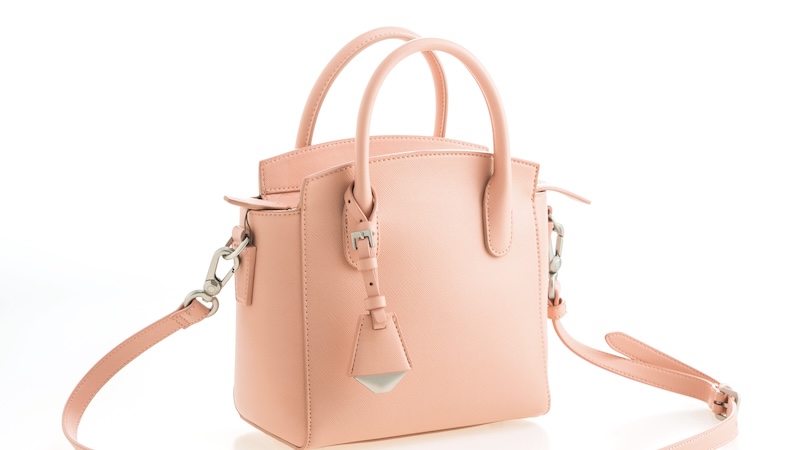
Building on the foundational benefits of sourcing wholesale handbags from China, understanding the specific market dynamics helps buyers make informed decisions that maximize both quality and profitability. The wholesale handbag China market represents a complex ecosystem shaped by manufacturing expertise, competitive pricing structures, and diverse product categories.
China manufacturers control approximately 60-70% of global handbag production, establishing the country as the undisputed leader in wholesale handbag manufacturing. This dominance stems from several interconnected advantages that create a competitive moat difficult for other countries to replicate.
The manufacturing infrastructure in regions like Guangzhou, Yiwu, and Shenzhen includes specialized industrial zones dedicated entirely to leather goods and accessories. These concentrated production hubs enable handbag china suppliers to access raw materials, component manufacturers, and skilled labor within a few miles, reducing lead times and transportation costs significantly.
Labor expertise represents another critical factor. Third-generation craftsmen in Chinese factories have refined handbag production techniques over decades, combining traditional skills with modern manufacturing methods. This accumulated knowledge allows wholesale china suppliers to maintain consistent quality across large production runs while implementing rapid design iterations.
Economies of scale further strengthen China's position. Large factories produce millions of units annually, spreading fixed costs across enormous production volumes. This efficiency enables china manufacturers to offer competitive pricing on orders ranging from 500 to 50,000 units, accommodating both emerging retailers and established brands.
The established supply chain ecosystem also includes quality control laboratories, packaging specialists, and logistics providers experienced in international shipping. This comprehensive infrastructure reduces friction in the wholesale handbag sourcing process, allowing US buyers to navigate production and delivery with greater confidence.
Price differentials between manufacturing regions significantly impact profit margins for US retailers. A standard mid-range PU leather crossbody bag measuring 10 x 8 x 3 inches illustrates these variations clearly.
Wholesale handbag china pricing typically ranges from $4.50 to $8.50 per unit for orders of 1,000 pieces, depending on material quality and hardware specifications. This same handbag produced in Vietnam costs approximately $6.00 to $10.50, while Indian manufacturers quote $5.50 to $9.80. Bangladesh offers competitive rates at $5.00 to $9.00, though production capacity remains more limited.
European manufacturing presents a stark contrast. Italian or Portuguese production of comparable handbags starts at $28.00 per unit, with premium materials pushing costs above $45.00. Domestic US manufacturing ranges from $35.00 to $65.00 per unit, reflecting higher labor costs and smaller production scales.
These price advantages extend across product categories. Genuine leather handbags from china suppliers cost $15.00 to $35.00 wholesale, compared to $45.00 to $90.00 from European manufacturers. Even premium materials like full-grain cowhide remain 40-50% less expensive when sourced through wholesale china channels.
Shipping costs partially offset manufacturing savings but rarely eliminate the advantage. Sea freight from Chinese ports to US West Coast locations adds approximately $0.80 to $1.50 per handbag, while air freight increases costs by $3.50 to $6.00 per unit for urgent orders.
The diversity of handbag wholesale options from China accommodates virtually every retail niche and customer demographic. Understanding available categories helps buyers align product selection with target market preferences.
Tote bags represent the highest-volume category, with china manufacturers producing styles ranging from basic canvas designs at $3.50 wholesale to structured leather totes at $22.00. Common dimensions include standard 14 x 12 x 5 inch work totes and compact 11 x 9 x 4 inch everyday versions.
Crossbody and messenger bags appeal to convenience-focused consumers. Wholesale handbag suppliers offer contemporary styles with adjustable straps, multiple compartments, and RFID-blocking pockets. Pricing spans $4.80 for basic nylon designs to $18.50 for premium vegan leather versions with branded hardware.
Clutches and evening bags serve formal occasions and special events. China manufacturers produce beaded, sequined, and metallic finishes starting at $5.20 wholesale, with luxury-style satin clutches reaching $14.00. These compact designs typically measure 9 x 5 x 2 inches.
Backpack-style handbags blend functionality with fashion. Available in mini formats measuring 8 x 7 x 4 inches and full-size 12 x 10 x 5 inch versions, wholesale prices range from $6.50 to $19.00 depending on materials and features like laptop sleeves or anti-theft zippers.
Satchels and structured handbags project professional aesthetics. Handbag china factories produce dome satchels, doctor bags, and top-handle designs with reinforced frames and quality lining. Wholesale costs typically fall between $8.00 and $24.00, positioning these styles in mid-range retail brackets.
Bucket bags and hobo styles offer relaxed alternatives. These slouchy designs with drawstring or magnetic closures wholesale between $5.50 and $16.00, appealing to casual fashion segments. Standard dimensions range from 10 x 11 x 6 inches for hobos to 9 x 10 x 9 inches for bucket styles.
With China offering such competitive pricing and variety across handbag categories, the next critical step is identifying reliable channels to connect with china manufacturers and secure quality wholesale handbag orders. Navigating the landscape of B2B platforms and sourcing channels requires understanding each platform's strengths, verification processes, and buyer protection mechanisms to ensure safe and profitable transactions.
Alibaba stands as the most established platform for wholesale handbag china sourcing, hosting thousands of verified manufacturers and trading companies. The platform offers comprehensive search filters allowing buyers to narrow selections by material type, minimum order quantity, certification status, and transaction level. Buyers can leverage the Trade Assurance program, which protects payments up to a specified amount if suppliers fail to meet contract terms regarding quality or delivery timelines.
The Gold Supplier membership indicates vendors have undergone third-party verification, though additional due diligence remains essential. For wholesale handbag purchases, examining supplier response rates, transaction history, and customer reviews provides crucial insights into reliability. Many US importers start with sample orders ranging from USD 100 to USD 500 to evaluate product quality and communication efficiency before committing to larger shipments. The platform supports multiple payment methods including credit cards and PayPal for smaller transactions, while wire transfers typically apply to bulk orders.
Made-in-China positions itself as a manufacturer-direct platform, reducing intermediary layers between buyers and production facilities. This marketplace particularly benefits importers seeking customized handbag designs or private label opportunities. The platform's verification system includes on-site factory audits for premium members, offering greater confidence in production capabilities and quality control systems.
Buyers targeting wholesale china handbag imports appreciate the detailed product specifications and technical drawings many suppliers provide on this platform. The inquiry system allows direct communication with production managers rather than sales representatives, facilitating technical discussions about materials, hardware specifications, and construction methods. US importers report favorable experiences when negotiating minimum order quantities, with many china manufacturers willing to accommodate lower volumes for first-time clients establishing relationships.
Global Sources differentiates itself through rigorous supplier verification and in-person trade show events that complement its online marketplace. The platform emphasizes quality over quantity, featuring fewer but more thoroughly vetted china suppliers compared to larger marketplaces. For wholesale handbag sourcing, this curation proves valuable when targeting mid-to-premium price points where quality consistency matters significantly.
The platform's verification process includes factory inspections, business license validation, and production capability assessments. Buyers gain access to detailed supplier profiles showcasing manufacturing equipment, quality certifications, and export experience. The trade shows hosted in major US cities provide opportunities for face-to-face meetings with manufacturers, allowing buyers to inspect samples physically and discuss customization options directly with decision-makers.
DHgate serves importers interested in smaller wholesale quantities, making it suitable for boutique retailers and online sellers testing new handbag styles before larger commitments. The platform operates with a buyer-friendly payment protection system, holding funds until buyers confirm satisfactory receipt of goods. This structure particularly benefits first-time importers from china manufacturers who want additional security during initial transactions.
Minimum order quantities on DHgate typically start lower than traditional B2B platforms, with some wholesale handbag listings requiring as few as three to five pieces per style. Payment processing accepts major credit cards and PayPal, simplifying transactions for US buyers compared to wire transfer requirements common on other platforms. However, unit prices generally run higher than bulk wholesale rates due to smaller order volumes.
Beyond major platforms, specialized handbag industry directories provide direct access to manufacturing facilities in key production regions like Guangzhou, Shenzhen, and Dongguan. These directories often categorize factories by specialization, such as leather goods, canvas bags, or evening clutches, allowing targeted outreach to wholesale china suppliers matching specific product requirements.
Direct factory relationships offer maximum pricing flexibility and customization potential for wholesale handbag china orders. US importers working directly with manufacturers typically negotiate better terms on large orders exceeding USD 10,000, though this approach requires stronger supply chain management capabilities and quality assurance protocols. Communication may involve language barriers requiring professional translation services or bilingual agents to ensure specifications translate accurately into production.
Trade agents based in China provide personalized sourcing services, particularly valuable for buyers seeking multiple product categories or complex customization requirements. These intermediaries leverage local market knowledge, language skills, and established factory relationships to streamline the wholesale handbag sourcing process. Services typically include supplier identification, sample collection, quality inspection, and shipping coordination.
Costs for agent services generally range from 5% to 10% of order value or flat fees between USD 500 and USD 2,000 depending on project scope. US importers benefit from agents managing factory negotiations, production monitoring, and pre-shipment inspections that ensure products meet specifications before international shipping. This channel works particularly well for importers new to china manufacturers or those lacking time to manage sourcing details personally.
The Canton Fair held biannually in Guangzhou remains the premier event for wholesale china handbag sourcing, featuring thousands of manufacturers across dedicated fashion accessories halls. US buyers attending gain opportunities to compare products, negotiate directly with factory representatives, and establish relationships that facilitate ongoing business. Virtual attendance options now supplement in-person visits, though physical attendance remains more effective for assessing product quality and building supplier trust.
Specialized handbag exhibitions in cities like Shanghai and Yiwu offer focused environments where china suppliers showcase latest designs and innovations. These events enable buyers to identify emerging trends, discover new materials, and negotiate exclusive distribution arrangements. Attendance costs including travel, accommodation, and registration typically range from USD 3,000 to USD 8,000 for week-long sourcing trips from the United States.
Channel selection depends on order volume requirements, customization needs, quality expectations, and internal sourcing capabilities. Large retailers importing container loads benefit from direct factory relationships or trade agents managing complex logistics. Smaller retailers and online sellers often find major B2B platforms provide sufficient protection and selection for moderate wholesale handbag orders. Evaluating channel options against specific business requirements ensures efficient sourcing strategies aligned with growth objectives and risk tolerance levels.

After identifying the right B2B platforms and sourcing channels, your next critical step involves finding and thoroughly vetting handbag manufacturers to ensure a successful wholesale partnership. The process of selecting reliable china manufacturers requires systematic verification, clear understanding of business terms, and robust quality control measures.
Verifying suppliers before committing to wholesale handbag china orders protects your business from fraud, quality issues, and financial losses. Start by requesting business licenses and export certifications that confirm the manufacturer's legal status in China. Legitimate wholesale china suppliers should provide their business registration number, tax identification, and relevant industry certifications without hesitation.
Conduct video factory tours via platforms like WhatsApp or WeChat to verify physical operations. Request live walkthroughs showing production lines, warehouse facilities, and quality control areas. Authentic handbag china manufacturers will accommodate these requests during business hours, while fraudulent operators often make excuses or provide pre-recorded footage. Pay attention to equipment quality, worker conditions, and overall facility organization during these virtual inspections.
Check supplier references by requesting contact information for existing clients in the United States. Reach out to these references to ask about delivery reliability, product consistency, communication responsiveness, and dispute resolution experiences. Established wholesale handbag suppliers typically maintain long-term relationships with multiple clients and willingly share references.
Verify payment security by insisting on trade assurance programs offered through platforms like Alibaba, or use escrow services that release funds only after shipment verification. Be wary of suppliers demanding full payment through untraceable methods like Western Union or cryptocurrency. Legitimate china manufacturers accept secure payment options including PayPal for smaller orders, letters of credit for larger transactions, and platform-protected payments.
Recognize common red flags including suspiciously low prices that undercut market rates by more than thirty percent, reluctance to provide samples, pressure tactics demanding immediate decisions, inconsistent company information across different platforms, and communication exclusively through personal email accounts rather than company domains. Additionally, watch for suppliers offering branded replicas, as this indicates willingness to violate intellectual property laws and suggests broader ethical concerns.
Minimum Order Quantity requirements significantly impact your wholesale handbag sourcing strategy and initial investment. Most china suppliers set MOQs ranging from 100 to 1,000 pieces per style, though requirements vary based on bag complexity, materials, and customization needs. Simple tote bags typically have lower MOQs around 200-300 pieces, while leather handbags with intricate designs may require 500-1,000 pieces minimum.
Negotiate MOQ flexibility by demonstrating long-term partnership potential and willingness to order multiple styles. Many wholesale china manufacturers reduce per-style MOQs if your total order reaches their preferred volume threshold. For example, instead of ordering 500 pieces of one design, propose 250 pieces each of two designs totaling 500 units. This approach provides product variety while meeting manufacturer volume requirements.
Understand pricing tier structures where unit costs decrease as order quantities increase. A wholesale handbag priced at USD 8.50 for 200 pieces might drop to USD 7.20 for 500 pieces and USD 6.40 for 1,000 pieces. Request detailed pricing breakdowns showing costs at various quantity levels to identify the most cost-effective order volume for your business model. Factor in storage costs, cash flow considerations, and sales velocity when determining optimal order sizes.
Clarify what pricing includes versus additional costs. Base wholesale handbag china quotes typically cover manufacturing only, with separate charges for customization, packaging, labeling, quality inspection, and domestic shipping to Chinese ports. Request comprehensive quotations itemizing all costs including export documentation fees, which prevents surprise expenses during the ordering process. Confirm whether prices include standard polybag packaging or if branded packaging requires additional investment.
Account for payment terms affecting total costs, as china manufacturers often offer two to five percent discounts for full advance payment while adding interest charges for extended payment terms. Balance cash flow management with cost savings by negotiating partial payment structures such as thirty percent deposit, forty percent before shipment, and thirty percent against delivery documents.
Implementing rigorous quality control protects your brand reputation and reduces return rates when importing wholesale handbag products. Establish clear quality standards in writing before production begins, including specifications for materials, dimensions, stitching density, hardware durability, and acceptable defect rates. Create detailed technical packages with photos, measurements, and tolerance ranges for every component.
Request pre-production samples from china suppliers to verify they understand your specifications and can meet quality expectations. Evaluate these samples thoroughly, testing zippers through multiple open-close cycles, checking stitching strength under stress, assessing material colorfastness, and verifying hardware attachment security. Approve samples in writing only after confirming they meet all requirements, as approved samples become the quality benchmark for bulk production.
Implement three-stage inspection protocols including during-production inspections when twenty to thirty percent complete, pre-shipment inspections before final packing, and container loading supervision. Hire third-party inspection services operating in China such as SGS, Bureau Veritas, or Intertek for unbiased quality assessments. These services cost approximately USD 200-350 per inspection but prevent costly quality failures.
Develop Acceptable Quality Limit standards defining how many defects you will tolerate in wholesale handbag shipments. Industry standard AQL levels range from 1.5 for critical defects like broken hardware to 2.5 for major defects affecting functionality to 4.0 for minor aesthetic issues. Communicate these standards clearly to wholesale china suppliers and include them in purchase contracts.
Require detailed inspection reports with photographs documenting product quality, packaging condition, carton labeling accuracy, and quantity verification. Review these reports before authorizing final payment and shipment. Address any quality issues immediately, requesting corrections or applying negotiated penalty clauses for substandard production. Building systematic quality control processes from your first order establishes professional standards that china manufacturers will maintain throughout your business relationship.
After identifying reliable handbag manufacturers and completing thorough supplier verification, the next critical step is navigating the actual import process. Understanding how to place orders correctly, manage logistics, and coordinate delivery ensures your wholesale handbag china venture runs smoothly from start to finish.
Placing your first wholesale order with china manufacturers requires careful preparation and clear communication to avoid costly mistakes. The ordering process typically begins after you've negotiated terms, received samples, and verified the supplier's capabilities through the quality control standards discussed in the previous section.
Preparing Your Order Specifications
Before contacting your handbag china supplier to initiate an order, compile comprehensive product specifications. Create a detailed document that includes exact model numbers, colors, materials, hardware finishes, dimensions, and any customization requirements. Include reference photos from approved samples and specify packaging preferences, labeling requirements, and any compliance markings needed for the US market. This documentation becomes your binding agreement and helps prevent misunderstandings that could result in receiving incorrect products.
For wholesale handbag orders, specify quantities precisely by SKU rather than providing blanket totals. If you're ordering 500 handbags across five styles, break down the exact quantity for each color and size variant. China suppliers appreciate this precision, as it streamlines their production planning and reduces the likelihood of errors. Include your expected delivery timeline, accounting for manufacturing lead time plus shipping duration, typically 45-90 days total for ocean freight to US ports.
Creating a Proforma Invoice
Request a proforma invoice from your supplier before transferring any funds. This preliminary bill outlines all commercial details including unit prices, total order value, payment terms, Incoterms, and estimated shipping dates. Review every line item carefully, comparing it against your negotiated terms and specifications document. Verify that the product descriptions match your requirements exactly, prices align with your agreements, and the payment schedule follows your negotiated terms whether that's a 30% deposit with 70% balance before shipment or another arrangement.
The proforma invoice should clearly state the Incoterm, which defines when responsibility and costs transfer from seller to buyer. FOB Free On Board is most common for wholesale china transactions, meaning the supplier's responsibility ends when goods are loaded onto the vessel at the Chinese port. Understanding these terms prevents disputes about who covers what costs during transit.
Payment Methods and Security
For first-time orders with china manufacturers, balance security with supplier requirements. Wire transfer remains the standard payment method for wholesale handbag china transactions, though it offers limited buyer protection. Consider splitting payments into a 30% deposit to initiate production and 70% balance payable upon receiving satisfactory pre-shipment inspection reports and shipping documents.
Letter of Credit provides stronger protection for larger orders, typically those exceeding $50,000. Your bank releases payment only when the supplier provides specified documents proving shipment compliance. While more expensive with fees ranging from $500 to $2,000, this method protects both parties in first-time wholesale china relationships. PayPal and Credit Cards rarely work for substantial wholesale orders due to transaction limits and higher processing fees that suppliers won't absorb.
Some platforms like Alibaba offer Trade Assurance, which holds your payment until you confirm receipt of goods matching order specifications. This middle-ground solution works well for orders under $100,000 when establishing relationships with new handbag china suppliers.
Production Timeline Management
Once your deposit clears, production begins according to the agreed timeline, typically 30-45 days for handbags depending on order complexity and factory workload. Request a production schedule with specific milestones: material procurement completion, cutting and assembly start, quality inspection date, and packing completion. Build in buffer time for potential delays, especially during Chinese New Year (late January to mid-February) when factories close for 2-3 weeks, and during peak seasons (August-October) when production capacity tightens.
Maintain regular communication throughout production without micromanaging. Schedule weekly update calls or messages to confirm progress, address any issues promptly, and ensure the manufacturer has everything needed to meet deadlines. China suppliers value buyers who communicate clearly and respond quickly to questions, as delays often stem from waiting for buyer decisions on minor specification questions.
Pre-Shipment Inspection
Arrange a third-party inspection before the supplier ships your wholesale handbag order. Professional inspection services cost $200-400 per day but protect against receiving defective merchandise. Inspectors verify that finished products match approved samples, check construction quality, test hardware functionality, confirm quantities, and document any defects. They provide detailed reports with photos, allowing you to request corrections before goods leave China.
Never skip this step on first orders, regardless of supplier assurances. Even reputable china manufacturers occasionally have quality lapses, and catching problems before shipment saves thousands in return shipping costs and delays. If inspection reveals issues, negotiate solutions immediately whether that means reworking defective pieces, accepting a price reduction, or in severe cases, canceling shipment and recovering deposits.
Shipping Documentation and Customs Clearance
Your handbag china supplier must provide specific documents for US customs clearance: commercial invoice, packing list, bill of lading, and certificate of origin if claiming preferential duty rates. Review these documents before shipment, ensuring product descriptions, values, and quantities match your records exactly. Inconsistencies trigger customs holds that delay delivery and potentially increase costs.
Work with a licensed customs broker who handles entry filing, duty payment, and regulatory compliance for importing handbags into the United States. Brokers charge $150-300 per shipment plus a percentage of duties paid, but their expertise prevents costly errors. They classify your products under the correct Harmonized Tariff Schedule codes, determine applicable duty rates (typically 10-20% for handbags from China), and ensure compliance with Consumer Product Safety regulations regarding lead content in hardware and components.
Plan for duties, taxes, and fees totaling roughly 25-30% of your wholesale handbag purchase price when budgeting. This includes customs duties, merchandise processing fees, harbor maintenance fees, and broker charges. These costs significantly impact your landed cost and profit margins, so factor them into pricing decisions from the start of your wholesale china sourcing strategy.
Once you have placed your first wholesale order with a handbag China manufacturer, the next critical step is understanding the complete financial picture to protect your profit margins. Many retailers focus exclusively on the unit price quoted by China suppliers, only to discover that hidden costs can slash their expected margins by 30 to 50 percent or more.
The total landed cost represents the true price you pay to get wholesale handbags from China manufacturers into your warehouse or retail location, ready for sale. This comprehensive figure extends far beyond the factory price and includes multiple layers of fees that many first-time importers overlook. Understanding each component helps you accurately price your products and maintain healthy profit margins in the competitive handbag wholesale market.
Product Cost Components
The base wholesale handbag price from your China manufacturer typically covers raw materials, labor, and basic packaging. However, customization requests such as branded hardware, custom linings, or specialized finishes add incremental costs that range from $0.50 to $5.00 per unit depending on complexity. Quality control inspections conducted by third-party agencies typically cost $200 to $400 per inspection visit, which should be factored into your per-unit cost based on order volume. If you request product samples before placing bulk orders, expect to pay $50 to $150 per sample plus shipping, though many wholesale China suppliers refund sample costs when you place a full production order.
Logistics and Shipping Expenses
Freight costs vary dramatically based on shipping method, season, and global fuel prices. Sea freight for a full container load from major Chinese ports to US destinations typically ranges from $2,000 to $6,000, with transit times of 25 to 40 days. Air freight costs $4.00 to $8.00 per kilogram and delivers in 5 to 10 days, making it suitable for urgent orders or testing new designs quickly. Consolidation services that combine smaller orders from multiple buyers into shared containers reduce costs for retailers ordering below full container quantities, though they add 5 to 10 days to transit times. Domestic shipping from US ports to your final destination adds another $300 to $800 depending on distance and cargo volume.
Customs and Regulatory Fees
US customs duties on handbags from wholesale handbag China suppliers generally fall between 6.5 and 16 percent of the declared value, depending on materials and construction details. Leather handbags face different tariff classifications than synthetic materials, and combination materials require careful classification to avoid overpayment. Customs brokers charge $100 to $200 per shipment to handle documentation, classification, and clearance processes. Additional port fees, terminal handling charges, and container demurrage can add $150 to $400 per shipment. Importers must also budget for the Merchandise Processing Fee, calculated as 0.3464 percent of cargo value with minimum and maximum thresholds.
Payment Processing and Currency Costs
International wire transfers to China manufacturers typically incur $25 to $50 in bank fees per transaction, plus intermediary bank charges that can reach $30 to $75 for multi-bank routing. Currency exchange rates fluctuate daily, and unfavorable timing can cost 2 to 4 percent of your order value. Using PayPal for smaller transactions with wholesale China suppliers adds 3.5 to 4.5 percent in processing fees but provides purchase protection. Trade finance solutions and letters of credit protect both parties but add 1 to 3 percent in banking fees. Some importers hedge currency risk through forward contracts, locking in exchange rates weeks or months ahead.
Storage and Handling Costs
Warehouse storage in US facilities costs $5 to $15 per pallet monthly, with higher rates in major metropolitan markets. If your handbag wholesale inventory requires climate-controlled storage to protect leather or delicate materials, expect rates 30 to 50 percent higher. Unloading containers, palletizing products, and initial quality checks add $50 to $150 per container. Insurance for inventory in transit and storage typically costs 0.5 to 2 percent of declared value annually. Retailers often underestimate these post-arrival costs, which accumulate quickly for slow-moving inventory.
Calculating Your True Margin
To determine if a wholesale handbag China opportunity delivers acceptable profit margins, calculate total landed cost by summing all expense categories, then divide by unit quantity. For example, if you order 500 handbags at $12.00 each plus $1,500 in shipping, $800 in duties, $300 in customs brokerage, and $200 in domestic delivery, your total landed cost is $16.60 per unit, not the $12.00 quoted price. If you plan to retail these handbags at $45.00, your gross margin is 63 percent before accounting for overhead, marketing, and operating expenses. Most successful handbag retailers target minimum gross margins of 50 to 65 percent to remain profitable after all business costs.
Seasonal fluctuations impact wholesale China logistics costs significantly. Shipping rates increase 40 to 80 percent during peak season from August through October as retailers stock inventory for holiday sales. Planning your orders during slower months from February through May can substantially reduce freight expenses. Building relationships with freight forwarders who handle multiple wholesale handbag shipments gives you access to better rates and priority service during busy periods.
After understanding the complete import process and mastering the cost breakdown for your wholesale handbag operations, you're now equipped to make informed decisions that maximize profitability. This comprehensive guide to sourcing wholesale handbag china products has covered the essential strategies, processes, and financial considerations that separate successful importers from those who struggle with unexpected costs and quality issues.
Now that you have explored the essential FAQs and clarified common concerns, you are well-equipped to move forward with confidence in your wholesale handbag sourcing journey. Partnering with China manufacturers opens access to competitive pricing, diverse design options, and scalable production capabilities that can transform your retail or e-commerce business in the United States market.
The wholesale handbag China industry has matured significantly, offering streamlined processes from initial inquiry to final delivery. Whether you are launching a boutique collection or scaling an established brand, understanding quality standards, MOQ requirements, and shipping logistics positions you to negotiate effectively and build sustainable supplier relationships. The key lies in thorough vetting, clear communication, and establishing verification protocols that protect your investment while maintaining product consistency.
Successful sourcing from wholesale China suppliers requires balancing cost efficiency with quality assurance. By implementing the inspection strategies, compliance checks, and communication frameworks outlined throughout this guide, you mitigate common risks while capitalizing on the manufacturing advantages that China offers. Remember that your first order serves as a critical testing phase—start conservatively, validate product quality, and gradually scale volume as trust develops with your chosen manufacturers.
The competitive landscape of handbag wholesale demands informed decision-making at every stage. From selecting between genuine leather and vegan alternatives to understanding tariff implications and payment protection methods, each choice impacts your bottom line and brand reputation. China suppliers have adapted to meet international standards, with many facilities now certified for environmental compliance and ethical labor practices that align with US consumer expectations.
As you embark on your wholesale handbag sourcing initiative, prioritize building long-term partnerships over chasing the lowest possible price. Reliable China manufacturers value consistent buyers who communicate specifications clearly, respect cultural business practices, and maintain realistic timelines. These relationships often yield preferential pricing, flexible MOQ adjustments, and priority production scheduling as your order volume grows.
The wholesale handbag China market continues evolving with fashion trends, sustainability initiatives, and technological innovations in materials and production methods. Staying informed about industry developments, maintaining open dialogue with your suppliers, and continuously evaluating quality against market standards ensures your product offerings remain competitive. Your success depends not just on finding the right suppliers, but on nurturing collaborative partnerships that support mutual growth and adapt to changing market demands in the dynamic US retail environment.
 English