



What if the biggest risk in buying from overseas is not price, but trusting the wrong factory too early? For many importers, that is the real challenge behind China suppliers sourcing. The opportunity is strong, but so is the exposure to fake trading entities, inconsistent quality, and payment terms that leave buyers unprotected.
This guide is built for business owners and procurement teams who want to find suppliers in China without walking into avoidable scams. Rather than chasing the lowest quote, the safer approach starts with process discipline: clear requirements, structured supplier management, staged verification, and controlled payments. That mindset protects margin, delivery timelines, and brand reputation in the market.
At the introduction stage, your goal is not to pick a supplier immediately. Your goal is to build a shortlist you can trust enough to test. That is where China suppliers comparison and supplier consolidation become practical, not theoretical. Comparing multiple candidates on capability, communication quality, and commercial terms helps you spot warning signs early. Consolidating to fewer, stronger partners later can reduce operational friction, but only after proper checks.
To stay grounded, think in four practical priorities:
Define sourcing scope before outreach
Specify product standards, tolerances, packaging, target landed cost, and required lead times. Vague briefs attract vague offers and make disputes harder to resolve.
Separate discovery from commitment
In early China suppliers sourcing, treat supplier profiles and certifications as claims to be verified, not proof. Initial calls should qualify fit, not trigger deposits.
Use a consistent comparison framework
Build a simple matrix for factory type, MOQ, tooling terms, quality controls, and communication responsiveness. A structured China suppliers comparison prevents decisions driven by emotion or urgency.
Plan payment and risk controls from day one
Agree milestone-based terms, inspection checkpoints, and escalation paths before production. For buyers, bank transfer is common, but transfer timing should follow verification milestones, not sales pressure.
Prepare for long-term supplier management
Even if you start with direct sourcing from China, ongoing performance tracking matters more than first-order pricing. Reliable supplier management is how direct sourcing becomes scalable instead of stressful.
This article will walk through how to run China direct sourcing with fraud prevention built in: from initial filtering and supplier evaluation to sample validation, contract safeguards, and production oversight. It will also show when direct sourcing is suitable for your team and when additional support may reduce risk. The central focus is simple: buy confidently, protect cash flow, and build a sourcing model that supports sustainable business growth.
After your initial introduction to China suppliers sourcing, the practical question is how to separate legitimate options from risky ones. A clear view of supplier types, regions, and pricing models helps you make safer decisions, strengthen supplier management, and reduce the chance of costly mistakes.
When you find suppliers in China, do not treat all contacts as equivalent. Most fall into three groups: manufacturers, trading companies, and sourcing agents. Manufacturers usually offer stronger control over quality and unit cost, but minimum order quantities can be higher. Trading companies may provide wider product ranges and faster communication, yet pricing can include extra margin and less factory visibility. Sourcing agents can support supplier evaluation and verification, audits, and negotiation, which is useful for buyers building a direct sourcing plan.
For scam prevention, ask direct questions about factory ownership, production lines, and subcontracting. Then verify business licences, sample consistency, and payment terms before moving to larger orders.
Regional knowledge improves China suppliers comparison because capability often clusters by province and city. For example, Guangdong is known for electronics and consumer goods, Zhejiang for light industry and small commodities, and Jiangsu for industrial components and machinery. Choosing the right hub can improve lead times, product quality, and communication efficiency.
From a business perspective, this matters for planning landed cost and delivery reliability. If your products need frequent design updates, selecting suppliers near dense industrial ecosystems can simplify revisions and inspections. If your goal is direct sourcing from China at scale, regional fit also supports supplier consolidation by reducing fragmented logistics routes and making quality checks easier to organise.
Price alone is not a safe decision tool. In China suppliers sourcing, compare full cost structure: unit price, tooling, packaging, inland transport, export documentation, and defect risk. A lower quote can hide weaker materials, unstable processes, or unclear after-sales responsibility.
Use structured quote templates so each supplier prices the same specification. Request incoterm clarity and payment milestones, and avoid full prepayment for first orders. For importers, staged payment terms can reduce exposure while preserving supplier commitment. During supplier management, review total cost over several purchase cycles, not just the first shipment. This approach supports streamline sourcing goals, improves negotiating position, and reduces scam risk tied to vague or inconsistent pricing.
After mapping supplier types, regions, and cost models, the practical challenge is reducing risk before money changes hands. In China suppliers sourcing, reliability comes from a repeatable process, not a single “good” profile. For buyers using direct sourcing from China, this is where supplier management and verification discipline protect margin, timelines, and brand reputation.
Online platforms are a strong starting point to find suppliers in China, but they should be treated as lead databases rather than trust guarantees. Build a shortlisting method that compares business fundamentals first, then commercial fit. A structured China suppliers comparison helps you avoid being swayed by polished listings or low headline pricing.
Use a practical screen:
1. Verify legal identity details match across profile, quotation, and bank account name.
2. Check product focus and export history for your category, not just broad capability claims.
3. Ask for recent quality documents, production photos, and packing specs tied to your exact SKU.
4. Confirm clear payment terms in writing, including Bank Transfer milestones and refund triggers.
5. Test responsiveness and accuracy during your business overlap hours.
This process supports supplier consolidation by prioritising factories that can reliably handle more than one related product line.
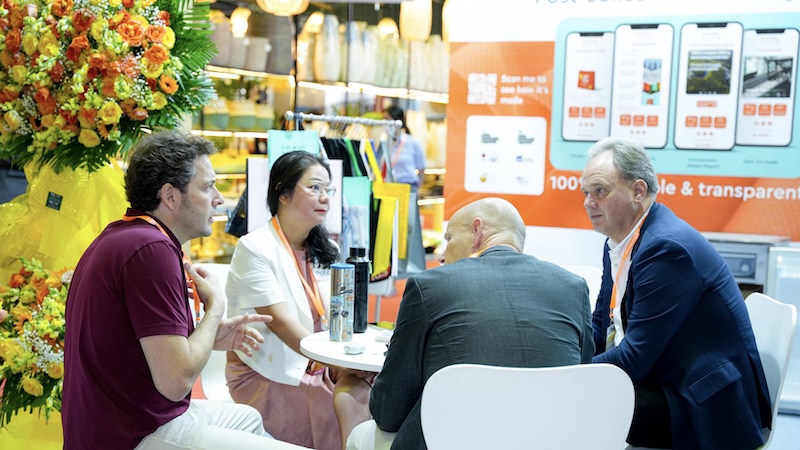
Trade shows and factory visits add context that online vetting cannot fully provide. For importers, events such as Canton fairs can reveal whether a supplier is a true manufacturer, a trading intermediary, or a hybrid model. You can compare finish quality, ask technical questions face to face, and assess how consistently teams explain lead times, tooling, and defect handling.
During a factory visit, focus on operational proof rather than hospitality. Review incoming material checks, in-line quality control, and final inspection flow. Observe whether production records are organised and whether sample quality matches mass-production output. If travel is not feasible, request a live video walkthrough with time-stamped checkpoints and follow-up documents. This keeps direct sourcing grounded in evidence, not promises.
Supplier verification services are especially useful when you are onboarding a new factory or placing higher-value orders. Independent checks can confirm business registration, ownership structure, facility capability, and quality systems before deposits are sent. In scam prevention, this step is often the difference between a manageable delay and a major financial loss.
For practical supplier evaluation and verification in China, define scope before commissioning any service: legal verification, on-site audit, product compliance review, and pre-shipment inspection. Keep findings tied to a pass/fail decision matrix so procurement choices remain consistent across teams. If your operation is scaling, combine this with a documented supplier management workflow to streamline sourcing, reduce duplicate vetting effort, and support safer supplier consolidation over time.
After shortlisting candidates through marketplaces, trade fairs, and verification checks, your risk now shifts from discovery to proof. This is where robust due diligence protects margin, delivery timelines, and brand reputation when you find suppliers in China.
Factory audits are not a box-ticking exercise. They are a practical way to confirm that a supplier can consistently make your product to spec, at scale, and without avoidable compliance risk. For buyers focused on China suppliers sourcing, audits bring structure to supplier management and reduce the chance of costly surprises after deposit payment.
A useful approach is to run audits in two layers. First, perform a pre-contract capability audit. This checks legal entity details, production lines, quality controls, subcontracting practices, and traceability of key materials. Second, schedule an ongoing process audit after initial production starts, so you can verify whether standards are maintained under real order pressure. This two-stage model supports cleaner China suppliers comparison because each candidate is assessed on the same criteria.
When reviewing certifications, focus on relevance and validity rather than quantity. A certificate only helps if it matches your product category and current factory scope. Ask for the issuing body, issue date, expiry date, and factory name and address exactly as registered. Then cross-check consistency across business licence, proforma invoice, and audit records. Mismatched entity names or addresses are warning signs that require clarification before any payment is made.
Prioritise these checks during audit planning:
Quality system maturity: Inspect incoming material checks, in-process inspections, final AQL controls, and corrective-action logs. Strong records indicate repeatable quality, not one-off performance.
Production capacity realism: Confirm machine count, shift pattern, staffing stability, and bottlenecks. Capacity claims should align with lead times quoted in your RFQ.
Compliance and ethical controls: Review working-hour records, wage documentation, and site safety routines. Your brands need credible evidence for customer trust and marketing claims.
Sub-supplier visibility: Identify critical components sourced externally and how the factory controls those inputs. Hidden subcontracting is a common source of quality drift.
Document integrity: Verify that audit findings, certifications, and commercial documents refer to the same legal operating entity.
For commercial protection, tie audit outcomes to contract terms. For example, release staged payments by milestone, require pre-shipment inspection sign-off, and define remedy windows for non-conformance. If a supplier resists basic transparency, treat that as a sourcing signal, not a negotiation detail.
Finally, use audit data to support supplier consolidation. Keeping fewer, better-verified partners often improves communication, order planning, and defect response. In practice, this helps streamline sourcing and strengthens long-term supplier management without expanding operational overhead.
Factory audits and certification checks reduce risk, but they do not eliminate fraud on their own. In practice, robust supplier management is what turns due diligence into day-to-day protection when you find suppliers in China and begin negotiating real orders.
Many scams appear after initial trust is established, especially during sampling, deposit requests, or urgent reorder discussions. One common pattern is bait-and-switch: the approved sample is high quality, then production materials are downgraded without notice. Another is identity misdirection, where you negotiate with one company profile but payment is requested to an unrelated account. You may also see fake logistics updates, overbilling for tooling, or pressure tactics such as "pay today or lose your slot".
For importers, warning signs include inconsistent company names across invoices, sudden bank account changes, refusal to use written purchase terms, and vague responses on lead times. In China suppliers sourcing, compare quotes and capabilities carefully; structured China suppliers comparison often reveals abnormal pricing or unrealistic promises that indicate hidden risk.
Payment terms are one of your strongest anti-scam controls. Avoid paying 100% upfront by bank transfer unless there is a long, verified relationship and a clear legal framework. A safer structure for many SMEs is staged payment: deposit after contract execution, balance after passed inspection, and final release against shipping documents.
Escrow-style arrangements can add protection because funds are released only when agreed milestones are met. Even when escrow is unavailable, define checkpoints in writing: sample approval, pre-shipment inspection, packaging verification, and document compliance. Align these with your internal supplier consolidation plan so fewer, better-managed partners receive larger, better-controlled volumes.
For businesses, keep payment instructions under dual approval and verify any account change via a known phone contact before transfer. This simple process prevents many invoice-redirection scams.
In direct sourcing from China, legal protection must be practical, not generic. Use manufacturing contracts that specify product specs, acceptable tolerances, packaging rules, inspection rights, remedies for defects, and dispute handling. Include clear ownership clauses for tooling, artwork, and custom designs, plus non-disclosure and non-use language to reduce copycat risk.
If your product has brand assets, register relevant trade marks early in the correct jurisdictions and record ownership in contract schedules. Keep document control tight: versioned drawings, dated approvals, and signed change orders. This helps if disputes arise and supports cleaner supplier transitions during china direct sourcing programmes.
As a final safeguard, align all claims in product and marketing materials with standards. Strong contracts, disciplined payment controls, and transparent supplier records are what keep sourcing scalable and scam-resistant.
Strong contracts, secure payment terms, and IP safeguards reduce immediate risk, but they only work over time if daily execution is disciplined. In practice, supplier management is what turns a safe first order into a stable sourcing model and helps you avoid being exposed to the same problems under new names.
When you find suppliers in China, treat communication as a control system, not just a courtesy. Clear and consistent messaging reduces misunderstandings that often lead to delays, quality disputes, or surprise costs. For buyers, this matters because late deliveries can disrupt seasonal sales windows and create avoidable pressure on cash flow.
Use a simple cadence: weekly production updates, milestone confirmations before deposits, and written approval for any change to materials, packaging, or lead times. Keep all key decisions in one shared channel and summarise agreements after each call. If your team speaks with several contacts at the factory, assign one internal owner to maintain a single source of truth.
To streamline sourcing, standardise templates for RFQs, purchase orders, and issue logs so every supplier receives the same requirements. This also improves China suppliers comparison because you are comparing like-for-like responses instead of mixed assumptions. During peak periods, set clear response windows and escalation paths when deadlines slip.
Practical checks for management china workflows:
Confirm product specs with version numbers before production starts.
Record approved tolerances, test standards, and packaging details in writing.
Separate commercial discussions from technical sign-off to avoid crossed messages.
Reconfirm Incoterms, dispatch date, and document pack before shipment.
Hold a short monthly review focused on risks, not only price.
Long-term relationships are built on measurable performance, not assumptions. In China suppliers sourcing, you need a practical scorecard that flags risk early and supports fair decisions on reorders, corrective actions, or supplier consolidation.
Track a small set of indicators you can verify consistently: on-time delivery, defect rate at inspection, responsiveness to corrective actions, and invoice accuracy. Keep scoring criteria transparent so suppliers know how performance is judged. If one factory performs well on quality but repeatedly misses dispatch dates, your scorecard should make that trade-off visible before it harms customer commitments.
Review trends monthly and quarterly, then classify suppliers into three groups: strategic core, development needed, and phase-out. This prevents emotional decisions and gives structure to China suppliers comparison across multiple product lines. For weaker suppliers, issue time-bound improvement plans with clear owners on both sides. If results do not improve, reduce volume gradually rather than switching all at once.
Effective supplier management also protects margin. Fewer emergency air shipments, fewer reworks, and fewer charge disputes mean more predictable landed cost. As your operation matures, combining performance data with communication discipline helps you streamline sourcing without lowering standards, which is exactly what reduces scam exposure over the long run.
Strong communication routines and consistent performance checks only work when they feed clear decisions. To source from China suppliers without getting scammed, keep your process disciplined, documented, and easy to audit at every stage.
Treat supplier management as risk control, not admin. Use one shared checklist for verification, samples, production milestones, payment terms, and shipment sign-off. This keeps decisions consistent across your team and reduces gaps where scams often appear, especially when several buyers are involved.
When you find suppliers in China, verify before you negotiate. Confirm legal identity, operating scope, and who controls the receiving bank account before discussing price concessions. If account names, company details, or invoice entities do not align, pause and re-check rather than pushing forward.
Use structured China suppliers comparison criteria, not headline pricing. Compare suppliers on communication reliability, quality stability, dispute handling, and payment safety alongside unit cost. A slightly higher quote can be lower risk if terms are clear, documentation is complete, and issue resolution is predictable.
Apply supplier consolidation selectively. Fewer, stronger suppliers can improve oversight and consistency, but avoid over-concentration. Keep at least one qualified backup for critical SKUs so delays, quality failures, or compliance issues do not stop your fulfilment schedule.
Build China suppliers sourcing around controlled payments and contracts. Keep staged payments tied to deliverables, use traceable bank transfer records, and ensure contract terms match approved specifications and ownership terms. This supports safer execution and clearer escalation paths if problems emerge.
In practice, safer sourcing is less about finding the cheapest factory and more about repeatable controls. The businesses that avoid costly surprises are the ones that combine disciplined supplier management with clear comparison standards and payment governance.
Q1: How can I verify if a China supplier is legitimate before placing an order?
Start by checking their business licence through official Chinese company registries or services like the National Enterprise Credit Information Publicity System. Request a video call to tour their factory facilities and verify physical operations. Use third-party inspection services such as SGS or Bureau Veritas to conduct onsite audits. Check their export history and trade references. Look for certifications relevant to your industry (ISO, CE, FDA). Verify their registered address matches their actual location. Be wary of suppliers who refuse video verification, only communicate via personal email accounts, or push for immediate large payments without proper documentation.
Q2: What payment methods are safest when ordering from Chinese suppliers?
Letter of Credit (LC) offers the strongest protection, as payment releases only when shipment terms are met and verified by banks. Trade Assurance through platforms like Alibaba provides refund protection if suppliers fail to meet contract terms. Escrow services hold funds until you confirm satisfactory delivery. For established relationships, a 30% deposit with 70% balance upon inspection is standard. Avoid wire transfers for full payment upfront, Western Union, or personal bank accounts. PayPal offers buyer protection for smaller orders. Always use company accounts, not personal ones, and maintain detailed documentation of all payment terms and conditions.
Q3: Should I use Alibaba or go directly to manufacturers in China?
Alibaba and similar B2B platforms offer built-in protections like Trade Assurance, supplier verification badges, and transaction history, making them safer for first-time buyers. They're ideal for testing products and building initial relationships. Direct manufacturer relationships typically offer better pricing and customization once trust is established, but require more due diligence upfront. Many experienced importers start on platforms to identify potential partners, then transition to direct communication after verifying legitimacy. Consider your order volume, experience level, and risk tolerance. Platforms work well for smaller orders under £10,000, while direct relationships benefit high-volume, repeat purchasing.
Q4: What are the red flags that indicate a Chinese supplier might be a scam?
Major warning signs include prices significantly below market average (20-30% lower than competitors), reluctance to provide verifiable company details or business licences, pressure for immediate full payment via untraceable methods, refusal to accept sample orders or factory inspections, communication only through personal email accounts (Gmail, Yahoo) rather than company domains, inconsistent company information across platforms, unwillingness to sign formal contracts, and promises that seem too good to be true. Also beware of suppliers who can't provide references, have newly created websites with stock photos, or who change terms suddenly after initial contact.
The FAQ likely clarified practical concerns, but confidence comes from turning those answers into a disciplined buying plan. To avoid costly mistakes, close your process with a clear decision framework that balances risk, price, and operational reliability.
When you find suppliers in China, treat shortlisting as a controlled comparison exercise rather than a race to the cheapest quote. Strong supplier management starts before the first order: verify legal identity, align quality expectations in writing, and confirm payment and delivery terms that your finance and operations teams can manage safely. This approach helps prevent misunderstandings that often lead to disputes, delays, or unusable stock.
Use this final decision checklist before placing any production order:
Validate supplier legitimacy and communication discipline
Confirm business registration details, factory scope, and a consistent named contact. If response quality drops after quotation, treat it as an early warning signal for future execution risk.
Run a practical China suppliers comparison
Compare at least three options on total landed cost, quality controls, lead time reliability, and issue-resolution behaviour. A structured China suppliers comparison reveals trade-offs that a unit-price-only review misses.
Define payment and contract controls for buyers
Use staged payments tied to milestones, clear defect thresholds, and written remedies. Keep payment routes auditable, typically by bank transfer, and ensure terms are commercially realistic for your cash flow.
Pilot before scaling
Start with a smaller trial order, then review defect rates, packing accuracy, and timeline adherence. This is where China suppliers sourcing decisions become evidence-based rather than assumption-based.
Plan supplier consolidation only after performance proof
Supplier consolidation can reduce admin overhead and improve leverage, but do it after suppliers demonstrate consistent quality and communication over multiple cycles.
For a concrete next step, schedule a 30-minute internal decision meeting this week with procurement, finance, and operations. Bring one comparison sheet, one risk log, and one pilot-order plan. If every critical risk has an owner and mitigation action, proceed. If not, pause and resolve gaps first. That discipline is what protects buyers while building a resilient, scam-resistant sourcing model from China.
 English