Maple Sourcing Ltd.
Maple Sourcing Ltd.
We Make Your Sourcing Easy!
Need help? sales@maplesourcing.com
English
Maple Sourcing Ltd.
Maple Sourcing Ltd.

Key Shipping Ports in China and North America

Published:
Updated:
4678 Views
Table of Content [Hide]

    430.jpg

    Maritime transportation has been a cornerstone of global trade for centuries. Today, the intricate network of shipping routes and modern logistics systems form the backbone of the world economy, enabling the rapid movement of goods and raw materials across continents. Among the key players in this complex system are the bustling port cities that serve as major hubs for commerce. In this extensive analysis, we explore the most important port cities in China and North America, discussing their roles within the global supply chain, differentiating their functions as a port of loading or port of destination, and examining the challenges and technological innovations that continue to shape their evolution. 

    Key Shipping Ports in China

    China is home to some of the world’s busiest and most technologically advanced port cities. As the manufacturing powerhouse of the globe, China’s port cities serve as critical gateways for the export and import of goods. They are the lifeline of its manufacturing sector and play pivotal roles in the international supply chain.

    1. Shanghai: The Gateway of Global Trade

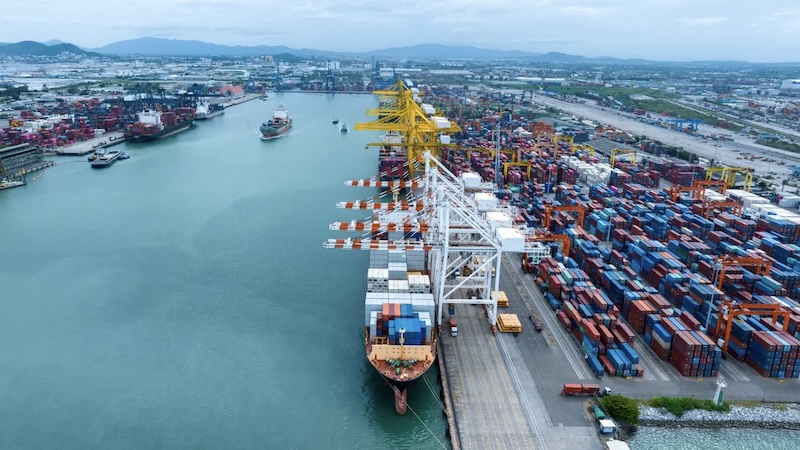
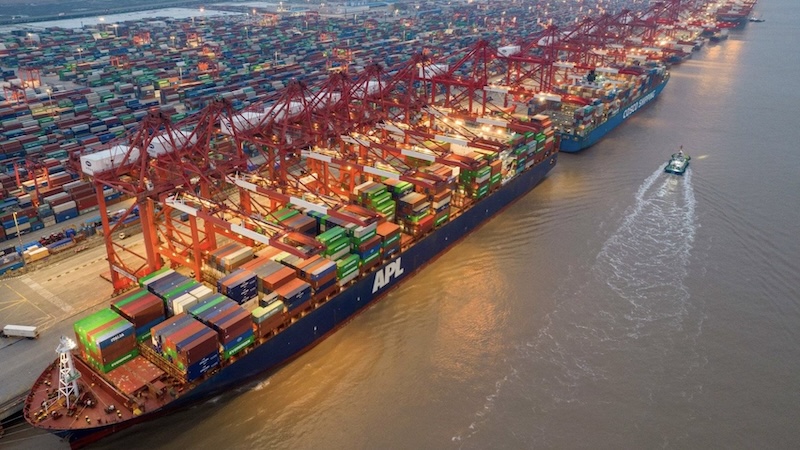
    Shanghai is arguably the most important and well-known port city in China. Its port is one of the busiest in the world in terms of cargo throughput, playing a central role as both a port of loading for exports and a port of destination for imports. Over the years, Shanghai has invested heavily in modernizing its infrastructure, including the expansion of terminal capacities, the introduction of automated cranes, and the integration of digital logistics systems.

    The Port of Shanghai’s strategic location along the Yangtze River Delta enables seamless connectivity to inland markets. Its deep-water facilities accommodate the world’s largest container ships, ensuring that the port remains competitive on a global scale. The port’s facilities are designed to handle a diverse range of cargo, from general goods and bulk materials to refrigerated products and hazardous materials. This versatility is a key strength, allowing Shanghai to maintain a leading position as a critical node in global supply chains.

    Furthermore, Shanghai’s commitment to sustainability and green logistics is evident in the ongoing efforts to reduce emissions, implement waste management programs, and develop energy-efficient port operations. These initiatives have not only improved operational efficiency but have also positioned Shanghai as a role model for other port cities aiming to balance economic growth with environmental responsibility.

    2. Shenzhen: The High-Tech Manufacturing Hub

    Another outstanding example of a major port city in China is Shenzhen. Known for its rapid economic growth and reputation as the “Silicon Valley of Hardware,” Shenzhen has become synonymous with innovation and technological advancement. Its port is a crucial port of loading for high-value exports, particularly in the electronics and technology sectors.

    Shenzhen’s port facilities are renowned for their efficiency and state-of-the-art operations. The port’s proximity to China’s high-tech manufacturing clusters enables swift movement of components, finished goods, and cutting-edge products to international markets. The integration of advanced technologies, such as robotic handling systems, real-time digital tracking, and AI-assisted logistics solutions, has significantly enhanced the port’s operational capabilities.

    The city’s dynamic business environment, coupled with supportive government policies and a robust supply chain ecosystem, has propelled Shenzhen to the forefront of global trade. As one of the fastest-growing port cities in the country, Shenzhen continues to attract investments and partnerships with leading global enterprises, thereby reinforcing its status as a critical port of loading for high-tech goods destined for markets worldwide.

    3. Guangzhou and the Pearl River Delta

    Guangzhou, situated in the heart of the Pearl River Delta, is another key port city in China. This city serves as a vital link in the regional supply chain, connecting the booming economic activities of the Pearl River Delta with global markets. Guangzhou’s port facilities are diverse and well-equipped to handle a wide range of cargo types, including containerized goods, bulk cargo, and specialized commodities.

    The Pearl River Delta is one of China’s most economically vibrant regions, and Guangzhou’s port plays an essential role in facilitating trade within this cluster. The port functions both as a port of loading—where locally manufactured goods begin their journey to international markets—and as a port of destination for imports that support the region’s manufacturing and retail sectors. Modernization efforts, such as the development of smart port systems and enhanced intermodal connectivity, have further bolstered Guangzhou’s ability to manage large volumes of cargo efficiently.

    4. Ningbo-Zhoushan: The Backbone of Bulk Cargo Handling

    Located in Zhejiang Province, the Ningbo-Zhoushan region is well-known for its capabilities in bulk cargo handling. The Port of Ningbo-Zhoushan is one of the busiest ports in the world and serves as a major port of loading for a variety of industrial commodities, including oil, coal, iron ore, and other bulk materials. Its expansive facilities, strategic location, and robust connectivity to inland transportation networks position it as a critical gateway for the movement of raw materials and manufactured goods.

    The port’s infrastructure is designed to accommodate high-volume cargo operations, with specialized terminals dedicated to bulk cargo, containerized shipments, and break-bulk goods. Its integration with rail and road networks ensures seamless distribution of cargo across China and beyond. The Ningbo-Zhoushan port is also a key part of China’s initiative to develop world-class maritime logistics, leveraging advanced technologies such as automated cranes, smart port management systems, and predictive maintenance to enhance operational efficiency.

    As global trade continues to grow, Ningbo-Zhoushan’s role as a port of loading will be increasingly important, especially given the rising demand for bulk commodities in emerging economies. Its capacity to handle complex cargo types under challenging logistics conditions makes it an indispensable asset in the international supply chain.

    Key Shipping Ports in North America

    North America also hosts several world-class port cities that serve as essential hubs for trade between the continent and the rest of the world. These ports handle billions of dollars’ worth of cargo every year and are critical in connecting North American markets to global supply chains.

    1. West Coast Port Cities: Los Angeles, Long Beach, and Vancouver

    The West Coast of North America is synonymous with some of the busiest and most technologically advanced port cities in the region. The twin ports of Los Angeles and Long Beach, located in Southern California, are pivotal as both the port of loading for goods leaving North America and the port of destination for imports arriving from Asia, Europe, and other parts of the world.

    • Port of Los Angeles: Often regarded as the gateway to the Pacific, the Port of Los Angeles is a highly modernized terminal renowned for its large container volumes and extensive infrastructure. The port is equipped with state-of-the-art cranes, automated systems, and advanced logistics platforms that streamline cargo handling and minimize dwell times. Its integral role as a port of loading ensures that North American goods are efficiently dispatched to global markets, while also functioning as a port of destination for critical imports.

    • Port of Long Beach: Adjacent to the Los Angeles port, the Port of Long Beach complements its capabilities by serving as a major logistics hub for containerized cargo. Together, they form a synergistic network that processes millions of containers annually. Their strategic positioning allows them to handle a diverse array of shipments, from consumer electronics and clothing to automotive parts and industrial machinery.

    • Port of Vancouver: Moving northward, the Port of Vancouver in Canada stands as one of the most important port cities on the West Coast. It plays a vital role in facilitating trade between Asia and North America. The port is known for its sophisticated intermodal connections, deep-water facilities, and environmentally sustainable practices. Vancouver serves as both a port of loading for Canadian exports and a port of destination for imports destined for the growing West Coast market.

    These West Coast ports are distinguished by their continual investments in infrastructure and technology. They not only support high volumes of freight but also provide critical services such as customs clearance, transshipment, and value-added logistics. Their excellence in service and operations reinforces North America’s competitive position in international trade.

    2. East Coast Port Cities: New York/Newark, Savannah, and Norfolk

    On the East Coast, several port cities serve as vital gateways to the Atlantic and the European, African, and Middle Eastern markets.

    • Port of New York and New Jersey: As one of the largest and most comprehensive port complexes in North America, the Port of New York and New Jersey plays a critical role as both a port of loading and a port of destination. Its strategic location near major population centers on the East Coast allows for efficient distribution of goods. The port features modern container terminals, efficient intermodal links, and advanced tracking systems that ensure the seamless flow of cargo. Additionally, ongoing infrastructure upgrades are enhancing its capacity and operational efficiency in response to growing trade volumes.

    • Port of Savannah: The Port of Savannah in Georgia is recognized for its rapid growth and strategic significance. As one of the fastest-growing container ports in the United States, Savannah’s deep-water facilities and extensive rail networks make it an attractive destination for international shippers. Its role as a port of loading allows U.S. manufacturers to send goods overseas swiftly, while its function as a port of destination ensures timely import of critical materials and consumer products.

    • Port of Norfolk: Located in Virginia, the Port of Norfolk is notable for its strategic position on the Atlantic coast and its longstanding maritime heritage. The port’s redevelopment and expansion plans have transformed it into a modern logistics hub capable of handling large volumes of containerized cargo, bulk shipments, and other specialized cargoes.

    3. Gulf Coast Port Cities: Houston and New Orleans

    The Gulf Coast is another important maritime region in North America, known for its vast energy resources and heavy industry.

    • Port of Houston: As one of the largest ports on the Gulf Coast, Houston is a critical port of loading for energy products, petrochemicals, and manufactured goods. Its extensive infrastructure, including deep-water terminals and advanced cargo handling facilities, supports the dynamic oil and gas sector alongside other industries. The port’s strategic positioning facilitates efficient distribution throughout North America and internationally.

    • Port of New Orleans: Positioned along the Mississippi River and opening to the Gulf of Mexico, the Port of New Orleans is unique in its role and geographic advantages. New Orleans functions as a major port of destination for agricultural products, petrochemicals, and consumer goods. Its integrated logistics network connects river, rail, and highway transportation, ensuring that goods can be moved efficiently to and from the port.

    Comparative Analysis: Asia vs. North America

    1. Infrastructural Investments and Technological Adoption

    Both China and North America have invested heavily in modernizing their ports. While Chinese port cities are renowned for their rapid expansion and integration of smart technologies, North American ports have focused on stability, sustainability, and intermodal connectivity. Technology plays a critical role in both regions; automation, digital tracking, and AI-driven logistics are transforming operations and increasing efficiency.

    In China, the focus has been on scale and speed. Major hubs like Shanghai, Shenzhen, and Ningbo-Zhoushan continuously upgrade their facilities to handle record container volumes and to serve as both a port of loading and a port of destination for global trade. North American ports, on the other hand, emphasize flexibility and advanced logistics coordination, ensuring that goods move efficiently from the port of loading to their final inland distribution centers.

    2. Regulatory Environments and Trade Policies

    Regulatory frameworks also differ between these two regions. China benefits from government-led initiatives that promote rapid infrastructure expansion and liberalized trade zones. Such policies facilitate ease of operations in its port cities, allowing for streamlined clearance procedures and state-supported modernization programs. In contrast, North American ports, particularly those in the United States, operate within a complex legal framework that emphasizes environmental sustainability, worker safety, and detailed customs regulations. While these measures are critical for maintaining high standards, they can also present challenges in terms of flexibility and rapid adaptation.

    3. Economic Impact and Trade Volumes

    China’s maritime system is designed to support one of the largest manufacturing sectors in the world. Its port cities process enormous volumes of goods, acting as the primary port of loading for high-volume exports to every corner of the globe. North America’s ports serve as essential gateways for both imports and exports, ensuring that the continent’s diverse economies remain interconnected with global supply chains. The interplay between the port of loading and the port of destination is especially critical in North America, where responsiveness to market fluctuations and robust logistics support the economic well-being of millions.

    Conclusion

    These hubs are the lifelines of global commerce, serving as critical port of loading facilities that dispatch goods to international markets and as key port of destination entry points where cargo is efficiently distributed to meet domestic demands. The dynamic environments of these ports, characterized by continuous investments in infrastructure, state-of-the-art technologies, and sustainable practices, highlight their essential roles in maintaining the flow of global trade.

    Need help with China shipping or customs delays?
    Maple Sourcing can help coordinate supplier paperwork, order monitoring, pre-shipment checks and shipment readiness before your next China order leaves the factory.
    Aaron Li
    Hey, this is Aaron Li, an expert in quality sourcing. Since 2012, I have helped 300+ startups to source from China and manage the quality. I'd like to share my experience and knowledge for frequently asked questions related to product sourcing and quality control.
    All Articles
    Shipping Mark on Carton: Complete Guide for Importers
    Retail Arbitrage: Where to Source and How to Earn Profit
    Top 5 Chinese Wholesale Online Platforms (2026)
    Best China Products for Senior Care Retail Stores
    How to Source Wholesale Home Decor for Retail Businesses
    Top 10 Chinese Solar Panel OEM Factories (2026)
    How to Get Free Samples from China Factories
    African Importers: Best Dollar Store Products from China
    Pros and Cons of Cross-Border Private Label Sourcing
    Alibaba Wholesale Purchasing: 5 Hidden Risks to Prevent
    How to Source Low-MOQ Products for Online Resellers
    Ocean Freight CBM Calculation: One Easy Formula
    Ecommerce Brands: Top 5 High-Margin Product Niches
    Proforma Invoice vs Commercial Invoice: Key Differences
    Ocean & Air Freight: Gross vs Net Weight Rules
    Startups: Direct vs Indirect China Sourcing
    RFQ: Real Examples & Industry Best Practices
    How to Find the Best Freight Options for Importers
    Startup Budget for a China Import-Export Business
    Top 8 Largest China-Based Logistics Providers (2026)
    Small-Batch Startups: Tips to Cut Factory Costs
    Hidden Expenses Every China Importer Should Expect
    Amazon Resellers: Best Ways to Import from China (2026)
    MOQ of Custom Packaging for Small Business
    Quality Audit Checklist for Chinese Factories
    Key Manufacturing Industrial Hubs Across China
    Made in PRC: Meaning of This Product Label
    FCL vs LCL: 2026 Shipping Comparison Guide
    Sea vs Air Freight: Core Reasons Behind Their Price Gap
    2026 Hottest Toy Lines Imported from China
    China to Canada: Lowest-Cost Shipping Options (2026)
    Alibaba vs AliExpress: Key Differences for Importers
    US-China Tariffs 2026: Importer Compliance Handbook
    Custom Sourcing: OEM and ODM Main Differences
    5 Phases to Protect Product IP when Outsourcing in China
    FOB vs. EXW: Which Is Better for China Importers?
    1688 Sourcing Agents: Benefits for Retail Resellers
    Yiwu Wholesale Market: Top 10 Products to Import
    4PX Shipping: Full Lead Time Breakdown (2026)
    DHL Shipment On Hold? 3 Steps to Fix It (2026)
    Why You Need Taobao Agents for Kitchenware Sourcing
    Alibaba Verified Suppliers: Can You Trust Them? (2026)
    Foshan Furniture Market: Actions to Assure Quality
    Guangzhou Fabric Market: Tour Guide & Sourcing Tips
    2026 Complete Sourcing Guide for the Canton Fair
    Is Huaqiangbei Still Ideal for Importers? 2026
    High-End Electric Toothbrush Manufacturers in China
    Private Label Bags from Chinese Manufacturers
    Manage Sample Orders: Key Tips for China Importers
    Top 5 Shipping Documents Required for Imports
    Cost-Saving Tips for Logistics Management Workflow
    Top Beauty and Healthcare Items on Amazon (2026)
    3 Ways to Evaluate Production Capacity of China Factories
    Top 10 Largest Chinese Wholesale Markets (2026)
    Why China Dominates Global Toothbrush Manufacturing
    Top 10 Iconic Products Made in Shenzhen (2026)
    Custom Design Orders: Tactics for MOQ Negotiation
    How OEM Manufacturing Adds Value to Consumer Brands
    Cargo Consolidation: Cut Shipping Costs for Importers
    China to Europe: Top 10 High-Profit Import Goods (2026)
    Key Shipping Ports in China and North America
    Major Apple Manufacturers in China: 2026 Update
    Electronic Component Imports: IQC Inspection Checks
    Sourcing Agent Fees for Small-Batch China Importers
    Best China Products to Resell Across Global Markets
    Why Are Most Goods Made in China? 2026 Update
    Top 10 Inspection Companies in China (2026)
    Reduce Expenses by Manufacturing Your Goods in China
    2026 Trends for Customized Products from China
    Standard Process for Pre-Shipment Inspection in China
    Cross-Border Sourcing: Pain Points and Solutions
    Shenzhen Wholesale Markets: Ideal for Electronics Sourcing
    Verify Chinese Company Without Visiting China
    Retail Resellers: 5-Step China Bulk Sourcing Guide
    5-Step Alibaba Order Process for Small Retailers
    What Makes Chinese Supply Chains Highly Efficient
    Make Rapid Prototypes in China Manufacturers
    China Sourcing Basics for Amazon FBA Sellers
    Bulk Imports from China: Key Advantages
    LED Product Importers: Key China Sourcing Guide
    How China Sourcing Services Save You Time and Costs
    5 Effective Ways to Contact Chinese Factories
    Manage Chinese Factories to Ensure On-Time Deliveries
    Where to Source High-Quality Kitchen Utensils in China
    Top 10 Wholesale Items Imported from China (2026)
    Top 10 Trendy Consumer Electronics Made in China
    Comprehensive Guide to Find Chinese Suppliers Online
    Electronics Resellers: Why You Need Shenzhen Agents
    Handbook for Sourcing Chinese Hardware Products
    Transform Supply Chains via Direct China Sourcing
    How to Build Stable Partnerships with China Suppliers
    TikTok Sellers: Easy Steps for Direct Sourcing in China
    How to Source High-Quality Outdoor Goods from China
    Why FBA Private Label Sellers Need China Agents
    5 Top Challenges when Manufacturing Goods in China
    Boost Retail Profits with Outsourced China Procurement
    Sourcing Chinese Metal Products: Critical Details
    Calculate US Import Duties for Chinese Goods (2026)
    How In-Process QC Works in Chinese Factories
    Retailers: Guide for China Manufacturing Outsourcing
    Read More
    References