



Imagine holding a delicate teacup so translucent that light passes through its paper-thin walls, revealing shadows of your fingers beneath. This is the magic of Jingdezhen porcelain, a craft perfected over more than 1,700 years in a city that has earned its title as the Porcelain Capital of the world. For centuries, Jingdezhen porcelain has captivated collectors, artists, and connoisseurs across the globe with its unmatched quality, intricate designs, and cultural significance. Today, American collectors and enthusiasts continue to seek authentic Chinese Jingdezhen pieces, recognizing them as both functional art and valuable investments.
Nestled in the northeastern corner of Jiangxi Province, China, Jingdezhen has been the beating heart of porcelain production since the Han Dynasty. The city's geographical advantages, including abundant kaolin clay deposits and proximity to waterways for transportation, created ideal conditions for ceramic innovation. By the Song Dynasty (960-1279 CE), Jingdezhen had already established itself as a premier production center, but it was during the Ming (1368-1644) and Qing (1644-1912) dynasties that porcelain Jingdezhen truly achieved legendary status. Imperial kilns produced exquisite wares exclusively for the royal court, setting standards of excellence that artisans still strive to match today.
The distinction of Jingdezhen porcelain Jingdezhen lies in its exceptional technical characteristics. True porcelain wares from this region exhibit a unique combination of properties that separate them from ordinary ceramics. The pieces demonstrate remarkable whiteness and translucency, achieved through the precise balance of kaolin clay and petuntse (porcelain stone). When struck gently, authentic Jingdezhen porcelain produces a clear, bell-like ring that resonates for several seconds, a quality test that collectors have relied upon for generations. The glazes display a subtle bluish tint and glass-like smoothness that reflects light with extraordinary brilliance.
What makes Chinese Jingdezhen porcelain particularly remarkable is the diversity of decorative techniques developed over centuries. Blue and white porcelain, featuring cobalt oxide patterns beneath a transparent glaze, became the most recognizable style and influenced ceramic traditions worldwide. Famille rose and famille verte palettes introduced vibrant enamel colors in the Qing Dynasty, allowing artists to create intricate floral and figurative designs. Copper-red glazes, notoriously difficult to control in the kiln, demonstrated the technical mastery of Jingdezhen potters. Each technique required years of apprenticeship to master, with knowledge passed down through generations of artisan families.
The production process for authentic Jingdezhen porcelain wares involves numerous specialized stages, each requiring expert skill. Raw materials must be carefully selected and processed into workable clay bodies. Throwing, molding, or hand-building shapes the clay into forms ranging from delicate teacups to massive decorative vases. After initial drying, pieces undergo bisque firing at temperatures around 1652°F to 1832°F. Decorators then apply underglaze designs, followed by glazing and a final high-temperature firing that can reach 2372°F or higher. This intense heat vitrifies the clay and glaze, creating the characteristic strength and translucency. Some pieces undergo additional firings for overglaze enamel decorations, with each firing presenting risks of warping, cracking, or color variations.
For American collectors entering the world of Chinese Jingdezhen porcelain, understanding authenticity markers proves essential. Genuine antique pieces command prices ranging from hundreds to hundreds of thousands of USD, depending on age, condition, rarity, and provenance. Modern Jingdezhen artisans continue producing exceptional work, with contemporary master pieces valued from several hundred to tens of thousands of USD. The market includes everything from functional teaware to museum-quality art pieces. Payment typically occurs through credit cards, PayPal, or Apple Pay when purchasing from reputable dealers or auction houses, though buyers should verify seller credentials and return policies before committing to significant purchases.
The cultural impact of porcelain Jingdezhen extends far beyond China's borders. European potters spent centuries attempting to replicate the formula, finally succeeding in the early 18th century with the establishment of Meissen porcelain in Germany. The global demand for Chinese porcelain shaped international trade routes, with ships carrying precious cargo across oceans. Maritime archaeology continues to uncover shipwrecks laden with Jingdezhen exports, providing insights into historical trade patterns and ceramic evolution. Museums across the United States, including the Metropolitan Museum of Art and the Smithsonian, house impressive collections that demonstrate the artistic and technical achievements of Jingdezhen potters throughout history.
Today, Jingdezhen remains a vibrant center of ceramic arts, where traditional techniques coexist with contemporary innovation. The city attracts artists and students from around the world who come to learn ancient methods while experimenting with modern aesthetics. This dynamic environment ensures that the porcelain tradition continues evolving while maintaining the high standards that have defined Jingdezhen for millennia. Whether you are a seasoned collector, an interior designer seeking authentic Asian ceramics, or simply someone who appreciates fine craftsmanship, understanding Jingdezhen porcelain opens a window into one of humanity's most enduring artistic traditions. The journey from raw earth to finished masterpiece represents not just technical skill but centuries of cultural refinement, making each piece a tangible connection to this rich heritage.
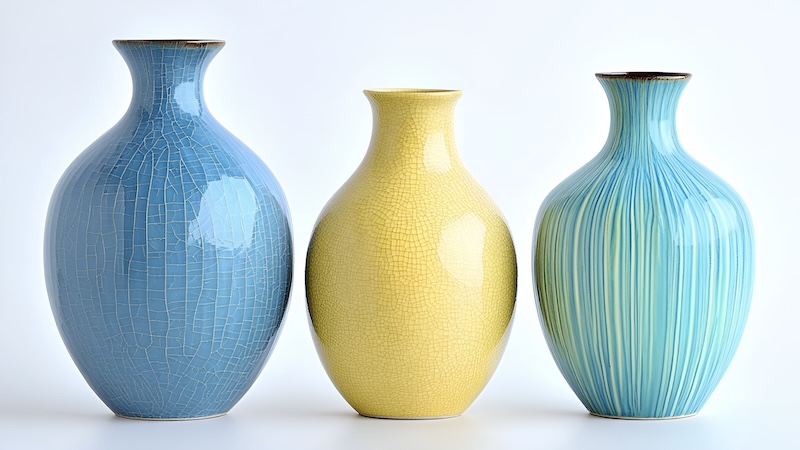
Building upon Jingdezhen's legacy as China's porcelain capital, the city's reputation rests fundamentally on the exceptional quality and meticulous craftsmanship embedded in every piece. The distinction of Jingdezhen porcelain lies not merely in its aesthetic beauty but in centuries-refined techniques that transform raw kaolin clay into translucent, resonant porcelain wares that collectors and enthusiasts across the United States treasure.
The quality of Chinese Jingdezhen porcelain stems from three interconnected elements: the purity of local materials, the precision of traditional methods, and the skill passed down through generations of master artisans. Unlike mass-produced ceramics, authentic porcelain Jingdezhen pieces demonstrate remarkable characteristics including exceptional whiteness, translucency when held to light, and a distinctive musical ring when gently tapped. These qualities result from firing temperatures exceeding 2,300 degrees Fahrenheit, which vitrify the clay body and create the dense, glass-like structure that defines true porcelain.
What sets Jingdezhen Chinese porcelain apart in today's market is the continued emphasis on handcrafted excellence. While modern factories exist, many workshops maintain traditional production methods that require weeks or months to complete a single piece. This commitment to craftsmanship means that porcelain wares from Jingdezhen command premium prices in the American market, with collector pieces ranging from hundreds to tens of thousands of dollars depending on age, artist reputation, and technical complexity.
The creation of authentic Jingdezhen porcelain Jingdezhen follows a seventy-two-step process that artisans have refined over a millennium. This labor-intensive journey begins with sourcing kaolin clay from nearby deposits, the same mineral-rich material that gave Jingdezhen its competitive advantage centuries ago. The clay preparation alone involves multiple stages of washing, filtering, and aging that can span several months before the material achieves the proper plasticity for shaping.
Wheel-throwing remains the primary forming technique for traditional porcelain Jingdezhen production. Master potters spend decades perfecting their ability to center clay and pull walls to uniform thinness, often achieving walls less than one-eighth inch thick on delicate pieces. This skill level explains why genuine handmade Chinese Jingdezhen porcelain costs significantly more than factory equivalents. A skilled artisan can produce only a limited number of pieces daily, and the rejection rate for flawed work often exceeds thirty percent before firing even begins.
The decoration phase showcases perhaps the most distinctive aspect of Jingdezhen porcelain wares. Traditional blue-and-white pieces require hand-painting with cobalt oxide using brushes made from bamboo and animal hair. Artists work on the unfired, porous clay surface where mistakes cannot be corrected, demanding absolute precision. Each brushstroke must contain the correct pigment concentration and moisture level to produce the desired tone after the high-temperature firing transforms the brown cobalt into brilliant blue.
Glazing represents another critical handmade process that dramatically affects final quality. Artisans apply glaze through dipping, pouring, or spraying techniques, ensuring even coverage while avoiding drips or bare spots. The glaze recipe itself, often a closely guarded workshop secret, determines the final surface texture, color depth, and that prized translucency. Traditional Jingdezhen glazes incorporate local feldspar and limestone, creating the smooth, glass-like finish that has made Chinese porcelain famous worldwide.
Firing techniques distinguish exceptional porcelain from ordinary ceramics. Traditional dragon kilns, built into hillsides and stretching over one hundred feet long, create temperature variations that skilled firers exploit to achieve specific effects. Modern gas kilns offer more control, but many artisans believe traditional wood-fired kilns produce superior results, imparting subtle color variations and surface qualities impossible to replicate mechanically. The firing cycle takes multiple days, with temperatures carefully ramped up and down to prevent cracking or warping.
quality control in traditional workshops relies on human expertise rather than standardized measurements. Master craftsmen inspect each piece at multiple production stages, checking wall thickness by touch, evaluating decoration quality under natural light, and testing fired pieces for proper ring tone. This hands-on assessment ensures that only porcelain wares meeting exacting standards reach the market, though it also means that production volumes remain modest compared to industrial manufacturing.
For American collectors and buyers, understanding these traditional handmade techniques provides context for pricing and authenticity verification. Genuine handcrafted Jingdezhen porcelain displays subtle irregularities that machine production eliminates perfectly uniform walls, slight variations in decoration, and organic glazing patterns. These characteristics, far from being flaws, authenticate the human touch that gives each piece its individual character and lasting value in the competitive porcelain market.
Mastering traditional handmade production techniques represents only half the story when evaluating jingdezhen porcelain quality. The marks stamped, painted, or carved into the base of porcelain wares serve as critical identifiers that authenticate origin, date production periods, and verify craftsmanship standards. Understanding these authentication markers empowers collectors and buyers to distinguish genuine chinese jingdezhen pieces from modern reproductions flooding the United States market.
Imperial reign marks, known as nianhao in Chinese, represent the most prestigious authentication feature found on historical jingdezhen porcelain. These marks typically consist of six characters arranged in two vertical columns, reading from right to left. The standard format includes the dynasty name, followed by the emperor's reign title, and concluding with the phrase "made during the reign of." For example, pieces from the Kangxi period feature marks identifying the Qing Dynasty and the emperor's specific reign years.
Collectors should understand that imperial marks indicate production during specific historical periods rather than imperial ownership. The Ming Dynasty marks, particularly from the Xuande, Chenghua, and Wanli reigns, command premium valuations in the American market. Qing Dynasty marks from the Kangxi, Yongzheng, and Qianlong periods similarly signify exceptional quality. However, later dynasties routinely copied earlier reign marks as tributes to master craftsmen, creating authentication challenges that require expert analysis beyond mark reading alone.
The presence of an imperial mark significantly impacts valuation, with authenticated Ming Dynasty porcelain jingdezhen pieces regularly selling for thousands to millions of dollars at American auction houses. The positioning, calligraphy style, and underglaze blue tone of these marks provide authentication clues. Genuine imperial marks display confident brushwork with consistent character proportions, while reproductions often show hesitant strokes or disproportionate spacing. The cobalt blue pigment in authentic marks exhibits specific aging characteristics and penetration depth that modern copies struggle to replicate accurately.
Contemporary jingdezhen porcelain wares increasingly feature artist signatures and registered studio stamps that authenticate modern production. Individual master artisans typically sign pieces using personal seals carved with their names or artistic monikers in red cinnabar ink or carved directly into the clay body before firing. These signatures represent personal accountability for craftsmanship quality and connect specific pieces to documented artists whose work commands recognition in the international market.
Studio stamps identify production facilities ranging from state-owned enterprises to private workshops operating in Jingdezhen today. The most reputable studios maintain registration with Chinese ceramic industry authorities and provide documentation verifying their marks. American collectors should request certificates of authenticity that photograph the specific mark and connect it to the studio's official registry. Premium studios often combine multiple authentication elements, including the studio seal, the supervising master's signature, and production date codes that enable verification.
Modern jingdezhen chinese artists sometimes incorporate both traditional reign mark styles and contemporary signatures, creating layered authentication that honors historical conventions while establishing individual artistic identity. Understanding which contemporary artists and studios maintain consistent quality standards helps American buyers navigate the vast selection of porcelain jingdezhen available through online marketplaces and specialty importers. Researching artist backgrounds, exhibition histories, and previous sale records provides context for evaluating fair market values, which typically range from several hundred to several thousand dollars for documented master works.
Authentication expertise becomes essential when investing in chinese jingdezhen porcelain, as sophisticated reproductions challenge even experienced collectors. Counterfeiters specifically target high-value imperial marks, reproducing them on modern blanks to deceive uninformed buyers. Several red flags indicate potential forgeries that American collectors should recognize before purchasing.
First, examine the mark's execution quality using magnification. Authentic historical marks display fluid calligraphy with natural variations in line thickness where brushes lifted and pressed. Modern transfers or stamps show uniform line weights and sometimes visible dot patterns from printing processes. Second, assess the relationship between the mark and the piece's overall condition. A pristine Xuande mark on a piece without appropriate aging indicators suggests recent production. Third, compare the mark's style against documented examples from museum collections or specialized reference books that illustrate authentic period characteristics.
The porcelain body itself provides authentication evidence beyond marks alone. Genuine jingdezhen porcelain exhibits specific material qualities including translucency when held to light, particular weight relative to size, and distinctive glaze characteristics. Modern reproductions often use different clay compositions that feel heavier or lack the refined translucency of authentic kaolin-based bodies. American buyers should request detailed photographs showing the mark, the base's unglazed areas, and transmitted light views before purchasing significant pieces online.
Purchasing from reputable dealers who guarantee authenticity and accept returns provides essential protection for American collectors. Established dealers typically offer documentation including provenance information, condition reports, and authentication certificates from recognized experts. When acquiring pieces valued over several thousand dollars, consider engaging independent authentication services that provide scientific analysis including thermoluminescence dating to verify production periods. This investment in expert verification protects against costly mistakes while building confidence in your jingdezhen porcelain collection.
Once you can confidently identify authentic marks and signatures on Jingdezhen porcelain, understanding pricing becomes the next critical step in making informed purchasing decisions. Navigating the market for porcelain wares from this historic region requires knowledge of the various factors that separate affordable decorative pieces from valuable collector's items.
The pricing landscape for jingdezhen porcelain reflects a complex interplay of artistic merit, historical significance, and market dynamics. Understanding these variables helps collectors and buyers assess whether pieces are fairly priced and worth the investment.
Age and Historical Period
The era of production significantly impacts the value of chinese jingdezhen porcelain. Imperial-era pieces from the Ming (1368-1644) and Qing (1644-1912) dynasties command premium prices, with authentic examples ranging from several thousand to hundreds of thousands of dollars at auction houses across the United States. Republican period pieces (1912-1949) typically fall into the mid-range category, with prices between $500 and $15,000 depending on quality and provenance. Contemporary jingdezhen porcelain jingdezhen produced by recognized master artisans ranges from $200 to $5,000 for individual pieces, while factory-produced decorative items may cost between $20 and $200. The age premium exists because antique pieces survived centuries of potential damage, represent extinct techniques, and carry historical documentation that contemporary works cannot match.
Craftsmanship and Artistic Skill
The level of technical execution directly correlates with price points in the porcelain jingdezhen market. Handpainted pieces by named artists or certified masters command significant premiums over transfer-printed or mass-produced alternatives. Pieces demonstrating exceptional translucency, perfectly executed glazing, and intricate hand-carved details indicate superior craftsmanship worth higher investment. Complex decorative techniques such as famille rose enameling, underglaze blue-and-white painting, or rice grain porcelain transparency work require years of specialized training and justify elevated pricing. Collectors should expect to pay 300-500% more for documented master artisan work compared to commercially produced items of similar size and form. The finest contemporary jingdezhen chinese porcelain rivals historical pieces in technical quality, with top artisans earning recognition that sustains strong secondary market values.
Size, Form, and Complexity
Physical dimensions and structural complexity significantly affect pricing structures for jingdezhen porcelain wares. Large display vases standing 18-24 inches tall typically cost three to five times more than comparable quality pieces in the 8-12 inch range due to increased material requirements, firing challenges, and breakage risk during production. Complete tea sets with multiple components command premium pricing versus individual teapots or cups, reflecting the additional coordination required to maintain consistency across pieces. Sculptural forms such as figurines or ornamental objects with three-dimensional elements cost more than flat plates or simple cylindrical vases because they require advanced molding techniques and experience higher kiln failure rates. Pieces incorporating architectural elements, pierced designs, or articulated parts demonstrate technical virtuosity that collectors reward with higher valuations, sometimes doubling baseline prices for conventional forms.
Condition and Restoration
The physical state of porcelain wares dramatically influences market value, with pristine examples commanding significant premiums over damaged pieces. Undamaged antique chinese porcelain maintains full value, while hairline cracks reduce prices by 40-60%, chips decrease value by 50-70%, and major repairs or restorations can diminish worth by 70-90% compared to perfect condition examples. Professional restoration work on valuable pieces costs between $200 and $2,000 depending on damage extent, though expertly restored items never fully recover their original market value. Collectors should carefully inspect pieces under strong lighting, gently tap them to listen for dull sounds indicating hidden cracks, and request condition reports for significant purchases. Contemporary jingdezhen porcelain with manufacturing defects like glaze bubbles, color inconsistencies, or firing spots should sell at substantial discounts, typically 30-50% below standard retail pricing.
Provenance and Documentation
The documented history of ownership and authenticity certification substantially impacts pricing for jingdezhen porcelain jingdezhen pieces. Items with clear provenance tracing back to notable collections, estate sales, or reputable dealers command 25-40% premiums over comparable pieces lacking documentation. Certificates of authenticity from recognized appraisers, artist signatures with studio verification, or original purchase receipts from established galleries add measurable value and buyer confidence. Pieces with exhibition history in museums or inclusion in published reference works achieve auction prices 50-100% above standard market rates due to their documented significance. American collectors should request detailed provenance information for purchases exceeding $1,000 and consider independent appraisal for investments above $5,000. Documentation proving legitimate export from China through proper customs channels protects buyers from potential legal complications and supports resale value in the united states market.
Market Demand and Collecting Trends
Current collector interest and market trends create pricing variations across different styles and periods of porcelain jingdezhen production. Blue-and-white wares maintain consistent demand with stable pricing, while famille rose pieces experience periodic fluctuations based on auction results and collector preferences. Contemporary studio pottery by recognized masters has appreciated 15-20% annually over the past decade as younger collectors enter the market seeking investment-grade pieces at accessible price points. Seasonal factors influence pricing, with major auction periods in spring and fall typically seeing 10-15% higher realized prices compared to summer months. The growing interest in chinese jingdezhen porcelain among American collectors has strengthened prices for export-quality pieces while leaving tourist-grade items relatively stable. Understanding these market dynamics helps buyers time purchases strategically and identify undervalued categories with appreciation potential.
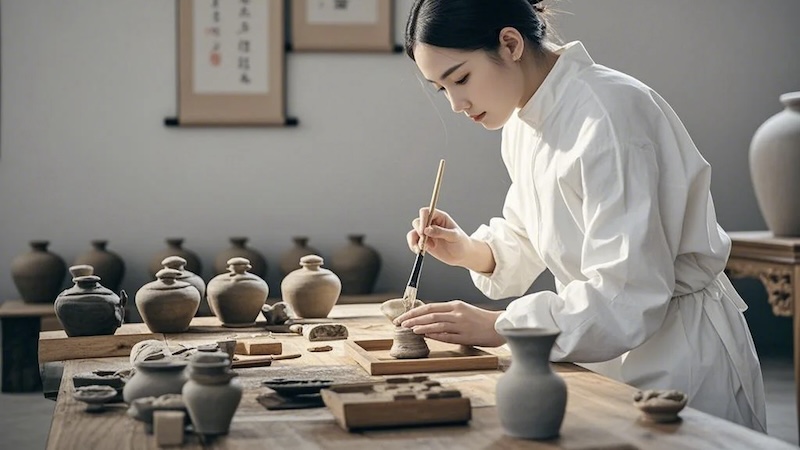
Understanding what influences porcelain prices helps collectors make informed decisions about which pieces best suit their interests and budgets. Beyond pricing considerations, exploring the diverse range of jingdezhen porcelain products reveals how these functional and decorative items enhance daily life and cultural practices. From traditional tea ceremonies to contemporary home décor, porcelain jingdezhen offers versatile options that blend artistry with practical utility.
The most sought-after jingdezhen porcelain wares fall into two primary categories: traditional tea ware designed for Chinese tea culture and decorative pieces that showcase the artistic mastery of Jingdezhen craftsmen. Each category serves distinct purposes while demonstrating the technical excellence and aesthetic sophistication that have made chinese jingdezhen renowned worldwide. American collectors and tea enthusiasts increasingly appreciate these items for their quality craftsmanship, cultural significance, and ability to elevate everyday rituals into meaningful experiences.
Traditional jingdezhen porcelain tea ware represents the pinnacle of functional ceramics, combining centuries-old craftsmanship with practical design principles refined through generations of use. These items are specifically engineered to enhance tea brewing and drinking experiences, with each piece serving a distinct purpose in Chinese tea culture. American tea enthusiasts have embraced these traditional forms, recognizing how proper tea ware elevates the sensory experience and deepens appreciation for fine teas.
Gaiwans, the lidded bowls used for brewing and drinking tea, stand among the most iconic jingdezhen chinese porcelain products. These three-piece vessels consisting of a bowl, lid, and saucer allow precise control over brewing temperature and steeping time. Quality gaiwans typically range from thirty-five to two hundred dollars, with hand-painted examples commanding premium prices. The thin walls of porcelain wares crafted in Jingdezhen provide excellent heat retention while allowing the brewer to monitor tea color and clarity. Collectors often seek gaiwans featuring traditional blue-and-white patterns or delicate famille rose designs, both signature styles of the region.
Teacups from Jingdezhen demonstrate remarkable diversity in form and decoration. Traditional handleless cups, known as pinming cups, range from one to three inches in height and showcase the translucent quality of fine chinese porcelain. These cups typically cost between fifteen and eighty dollars per piece, depending on decoration complexity and artist reputation. The thin construction allows tea drinkers to appreciate the liquid's color while the smooth glazed interior prevents flavor absorption between uses. Master craftsmen often produce limited-edition sets featuring matching patterns or thematic elements that appeal to serious collectors.
Tea pets, small unglazed clay or porcelain figurines placed on tea trays, add whimsical elements to tea ceremonies while serving practical functions. These charming accessories, priced between twenty and one hundred fifty dollars, are traditionally nourished with tea poured over them during brewing sessions. The unglazed jingdezhen porcelain gradually develops a patina that reflects the owner's tea-drinking habits and preferences. Popular forms include mythical creatures, zodiac animals, and Buddhist symbols, each carrying cultural significance that resonates with collectors interested in Chinese traditions.
Decorative jingdezhen porcelain jingdezhen pieces showcase the artistic potential of the medium, transforming functional ceramics into statement artworks that command attention in residential and commercial spaces. These items range from classic vase forms to contemporary sculptural works, demonstrating how Jingdezhen artisans honor tradition while embracing innovation. American interior designers and art collectors increasingly incorporate these pieces into diverse settings, from traditional Asian-inspired rooms to modern minimalist environments.
Vases represent the most diverse category of decorative porcelain wares, with forms ranging from slender bottle shapes to broad-shouldered temple jars. Traditional styles include meiping vases with narrow necks and graceful curves, typically standing twelve to eighteen inches tall and priced between one hundred fifty and eight hundred dollars for quality examples. Larger floor vases measuring twenty-four to thirty-six inches command prices from five hundred to several thousand dollars, particularly when featuring intricate hand-painted scenes or difficult techniques like copper-red glazing. The translucent quality of chinese jingdezhen makes these vessels appear luminous when properly lit, creating dramatic focal points in entryways and living spaces.
Contemporary artistic pieces push the boundaries of traditional jingdezhen chinese forms while maintaining technical excellence. Modern artists working in Jingdezhen create sculptural works, wall installations, and conceptual pieces that reinterpret classical motifs through contemporary perspectives. These artworks typically range from three hundred to five thousand dollars, with established artists commanding higher prices. Collectors appreciate how these pieces bridge Eastern and Western aesthetic sensibilities, making them versatile additions to diverse interior design schemes. The international recognition of Jingdezhen as a UNESCO Creative City has further elevated the status of contemporary works produced in the region.
Figurative sculptures and decorative objects expand the definition of jingdezhen porcelain beyond vessel forms. Artisans create everything from delicate flower arrangements with individually crafted petals to elaborate Buddhist deity figures standing up to twenty-four inches tall. These specialty pieces require exceptional technical skill and extended production time, resulting in prices from two hundred to three thousand dollars. American collectors value these items as conversation pieces that demonstrate the breadth of possibilities within the porcelain medium while maintaining connections to Chinese cultural traditions and artistic heritage.
Understanding where to purchase authentic Jingdezhen porcelain is essential for collectors and enthusiasts. The market has expanded significantly, offering multiple channels while presenting authentication challenges.
Navigating the marketplace requires careful source verification and platform evaluation.
Direct purchases from established artisan studios represent the most reliable method. Master craftsmen now offer international shipping and accept US payment methods including credit cards, PayPal, and Apple Pay. Buyers receive certificates of authenticity and provenance documentation. This eliminates intermediary markup while ensuring traceability.
Specialized importers and galleries provide curated selections with expert vetting. These establishments maintain physical locations in major US cities alongside online storefronts. Reputable galleries employ specialists who authenticate each item and provide historical context. Premium pricing reflects authentication services and comprehensive shipping insurance.
Online marketplaces present a complex landscape. Major platforms host sellers ranging from individual artisans to commercial distributors. Success requires scrutinizing seller ratings, reviewing customer feedback, and requesting detailed photographs. Established sellers provide extensive descriptions and high-resolution images. Quality tea ware typically costs USD 50-300, while exceptional artistic pieces range from USD 500 to several thousand dollars.
Antique dealers and auction houses offer historical Jingdezhen porcelain opportunities. American auction houses specializing in Asian art conduct regular sales featuring authenticated pieces with documented provenance. These venues provide condition reports and preview appointments.
Trade shows and cultural festivals provide immersive shopping experiences. Annual events in major metropolitan areas feature demonstrations of traditional pottery techniques. These venues facilitate informed purchasing through direct dialogue with knowledgeable sellers.
Investment considerations extend beyond purchase price to long-term value retention. Pieces by nationally recognized masters appreciate steadily over time. Documentation proving authenticity significantly enhances resale value and marketability. Proper storage in climate-controlled environments preserves aesthetic appeal and structural integrity. Insurance coverage provides financial protection against damage or loss. Collectors should maintain detailed records of purchases, authentication documents, and periodic appraisals to establish provenance and track appreciation for future sales or estate planning.
Now that you understand where to find authentic pieces and how to invest wisely in Jingdezhen porcelain, it is essential to consolidate the core insights that will guide your appreciation and acquisition of these treasured ceramics. This section distills the most important points about Jingdezhen porcelain jingdezhen craftsmanship, authenticity markers, and practical considerations for collectors in the united states.
Understanding Jingdezhen Porcelain Heritage and Value
Jingdezhen porcelain represents over 1,700 years of continuous ceramic innovation, earning its reputation as the finest chinese jingdezhen craftsmanship in the world. The city's unique kaolin clay deposits and mastery of high-temperature firing techniques produce porcelain wares with exceptional translucency, strength, and resonance. When evaluating any piece, remember that authentic jingdezhen chinese porcelain exhibits a distinctive cool-to-touch quality, produces a clear ringing tone when gently tapped, and displays intricate hand-painted details that machine production cannot replicate. The value of these pieces extends beyond monetary worth to encompass cultural significance, artistic merit, and historical continuity that connects contemporary collectors to centuries of Chinese ceramic tradition.
Authenticity Markers Every Collector Should Know
Authentic chinese porcelain from Jingdezhen displays several unmistakable characteristics that distinguish it from mass-produced imitations. First, examine the base for hand-carved or hand-painted maker's marks, noting that genuine artisan signatures often include the creator's studio name and production date. Second, observe the glaze quality closely under natural light—authentic pieces show subtle color variations and depth that result from traditional firing methods, while reproductions typically present uniform, flat finishes. Third, assess the weight and balance; genuine jingdezhen porcelain wares feel substantial yet refined, with walls thin enough to allow light transmission but thick enough to provide structural integrity. Fourth, inspect hand-painted decorations for brushstroke variations, slight imperfections, and layered detail that reveal human craftsmanship rather than mechanical printing. Finally, request documentation of provenance whenever possible, including certificates of authenticity, artisan information, and kiln records that establish the piece's legitimate Jingdezhen origins.
Practical Considerations for US-Based Collectors
American collectors face specific logistical and financial considerations when acquiring porcelain jingdezhen pieces. Budget between 150 USD and 500 USD for quality tea ware sets, 300 USD to 2,000 USD for decorative vases, and 1,000 USD to 10,000 USD for museum-quality artistic pieces by recognized masters. Factor in shipping costs of 30 USD to 150 USD depending on size and insurance requirements, and expect customs duties of approximately 6 percent on porcelain imports exceeding 200 USD in value. Use secure payment methods like PayPal or credit cards with buyer protection when purchasing from international sellers. Store your collection in climate-controlled environments away from direct sunlight, maintaining temperatures between 65°F and 75°F with relative humidity below 50 percent to prevent crazing or glaze deterioration. Purchase specialized display cabinets with padded shelving and earthquake-resistant mounting systems, particularly important for collectors in seismically active regions of the United States.
Investment Strategy and Collection Building
Building a meaningful jingdezhen porcelain jingdezhen collection requires patience, education, and strategic focus. Start by selecting a specific category—traditional tea ware, contemporary artistic pieces, or historical reproductions—rather than acquiring diverse unrelated items. Research current market trends by following auction results from Sotheby's and Christie's Asian art departments, monitoring prices for comparable pieces sold within the past 12 months. Establish relationships with reputable dealers who specialize in chinese jingdezhen ceramics and can provide expert guidance on emerging artists and undervalued periods. Allocate your budget across three tiers: 40 percent for established master works that provide collection stability, 40 percent for mid-tier pieces from recognized studios that offer appreciation potential, and 20 percent for emerging artists whose work represents calculated risk with higher return possibilities. Document every acquisition with detailed photographs, purchase receipts, condition reports, and provenance records stored both physically and digitally. Consider joining collector societies and attending specialized porcelain exhibitions to deepen your knowledge and network with fellow enthusiasts who can share market insights and authentication expertise.
Care, Maintenance, and Long-Term Preservation
Proper care ensures your porcelain wares maintain their beauty and value for generations. Clean pieces monthly using lukewarm distilled water and soft microfiber cloths, avoiding abrasive materials or harsh detergents that can damage delicate glazes and painted surfaces. Hand-wash tea ware immediately after use to prevent tea staining, never placing authentic jingdezhen porcelain in dishwashers where temperature fluctuations and harsh detergents cause irreversible damage. Rotate displayed pieces quarterly to ensure even light exposure and prevent fading of pigments on one side. Apply museum-grade wax to unglazed bases annually to protect against moisture absorption and fingerprint oils. Conduct annual condition assessments photographing each piece from multiple angles and noting any new chips, cracks, or glaze changes that may require professional conservation. Maintain comprehensive insurance coverage with specialized fine arts policies that provide agreed-value protection based on current market appraisals rather than replacement cost calculations. Store photographs and documentation securely off-site or in cloud storage to facilitate insurance claims and authentication verification should the need arise.
After exploring trusted sources and key investment insights, many collectors naturally have questions about acquiring and caring for these treasured pieces. This section addresses the most common inquiries about Jingdezhen porcelain to help both new enthusiasts and seasoned collectors make informed decisions.
Jingdezhen porcelain stands apart due to its unique kaolin clay composition sourced from nearby mountains, which creates exceptionally white and translucent porcelain wares. The city's thousand-year mastery of high-temperature firing techniques produces pieces with superior durability and the characteristic "thin as paper, white as jade" quality. Chinese Jingdezhen artisans have refined specialized glazing methods passed through generations, resulting in distinctive finishes like qinghua blue-and-white and celadon that remain unmatched. The controlled firing environment in Jingdezhen kilns, combined with local mineral-rich water, contributes to the exceptional clarity and resonance when pieces are gently tapped. Modern Jingdezhen chinese workshops continue using traditional methods alongside contemporary innovations, maintaining quality standards that distinguish authentic pieces from mass-produced alternatives.
Whether you are a collector seeking museum-quality pieces or a newcomer curious about the artistry behind Chinese ceramics, understanding Jingdezhen porcelain opens a window into centuries of innovation and craftsmanship. The journey through this ancient craft reveals why porcelain Jingdezhen continues to captivate enthusiasts and set standards for excellence worldwide.
Jingdezhen porcelain Jingdezhen represents more than decorative objects; these works embody technical mastery refined over a millennium. From the earliest celadon wares of the Song Dynasty to contemporary sculptural innovations, the evolution of Chinese Jingdezhen ceramics demonstrates remarkable continuity alongside creative adaptation. The kaolin-rich clay deposits surrounding the city provided the physical foundation, while generations of master artisans developed techniques that transformed raw materials into translucent, durable porcelain wares admired across continents.
Today's collectors benefit from understanding the distinctive characteristics that separate authentic Jingdezhen pieces from imitations. The translucency achieved through proper firing temperatures, the resonant ring when gently tapped, the meticulous application of underglaze blue decoration, and the quality of glaze texture all serve as markers of genuine craftsmanship. Whether examining antique famille rose vases or modern studio ceramics, these fundamental qualities remain consistent indicators of Jingdezhen excellence.
The market for Jingdezhen porcelain in the United States continues to grow as appreciation deepens for both historical pieces and contemporary works. Auction houses regularly feature rare imperial wares that command premium prices, while emerging artists working in traditional kilns create accessible entry points for new collectors. This diversity ensures that Chinese porcelain remains relevant across different collecting budgets and aesthetic preferences.
For those beginning their collecting journey, starting with educational resources and reputable dealers provides essential protection against the proliferation of reproductions. Attending ceramics exhibitions, joining collector associations, and consulting with appraisers builds the knowledge base necessary for confident purchasing decisions. The investment in education pays dividends through smarter acquisitions and deeper appreciation of the technical achievements these works represent.
Preservation responsibilities accompany ownership of fine porcelain wares. Proper display away from direct sunlight, careful cleaning with appropriate materials, and maintaining stable temperature and humidity conditions protect these fragile treasures for future generations. Insurance coverage and professional appraisals safeguard financial investments while documentation preserves provenance information that enhances both historical understanding and resale value.
The enduring legacy of Jingdezhen extends beyond individual objects to influence global ceramic traditions. Techniques pioneered in Chinese Jingdezhen workshops spread through trade routes to inspire European porcelain manufactories and continue to inform contemporary ceramic education worldwide. This cultural exchange enriches our understanding of how artistic innovation transcends geographical boundaries and temporal limitations.
As you explore the world of Jingdezhen porcelain, remember that each piece carries stories of the artisans who shaped it, the patrons who commissioned it, and the cultural context that gave it meaning. Whether displayed in your home or studied in museum collections, these ceramic masterworks connect us to artistic traditions that continue to evolve while honoring their historical roots. The beauty and technical sophistication of porcelain Jingdezhen invite ongoing discovery and appreciation that deepens with each encounter.
 English