International trade drives global economic growth, but the complexity of moving goods across borders intimidates many businesses. Cross border logistics services bridge this gap, providing specialized expertise and infrastructure that simplify international shipping, customs clearance, and delivery coordination. Whether you’re an e-commerce seller expanding internationally, a manufacturer sourcing components globally, or a retailer importing products, finding reliable cross border logistics companies determines whether international operations succeed smoothly or struggle with delays, costs, and frustrations.
The international logistics landscape encompasses diverse service providers—from massive global integrators to specialized regional carriers, from traditional freight forwarders to tech-enabled digital platforms. This variety creates options but also confusion, as different providers offer varying capabilities, service models, pricing structures, and geographic coverage. Understanding where to find border logistics solutions and how to evaluate options enables businesses to select partners that align with their specific needs, volumes, and strategic priorities.
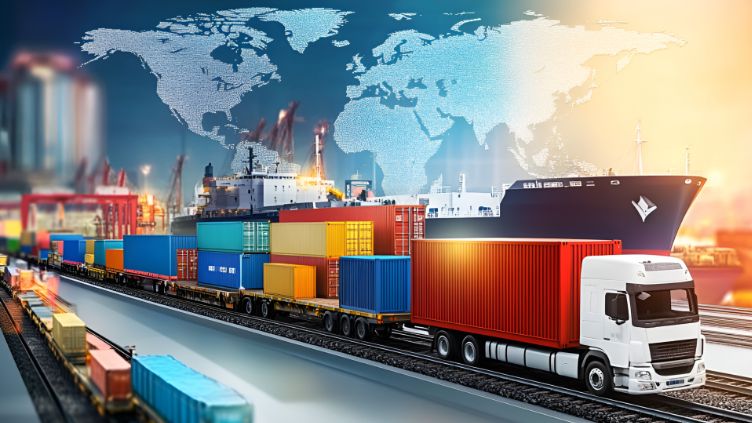
Cross border logistics encompasses the specialized activities required to move goods internationally, including international transportation, customs documentation and clearance, trade compliance, delivery coordination, and often additional services like warehousing, order fulfillment, or returns management. These services coordinate complex international movements involving multiple transportation modes, regulatory regimes, and service providers.
The international logistics industry includes various provider types, each with distinct characteristics, strengths, and ideal applications. Understanding provider categories helps businesses identify which types best suit their requirements.
Global logistics integrators like DHL, FedEx, UPS, and DB Schenker offer comprehensive international logistics through owned networks spanning most countries. These giants provide end-to-end service from pickup through customs clearance to final delivery, leveraging global infrastructure, technology platforms, and established processes. Integrators excel at small-package shipping, time-definite delivery, and standardized services. They suit e-commerce sellers, small shippers, or anyone valuing convenience and reliability over absolute minimum costs.
Freight forwarders act as intermediaries orchestrating international shipments by contracting with carriers rather than operating transport equipment directly. Forwarders book cargo space, arrange pickup and delivery, prepare documentation, coordinate customs clearance, and manage end-to-end logistics. They provide flexibility, competitive rates through carrier negotiations, and often specialized expertise in specific trade lanes or product categories. Cross border freight forwarding suits businesses with moderate to large shipment volumes seeking optimized costs and personalized service.
Customs brokers specialize in customs clearance processes, preparing documentation, classifying goods, calculating duties, coordinating with customs authorities, and ensuring regulatory compliance. While customs brokers may not handle physical transportation, their expertise ensures smooth customs clearance that prevents delays or penalties. Many freight forwarders and logistics providers include customs brokerage, but standalone customs brokers serve businesses needing clearance expertise without comprehensive logistics services.
Non-vessel operating common carriers (NVOCCs) consolidate shipments from multiple shippers into full container loads, providing ocean freight services without owning vessels. NVOCCs buy space from shipping lines at bulk rates, then resell to smaller shippers, offering better rates than shippers could negotiate directly. They suit small to medium shippers seeking economical ocean freight without requiring full container loads.
Regional carriers focus on specific geographic regions or trade lanes, offering specialized expertise and often superior service in their focus areas. Regional specialists might excel at China-US shipments, intra-European logistics, or Latin American distribution. While lacking global integrators’ worldwide coverage, regional carriers often provide better service, pricing, or expertise in their specialties.
Digital logistics platforms leverage technology to connect shippers with carriers, provide instant quotes, enable online booking, and offer shipment tracking through modern user interfaces. Platform-based cross border logistics solutions suit tech-savvy businesses valuing transparency, digital convenience, and often competitive pricing. However, platforms vary greatly in capabilities, carrier networks, and service quality.
Third-party logistics (3PL) providers offer comprehensive outsourced logistics including warehousing, order fulfillment, and international shipping. 3PLs manage broader supply chain functions beyond just cross-border transportation, often handling inventory storage, order processing, fulfillment, and returns alongside international shipping. They suit e-commerce businesses, retailers, or manufacturers seeking integrated supply chain management rather than just transportation services.
Cross border logistics companies provide varying service scopes from basic transportation to comprehensive supply chain management. Understanding capability ranges helps match providers with requirements.
Transportation services form the core offering, moving goods internationally via ocean, air, truck, or rail. Ocean freight provides most economical international shipping for containerized cargo, taking weeks but handling large volumes at low per-unit costs. Air freight delivers rapidly—typically days—at premium costs, suiting urgent shipments, perishables, or high-value goods where speed justifies expense. Truck and rail provide regional cross-border transport within continents. Multimodal services combine transportation modes optimally.
Customs clearance and compliance services navigate complex import/export regulations through documentation preparation, tariff classification, duty calculation, regulatory filings, and customs authority coordination. Professional customs clearance prevents shipment holds, penalties, or rejected cargo. Trade compliance expertise ensures adherence to export controls, sanctions screening, certificates of origin, and product-specific regulations.
Warehousing and distribution services position inventory internationally, often in bonded warehouses that defer duties until goods enter commerce. International warehousing enables stock proximity to customers without full import commitment, supporting testing markets or managing high-duty products. Distribution services deliver from warehouses to end customers.
Value-added services extend beyond basic transportation to include packaging, labeling, kitting, assembly, quality inspection, or product customization. Value-added services enable postponement strategies—delaying final product configuration until customer requirements are known—and can consolidate operations across supply chain partners.
Technology and visibility platforms provide shipment tracking, document management, automated notifications, and supply chain analytics. Modern border logistics solutions offer online quoting, digital booking, real-time tracking, and visibility dashboards. Technology capabilities increasingly differentiate providers as customers demand transparency and self-service capabilities.
Insurance and risk management services protect shipments against loss or damage through cargo insurance, liability coverage, and risk assessment. International shipping involves risks from handling, transit, or force majeure events. Proper insurance and risk management prevent financial losses from inevitable occasional problems.
Identifying potential cross border freight forwarding and logistics partners requires systematic research across multiple channels. Various resources provide access to logistics service providers, each with advantages and considerations.
Digital resources increasingly enable logistics provider discovery, comparison, and engagement through searchable databases, review platforms, and booking systems.
Freight forwarder and logistics directories like Freightos, WebCargo, and Flexport’s network allow searching providers by service type, trade lane, and capabilities. These platforms aggregate provider information, enable comparison, and sometimes facilitate booking. Directories provide broad access but require verification since quality varies across listed providers. Use directories for initial research and long-list development rather than assuming listings guarantee competence.
Digital freight platforms including Flexport, Freightos, and Shippo enable instant quoting, online booking, and shipment tracking through modern interfaces. These platforms suit businesses valuing digital convenience, transparent pricing, and self-service capabilities. However, platforms are only as good as their carrier networks and service teams. Evaluate platforms’ actual coverage, carrier relationships, and support capabilities beyond just user interfaces.
Google searches for specific service needs—“freight forwarder China to USA,” “customs broker Los Angeles,” “international shipping Europe”—reveal providers serving those routes or locations. While simple, Google searches often surface relevant local or specialized providers that national directories might miss. Combine search results with verification and evaluation rather than selecting providers solely on search rankings.
LinkedIn searches identify logistics professionals and companies through network connections, industry groups, and company pages. LinkedIn provides insights into company scale, personnel, client testimonials, and professional networks. Logistics industry groups on LinkedIn facilitate questions and referrals from peers with direct experience.
Industry-specific platforms cater to particular industries like fashion, electronics, or automotive with specialized providers understanding industry requirements. If your products have unique logistics needs—temperature control, hazardous materials, oversized cargo—industry-specific searches find providers with relevant experience rather than general logistics companies learning on your products.
Face-to-face networking at logistics industry events provides opportunities to meet providers, assess organizational cultures, and build relationships that online research cannot replicate.
Transportation and logistics trade shows like Transport Logistic, MODEX, or regional logistics conferences gather providers exhibiting capabilities and seeking clients. Trade shows enable evaluating multiple providers efficiently, attending educational sessions, and networking with industry peers. Major shows attract hundreds of exhibitors spanning all logistics service categories.
Import/export and customs compliance conferences focus specifically on cross-border trade, attracting customs brokers, freight forwarders, and trade compliance specialists. These events suit businesses primarily concerned with customs complexity rather than just transportation. Educational programs at compliance conferences provide valuable trade knowledge alongside provider networking.
Industry association events like IANA (Intermodal Association of North America), NASSTRAC (National Shippers Strategic Transportation Council), or IWLA (International Warehouse Logistics Association) meetings gather logistics professionals and providers. Association membership itself provides directories, networking, and education. Active participation positions you to identify quality providers through peer interactions.
Trusted referrals from business associates, customers, or industry contacts often provide the most reliable paths to quality cross border logistics solutions.
Peer referrals from colleagues in similar businesses or industries provide vetted recommendations from those with direct experience. Logistics services are relationship businesses where recommendations carry significant weight. Ask peers about provider reliability, pricing competitiveness, problem-solving capabilities, and whether they’d use them again. Multiple consistent recommendations significantly de-risk provider selection.
Supplier or customer recommendations leverage existing supply chain relationships. Manufacturers, suppliers, or customers likely work with international logistics providers and can recommend partners they trust. This approach also potentially simplifies coordination when multiple parties use common logistics providers.
Industry association recommendations from trade groups or chambers of commerce often maintain vetted provider lists or can connect members with providers. Industry associations want members to succeed, making their recommendations generally reliable, though always verify independently.
Consultant referrals from supply chain or business consultants who work with many companies and logistics providers can recommend matches based on your specific needs. Consultants understand provider capabilities and can connect you with appropriate specialists rather than just largest or most advertised options.
Once potential providers are identified, systematic evaluation determines which actually possess required capabilities, service quality, and cultural fit to become trusted partners.
Experience and track record in relevant trade lanes, product categories, and service types indicate whether providers genuinely understand your needs. Providers with extensive China-US experience bring different capabilities than those primarily serving Europe. Providers experienced in your product category understand specific requirements and challenges. Request case studies, client references, and volume data demonstrating relevant experience.
Service coverage and network breadth determine whether providers can actually service your requirements. Verify coverage in origin countries, destination markets, and transportation modes you need. Ask about owned versus partnered capabilities—some providers claim global coverage but actually coordinate through multiple partners, potentially complicating service and accountability. Understand coverage depth versus breadth—sometimes regional specialists serving your routes provide better service than global providers treating your lanes as minor operations.
Technology and visibility capabilities are increasingly essential. Evaluate provider platforms for booking, tracking, document management, reporting, and integration with your systems. Request demonstrations and trial access rather than accepting marketing materials at face value. Modern border logistics solutions should provide real-time tracking, proactive notifications, and self-service information access.
Financial stability and business continuity matter for logistics partnerships since provider failures disrupt your supply chain. Review financial stability indicators, business tenure, customer retention rates, and growth patterns. Financially troubled providers may cut service quality, compromise insurance, or fail entirely. While financial analysis seems paranoid, logistics provider failures do occur with serious consequences for dependent customers.
Customer service quality and responsiveness separate merely adequate providers from exceptional partners. Assess communication responsiveness during sales process—if they’re slow or difficult to reach when seeking your business, expect worse during routine operations. Evaluate whether you’ll have dedicated contacts or share generic customer service. Understand escalation procedures for urgent issues.
Pricing transparency and competitiveness require evaluating not just quoted rates but also fee structures, surcharge policies, and total delivered costs. Request detailed quotations breaking down all charges. Understand accessorial fees, fuel surcharges, documentation fees, and other potential add-ons. Lowest headline rates sometimes hide fees making total costs higher than transparent competitors. Conversely, value often justifies premium pricing when service quality exceeds cheaper alternatives.
Different logistics needs suit different provider types and service models. Understanding solution options by service category helps identify optimal approaches for specific situations.
E-commerce sellers shipping internationally face unique requirements including small parcel handling, multiple destinations, returns management, and direct-to-consumer delivery.
International postal services including USPS, Canada Post, Royal Mail, and others provide economical small parcel delivery through universal postal networks. Postal services suit low-value items where delivery speed is secondary to cost minimization. However, postal services typically lack robust tracking, offer minimal customer service, and lose or damage packages more frequently than private carriers.
Express carriers (DHL, FedEx, UPS) excel at small parcel e-commerce shipping through global networks, comprehensive tracking, reliable delivery, and returns services. Express carriers cost significantly more than postal services but provide service quality that enhances customer experience. Many e-commerce platforms integrate directly with express carriers enabling automated label generation and tracking updates.
E-commerce logistics providers like Easyship, ShipBob, or regional specialists focus specifically on e-commerce international shipping. These platforms often aggregate carrier options, provide discounted rates through volume, and offer features specifically for e-commerce—multiple carrier comparison, automated customs documentation, returns management, and branded tracking pages. E-commerce-focused providers understand seller needs better than generalist logistics companies.
Fulfillment service providers (3PLs) handle complete fulfillment including inventory storage, order processing, packaging, shipping, and returns for e-commerce sellers. International 3PLs maintain warehouses in multiple countries, enabling positioning inventory close to customers without sellers managing international facilities. Fulfillment services suit higher-volume sellers seeking to outsource complete fulfillment operations.
Businesses shipping full or partial containers need different capabilities than small parcel shippers—ocean freight expertise, customs brokerage, and supply chain coordination.
Ocean freight forwarders specialize in container shipping, booking space with steamship lines, coordinating port operations, and managing documentation. Ocean freight forwarders provide better rates and service than shippers can typically negotiate directly with carriers. They also handle complications like container detention, demurrage, and port congestion. Select forwarders with strong relationships on your specific trade lanes.
NVOCCs (Non-Vessel Operating Common Carriers) consolidate less-than-container (LCL) shipments from multiple shippers into full containers, providing economical ocean freight for smaller volumes. LCL through NVOCCs costs far less than shipping partial containers directly. NVOCCs suit shippers needing regular ocean freight but insufficient volume for full containers.
Customs brokers ensure smooth clearance of imported containers through accurate documentation, proper classification, duty calculation, and customs coordination. While many freight forwarders include customs brokerage, complex products or high-duty items may warrant specialists. Establish broker relationships before shipments arrive to prevent port delays from clearance problems.
Drayage providers handle container movement between ports and final destinations through specialized trucking services. Container drayage differs from standard trucking through chassis requirements, port procedures, and equipment handling. Reliable drayage partners prevent port delays and container demurrage fees.
Air freight provides rapid international delivery for urgent shipments, perishable goods, or high-value items where speed justifies premium costs.
Air cargo carriers and integrators including major airlines and express carriers (DHL, FedEx, UPS) operate global air freight networks. Direct carrier booking sometimes works for very large shippers, but most businesses benefit from freight forwarder relationships that secure better rates and service through volume aggregation.
Air freight forwarders specialize in air cargo, consolidating shipments, negotiating carrier rates, and coordinating airport procedures. Air freight forwarders provide expertise in dangerous goods, perishable cargo, oversized shipments, and time-critical deliveries. They navigate airport complexities, customs coordination, and last-mile delivery.
Time-definite and charter services guarantee delivery by specific dates or provide dedicated aircraft for especially urgent or large shipments. Next-flight-out services rush critical shipments onto earliest available flights. Charter services dedicate entire aircraft, suiting disaster response, major projects, or situations where scheduled cargo service is inadequate. These premium services cost substantially more but deliver when circumstances demand.
Regional cross-border logistics within continents (North America, Europe, Asia) often involves truck or rail transport rather than ocean or air freight.
Cross-border trucking companies specialize in truck transport between countries, understanding border crossing procedures, documentation requirements, and customs protocols. Mexico-US trucking, Canada-US trucking, or intra-European trucking each requires specific expertise and often CTPAT, C-TPAT, or AEO certifications. Select carriers with established border crossing procedures and modern equipment.
Rail freight services provide economical long-distance transport within continents, particularly for bulk commodities or heavy goods. Intermodal rail-truck combinations balance economics and flexibility. Rail suits shipments where ocean transit is impossible but trucking is uneconomical.
Border warehousing and crossdocking facilities near border crossings enable inspection, consolidation, or compliance activities before crossing. Border warehousing is common for US-Mexico trade, allowing inspection or regulatory compliance in Mexico before entering the US. Crossdock operations consolidate shipments or break bulk efficiently near borders.

Technology increasingly enables and enhances cross border logistics services through visibility, automation, and analytics that were impossible with manual processes. Modern border logistics solutions leverage digital capabilities extensively.
Digital platforms coordinate international logistics through integrated tools replacing fragmented manual processes.
Transportation management systems (TMS) optimize carrier selection, route planning, shipment tracking, freight bill auditing, and performance analytics for cross-border movements. Cloud-based TMS platforms suit smaller shippers previously unable to justify enterprise TMS investments. TMS integration with cross border logistics companies enables automated tendering, tracking updates, and seamless information flow.
Visibility and tracking platforms aggregate tracking data from multiple carriers, provide unified tracking interfaces, and generate proactive alerts for exceptions. Global shipments often involve multiple carriers—ocean line, drayage, customs broker, delivery carrier—making end-to-end visibility challenging without aggregating platforms. Visibility platforms enable monitoring complete international journeys through single interfaces.
Document management and compliance systems handle international shipping documentation electronically through automated document generation, electronic signatures, and digital document exchange. International shipping requires numerous documents—commercial invoices, packing lists, bills of lading, certificates of origin, import permits. Document management platforms generate required documents automatically from shipment data, reducing errors and accelerating processing.
Customs clearance platforms automate customs documentation, classification, compliance screening, and filing. Modern customs technology applies machine learning to tariff classification, automatically screens parties against denied lists, calculates duties accurately, and submits filings electronically. Customs automation reduces clearance time and errors while improving audit defense.
Digital booking platforms enable instant quotes, online booking, and self-service shipping management through modern user interfaces.
Freight marketplaces including Freightos, Flexport, and CargoWise connect shippers with cross border logistics services through online platforms. These marketplaces provide instant quotes from multiple providers, enable online booking, and offer tracking visibility. Marketplaces democratize access to international logistics previously requiring personal relationships or large volumes.
All-in-one shipping platforms like ShipStation, Easyship, or Pitney Bowes enable e-commerce sellers to compare carriers, print labels, and track shipments through unified interfaces supporting multiple carriers internationally. These platforms integrate with e-commerce platforms (Shopify, Amazon, etc.), providing seamless order-to-shipment workflows.
Carrier direct booking platforms from major carriers enable booking international shipments directly through carrier websites or APIs. Direct booking works for shippers with strong carrier relationships and sufficient knowledge to handle documentation and compliance independently. However, most shippers benefit from freight forwarder or platform intermediation.
Data analytics and optimization tools help businesses improve cross-border logistics performance through insight-driven decision-making.
Spend analytics platforms aggregate shipping data, analyze spending patterns, identify savings opportunities, and benchmark performance. Logistics spend often represents significant costs with optimization potential through carrier consolidation, routing improvements, or negotiation. Analytics reveal these opportunities through data that operational managers may not see holistically.
Route and mode optimization tools evaluate alternative transportation routes and mode combinations, calculating delivered costs, transit times, and environmental impacts. Optimization helps determine whether ocean or air freight makes more sense, which ocean services provide best value, or whether direct or hub routing is optimal.
Network modeling and simulation evaluates supply chain network configurations, testing scenarios like adding warehouses, changing suppliers, or modifying distribution strategies. Network optimization provides insights that intuition or simple analysis may miss, particularly for complex multi-country supply chains.
Finding quality cross border logistics services represents critical capabilities for businesses engaging in international trade. The right logistics partners transform international shipping from overwhelming complexity into manageable processes that support business growth, customer satisfaction, and competitive advantage.
Successful provider identification requires understanding the diverse logistics landscape—global integrators, freight forwarders, customs brokers, NVOCCs, and digital platforms each offer distinct capabilities suiting different needs. No single provider type is universally superior; optimal choices depend on shipment characteristics, volume levels, geographic patterns, service priorities, and organizational capabilities.
Systematic provider evaluation across experience, coverage, technology, financial stability, service quality, and pricing ensures selections are based on comprehensive assessment rather than just marketing claims or lowest prices. Investing time in thorough evaluation prevents far more expensive problems from poor provider selection. References from current customers provide invaluable insights that sales materials never reveal.
Digital technology increasingly enables cross border logistics through platforms providing quoting, booking, tracking, documentation, and optimization capabilities. Modern border logistics solutions leverage technology extensively—businesses should expect and demand robust digital capabilities alongside physical logistics execution.
Building strong partnerships with selected providers through clear communication, realistic expectations, regular performance reviews, and mutual respect generates superior outcomes than treating logistics as purely transactional commodity purchasing. The best cross border logistics companies invest in understanding client businesses, proactively suggest improvements, and treat client success as their success.
International trade and cross-border logistics will only grow in importance as global commerce expands and customers expect seamless worldwide service. Businesses that develop strong logistics capabilities and partnerships position themselves to capitalize on global opportunities while competitors struggle with logistics as barriers to international growth.
For businesses seeking comprehensive cross border logistics solutions combining international transportation, customs clearance, quality control, and supply chain optimization, professional logistics services providers offer integrated capabilities that simplify international operations. Learn what you need to know about shipping from China, understand how to understand and save international freight costs, and explore why sea freight is cheaper than air freight for cost optimization. These providers leverage established carrier networks, customs expertise, technology platforms, and operational experience to deliver reliable, cost-effective international logistics. Discover the difference between FCL and LCL container shipping and learn about things you need to know about LCL shipment. Explore how expert cross border freight forwarding combined with strategic product sourcing from China creates end-to-end supply chain solutions that enable seamless global commerce.
 English