



Every takeout order ends with a decision most customers never see: what happens to the package after the meal is gone. In restaurants, cafes, ghost kitchens, and office cafeterias across the United States, that decision is increasingly centered on food containers that can reduce landfill pressure without sacrificing food safety, heat retention, or convenience. The shift is not a passing trend. It reflects changing customer expectations, local waste policies, and operational pressure to choose packaging that performs well from kitchen pass to curbside pickup.
That is why this guide focuses on compostable takeout containers and the broader move toward compostable takeout systems. The central thesis is straightforward: biodegradable and compostable packaging can be practical, brand-aligned, and cost-manageable when businesses match materials to menu, disposal reality, and regulatory requirements. Choosing better packaging is not only about replacing one box with another. It is about rethinking how takeout containers are selected, used, and recovered after use.
For many operators, traditional plastic and foam food containers once looked like the easiest answer because they were cheap, familiar, and widely available. Today, that calculation is changing. Municipal rules in parts of the US have tightened around single-use materials, customers increasingly notice whether containers leak or feel wasteful, and online reviews often mention packaging quality alongside food quality. In that context, containers compostable by design are becoming a strategic decision, not a niche preference.
At the same time, the term compostable can be misunderstood. A package may be marketed as sustainable yet only break down in industrial composting systems, not in a backyard pile. Some products resemble paper but include coatings that affect end-of-life handling. Others are technically compostable food containers, but only under specific moisture, temperature, and processing conditions. This guide begins from that practical reality. The objective is clarity, not hype.
When discussing compostable take programs, it helps to frame the issue around three business-critical questions:
Does the container protect food quality as reliably as conventional options?
Can staff and customers identify proper disposal with minimal confusion?
Does the packaging choice fit budget, local waste infrastructure, and compliance expectations?
If the answer to all three is yes, compostable takeout containers can strengthen both operations and customer trust. If one answer is no, even an eco friendly package can fail in real-world service.
In US markets, the packaging decision also intersects with practical consumer behavior. Guests paying with Credit Cards, PayPal, or Apple Pay in fast digital checkout flows expect convenience from the entire order journey, including packaging that opens easily, travels cleanly, and does not collapse under steam or sauce. A strong compostable strategy therefore cannot be built on environmental language alone. It must meet the same performance standard customers expect from any premium takeout experience.
Another reason this topic matters now is cost visibility. Operators often compare per-unit package costs and stop there, but effective packaging economics include more than the line item price. Damaged orders, spills, customer complaints, remake rates, and negative ratings can erase savings from cheaper takeout containers. Conversely, better-fit compostable takeout choices may reduce those hidden costs while supporting brand positioning. In other words, packaging value should be evaluated across the full service cycle, not only at purchase.
This introduction also sets boundaries for what compostable packaging can and cannot do. Compostable materials are not a magic fix for all waste challenges. They are one part of a broader system that includes menu engineering, portion control, clear labeling, staff training, and local collection options. Without those elements, even high-quality food containers may still end up in landfill streams. With them, compostable takeout containers can become a credible component of waste-reduction goals.
Because this article is US-focused, it will address the realities American food businesses face: variable municipal compost access, state and city packaging rules, customer expectations around convenience, and food-contact safety considerations. Any discussion of food-contact materials must stay aligned with applicable FDA regulations and labeling standards. Environmental claims should be accurate, specific, and supportable. Overstated promises can create legal and reputational risk, even for well-intentioned operators adopting eco friendly alternatives.
To keep the conversation practical, we will approach biodegradable packaging through operational use cases rather than marketing slogans. For example, hot entrees with condensation, fried items that need venting, and cold meals with dressings all place different demands on food containers. A single material rarely solves every menu need. Many successful programs combine several compostable food containers formats and then simplify front-of-house communication so customers know where each item belongs after use.
The same practical lens applies to consumer education. Customers generally respond well to sustainability initiatives, but disposal behavior improves when instructions are simple and visible. Clear on-pack icons, concise receipts, and pickup counter signage can make compostable take efforts more effective than long policy statements. If a guest is deciding in two seconds between trash, recycling, or compost, the message must be unmistakable.
It is also important to distinguish between intent and impact. Switching to containers compostable in theory does not guarantee composting in practice. Impact depends on local hauler capabilities, contamination rates, and whether food-soiled fiber is accepted in regional compost streams. Businesses that evaluate these conditions before procurement are more likely to achieve meaningful results and avoid expensive packaging mismatches.
As we move through this guide, we will examine how to select compostable takeout containers by menu type, temperature tolerance, leak resistance, stackability, and disposal pathway. We will also explore tradeoffs between different material families and discuss how to roll out compostable takeout changes without disrupting service speed. The goal is to provide decision-ready insight for operators who need packaging that is functional, compliant, and credible.
At its core, the transition to better takeout containers is about alignment. Packaging should align with food quality, customer expectations, waste systems, and brand values at the same time. When that alignment is achieved, compostable packaging stops being a talking point and becomes part of daily execution. In a market where customers increasingly notice both what they eat and what it comes in, that execution can be a durable competitive advantage.
This introduction therefore establishes the foundation for the rest of the article: compostable takeout is not merely a material choice. It is an operational framework. Done thoughtfully, compostable takeout containers and other food containers designed for composting can support cleaner waste outcomes, stronger customer perception, and more resilient takeout operations across the US.
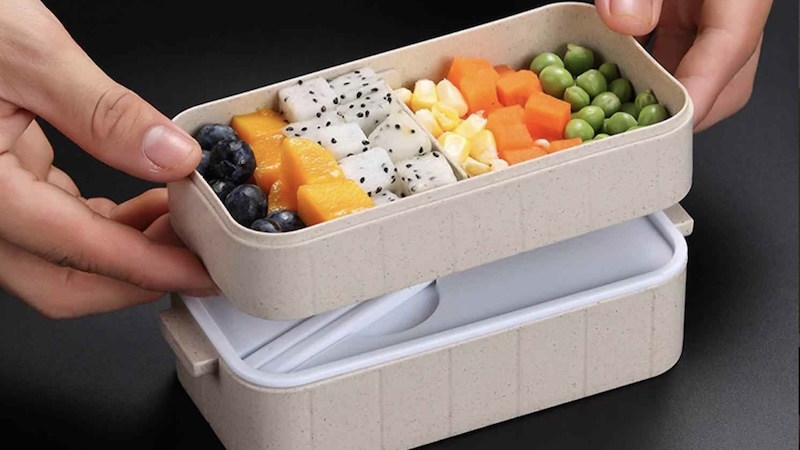
As discussed in the introduction, sustainability claims on packaging can sound reassuring while still being vague in practice. To choose better food containers for your business or household, you need to separate marketing language from standards that define how takeout containers actually break down.
In everyday conversation, “biodegradable” sounds like a clear win. In legal and technical terms, it is broader and less specific than many people expect. Biodegradable simply means a material can be broken down by microorganisms over time. The critical gap is that the term alone does not guarantee a timeline, a specific disposal environment, or a clean end result.
For takeout containers, that matters a lot. Some food containers labeled biodegradable may fragment slowly in landfill conditions, where oxygen is limited and decomposition behaves very differently than in compost systems. Others may require heat, moisture, and microbial activity that standard trash disposal does not provide. In practical terms, biodegradable claims can still leave customers confused about where to put used containers.
In the US, this is also a compliance and communication issue. If you market compostable take options, your wording should be precise enough to avoid misleading environmental claims. Clear labels help consumers sort correctly and reduce contamination in organics streams. When businesses switch to compostable takeout containers, they should explain whether those takeout containers are intended for commercial composting facilities or home compost piles.
A useful rule is to treat “biodegradable” as a starting descriptor, not a disposal instruction. If your goal is reliable diversion from landfill, compostable takeout claims backed by recognized standards are more actionable than biodegradable wording alone. That is especially true for food containers exposed to grease, sauces, and mixed food residue.
When evaluating compostable takeout containers in the US, certifications provide the practical clarity that generic green language does not. A verified standard indicates that food containers can disintegrate and biodegrade under defined composting conditions, rather than merely being theoretically biodegradable someday.
Look for certification marks tied to accepted compostability criteria used in North America. For many compostable take products, this means testing that addresses disintegration, biodegradation, and limits on harmful residues in finished compost. For operators buying takeout containers at scale, these marks simplify procurement decisions and reduce the risk of purchasing containers compostable in name only.
Three checkpoints help keep claims credible:
Confirm the product is explicitly identified as compostable takeout containers, not just biodegradable food containers.
Check whether certification applies to the full item, including lids, linings, inks, and adhesives, since mixed components are common in takeout containers.
Match disposal instructions on the label to your local infrastructure, because certified compostable take items still need the right collection stream.
For customer-facing messaging, keep language plain: “commercially compostable where accepted” is clearer than broad eco friendly slogans. If you include disposal prompts on menus or receipts, consistency across in-store signs and online ordering helps reduce sorting errors.
Finally, avoid overpromising. Compostable certifications support environmental claims, but they do not mean an item will break down in a curbside recycling bin, in roadside litter conditions, or in every backyard setup. Precise communication protects trust and aligns with responsible marketing practices in the US.
A major source of confusion with compostable takeout is the difference between commercial and home composting environments. Both involve organic decomposition, but they operate at different temperatures, moisture levels, and process controls. Many compostable takeout containers are designed for commercial systems that run hotter and more consistently than backyard piles.
Commercial compost facilities can process large volumes of food containers and food scraps with active monitoring. This is why many takeout containers marketed as compostable take are labeled for commercial composting only. In contrast, home compost piles vary widely by climate, turning frequency, and material mix. A container that breaks down in an industrial setting may persist much longer at home.
For US consumers, local acceptance is the deciding factor. Some municipalities collect compostable takeout containers through organics programs, while others accept food waste only. If your city does not accept these materials, even well-certified compostable food containers may still end up in landfill. Businesses should confirm local rules before investing heavily in new takeout containers and before printing disposal instructions on packaging.
From an operations standpoint, this distinction affects product selection, training, and cost control. A compostable take strategy works best when packaging, bin signage, and hauling service are aligned. If you are comparing options, account for unit price in USD, contamination risk, and whether customers can realistically access the right end-of-life path.
In short, compostable takeout containers can be a strong step forward, but only when the disposal environment matches the material design. Choosing containers compostable under the conditions your customers actually have is what turns eco friendly intent into measurable waste reduction.

Because certifications and disposal pathways determine whether sustainability claims hold up, material choice is the next practical decision. For operators comparing compostable takeout containers, the best options are the ones that protect food quality, align with US disposal infrastructure, and fit daily service demands.
In practice, most high-performing food containers in this category come from plant fibers that would otherwise be underused. For restaurants and meal-prep brands evaluating compostable take systems, three material groups stand out: bagasse, bamboo-based formats, and unbleached plant fiber blends. Each option can support eco friendly goals when selected with realistic expectations around heat, moisture, grease resistance, and end-of-life handling. The point is not to find one universal winner, but to match the material to menu type, service style, and customer behavior.
Bagasse is a byproduct of sugarcane processing, and it has become one of the most common bases for compostable takeout containers in the US. In plain terms, these food containers are molded from leftover fiber after sugar extraction, creating rigid clamshells, bowls, and trays that feel similar to paper pulp but with better structure under hot foods.
For many takeout programs, bagasse offers a practical balance between performance and sustainability. It usually handles heat well enough for entrees, and many containers compostable by design can manage moderate grease without immediate breakdown. That makes bagasse a strong fit for rice bowls, sandwiches, grilled proteins, and many everyday lunch and dinner applications. If your team is building a compostable take workflow, bagasse often serves as the default starting point because it is widely available in standard US takeout sizes.
Key considerations before switching:
Verify whether coatings are used. Some products are uncoated, while others add barriers that can change compost outcomes.
Confirm whether the item is intended for commercial composting, home composting, or both.
Test real menu items, especially dishes with heavy sauces or extended hold times.
Check lid compatibility and leak resistance across transport scenarios.
From an operations perspective, compostable food containers made from bagasse are often easy for staff to adopt because they resemble familiar paper-based formats. The biggest risk is assuming all bagasse products perform identically. Product-specific testing is essential before full rollout of compostable takeout service.
Bamboo-based packaging is another strong material family for compostable takeout, especially when brands want a clean, premium presentation. Bamboo grows quickly and can be processed into molded pulp food containers that work for hot or cold applications. In US markets where visual brand cues matter, bamboo formats are often selected for their smooth finish and upscale appearance.
For takeout containers, bamboo can perform similarly to other molded fiber products, but quality varies by blend and manufacturing method. Some items are made from bamboo alone, while others combine bamboo with other plant fibers to optimize strength or cost. For operators evaluating compostable takeout containers, the practical question is not only whether bamboo is sustainable, but whether a specific product line meets real service conditions.
Bamboo packaging is often used for:
Prepared meals with separated components.
Salad and grain bowls requiring lid clarity and stackability.
Catering trays where presentation influences perceived value.
Retail-ready chilled meals in compostable food containers.
When adopting bamboo options, evaluate moisture tolerance, cut resistance, and closure integrity during delivery. Also confirm labeling language so customers can dispose of containers compostable in the correct stream. If a package is only suitable for commercial composting, that instruction should be clear at point of use. As with all compostable take programs, customer confusion can reduce environmental benefit even when materials are well chosen.
After comparing heavy-duty, microwave-safe, and freezer-ready options, the next step is quality control under real service pressure. The best compostable takeout containers are not just eco friendly on paper. They must protect food, support safe handling, and hold up from kitchen line to delivery drop-off.
US operators should also align label language with FDA requirements and avoid overpromising health outcomes. Keep claims factual and operational, such as PFAS-free material declarations, compostability standards, and proper end-of-life instructions. Clear communication matters because food containers move through multiple hands, and inconsistent statements can create confusion at point of sale and in customer reviews.
Proper disposal is where sustainability promises are either fulfilled or lost. Building on the environmental impact discussion, the most important takeaway is that choosing the right packaging is only half the equation. The other half is matching usage, disposal behavior, and local composting access so compostable take products actually deliver environmental value.
For U.S. food businesses, the practical lesson is to treat packaging decisions as an operating system, not a one-time purchase. Food containers should be selected based on food type, hold time, customer behavior, and end-of-life options in your city or county. Compostable takeout containers perform best when they are used for hot, greasy, or moisture-heavy meals that can compromise paperboard or recyclable plastics. If your customers order burrito bowls, saucy pasta, or fried items, compostable takeout options can reduce leakage risk while aligning with eco friendly brand goals, but only if containers compostable in your local stream are clearly labeled and properly sorted.
A second core takeaway is that claims matter. Terms like compostable take and compostable takeout are powerful in marketing, but they must be supported by truthful labeling and compliant communication. In the U.S., businesses should avoid overpromising health or environmental outcomes and keep language factual, especially where FDA-related labeling boundaries can intersect with food-contact materials and public-facing claims. If a package is industrially compostable, say that directly. If home composting is not realistic, do not imply it is. Clear language reduces contamination, improves customer trust, and lowers legal risk.
Cost remains a deciding factor, but the decision should be framed as total cost of use, not unit price alone. Traditional takeout containers may appear cheaper per piece, yet hidden costs can arise from product failure, customer complaints, spills during transport, and mismatched lid performance. Compostable takeout containers often justify higher per-unit cost when they reduce remakes, support menu integrity, and strengthen brand retention among sustainability-minded guests. A container that holds heat and structure for 30 to 45 minutes of delivery can protect food quality and reduce refund requests, which is financially meaningful even without dramatic sticker-price savings.
Another practical takeaway is that standardization drives efficiency. Many operators overcomplicate packaging with too many SKUs. A tighter set of food containers, with a few sizes and compatible lids, simplifies training, storage, and line speed. This is especially important for multi-channel operations handling dine-in leftovers, pickup, and third-party delivery simultaneously. Compostable takeout systems work best when staff can select the right option in seconds and customers can identify disposal instructions at a glance. This balance between operational speed and disposal clarity is what turns good intent into repeatable results.
For teams looking to implement or improve biodegradable packaging, the following priorities keep decisions focused and measurable:
Fit packaging to menu realities. Use compostable food containers for wet, hot, or oil-heavy items where structural performance is essential. Dry foods may not require premium compostable take formats.
Align with local disposal infrastructure. Verify whether your municipality or private hauler accepts compostable takeout containers before scaling. If access is limited, introduce compostable takeout in phases.
Train staff and guide guests. Short scripts at checkout and clear lid or label messaging improve sorting outcomes and reduce contamination in compost streams.
Track total operational outcomes. Monitor leakage incidents, customer complaints, and reorder patterns, not just case cost. Performance data reveals whether containers compostable are improving service quality.
Keep claims specific and compliant. Describe what your food containers are designed to do and how to dispose of them, without broad environmental guarantees you cannot verify.
Customer communication is a final, often underestimated takeaway. Most guests do not read packaging specs, but they do notice whether food arrives intact and whether disposal feels confusing. A simple on-pack line such as “Commercial composting where accepted” can outperform long sustainability messaging. Pair that with checkout reminders in app and in-store signage. If your business accepts Credit Cards, PayPal, and Apple Pay for online orders, include disposal guidance in the same digital flow where customers confirm payment, because that is when attention is highest. Practical instructions drive better outcomes than abstract promises.
From a procurement and operations standpoint, resilience should guide your next move. Build a packaging portfolio that can flex with seasonal demand, menu rotation, and local policy changes while maintaining consistent performance. Compostable take formats should be tested under real delivery conditions, including stacking, venting, and travel time. Evaluate how lids seal after 20 to 40 minutes in insulated bags, and whether steam release affects texture. This level of testing prevents avoidable waste and helps ensure compostable takeout containers protect both food quality and brand credibility.
In summary, the strongest strategy is not simply switching from plastic to compostable takeout. It is choosing food containers that match your menu, training teams to use them correctly, communicating disposal clearly, and measuring real-world performance. Businesses that execute all four steps are most likely to realize the environmental and operational benefits associated with compostable take and compostable takeout containers in the U.S. market.
Q1: What is the difference between biodegradable and compostable takeout containers?
Biodegradable containers break down naturally over time through microbial action, but the timeline and conditions vary widely—some may take years and leave behind microplastics. Compostable containers meet stricter standards (like ASTM D6400 or BPI certification) and break down completely into nutrient-rich compost within 90-180 days in commercial composting facilities, leaving no toxic residue. While all compostable containers are biodegradable, not all biodegradable packaging is truly compostable. For restaurants, compostable options offer more predictable performance and align better with municipal composting programs and customer expectations for sustainable packaging.
Q2: Are biodegradable takeout containers safe for hot and greasy foods?
Yes, most quality biodegradable takeout containers are designed to handle hot and greasy foods safely. Modern compostable containers made from materials like bagasse (sugarcane fiber), molded fiber, or PLA-lined paperboard feature grease-resistant and heat-tolerant properties. Many can withstand temperatures up to 200°F and hold saucy or oily dishes without leaking or losing structural integrity. However, performance varies by material and manufacturer. It's important to test containers with your specific menu items—especially soups, curries, and fried foods—to ensure they maintain their shape and barrier properties throughout delivery. Look for certifications that confirm both food safety and compostability standards.
Q3: How much more expensive are compostable takeout containers compared to plastic or foam?
Compostable takeout containers typically cost 10-40% more than traditional plastic or foam options, though the gap is narrowing as production scales up and plastic regulations increase compliance costs. A standard compostable clamshell might cost $0.25-0.50 per unit versus $0.15-0.30 for plastic equivalents. However, the true cost comparison should factor in potential disposal savings, brand differentiation, customer loyalty among sustainability-conscious diners, and avoiding fines in cities with plastic bans. Many restaurants offset the difference through slight menu price adjustments or premium positioning. Buying in bulk, choosing simpler designs, and selecting regionally appropriate materials can significantly reduce per-unit costs.
Q4: Can customers compost biodegradable takeout containers at home?
It depends on the material. Some biodegradable containers made from uncoated paper, cardboard, or bagasse can break down in backyard compost bins, though they may take longer than food scraps. However, most certified compostable containers—especially those with PLA linings or coatings—require the higher temperatures and controlled conditions of commercial composting facilities to break down properly within the certified timeframe. They typically won't decompose effectively in home systems. Restaurants should clearly label containers with disposal instructions and provide information about local composting programs. If your area lacks commercial composting infrastructure, prioritize recyclable or home-compostable materials to ensure customers can actually divert waste from landfills.
Q5: Do compostable containers actually help the environment if there's no composting facility nearby?
This is a valid concern. When compostable containers end up in landfills due to lack of composting infrastructure, they don't fulfill their environmental potential and may even produce methane as they break down anaerobically. However, they still avoid adding persistent plastics to the waste stream and typically have lower carbon footprints during production compared to petroleum-based packaging. The greatest environmental benefit comes from using compostable containers in areas with accessible commercial composting programs or municipal organics collection. Before switching, research your local waste infrastructure and consider collaborating with haulers, educating customers about proper disposal, or choosing materials that perform well in multiple end-of-life scenarios, such as recyclable fiber-based options.
The FAQ clarified the practical questions most operators and buyers ask, from disposal rules to product performance in real service conditions. The final takeaway is straightforward: choosing better food containers is no longer a niche sustainability choice, but a core operating decision for modern U.S. takeout and delivery.
For restaurants, meal-prep brands, grocery hot bars, and event food programs, the transition to compostable takeout containers works best when it is treated as a systems change rather than a single product swap. In practice, that means matching compostable take needs to menu temperature, moisture, hold time, transport distance, and local composting realities. A sturdy lid or leak-resistant base matters, but so does clear disposal guidance at the handoff point. Even high-performing compostable food containers can fail their environmental purpose if customers are left unsure whether items go into organics, trash, or recycling.
In the U.S. market, this shift is also tied to policy and consumer expectations. Municipal and state rules continue to evolve, and businesses are expected to communicate material claims responsibly. If a package is promoted as compostable takeout, teams should confirm labeling accuracy and avoid broad language that can be interpreted as unqualified environmental claims. Messaging should stay concrete, especially in health-adjacent contexts, and align with FDA regulations where product-contact and safety statements are involved. Operational trust is built through consistency: clear labeling, predictable container performance, and realistic disposal instructions based on local infrastructure.
At the customer level, compostable takeout increasingly signals care, quality, and accountability. Diners now evaluate food containers as part of the total brand experience, not just as a utility cost. A salad bowl that arrives intact, a hot entrée that retains structure, and packaging that is easy to sort at home all reinforce perceived professionalism. This is where compostable take decisions intersect with retention: repeat orders often depend on reducing friction, and packaging confusion is friction.
Cost remains a valid concern, but decision quality improves when cost is measured across the full workflow. Unit price alone can hide real expenses such as remake rates from lid failures, complaints from soggy bases, labor time spent re-packing, and disposal contamination fees. Many operators find that once usage is right-sized and SKUs are standardized, compostable takeout containers become easier to manage than fragmented inventories of mixed plastics and fiber. If a business accepts Credit Cards, PayPal, and Apple Pay for digital orders, it is already optimized around customer convenience; aligning food containers with that same consistency is a logical extension.
To keep outcomes practical and measurable, teams can close with a short operating checklist:
Define your compostable take profile by menu category. Separate hot, cold, greasy, and liquid-heavy items so each category uses compostable takeout containers that fit real handling conditions.
Train staff on one disposal script. At pickup counters and in delivery inserts, explain where food containers go in plain language based on your city or county rules.
Audit performance monthly. Track leaks, warping, stack failures, and customer confusion, then adjust container specs instead of assuming one format fits every dish.
Standardize compliant claims. Use precise wording for compostable takeout and avoid ambiguous environmental language that can create legal or reputational risk.
Review total cost, not just invoice cost. Include returns, refunds, labor time, and waste-stream penalties to evaluate true packaging value.
For U.S. businesses planning forward, the most resilient strategy is to choose containers compostable options that meet both service realities and disposal realities. Not every location has equal access to organics collection, and not every menu item belongs in the same format. Still, the direction is clear: compostable takeout containers are becoming a baseline expectation in many categories of off-premise dining. When adopted with operational discipline, they can reduce waste friction, improve customer confidence, and support compliance readiness without overpromising outcomes.
In short, compostable take is not about optics. It is about building a takeout system that performs under pressure, communicates honestly, and fits how people in the United States actually order, carry, and discard meals today. The businesses that treat food containers as a strategic part of product quality, rather than an afterthought, are better positioned for the next phase of takeout growth.
 English