Dollar Store Products in Africa: What Sells Best
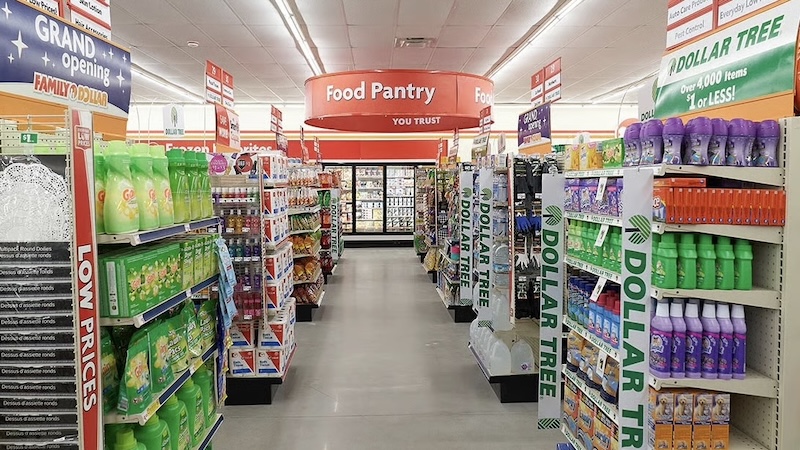
The dollar store products that work in many African markets are the ones households buy again every month, not the ones that look exciting on a supplier’s catalog page. Cleaning basics, hygiene items, school stationery, and phone accessories carry the model, because volume and repeat purchase are the only things that make a low unit price profitable.
| Category | Top Sellers | Why It Moves |
|---|---|---|
| Household essentials | Sponges, soap, containers | Constant replenishment |
| Personal care | Bar soap, toothbrushes, deodorant | Non-negotiable hygiene spend |
| Stationery | Pens, exercise books | School and office demand |
| Small electronics | Chargers, earphones, batteries | Rising mobile phone use |
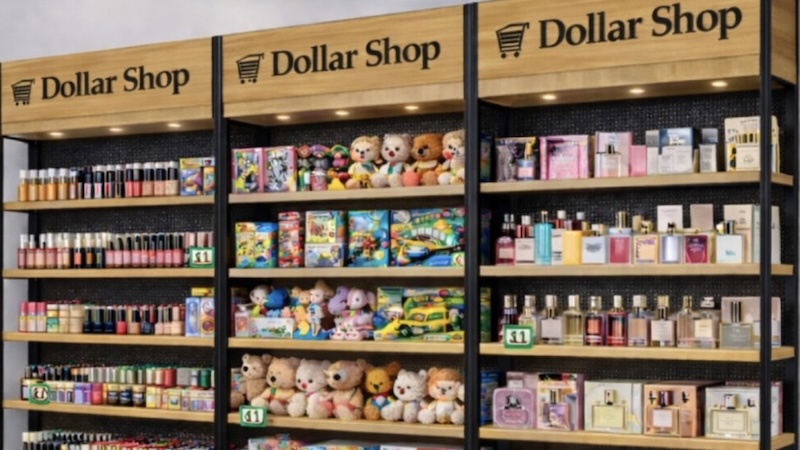
| Beauty basics | Nail polish, hair accessories | Affordable impulse buys |
Most core categories here depend on repeat purchase, which makes quality failures especially expensive.
Why Repeat Purchase Decides Your Range
In a low-price format, the customer decides whether you have a business the second time they shop, not the first. A sponge that shreds after a few washes or a pen that skips does not just lose a sale. It teaches a household to walk past your shelf. That is why basic function and durability still matter, even when the retail price is low.
Choose the range for reorder rhythm, not for variety. A narrow set of proven staples that sells out beats a wide assortment where half the items sit on the shelf tying up cash you needed for the fast movers. If the range is still taking shape, scoring candidates against the best products to import is the step that comes before any of this.
Catching the batch that shreds before it reaches the shelf is what quality inspection is for, and at these prices there is no margin to absorb a bad one.
Africa Is Not One Market
Spending power, plug standards, labeling languages, import registration, duty rates, and retail channels all differ sharply between African markets, so a range that works in one country can stall in the next. The same charger may suit one market and need a different plug type, certification, or price band in another, while a cosmetic that clears one border may require registration and a relabel at the next.
Fix the destination before you fix the assortment. Decide which country or cluster of countries you are serving, then let that decide the plug standard, the pack size, the label language, and the price point you are buying toward. Buying a generic African range and sorting the differences out after arrival is how importers end up holding stock that is legal in one market and unsellable in another.
The Categories That Carry the Format
Household and kitchen basics are the volume backbone: scouring pads, sponges, concentrated dish soap, brooms, microfiber cloths, plastic food containers, and simple cooking utensils. They ship reasonably, sell weekly, and reward multi-packs that raise perceived value without raising landed cost much.
Personal care is one of the most reliable repeat categories, because hygiene spending survives a tight month. Bar soap, toothbrushes in multi-packs, roll-on deodorant, and small-format shampoo let customers buy the quality they want in the quantity they can afford.
Beauty basics add margin and basket size rather than volume. Nail polish across a wide color range, hair bands, clips and combs, cotton pads, and lip balm are light, cheap to ship, and bought on impulse at the till.
Stationery tracks the school calendar and then holds steady year-round. Ballpoint pens in multi-packs, pencils, exercise books, rulers, and small color sets are the core, and the whole season depends on stock landing before term starts rather than during it.
Phone accessories and small electronics are the fastest-growing group and the riskiest. Chargers, cables, wired earphones, batteries, and small flashlights sell constantly because they get lost, shared, and broken, but a charger that damages a phone costs you a customer and a reputation at once.
This group also turns over faster than the rest of the range, so the current picture on trending electronics from China is worth checking before you reorder last season’s list.
Where to Source Each Category
Much of this range can be sourced and consolidated through Yiwu, which is the practical advantage of the format. The Yiwu market covers cleaning products, stationery, hair accessories, beauty items, and household tools in a single trip, and prices can stay competitive because many suppliers and product categories are concentrated in one market, making comparison and order consolidation easier.
Electronics deserve a different supply route. Chargers, cables, and earphones come with a safety burden that a general commodity supplier is not equipped to answer. Use the Shenzhen electronics markets for product discovery, then place bulk orders with a specialist factory that can provide model-specific test reports.
Domestic platforms usually price lower than export-facing ones, though buying there generally needs a 1688 purchasing agent to handle the language, payment, and export side.
Inspect for Function, Not Appearance
The classic dollar store failure is a bulk order that looks identical to the sample and performs nothing like it. The abrasive layer is thinner, the ink flows badly, the charger runs hot, and a photo or a walk past the line shows you none of it. The buyer finds out from customers.
Two habits prevent most of it. Test sample orders the way a household would use them rather than the way a buyer inspects them, then write the performance you need into the purchase order in plain terms. A pre-shipment inspection that includes functional checks on a sample from each batch is what turns that specification into something enforceable before you release the balance.
Getting the Goods There Profitably
Low-price goods live and die on cost per unit landed, so the freight decision is part of the product decision. Ocean shipping is the practical default for this range, and mixing categories into one consolidated order is usually what makes a first shipment viable when no single category fills a container.
Customs treatment varies widely between African markets, and that variation is not something a supplier can advise on. Work with a broker in your destination country who knows the current duty treatment, documentation, and any product registration your categories require. Getting the classification right early prevents the delays that quietly destroy a seasonal stationery order.
Distribution costs deserve the same attention as freight. Inland transport, warehousing, and the trade credit you extend to retailers can all cost more per unit than the ocean leg on a cheap range, and they vary far more between countries than shipping rates do. Model the cost of getting goods from the port to the shelf before you decide a category clears its margin.
FAQ
Q1: How do I set a price point before I know my landed cost?
Work backwards from what the local shelf already charges for the same staple, then check whether a factory can land under it. If it cannot, the item does not belong in the range at any quality.
Q2: Should I stock several brands of the same basic item?
Not at the start, because duplicated lines split your volume, weaken your negotiating position, and complicate reordering. One reliable version per need is easier to price, replace, and explain to customers.
Q3: How do I check whether a phone charger is safe before bulk ordering?
Ask for electrical test documentation for the exact model rather than a marking printed on the box, then test samples for output stability, heat, and plug fit for your market. Electrical products carry outsized safety, warranty, and reputation risks, so model-specific testing is essential.
Q4: What if a supplier changes the pack size without telling me?
Treat pack count and unit size as part of the specification, not as a packaging detail, since a shrunken pack at the same shelf price reads as a price rise to the customer. Name both in the order and check them at inspection.
Q5: Are branded lookalike products worth the margin?
No. Counterfeit and lookalike goods risk seizure, penalties, and the loss of a whole shipment, and the discount never covers that exposure. Generic products with original packaging reduce trademark and counterfeit risk, though designs still need an IP check.
Q6: How do I hold a price point when supplier or freight costs rise?
Adjust the pack count, size, or specification before you move the shelf price, since the price point is the promise the format is built on. Re-quoting the item or moving it to another supplier is usually cheaper than teaching customers your prices drift.
Q7: What happens if a batch fails after it has landed?
Your options narrow to negotiating a credit against the next order or absorbing the loss, since returning low-value goods to China rarely makes financial sense. This is precisely why functional inspection before the balance payment is especially important in a cheap range.
Q8: Is private label worth it at dollar store prices?
Only once a product proves itself, because branding raises minimums and ties cash into packaging before you know the item sells. Start with stock goods, then look at private label sourcing for the lines that reorder reliably.
Conclusion
Everything that decides this business is settled before the container ships. The country sets the specification, the specification sets the inspection, and the inspection is the last point where a bad batch is still the factory’s problem. After that, you own it.
At a dollar a unit, one bad batch costs you more than a margin. It costs you the household that stops walking down your aisle. We pull units and test them through quality inspection before the container leaves, because at these prices the cheapest place to find a defect is the only place worth finding it.