



After reviewing market structure and buyer intent, the practical question is execution: how do you separate attractive catalogs from low-risk partners? For buyers comparing factory-side coordination, a consistent screening framework is what turns early research into safer purchasing decisions and fewer surprises after deposit payment.
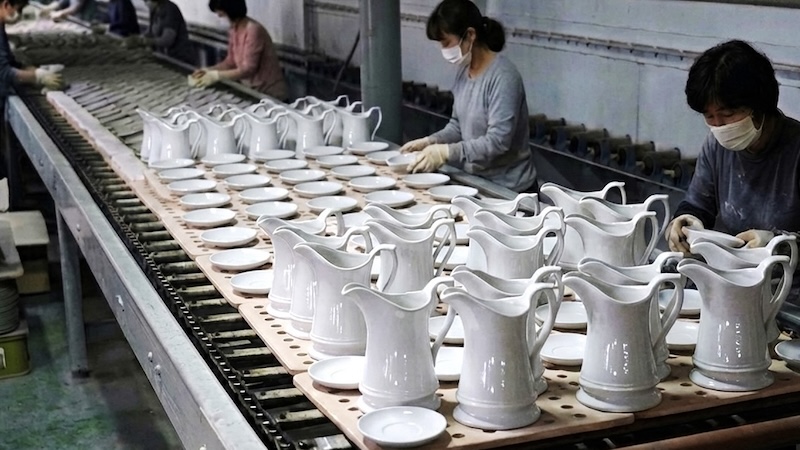
Reliable manufacturing oversight should provide business registration details, product-relevant certifications, and recent third-party or customer audit records that match the legal company name on contracts and invoices. Ask for export history by destination market and confirm they can meet required labeling, packaging, and testing paperwork for your product category.
A practical checklist helps:
Verify legal entity name consistency across quotation, proforma invoice, and bank account.
Request current certification copies tied to the exact product line, not only the company.
Review factory audit scope, date, and corrective-action follow-up.
Confirm export compliance workflow, including documentation ownership and timeline.
Check production quality support reviews for recurring quality or shipment disputes.
If evidence is incomplete or inconsistent, treat it as a risk signal, not a paperwork delay.
Commercial terms are where many sourcing problems begin. Trusted supplier coordination usually discuss MOQ flexibility, production slots, and packaging options transparently, especially during sampling and first mass order stages. Instead of negotiating only unit price, align total risk exposure: pilot order size, inspection gates, and who pays for rework when defects exceed agreed standards.
For payment, avoid full prepayment on first orders when possible. Common structures split deposit and balance against defined milestones, such as pre-shipment inspection approval. On Incoterms, ensure both sides define transfer points, customs responsibility, and damage risk during transit. Clarify lead-time assumptions in writing, including mold development, kiln scheduling, holiday impact, and replacement timelines. Clear terms improve verification checks pricing discussions because they expose hidden operational costs before production starts.
Capability claims should be validated through process detail. A credible supplier checks company can explain how it handles OEM/ODM development, from artwork confirmation to sample revision control, and how engineering changes are documented before mass production. Ask for a simple process map and escalation contacts, not just sales promises.
Capacity conversations should cover line allocation, peak-season planning, and backup arrangements if a kiln or key line fails. For quality control, request checkpoints across raw material intake, in-process inspection, and final AQL-style release criteria, plus photo or report templates used in routine production. This is where quality controls service quality becomes visible.
If your team lacks local bandwidth, a product sourcing agent can verify factory capability on-site and coordinate corrective actions. Integrated China product sourcing support is often most useful when you are balancing multiple SKUs and launch deadlines.
After validating certifications, terms, and factory controls, the next risk decision is category fit. In practice, the safest path is matching product type to the right factory profile, because process capability in ceramics is highly specialized. Buyers comparing workflow steps should therefore shortlist by category first, then confirm commercial and quality details.
Consumer ceramics have the widest style variation, which makes sample discipline essential. Dinnerware and porcelain usually require tighter glaze consistency, color matching, and packaging standards than decorative craft items. A reliable order questions partner for tableware is typically a medium to large export-focused factory with stable kiln scheduling, in-house decal or decoration control, and drop-test-ready packaging workflows.
For pottery and ceramic crafts, production is often more artisan-driven, so batch variation can be higher. That does not mean higher risk by default, but it does require clearer tolerance ranges, approved pre-production samples, and realistic reorder expectations. If your catalog mixes premium porcelain with handmade-style craft lines, splitting orders across specialist suppliers can reduce defect and delay exposure. In this case, a shortlist tests service or product sourcing agent/company can coordinate multi-factory quality checks and shipment consolidation.
Building ceramics demand process consistency at scale. For floor and wall tiles, buyers should prioritize factories with strong batch traceability, stable firing controls, and clear grading systems so cartons from different lots do not create visible shade mismatch at installation. Among trusted China-based production support, tile-focused producers usually have dedicated lines for porcelain tile, glazed tile, and project-based architectural formats, which lowers changeover risk.
Supplier type should match your channel. Retail programs often need repeatable SKUs, standardized packaging, and long-run replenishment reliability. Project procurement may require custom finishes, coordinated lot planning, and strict delivery windows tied to construction schedules. In both cases, confirm how the supplier handles breakage claims, replacement lots, and pallet-level labeling before purchase orders are finalized. This is also where factory-side coordination pricing should be reviewed against total landed risk, not unit price alone.
Industrial and advanced ceramics are a different sourcing class from consumer or building lines. Components such as wear parts, insulating elements, or precision technical pieces depend on material formulation discipline and process repeatability, not just appearance. When screening a manufacturing oversight company for technical applications, ask for evidence of application experience, incoming material control, and final inspection methods aligned with your use case.
Risk is highest when buyers treat advanced ceramics like standard commodity sourcing. Tolerance requirements, performance testing, and documentation expectations should be locked before mass production, with pilot runs where feasible. If your team lacks technical bandwidth, working with production quality support experts through a sourcing partner can improve communication between engineering, quality, and procurement. That support is often valuable in broader China product sourcing programs where technical ceramics ship alongside mainstream product lines.
Selecting supplier type by category is not a minor optimization. It is one of the most practical ways to cut sourcing risk early, protect margin, and build a scalable supply base.
After identifying which ceramic category fits your project, the practical question becomes location. In China, city-level manufacturing clusters often determine quality consistency, communication speed, and how quickly you can verify whether a factory is a good match.
For buyers screening supplier coordination, cluster knowledge is a risk filter. Instead of treating every factory profile the same, you can compare suppliers against what their region is known to produce, then check if their equipment, samples, and export process actually match that specialty.
Chaozhou is widely associated with daily-use ceramics, including tableware and sanitaryware, and many export-oriented workshops and factories are concentrated there. For sourcing teams, that density creates both opportunity and pressure: you can short-list more candidates quickly, but you also need tighter qualification steps because capability levels vary across trading firms, small workshops, and larger integrated plants.
A practical way to cut risk is to map city cluster to product type before requesting quotes. If your SKU is porcelain dinnerware with decal work, compare factories in regions known for household ceramics and ask for recent production examples in the same firing style. If your project is architectural tile or technical ceramic parts, shift your search to clusters with that manufacturing base rather than forcing a mismatch in Chaozhou simply because supplier outreach is easier there.
Use this cluster-first checklist when reviewing reliable verification checks and trusted supplier checks:
Regional-product fit: Ask what percentage of current output matches your category, not just whether they "can make" it.
Process transparency: Confirm kiln type, glazing workflow, and quality checkpoints at a high level, then verify during audit.
Export readiness: Check packaging standards, labeling control, and experience with your destination market documentation.
Sampling discipline: Require pre-production samples and clear revision rounds so design intent is locked before mass production.
Commercial alignment: Compare MOQ, lead time windows, and payment structure across at least two clusters to expose hidden risk.
Other well-known ceramic regions can be screened the same way: identify each area by its dominant product specialty, then validate that an individual factory truly operates at that level. This helps you avoid a common issue in China product sourcing where a supplier offers many categories but subcontracts critical steps to unknown third parties.
For procurement teams working with a product sourcing agent/company, city-level mapping should be part of the sourcing brief, not an afterthought. Ask your partner to present candidate factories by cluster, product specialization, and verification status. That creates clearer decision criteria than a generic vendor list and improves the quality of any quality controls service you use.
Finally, treat online catalogs and marketplace profiles as a starting point, not proof. workflow steps reviews can help identify red flags, but they should be paired with sample validation, audit records, and live production evidence. In short, knowing where a factory operates and what that city produces best gives you a faster path to lower-risk supplier selection and more dependable launch timelines.
After mapping manufacturing clusters like Chaozhou to product strengths, your supplier search becomes more targeted. The practical challenge now is reducing execution risk while comparing shortlist tests, especially when quality, timelines, and compliance all affect landed cost and customer satisfaction.
Start with a written specification pack before contacting factories. Include dimensions, tolerances, glaze or finish expectations, packaging standards, drop-test requirements, and intended use. For food-contact products, define the required compliance documents and test scope in advance.
This step prevents vague quotations and helps you identify reliable China-based production support early. If a factory cannot confirm your requirements clearly, that is a risk signal. For many importers, this is where a China product sourcing team or product sourcing company adds value by translating commercial goals into production-ready specs.
Use multiple channels to build an initial list instead of relying on one platform. Combine trade directories, major B2B marketplaces, and trade-show exhibitor lists to find a balanced pool of factory-side coordination company profiles.
Look for evidence of category fit, export history, and response quality. A supplier strong in tableware may not be suitable for technical ceramics. Capture consistent inputs in a spreadsheet, including product focus, certifications offered, minimum order approach, and communication speed, so comparisons remain objective from day one.
Convert your longlist into a shortlist using weighted criteria. Typical categories include product capability, quality system maturity, communication clarity, lead-time realism, and documentation completeness. Add a simple red-amber-green risk score so your team can align quickly.
This structure helps separate trusted manufacturing oversight from suppliers that look strong only on price. It also supports internal sign-off because procurement, quality, and operations can review the same framework rather than debating isolated emails or sample photos.
Sampling should test both appearance and function. Request pre-production samples made with intended materials and finishing methods, then verify consistency across multiple pieces. If the product is safety-sensitive, arrange independent lab testing based on your predefined compliance scope.
Avoid approving a supplier based on a polished showroom sample alone. Third-party validation can uncover glaze defects, dimensional variation, or packaging weaknesses before mass production. This is a core control point when evaluating production quality support service promises against measurable outcomes.
A capability audit should confirm how the factory handles OEM or ODM workflows, mold ownership, tooling maintenance, and engineering change control. Review production flow, in-line quality checks, kiln management discipline, and traceability across batches.
Also verify subcontracting boundaries. Some factories outsource critical stages, which can affect consistency and lead time. During China product sourcing projects, this audit phase often determines whether a supplier can scale with your forecast or should remain a backup option.
Commercial terms should be negotiated together, not in isolation. Align unit pricing with tooling fees, MOQ structure, payment milestones, rework responsibility, and packaging standards. Confirm what happens if defects exceed agreed limits or delivery dates slip.
Put expectations in a written quality agreement attached to the purchase terms. This document should define inspection points, acceptance criteria, corrective action timelines, and replacement or credit rules. Clear terms improve supplier coordination pricing discussions by linking cost to service accountability.
Begin with a controlled pilot order before full rollout. Use it to test production consistency, carton integrity, on-time delivery, and issue resolution speed under real operating conditions. Track a small KPI set weekly: defect rate, schedule adherence, and response turnaround.
Treat supplier onboarding as an active management process, not a one-time selection event. Even with reliable verification checks, performance can shift with volume or seasonal pressure. A disciplined pilot and KPI review cycle protects margin, reduces surprises, and builds a stronger long-term sourcing base.
Q1: Which Chinese city is famous for ceramics?
Jingdezhen is the most famous city associated with ceramics and is often called China’s porcelain capital. For buyers sourcing from ceramic manufacturers in China, this matters because regional specialization can affect material choices, craftsmanship, lead times, and supplier networks. However, location alone is not proof of reliability. You should still verify factory capability, quality-control systems, packaging standards, and communication responsiveness before placing an order.
Q2: How can I reduce sourcing risk when working with ceramic manufacturers in China?
Treat supplier selection as a verification process, not a price hunt. Start with a qualification checklist covering production capacity, quality-control discipline, communication speed, contract clarity, and after-sales support. Request evidence such as test reports, process records, and packaging specifications. Compare suppliers on consistency, not just unit cost. This approach helps prevent delays, quality disputes, and misaligned expectations when choosing ceramic manufacturers in China.
Q3: What should be on a qualification checklist for ceramic manufacturers in China?
A strong checklist should include: product-category fit, monthly output capacity, defect-rate targets, inspection checkpoints, packaging standards, lead-time reliability, export experience, response time, and dispute-resolution terms. Also verify tolerance control, sample consistency, and documentation quality. For ceramic manufacturers in China, these factors often predict long-term performance better than the cheapest quote. Use the same checklist across all candidate suppliers so comparisons stay objective.
Q4: Why is the lowest quote risky when selecting ceramic manufacturers in China?
Low pricing can hide future costs if specifications are vague. Common risk areas include unstable glazing quality, unclear tolerances, weak packaging, and limited after-sales support. These issues can lead to breakage, returns, and delayed launches. When evaluating ceramic manufacturers in China, weigh total landed risk rather than only upfront price. A slightly higher quote from a supplier with strong process control and clear contracts is often more cost-effective over time.
Q5: How do I verify quality control with ceramic manufacturers in China before placing a bulk order?
Ask suppliers to map their QC flow from raw material checks to final packing inspection. Request sample inspection records, defect criteria, and acceptance standards. Confirm whether they perform in-process checks, not only final inspection. For ceramic manufacturers in China, also review packaging test methods to reduce transit damage. Start with a pilot order and pre-shipment inspection to validate consistency before scaling volume.
Q6: What communication standards should I expect from ceramic manufacturers in China?
Reliable suppliers respond clearly, quickly, and with technical detail. You should expect defined response times, written confirmation of spec changes, and proactive updates on production milestones. Strong communication reduces misunderstandings around color, dimensions, tolerances, and packing requirements. When comparing ceramic manufacturers in China, treat communication quality as a core risk indicator because poor responsiveness often predicts project delays and quality disputes.
Q7: What contract terms are most important when buying from ceramic manufacturers in China?
Focus on product specifications, tolerance limits, approved samples, inspection methods, packaging requirements, lead times, payment milestones, and corrective-action obligations for defects. Include clear terms for replacements, refunds, and responsibility for shipping damage. For ceramic manufacturers in China, contract clarity is essential because vague terms make disputes harder to resolve. A detailed, signed specification annex can protect both quality expectations and delivery timelines.
Q8: How should I compare multiple ceramic manufacturers in China fairly?
Use a weighted scorecard instead of informal impressions. Score each supplier on capability fit, QC maturity, communication responsiveness, contract transparency, lead-time performance, and after-sales support. Keep sample requirements and evaluation criteria identical. This structured method helps you compare ceramic manufacturers in China based on evidence and repeatability, not sales claims. It also makes internal procurement decisions easier to justify.
Q9: What are common red flags when evaluating ceramic manufacturers in China?
Watch for inconsistent samples, slow or evasive replies, unclear tolerance definitions, vague packaging details, and resistance to documenting QC steps. Other warning signs include frequent quote changes, unrealistic lead times, and missing after-sales commitments. With ceramic manufacturers in China, these signals often precede quality disputes or delays. If multiple red flags appear early, it is usually safer to pause and shortlist alternative suppliers.
Q10: When should I request quotes from ceramic manufacturers in China?
Request quotes after you define your qualification checklist and technical requirements. Sending RFQs too early often leads to misleading price comparisons because suppliers may assume different quality levels, tolerances, or packaging standards. For ceramic manufacturers in China, a well-structured RFQ with clear specs, target volumes, inspection criteria, and delivery terms produces more accurate pricing and fewer surprises during production.
In practice, choosing among supplier checks is less about finding a single low quote and more about building a dependable operating relationship with clear specifications, transparent communication, and consistent quality controls. The buyers who reduce disruption over time usually prioritize reliable quality controls that can document capabilities, handle corrective actions, and maintain stable production performance across batches.
As you close your evaluation, treat supplier selection as a portfolio decision for your business, not a one-off transaction. Compare trusted workflow steps against the same scorecard you used earlier, then pressure-test how each one performs on service responsiveness, sample consistency, and issue resolution before scaling volume. This is also where order questions pricing and shortlist tests cost discussions should stay tied to total risk exposure, including rework, delays, and communication gaps, rather than unit price alone. If your team needs additional execution support, a structured China product sourcing workflow with a qualified product sourcing agent or product sourcing company can help standardize qualification, inspections, and follow-through without changing your technical requirements.
In short, the best China-based production support company partner for long-term procurement is the one that repeatedly meets your quality bar, communicates clearly, and supports your operating rhythm as demand evolves. Use your final shortlist to run one controlled pilot order, confirm documentation and quality outcomes, and then expand in planned phases only after performance is verified. That decision-oriented approach keeps sourcing risk measurable, protects margin, and gives you a concrete next step toward a more resilient procurement program built on dependable factory-side coordination service.
 English