



How confident are you that the products leaving a factory in China will match what your target customers expect when they arrive at your warehouse? That single question sits at the center of China quality control. Product inspection is not just a factory checklist. It is a risk-management system that protects your margin, your brand reputation, and your ability to reorder without surprises.
For importers, Amazon sellers, and growing consumer brands, defects are expensive. A missed issue can trigger chargebacks, returns, negative reviews, or compliance problems. In regulated categories, such as health and wellness, weak controls can also create regulation-related risk if labeling, materials, or claims are not aligned. This is why many buyers build inspection services into their sourcing workflow from the start rather than waiting until a shipment is ready.
A practical introduction starts with scope. In China product sourcing, inspection can happen at multiple checkpoints, including incoming material checks, in-process reviews, and pre-shipment verification. One common early-stage step is IQC inspection (Incoming Quality Control), which focuses on raw materials and components before production scales. Catching problems at this stage is usually cheaper than sorting defects after packaging.
To approach this topic effectively, think in terms of decisions, not just reports. A strong inspection program should help you answer questions like:
Are product specs clear enough to inspect consistently?
Which defect types are acceptable, and which require rework?
At what production stage should each inspection occur?
Who will execute the check: your team, a quality inspection agency, or both?
What action will you take if results fail your standard?
This article focuses on how to inspect your products in China with a structured, buyer-first process. You will learn how inspection points connect to inspection sourcing, how to evaluate a quality inspection agency, and how to align quality controls with broader product sourcing goals. If you are working with a product sourcing company, these controls also clarify responsibilities between sourcing, manufacturing, and final release.
The key mindset is simple: treat product inspection services as part of your operating model, not an optional add-on. When quality expectations are documented early and verified at the right milestones, inspection services become a tool for better forecasting, cleaner launches, and more reliable growth in the market.
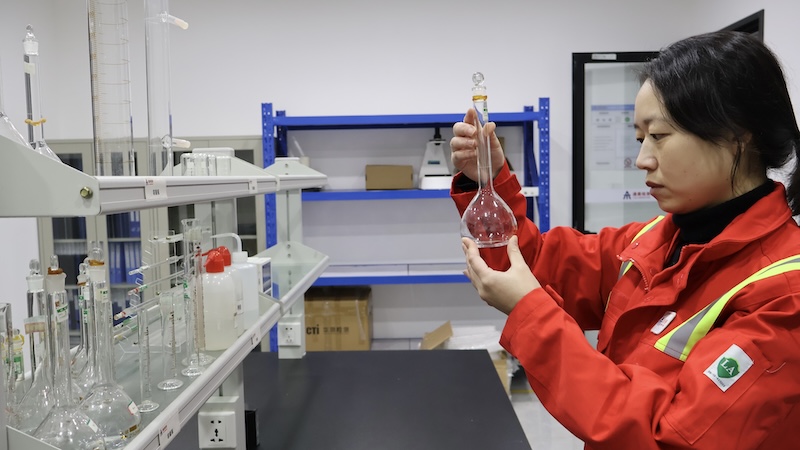
After a basic introduction to product inspection in China, the practical challenge is knowing which standards to apply and when. Clear standards selection is what turns a routine check into a decision tool that protects your margin, timeline, and brand in the market.
For importers, international frameworks and China-specific factory practices are not competing systems. They work together when defined clearly in your purchase order and inspection checklist. International standards, such as ISO-based quality management practices, give you a common structure for documentation, traceability, and corrective action. Chinese manufacturing standards often include GB or industry-level technical requirements tied to materials, dimensions, labeling, or safety tests.
In practice, your product inspection services plan should map both layers: global quality expectations and exact product specs needed for your sales channel. If you sell regulated items, include relevant compliance needs, such as FDA rules for health and wellness claims, directly in your acceptance criteria. A capable quality inspection agency can align IQC inspection at incoming materials stage with final random inspection, reducing disputes before shipment.
Most failures are process failures, not one-time accidents. In China product sourcing, recurring issues often include material substitution, inconsistent finishing across production batches, labeling errors, carton drop-test weakness, and rushed packing near ship date. These problems become expensive when discovered after ocean freight and customs handling.
A focused inspection sourcing workflow should define critical, major, and minor defects before production starts. For example, a kitchen tool brand selling in the US may treat sharp-edge exposure as critical, cosmetic scratch marks as major, and slight print misalignment as minor. This grading helps inspection services produce pass or fail outcomes you can act on quickly. It also supports better chargeback conversations with suppliers because standards were documented in advance.
Third-party inspectors add objectivity and speed, especially when your team is not on the factory floor. A China quality inspection service agency can verify quality gates at multiple points: IQC inspection for incoming materials, during-production checks for process stability, and pre-shipment audits for packaging and quantity accuracy. This sequence limits last-minute surprises and gives buyers stronger control over release decisions.
From a business standpoint, third-party product inspection services should be integrated with sourcing, not treated as a separate task. If your product sourcing agent manages vendor communication, inspection findings can be converted into corrective action faster. The goal is simple: prevent defective goods from reaching your customers and avoid avoidable costs such as rework, returns, and delayed marketplace launches. In the next section, this standards-and-process foundation will make inspection timing and checklist design far more precise.
After comparing standards and common defect patterns, the practical question is when to inspect, not just whether to inspect. In China product sourcing, timing determines how much leverage you have to fix issues before they become expensive delays for product launches.
A pre-production inspection confirms that your supplier is ready before mass production starts. This check usually reviews raw materials, components, packaging files, approved samples, and process setup against your purchase order and quality requirements. For importers, it is also a good point to flag any product attributes tied to FDA regulations for health and wellness claims, labeling format, and warning language.
Many buyers treat this step as an extension of IQC inspection, especially when incoming materials from sub-suppliers can affect final performance. A quality inspection agency can verify whether critical materials match your agreed specs and whether the factory understands pass/fail criteria. If your product sourcing agent or company manages multiple factories, this early gate helps prevent avoidable rework and missed ship windows.
During Production Monitoring, often called DUPRO, takes place when a meaningful portion of goods is already made. Instead of waiting until the end, you inspect workmanship consistency, in-line defects, and process control while corrections are still feasible. This is particularly useful for orders with tight retail timelines, seasonal demand, or custom packaging.
A DUPRO report can reveal drifting quality trends, such as color variation, assembly misalignment, or incomplete function checks, before they spread across the full lot. In practice, this is where inspection sourcing decisions matter: you need inspectors who can escalate fast, communicate clear defect evidence, and align corrective actions with your AQL plan. Strong inspection services at this stage protect both shipment dates and margin.
Pre-Shipment Inspection is the final quality gate when production is complete and most goods are packed. The objective is to confirm that quantity, labeling, packaging, visual quality, and functional performance match your approved standard before balance payment and dispatch. The buyers often align this checkpoint with payment release methods, depending on contract structure.
A PSI should include random sampling, carton checks, and key compliance verifications relevant to your product category and destination market. If the result is conditional or failed, hold shipment until corrective actions are verified. As part of a complete product inspection services plan, PSI is essential but not sufficient on its own. The strongest outcomes usually come from combining pre-production, DUPRO, and PSI into one coordinated control cycle led by a reliable quality inspection agency.
Pre-production checks, DUPRO visits, and pre-shipment inspections only protect your order when the right team performs them. Choosing a dependable quality inspection agency is therefore a core risk-control decision, not a box-ticking task in your China product sourcing workflow.
Start by confirming legal and operational legitimacy in China. A serious provider of product inspection services should have a registered business entity, clear service scope, and documented inspector coverage in your manufacturing region. If your factory is inland but the agency only staffs coastal cities, response times and consistency can suffer.
Next, review quality system credentials and technical capability:
Quality management credentials: Ask whether the agency operates under a formal quality system, such as ISO-aligned internal procedures, and request sample SOPs for reporting and escalation.
Inspector qualification process: Verify how inspectors are trained, tested, and calibrated across categories like electronics, textiles, or hardgoods.
Category-specific expertise: For regulated categories, confirm familiarity with labeling, packaging, and basic documentation checks tied to FDA-facing requirements when applicable.
Reporting quality: Request a real sample report showing defect photos, AQL logic, pass/fail criteria, and corrective-action notes.
On-site independence: Clarify conflict-of-interest controls so inspectors remain neutral between buyer and factory.
If you need incoming checks at consolidation points, ask whether they can support IQC inspection before goods are packed for export. This is especially useful when multiple suppliers feed one shipment and you want early defect containment.
Credentials matter, but delivery history matters more. Ask for recent, anonymized case examples that match your product type, order size, and inspection frequency. A capable agency should explain what issues were found, how quickly they communicated, and how retesting was handled after corrections.
Use a short scorecard during vendor comparison for inspection sourcing:
Consistency: Are findings stable across different inspectors and cities?
Speed: Can they issue same-day preliminary alerts for critical defects?
Transparency: Do they separate objective findings from recommendations?
Scalability: Can they support peak-season volumes without quality drop?
Commercial clarity: Are pricing, re-inspection fees, and cancellation terms clear in contracts?
Also test communication discipline before signing. Send a mock brief and see whether they ask precise questions about tolerances, packaging tests, and sampling plans. Strong agencies turn vague buyer requests into measurable checkpoints. That practical rigor is what makes inspection services useful for importers, and working on tight launch calendars. A reliable China quality inspection service agency should reduce surprises, protect margin, and keep your quality control process repeatable as you scale.
After verifying a quality inspection agency’s credentials and track record, buyers usually ask a practical question: what will inspections cost, and what does that spend protect? In China product sourcing, pricing should be treated as a risk-control input, not only an expense line, because inspection services directly affect rework, delay, and return exposure for US importers.
In practice, most product inspection services in China are priced as a day rate per inspector plus travel and reporting scope. Simpler, low-variation products such as basic textiles, plastic housewares, or standard packaging usually require less technical time than electronics, children’s products, or regulated health and wellness goods. For many buyers, a standard pre-shipment visit often starts in 200~500 USD per inspector-day, then rises when labs, functional testing, or special sampling plans are added.
A useful way to estimate by category:
Low complexity: apparel basics, simple accessories, carton checks
Medium complexity: small appliances, furniture, multi-part consumer goods
High complexity: electronics, products needing strict safety checks, FDA-sensitive categories
For shipments, always confirm whether IQC inspection at component level is included or separately priced, since incoming material defects can cascade into final failures.
Inspection sourcing decisions affect cost as much as product type. A wider checklist, tighter AQL requirements, bilingual reporting, and same-day corrective follow-up all increase inspector time and therefore total price. Factory location also matters; sites outside major manufacturing hubs may add transport or lodging charges. Timing can also shift pricing if you request urgent booking near vessel cut-off dates.
Key pricing drivers to review before confirming inspection services:
Inspection stage: IQC inspection, DUPRO, PSI, or full-sequence coverage.
Technical depth: visual checks only vs. functional, safety, and packaging validation.
Order profile: SKU count, lot size, and sampling level.
Logistics: city access, travel distance, and scheduling flexibility.
Reporting needs: photo density, defect taxonomy, and corrective action tracking.
For cleaner budgeting, request a written scope matrix so each charge maps to a specific control activity.
Building an in-house China QC team can work for very high and stable order volume, but it usually requires fixed payroll, training systems, supervision, and local management. Third-party product inspection services are typically more flexible for importers running multiple factories, seasonal demand, or varied product lines. You can scale coverage by PO risk without carrying full-time overhead.
A practical model for many buyers is hybrid: keep internal quality ownership, then use a china quality inspection service agency for execution at key gates. This setup preserves decision control while extending on-the-ground reach. In business terms, the right inspection plan helps protect margin by reducing failed shipments, emergency air freight, and post-arrival claims. If your sourcing footprint expands, align quality controls with your broader china product sourcing process so inspection spend stays tied to measurable shipment outcomes.
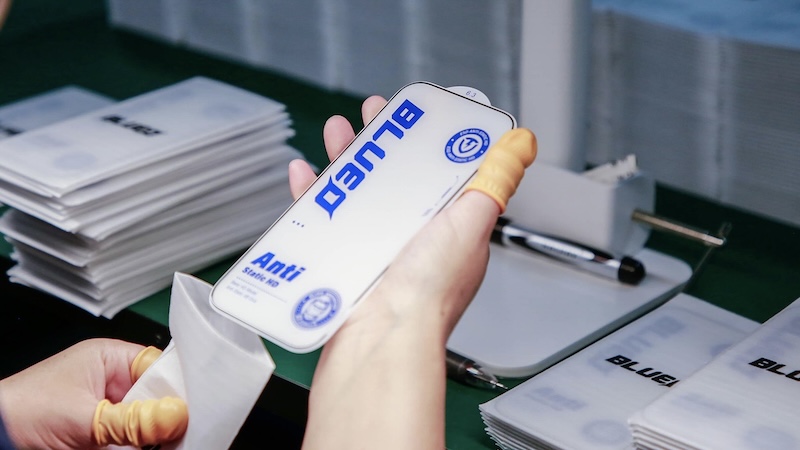
Cost analysis helps you choose where to spend inspection dollars, but strategy determines whether that spend actually protects your business. In China product sourcing, an effective quality system connects specs, inspection checkpoints, and decision rules so your team and your quality inspection agency evaluate products the same way every time.
Strong specifications reduce disputes before production starts. For each SKU, define measurable requirements such as dimensions in inches and millimeters, material grade, color tolerance, labeling, packaging drop-test expectations, and carton markings for US distribution. Include approved samples, pass and fail photos, and clear defect categories so IQC inspection, in-line checks, and pre-shipment reviews apply one standard.
Pair those specs with AQL limits that match product risk. A children’s item or wellness product sold in the US should use tighter acceptance criteria and include FDA-related labeling or safety checkpoints where applicable. A practical framework is to separate critical, major, and minor defects, then assign acceptance numbers in your inspection plan. This keeps product inspection services objective and prevents last-minute arguments over what is acceptable quality.
Manual spreadsheets can work at low volume, but they break down as purchase orders increase. Digital tools improve inspection sourcing by centralizing checklists, photo evidence, defect trends, corrective actions, and shipment release status in one system your team can review in real time.
Useful capabilities include:
Standardized mobile checklists for factory-floor inspectors.
Role-based approvals for engineering, sourcing, and compliance teams.
Defect tagging by supplier, production line, and root cause.
Alerts for recurring failures before reorders are placed.
Exportable reports your product sourcing agent can share with buyers and factories.
When your inspection services workflow is digitized, you can compare suppliers consistently, shorten feedback cycles, and document evidence for chargebacks or remake requests. That discipline is especially helpful when payments are staged through milestones tied to inspection outcomes.
A transactional approach to inspections often creates inconsistent results. Long-term partnerships with a qualified quality inspection agency usually produce better calibration, faster issue escalation, and fewer repeated defects because the inspectors understand your quality history and market requirements.
Set quarterly review routines with your inspection partner and sourcing team. Focus on recurring defect patterns, factory corrective action closure rates, and inspection lead times by product family. Share forecasted orders and upcoming product changes early so checklists can be updated before production begins.
For importers, this relationship model supports smoother handoffs between china product sourcing decisions and shipment release decisions. It also aligns your product inspection services with commercial goals: fewer returns, fewer customer complaints, and more predictable landed quality. If you work with a product sourcing company, make sure the same quality rules govern both supplier selection and ongoing inspection execution.
With specifications, AQL thresholds, digital tracking, and trusted inspection partners already in place, the practical focus is execution discipline. The strongest quality outcomes in China sourcing come from making inspection decisions consistent, documented, and tied to shipment risk.
Define inspection gates before production starts. Lock in IQC inspection, in-process checks, and pre-shipment criteria in writing so your team and factory operate from the same acceptance rules. This keeps inspection sourcing structured instead of reactive and reduces disputes over whether goods are truly ready to ship.
Match inspection depth to product and market risk. Higher-risk categories, regulated claims, or tight tolerance products need more rigorous product inspection services than low-risk commodity items. For US-bound goods, align checks with labeling and safety expectations, including FDA-sensitive categories where applicable, so defects do not become compliance problems later.
Treat cost as a control variable, not just an expense line. Inspection services should be scoped against potential rework, delays, returns, and chargebacks. A reliable quality inspection agency helps you spend inspection budget where it prevents the most expensive downstream failures.
Use digital records to speed decisions and accountability. Standardized reports, photo evidence, defect tagging, and trend logs help teams approve, hold, or rework lots faster. Over time, this history improves supplier conversations and makes corrective actions measurable across repeated orders.
Build consistency across people, not just projects. The best results come when procurement, quality, and logistics teams follow the same playbook for escalation, acceptance, and release. Consistent workflows with your inspection services partners create predictable quality performance instead of one-off wins.
Product specs: dimensions, materials, color standards, labeling, packaging, and carton marks.
- Functional and safety checks: operation tests, durability checks, and any category-specific safety points.
- Regulatory points: include FDA-related labeling or claim review steps for health and wellness items.
- Defect grading rules: define critical, major, and minor defects with clear photo examples.
- Sampling and records: AQL level, sample size, and pass/fail criteria documented in writing.
The FAQ likely clarified the practical concerns that slow teams down, such as timing, cost, and what to check before goods leave China. With those questions resolved, the decision now is straightforward: build a repeatable quality control workflow that protects your margin before products reach customers.
For most importers, the strongest approach combines process discipline with independent verification. That means setting clear specs early, confirming them during production, and validating finished goods before shipment. Whether you run checks internally or through a quality inspection agency, consistency matters more than one-off spot checks.
A practical closeout plan can be simple:
Lock your inspection scope in writing before production starts. Include tolerances, packaging requirements, labeling, and any specific points such as FDA regulations for health and wellness products.
Use IQC inspection on incoming materials to catch defects before they multiply. Early control reduces rework risk and shipment delays.
Schedule in-process and pre-shipment product inspection services against approved samples and checklists. Document findings with photos and pass/fail criteria.
Align payment releases to inspection milestones. For buyers using PayPal, or Apple Pay, milestone-based payment discipline helps maintain leverage when corrective action is needed.
Run a post-delivery review after each order cycle. Track recurring defects, update standards, and improve your inspection sourcing strategy for the next PO.
This structure keeps quality decisions objective and auditable, especially when scaling SKUs or onboarding new factories. It also prevents common failures such as accepting cosmetic defects that later trigger returns, chargebacks, or negative reviews in the market.
If you are ready to act, start with your next purchase order and create a one-page inspection brief today. Define what must pass, what can be reworked, and what requires rejection, then assign responsibility for each checkpoint. From there, choose inspection services that match your risk profile and product category, and treat every inspection report as an input to continuous improvement, not a one-time checkbox.
 English