



Every successful footwear brand shares a common origin story: the moment when a vision transforms into a tangible product that customers can wear. For entrepreneurs, designers, and established brands in the United States, China has emerged as the premier destination for turning custom shoe concepts into market-ready reality. The country's shoe manufacturing infrastructure combines decades of specialized expertise, advanced production technology, and flexible manufacturing capabilities that can accommodate orders ranging from boutique batches to large-scale production runs.
The landscape of custom shoes has evolved dramatically over the past decade. What once required prohibitively expensive domestic production or acceptance of generic designs now offers unprecedented creative control. Today's shoe manufacturers in China provide comprehensive services that extend beyond simple assembly. They partner with brands to refine designs, select premium materials, engineer comfort features, and ensure quality standards that meet the expectations of discerning American consumers. This collaborative approach has democratized footwear creation, enabling startups to compete alongside established players without sacrificing quality or design integrity.
China's dominance in the footwear sector stems from a unique convergence of factors. The nation produces approximately 12 billion pairs of shoes annually, creating an ecosystem where specialized suppliers, skilled craftspeople, and innovative factories operate in close proximity. For brands seeking to create custom shoe lines, this concentration translates into tangible advantages: access to rare materials within days rather than weeks, prototype development that occurs in iterative cycles rather than lengthy delays, and manufacturing flexibility that accommodates design modifications even during production runs.
The modern custom shoe manufacturer operates as both production facility and development partner. These operations typically maintain in-house design teams who translate rough sketches into technical specifications, sourcing departments with established relationships across material suppliers, and quality control systems that inspect products at multiple production stages. For American brands, this integrated approach eliminates the complexity of coordinating between separate vendors for design, materials, and production.
Private label shoe manufacturing represents one of the fastest-growing segments within China's footwear industry. Brands can select from existing designs and customize specific elements such as colorways, materials, branding details, and packaging, creating unique products without starting from blank canvas. This hybrid approach reduces development timelines from months to weeks while maintaining the distinctiveness that consumers associate with authentic brands. The strategy proves particularly effective for businesses testing new market segments or launching seasonal collections with controlled investment risk.
Understanding the manufacturing landscape requires recognizing the diversity within China's footwear production regions. Guangdong Province, particularly the cities of Dongguan and Guangzhou, specializes in athletic and performance footwear with advanced cushioning systems and technical fabrics. Fujian Province centers around Quanzhou and Jinjiang, where manufacturers excel in casual sneakers and lifestyle shoes that balance comfort with contemporary aesthetics. Zhejiang Province, including Wenzhou and Taizhou, focuses on dress shoes, boots, and leather footwear requiring traditional craftsmanship techniques. Each region has developed distinct competencies, allowing brands to match their custom shoes project with facilities possessing relevant expertise.
The production process for custom shoe manufacturing typically unfolds across several distinct phases. Initial design consultation establishes aesthetic direction, target price points, and functional requirements. Material selection follows, where manufacturers present options for uppers, linings, insoles, outsoles, and hardware that align with design goals and budget parameters. Prototype development produces initial samples for fit testing, aesthetic evaluation, and performance validation. Refinement cycles address issues discovered during sampling, with manufacturers adjusting patterns, materials, or construction methods. Pre-production runs verify that quality standards translate to volume manufacturing. Finally, bulk production commences once all stakeholders approve specifications and samples.
Quality considerations extend beyond visual inspection. Reputable custom shoes manufacturers implement testing protocols that evaluate durability, colorfastness, adhesive strength, and dimensional accuracy. For products entering the United States market, compliance with Consumer Product Safety Commission guidelines and material safety standards represents non-negotiable requirements. Established manufacturers maintain documentation systems that track materials from source through finished product, providing the traceability that American retailers and consumers increasingly demand.
Minimum order quantities remain a practical consideration for brands evaluating custom shoe production. Traditional manufacturers often require orders of 500 to 1,000 pairs per style and color combination, reflecting the setup costs associated with pattern making, material procurement, and production line configuration. However, the market has evolved to accommodate smaller brands. Factories specializing in custom orders now accept runs as low as 200 to 300 pairs, while some facilities focused on sampling and small-batch production handle orders under 100 pairs, though at proportionally higher per-unit costs.
The relationship between American brands and Chinese shoe manufacturers functions most effectively when built on clear communication and mutual understanding. Successful partnerships invest time in establishing quality benchmarks, defining approval processes, and creating feedback mechanisms that address issues promptly. Many brands discover that factory relationships strengthen over multiple production cycles as manufacturers develop familiarity with brand standards and design preferences, leading to smoother subsequent orders and improved product consistency.
For businesses considering custom shoe manufacturing in China, the opportunity extends beyond cost savings. The true value lies in accessing specialized capabilities that would require years and substantial capital to develop domestically. Whether launching an innovative athletic shoe with proprietary cushioning, creating a sustainable footwear line with recycled materials, or developing a fashion-forward collection that pushes design boundaries, China's shoe manufacturer ecosystem provides the technical expertise and production capacity to transform ambitious concepts into market-ready products that resonate with American consumers.

Now that you understand the fundamental advantages of partnering with Chinese custom shoe manufacturers, it's time to explore where these production capabilities are concentrated. China's footwear manufacturing landscape is highly regionalized, with specific provinces specializing in distinct product categories and manufacturing approaches. Understanding these geographic clusters helps brands identify the most suitable partners for their custom shoe projects and production requirements.
Fujian Province, particularly the coastal city of Xiamen, has emerged as the premier destination for custom athletic shoe manufacturing in China. This region hosts some of the world's most sophisticated footwear factories, many of which began as contract manufacturers for major international sports brands before developing their own custom shoe production capabilities. The concentration of technical expertise in athletic footwear construction makes Fujian the go-to location for brands requiring advanced cushioning systems, performance materials, and innovative sole technologies.
Custom shoes manufacturers in Xiamen typically specialize in running shoes, training footwear, and performance sneakers that incorporate complex multi-component constructions. These facilities maintain extensive material libraries featuring breathable mesh textiles, engineered knits, synthetic leathers, and specialized rubber compounds designed for athletic applications. The minimum order quantities at Fujian-based shoe manufacturers generally range from 500 to 1,000 pairs per style, reflecting their focus on mid-tier custom shoe production rather than ultra-small batch orders.
The technical capabilities in this region extend beyond basic assembly to include proprietary development services. Many custom shoes manufacturers in Fujian Province employ in-house biomechanics specialists and product developers who can translate brand concepts into functional athletic footwear designs. These manufacturers frequently invest in injection molding equipment, computerized cutting systems, and automated stitching technologies that ensure consistency across production runs. For US brands seeking to create private label shoe lines with performance credentials that compete against established athletic brands, Fujian manufacturers offer the technical foundation necessary to achieve retail-quality results.
Quality control infrastructure in Xiamen reflects decades of producing for demanding international clients, with many facilities maintaining ISO certifications and dedicated testing laboratories for materials and finished products.
Wenzhou in Zhejiang Province represents China's historical center for leather shoe manufacturing, with a production heritage spanning over four decades. This city and its surrounding industrial zones specialize in dress shoes, casual leather footwear, and fashion-forward designs that prioritize aesthetic appeal and traditional craftsmanship. Unlike the athletic-focused facilities in Fujian, Wenzhou shoe manufacturers excel in hand-finishing techniques, complex stitching patterns, and the nuanced art of working with genuine and premium synthetic leathers.
The custom shoe production ecosystem in Wenzhou revolves around family-owned operations and medium-sized factories that maintain close relationships with Italian and Spanish leather suppliers. These manufacturers typically handle custom shoes projects ranging from classic Oxford and Derby styles to contemporary Chelsea boots and loafers. Their expertise lies in traditional Goodyear welting, Blake stitching, and cemented construction methods that appeal to brands targeting the dress shoe and business casual markets. Minimum order quantities in Wenzhou tend to be more flexible than in Fujian, with some custom shoes manufacturers accepting orders as low as 300 pairs per style for established relationships.
For US brands developing private label shoe collections focused on formal or smart-casual categories, Wenzhou manufacturers provide access to skilled pattern makers who understand the subtle differences in fit and proportion that distinguish premium leather footwear. These facilities maintain strong connections to hardware suppliers for buckles, eyelets, and decorative elements, enabling comprehensive customization options. The cost structure in Wenzhou typically positions leather custom shoe production at $15 to $45 per pair depending on materials and construction complexity, making it accessible for brands targeting mid-market retail price points between $80 and $200.
The concentration of tanneries and leather finishing operations near Wenzhou creates logistics advantages for brands requiring specific leather treatments or custom color matching for their shoe manufacturer partnerships.
While Xiamen, Fujian Province, and Wenzhou represent distinct regional specializations in Chinese footwear production, understanding the manufacturing service models these facilities offer proves equally important for US businesses. Custom shoe manufacturers in China typically operate under two primary frameworks: Original Equipment Manufacturer (OEM) and Original Design Manufacturer (ODM) arrangements. Each model presents distinct advantages, investment requirements, and levels of creative control that directly impact your product development timeline, brand differentiation, and market positioning.
OEM custom shoe manufacturing refers to arrangements where the shoe manufacturer produces footwear according to your exact specifications, designs, and technical requirements. Under this model, you maintain complete ownership of the product design, branding, and intellectual property while the Chinese factory handles production execution. The manufacturer essentially serves as your production partner, transforming your detailed blueprints into finished custom shoes without adding their own design input.
This approach works particularly well for established US footwear brands with in-house design teams or businesses working with independent designers. You provide comprehensive technical packages including CAD drawings, material specifications, construction methods, sizing standards, and quality benchmarks. The shoe manufacturer then sources materials, assembles production lines, and delivers finished products bearing your private label. Investment costs typically run higher initially because you absorb all design development expenses, prototype iterations, and technical documentation preparation.
OEM manufacturing offers maximum brand differentiation since your custom shoe designs remain completely unique to your company. However, this model requires substantial footwear industry knowledge. You need expertise in biomechanics for athletic shoes, leather grading for dress footwear, or material science for specialized applications. Many US startups underestimate the technical complexity involved in creating production-ready shoe patterns that balance aesthetic appeal with manufacturing feasibility and wearing comfort.
The timeline for OEM projects extends longer than ODM alternatives because manufacturers must set up entirely new production processes. Expect 60 to 90 days for initial sampling after submitting specifications, followed by 90 to 120 days for bulk production once samples receive approval. quality control becomes your responsibility, requiring either on-site inspections in China or third-party verification services to ensure the shoe manufacturer meets your standards consistently across production runs.
ODM arrangements flip the creative dynamic, with the shoe manufacturer offering pre-developed designs from their existing catalog that you can customize with your branding and minor modifications. These custom shoes manufacturers maintain extensive libraries of proven patterns, last shapes, and construction methods ready for immediate production. You select base designs that align with your target market, then work with factory designers to adjust colors, materials, logos, and packaging elements while the core shoe structure remains unchanged.
This model dramatically reduces time to market and initial investment requirements. Since the manufacturer has already resolved technical challenges and production workflows for their ODM designs, you bypass months of development work. Sample turnaround typically takes 30 to 45 days, with bulk production commencing within 60 to 75 days after approval. Minimum order quantities often run lower for ODM projects because factories can efficiently switch between clients using the same base patterns.
US businesses pursuing ODM services gain access to experienced design teams at shoes manufacturers who understand current trends, material innovations, and construction techniques. Many facilities in Wenzhou and Fujian Province employ designers who regularly attend international footwear trade shows and monitor fashion capitals worldwide. Their ODM collections reflect market intelligence that smaller US brands might struggle to develop independently. However, product differentiation suffers since other companies may select similar base designs from the same manufacturer.
The customization scope in ODM arrangements varies significantly among custom shoes manufacturers. Basic ODM services might only permit logo placement and color swaps, while advanced capabilities allow material substitutions, hardware changes, sole modifications, and packaging design. Premium ODM providers in China offer semi-custom options where you can request specific design elements like reinforced toe boxes for work boots or enhanced arch support for athletic shoes, blending ODM efficiency with limited OEM creativity.
Cost structures differ notably between models. OEM manufacturing typically requires larger upfront investments in design development, technical documentation, and custom tooling, with per-unit costs decreasing as order volumes increase. ODM services spread development costs across multiple clients, offering lower entry barriers but potentially higher per-unit pricing at smaller volumes. For US businesses launching custom shoe lines, ODM provides a practical testing ground before committing to full OEM development as sales volumes justify the additional investment.
While OEM and ODM services offer distinct advantages for brands entering the footwear market, understanding the financial and logistical commitments involved is equally critical. Minimum order quantities (MOQs) represent one of the most significant barriers and decision points when selecting custom shoe manufacturers in China, directly impacting your initial investment, inventory management, and production flexibility.
Custom shoes manufacturers typically structure their MOQ requirements based on production complexity, material costs, and factory capacity utilization. Athletic and performance footwear manufacturers generally enforce higher MOQs, often ranging from 1,000 to 3,000 pairs per style or colorway, due to the specialized materials and multi-step manufacturing processes involved. These figures reflect the economies of scale needed to justify tooling costs for midsole molds, outsole patterns, and performance testing protocols that athletic footwear demands.
Leather dress shoe manufacturers in regions like Wenzhou typically require 500 to 1,500 pairs per style, with variations depending on leather grade and construction method. Full-grain leather oxford shoes with Goodyear welt construction command higher MOQs than cemented construction casual shoes, as the former involves more labor-intensive craftsmanship and longer production timelines. For private label shoe programs targeting the US market, these traditional manufacturers often prove more accommodating to mid-range orders compared to athletic specialists.
Casual footwear and lifestyle sneaker production presents more flexible MOQ structures, particularly for canvas or synthetic upper materials. Shoe manufacturer facilities focused on fashion-forward designs often accept orders starting at 300 to 800 pairs per style, recognizing that trend-driven products benefit from smaller batch production. This flexibility allows US brands to test market reception before committing to larger inventory positions, reducing the risk inherent in fashion footwear categories.
Several factors directly affect your ability to negotiate lower minimum order quantities with custom shoes manufacturers. Material selection ranks among the most influential variables, as proprietary or specialty materials require manufacturers to purchase larger minimum quantities from their suppliers, costs they subsequently pass through MOQ requirements. Brands willing to work with factory-stocked materials or commonly available textiles typically secure more favorable MOQ terms.
Customization depth significantly impacts MOQ flexibility. A custom shoe program requesting only colorway variations on existing factory models faces lower MOQs than projects requiring unique last development, proprietary cushioning systems, or exclusive hardware components. Manufacturers absorb substantial upfront costs for pattern making, sample development, and production line setup, expenses they amortize across larger order volumes.
Payment terms and production timing also influence MOQ negotiations. Brands offering full or substantial deposits using standard payment methods like wire transfers or PayPal may secure reduced MOQs, as manufacturers face lower financial risk. Similarly, placing orders during factory slow seasons or committing to consistent repeat production allows some custom shoe manufacturers to accommodate smaller initial runs, viewing the relationship as a longer-term partnership rather than a single transaction.
Geographic production location within China affects MOQ structures as well. Smaller factories in secondary manufacturing zones often demonstrate greater MOQ flexibility than large-scale operations in primary footwear hubs, though this flexibility may come with trade-offs in production capacity, quality consistency, or technical capabilities for complex designs.
Some shoe manufacturer operations specifically position themselves as low-MOQ specialists, accepting orders as small as 100 to 300 pairs per style. These facilities typically serve startup brands, fashion designers, or businesses testing new product categories before full-scale launches. However, US buyers should carefully evaluate the complete cost structure, as per-unit pricing at these volumes often carries 20 to 40 percent premiums compared to standard production runs.
Low-MOQ manufacturers frequently limit customization options to reduce their setup complexity and costs. Expect restrictions on available materials, color options, sole configurations, and packaging customization. The trade-off provides market entry accessibility but may constrain your ability to differentiate your custom shoes from competitors or fully realize your brand vision.
Quality control processes at low-MOQ facilities warrant additional scrutiny. While many maintain acceptable standards, some prioritize speed and flexibility over rigorous inspection protocols. US brands should implement third-party quality inspections and clearly define acceptable defect rates in manufacturing agreements, particularly given the difficulty of managing quality issues across Pacific shipping distances.
Brands facing capital constraints or inventory concerns can employ several approaches to navigate MOQ requirements effectively. Multi-style consolidation allows you to meet factory MOQs by combining several shoe designs into a single purchase order, provided the styles share similar construction methods and materials. A manufacturer requiring 1,500 pairs total might accept 500 pairs each of three related styles, reducing per-style inventory while satisfying their production efficiency requirements.
Colorway reduction represents another practical strategy. Rather than ordering four colorways at 300 pairs each (failing to meet a 1,500-pair MOQ), consolidating to two colorways at 750 pairs each meets manufacturer requirements while maintaining product variety. This approach proves particularly effective for private label shoe programs where core neutral colors drive the majority of sales volume.
Partnership formations enable smaller brands to share MOQ requirements. Two or three non-competing businesses can jointly contract with custom shoes manufacturers, each taking delivery of their portion while collectively meeting minimum thresholds. This arrangement requires careful legal structuring and clear communication protocols but provides viable access to manufacturers otherwise unavailable to individual small-scale buyers.
Phased production scheduling offers flexibility for brands with established manufacturer relationships. Some shoe manufacturer partners accept lower initial orders when brands commit to specific reorder volumes within defined timeframes, effectively treating the relationship as a staged MOQ fulfillment. This arrangement benefits both parties: manufacturers secure predictable production planning while brands manage cash flow and inventory risk.
Understanding the complete financial impact of MOQ requirements extends beyond the unit price multiplied by minimum quantities. US brands must account for international shipping costs, which typically range from three to eight dollars per pair depending on shoe category and shipping method. Import duties under current US trade policy add additional costs, with most footwear categories facing duty rates between 8.5 and 20 percent of declared value.
Inventory carrying costs represent ongoing financial obligations following MOQ fulfillment. Warehousing, insurance, and capital opportunity costs accumulate monthly, making oversized initial orders potentially more expensive than their per-unit savings suggest. Conservative financial planning allocates resources assuming 12 to 18 months of inventory turnover for new custom shoe launches, providing buffer against slower-than-projected sales velocity.
Payment method selection impacts your effective costs when working with custom shoe manufacturers. While wire transfers avoid transaction fees, they provide limited buyer protection compared to PayPal or credit card payments. Many manufacturers now accept PayPal for deposits or smaller transactions, though some apply two to four percent surcharges to offset their processing costs. Balancing payment security with fee minimization requires evaluating each manufacturer's terms and your risk tolerance for international transactions.
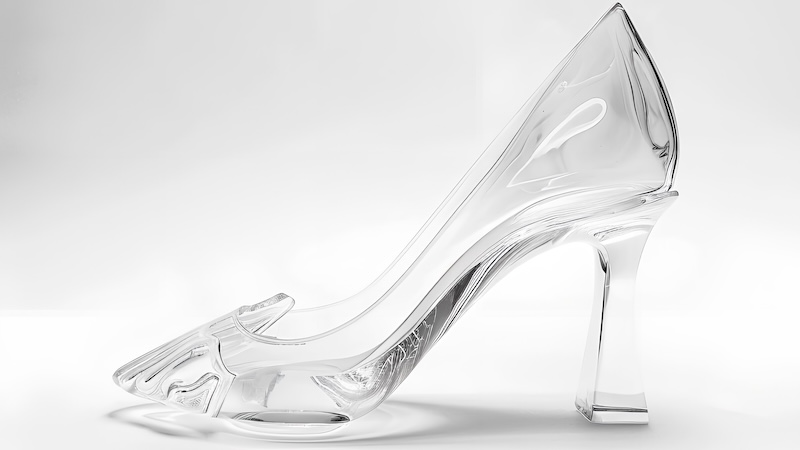
After understanding minimum order quantities and flexibility options, the next critical consideration involves the actual financial investment required for custom shoe manufacturing. Understanding the complete cost structure helps brands budget accurately and avoid unexpected expenses that can derail production timelines.
The pricing for custom shoes varies dramatically based on materials, construction methods, and quality tiers. Custom shoe manufacturers typically structure costs around these core factors, with additional fees for tooling, sampling, and design modifications that many brands overlook during initial budget planning.
Custom shoe pricing operates across distinct quality tiers, each reflecting different material grades, construction techniques, and target market segments. Entry-level custom shoes typically range from $8 to $15 per pair when working with shoes manufacturers in Asia, using synthetic materials and basic construction methods like cement bonding. These shoes serve fast-fashion brands and promotional products where price sensitivity outweighs durability concerns.
Mid-tier custom shoes command $15 to $35 per pair, incorporating genuine leather accents, improved cushioning systems, and more refined stitching techniques. This category represents the sweet spot for emerging direct-to-consumer brands seeking quality without premium pricing. A custom shoe manufacturer at this level typically offers Blake stitching or basic Goodyear welt construction, significantly improving longevity compared to entry-level options.
Premium custom shoes range from $35 to $75 per pair, featuring full-grain leather, advanced cushioning technologies, and meticulous hand-finishing details. Custom shoes manufacturers serving this tier maintain stricter quality control standards and offer sophisticated design capabilities including laser etching, complex perforation patterns, and premium hardware. Luxury-tier custom shoe production exceeds $75 per pair, sometimes reaching $150 or more for exotic materials like python skin, hand-lasted construction, or intricate embellishments requiring specialized artisan skills.
Material selection drives substantial cost variations within each tier. Synthetic leather alternatives cost approximately $0.80 to $1.50 per square foot, while genuine cowhide leather ranges from $2.50 to $6.00 per square foot depending on grade and finish. Exotic materials like ostrich or stingray leather can exceed $15 per square foot. Sole materials similarly impact pricing, with basic rubber compounds costing $0.60 to $1.20 per pair versus premium Vibram or custom-formulated compounds at $2.50 to $5.00 per pair.
Construction methods directly correlate with labor costs and final pricing. Cement construction remains the most economical at approximately $2.50 to $4.00 per pair in labor costs, while Blake stitching adds $3.50 to $6.00 per pair. Goodyear welt construction, considered the gold standard for durability, increases labor costs by $8.00 to $15.00 per pair due to the specialized equipment and skilled craftsmanship required.
Beyond the per-pair manufacturing costs, custom shoe production involves substantial upfront investments that catch many brands unprepared. These hidden costs significantly impact total project budgets, especially for new brands producing their first custom shoe lines.
Tooling and mold development represent the largest hidden expense in custom shoe manufacturing. Last development, the foot-shaped form around which shoes are constructed, typically costs $800 to $2,500 per size depending on complexity and whether the shoe manufacturer creates a completely unique shape or modifies an existing pattern. A full size run covering men's sizes 7 through 13 requires seven to eight lasts, potentially totaling $5,600 to $20,000 before a single shoe is produced.
Outsole molds constitute another significant investment, ranging from $1,200 to $4,500 per design based on intricacy and material. Custom tread patterns, brand logos embedded in the sole, or multi-density constructions increase mold complexity and costs. Most custom shoes manufacturers require brands to pay these tooling fees upfront, with ownership sometimes remaining with the factory rather than the brand.
Sampling fees add $150 to $500 per sample pair depending on the shoe manufacturer and design complexity. Brands typically require three to five sampling rounds to refine fit, materials, and construction details, accumulating $450 to $2,500 in sampling costs per style. Private label shoe programs sometimes waive or reduce sampling fees for larger production commitments, but this varies significantly among manufacturers china facilities.
Additional hidden costs include grading fees for scaling patterns across size ranges at $200 to $600 per style, color matching for custom dyes at $100 to $300 per colorway, and packaging development ranging from $0.50 to $3.00 per unit depending on custom box designs versus stock packaging. Compliance testing for the United States market, including material safety testing and performance standards verification, adds $500 to $2,000 per style to ensure products meet consumer safety requirements.
Smaller brands should budget approximately 15 to 25 percent above quoted per-pair costs to account for these ancillary expenses. Larger operations placing orders exceeding 5,000 pairs often negotiate tooling cost absorption or amortization across multiple production runs, significantly reducing the per-unit impact of these upfront investments.
After understanding the financial requirements and cost structures involved in custom shoe production, the next critical step is selecting a manufacturing partner who can deliver quality products consistently. The right shoe manufacturer becomes an extension of your brand, directly impacting product quality, delivery timelines, and ultimately customer satisfaction.
Choosing among thousands of shoes manufacturers in China requires a systematic evaluation process that goes beyond price comparisons. Your manufacturing partner will influence everything from product durability to production scalability, making this decision one of the most important in your business journey. A thorough vetting process helps identify manufacturers who align with your quality standards, production capabilities, and business values.
Manufacturer credentials serve as the foundation for a successful partnership. Start by examining how long a custom shoe manufacturer has operated in the footwear industry. Established manufacturers typically possess refined production processes, stable supply chains, and experienced teams who understand international quality expectations. Companies operating for ten or more years generally demonstrate financial stability and market adaptability.
Certification verification represents a non-negotiable step in your evaluation process. Request copies of ISO 9001 quality management certifications, which indicate standardized production processes and quality control systems. For custom shoes destined for the US market, manufacturers should hold certifications demonstrating compliance with Consumer Product Safety Commission regulations. Environmental certifications like ISO 14001 reflect responsible manufacturing practices, increasingly important for brands targeting conscious consumers.
Production capacity assessment determines whether a shoe manufacturer can scale with your business growth. Request detailed information about factory square footage, number of production lines, and monthly output capabilities. A manufacturer producing 50,000 pairs monthly may struggle if your brand experiences rapid growth requiring 100,000 pairs within six months. Conversely, factories focused on mass production might lack the flexibility needed for smaller custom shoe runs with frequent design iterations.
Specialization areas significantly impact manufacturing success. Some shoes manufacturers excel in athletic footwear construction, while others specialize in dress shoes, boots, or casual sneakers. Review the manufacturer's portfolio to confirm they regularly produce footwear categories matching your product line. A factory primarily manufacturing leather dress shoes may lack the technical expertise for high-performance running shoes requiring specialized cushioning systems and breathable mesh construction.
Client references provide invaluable insights into manufacturer reliability and communication quality. Request contact information for three to five current clients, preferably brands serving the US market. Ask these references specific questions about on-time delivery rates, quality consistency across production runs, responsiveness to design modifications, and how the manufacturer handles production issues. Pay attention to whether references mention receiving unexpected cost increases or experiencing communication challenges.
Sample quality evaluation offers direct evidence of manufacturing capabilities. Order samples of products similar to your custom shoe designs, paying close attention to stitching precision, material quality, adhesive application, and overall finish. Examine whether shoe components align properly, if colors match specifications accurately, and whether construction details meet your standards. Request samples from multiple production batches to assess consistency, as single samples might not represent typical output quality.
Factory audit considerations help verify operational claims. While comprehensive on-site audits provide the most thorough assessment, initial evaluations can utilize video factory tours showing production lines, quality control stations, and material storage areas. Virtual tours should include unscripted segments rather than pre-recorded presentations, allowing you to ask questions about specific processes. Note whether the factory appears organized, well-lit, and properly maintained, as these factors correlate with production quality and worker satisfaction.
Communication capabilities directly affect project success rates. Evaluate whether the custom shoes manufacturer employs English-speaking staff members who understand technical footwear terminology. Test their responsiveness by sending detailed technical questions and noting response times and answer quality. Manufacturers taking three to four days to answer simple questions will likely cause frustration during urgent production situations. Establish whether they use project management systems allowing real-time production tracking and transparent communication.
Technical expertise becomes apparent through conversations about manufacturing processes. Knowledgeable shoe manufacturer representatives should explain how they would approach your specific design challenges, suggest material alternatives when needed, and identify potential production issues before sampling begins. They should understand construction methods like Goodyear welting, Blake stitching, or cement construction, and recommend appropriate techniques based on your design requirements and target price points.
Private label shoe experience indicates whether a manufacturer understands brand-building requirements. Manufacturers experienced with private label production typically offer more flexible branding options, understand packaging customization needs, and respect intellectual property concerns. They recognize that private label shoe brands require consistent quality to build customer loyalty and reputation.
Payment terms and financial stability affect partnership viability. Established custom shoes manufacturers typically request 30% deposits with 70% due before shipment, though terms vary based on order sizes and relationship history. Be cautious of manufacturers demanding full payment upfront or offering suspiciously low prices combined with minimal deposit requirements. These arrangements often indicate financial instability or quality compromises. Verify the manufacturer accepts standard US payment methods like wire transfers or PayPal for transparent financial transactions.
Understanding how to evaluate Chinese shoe manufacturers requires consolidating critical insights for successful custom footwear production partnerships.
Manufacturing Partnership Success Factors
Productive relationships with custom shoes manufacturers require thorough vetting and clear communication. The right shoe manufacturer must demonstrate verifiable experience in your footwear category. Request samples matching quality standards before large production runs. Prioritize manufacturers providing detailed cost breakdowns and consistent communication.
Quality and Cost Balance Considerations
Entry-level custom shoes cost $8-$15 per pair, mid-range options $15-$35, and premium footwear $35-$70 before shipping. Price tiers reflect material quality, construction techniques, and quality control processes. Target market and brand positioning should dictate tier selection. Selecting lowest-cost manufacturers often damages brand reputation through compromised quality.
Production Timeline and Inventory Planning
Standard production timelines span 60-90 days from order confirmation to US warehouse delivery. Rush production carries 15-30% premiums and may compromise quality control. Most shoes manufacturers require 30-50% deposits upfront with balance due before shipment.
Compliance and Market Entry Requirements
All footwear imported to the US must comply with Consumer Product Safety Commission standards regarding lead content and material safety. Manufacturers should provide test reports from accredited laboratories before first shipment. Proper Harmonized Tariff Schedule classification affects duty rates, typically 8-37.5% depending on materials. Working with customs brokers familiar with footwear optimizes landed costs.
Scaling Strategy for Growing Brands
Start with minimum order quantities (300-1,200 pairs per style) to validate designs before scaling. As volumes increase, negotiate better pricing and exclusive arrangements. Successful brands develop multiple product lines at different price points with the same manufacturer. Consider geographic diversification only after mastering operations with primary manufacturer.
Long-Term Relationship Management
Sustainable partnerships extend beyond transactional orders to strategic collaboration. Regular communication about collections, forecasts, and market feedback helps manufacturers plan capacity. Many successful brands visit manufacturers annually to strengthen relationships and audit facilities. Paying invoices promptly and maintaining consistent order volumes earns preferential treatment during capacity constraints.
These takeaways provide realistic expectations and strategic frameworks for successful market entry and sustainable growth in competitive footwear industry.
After exploring how to evaluate manufacturer credentials and reviewing the key takeaways for partnering with Chinese shoe manufacturers, you likely have specific questions about the custom shoe production process. This FAQ section addresses the most common concerns brands face when working with shoe manufacturers in China.
Factory visits are strongly recommended before finalizing partnerships with shoe manufacturers, though they require advance planning. Most manufacturers china welcome visits by appointment, typically requiring 2-3 weeks notice to arrange facility tours and meetings with production teams. Budget approximately $2,000-$4,000 for airfare from major US cities to manufacturing hubs like Guangzhou or Wenzhou, plus accommodation costs. During your visit, inspect production lines, examine quality control procedures, review material sourcing practices, and meet key personnel who will manage your account. Many brands conduct visits during the sample development phase to address design questions directly with technical teams. If traveling isn't feasible, request video factory tours through platforms like Zoom, though in-person inspections provide better insights into actual working conditions and production capabilities.
Navigating the frequently asked questions above reveals just how many moving parts exist in the custom shoe creation process, from design ownership to quality assurance protocols. Armed with these insights, brands and entrepreneurs can approach shoe manufacturers with clarity and confidence, reducing costly missteps and ensuring smoother collaboration from prototype to production.
Partnering with the right custom shoes manufacturers transforms product ideas into tangible footwear that resonates with target audiences. Whether launching a private label shoe collection for a niche athletic market or developing a fashion-forward sneaker line, selecting a shoe manufacturer that aligns with your quality standards, production scale, and timeline expectations remains paramount. The research and due diligence invested upfront pays dividends through consistent product quality, reliable delivery schedules, and responsive communication channels that adapt as your brand evolves.
Custom shoe development requires balancing creative vision with manufacturing realities. While manufacturers china often provide competitive pricing and scalable capacity, evaluating factory certifications, material sourcing practices, and ethical labor standards ensures your final product meets both legal requirements and consumer expectations in the United States market. FDA regulations governing certain materials, particularly in children's footwear or products marketed with health claims, add another layer of compliance that reputable manufacturers navigate routinely.
The financial investment in custom shoes extends beyond unit costs to encompass mold development, sampling iterations, shipping logistics, and potential tariff considerations for international production. Brands typically discover that transparent communication about budget constraints early in discussions yields more practical solutions, whether through phased production runs, simplified construction methods, or strategic material substitutions that preserve design integrity while controlling expenses.
Successful custom shoe projects share common traits: detailed technical specifications, realistic timeline expectations, and collaborative relationships with manufacturing partners who view quality as a shared responsibility. Payment method flexibility, including Credit Cards, PayPal, and Apple Pay for smaller sampling orders, demonstrates a manufacturer's adaptability to modern business practices, while structured milestone payments for larger production runs protect both parties throughout the manufacturing cycle.
As the custom footwear landscape continues evolving, brands that invest in understanding manufacturing processes, material properties, and factory capabilities position themselves for sustainable growth. The shoe manufacturer you choose becomes an extension of your product development team, influencing everything from innovation potential to market responsiveness. Prioritizing factories that offer transparent workflows, protect intellectual property, and maintain consistent quality control systems builds the foundation for long-term partnerships that scale alongside your brand ambitions.
Whether producing limited-edition custom shoe releases or establishing ongoing production relationships, the knowledge gained through this comprehensive guide empowers informed decision-making at every stage. From initial concept sketches to final shipment inspection, each phase presents opportunities to reinforce quality standards and brand values through thoughtful manufacturer selection and proactive project management.
 English