In a crowded marketplace, your product's first impression is often its last. Before a customer ever interacts with your item, they interact with its container. This silent ambassador on the shelf or doorstep is your packaging, and its design is a critical, non-verbal communication channel for your brand. A well-executed custom packaging design does more than just hold a product; it tells a story, conveys quality, and builds an emotional connection that can turn a one-time buyer into a loyal advocate.
Think of the last time you received a package that felt special. The unboxing experience, from the sturdy custom packaging for shipping to the interior presentation, likely influenced your perception of the brand and the product's value. This is the power of customized packaging. It transforms a simple transaction into a memorable brand moment. For businesses developing their own products, investing in private label custom packaging is not an afterthought but a foundational brand strategy. It is the tangible expression of your brand's identity, values, and commitment to customer experience.
Effective packaging design serves multiple strategic functions:
First Impressions: It is the first physical touchpoint, setting immediate expectations for quality and care.
Brand Reinforcement: Consistent use of logos, colors, and typography strengthens brand recognition.
Differentiation: Unique structural or graphic design helps your product stand out among competitors on a retail shelf or in an online search.
Practical Communication: It clearly conveys what the product is, its use, and any necessary compliance information, such as FDA-mandated labels for health and wellness items.
Experience Creation: The act of opening—the feel, the sound, the reveal—can be engineered to delight and surprise.
Ultimately, to design a packaging box is to design a customer experience. In the United States, where consumers are presented with endless choices, a box that merely gets an item from point A to point B is a missed opportunity. Your packaging is a silent, yet powerful, brand storyteller waiting to be heard.
Understanding the role of packaging as a brand ambassador is just the beginning. To truly capitalize on this silent salesperson, you must master the foundational principles that transform a simple box into a powerful brand asset. Effective design is a strategic balance of emotional connection and practical utility, ensuring your product not only arrives safely but also creates a lasting positive impression.
In today's market, the moment a customer opens your package is a critical brand touchpoint. This unboxing experience is where custom packaging design shines, turning a routine transaction into a memorable event. It's an opportunity to reinforce your brand's values, quality, and attention to detail. A well-executed unboxing can spark social media sharing, driving organic marketing. Key elements include:
Tactile Materials: Use textured papers, soft-touch coatings, or rigid boxes that feel premium.
Reveal Sequence: Design the opening process to be intuitive and satisfying, building anticipation.
Personalization: A simple, handwritten-style "Thank You" note or the customer's name adds a human touch.
Branded Inserts: Include product guides, care instructions, or a story card that connects the customer to your mission.
This focus on experience is central to private label custom packaging, allowing brands to own every sensory detail from the outer carton to the interior filler.
While aesthetics are vital, the primary function of any package is protection. A beautiful box that fails to safeguard its contents damages both the product and your brand reputation. Clarity and functionality are non-negotiable. This involves selecting the right materials and structural design to withstand the rigors of logistics, especially for custom packaging for shipping. Key considerations include:
Durability: Corrugated cardboard is a standard for strength, while mailer boxes with auto-lock bottoms offer secure closure.
Precise Fit: Customized packaging should be dimensionally optimized to prevent product movement during transit, reducing damage and the need for excessive, non-sustainable filler.
Clear Communication: Legible shipping labels, handling instructions (e.g., "This Side Up"), and any necessary regulatory symbols (like FDA-compliant labels for supplements) must be prominently displayed.
Ease of Use: Design for the end-user with easy-open features and resealable options if applicable.
Ultimately, the most impactful packaging seamlessly blends the joy of discovery with the absolute confidence that the product inside is pristine and secure.
Having established the principles of a great unboxing experience and functional design, the next logical step is to translate those concepts into a tangible, physical box. This guide provides a structured, step-by-step approach to designing your packaging box, ensuring your custom packaging design aligns with your brand and protects your product.
Before sketching a single line, you must define the narrative your packaging will tell. This foundational step ensures your custom packaging for shipping is more than just a container; it's a cohesive brand touchpoint. Start by articulating your core brand values, mission, and the specific emotions you want to evoke. Are you a minimalist wellness brand promoting calm, or a vibrant snack company focused on fun?
Simultaneously, develop detailed buyer personas for your target audience in the United States. Consider demographics, lifestyle, values, and purchasing habits. A product targeting eco-conscious millennials will demand different materials and messaging than one aimed at luxury gift-givers. This clarity directly informs every subsequent decision, from color psychology and typography to structural complexity, ensuring your private label custom packaging resonates deeply and drives connection from the shelf to the doorstep.
With your brand story and audience defined, you can make informed decisions about the physical construction of your box. This step balances aesthetics, protection, sustainability, and cost.
Material Selection:
Corrugated Cardboard: The industry standard for custom packaging for shipping, offering excellent strength-to-weight ratios. Choose from various flute profiles (B-flute for printing, double-wall for heavy items).
Folding Cartons (Paperboard): Ideal for retail-ready private label custom packaging for cosmetics, electronics, or food items. Provides a superior surface for high-quality printing.
Rigid Boxes: Used for luxury goods, these sturdier boxes create a premium unboxing experience but at a higher cost per unit.
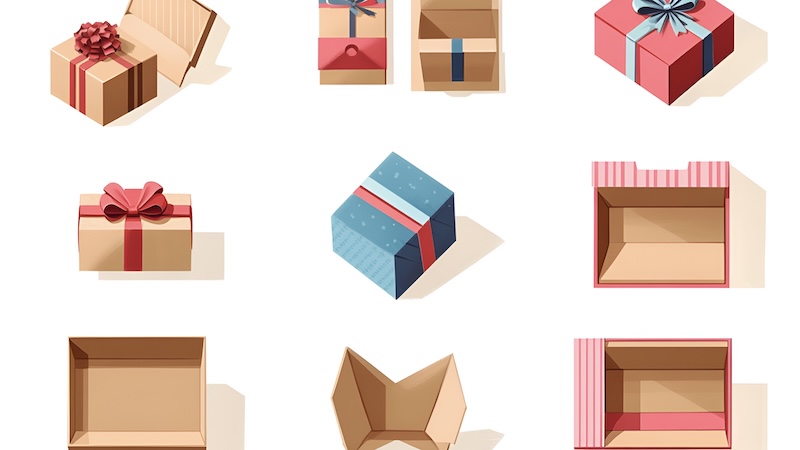
Structural Form: The box shape must first and foremost secure your product during transit. Common forms include mailer boxes, telescoping boxes for two-piece sets, and display-ready tuck-end cartons. Consider how the structure contributes to the user experience—easy opening, secure closure, and potential for reuse. Always prioritize materials compliant with relevant U.S. regulations, such as FDA guidelines for food contact or CPSIA standards for children's products.
Never finalize a design based on digital mockups alone. Creating physical prototypes is a non-negotiable step in the process of designing effective custom packaging for shipping. Prototyping allows you to assess the real-world feel, functionality, and durability of your design before committing to a full production run.
Begin with simple, low-fidelity prototypes using the intended materials to check dimensions, assembly, and structural integrity. Does the product fit snugly? Are the folds and closures intuitive? Once the basic form is validated, produce higher-fidelity prototypes with the intended graphics and finishes. Subject these to rigorous testing that simulates the shipping environment: perform drop tests, compression tests, and vibration tests. Also, conduct user testing with individuals who match your target persona. Observe how they interact with the package—is it easy to open? Does the experience feel premium? This iterative process of prototyping and testing helps identify and rectify flaws in structural design, material strength, and user experience, ultimately saving significant costs and protecting your brand reputation from the negative impact of failed packaging in the market.
Having defined your brand story and chosen your materials, the next critical step is translating that identity into the visual language of your custom packaging design. The strategic application of core design elements transforms a simple container into a powerful brand ambassador, ensuring your product stands out on a shelf and remains memorable long after purchase. This visual consistency is the cornerstone of effective private label custom packaging, building immediate recognition and trust with consumers.
Your logo is the face of your brand, and its placement on your packaging box is a primary driver of recognition. Consistent, prominent placement ensures instant identification. For a shipping box, the logo should be visible on the top or a primary side panel. For retail boxes, consider the front panel as prime real estate. The goal is for the logo to be the first visual anchor a customer sees.
Equally vital is the disciplined use of your brand's color palette. Colors evoke emotion and convey brand personality faster than any other element. A study on the impact of color in marketing suggests it can increase brand recognition by up to 80%. For customized packaging, this means using your signature colors not just as accents but as foundational blocks of the design. A cosmetics brand might use soft pastels to convey purity, while a tech accessory company might use sleek metallics and dark tones to signal innovation. This consistent color application across all custom packaging for shipping and retail creates a cohesive, professional brand experience from warehouse to doorstep.
The words on your box and how they are presented are your direct conversation with the customer. Typography—the style and appearance of text—must align with your brand voice. A playful, hand-drawn font suits an artisanal food brand, while a clean, sans-serif font projects modernity for a tech product. Limit your typefaces to one or two families to maintain clarity and professionalism.
Your core messaging must be concise and hierarchical. The brand name and product descriptor should be most prominent. Supporting copy, such as key benefits or usage instructions, should be secondary. For compliance, especially with FDA regulations for health, food, or wellness products in the US, all required information (ingredients, warnings, net quantity) must be clearly legible. Effective messaging on private label custom packaging answers the customer's questions instantly: What is this? Who is it from? Why should I care? This clarity, achieved through thoughtful typography and copy, completes a design that protects your product and promotes your brand.
While focusing on key design elements like typography and logo placement is crucial for brand recognition, the execution of your custom packaging design can be undermined by common pitfalls. A successful design balances visual appeal with practical functionality. This section outlines two frequent errors to help you create effective, durable packaging that protects your product and reinforces your brand.
In an effort to stand out, brands often create overly complex packaging that confuses customers and fails its primary functions. A cluttered design with too many colors, fonts, or competing visual elements can obscure your brand message and key product information. This complexity can also significantly increase production costs for your customized packaging without delivering a proportional return on investment. For example, a subscription box with multiple interior compartments, intricate die-cuts, and several different typefaces may look impressive in a designer's mockup but can frustrate a customer trying to access the product quickly. The goal is clarity, not chaos. Simplify your design by focusing on a single, strong visual hierarchy. Use white space strategically to guide the customer's eye to your logo and the most important product benefits. A clean, uncluttered design is often more memorable and premium-feeling than a busy one, ensuring your private label custom packaging communicates professionalism and quality at a glance.
A beautiful box that arrives damaged is a failed customer experience. This mistake is especially critical for custom packaging for shipping, where the container must survive the rigors of carriers like USPS, UPS, and FedEx. Choosing a paper stock that is too thin or a structural design with weak seams to save on cost or achieve a certain look can lead to crushed corners, torn surfaces, and compromised products. For instance, a cosmetics brand using a delicate, uncoated paper for a mailer box might find lipsticks broken upon delivery, despite the packaging's attractive matte finish. Durability is a non-negotiable component of your brand promise. Always select materials and construction methods appropriate for your product's weight, fragility, and shipping journey. Test your prototypes rigorously—drop them, stack them, and simulate transit conditions. A slightly thicker corrugated mailer or a reinforced closure system is an investment in customer satisfaction and reduces the costs and brand damage associated with returns and replacements.
Today's consumers, particularly in the US market, are increasingly making purchasing decisions based on a company's environmental values. Therefore, integrating sustainability into your custom packaging design is no longer a niche consideration but a mainstream expectation and a powerful brand differentiator. Sustainable practices in private label custom packaging demonstrate corporate responsibility and can significantly enhance brand perception and loyalty.
Sustainable packaging design focuses on three core principles: reducing material use, incorporating recycled or renewable content, and ensuring end-of-life recyclability or compostability. For custom packaging for shipping, this can mean right-sizing boxes to eliminate empty space and unnecessary filler, which also reduces shipping costs. It involves selecting materials like post-consumer recycled (PCR) corrugated cardboard or paperboard, and using water-based inks and biodegradable adhesives. Clearly communicating these efforts on the packaging itself—through recognized symbols like the recycling logo or phrases like "Made from 100% Recycled Material"—educates the consumer and reinforces your brand's commitment. Furthermore, designing for a second life, such as creating a shipping box that can be easily converted into a storage container, adds value and keeps your brand in the customer's home longer. By thoughtfully embedding sustainability into your design strategy, you not only minimize environmental impact but also build a stronger, more resonant connection with your audience.
A critical, non-negotiable aspect of packaging design for the United States is adherence to federal and state regulations. Overlooking compliance can lead to costly fines, product seizures, and irreparable brand damage. Your custom packaging design must be built to accommodate all legally mandated information from the outset, not added as an afterthought.
Key regulatory bodies include the Food and Drug Administration (FDA) for food, dietary supplements, cosmetics, and medical devices; the Consumer Product Safety Commission (CPSC) for general consumer goods; and the Federal Trade Commission (FTC) for labeling and marketing claims. Common requirements that must be integrated into your private label custom packaging design include:
Ingredient Lists & Nutritional Facts: For food and supplements, these must be presented in a specific format with clear typography.
Net Quantity of Contents: The amount of product must be declared in both metric and U.S. customary units (e.g., "Net Wt. 16 oz (453 g)").
Warning Statements: Products like cosmetics with certain ingredients or children's items require specific cautionary language.
Country of Origin: Most products must state where they were manufactured.
Symbols: Recognized symbols, like the "Made in USA" mark or recycling codes, have strict usage guidelines.
Work with legal counsel or a compliance expert early in the design process. Ensure your chosen materials are approved for direct contact with your product type (e.g., FDA-compliant inks for food packaging). Allocating dedicated, legible space for this information within your layout is essential for creating customized packaging that is both beautiful and lawful.
For online brands, the custom packaging for shipping is often the first and only physical interaction a customer has with your company. This makes it an unparalleled opportunity to build loyalty and encourage repeat business. E-commerce packaging must be engineered for a dual purpose: surviving the logistics chain and delivering a branded experience that compensates for the lack of a physical store.
Key strategies for e-commerce packaging include:
Branded Exterior Simplicity: While a full-print box is impactful, even a simple logo on a kraft mailer can elevate the experience. The exterior must remain clean for carrier labels and scanning.
Optimized Dimensional Weight: Use custom packaging design software or work with your supplier to create boxes that minimize dimensional weight (DIM weight) charges from carriers, a major cost factor in e-commerce.
Kitting and Subscription Readiness: Design packaging that can efficiently hold multiple items (kitting) or be part of a recurring subscription service, where consistency and easy opening are paramount.
Directing the Online Journey: Include QR codes or short URLs on inserts that lead to setup guides, video tutorials, review pages, or loyalty program sign-ups. This turns the unboxing moment into a bridge for further digital engagement.
Returns Efficiency: Consider the return process. Design packaging that is easy to reseal or include a pre-printed return label inside. A hassle-free return experience can salvage customer goodwill even when a product doesn't work out.
By treating your e-commerce box as a key marketing channel, your private label custom packaging directly contributes to lower operational costs, higher customer satisfaction, and increased customer lifetime value.
Avoiding common design mistakes is the final step in a process that begins with understanding your brand's core identity. The strategic design of a packaging box is not merely about aesthetics; it is a critical investment in brand equity, customer experience, and operational efficiency. The most effective packaging serves as a silent salesperson, a protective vessel, and a memorable brand touchpoint all at once.
Customized packaging is a strategic asset. A well-executed custom packaging design communicates your brand's unique value proposition directly on the shelf or at the customer's doorstep. It transforms a generic container into a branded experience, fostering recognition and loyalty that generic boxes cannot achieve.
Design must balance form and function. While visual appeal is crucial for attracting attention, the primary role of custom packaging for shipping is to protect the product throughout the logistics chain. A design that prioritizes durability, correct sizing, and secure closure prevents damage and reduces returns, protecting your bottom line.
Consistency builds trust. Every element—from your logo placement and brand colors to your typography and messaging—must be applied consistently across all private label custom packaging. This repetition is what cements your brand identity in the consumer's mind, turning a one-time buyer into a repeat customer.
Simplicity and clarity win. Avoid the temptation to overcrowd your box with excessive text, complex graphics, or unnecessary features. A clean, focused design with a clear hierarchy of information (brand, product, key benefits) is more legible, more professional, and more likely to be remembered.
Compliance is non-negotiable. In the United States, packaging for specific product categories (like food, supplements, or cosmetics) must adhere to regulations from bodies like the FDA. This includes requirements for ingredient listings, nutritional facts, warning labels, and net quantity statements. Ensuring your design accommodates these mandatory elements from the start avoids costly revisions.
Sustainability is a competitive advantage. Modern consumers expect eco-conscious packaging. Integrating sustainable materials, right-sizing, and clear end-of-life instructions into your design strengthens your brand and meets market demand.
Moving beyond avoiding common mistakes, the final step is to proactively transform your packaging from a protective container into a core component of your brand's marketing strategy. A well-executed custom packaging design is not an expense but an investment in customer experience, brand loyalty, and repeat business. It is the last physical touchpoint you control before the product is in the customer's hands and the first they see when it arrives, making its impact undeniable.
Effective customized packaging achieves several key marketing objectives simultaneously. It reinforces your brand identity, creating a memorable unboxing experience that customers are eager to share on social media. It communicates your values, such as sustainability through material choices or luxury through premium finishes. Most importantly, it turns a routine transaction into a branded event, fostering an emotional connection that generic packaging cannot match.
For custom packaging for shipping, this strategic approach is especially critical. The box must be durable enough to protect its contents across the logistics chain while also serving as a mobile billboard. Consider these elements to maximize its marketing power:
Cohesive Brand Story: Ensure every element—from the box structure and color palette to the interior lining and included notes—tells a consistent story about your brand.
The Unboxing Sequence: Design the opening experience intentionally. Layer elements to create surprise and delight, making the customer feel valued.
Clear Call-to-Action (CTA): Use the packaging real estate to drive further engagement. Include QR codes linking to tutorials, review sites, or loyalty programs.
Reusability & Secondary Function: Design packaging that customers want to keep, such as a sturdy box that becomes storage or a beautifully printed mailer that can be repurposed as a gift bag.
This holistic approach is the foundation of successful private label custom packaging. It allows you to own the entire customer journey, from the digital storefront to the physical doorstep. In a competitive US market where consumers value experience as much as the product itself, your box is a silent salesperson working overtime. By prioritizing thoughtful design that blends aesthetics with unboxing functionality, you convert a simple shipping container into a powerful tool that builds your brand, delights your customers, and drives sustainable growth.
Q: How much does custom packaging typically cost?
A: The cost of custom packaging varies widely based on factors like order quantity, material choice (e.g., standard corrugated vs. rigid box), complexity of printing (number of colors, special finishes), and structural design. For small runs, unit costs are higher, but they decrease significantly with larger production volumes. It's best to request quotes from several manufacturers with your specific specifications to get an accurate estimate.
Q: How long does it take to develop and produce custom packaging?
A: The timeline can range from 4 to 12 weeks or more. The process includes design and concept development (1-3 weeks), prototyping and testing (2-3 weeks), final artwork preparation (1-2 weeks), and manufacturing and shipping (3-6 weeks, depending on the supplier's location and capacity). Planning ahead and building buffer time into your product launch schedule is crucial.
Q: What are the most important things to include on a shipping box label?
A: A shipping label must clearly display the delivery address, return address, and any relevant tracking barcodes. For brand recognition and professionalism, it is also highly recommended to include your company logo. Ensure all text is legible and the label is securely affixed to a flat surface on the box to prevent scanning issues during transit.
Q: Can I make my packaging sustainable without significantly increasing costs?
A: Yes, several strategies can enhance sustainability without major cost hikes. Right-sizing your box to fit your product snugly reduces material use and can lower shipping fees. Using standard, readily available recycled materials (like PCR cardboard) is often cost-competitive with virgin materials. Simplifying your design by using fewer ink colors and avoiding complex laminations can also reduce cost and environmental impact. Discuss your sustainability goals with your packaging supplier to find the most cost-effective solutions.
Q: How do I ensure my packaging design is compliant with US regulations?
A: Compliance must be integrated from the start. Identify which regulatory bodies (FDA, CPSC, FTC) govern your product category. Consult with a legal expert or a packaging supplier experienced in your industry to understand specific labeling requirements, such as ingredient lists, net quantity statements, and warning labels. Allocate clear, legible space for this mandatory information in your initial design layout to avoid last-minute, costly changes.
Q: Is custom packaging worth it for a small e-commerce business?
A: Absolutely. For an e-commerce business, the unboxing experience is a primary differentiator. Even starting with a simple custom mailer box with your logo can dramatically elevate perceived value and encourage social sharing. As you scale, you can invest in more complex designs. The brand loyalty and professional image gained from custom packaging for shipping often justify the initial investment, leading to higher customer retention and word-of-mouth marketing.
Q: How much does custom packaging typically cost?
A: The cost of custom packaging varies widely based on factors like order quantity, material choice (e.g., standard corrugated vs. rigid box), complexity of printing (number of colors, special finishes), and structural design. For small runs, unit costs are higher, but they decrease significantly with larger production volumes. It's best to request quotes from several manufacturers with your specific specifications to get an accurate estimate.
Q: How long does it take to develop and produce custom packaging?
A: The timeline can range from 4 to 12 weeks or more. The process includes design and concept development (1-3 weeks), prototyping and testing (2-3 weeks), final artwork preparation (1-2 weeks), and manufacturing and shipping (3-6 weeks, depending on the supplier's location and capacity). Planning ahead and building buffer time into your product launch schedule is crucial.
Q: What are the most important things to include on a shipping box label?
A: A shipping label must clearly display the delivery address, return address, and any relevant tracking barcodes. For brand recognition and professionalism, it is also highly recommended to include your company logo. Ensure all text is legible and the label is securely affixed to a flat surface on the box to prevent scanning issues during transit.
Q: Can I make my packaging sustainable without significantly increasing costs?
A: Yes, several strategies can enhance sustainability without major cost hikes. Right-sizing your box to fit your product snugly reduces material use and can lower shipping fees. Using standard, readily available recycled materials (like PCR cardboard) is often cost-competitive with virgin materials. Simplifying your design by using fewer ink colors and avoiding complex laminations can also reduce cost and environmental impact. Discuss your sustainability goals with your packaging supplier to find the most cost-effective solutions.
Q: How do I ensure my packaging design is compliant with US regulations?
A: Compliance must be integrated from the start. Identify which regulatory bodies (FDA, CPSC, FTC) govern your product category. Consult with a legal expert or a packaging supplier experienced in your industry to understand specific labeling requirements, such as ingredient lists, net quantity statements, and warning labels. Allocate clear, legible space for this mandatory information in your initial design layout to avoid last-minute, costly changes.
Q: Is custom packaging worth it for a small e-commerce business?
A: Absolutely. For an e-commerce business, the unboxing experience is a primary differentiator. Even starting with a simple custom mailer box with your logo can dramatically elevate perceived value and encourage social sharing. As you scale, you can invest in more complex designs. The brand loyalty and professional image gained from custom packaging for shipping often justify the initial investment, leading to higher customer retention and word-of-mouth marketing.
 English