



What if the best gift in your next shopping bag is not the most expensive item, but the one with the strongest story, craftsmanship, or daily usefulness? That question is the heart of smart gift buying in China. Many shoppers start by looking for cheap things from China, but price alone rarely creates a memorable gift. The better approach is to match the item to the recipient, the occasion, and the meaning you want the gift to carry.
This guide is designed for people doing informational research, whether you are planning a trip, building a gift list, or exploring things to buy from China before making any purchase decisions. You may also be curious about products that can serve personal gifting and resale ideas at the same time. In that case, it helps to separate impulse buys from products with lasting appeal, especially if you plan to buy things from China to sell later.
When people search for famous things to buy in China, they often find long lists that mix everything together. That can feel overwhelming. A cleaner method is to organize your choices around gift intent: practical gifts, cultural keepsakes, design-forward pieces, and collectible items. This article follows that structure so you can compare options without getting lost in random recommendations.
To keep your choices both cool and meaningful, focus on a few simple filters:
Recipient fit: Choose items that align with the person’s lifestyle, taste, and age, not just current trends.
Authenticity and quality: Prioritize materials, finish, and seller reputation over decorative packaging.
Portability: Consider weight, fragility, and customs practicality if you are traveling with gifts.
Gift value versus cost: A lower price can be great, but perceived value matters more for gift impact.
Story potential: The most appreciated gifts usually come with a short story about where, how, or why you chose them.
You will also see how to think about budget ranges in a practical way. A thoughtful gift can be under $20, while a premium gift can justify a higher spend if it has clear craftsmanship or cultural significance. Instead of chasing the lowest possible price, this article helps you identify items that feel intentional, look distinctive, and hold up after the excitement of unwrapping.
In the sections ahead, we will break down product categories, selection criteria, and common mistakes that lead to disappointing purchases. By the end, you will be better prepared to choose gifts that are genuinely cool, personally relevant, and worth bringing home.

In the introduction, we framed gift buying as a mix of creativity and smart decision-making. That matters even more in B2B, where a product is not just a fun find but a business commitment with costs, timelines, and brand impact.
The phrase "cool things to buy in China" sounds useful for inspiration, but it is risky as a sourcing strategy. It often leads buyers toward novelty-first choices instead of products that can be shipped reliably, pass quality checks, and fit target customer expectations. For gift-focused sellers, that gap can turn a promising idea into returns, delays, and margin pressure.
When people search for things to buy from China, they usually see trend-heavy product lists. Those lists may be fine for personal shopping, but B2B buyers need a stricter filter. A gift item must still meet practical standards: consistent materials, safe packaging, clear labeling, and repeatable production. If you only chase what looks unique, you may ignore the operational basics that keep your store or wholesale channel healthy.
Here is where risk usually appears when teams try to buy things from China to sell based on trend lists alone:
Unstable product quality: Samples can look great while later batches vary in finish, sizing, or durability.
Weak product-market fit: A product that seems exciting online may not match your customer’s price tolerance or gifting use case.
Hidden landed costs: Unit price may be low, but packaging upgrades, freight, and rework can erase profit.
Compliance and safety gaps: Gift categories touching children, electronics, or food contact need extra scrutiny before launch.
Short trend lifespan: Novel items can peak quickly, leaving unsold inventory and discounting pressure.
This is why the idea of finding cheap things from China should be reframed. Low factory pricing is not the same as low total risk. For B2B gift programs, the better question is whether a product can be sourced repeatedly at stable quality and acceptable landed cost over multiple reorder cycles.
A practical approach is to treat "cool" as a starting point, then run a sourcing checklist before committing. In plain terms, validate demand, request production-level samples, compare packaging options, confirm lead times, and test small quantities before scaling. This process keeps creativity while protecting cash flow.
Even famous things to buy in China can be poor choices if they are oversaturated or easy to copy. In gift categories, differentiation often comes from curation, bundling, presentation, and reliable fulfillment, not just the base item itself. A less obvious product with strong consistency can outperform a viral product with unstable supply.
If your goal is to choose gifts that sell well and reorder smoothly, anchor decisions in structured China product sourcing rather than trend chasing. Working with a product sourcing company or sourcing partner can help verify supplier capability, quality controls, and shipment readiness before you scale. The key is simple: let novelty inspire your shortlist, but let sourcing discipline decide your final buy.
After seeing why generic "cool" picks can create B2B risk, the better approach is controlled gift selection. You can still source memorable items, but each choice should start with buyer intent, use case, and import readiness rather than novelty alone.
Start by writing a simple gift brief before requesting samples. Clarify who will receive the gift, why they are getting it, and when it will be delivered. A holiday thank-you gift for long-term clients needs a different product than a trade-show giveaway or employee welcome kit. This step keeps "things to buy from China" aligned with business goals, not impulse trends.
Include practical filters in the brief: target budget per unit, quantity, branding needs, shipping deadline, and acceptable product categories. If your team plans to buy things from China to sell as seasonal gift bundles, define resale channels and expected margin early. In China product sourcing, a clear brief helps suppliers quote accurately and reduces revision cycles.
Gift products perform best when they look current but remain useful after the first impression. Trend-only items may get attention but often produce weak repeat demand. Instead, combine style with function: desk accessories, travel organizers, drinkware, or tech add-ons with everyday utility. Many buyers searching for cheap things from China focus only on unit cost, but perceived quality drives recipient response and brand reputation.
Use a three-part screen for shortlisting:
Trend fit: Is the design current without being a short-lived fad?
Use value: Will recipients use it weekly, not just once?
Brand value: Does it feel premium enough for your audience at your price point?
This framework also helps evaluate famous things to buy in China. Popular categories can work, but only when the item quality, packaging, and branding match your relationship tier.
Compliance should be reviewed before final product approval, not after production starts. Gift items often involve materials, batteries, coatings, textiles, or food-contact surfaces that may require testing or documentation. Ask suppliers for existing test reports, material declarations, and labeling details during sample review. If documents are missing, treat that as a sourcing risk.
Also confirm import constraints tied to your destination market, product type, and packaging claims. A product sourcing agent/company can help pre-check requirements, coordinate third-party inspections, and flag non-compliant specs before mass production. This protects timelines and avoids costly rework at customs. In practice, the safest gifting strategy is simple: shortlist smart, validate early, and only scale orders after compliance and quality checks are complete.
After defining the gift buyer and checking compliance early, the practical question becomes category selection. If you want to buy things from China to sell as gifts, your strongest options are usually low-cost items that feel premium at first glance and remain useful after unboxing.
For gift-focused resellers, the goal is not just finding cheap things from China. The goal is choosing items with a clear "gift moment": attractive packaging, tactile quality, and everyday usefulness that make the recipient feel the gift was thoughtful. This is where category discipline matters more than chasing random famous things to buy in China.
Prioritize categories where small upgrades significantly improve perceived value while keeping landed cost under control:
Desk and lifestyle accessories Think metal pens, cable organizers, notebook sets, and compact phone stands. These items are inexpensive to produce, easy to bundle, and suitable for broad audiences. A matte finish, gift-ready box, or coordinated color set can raise perceived value without a major cost jump.
Home comfort micro-gifts Examples include ceramic mugs, scented sachets, coaster sets, and soft throw accessories. Buyers often judge these by design consistency and packaging quality, not complex technical specs. That makes them practical things to buy from China when you need repeatable quality across seasonal campaigns.
Personal care and travel organizers Cosmetic pouches, toiletry bottles, travel pill cases, and compact mirrors perform well because they solve everyday problems. These are also easy to position by occasion: birthdays, holiday sets, or welcome kits. Focus on zipper quality, material feel, and leak resistance to avoid returns.
Simple tech-adjacent add-ons Cable sleeves, webcam covers, mouse pads, and screen-cleaning kits can look premium with thoughtful design. They are safer than highly technical electronics for many small sellers because testing and defect risk are generally lower when products are simple.
When evaluating any category, use a three-part filter: margin room, breakage risk, and gift presentation. A product with a low unit price can still fail if shipping damage is common or packaging looks generic. In contrast, a slightly higher-cost item may deliver better profit if it supports bundles, custom inserts, or private-label sleeves.
For business relevance, treat category research as part of a repeatable China product sourcing process, not one-off deal hunting. Build a shortlist, request samples, test packaging durability, and confirm labeling before scaling. If your catalog strategy grows, working with a product sourcing company can help standardize quality checks and reduce rework across multiple SKUs.
In short, the best categories for those who buy things from China to sell are giftable, lightweight, visually polished, and easy to reorder with consistent specs. That combination protects margin while keeping customer satisfaction high.
Low-cost, high-perceived-value items can perform well, but results depend on who makes and ships them. To choose the right partner for gift-focused sourcing, compare suppliers with a clear scorecard instead of relying on catalog photos or fast replies.
When reviewing companies that offer things to buy from China, verify legal registration first, then confirm production capability. Ask for a current business license, export credentials, and factory audit reports when available. If you are buying through a trading company, request clarity on which factory will produce each item and whether subcontracting is allowed.
Next, check trade history in practical terms: product consistency, repeat-order performance, and issue resolution. A reliable supplier should provide recent shipment examples for similar gift categories, not just generic claims. For famous things to buy in China and seasonal gift items, ask how they handled previous peak periods, packaging changes, and quality rework timelines. This protects your margin and your launch calendar.
For teams that buy things from China to sell, unit cost matters, but terms matter just as much. Compare minimum order quantity (MOQ), lead time, and customization rules side by side. A very low quote can become expensive if MOQ is too high, production takes too long, or logo and packaging options are rigid.
Use a simple comparison framework:
MOQ by SKU and color: Confirm whether MOQ applies per design, per color, or per mixed carton.
Lead time by phase: Separate sample, production, and shipping timelines to spot hidden delays.
Private label options: Check logo method, packaging formats, insert cards, and barcode support.
Reorder terms: Ask if repeat orders can run at lower MOQ or faster cycle times.
Price break logic: Understand volume tiers so you can scale without margin shocks.
This is especially useful when testing cheap things from China in small batches before expanding winning products.
Strong communication is an operational advantage, not just a convenience. During early conversations, evaluate response clarity, completeness, and consistency across sales and quality contacts. If answers change repeatedly, expect friction later during production.
Treat samples as a decision gate. Request pre-production samples that match final materials, print quality, and packaging, then document approval criteria in writing. For gift products, details like finish, color tone, and presentation quality can change customer perception quickly.
Finally, compare after-sales support before placing larger orders. Confirm defect handling, replacement terms, and response timelines for shipping or quality disputes. If your team uses a product sourcing company or product sourcing agent/company model for China product sourcing, make sure escalation paths are defined in advance. That structure keeps sourcing decisions aligned with your gift strategy, not just the lowest quote.
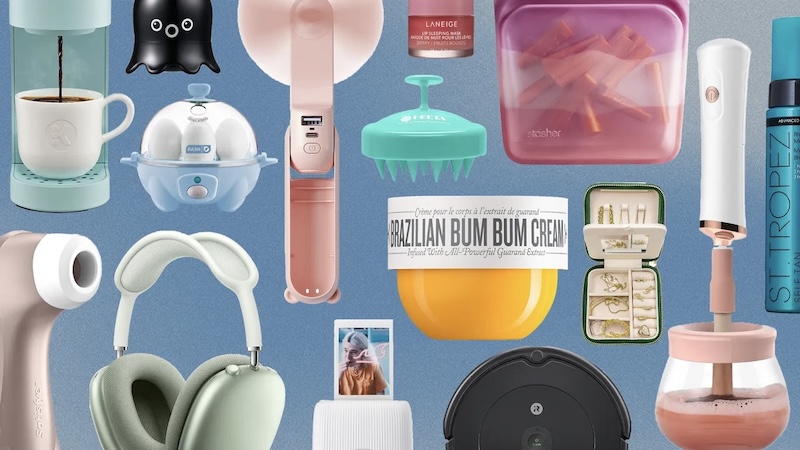
After you confirm supplier credibility, sample quality, and communication standards, your next risk is margin erosion. Many buyers choose promising gift items, then discover that the real cost to buy things from China to sell is much higher than the quote suggested.
For gift-focused products, unit price is only one part of the decision. True landed cost tells you what each item actually costs when it is ready to sell. This is essential when comparing cheap things from China, because small hidden fees can erase profit on lower-ticket products.
Use a simple landed-cost checklist before placing any order:
Product + packaging cost: Include custom boxes, inserts, barcode labels, and any private-label setup charges. Gift buyers judge presentation quickly, so packaging costs should be planned, not treated as optional.
Freight and delivery terms: Separate factory price from shipping, insurance, and destination delivery. Air can speed launch timing, while sea can improve margin. Compare both with realistic timelines.
Import duties, taxes, and clearance fees: Confirm product classification and expected duty treatment before you commit. A sourcing partner can help you avoid misclassification surprises.
Quality control and defect allowance: Add pre-shipment inspection costs and a practical defect reserve. Even famous things to buy in China can have batch variation.
Payment and financing costs: Include transfer fees, currency conversion spread, and deposit timing. Cash-flow cost matters when you scale multiple SKUs.
A practical approach is to build a per-unit landed cost sheet for each candidate product, then rank items by gross margin and reorder safety. In China product sourcing, this helps you prioritize gift products that are attractive, repeatable, and financially sustainable.
Listings can look polished, but review quality varies widely. When evaluating things to buy from China, treat reviews as one signal, not proof. Your goal is to verify consistency between listing claims, supplier behavior, and sample results.
Focus on these checks:
Pattern quality over star average: Look for repeated comments about finish, durability, and packaging consistency across different months.
Buyer profile relevance: Prioritize feedback from buyers with similar order size or use case, especially resale and gifting contexts.
Photo and video evidence: User visuals often reveal size, color, and material details that product photos hide.
Complaint handling behavior: Pay attention to how issues were resolved. Responsive after-sales behavior reduces future risk.
Cross-platform consistency: If possible, compare how the same China product appears across marketplaces or catalogs.
Then verify with your own controls: request current production photos, confirm bill of materials details, and run a sample checklist tied to your gift standards. If you use a product sourcing agent/company, ask them to document findings in one comparison sheet so your ordering decision is based on evidence, not listing polish. This keeps your product picks aligned with profitable, lower-risk gifting demand.
After breaking down full landed costs and filtering out misleading reviews, your gift sourcing choices should now be simpler and more focused. The strongest decisions come from balancing buyer appeal, product practicality, and risk control before you place any order.
Prioritize gift items with clear everyday use, broad style appeal, and straightforward quality checks. This keeps your shortlist of things to buy from China practical, easier to evaluate, and less likely to disappoint end recipients.
Match product selection to realistic resale potential, not just low unit cost. If your goal is to buy things from China to sell, choose gifts with stable demand, manageable variation, and packaging that supports a good unboxing experience.
Treat low price as one factor, not the deciding factor. Many cheap things from China can perform well when quality is consistent, while very low-priced options with weak finish or fragile materials often create avoidable return and reputation issues.
Favor products that are easy to ship, store, and present as gifts across common buyer expectations. This helps preserve margins and reduces friction from handling, damage risk, and customer complaints.
Keep your final list tight: select only items that pass your quality, cost, and credibility filters together. That is the practical way to identify famous things to buy in China that also make sense for gifting outcomes, not just search interest.
Used together, these points turn product discovery into a repeatable decision framework for gift-focused sourcing rather than a guess based on trend noise.
A strong gift combines usefulness, presentation, and low risk. Many cheap things from China can still feel premium if the finish is clean, the packaging protects the item, and the design matches the recipient’s taste. Prioritize products with clear materials, accurate dimensions, and photos that show real-world scale, not only close-ups.
For most shoppers, non-fragile, non-electronic items are easier to source and ship with fewer surprises. Good starter categories include desk accessories, kitchen organizers, travel pouches, reusable drinkware, and simple home decor accents. These are often famous things to buy in China because they balance variety, affordability, and broad appeal.
Use a quick verification checklist before purchasing:
Compare listing photos with customer-uploaded photos to check color and texture consistency.
Read recent reviews for packaging quality, odor, loose parts, or thin materials.
Confirm dimensions in inches and centimeters so size expectations are realistic.
Check whether branding, logos, or labels are removable if you want a cleaner gift look.
Order one sample first when buying multiples for birthdays, holidays, or event favors.
It can be, but only if the product works for both use cases. Some people buy things from China to sell and keep part of the order as gifts. If you do this, choose neutral styles, avoid highly seasonal themes, and test one unit first. That helps you confirm quality before committing to larger quantities.
Set a total budget, then split it into three parts: item cost, shipping, and a small buffer for replacement or repacking. As a practical range, many buyers target $15 to $40 per finished gift, depending on occasion and audience. A modestly priced item can still feel high value when paired with clean wrapping and a short handwritten note.
Yes, when personalization is simple and reliable. Adding custom tags, name cards, or color-coordinated packaging can elevate otherwise standard products. For beginners, avoid complex custom prints unless lead times are clear, because production delays can miss gift deadlines.
Watch for vague material descriptions, missing dimension details, overly edited photos, and inconsistent review language. Also be cautious with products that have many variants but very few verified photos per variant. When details are unclear, move on to a clearer listing rather than guessing.
Start with a small set of practical lifestyle items that are hard to break and easy to use right away. This approach gives you a low-risk trial while learning which things to buy from China match your quality expectations and gifting style.
Q1: What are the best cool things to buy in China as gifts?
Great gift choices from China combine cultural meaning, quality, and practicality. Popular options include tea sets, loose-leaf tea, silk scarves, embroidered accessories, cloisonné decor, paper-cut art, calligraphy sets, and handcrafted ceramics. For modern tastes, consider Chinese designer stationery, tech accessories, and minimalist home goods. The best gift depends on the recipient’s interests: culture lovers may prefer traditional crafts, while everyday users may appreciate functional items with local design. Focus on craftsmanship, portability, and whether the gift tells a story.
Q2: How can I check quality when buying gifts in China markets?
Start by inspecting materials, stitching, finishing, and packaging details. For ceramics and glass, check for cracks, uneven glaze, or rough edges. For textiles like silk, test texture, weave consistency, and color fastness. Ask sellers where the item is made and whether it is handmade or factory produced. Compare similar products across several shops before deciding. If possible, buy from reputable stores, museum shops, or established craft districts. A slightly higher price often reflects better durability and presentation, which matters for gifts.
Q3: Are there affordable cool things to buy in China without looking cheap?
Yes. Many budget-friendly gifts can still feel thoughtful and premium if chosen carefully. Look for items with clean design and good utility, such as quality tea infusers, chopstick sets with cases, handmade bookmarks, local snacks in well-designed tins, and small ceramic cups. Avoid products with flimsy materials or overly flashy branding. Instead of buying many random souvenirs, choose fewer items with better build quality and cultural relevance. Affordable gifts work best when they are useful, well-made, and connected to a local story.
Q4: What cool things to buy in China are good for both gifting and resale?
Products with broad appeal and easy shipping are ideal for both gifting and resale. Strong categories include tea accessories, traditional-inspired jewelry, silk items, home decor accents, stationery, and compact wellness products. Prioritize items that are lightweight, non-fragile, and visually distinctive. For resale potential, check consistency of supply, packaging quality, and margin after shipping costs. Test small quantities first to confirm customer interest. Items that perform best usually combine everyday usefulness with a recognizable Chinese design identity.
If your goal is to find cool, giftable products that can also sell reliably, treat selection as a commercial filter rather than a trend hunt. Many founders start with broad searches for things to buy from China, then narrow too quickly based on appearance alone. A better approach balances gift appeal, supply reliability, and margin reality from day one.
Use this five-part framework to evaluate any shortlist of China product opportunities:
Gift-fit first, not catalog size Score each item on recipient delight, seasonal relevance, and packaging potential. A product can look great online but fail as a gift if presentation is weak or fragile in transit.
Demand signal plus differentiation Validate whether similar products already move in your target channels, then define your angle. Instead of copying famous things to buy in China exactly as seen, improve bundle logic, design details, or personalization options.
True landed economics For cheap things from China, low unit price can hide high total cost. Model sample fees, shipping mode, packaging upgrades, defect buffer, duties, and payment processing so your gift margin survives promotions and returns.
Supplier and quality risk check Ask for sample consistency across batches, not just one good photo set. A practical China product sourcing process includes spec sheets, tolerance clarity, and pre-shipment inspection points tied to gift quality expectations.
Small-batch test with clear pass/fail rules Before scaling, run a controlled order and track complaint types, unboxing feedback, and reorder behavior. This is how you decide whether to buy things from China to sell at larger volume or pivot quickly.
To keep decisions fast, build a one-page scorecard for every candidate product and review it with the same criteria each cycle. If you work with a product sourcing agent/company, use that scorecard as your brief so sourcing conversations stay commercial, not just transactional. This keeps product sourcing aligned with your gift brand standards and reduces costly back-and-forth.
The strongest conclusion is simple: winning gift-focused China product sourcing is less about finding random "winners" and more about disciplined investigation. Start with a tight product shortlist, run the five-part framework, and place one test order only after the numbers, quality checks, and gift experience all align. If you want to streamline execution, map your next step to a structured Product Sourcing Company workflow and move from idea to validated product with fewer surprises.
 English