



What turns a promising purchase plan into a costly delay when you place orders from China? In most cases, it is not one dramatic mistake. It is a chain of small gaps in communication, unclear specifications, shifting production timelines, and limited visibility after payment. This guide is built to help you manage those risks before they become expensive problems.
For importers, brand owners, and procurement teams, Chinese orders can offer strong manufacturing capacity and competitive pricing. At the same time, cross-border buying introduces operational complexity: language differences, time-zone gaps, quality variance, packaging details, shipping coordination, and payment milestones that must line up with real production progress. If your process is informal, each order can feel unpredictable.
That is why this article focuses on management discipline, not shortcuts. The goal is to help you build a repeatable system for sourcing orders, tracking milestones, and protecting margin from inquiry to delivery. Rather than treating each purchase as a one-off transaction, you will learn how to run order products from China through a controlled workflow.
A practical approach starts with three core priorities:
Clarity before commitment: Lock product specs, tolerances, packaging requirements, and acceptance standards before confirming a production run.
Control during production: Use structured order monitoring checkpoints so progress is verified, not assumed.
Coordination through fulfillment: Align inspection, shipping documents, and final payment timing to reduce surprises at departure and arrival.
These priorities matter because managing China order risk is ultimately a business performance issue. Delays can disrupt launches, quality drift can increase returns, and weak order tracking can tie up cash in inventory that does not meet expectations. Strong process management helps protect customer experience while keeping procurement decisions financially sound.
In real operating environments, the effects are measurable. A late production handoff can force air freight instead of sea freight, which can multiply logistics cost several times. A minor labeling mismatch can hold goods at destination customs for days, causing stockouts in stores or lost marketplace ranking online. A single unchecked material substitution can trigger warranty claims months after the shipment lands. When teams understand these downstream impacts, they are more likely to invest in tighter front-end controls.
In the sections ahead, we will break down how to plan and manage order products step by step, including specification control, production follow-up, quality checks, communication cadence, and escalation practices. We will also cover how order monitoring supports better decisions when timelines move or defects appear, so you can respond early instead of reacting late.
If your objective is reliable execution, not just lower unit cost, this framework will help you manage orders from China with more confidence and fewer operational surprises.
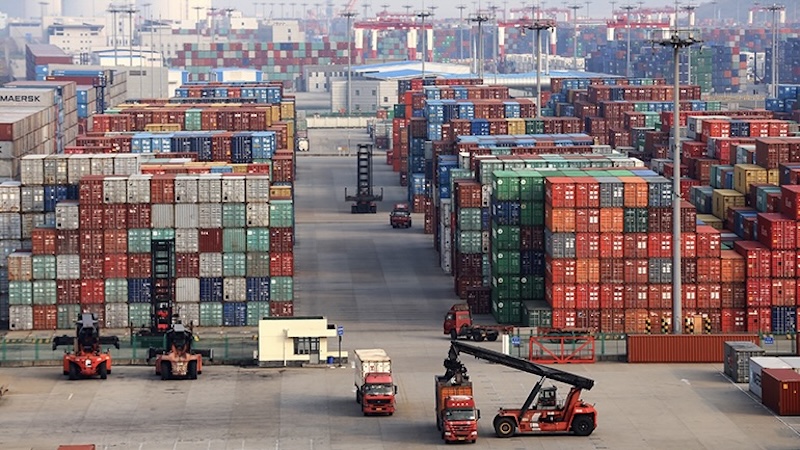
The introduction highlighted that managing orders from China is not a single transaction but an ongoing operational process. Building on that foundation, this section focuses on how day-to-day order decisions are shaped by local business norms, execution risks, and communication habits.
A practical starting point is understanding that many Chinese orders move through relationship-led workflows rather than strictly contract-led workflows. Formal terms still matter, but response speed, flexibility, and trust often influence outcomes during production changes, timeline pressure, or quality adjustments. Buyers who only rely on written terms can miss how quickly expectations shift once production starts.
Another difference is decision structure. You may discuss requirements with a sales contact, while approvals on pricing, materials, or lead time sit with separate internal teams. For sourcing orders, this means you should confirm who owns each decision and when confirmation becomes final. Clear version control for specifications, packaging, and labeling is essential so both sides execute the same order scope.
It is also common for factories to prioritize production queues based on deposit timing, order size, and relationship history. If your team assumes first-confirmed means first-produced, you may face avoidable delays during peak seasons. A practical fix is to request a written production slot confirmation and re-validate it at agreed checkpoints. This makes planning more accurate and reduces surprises when capacity gets tight around major holidays.
Most execution issues appear after placement, not during negotiation. Common problems include specification drift, uneven quality between pilot and bulk runs, production queue delays, and documentation mismatches. These risks grow when buyers order products from China with incomplete technical files or unclear acceptance criteria.
To reduce friction, treat order control as a structured workflow:
Lock technical specs before deposit, including tolerances and packaging details.
Define milestone checks for pre-production, in-line, and pre-shipment stages.
Align lead times with realistic factory capacity, not optimistic estimates.
Set escalation paths for defects, delays, and rework decisions.
Use standardized order monitoring reports so updates are comparable across suppliers.
This approach keeps order monitoring tied to business outcomes: fewer surprises, clearer accountability, and better on-time delivery performance.
A useful example is packaging compliance. Many buyers focus heavily on product quality but treat carton markings and inner-pack labels as secondary. In practice, incorrect carton information can cause receiving delays at warehouses, inventory miscounts, and additional relabeling fees. By adding packaging validation to the same quality workflow as product checks, teams reduce both logistics friction and post-arrival labor cost.
Communication quality is often the deciding factor in whether a China order stays on track. Brief messages that seem clear internally can be interpreted differently by production teams, especially when technical language is broad or approval status is implied rather than explicit. Use direct, unambiguous wording, and confirm critical points in writing after every call.
Cultural awareness also improves control without adding complexity. Respectful persistence, clear timelines, and documented follow-up usually work better than aggressive escalation. For teams managing recurring orders from China, a simple communication rhythm helps: weekly status cadence, milestone-based confirmations, and rapid issue logs with owner and deadline. This makes order monitoring operational, not reactive, and supports consistent performance across repeat purchase cycles.
One practical method is to separate “discussion” from “decision” in your communication. A discussion can explore options, but a decision should always include exact files, version numbers, and a clear “approved for production” statement. This small discipline prevents the common problem where one side believes a point is confirmed while the other treats it as provisional.
Clear communication and cultural awareness reduce friction, but they do not protect your business on their own. To manage orders from China consistently, you also need a sourcing process that filters risk before purchase orders are issued.
Start with identity and capability checks before discussing price. Confirm the legal company name, business scope, and operating history, then match those records to the supplier you are actually negotiating with. Ask for recent export references in your product category, and request evidence of production capacity tied to your expected monthly volume.
For Chinese orders with recurring demand, validate process maturity, not just sample quality. A good sample can come from a temporary setup, while stable fulfillment depends on documented workflows, incoming material controls, and clear escalation paths for defects. As a practical best practice for China components sourcing, score suppliers on compliance, capacity, communication speed, and corrective-action discipline, then compare scores across candidates instead of relying on a single sales conversation.
It is equally important to test responsiveness under pressure. During vetting, ask scenario-based questions: What happens if a key material arrives late? Who approves substitute materials? How fast can they provide a corrective-action report after a failed inspection? Suppliers with mature systems answer with process steps and timelines, not vague promises. That difference often predicts performance once real volume begins.
B2B platforms are useful discovery tools, but they work best when treated as a starting point, not proof of reliability. Use platform filters to narrow by product specialization, years in operation, and verification badges, then conduct your own checks through video calls, document reviews, and sample orders.
When sourcing orders, focus on signals tied to execution quality: consistency in technical replies, willingness to share process details, and transparency on lead-time constraints during peak seasons. Keep all commercial terms in writing, including incoterms, tooling ownership, packaging standards, and rework responsibility. This discipline helps prevent mismatched expectations and gives your team a clear baseline when managing repeat orders from China across multiple SKUs.
A practical screening tactic is to request the same technical brief from several shortlisted suppliers and compare how each responds. Strong suppliers usually ask clarifying questions about tolerances, finish, or testing standards before quoting. Weak suppliers often provide a fast number without addressing critical details. The first group typically delivers better consistency even if their quote is not the lowest.
A factory audit turns assumptions into observable facts. For new suppliers, use either in-person visits or a qualified third-party auditor to verify production lines, workforce stability, equipment condition, and traceability controls. During the audit, follow one product path from raw material receipt to final packing to identify bottlenecks that may affect on-time delivery.
Pair the audit with a structured quality plan: pre-production approval, in-process inspections, and pre-shipment checks based on defect criteria your team defines in advance. If findings are weak, require a corrective-action timeline before placing larger Chinese orders. This approach keeps supplier selection aligned with business outcomes: fewer disruptions, more predictable landed cost, and stronger long-term control over orders from China.
For higher-risk categories, consider a pilot order with stricter controls before scaling. Use a limited quantity to validate packaging integrity, defect rates, and document accuracy across the full cycle. Pilot performance provides more reliable evidence than pre-sales claims and helps you decide whether to approve larger volume.
After vetting factories and confirming quality systems, pricing becomes the control point that protects your margin on orders from China. A qualified supplier can still become a costly partner if the quote structure is unclear or key charges are missing.
When you review Chinese orders, ask for a fully itemized quote instead of a single unit price. Separate tooling, materials, packaging, testing, inland freight, export fees, and payment terms so you can compare suppliers on equal terms. This also helps your team identify where a low headline price may hide expensive line items later.
For sourcing orders, clarify the commercial basis early: EXW, FOB, or landed pricing. Each model shifts responsibility for transport, risk, and documentation. If you plan to order products from China regularly, request tiered pricing by volume and by material grade, then test each tier with projected demand rather than optimistic forecasts.
In negotiation, focus on total value, not only unit cost:
Lock a price validity window tied to raw-material volatility.
Negotiate defect thresholds and rework responsibilities in writing.
Tie deposit and balance payments to production and inspection milestones.
Ask for packaging optimization that lowers freight without harming product integrity.
Confirm lead-time commitments with penalties or expedited options.
This approach supports predictable cash flow and reduces firefighting during fulfillment.
You can also improve negotiation outcomes by sharing demand visibility. Suppliers are often more willing to offer stable pricing when they can see a rolling forecast instead of one isolated order. Even a non-binding quarterly projection helps factories plan materials and labor, which can reduce rush fees and improve slot priority during high-demand periods.
Many buyers manage the factory quote well but lose margin through untracked downstream charges. Common hidden costs include bank transfer fees, exchange-rate spread, sample revisions, mold maintenance, compliance labeling changes, and port storage caused by document errors. Even small fees compound quickly across recurring orders.
Freight-related add-ons are especially important for business planning. Peak-season surcharges, container rollovers, split shipments, and last-minute mode changes can turn a profitable PO into a break-even one. Build a landed-cost model before confirming production, and update it when shipment conditions change.
Operational visibility is your best defense. Set an order monitoring routine that tracks milestones from PO confirmation to final delivery, including inspection status, document readiness, and shipment booking. Strong order monitoring helps you catch delay risks early, avoid premium freight, and keep customer commitments stable. For teams handling frequent China order cycles, this discipline matters as much as price negotiation because it protects service levels and long-term account profitability.
Another commonly overlooked area is internal handling cost. If shipment data arrives incomplete, your receiving team may spend extra hours on manual reconciliation, relabeling, or claims processing. Over a year, those labor costs can materially reduce procurement savings. Including document accuracy and packaging compliance in supplier scorecards helps control this hidden drain on margin.
Negotiated pricing only delivers value when execution stays tight after the quote is approved. To keep cost gains from disappearing through rework, delays, and disputes, treat order management as a control system built on clear documents, secure payment structure, and disciplined quality checks.
For stable orders from China, your specification pack should be detailed enough that two different production teams would make the same item. Include material grade, dimensions with tolerances, finish standards, performance requirements, packaging method, labeling, carton marks, and acceptable defect criteria. If you are sourcing orders for components, add drawings, revision numbers, and approved sample references so everyone works from the same baseline.
Your contract should mirror the purchase order and remove ambiguity. Define unit price, Incoterm, lead time, tooling ownership, quality standards, inspection rights, remedy process, and late-delivery consequences. Also state how engineering changes are requested and approved. This is a practical best practice for China components sourcing because most preventable disputes come from undocumented assumptions, not bad intent.
To strengthen control, attach a concise “order appendix” that lists critical-to-quality points in plain language. This gives non-technical teams at both companies a quick reference and reduces the chance of missing key standards during handoffs between sales, production, QA, and logistics.
Payment terms should balance supplier cash-flow needs with your risk exposure across production milestones. Many buyers use staged payments, such as a deposit, a pre-shipment balance, and a holdback tied to inspection or document accuracy. The exact split varies by order size and trust level, but the principle is consistent: pay against verifiable progress, not promises.
Use secure, traceable channels and keep transaction names aligned with legal entity details in the contract. Confirm banking instructions through a secondary verification step before sending funds, especially when account details change. For Chinese orders, fraud prevention is operational, not optional. Internally, apply approval controls so procurement, finance, and quality teams all sign off at the right checkpoint before each release.
For large or strategic orders, define a contingency path before payment disputes occur. For example, state what evidence qualifies as shipment readiness, which documents must be complete, and how quickly both sides must respond when discrepancies are found. Pre-agreed rules shorten resolution time and reduce shipment holds.
Quality control works best as a timeline, not a single final inspection. A practical framework for managing orders from China includes three checkpoints:
Pre-production review: Validate raw materials, tooling status, and golden sample alignment before mass production starts.
In-process inspection: Check critical dimensions, functional points, and workmanship during production to catch drift early.
Pre-shipment inspection: Verify AQL plan, packaging, labeling, and quantity before balance payment and dispatch.
Tie each checkpoint to clear pass/fail criteria and corrective-action deadlines. When issues appear, require root-cause notes and evidence of fixes before release. This method protects margin, delivery reliability, and customer experience, while keeping sourcing orders scalable as volume grows.
For repeat SKUs, trend analysis adds another layer of control. Track recurring defect types by supplier and production lot, then prioritize preventive actions on the highest-frequency issues. Over time, this shifts quality management from detection to prevention and reduces inspection burden without sacrificing reliability.
Used together, these practices turn procurement from a reactive task into a repeatable operating model. That consistency is what separates occasional buying success from dependable long-term performance.

Clear specifications, secure payment terms, and inspection checkpoints create control. Technology turns that control into daily execution by making each decision traceable, visible, and easier to manage across time zones.
For teams handling orders from China, an order management system should do more than store purchase orders. It should connect requirements, milestones, and accountability in one workflow so each order moves from quote to delivery with fewer gaps. In practical terms, the best systems for sourcing orders centralize product specs, approved samples, packaging instructions, production schedules, shipping documents, and inspection outcomes under one order record.
When you order products from China, prioritize tools with these capabilities:
Milestone-based tracking: Create stages such as deposit paid, pre-production sample approved, in-line inspection, final inspection, and shipment released.
Document version control: Keep one approved version of artwork, labels, cartons, and compliance files to avoid production errors.
Exception alerts: Flag late production, missing documents, or failed quality checks before they become expensive delays.
Multi-order dashboard: Compare status, value, and risk across all active Chinese orders instead of checking each supplier manually.
Order monitoring history: Preserve who approved what and when, which helps with dispute resolution and future vendor decisions.
This structure supports consistent order monitoring and reduces reliance on fragmented spreadsheets and inbox threads.
Adoption matters as much as features. Start with a clear workflow, assign process owners, and train both internal users and suppliers on required update standards. A simple, consistently used system usually outperforms a complex platform with weak compliance. The goal is dependable data quality, because poor inputs create false confidence.
Even a strong system fails if communication lives outside it. For China order workflows, collaboration tools should mirror the order lifecycle, not create a second, disconnected process. Use a shared channel structure tied to order IDs, and summarize every key decision back into the order record so your team has a single source of truth.
A practical collaboration setup includes role-based communication: buyers confirm commercial terms, quality teams manage inspection evidence, logistics teams verify booking and document readiness, and finance tracks payment triggers. This separation prevents mixed instructions while keeping everyone aligned.
To improve execution quality, standardize short templates for critical messages, including spec clarifications, corrective actions, and shipment release approvals. Attach photos, annotated files, and timestamps directly to the related order stage. That gives context fast and reduces back-and-forth.
For businesses scaling orders in China software and technology solutions, the operational goal is simple: fewer surprises, faster responses, and repeatable control. Combined with disciplined specs and QC, connected tools help teams manage orders from China with better speed, visibility, and consistency.
As operations mature, consider KPI dashboards that combine supplier performance, defect trends, and delay causes. This lets leaders move from anecdotal reviews to evidence-based decisions, such as reallocating volume to higher-performing suppliers or adjusting lead-time buffers for specific factories.
The prior section emphasized using systems and communication tools to keep purchasing organized. Building on that, the core lesson is that successful orders from China depend on disciplined execution across planning, control, and follow-through, not on any single tactic.
Define requirements in writing before production starts. Clear product specs, packaging details, labeling, and acceptance criteria reduce misunderstandings and keep Chinese orders aligned with what your team expects at delivery.
Protect commercial terms early. Confirm pricing structure, payment milestones, lead times, and responsibility for rework in a signed agreement so sourcing orders stay predictable when conditions change.
Treat quality control as a process, not a final checkpoint. Use pre-production alignment, in-process checks, and pre-shipment verification to catch issues when corrections are still practical.
Centralize order visibility and communication discipline. Keep documents, approvals, revisions, and status updates in one workflow so decisions are traceable and handoffs are consistent.
Manage risk continuously after placement. Track milestone completion, escalate exceptions quickly, and document resolutions to improve future orders from China with fewer delays and disputes.
Taken together, these practices create a repeatable operating model: specify clearly, contract carefully, verify consistently, and manage execution in real time. That combination is what turns one-off purchasing into reliable long-term performance.
A useful mindset is to treat every completed order as data for the next one. Post-order reviews should capture root causes of delays, common defect categories, and document errors, then convert those findings into updated checklists, templates, and supplier scorecards. Continuous improvement is what compounds gains over time.
Q1: What is the typical lead time for orders in China?
Lead times for orders in China typically range from 30 to 90 days, depending on product complexity, order quantity, and factory capacity. Simple products like accessories may ship in 20-30 days, while custom-engineered items can take 60-90 days or longer. Lead time includes production, quality inspection, and preparation for shipping. Always factor in Chinese holidays, especially Lunar New Year (which can add 2-3 weeks), Golden Week, and summer shutdowns. Request a detailed production schedule before placing your order, and build buffer time into your planning to account for potential delays in raw material sourcing or unexpected quality issues that require rework.
Q2: How can I verify my Chinese supplier is legitimate before placing an order?
Start by checking business licenses and certifications through official channels or third-party verification services. Request references from other international clients and contact them directly. Visit the factory in person or hire an inspection agency to conduct a facility audit. Review the supplier's export history and check if they're listed on verified platforms like Alibaba's Gold Supplier program. Look for red flags like reluctance to video call, pressure for full upfront payment, or generic product photos. Use a small test order to evaluate quality, communication, and delivery reliability before committing to larger volumes. Professional suppliers will welcome transparency and due diligence.
Q3: What payment terms are safest when ordering from China?
The most balanced payment structure is a 30% deposit before production and 70% balance before shipment, verified through inspection. For new suppliers, consider using a Letter of Credit (L/C) through your bank, which releases payment only when shipping documents meet agreed terms. Trade assurance programs offered by platforms like Alibaba provide additional protection. Avoid 100% upfront payment unless the supplier is thoroughly vetted. For ongoing relationships, some buyers negotiate 30/40/30 terms (deposit, mid-production, pre-shipment) to maintain quality leverage. Always tie payment milestones to verifiable production progress and quality checkpoints, not just supplier promises. Use secure payment methods that offer transaction records and dispute resolution.
Q4: Should I use a sourcing agent or work directly with Chinese factories?
The answer depends on your experience, order complexity, and volume. Direct factory relationships offer better pricing and margins but require strong communication skills, cultural understanding, and time to manage quality control and logistics. Sourcing agents add 5-15% to costs but provide local expertise, quality monitoring, negotiation support, and multi-factory coordination—valuable for complex orders or first-time importers. Agents are particularly useful when managing multiple product categories or need boots-on-the-ground problem solving. Consider starting with an agent to learn the process, then transition to direct relationships once you've built confidence and volume. For simple, repeat orders with proven suppliers, direct communication becomes more cost-effective.
Managing orders from China well comes down to consistent controls, clear communication, and a repeatable workflow your team can run without guesswork.
If you are comparing options for Chinese orders or tightening an existing process, make your final decision based on risk visibility rather than unit price alone. A slightly higher quote can be the better choice when it includes clearer quality checkpoints, stronger packaging standards, realistic lead times, and faster issue resolution. Good order management is not about avoiding every problem. It is about catching issues early, documenting decisions, and keeping goods moving with fewer surprises.
Use this practical closeout checklist before you place your next batch of sourcing orders:
Confirm the order scope in writing, including specs, tolerances, packaging, labeling, and shipment terms.
Lock a milestone timeline with dates for sample approval, production start, in-process checks, and dispatch readiness.
Define quality control triggers, including pass/fail rules, rework expectations, and who signs off at each stage.
Set a communication rhythm with a single owner on both sides and a fixed escalation path for delays or defects.
Run a post-order review after delivery to capture what worked, what failed, and what to adjust before the next cycle.
The most useful next step is simple: choose one upcoming order and run it through this framework end to end. Treat it as your operating template, refine it after delivery, and then standardize it across future orders. That is how order management moves from reactive firefighting to a controlled, decision-ready system.
 English