Every time a customer uses a branded pen, wears a company t-shirt, or sips coffee from a logo-emblazoned mug, your business gains visibility that traditional advertising cannot match. Printing your logo on beauty and healthcare products transforms everyday items into powerful marketing tools that keep your brand front and center in the lives of prospects and customers alike. This strategic approach to brand promotion has helped countless American businesses build recognition, foster loyalty, and create lasting impressions in competitive markets.
Custom promotional products represent one of the most cost-effective marketing investments available to businesses of all sizes. Unlike digital ads that disappear with a click or billboards that fade from memory, promotional items create tangible connections that recipients can see and touch daily. A well-designed logo product serves as a constant reminder of your brand, generating impressions every time someone picks it up or uses it in their routine.
The power of custom promotional items extends beyond simple brand awareness. When you distribute promotional products at trade shows, corporate events, or customer appreciation gatherings, you create positive associations with your brand. Recipients perceive these gifts as tokens of appreciation rather than intrusive advertisements, which builds goodwill and strengthens relationships. This subtle yet effective approach to marketing consistently outperforms more aggressive promotional tactics in terms of customer retention and brand recall.
Companies across the United States turn to promotional items for several compelling reasons. First, these products offer exceptional return on investment compared to traditional advertising channels. A single promotional product can generate thousands of impressions over its useful life, with costs per impression often measuring in fractions of a cent. Second, promotional products reach audiences that digital marketing struggles to engage, particularly demographics less active on social media or more resistant to online advertising.
The versatility of custom promotional products makes them suitable for virtually any marketing objective. Businesses use logo products to welcome new employees, thank loyal customers, generate trade show traffic, launch new products, celebrate company milestones, and support community events. This flexibility allows marketing teams to align promotional strategies with specific business goals while maintaining consistent brand messaging across all touchpoints.
Modern printing technology has dramatically expanded the possibilities for creating custom promotional items. Businesses can now place their logos on an astonishing variety of products, from traditional options like pens and notebooks to innovative choices like wireless chargers and eco-friendly water bottles. This diversity ensures that companies can select promotional items that align perfectly with their brand identity, target audience preferences, and marketing budgets.
The quality of logo printing has also improved significantly in recent years. Advanced techniques such as screen printing, embroidery, laser engraving, and digital printing deliver professional results that reflect positively on your brand. These methods produce durable, attractive logos that withstand regular use and maintain their appearance over time, ensuring your promotional investment continues delivering value long after initial distribution.
Successful promotional product campaigns require thoughtful planning and strategic decision-making. The most effective custom promotional products align with recipient lifestyles and preferences while reinforcing key brand messages. A tech company might choose USB drives or phone accessories, while a fitness brand could opt for water bottles or resistance bands. This alignment ensures recipients actually use the items, maximizing impression opportunities and strengthening brand associations.
Budget considerations play a crucial role in promotional product selection, but focusing solely on cost can undermine campaign effectiveness. Higher-quality logo products typically generate more positive impressions and longer useful lives, ultimately delivering better value despite higher upfront costs. The key lies in finding the optimal balance between quality, relevance, and affordability for your specific marketing objectives and target audience.
Timing and distribution strategies also significantly impact promotional product success. Strategic distribution at high-traffic events, targeted mailings to key prospects, or inclusion in new customer welcome kits can amplify the impact of your promotional items. Understanding when and how to distribute custom promotional products ensures they reach the right people at the right time, maximizing their marketing potential.
Developing an effective promotional products strategy starts with clear objectives and audience understanding. Define what you want to achieve through your promotional items, whether that involves increasing brand awareness, generating leads, rewarding customer loyalty, or supporting a product launch. These goals will guide product selection, design choices, and distribution tactics throughout your campaign.
Your logo serves as the centerpiece of any promotional product, making design quality paramount. A quality logo reproduction requires careful attention to color accuracy, size appropriateness, and placement optimization. Work with experienced printing partners who understand how different printing methods interact with various materials and can recommend the best approach for your specific logo design and chosen products.
The promotional products landscape continues evolving with changing consumer preferences, technological advances, and sustainability concerns. Staying informed about emerging trends and innovative product options helps ensure your promotional strategy remains fresh and relevant. Whether exploring eco-friendly alternatives, incorporating technology features, or selecting products that support remote work lifestyles, adapting your approach keeps your brand connected with contemporary audience expectations and values.
Once you've decided to invest in promotional products bearing your logo, understanding the available printing methods becomes essential for achieving the quality and durability your brand deserves. Each printing technique offers distinct advantages depending on the material, quantity, and visual complexity of your custom promotional products.
Screen printing remains one of the most popular methods for applying your logo to promotional items, particularly for large-volume orders. This process involves creating a stencil on a mesh screen and pressing ink through it onto the product surface. Screen printing excels on cotton and polyester apparel, canvas tote bags, and flat promotional products. The method produces vibrant, long-lasting colors that withstand repeated washing and handling. While setup costs make it less economical for orders under 50 units, the per-item cost decreases significantly as quantities increase, making it ideal for corporate events, trade shows, and employee appreciation programs. Screen printing typically accommodates spot colors rather than full-color gradients, so logos with solid color blocks and clean lines yield the best results.
For custom promotional products that demand a premium, professional appearance, embroidery delivers unmatched texture and perceived value. This technique uses needle and thread to stitch your logo directly into fabric materials such as polo shirts, caps, jackets, and backpacks. Embroidery creates a three-dimensional effect that conveys quality and permanence, making it particularly popular for executive gifts and branded uniforms. The process works best with logos containing 8,000 stitches or fewer and designs that avoid extremely fine details or small text below 0.25 inches. While embroidery costs more per item than screen printing, the durability and sophisticated finish justify the investment for promotional items intended to represent your brand over extended periods.
Direct-to-garment (DTG) printing functions similarly to an inkjet printer, applying water-based ink directly onto fabric surfaces. This method shines when producing custom promotional products with complex, full-color designs including photographs, gradients, and intricate artwork. DTG printing requires no setup screens or plates, making it cost-effective for small batches or even single-item orders. The technology works best on 100% cotton and cotton-blend materials, producing soft, breathable prints that integrate into the fabric rather than sitting on top of it. However, DTG prints may fade faster than screen-printed alternatives and typically cost more per unit for large quantities. This method suits promotional campaigns requiring personalization, such as employee names alongside your logo or limited-edition designs for special events.
Pad printing transfers ink from an etched plate onto three-dimensional objects using a silicone pad that conforms to irregular surfaces. This versatile technique applies your logo to promotional products like pens, USB drives, golf balls, keychains, and phone accessories. Pad printing accommodates curved, textured, and uneven surfaces that other methods cannot address effectively. The process produces durable, high-resolution imprints suitable for detailed logos with fine lines and small text. Setup involves creating a custom etched plate for each color in your design, so the method works most economically with one to three spot colors. Turnaround times typically run 10 to 15 business days after artwork approval, making pad printing an efficient choice for promotional items distributed at conferences and customer appreciation events.
Laser engraving uses concentrated light beams to permanently etch your logo into materials including metal, wood, leather, glass, and certain plastics. This method creates sophisticated, permanent branding on custom promotional products such as drinkware, tech accessories, awards, and executive gifts. Laser engraving produces monochromatic results, typically appearing as darker or lighter marks depending on the base material. The technique offers exceptional precision, rendering intricate details and small text that other methods struggle to reproduce. Since laser engraving removes material rather than adding ink, the results never fade, peel, or wash away. This permanence makes laser-engraved promotional items particularly valuable for anniversary gifts, milestone recognition, and premium client appreciation programs where longevity matters.
Heat transfer methods apply designs to promotional products using heat and pressure to bond printed or cut vinyl to fabric surfaces. Digital heat transfer accommodates full-color images and complex artwork on relatively small order quantities, making it suitable for customized promotional items requiring individual names or varied designs. Vinyl cutting produces single-color designs by cutting shapes from colored vinyl sheets and heat-pressing them onto garments and bags. Both techniques offer quick turnaround times and work well for rush orders or test campaigns. However, heat-applied graphics may crack or peel after repeated washing, making them less durable than screen printing or embroidery for promotional items subjected to frequent use.
Sublimation printing transforms solid dye into gas using heat, allowing it to permeate polyester fibers and polymer-coated surfaces at the molecular level. This method produces vibrant, full-color designs that become part of the material itself rather than sitting on the surface. Sublimation works exclusively on white or light-colored polyester fabrics and specially coated promotional products including mugs, mouse pads, and phone cases. The results resist fading, cracking, and peeling, even after extensive washing and handling. Sublimation allows edge-to-edge printing without color limitations, making it ideal for promotional items featuring photographs, complex patterns, or all-over designs. The technology particularly suits athletic wear, performance apparel, and custom promotional products intended for active use.
Selecting the appropriate printing method for your custom promotional products requires balancing budget, quantity, material composition, design complexity, and intended use. Consulting with experienced suppliers helps identify the technique that best showcases your logo while meeting your timeline and quality expectations.
With a solid understanding of the various printing methods and processes available, you can now explore which products will best showcase your brand identity. The choice of promotional items you select directly impacts how your target audience perceives and interacts with your brand message.
Custom drinkware represents one of the most versatile and widely adopted categories of promotional products for businesses across all industries. From small startups to Fortune 500 companies, organizations invest in branded drinkware because these items combine practical daily use with consistent brand visibility. When you print your logo on drinkware, you create a mobile advertisement that travels with your customers throughout their day.
Stainless steel water bottles have emerged as the premium choice for custom promotional products in recent years. These durable bottles typically feature double-wall vacuum insulation that keeps beverages cold for 24 hours or hot for 12 hours. The print area on stainless steel bottles accommodates various logo printing methods, including laser engraving for a permanent etched finish, screen printing for vibrant color reproduction, and full-color wrap printing for complex designs. Price points for quality stainless steel bottles range from $8 to $25 per unit depending on capacity and features, with 17-ounce and 20-ounce sizes proving most popular among corporate buyers.
Plastic water bottles offer a budget-friendly alternative for high-volume promotional campaigns. BPA-free materials like Tritan and Eastman ensure safety standards while providing excellent clarity for showcasing your logo. These bottles work exceptionally well with pad printing and screen printing techniques, delivering crisp brand reproduction at costs ranging from $2 to $8 per unit. The lighter weight makes plastic bottles ideal for fitness events, trade show giveaways, and educational institutions where portability matters.
Ceramic mugs remain a staple among promotional items for office environments and corporate gifting programs. The smooth surface of ceramic provides an excellent canvas for full-color sublimation printing, allowing you to create custom promotional products with photographic quality images and gradient designs. Standard 11-ounce and 15-ounce ceramic mugs cost between $4 and $12 per unit, while premium options with special glazes or unique shapes can reach $15 to $20 each. Dishwasher-safe and microwave-safe certifications add perceived value for end users.
Travel tumblers with lids bridge the gap between water bottles and mugs, serving both hot and cold beverages effectively. These custom promotional products typically feature stainless steel construction with powder-coated exteriors that accept laser engraving or screen printing. The 16-ounce and 20-ounce capacities fit standard car cup holders, making them practical for commuters. Retail pricing ranges from $10 to $22 per unit, positioning travel tumblers as mid-range promotional products suitable for employee recognition programs and customer appreciation campaigns.
Glass water bottles appeal to environmentally conscious audiences seeking sustainable alternatives to plastic. While more fragile than metal or plastic options, glass bottles offer a premium aesthetic that elevates your brand positioning. Silicone sleeves protect the glass while providing a secondary surface for logo placement through screen printing or embossing. These custom promotional items typically cost $8 to $18 per unit and work particularly well for wellness brands, organic food companies, and eco-friendly organizations.
Insulated coffee cups with push-button lids have gained traction as promotional items for brands targeting busy professionals. These products combine spill-proof convenience with temperature retention, addressing real pain points for on-the-go consumers. Your logo can be applied through laser engraving, which creates a sophisticated monochromatic look, or full-color printing for maximum brand impact. Unit costs range from $12 to $28 depending on insulation technology and closure mechanisms.
When selecting drinkware for your promotional campaign, consider your target audience's lifestyle patterns and preferences. Gym members and outdoor enthusiasts gravitate toward durable water bottles, while office workers appreciate quality coffee mugs and travel tumblers. The printing method you choose should align with your brand aesthetic and budget constraints, remembering that quality logo products create lasting impressions that justify higher per-unit investments. Successfully implementing custom drinkware into your marketing strategy requires matching product functionality with brand messaging to create promotional products your audience will actually use and display proudly.
After selecting the perfect custom drinkware or water bottles for your promotional campaign, the next critical step involves finding a reliable vendor who can transform your vision into reality. The supplier selection process directly impacts the quality of your promotional products, the accuracy of your logo reproduction, and the overall success of your branding initiative.
Modern promotional products vendors offer sophisticated online design tools that allow you to visualize how your logo will appear on various items before committing to a full order. These digital platforms have revolutionized the ordering process, eliminating much of the guesswork that previously plagued custom promotional products purchasing.
When evaluating a vendor's design interface, prioritize platforms that offer real-time rendering capabilities. Quality logo visualization tools should display your artwork on the actual product from multiple angles, showing how colors translate onto different materials and finishes. A reputable vendor's design system will accurately represent imprint areas, helping you understand size limitations and optimal placement before production begins. This transparency prevents costly mistakes and ensures your promotional items meet your exact specifications.
The best online design tools provide intuitive drag-and-drop functionality combined with precise positioning controls. You should be able to upload your logo in various file formats including PNG, JPG, SVG, and PDF, with the system automatically detecting resolution quality. Professional vendors typically require artwork at 300 DPI for optimal print quality, and their design tools should flag low-resolution images that might result in blurry or pixelated results on your custom promotional products.
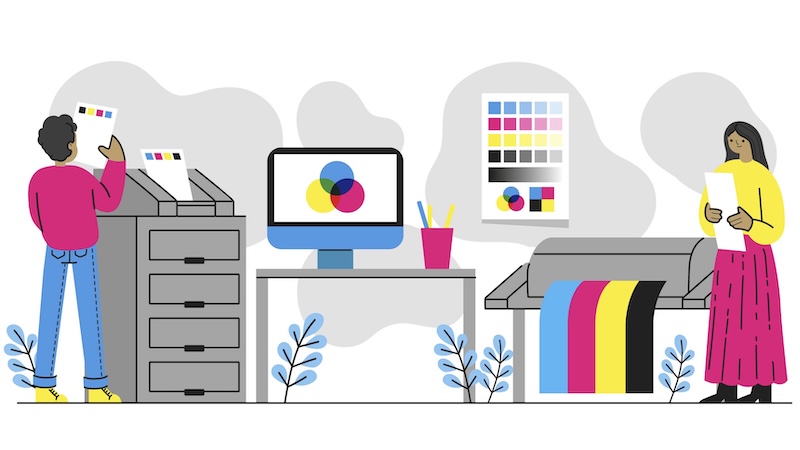
Color matching capabilities represent another essential feature to examine carefully. Advanced preview systems offer Pantone color selection or RGB-to-CMYK conversion tools, showing you how your brand colors will translate through different printing methods. Since screen colors often differ from printed results, vendors who provide color charts or physical samples alongside their digital tools demonstrate a commitment to accuracy. This attention to detail becomes particularly important when brand color consistency is non-negotiable across all your promotional products.
Template libraries can significantly streamline your design process, especially if you're creating custom promotional items for the first time. Look for vendors who offer pre-sized artwork templates that match their imprint areas exactly. These guides ensure your logo maintains proper proportions and positioning, preventing text from being cut off or images from appearing distorted. Some platforms even include suggested design layouts based on product type, helping you make the most of available space on everything from pens to tote bags.
Virtual proof approval systems separate professional vendors from amateur operations. After you've finalized your design using their online tools, reputable suppliers provide digital proofs showing exactly how your promotional items will look after printing. This proof should clearly display your logo placement, colors, and any text elements, allowing you to approve or request revisions before production begins. The ability to iterate on designs digitally saves both time and money compared to physical sampling.
Mobile responsiveness has become increasingly important as more buyers work from tablets and smartphones. Test any vendor's design tool on multiple devices to ensure a consistent experience. A truly effective platform maintains full functionality whether you're working from your office computer or reviewing proofs on your phone during your commute. This flexibility allows you to collaborate with team members and stakeholders regardless of their location or preferred device.
Integration with popular design software represents an advanced feature offered by forward-thinking vendors. If your marketing team creates logo files in Adobe Illustrator or similar professional programs, look for promotional products suppliers whose systems can import these files directly without quality loss. This seamless workflow maintains design integrity and reduces the technical barriers between concept and finished product.
Customer support accessibility during the design phase cannot be overlooked. Even the most sophisticated online tools occasionally require human guidance, particularly when working with complex artwork or specialty printing techniques. Vendors who offer live chat, phone support, or screen-sharing capabilities demonstrate their commitment to helping you create custom promotional products that accurately represent your brand. Their design specialists should be able to answer technical questions about file formats, color specifications, and imprint limitations in real time.
Before committing to a large order, consider requesting a physical sample based on your digital design. While online preview features have improved dramatically, nothing replaces holding the actual promotional items in your hands. Professional vendors typically offer sample services at reasonable costs, allowing you to verify that the final product matches your digital expectations. This step provides peace of mind, especially for first-time orders or when introducing your logo to a new product category.
Pricing transparency within the design tool itself helps you make informed decisions quickly. The best platforms display real-time cost calculations as you adjust quantities, add colors, or select different imprint locations. This immediate feedback allows you to optimize your budget without repeatedly requesting quotes. Understanding the cost implications of your design choices empowers you to balance quality aspirations with financial constraints effectively.
Ultimately, the sophistication of a vendor's online design tools and preview features reflects their overall professionalism and technological investment. Companies that prioritize user-friendly digital experiences typically maintain the same standards throughout their production and fulfillment processes. By thoroughly evaluating these systems before placing your order, you position yourself to receive custom promotional products that accurately showcase your logo and effectively represent your brand to your target audience.
After evaluating design tools and preview capabilities, the next critical consideration involves budget constraints and order minimums. Small businesses and individuals seeking custom promotional products often face financial limitations that make bulk ordering impractical, requiring careful navigation of vendor options and printing methods to maximize value without sacrificing quality.
Many promotional products suppliers now recognize the needs of smaller organizations and solo entrepreneurs by offering no-minimum-order policies. Companies like Printful, CustomInk, and Zazzle allow customers to order single items, making it feasible to test designs, create samples, or fulfill small-scale promotional campaigns without committing to bulk quantities. This flexibility proves particularly valuable for startups testing market response, event organizers needing limited quantities, or individuals creating personalized gifts with their logo.
When selecting no-minimum vendors, evaluate unit pricing carefully against bulk discounts from traditional suppliers. While per-item costs typically run higher for single-unit orders, the elimination of storage costs, inventory risk, and upfront capital requirements often justifies the premium. Print-on-demand services also reduce waste by producing only what customers actually purchase, aligning with sustainability goals while maintaining budget discipline.
Several platforms specialize in serving small-order customers with streamlined processes. Vistaprint offers promotional items starting at single units with frequent promotional discounts, while Custom Ink provides group ordering tools that help small teams consolidate individual preferences into cost-effective bulk purchases. Understanding each vendor's pricing structure, shipping policies, and production timelines enables informed decisions that balance convenience against total cost.
Certain promotional items deliver exceptional value for budget-conscious businesses seeking to print your logo on products without excessive investment. Stickers and decals represent the most economical entry point, with costs often ranging from $0.25 to $1.50 per unit depending on size, quantity, and finish. These versatile promotional products work effectively as packaging seals, laptop decorations, or giveaway items that recipients actually use and display.
Pens and writing instruments consistently rank among the most cost-effective custom promotional products, with quality plastic pens available for $0.50 to $2.00 per unit in quantities as low as 50 pieces. These items guarantee repeated brand exposure through daily use while fitting comfortably within tight promotional budgets. Keychains, bottle openers, and similar pocket-sized promotional items also provide excellent return on investment, typically costing between $1.00 and $3.00 per unit with your logo prominently displayed.
Tote bags manufactured from non-woven polypropylene offer another budget-friendly option, with wholesale prices ranging from $1.50 to $4.00 per bag depending on size and customization complexity. These reusable promotional items generate sustained visibility in public spaces while supporting environmental messaging that resonates with modern consumers. Cotton t-shirts, when ordered in quantities of 25 or more, can cost between $4.00 and $8.00 per shirt including basic screen printing, making them viable for small teams, volunteer groups, or local event promotion.
Small businesses and individuals must weigh the tradeoffs between do-it-yourself approaches and professional printing services when creating custom promotional products. DIY methods using home printers, heat transfer paper, or vinyl cutters can reduce per-unit costs to $1.00 to $3.00 for items like t-shirts or mugs, though results often lack the durability and professional finish of commercial printing. Equipment investments, learning curves, and time requirements also factor into true DIY costs, potentially negating apparent savings for those without existing skills or tools.
Professional printing services deliver consistent quality, durable finishes, and access to specialized techniques like screen printing, embroidery, or laser engraving that exceed DIY capabilities. For promotional items requiring longevity and professional appearance, outsourcing typically proves more cost-effective when factoring in labor hours, material waste during learning processes, and equipment depreciation. Services like local print shops often accommodate small orders while providing expert guidance on artwork preparation and product selection.
Hybrid approaches offer middle-ground solutions where businesses design artwork in-house using free tools like Canva or GIMP, then submit finished files to print-on-demand platforms that handle production and fulfillment. This model preserves creative control and reduces design costs while ensuring professional output quality. Evaluating your logo complexity, volume requirements, timeline flexibility, and quality expectations helps determine the optimal balance between self-production and professional services for your specific promotional products needs.
Proper logo file preparation ensures your brand appears crisp and professional across all promotional items. Quality files directly impact how custom promotional products display your identity.
Vector files (AI, EPS, SVG, PDF) deliver best printing results. They scale infinitely without quality loss, ideal for items from keychains to banners. Raster files (PNG, JPG) often produce blurry results when printed.
Professional printers require vector files with 300 DPI minimum for raster elements. Request CMYK color mode rather than RGB to prevent unexpected color shifts on physical materials.
Simplicity wins across diverse promotional items. Excessive detail, thin lines below 0.5 points, or intricate patterns disappear on smaller products. Create simplified versions maintaining core identity while removing fine details.
Test your logo in black and white to ensure recognition without color. Simplified versions reduce costs for bulk custom promotional items requiring single-color or two-color printing.
Pantone Matching System colors provide standardized references ensuring consistency across promotional products. Obtain official Pantone numbers rather than RGB or CMYK approximations.
Budget CMYK printing may produce slight variations between product categories. Fabric dyes, plastic molding, and paper printing interact differently with inks. Request physical samples before large orders when color accuracy is critical.
Create comprehensive packages including horizontal, vertical, and icon-only versions. Different promotional items have varying imprint areas requiring format flexibility.
Develop versions for light and dark backgrounds. Your logo must remain visible on white tote bags or black t-shirts, requiring inverse color schemes or background shapes for contrast.
Verify these requirements before submitting:
File format: Vector preferred (AI, EPS, SVG, PDF with outlined fonts)
Resolution: 300 DPI minimum for raster elements
Color mode: CMYK or Pantone spot colors with PMS numbers
Outline fonts to prevent substitution issues. This converts text to shapes, ensuring typography remains exact.
Print test versions at actual promotional item sizes. Logos perfect on screens may fail at 0.5 inches wide on pens. Check text legibility, line integrity, and negative space clarity before ordering hundreds of items.
Use digital rulers or size guides within design platforms. Physical proof samples are worthwhile investments for new campaigns or updated branding.
Consult graphic designers for print-optimized versions if your logo wasn't created for promotional products. Professionals understand imprint limitations and decoration method effects. Investment typically costs 200-800 USD.
Communicate specific products when briefing designers. Knowing requirements for embroidery, screen printing, and laser engraving helps them deliver production-ready files.
Organize variations, color codes, and specifications in centralized brand folders. Use clear naming conventions like "CompanyLogo_Horizontal_FullColor_Vector.eps" for streamlined future orders.
Document approved Pantone colors, minimum sizes, prohibited uses, and clear space guidelines. Share information with anyone ordering promotional products to prevent low-quality submissions or unapproved variations diluting brand identity.
After preparing your logo files with the proper resolution, color modes, and formats, you are now equipped to make informed decisions when ordering custom promotional products. Understanding the complete process from design preparation through vendor selection ensures your promotional items deliver maximum brand impact while staying within budget.
The journey to successfully print your logo on products requires balancing multiple considerations. Whether you are a Fortune 500 company ordering thousands of units or a small business starting with a modest quantity, these essential insights will help you navigate the custom promotional products landscape effectively.
Successful promotional product campaigns begin with clear objectives. Define your target audience, distribution channels, and campaign goals before selecting items. Custom promotional products work best when they align with your brand values and provide genuine utility to recipients. A tech company might prioritize USB drives or wireless chargers, while an eco-conscious brand could focus on sustainable promotional items made from recycled materials.
Budget allocation should account for more than unit costs. Factor in setup fees, which typically range from $25 to $75 per imprint location, shipping expenses, and rush charges if applicable. Many vendors offer price breaks at quantity thresholds of 100, 250, 500, and 1,000 units. Ordering slightly above these breakpoints often reduces per-unit costs significantly. For budget-conscious buyers, consider consolidating orders or partnering with other departments to reach higher quantities.
Not all promotional products vendors deliver equal results. Evaluate potential suppliers based on their quality guarantees, sample policies, and production timelines. Request physical samples before committing to large orders, especially for first-time partnerships. A quality logo reproduction on products depends on the vendor's printing equipment, color matching capabilities, and quality control processes.
Production timelines vary considerably across product categories. Standard orders typically require 10 to 15 business days after artwork approval, while rush services can deliver in 3 to 5 days at premium pricing. Peak seasons like November through January often extend lead times by several days. Always build buffer time into your campaign schedule to accommodate potential delays or necessary artwork revisions.
Choosing the right imprint method dramatically affects your logo's appearance and durability. Screen printing offers vibrant colors and excellent durability for apparel and fabric items. Embroidery provides a premium, professional look for polos, jackets, and caps. Digital printing works well for complex, multi-color designs on small quantities. Laser engraving creates sophisticated, permanent marks on metal, wood, and leather products.
Product selection should prioritize practical value over novelty. The most effective promotional items earn repeated use in daily life, maximizing brand exposure. Drinkware, writing instruments, tech accessories, and apparel consistently rank among the highest-retention categories. Consider your audience's lifestyle and work environment when selecting products. Remote workers appreciate items like webcam covers, laptop stands, or quality headphones, while field workers benefit from durable outerwear or tool accessories.
Maximizing your promotional products investment requires strategic thinking. Multi-item orders from single vendors often qualify for combined shipping rates and overall discounts. Some suppliers waive setup fees when reordering the same design. Digital proofs cost nothing, while physical samples typically run $15 to $50 including shipping, but they prevent costly mistakes on large orders.
Small businesses and individuals can access affordable custom promotional options through no-minimum vendors, though per-unit costs run higher. For orders under 25 units, expect to pay 50 to 100 percent more per item compared to bulk pricing. This premium buys flexibility for testing different products or serving niche events without excess inventory. Many entrepreneurs successfully launch brands using small-batch promotional items before scaling to larger orders.
Custom promotional products deliver the most value when integrated into comprehensive marketing strategies. Distribute items strategically at trade shows, customer appreciation events, employee onboarding, and community sponsorships. Track which products generate the most engagement and positive feedback, then allocate future budgets accordingly.
Your logo represents your brand identity across every touchpoint. Consistent color reproduction, proper sizing, and professional presentation on promotional items reinforce brand recognition and credibility. Invest time in creating comprehensive brand guidelines that specify exact Pantone colors, minimum logo sizes, and prohibited modifications. Share these guidelines with every vendor to maintain consistency across all custom promotional products.
Building relationships with reliable vendors pays dividends over time. Established partnerships often yield preferential pricing, faster turnaround times, and proactive problem-solving. Many suppliers offer dedicated account managers for regular customers, streamlining the reorder process and ensuring consistent quality standards.
The promotional products industry continues evolving with new materials, printing technologies, and product categories. Stay informed about emerging trends like sustainable materials, smart technology integration, and contactless payment-enabled items. However, classic promotional items like pens, tote bags, and drinkware remain effective because they solve everyday needs while keeping your brand visible.
Success in promotional product campaigns comes from thoughtful planning, quality execution, and strategic distribution. By applying these key principles, your custom promotional products will effectively build brand awareness, strengthen customer relationships, and deliver measurable marketing returns.### What file format should I use for my logo on promotional products?
Vector formats like AI, EPS, or PDF are ideal because they scale without quality loss. For digital printing, use high-resolution PNG files with transparent backgrounds at 300 DPI or higher. If you only have low-resolution files, have your logo professionally recreated in vector format before ordering.
Screen printing typically limits you to one to four colors because each color requires a separate screen, increasing costs. Digital printing handles unlimited colors but costs more per unit. Consider creating simplified logo versions with solid colors instead of gradients to reduce production costs while maintaining brand recognition.
Minimum orders typically range from 25 to 500 units depending on product type. Simple items like pens require 50 to 100 pieces, while apparel may need 100 to 250 units. Some suppliers offer no-minimum print-on-demand services at higher per-unit costs. Larger quantities reduce costs through volume discounts.
Production typically takes seven to 21 business days after artwork approval, depending on item complexity. Rush services reduce this to three to five business days for additional fees. Allow four to six weeks for first orders to accommodate design revisions and proof approvals. Holiday seasons may extend timelines, so order well in advance.
Yes, many vendors offer USA-made promotional products, though they cost more than imported items. Domestically produced options include apparel, drinkware, notebooks, and tech accessories. Benefits include shorter shipping times, quality control, and marketing value for audiences who support American manufacturing.
Color variations occur due to differences between screen colors (RGB) and print colors (CMYK or Pantone). Always request physical proofs before approving production runs. Use Pantone numbers in brand guidelines to maintain consistency. If final products differ substantially from approved proofs, contact your vendor immediately—reputable suppliers will remake orders that don't match specifications.
After exploring the essential aspects of creating custom promotional products and understanding how to effectively print your logo on products, you now have the foundation to launch a successful branded merchandise campaign. The journey from concept to delivery involves thoughtful decisions about product selection, design quality, supplier partnerships, and distribution strategies that align with your marketing objectives.
Custom promotional products represent far more than simple giveaways—they serve as tangible brand ambassadors that extend your marketing reach well beyond traditional advertising channels. When you invest in quality logo products that resonate with your target audience, you create lasting impressions that keep your brand top-of-mind. The physical nature of promotional items means your logo travels with recipients, generating repeated brand exposures in ways digital marketing simply cannot replicate.
The success of your promotional products campaign hinges on strategic planning that balances creativity with practicality. Consider your audience demographics, usage scenarios, and brand message when selecting items to customize. A well-chosen promotional item that aligns with recipient lifestyles will see regular use, multiplying your brand visibility exponentially.
 English